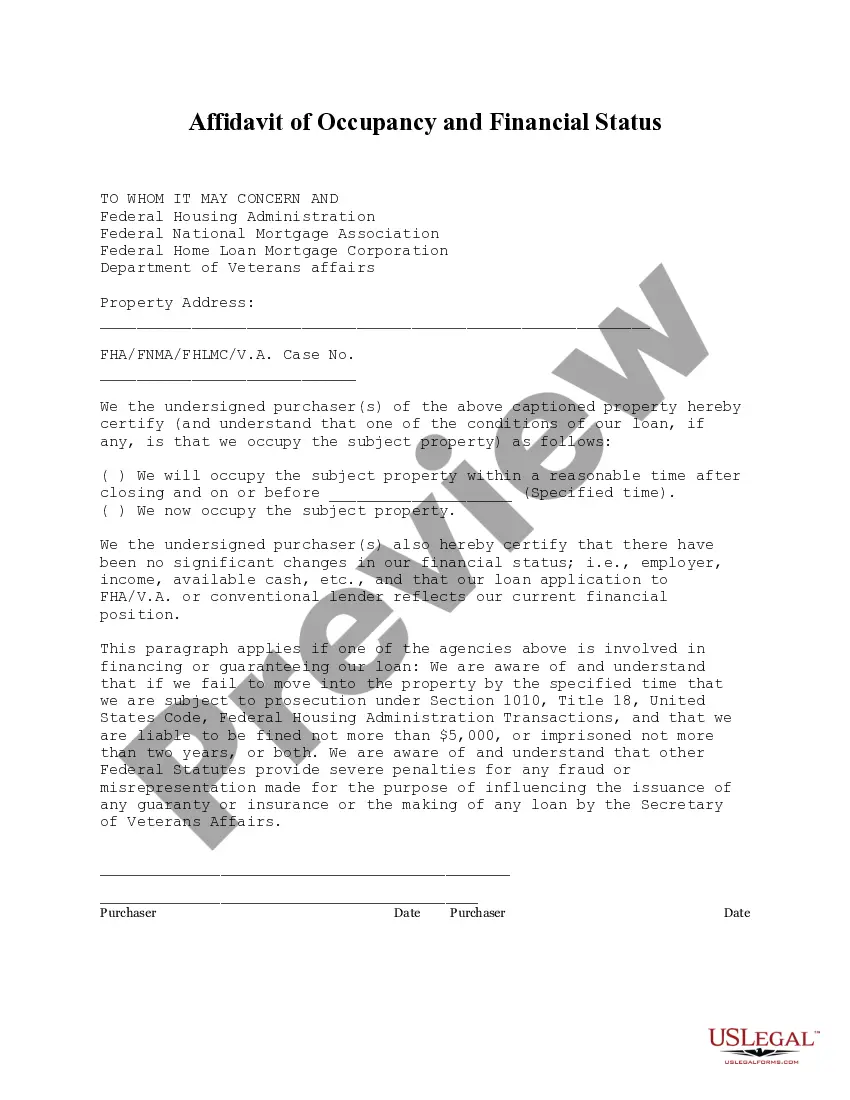
Affidavit Of Occupancy Sample
Description

Get your form ready online
Our built-in tools help you complete, sign, share, and store your documents in one place.
Make edits, fill in missing information, and update formatting in US Legal Forms—just like you would in MS Word.
Download a copy, print it, send it by email, or mail it via USPS—whatever works best for your next step.
Sign and collect signatures with our SignNow integration. Send to multiple recipients, set reminders, and more. Go Premium to unlock E-Sign.
If this form requires notarization, complete it online through a secure video call—no need to meet a notary in person or wait for an appointment.
We protect your documents and personal data by following strict security and privacy standards.

Make edits, fill in missing information, and update formatting in US Legal Forms—just like you would in MS Word.

Download a copy, print it, send it by email, or mail it via USPS—whatever works best for your next step.

Sign and collect signatures with our SignNow integration. Send to multiple recipients, set reminders, and more. Go Premium to unlock E-Sign.

If this form requires notarization, complete it online through a secure video call—no need to meet a notary in person or wait for an appointment.

We protect your documents and personal data by following strict security and privacy standards.
Looking for another form?
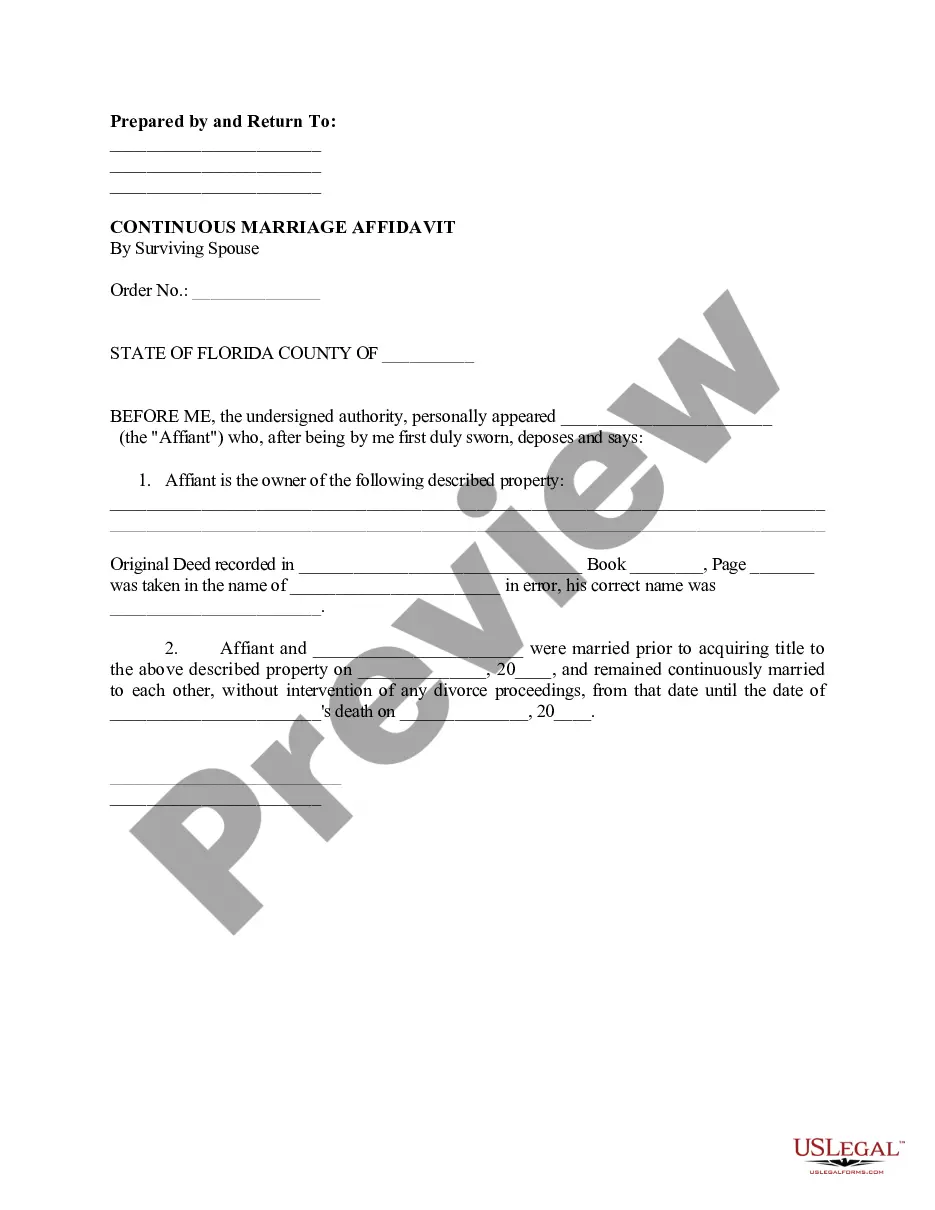

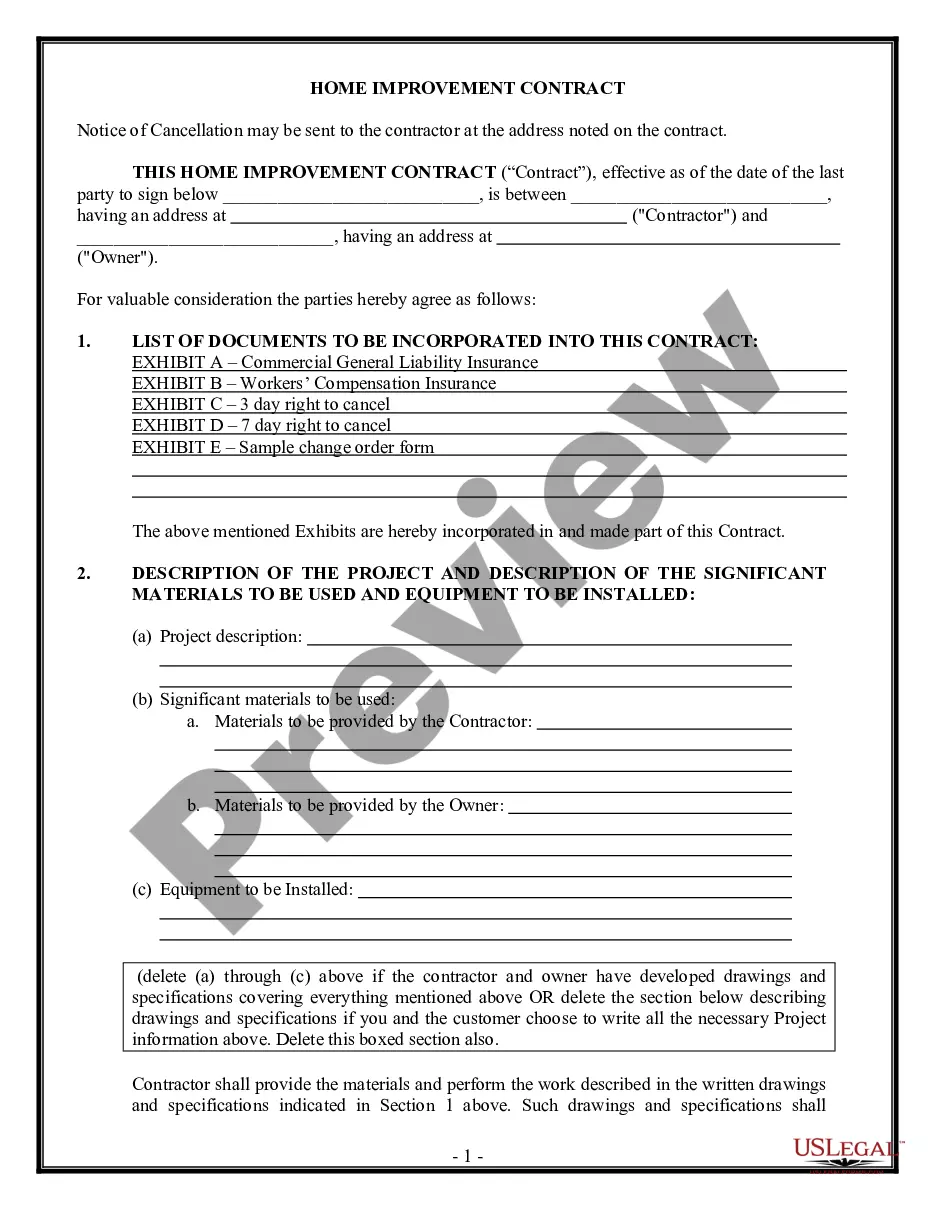

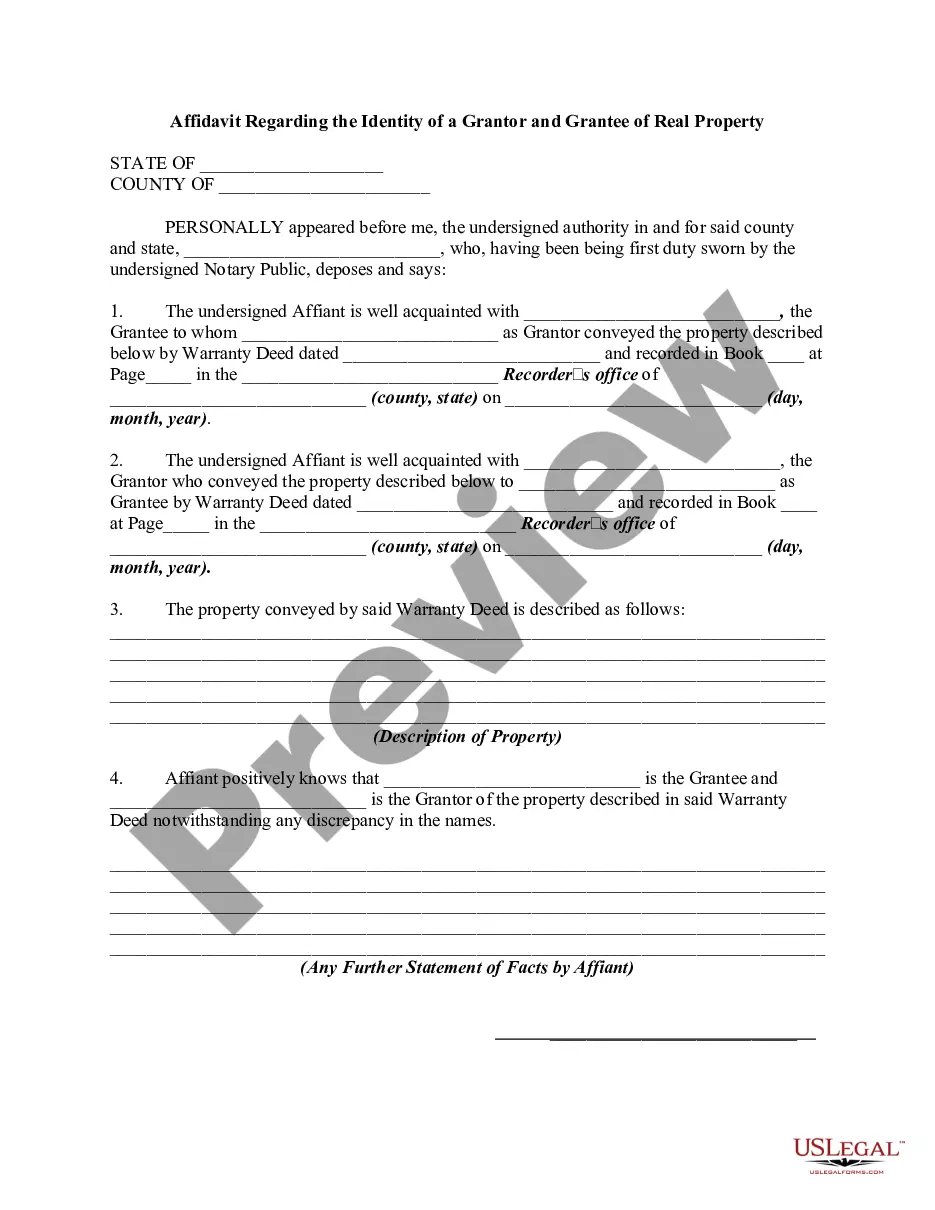

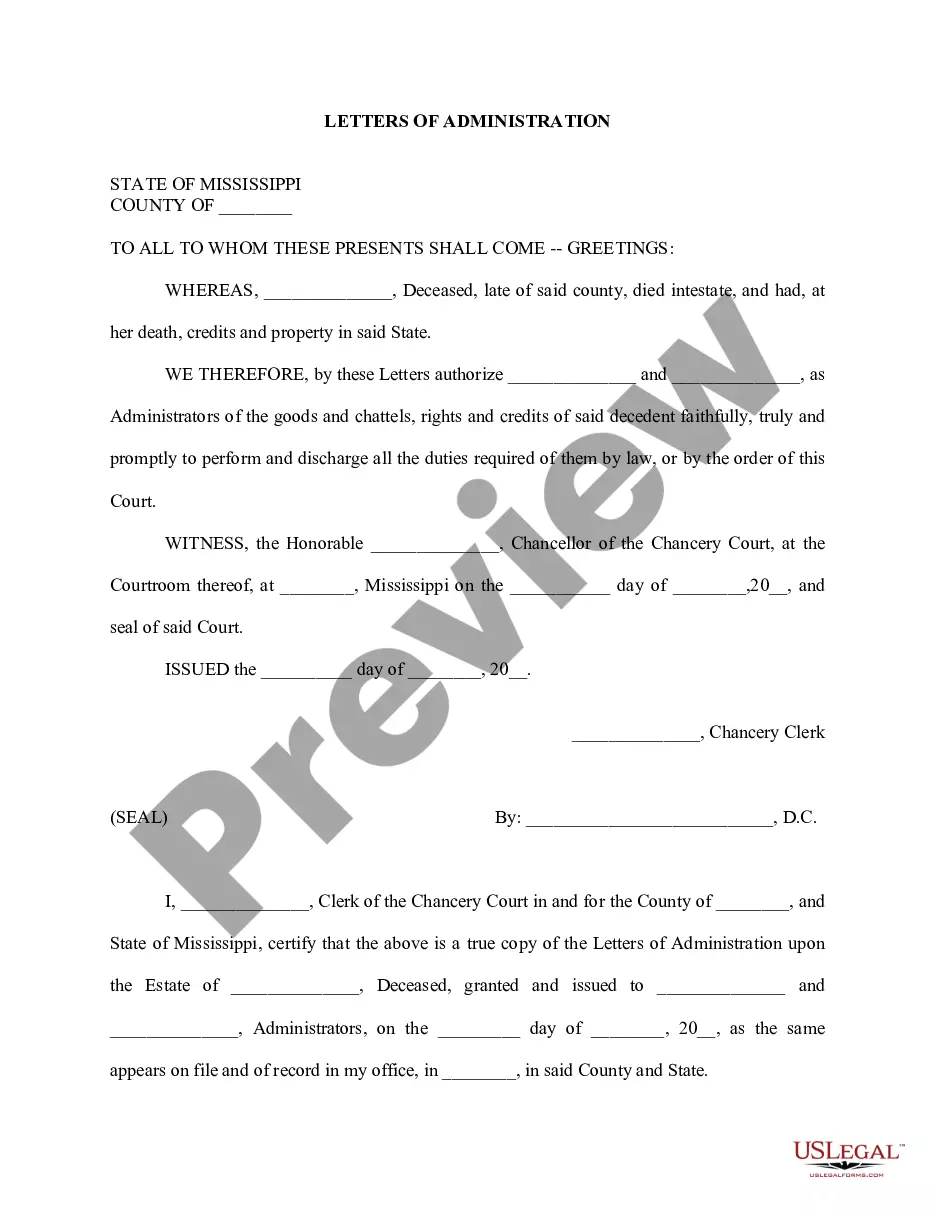

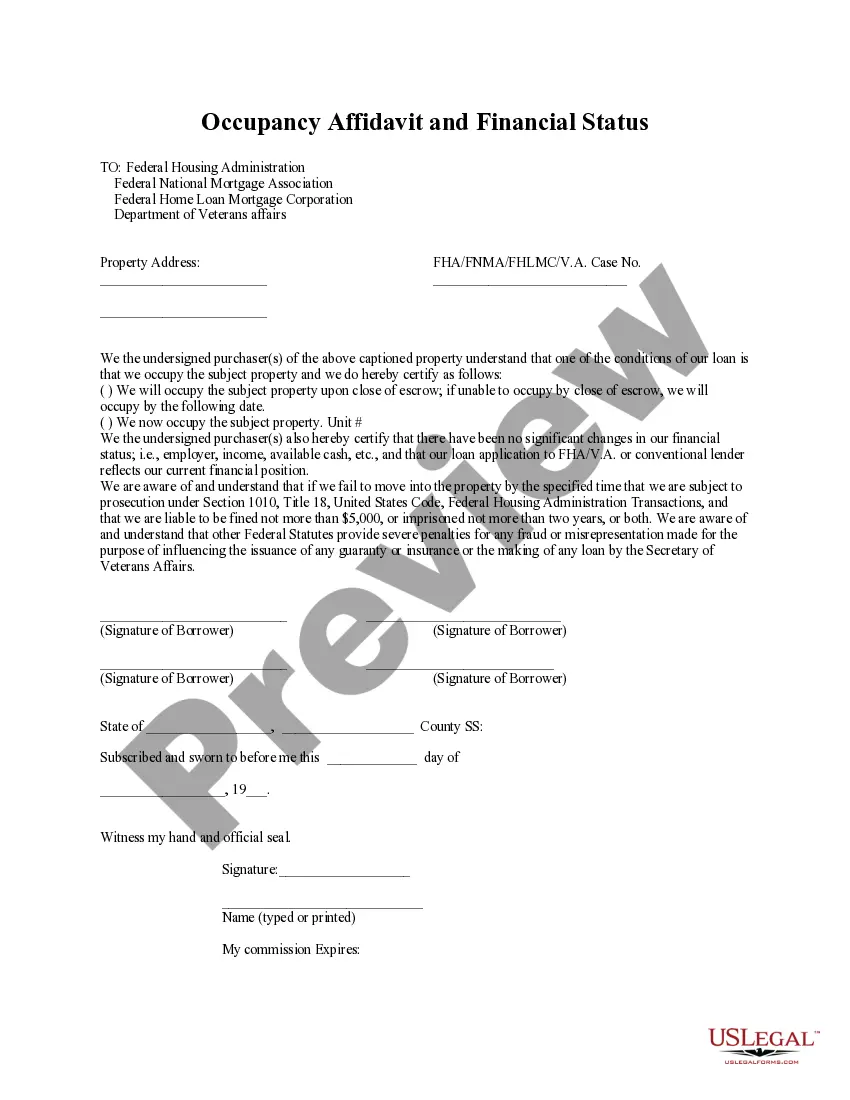
How to fill out Florida Affidavit Of Occupancy And Financial Status?
Individuals usually connect legal paperwork with something intricate that only an expert can handle.
In a particular sense, this is correct, as creating an Affidavit Of Occupancy Sample necessitates considerable knowledge in subject matters, which includes state and county regulations.
Nevertheless, with US Legal Forms, everything has become simpler: pre-made legal templates for any life and business scenario tailored to state laws are gathered in a single online directory and are now accessible to everyone.
All templates in our catalog are reusable: once purchased, they remain in your profile for future access. You can retrieve them anytime needed through the My documents tab. Experience all the advantages of utilizing the US Legal Forms platform. Subscribe now!
- US Legal Forms provides over 85,000 current forms categorized by state and application area, making it quick to search for an Affidavit Of Occupancy Sample or any other specific template.
- Registered users with an active subscription must Log In to their account and click Download to retrieve the form.
- New users to the service will need to register for an account and subscribe prior to downloading any documents.
- Here is the comprehensive guide on how to acquire the Affidavit Of Occupancy Sample.
- Carefully review the page content to ensure it fits your requirements.
- Examine the form description or view it via the Preview option.
- If the previous sample does not meet your needs, look for another using the Search field above.
- Once you locate the correct Affidavit Of Occupancy Sample, click Buy Now.
- Choose a subscription plan that aligns with your needs and budget.
Form popularity
FAQ
Lenders usually stipulate that homeowners have 30 days after closing to occupy a primary residence. To verify the person moving in is actually the owner, the lender may call the house and ask to speak to the homeowner. A tenant is likely to respond that the owner lives elsewhere.
The documents that can prove occupancy are: Utility bills dated within three months before the disaster: Electric, gas, oil, trash, water/sewer bills that show the name of the applicant or the co-applicant and the address of the disaster-damaged residence.
Lending companies cannot force a homeowner to live in a home when they have legitimate reasons or even desires to move. However, to get out of the owner-occupancy clause on a primary residence home loan, the owner should be able to prove that they had every intention of occupying the home at the time of purchase.
Changing your home loan from an owner-occupied to an investment loan. If you've decided to use your home as an investment property, you'll need to notify your lender that the property is no longer owner-occupied. That's because a different mortgage product might apply for an investment property.
An owner-occupied property is a piece of real estate in which the person who holds the title (or owns the property) also uses the home as their primary residence. The term owner-occupied is commonly associated with real estate investors who live in a property and rent out separate spaces to tenants.