Rent Default Meaning Forbearance
Description

Get your form ready online
Our built-in tools help you complete, sign, share, and store your documents in one place.
Make edits, fill in missing information, and update formatting in US Legal Forms—just like you would in MS Word.
Download a copy, print it, send it by email, or mail it via USPS—whatever works best for your next step.
Sign and collect signatures with our SignNow integration. Send to multiple recipients, set reminders, and more. Go Premium to unlock E-Sign.
If this form requires notarization, complete it online through a secure video call—no need to meet a notary in person or wait for an appointment.
We protect your documents and personal data by following strict security and privacy standards.

Make edits, fill in missing information, and update formatting in US Legal Forms—just like you would in MS Word.

Download a copy, print it, send it by email, or mail it via USPS—whatever works best for your next step.

Sign and collect signatures with our SignNow integration. Send to multiple recipients, set reminders, and more. Go Premium to unlock E-Sign.

If this form requires notarization, complete it online through a secure video call—no need to meet a notary in person or wait for an appointment.

We protect your documents and personal data by following strict security and privacy standards.
Looking for another form?
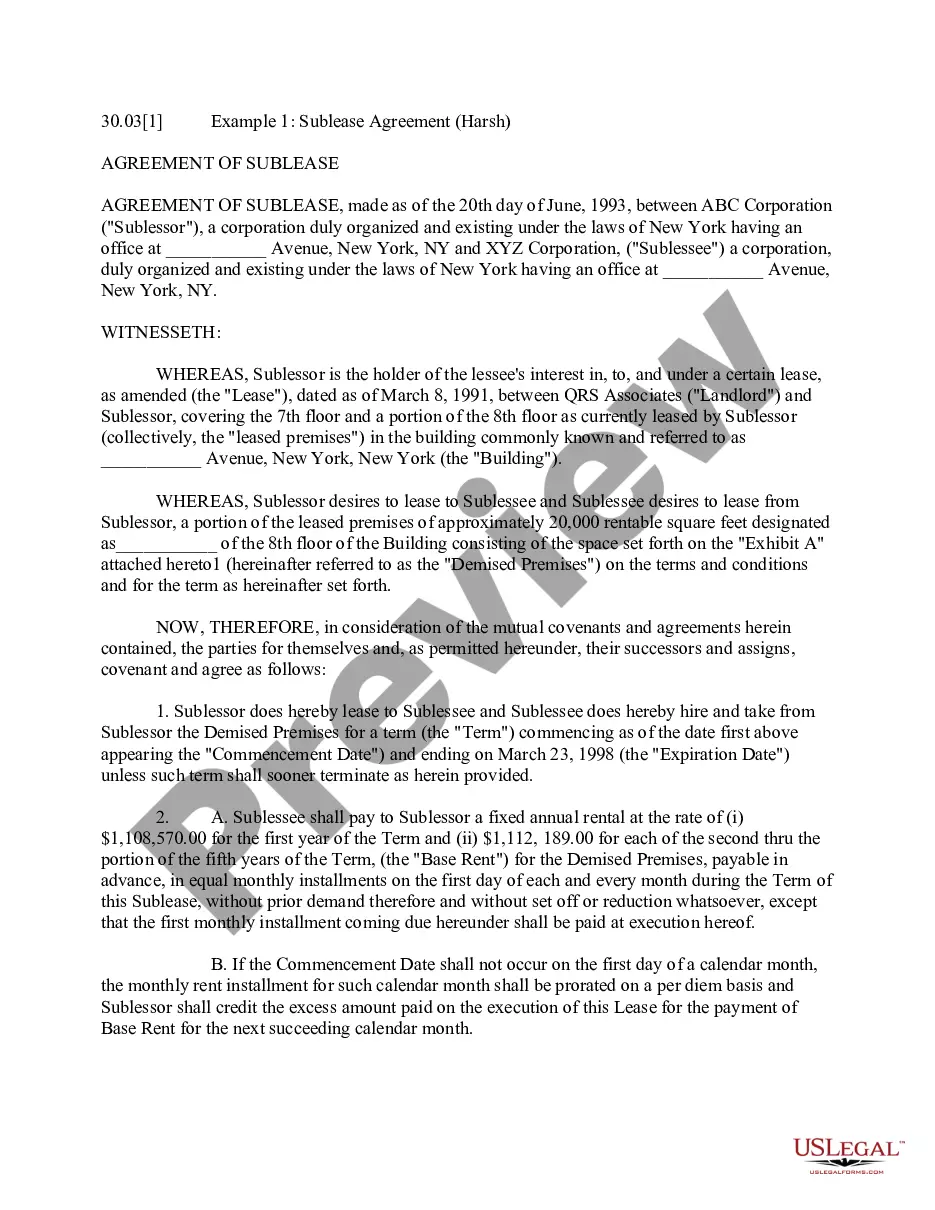

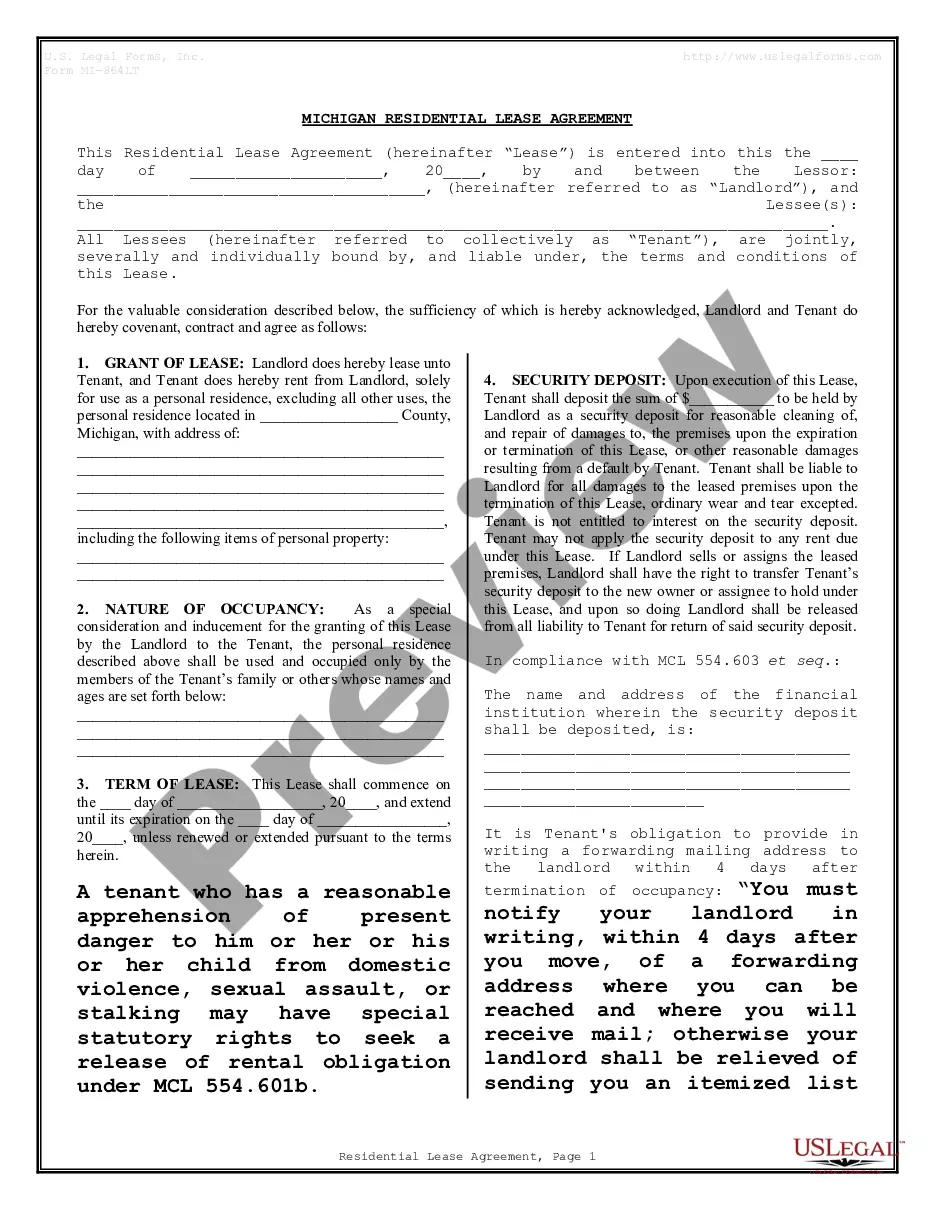




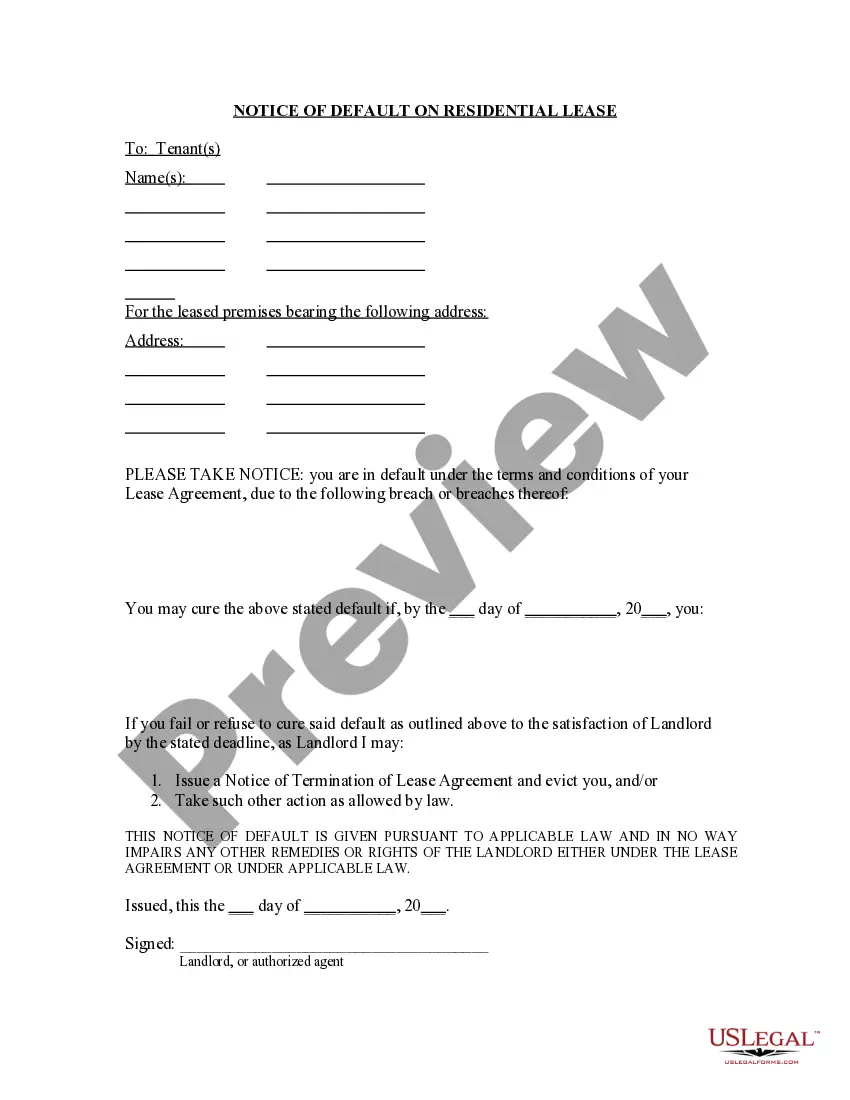
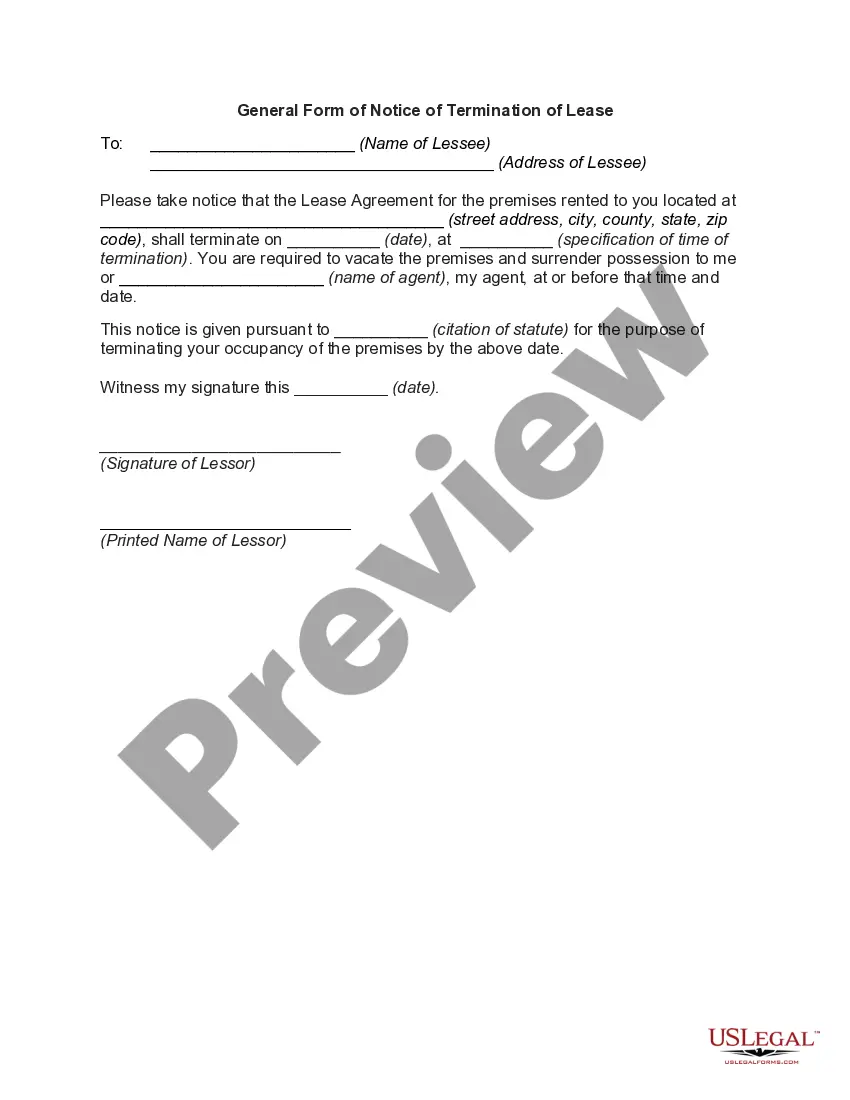
How to fill out Florida Notice Of Default On Residential Lease?
Whether for commercial aims or for personal issues, everyone must confront legal circumstances sooner or later in their existence.
Filling out legal documents necessitates meticulous care, starting from selecting the suitable form template.
With a vast US Legal Forms collection available, you won’t have to waste time hunting for the correct template online. Utilize the library’s straightforward navigation to obtain the proper form for any circumstance.
- Locate the template you require using the search bar or catalog browsing.
- Review the form’s details to confirm it suits your circumstance, state, and locality.
- Click on the form’s preview to inspect it.
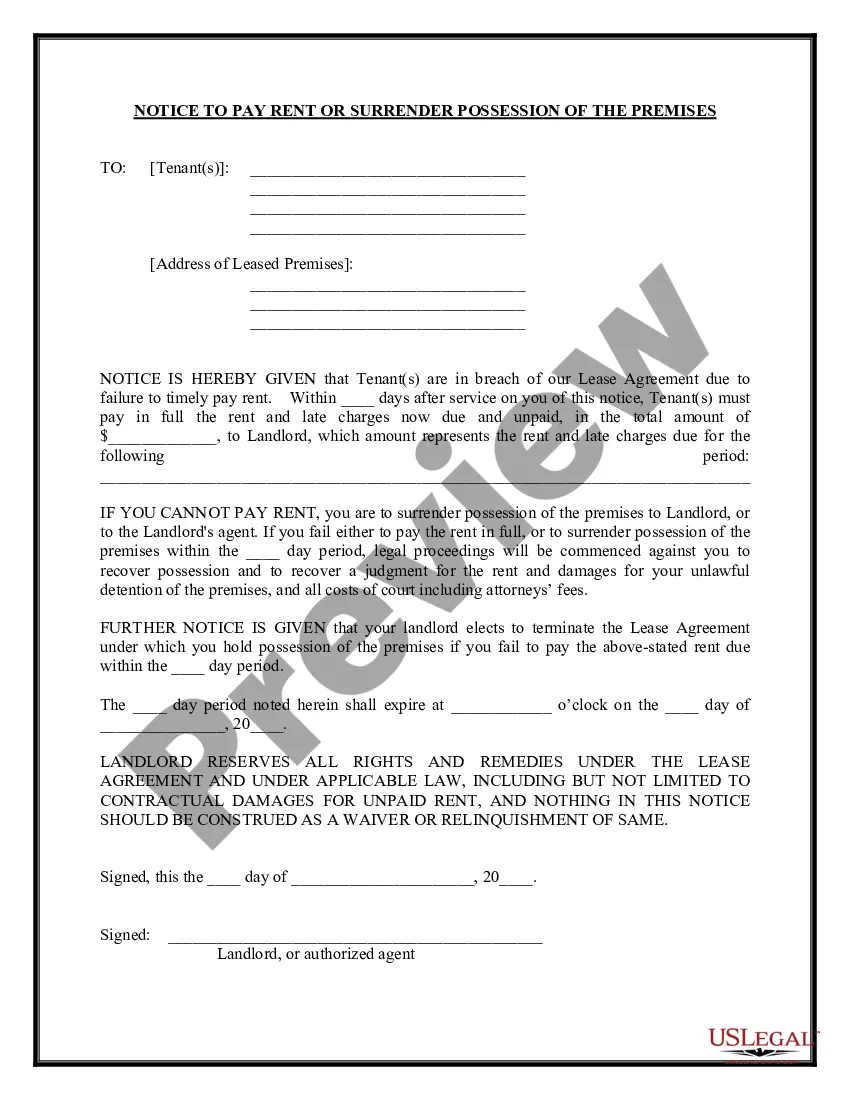
- If it is an incorrect form, return to the search tool to find the Rent Default Meaning Forbearance sample you need.
- Download the template if it aligns with your needs.
- If you possess a US Legal Forms account, click Log in to access previously saved templates in My documents.
- If you do not have an account yet, you can acquire the form by clicking Buy now.
- Select the suitable pricing choice.
- Complete the account registration form.
- Choose your payment option: you can use a credit card or PayPal account.
- Select the document format you prefer and download the Rent Default Meaning Forbearance.
- Once saved, you can fill out the form using editing software or print it and complete it manually.
Form popularity
FAQ
Forbearance is the intentional action of abstaining from doing something. In the context of the law, it refers to the act of delaying from enforcing a right, obligation, or debt. For example, a creditor may forbear legal action against the debtor if they settle the debt payment with new payment conditions.
Forbearance is a temporary postponement of loan payments granted by a lender instead of forcing the borrower into foreclosure or default. The terms of a forbearance agreement are negotiated between the borrower and the lender.
Homeowners with federally backed loans have the right to ask for and receive a forbearance period for up to 180 days?which means you can pause or reduce your mortgage payments for up to six months. Additionally, you can request an extension of forbearance for up to 180 additional days, for a total of 360 days.
A forbearance agreement, also known as a ?standstill agreement,? is a separate contract that obligates a lender to refrain or forbear from enforcing existing or anticipated defaults for a period of time in exchange for new agreements by a borrower. Typically, a borrower gets more time by giving up rights.
Forbearance is when your mortgage servicer, that's the company that sends your mortgage statement and manages your loan, or lender allows you to pause or reduce your payments for a limited period of time. Forbearance does not erase what you owe. You'll have to repay any missed or reduced payments in the future.