Life Estate Language For Deed
Description
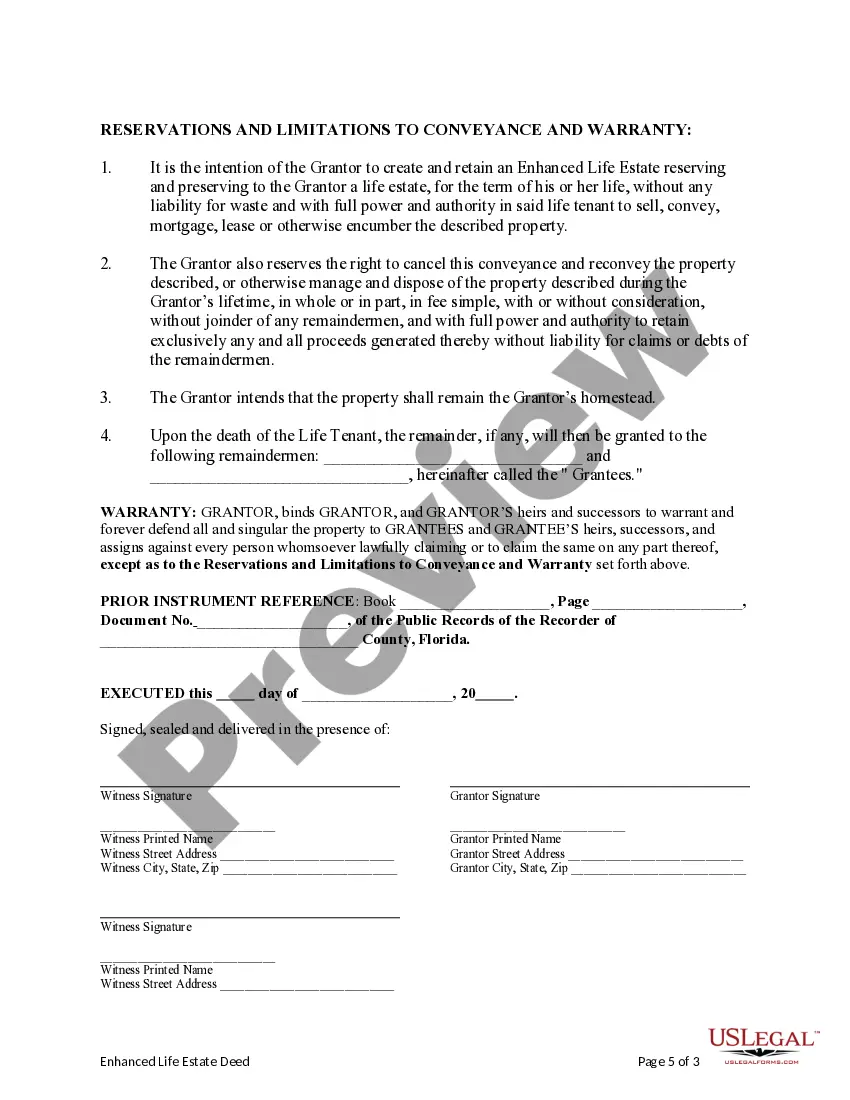
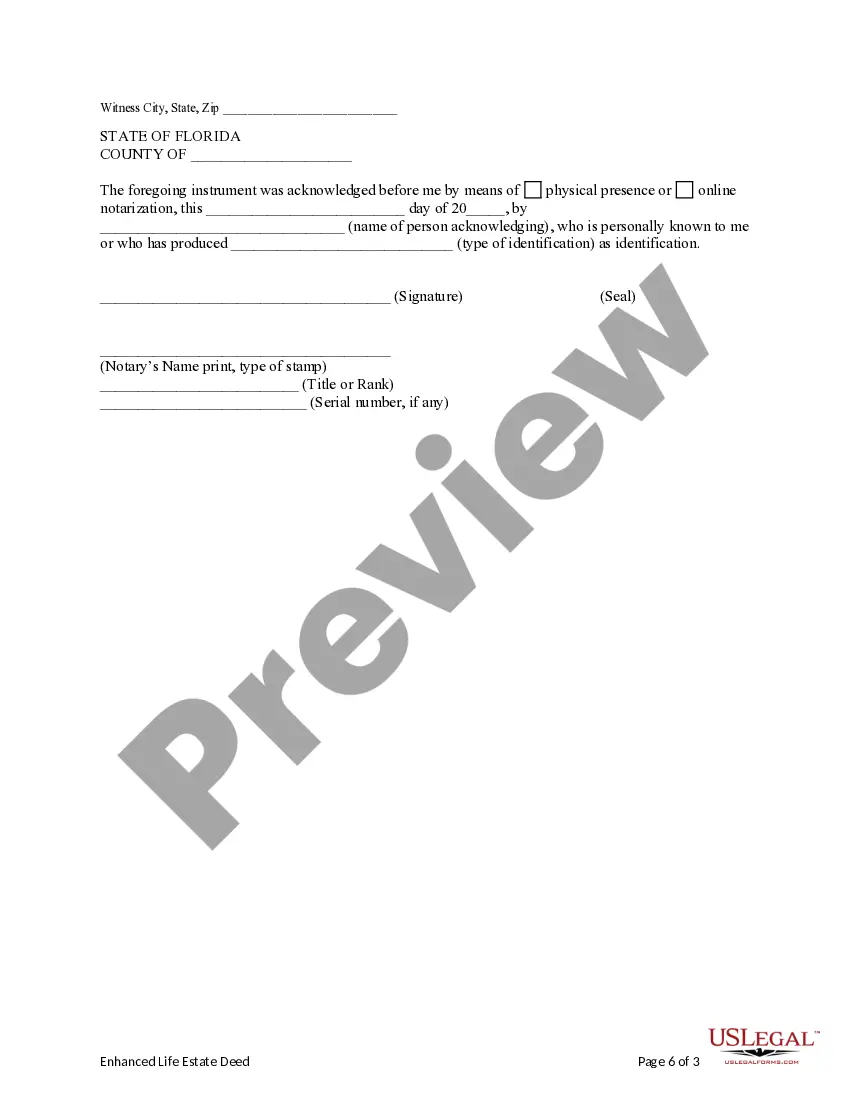
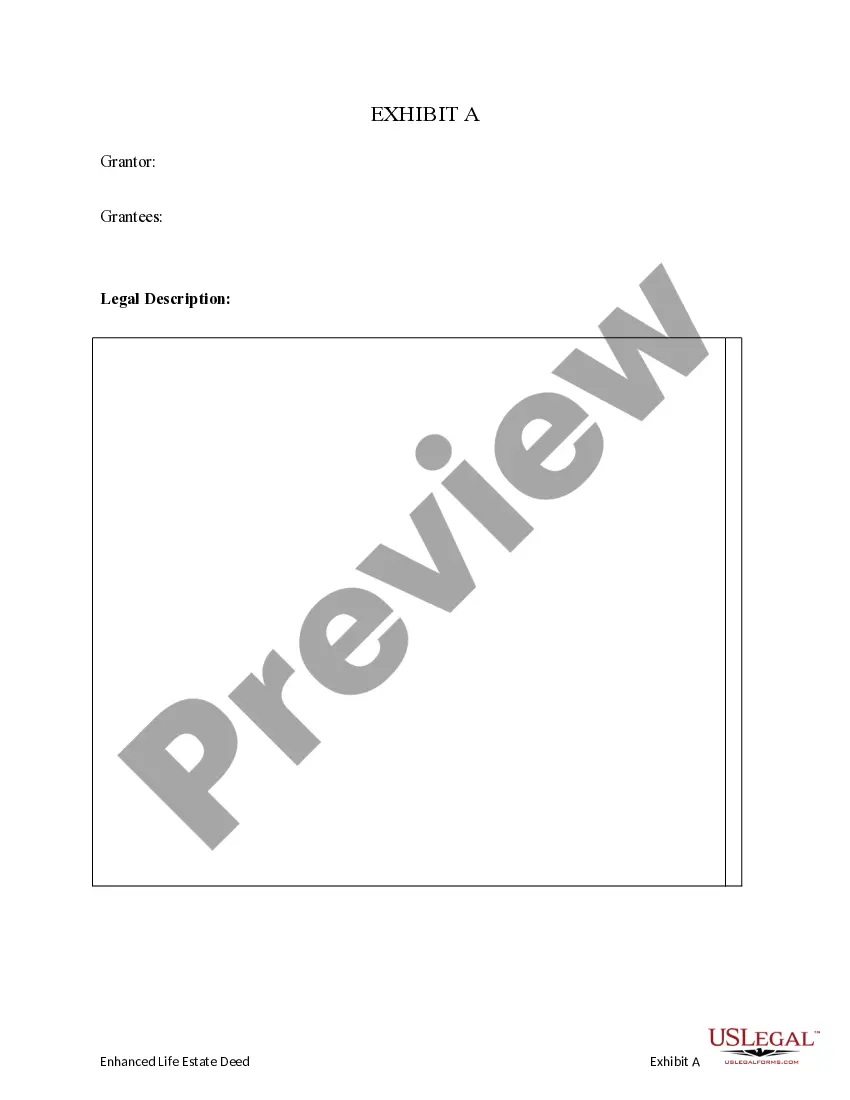
Get your form ready online
Our built-in tools help you complete, sign, share, and store your documents in one place.
Make edits, fill in missing information, and update formatting in US Legal Forms—just like you would in MS Word.
Download a copy, print it, send it by email, or mail it via USPS—whatever works best for your next step.
Sign and collect signatures with our SignNow integration. Send to multiple recipients, set reminders, and more. Go Premium to unlock E-Sign.
If this form requires notarization, complete it online through a secure video call—no need to meet a notary in person or wait for an appointment.
We protect your documents and personal data by following strict security and privacy standards.

Make edits, fill in missing information, and update formatting in US Legal Forms—just like you would in MS Word.

Download a copy, print it, send it by email, or mail it via USPS—whatever works best for your next step.

Sign and collect signatures with our SignNow integration. Send to multiple recipients, set reminders, and more. Go Premium to unlock E-Sign.

If this form requires notarization, complete it online through a secure video call—no need to meet a notary in person or wait for an appointment.

We protect your documents and personal data by following strict security and privacy standards.
Looking for another form?

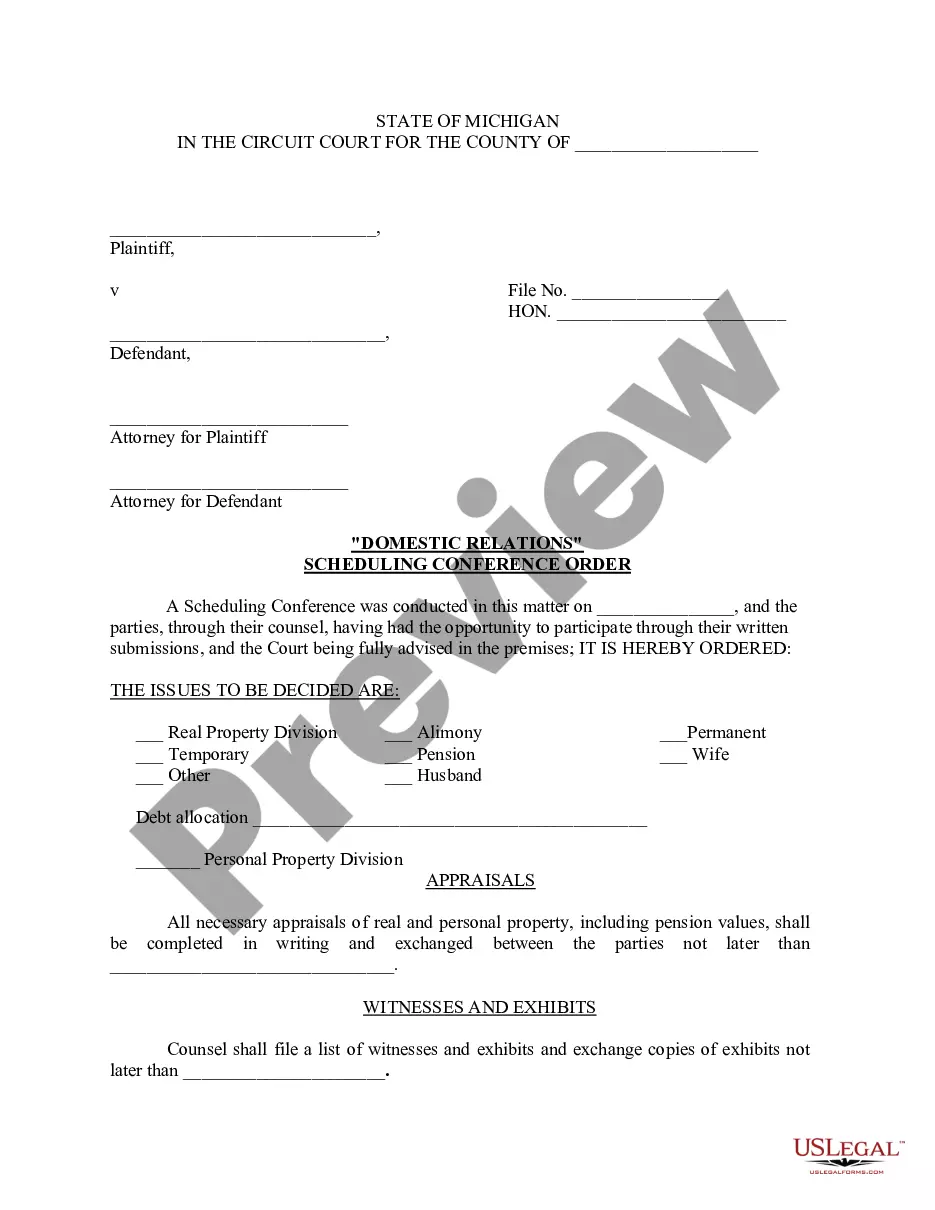






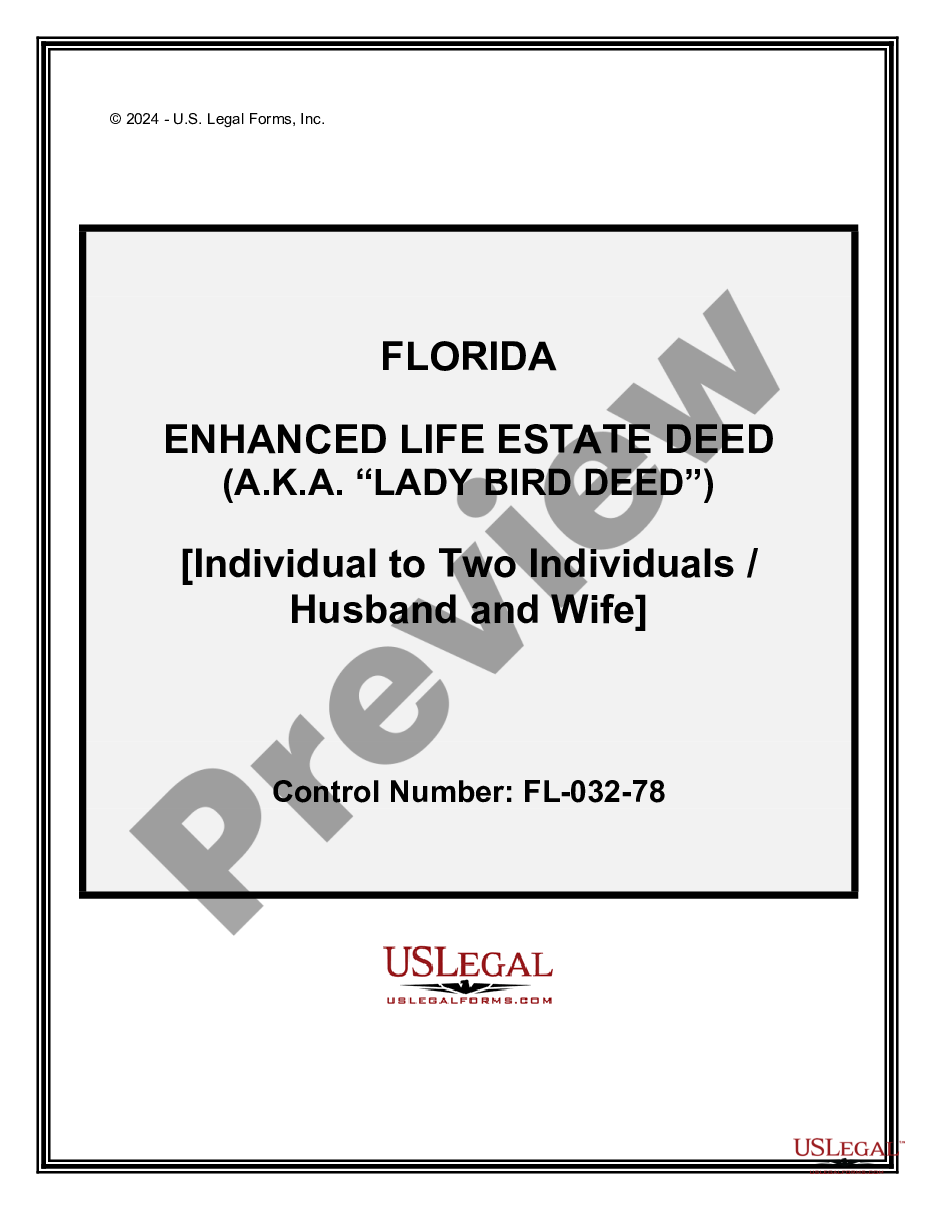
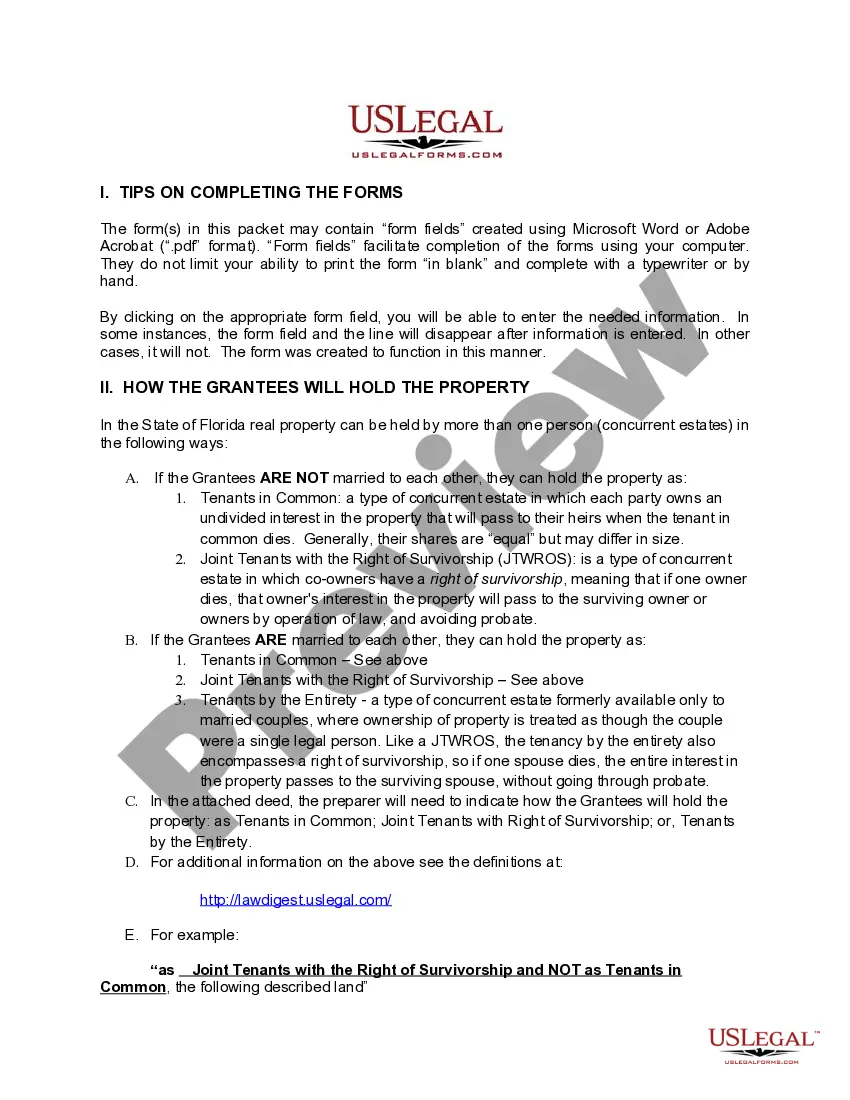
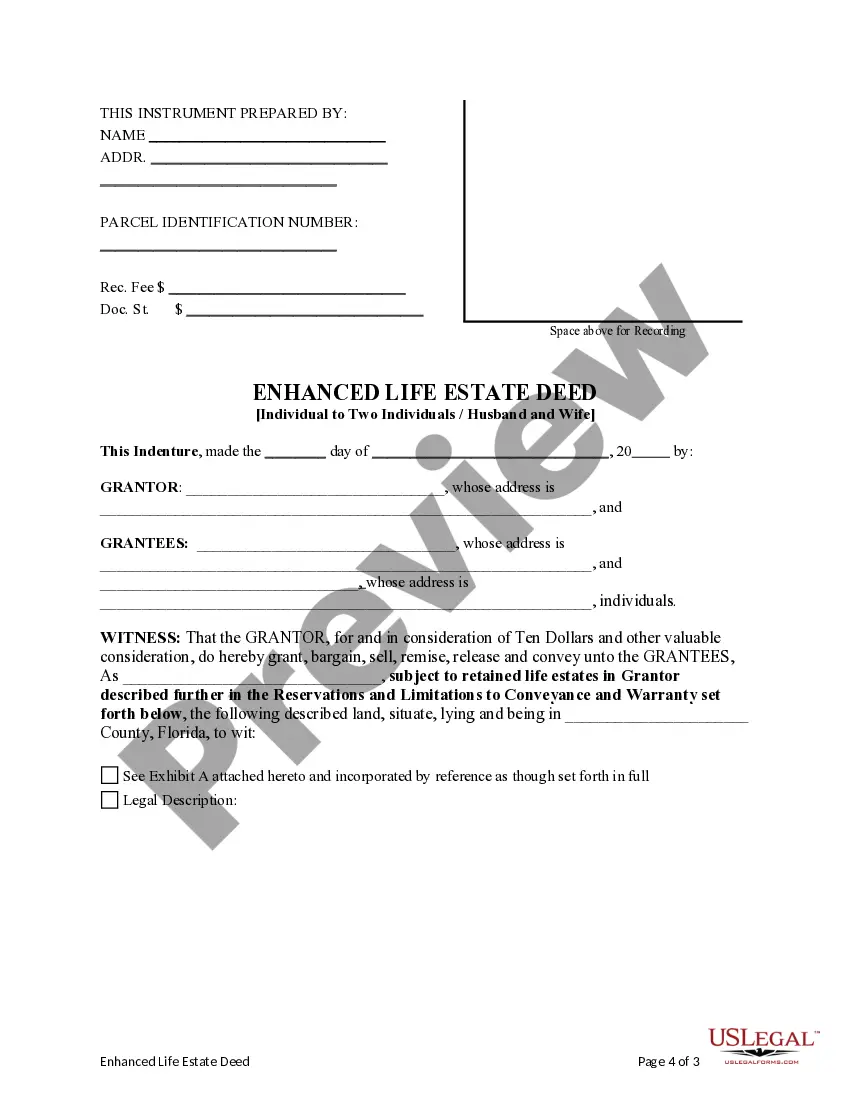
How to fill out Florida Enhanced Life Estate Or Lady Bird Deed - Individual To Two Individuals / Husband And Wife?
- If you're a returning user, log into your account and click the Download button for the necessary form. Ensure your subscription is active; renew it if necessary.
- If you're new, start by checking the Preview mode and description of the form to ensure it matches your requirements and jurisdiction.
- If the current form doesn’t meet your needs, utilize the Search tab to find an alternative template that fits your specifications.
- Purchase the document by clicking the Buy Now button and selecting your preferred subscription plan. You will need to create an account to access the full library.
- Complete your transaction by entering your payment information, either with a credit card or through your PayPal account.
- Download the form and save it on your device. You can access it later through the My Forms section in your profile.
US Legal Forms provides users with a vast library of over 85,000 fillable and editable legal forms, ensuring you find the exact document you need.
Take the first step towards securing your property rights by using US Legal Forms today. Start your journey towards effective legal documentation!
Form popularity
FAQ
The granting clause in a deed specifies the intent to convey ownership of a property. This language is crucial, as it clearly establishes the transfer of the life estate. Typically, the language should include phrases like 'I hereby grant' or 'I convey.' Understanding proper life estate language for deed can help avoid future disputes regarding property rights.
While a life estate can be beneficial, it comes with negatives that parties must consider. The life tenant cannot freely dispose of the property or make significant alterations without consent from the remainderman. Furthermore, potential liability issues may arise, like property damage claims. Consulting resources that clarify life estate language for deed can help you make informed decisions.
Getting around a life estate can be complex, but options exist. One way is to negotiate with the remainderman to agree on terms for selling the property. Additionally, revising the life estate language for deed may involve establishing a new agreement, though legal advice is strongly recommended. Understanding your rights and obligations is crucial for navigating these scenarios.
A life estate deed has some notable disadvantages. For instance, the owner cannot sell or mortgage the property without the consent of the remainderman. Additionally, once the life tenant passes away, the property automatically transfers to the remainderman, which limits the life tenant's control over future inheritance. Proper understanding of life estate language for deed is essential to navigate these limitations effectively.
The language to create a life estate should clearly define the life tenant and the duration of their ownership. Common phrases include 'for the life of' or 'for the life of Name'. Always be precise and comprehensive in your language to protect your intentions and rights regarding the property. Platforms like US Legal Forms offer templates that include this essential language, making it easier to draft an effective deed.
Writing a real estate deed involves several key steps, such as including the names of the parties, the property description, and the life estate language for the deed explicitly. You'll also need to specify any conditions or limitations, such as duration of the life estate. Utilizing a guided template from US Legal Forms can make this process easier and help ensure your deed complies with local regulations.
A life estate can be created through a deed, which states the life estate explicitly, via a will that designates an heir to inherit the property for their lifetime, or through a trust that provides similar terms. Each method allows for the clear definition of property rights and may tailor the arrangement to your individual needs. It's beneficial to consult resources like US Legal Forms to explore these methods thoroughly.
Creating a life estate typically requires a life estate deed, which outlines the ownership terms. You may also need death certificates and court documents if disputes arise regarding the validity of the life estate. Utilizing a legal forms service like US Legal Forms can streamline this document preparation and ensure everything is correctly formatted.
A common life estate clause might state: 'I give and devise my property located at Address to Beneficiary's Name for the duration of their life, and upon their death, to Remainderman's Name.' This clause clearly conveys who benefits during the life tenant's lifetime and who will receive the property thereafter. Clear language helps in maintaining the property’s intended purpose, reinforcing the importance of proper deed wording.
The language for a life estate deed must clearly state the intended life estate and the individual benefiting from it. For instance, phrasing such as 'I convey this property to Name, for their life, and thereafter to Remainderman's Name' is common. It's essential that the deed language is precise to prevent legal disputes later on. Using a legal form template from a site like US Legal Forms simplifies this process.