Estate Life
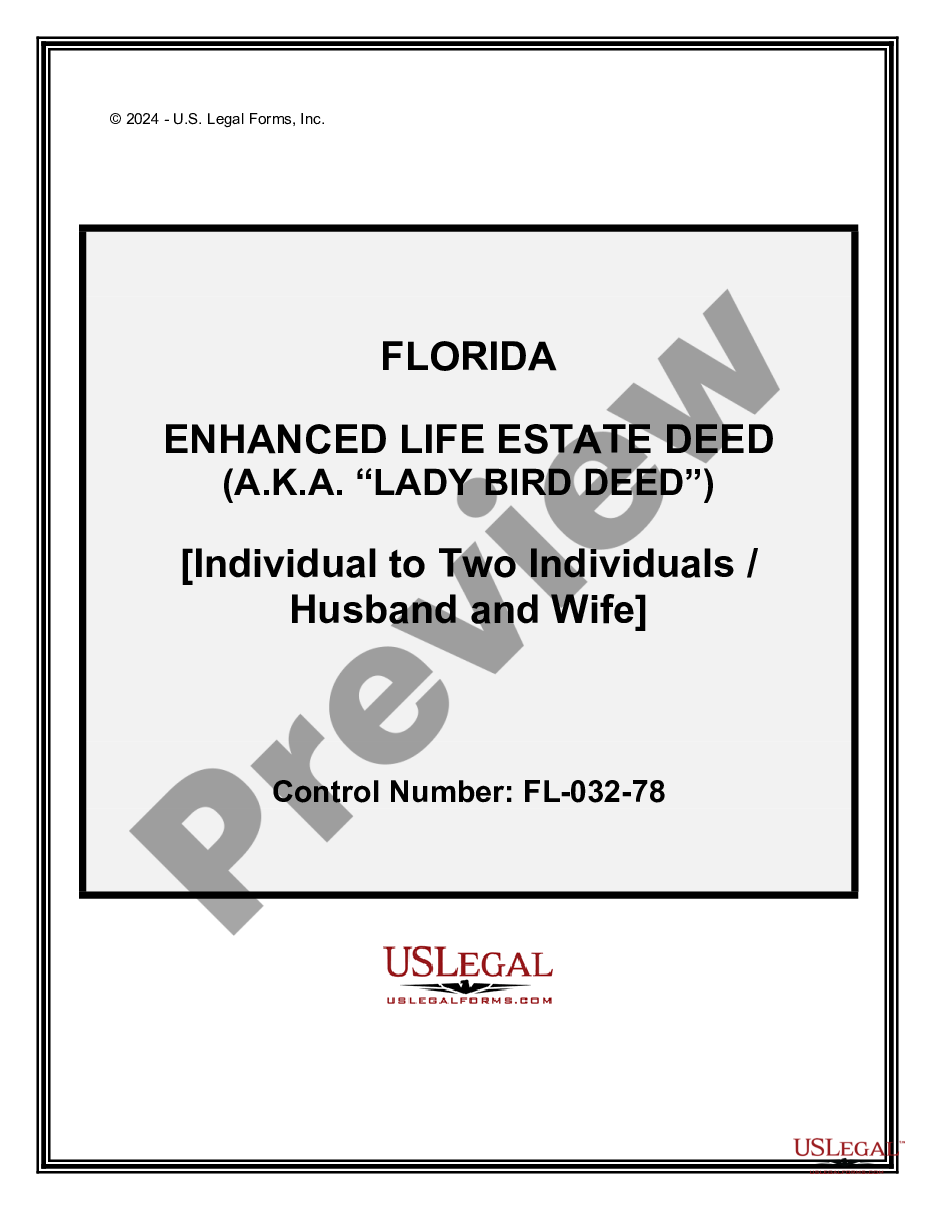
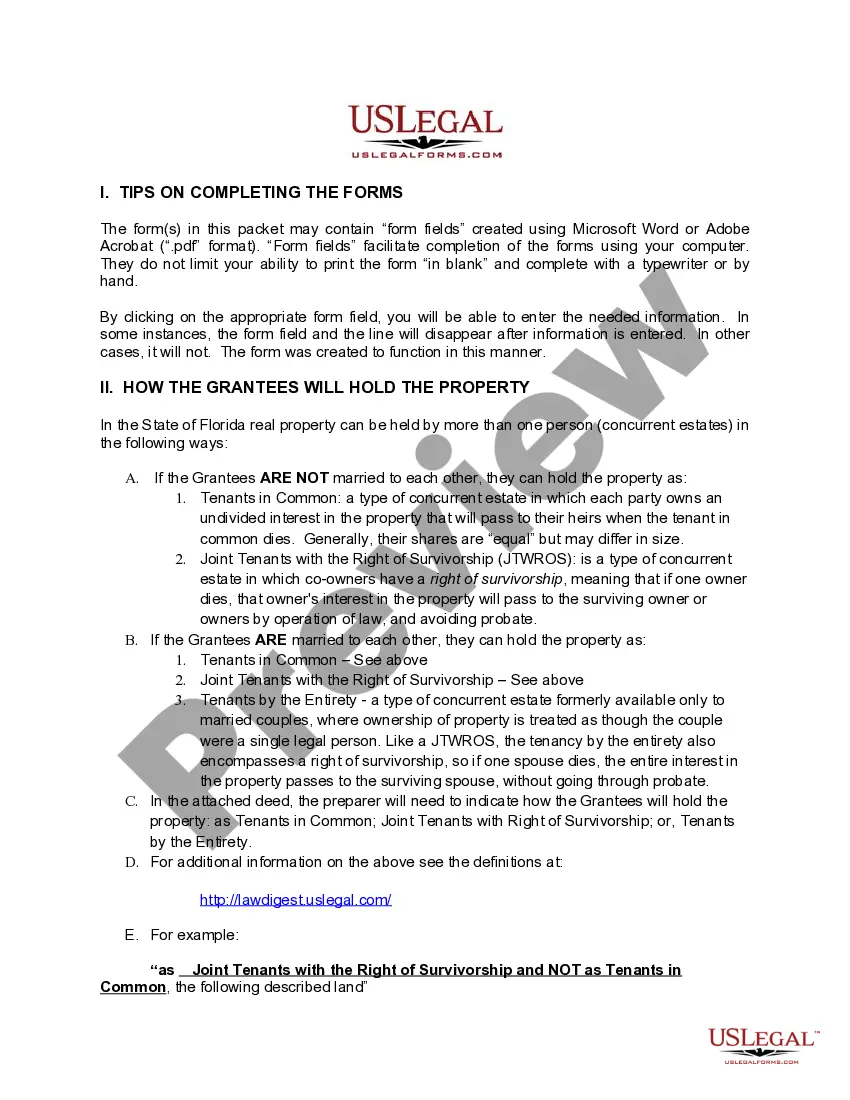
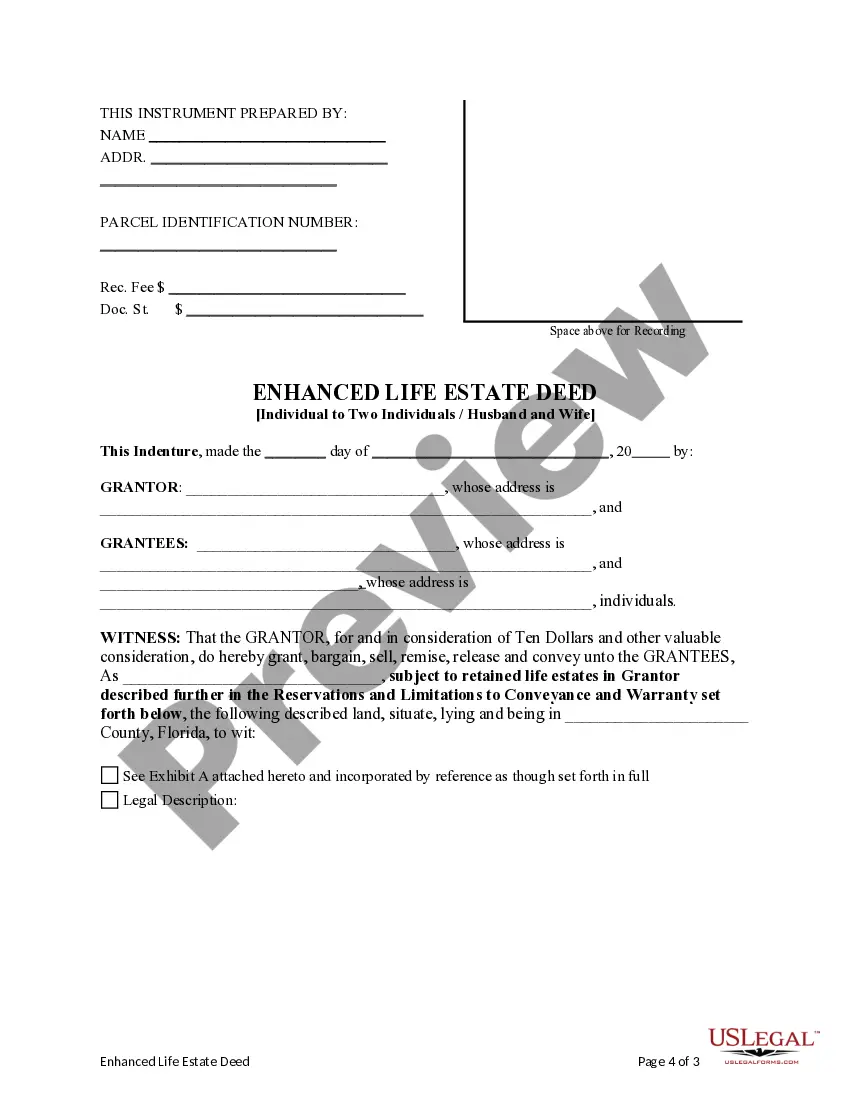
Description
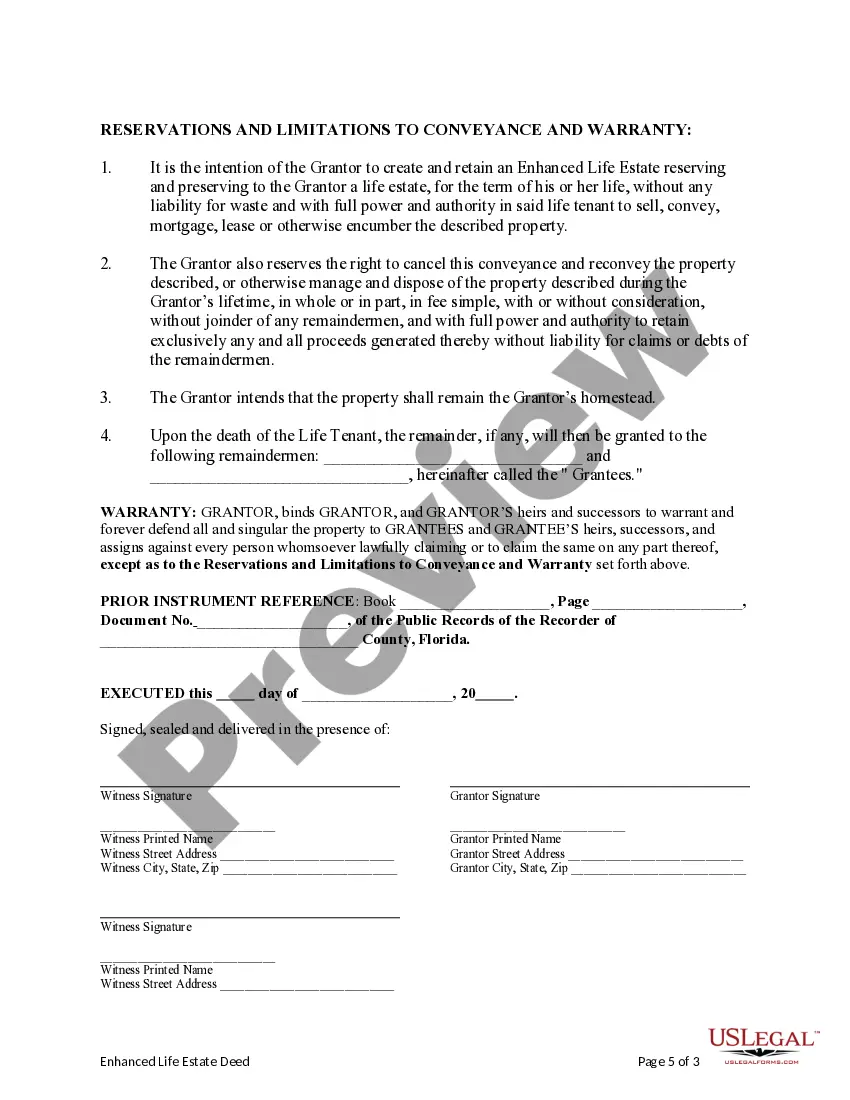
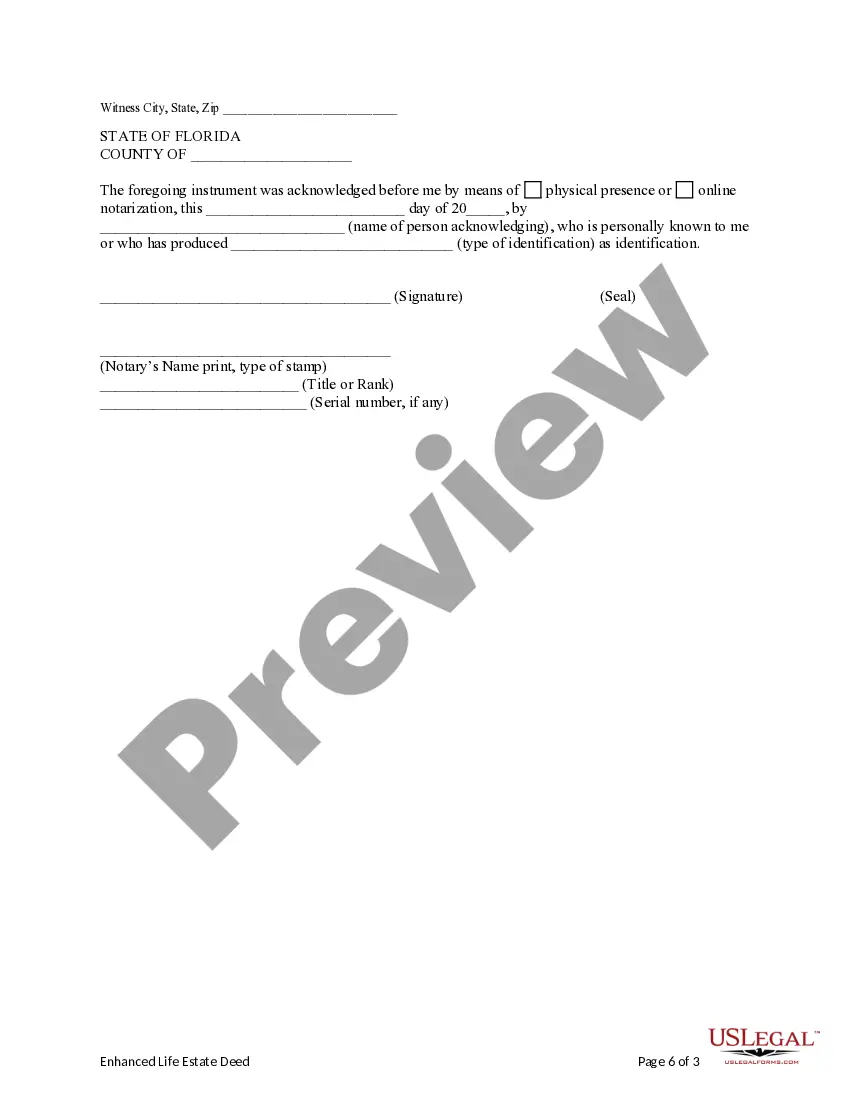
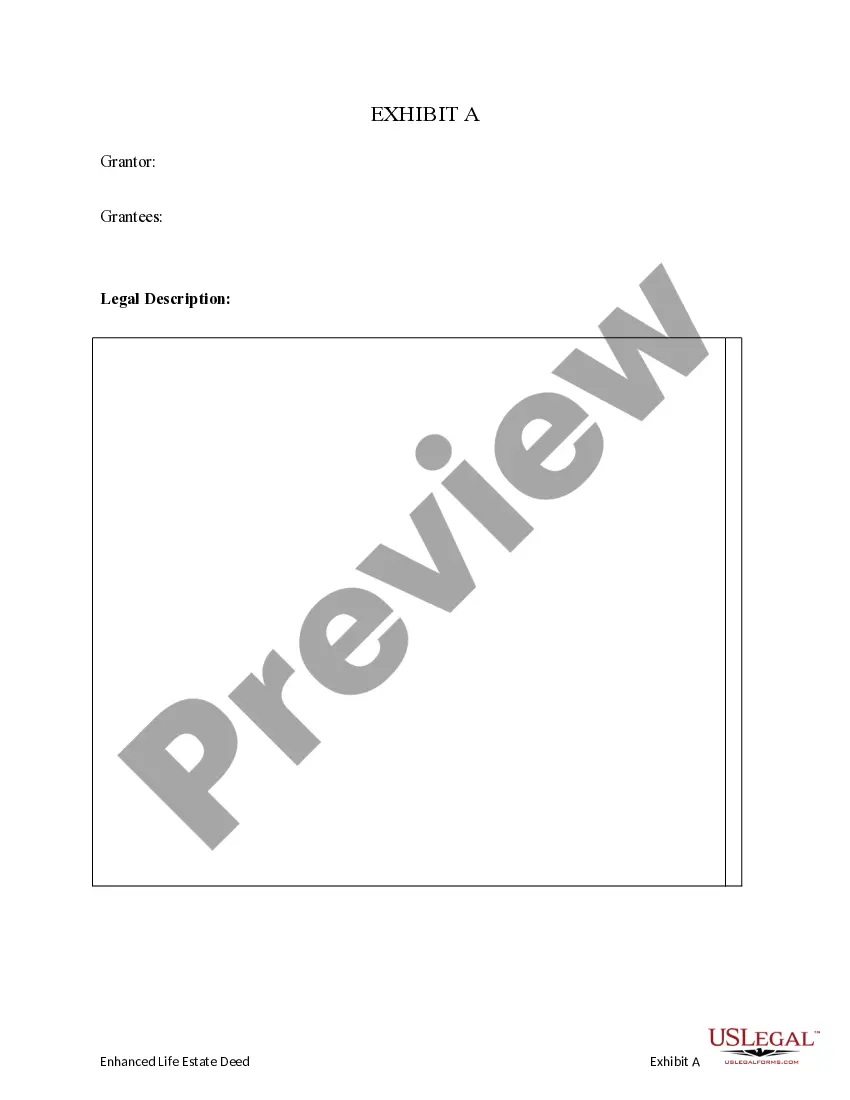
Get your form ready online
Our built-in tools help you complete, sign, share, and store your documents in one place.
Make edits, fill in missing information, and update formatting in US Legal Forms—just like you would in MS Word.
Download a copy, print it, send it by email, or mail it via USPS—whatever works best for your next step.
Sign and collect signatures with our SignNow integration. Send to multiple recipients, set reminders, and more. Go Premium to unlock E-Sign.
If this form requires notarization, complete it online through a secure video call—no need to meet a notary in person or wait for an appointment.
We protect your documents and personal data by following strict security and privacy standards.

Make edits, fill in missing information, and update formatting in US Legal Forms—just like you would in MS Word.

Download a copy, print it, send it by email, or mail it via USPS—whatever works best for your next step.

Sign and collect signatures with our SignNow integration. Send to multiple recipients, set reminders, and more. Go Premium to unlock E-Sign.

If this form requires notarization, complete it online through a secure video call—no need to meet a notary in person or wait for an appointment.

We protect your documents and personal data by following strict security and privacy standards.
Looking for another form?
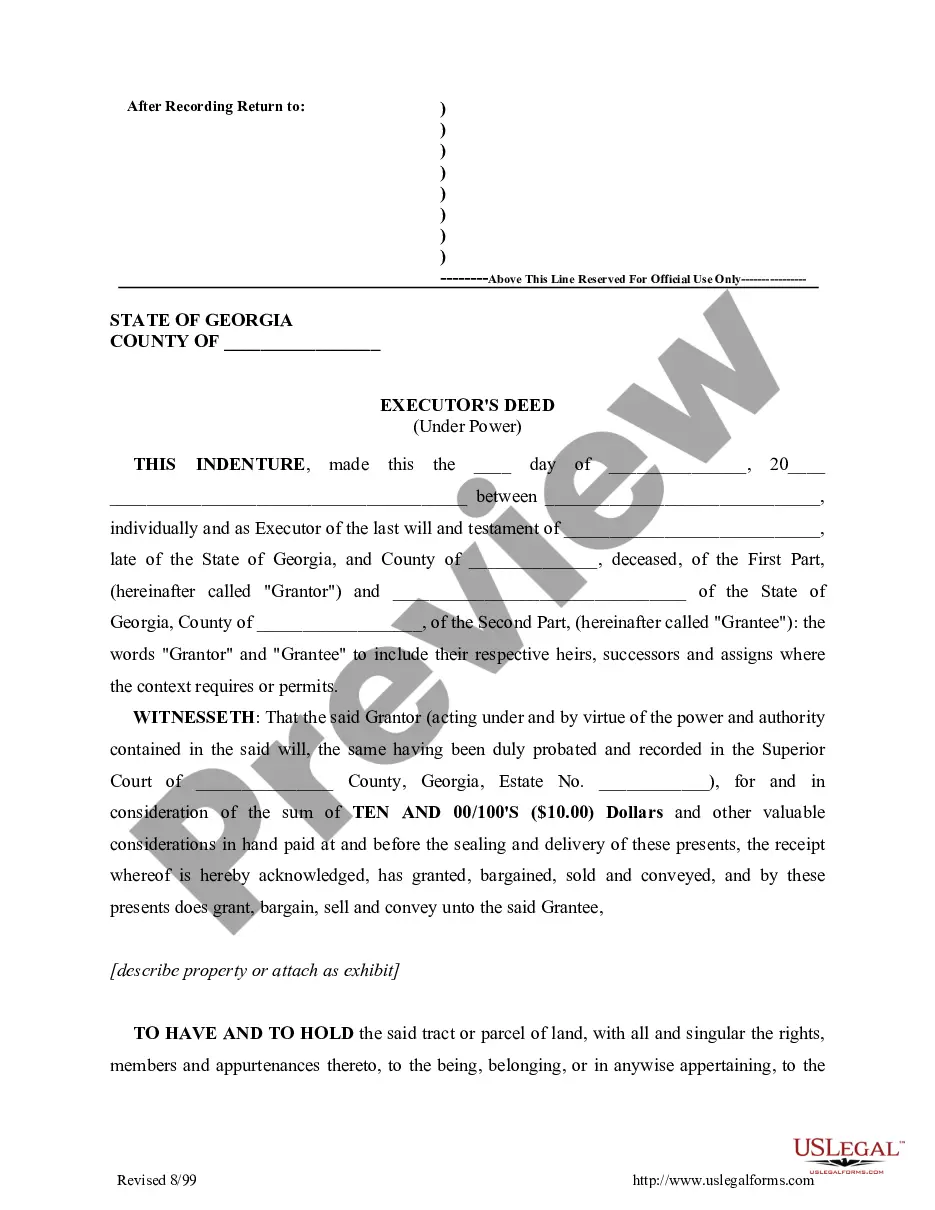





How to fill out Florida Enhanced Life Estate Or Lady Bird Deed - Individual To Two Individuals / Husband And Wife?
- If you're a returning user, log in to your account and access your form templates by clicking the Download button. Ensure your subscription is active; if not, renew it based on your plan.
- For first-time users, start by previewing the form and reading the description to confirm that it meets your requirements and complies with your local regulations.
- Use the Search tab to find alternative templates if needed, ensuring you select the most appropriate form.
- Proceed to purchase your document by clicking the Buy Now button and selecting your preferred subscription plan. Create an account for access to the complete library.
- Complete your purchase by entering your payment details, either via credit card or PayPal.
- Download the selected form and save it on your device. You can later access it anytime through the My Forms section of your profile.
By leveraging US Legal Forms, you can take advantage of a comprehensive form library that not only saves time but also ensures you have legally sound documents.
Don’t hesitate to explore US Legal Forms today and simplify your estate life management!
Form popularity
FAQ
Typically, you have about three to six months from the date of death to file the estate with the court. However, it is wise to check specific state laws, as timelines can vary. Being proactive in filing and managing the estate life can prevent complications down the line.
The 3-year rule operates by including gifts made within three years before death in the taxable estate calculation. This inclusion can significantly affect the total estate tax owed by the estate. Understanding how the 3-year rule impacts your estate life allows for informed financial planning.
The time allowed to settle an estate varies by state but generally falls between six months to one year after the individual’s death. This timeframe includes the probate process, which involves validating the will and settling debts. Timeliness in this process is essential for effective estate life management.
Releasing a life estate involves drafting a document that states the desire to terminate the life estate. Both the life tenant and the remainderman must typically agree to this release. Understanding the process is vital for maintaining clarity in estate life and ensuring that all parties are on the same page.
In the United States, individuals can inherit up to a certain amount without incurring federal taxes due to the estate tax exemption. As of recent updates, the exemption amount is over $11 million per individual, significantly easing the tax burden on most heirs. This aspect plays a crucial role in managing your estate life and protecting assets.
Gifts made within three years before the date of death are subject to the 3-year rule. This includes any monetary gifts or property transferred that exceed the annual exclusion limit. Being aware of these guidelines helps in managing one’s estate life efficiently, ensuring compliance with federal regulations.
The 3-year rule pertains to gifts made by the deceased within three years of their passing. These gifts may be subject to estate tax, impacting the overall calculation of the taxable estate. Understanding this rule is essential for effective estate planning, allowing individuals to navigate potential tax implications linked to their estate life.
A life estate lasts for the lifetime of the individual who holds it, known as the life tenant. Once the life tenant passes away, the property reverts to the remainder beneficiary, who may then sell or use the property as they see fit. This aspect of estate life can streamline property transfer and simplify planning for your loved ones.
Life estate calculation typically involves assigning a value to the property based on its market worth and the life expectancy of the tenant. An actuarial table is then used to compute the present value of the property considering these factors. This understanding is vital for effective estate life management and ensures equitable inheritance.
A life estate example occurs when a parent transfers property to their child while retaining the right to live in the home until their death. In this case, the child holds the title but cannot sell the property until the parent passes away. This arrangement is a common strategy in estate life planning that helps avoid probate and manage inheritance.