Connecticut In Law Apartments
Description
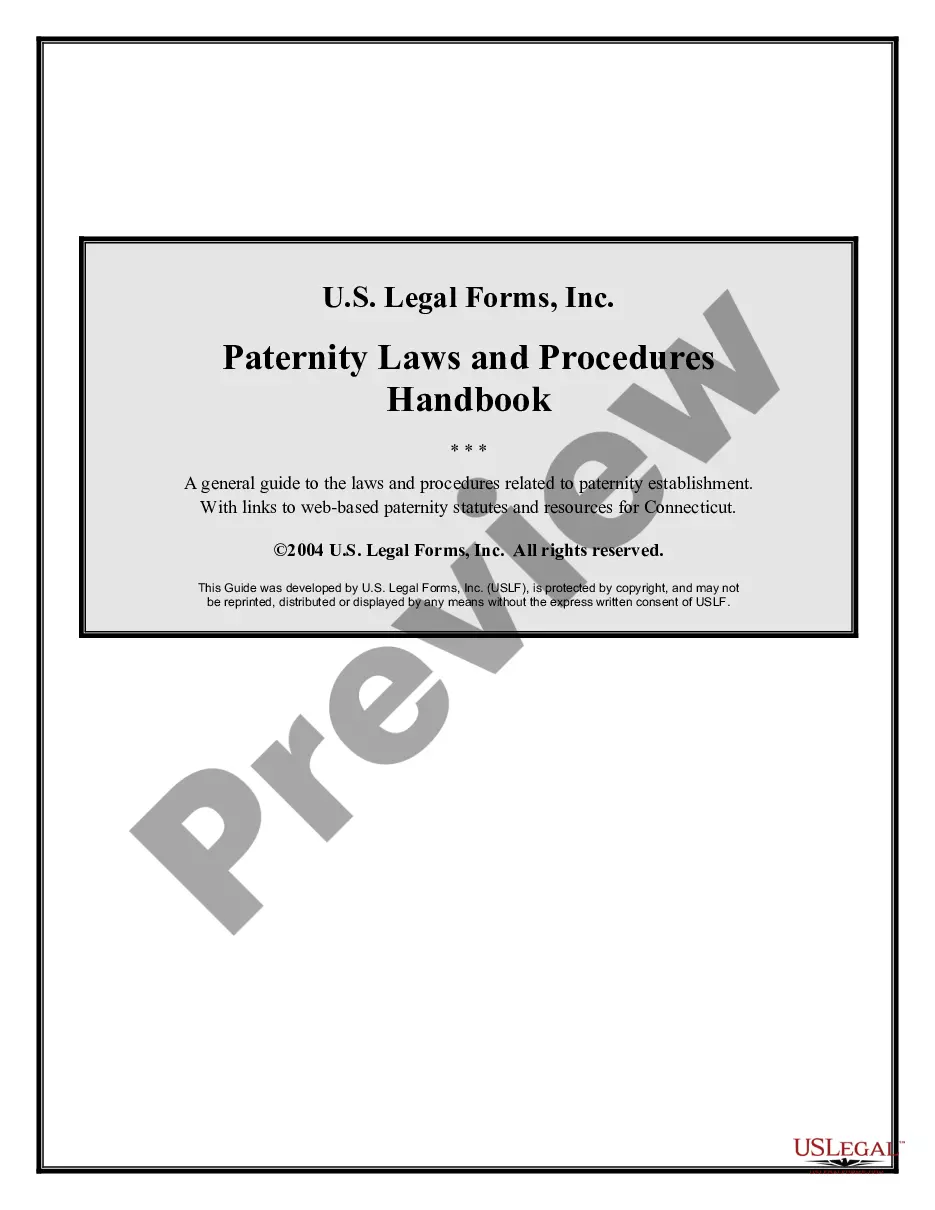
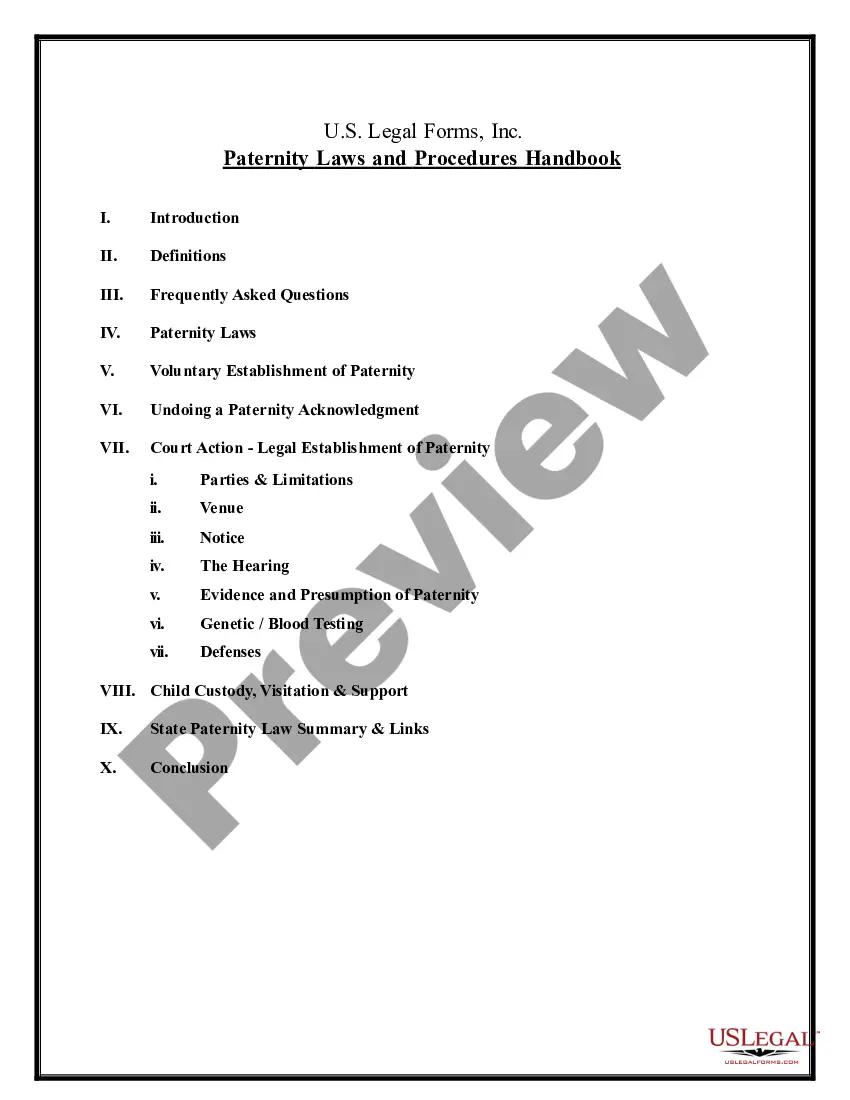
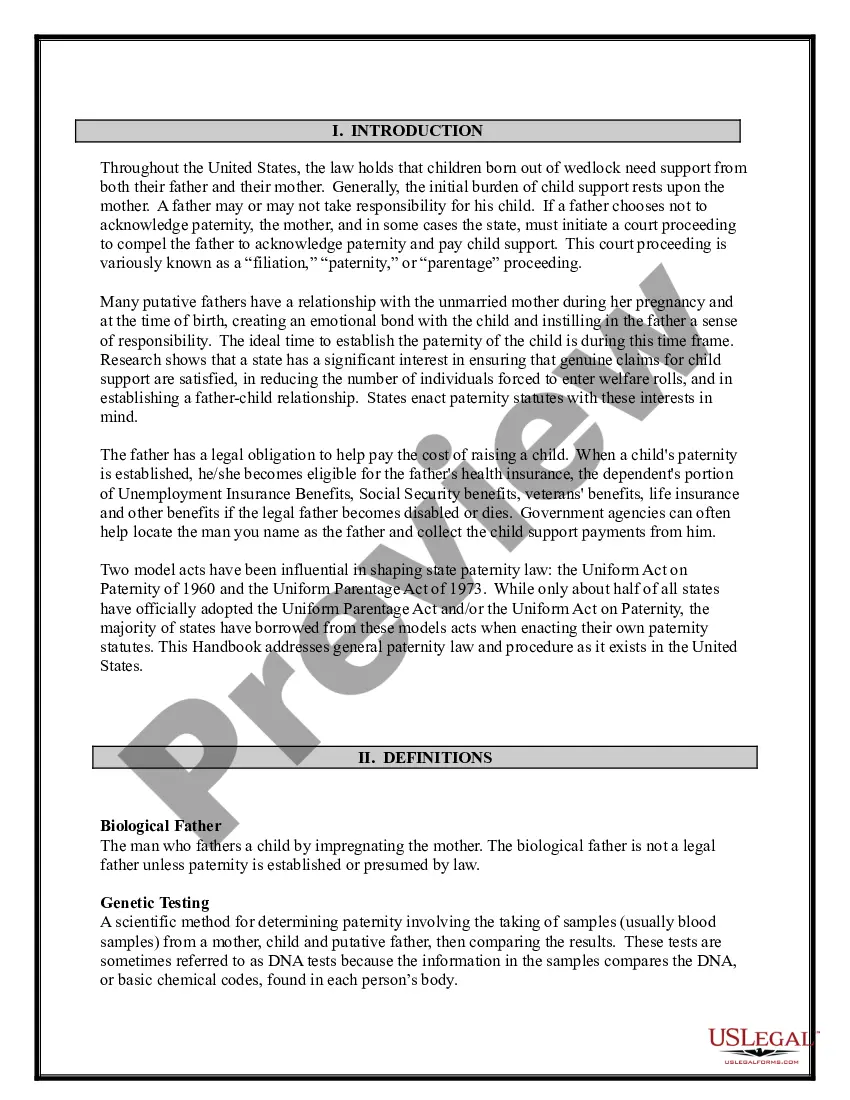
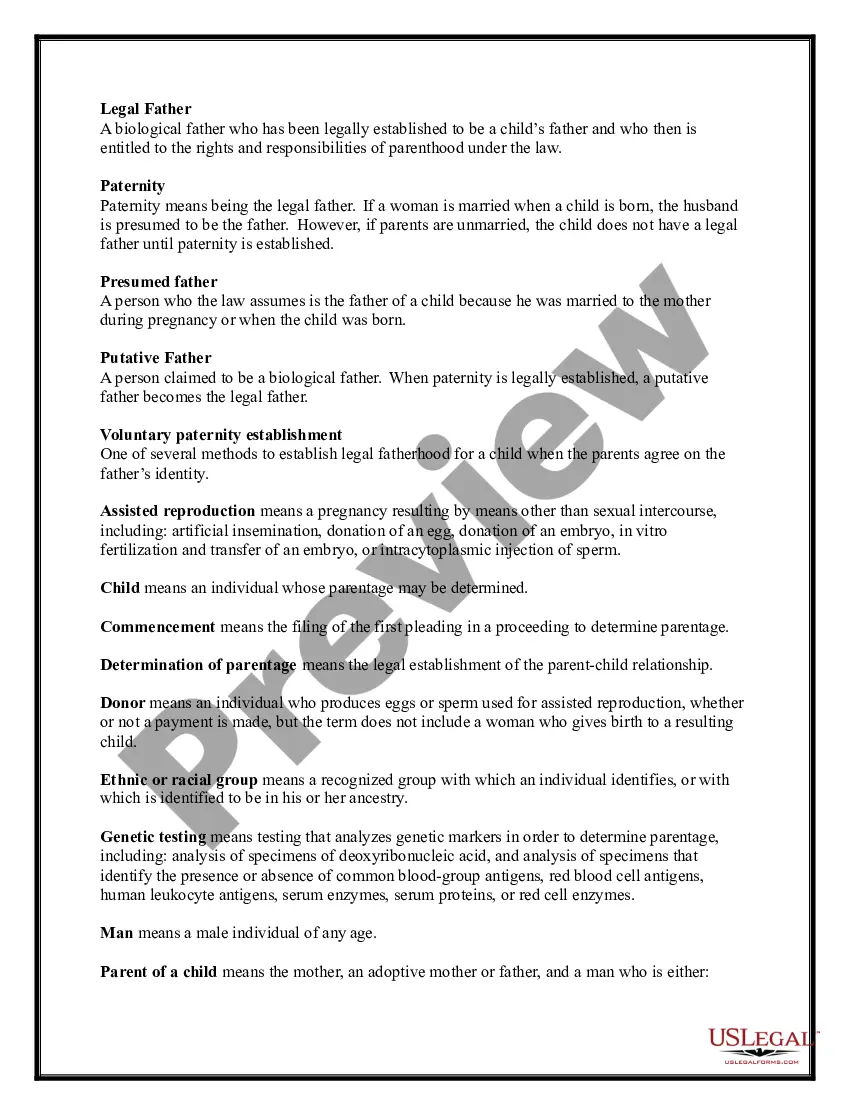

Get your form ready online
Our built-in tools help you complete, sign, share, and store your documents in one place.
Make edits, fill in missing information, and update formatting in US Legal Forms—just like you would in MS Word.
Download a copy, print it, send it by email, or mail it via USPS—whatever works best for your next step.
Sign and collect signatures with our SignNow integration. Send to multiple recipients, set reminders, and more. Go Premium to unlock E-Sign.
If this form requires notarization, complete it online through a secure video call—no need to meet a notary in person or wait for an appointment.
We protect your documents and personal data by following strict security and privacy standards.

Make edits, fill in missing information, and update formatting in US Legal Forms—just like you would in MS Word.

Download a copy, print it, send it by email, or mail it via USPS—whatever works best for your next step.

Sign and collect signatures with our SignNow integration. Send to multiple recipients, set reminders, and more. Go Premium to unlock E-Sign.

If this form requires notarization, complete it online through a secure video call—no need to meet a notary in person or wait for an appointment.

We protect your documents and personal data by following strict security and privacy standards.
Looking for another form?

Form popularity
FAQ
Yes, Connecticut does allow accessory dwelling units (ADUs) under specific regulations. These additional living spaces, often known as in-law apartments, can provide extra room for family or rental income. It's essential to consult local zoning laws and regulations to understand the requirements for building and renting out ADUs in your area. For more information on legal processes, consider using USLegalForms to help navigate your housing options.
Finding housing in Connecticut can be quite straightforward with the right resources. Start your search by exploring online listings and local real estate agents who specialize in Connecticut in law apartments. Additionally, consider local community boards and social media groups focused on housing in Connecticut. These platforms often provide valuable insights and listings that can help you secure a comfortable living space.
The timeframe to evict a tenant in Connecticut varies based on several factors, including the reason for eviction and court schedules. Generally, after issuing a Notice to Quit, the process may take anywhere from a few weeks to several months. Landlords should also factor in the time spent preparing for court and waiting for a judgment. To streamline the eviction process, explore tools and templates on uslegalforms that can provide assistance at every stage.
Evicting a tenant in Connecticut can be a complex process. Landlords must adhere to specific legal steps, including providing appropriate notices and obtaining a court order if the tenant does not leave voluntarily. While some landlords find success in navigating this process, it often requires perseverance and attention to detail. Utilize platforms like uslegalforms to simplify the process with ready-to-use eviction notices and resources.
In Connecticut, tenants can report landlord issues to the Connecticut Department of Consumer Protection, which oversees landlord-tenant laws. If you face unsafe living conditions or your landlord violates your rights, you can also contact local housing authorities or legal aid organizations. These entities can help you resolve disputes and hold landlords accountable. Explore uslegalforms for additional resources that can assist in filing complaints and understanding your rights.
If you need to remove someone from your home in Connecticut, you first need to determine their legal status as a tenant or guest. For tenants, you must follow strict procedures, such as providing a Notice to Quit and possibly going to court if they refuse to leave. For guests, a simple request might suffice, but if they do not comply, you may need to seek legal help to ensure your rights are protected. Uslegalforms can provide useful templates and guidance throughout this process.
In Connecticut, a landlord must provide tenants with a written notice before terminating a lease. Generally, this notice should be at least one month for month-to-month agreements or according to the lease terms for longer agreements. Understanding these timelines is essential for both landlords and tenants to ensure a smooth transition. If you need assistance navigating these requirements, consider using the uslegalforms platform for reliable resources related to Connecticut in law apartments.
inlaw apartment is a selfcontained living unit, usually within or near a family home, designed for relatives, often parentsinlaw. This term reflects the traditional practice of accommodating elderly family members. These spaces offer independence while keeping loved ones close, making them a practical choice for families. Exploring Connecticut in law apartments can provide you with various options for creating this kind of living arrangement.
The number of residents allowed in a 1 bedroom apartment in Connecticut often depends on local housing codes and regulations. Typically, one or two people can comfortably occupy such a space, adhering to guidelines that promote safety and livability. It's wise to check specific municipal ordinances or consult your landlord to ensure compliance. This consideration is particularly important when looking for Connecticut in law apartments.
In Connecticut, renters enjoy several rights that protect them in their housing situation. Tenants have the right to a safe and habitable living space, meaning landlords must maintain the property and address repairs promptly. Importantly, tenants can also seek legal remedies if their rights are violated, such as unlawful eviction. Understanding your rights is vital when living in Connecticut in law apartments, as it empowers you to advocate for your needs.
