Tenant Landlord Shut For Broken Jaw
Description


Get your form ready online
Our built-in tools help you complete, sign, share, and store your documents in one place.
Make edits, fill in missing information, and update formatting in US Legal Forms—just like you would in MS Word.
Download a copy, print it, send it by email, or mail it via USPS—whatever works best for your next step.
Sign and collect signatures with our SignNow integration. Send to multiple recipients, set reminders, and more. Go Premium to unlock E-Sign.
If this form requires notarization, complete it online through a secure video call—no need to meet a notary in person or wait for an appointment.
We protect your documents and personal data by following strict security and privacy standards.

Make edits, fill in missing information, and update formatting in US Legal Forms—just like you would in MS Word.

Download a copy, print it, send it by email, or mail it via USPS—whatever works best for your next step.

Sign and collect signatures with our SignNow integration. Send to multiple recipients, set reminders, and more. Go Premium to unlock E-Sign.

If this form requires notarization, complete it online through a secure video call—no need to meet a notary in person or wait for an appointment.

We protect your documents and personal data by following strict security and privacy standards.
Looking for another form?


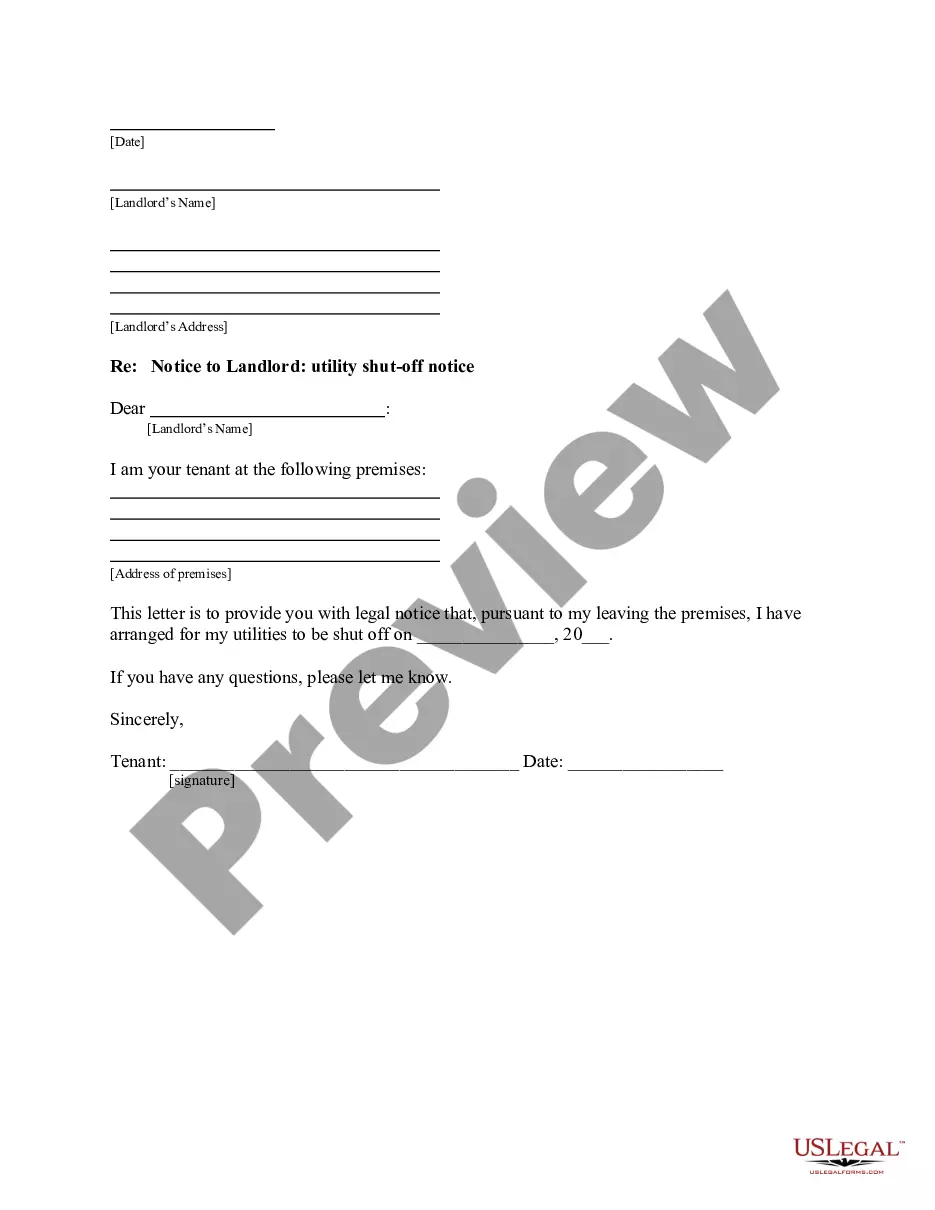
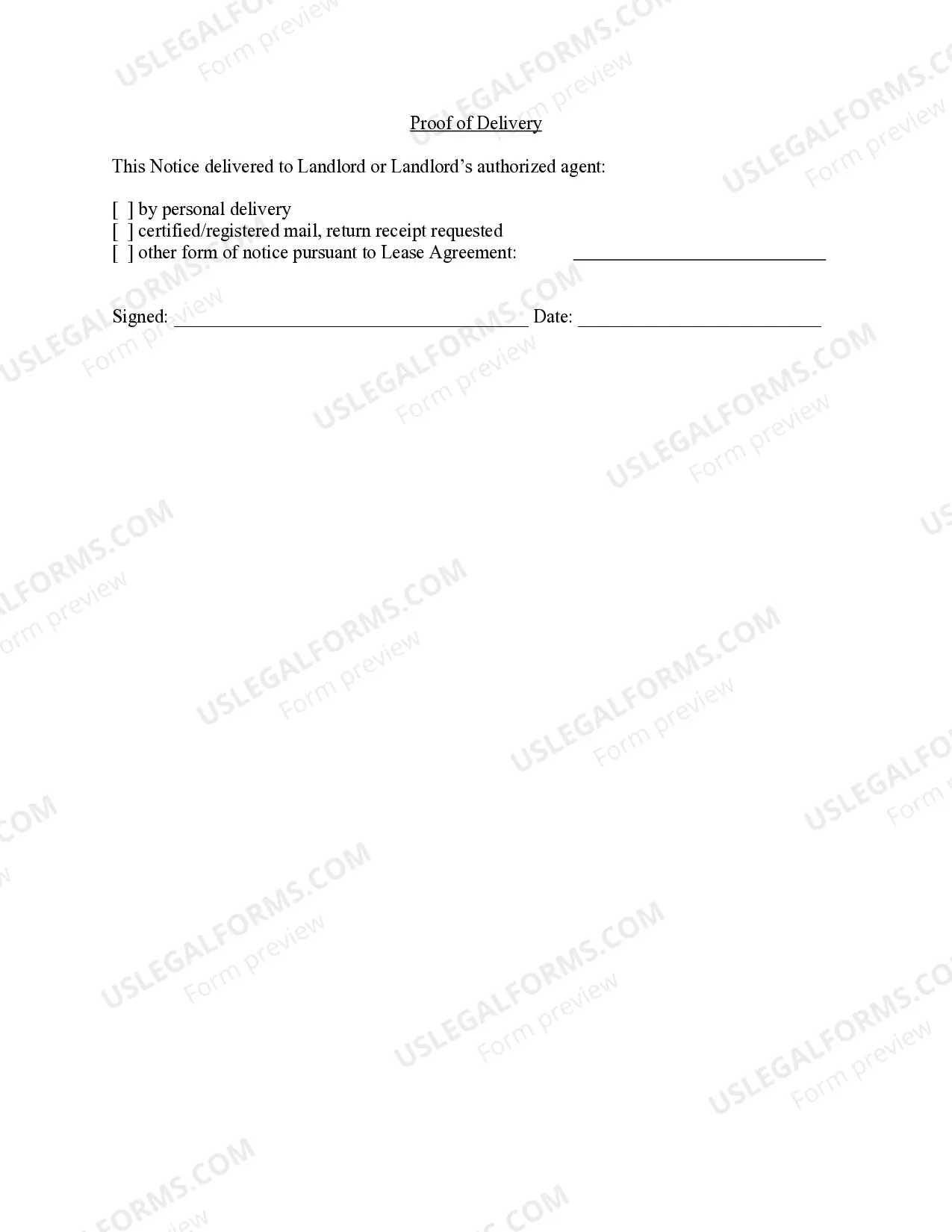
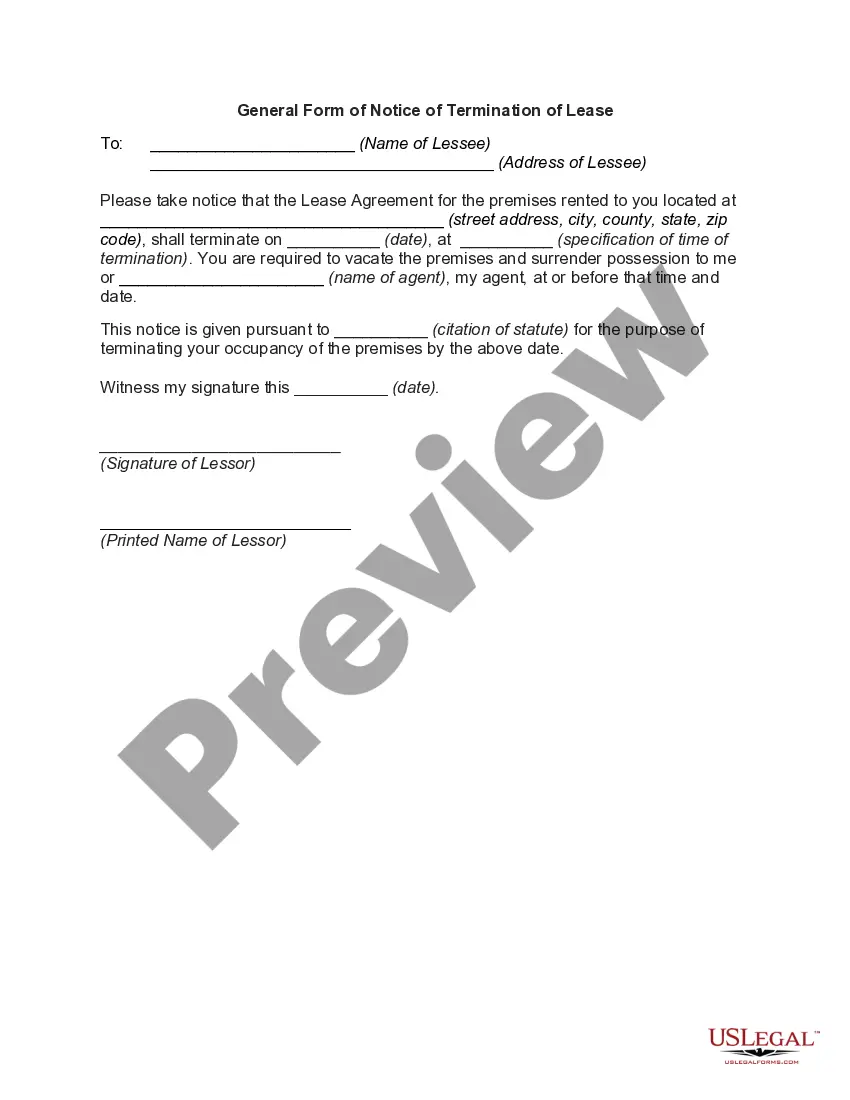
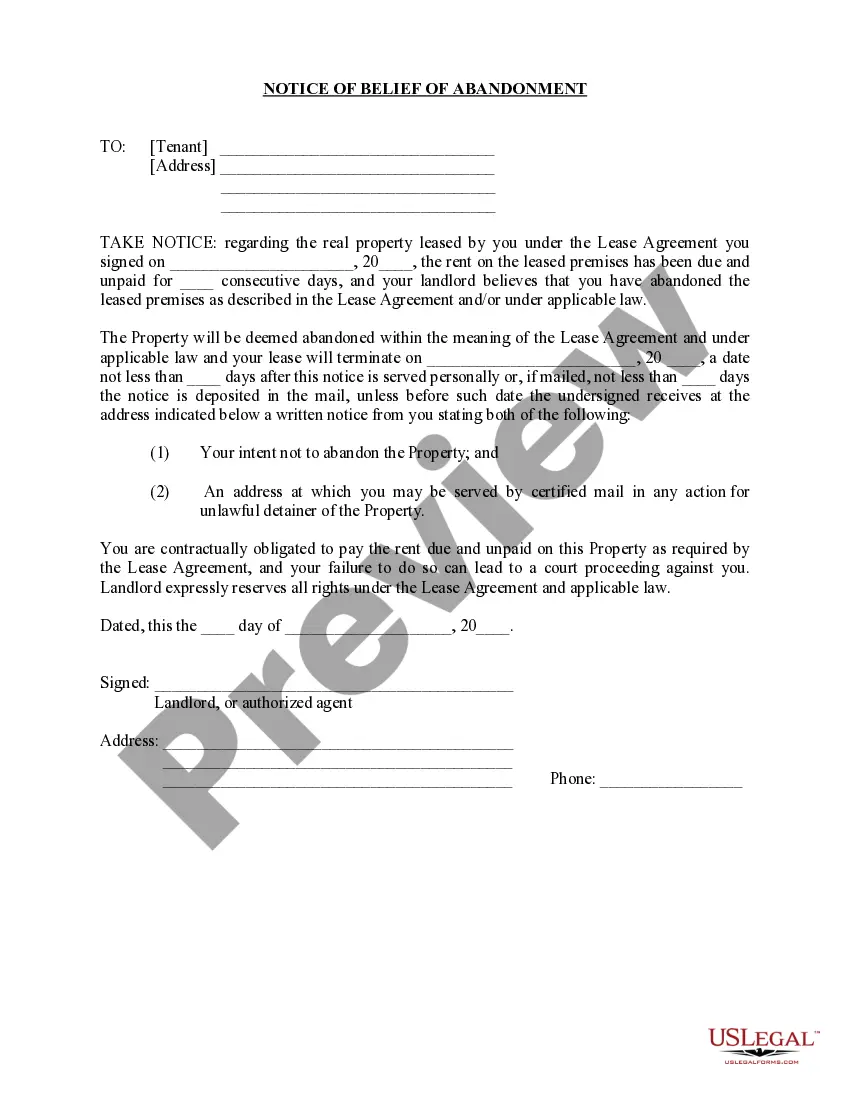
How to fill out Connecticut Letter From Tenant To Landlord - Utility Shut Off Notice To Landlord Due To Tenant Vacating Premises?
- Log in to your existing US Legal Forms account to access your prior documents. Ensure your subscription is active; renew it if necessary.
- For first-time users, begin by browsing the extensive library. Preview different forms to find the one tailored to your specific needs. Confirm the form aligns with local jurisdiction requirements.
- If the perfect form isn't available, utilize the Search function to explore alternatives until you find a suitable match.
- Proceed to purchase your selected document. Click 'Buy Now' and choose the subscription that fits your needs. Creating an account may be required for access.
- Complete your purchase by entering payment information or using PayPal for a seamless transaction.
- Once purchased, download and save the document to your device. You can also find it later in 'My Forms' within your profile.
In conclusion, US Legal Forms simplifies the process of obtaining legal documents with its comprehensive library and expert assistance. Whether you’re dealing with landlord issues or personal legal matters, having the right forms at your fingertips can make all the difference.
Start your journey towards hassle-free legal documentation today with US Legal Forms!
Form popularity
FAQ
Unsafe living conditions in Washington can include issues such as mold, structural problems, or lack of heat during winter. These conditions may threaten a tenant’s health or safety. If you suspect unsafe conditions, you should report them to your landlord and consider utilizing resources like uslegalforms for assistance in navigating your rights.
In Washington State, landlords are generally required to address repair issues within a reasonable timeframe, which can vary based on severity. For essential repairs affecting safety or health, such as plumbing or heating, actions must usually be taken within several days. It’s advisable to document requests for repairs and seek legal advice if issues are not resolved swiftly.
If a tenant refuses to allow access for repairs, it's important to review your lease agreement for access rights. Communicate the urgency of the repairs clearly, and document all interactions. If necessary, consult with legal resources such as uslegalforms to determine the appropriate legal steps for resolution.
Landlords are usually not liable for damages caused by tenant negligence, such as intentional destruction or poor upkeep of the unit. Additionally, they typically do not cover personal property damage unless specified in the lease. It's crucial to understand the terms of your lease to know what your landlord's responsibilities are.
Landlord negligence occurs when a landlord fails to maintain safe living conditions in a rental property. This could include ignoring urgent repair requests, leading to hazards like a tenant landlord shut for broken jaw from unsafe premises. Such negligence can legally obligate the landlord to compensate tenants for damages.
Addressing noncompliance requires clear communication and documentation. Start by discussing the issue with your tenant and providing them a chance to rectify it. If problems persist, you may need to issue a formal notice or potentially escalate the situation legally. Engaging with a resource like uslegalforms can guide you in following the right procedures.
Typically, tenants are not responsible for repairs that fall under the landlord's obligations. However, tenants may have a duty to notify the landlord about issues promptly. Ignoring the problem could lead to further damage or complications. Consider reviewing your lease agreement and consulting uslegalforms for clarity on your responsibilities.
In New York State, an apartment is considered uninhabitable if it has serious defects affecting health and safety. Common issues include lack of heat, water damage, or significant pest infestations. If a tenant faces such conditions, they have the right to request repairs or seek assistance, especially if a tenant landlord shut for broken jaw occurs due to negligence.
Handling a neglectful landlord can be challenging. Start by documenting all issues and communicating directly with your landlord. If the situation does not improve, consider reaching out to local tenant advocacy groups for support or legal advice. Utilizing services like uslegalforms can help you understand your rights and potential actions.
When you decide not to renew your lease, draft a letter that clearly states your intention and provides your planned move-out date. It's courteous to express appreciation for your time in the rental property while making it clear that you will not extend your lease. Mentioning any relevant conditions or concerns, such as those relating to a tenant landlord shut for broken jaw, can also be beneficial.