Tenant Rights Notice To Vacate
Description
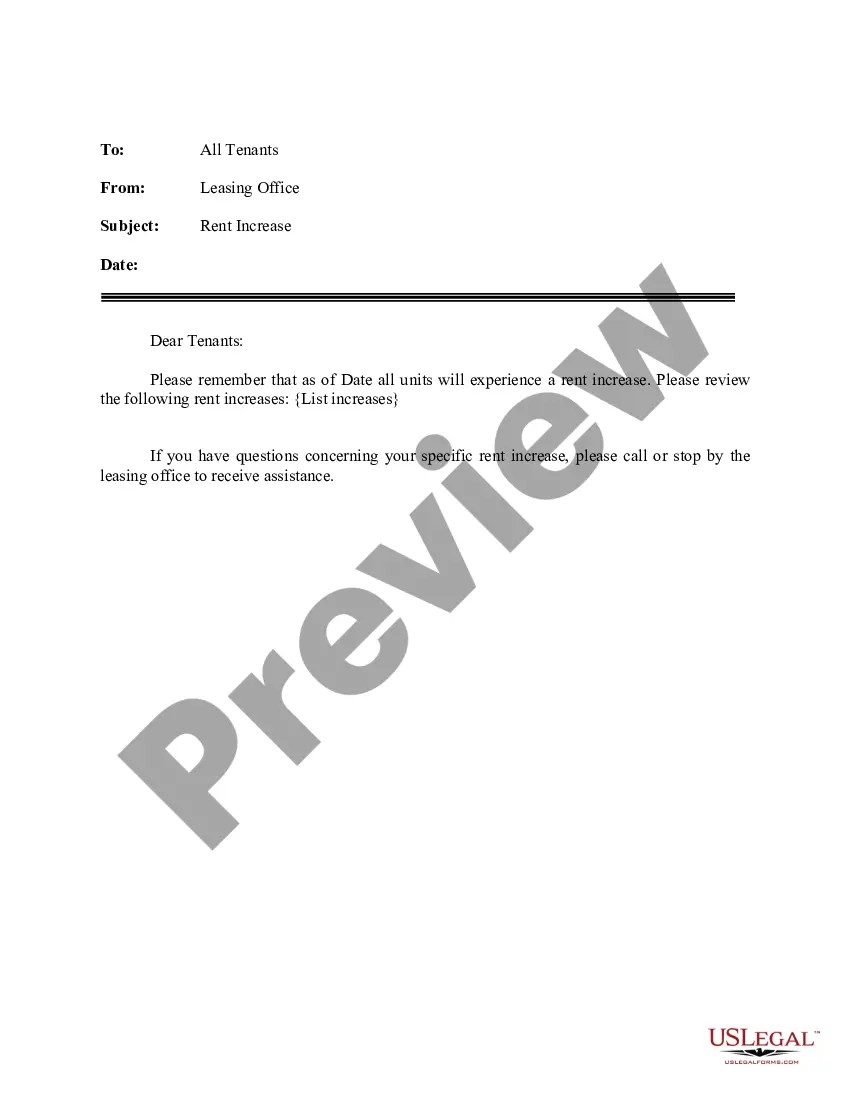


Get your form ready online
Our built-in tools help you complete, sign, share, and store your documents in one place.
Make edits, fill in missing information, and update formatting in US Legal Forms—just like you would in MS Word.
Download a copy, print it, send it by email, or mail it via USPS—whatever works best for your next step.
Sign and collect signatures with our SignNow integration. Send to multiple recipients, set reminders, and more. Go Premium to unlock E-Sign.
If this form requires notarization, complete it online through a secure video call—no need to meet a notary in person or wait for an appointment.
We protect your documents and personal data by following strict security and privacy standards.

Make edits, fill in missing information, and update formatting in US Legal Forms—just like you would in MS Word.

Download a copy, print it, send it by email, or mail it via USPS—whatever works best for your next step.

Sign and collect signatures with our SignNow integration. Send to multiple recipients, set reminders, and more. Go Premium to unlock E-Sign.

If this form requires notarization, complete it online through a secure video call—no need to meet a notary in person or wait for an appointment.

We protect your documents and personal data by following strict security and privacy standards.
Looking for another form?
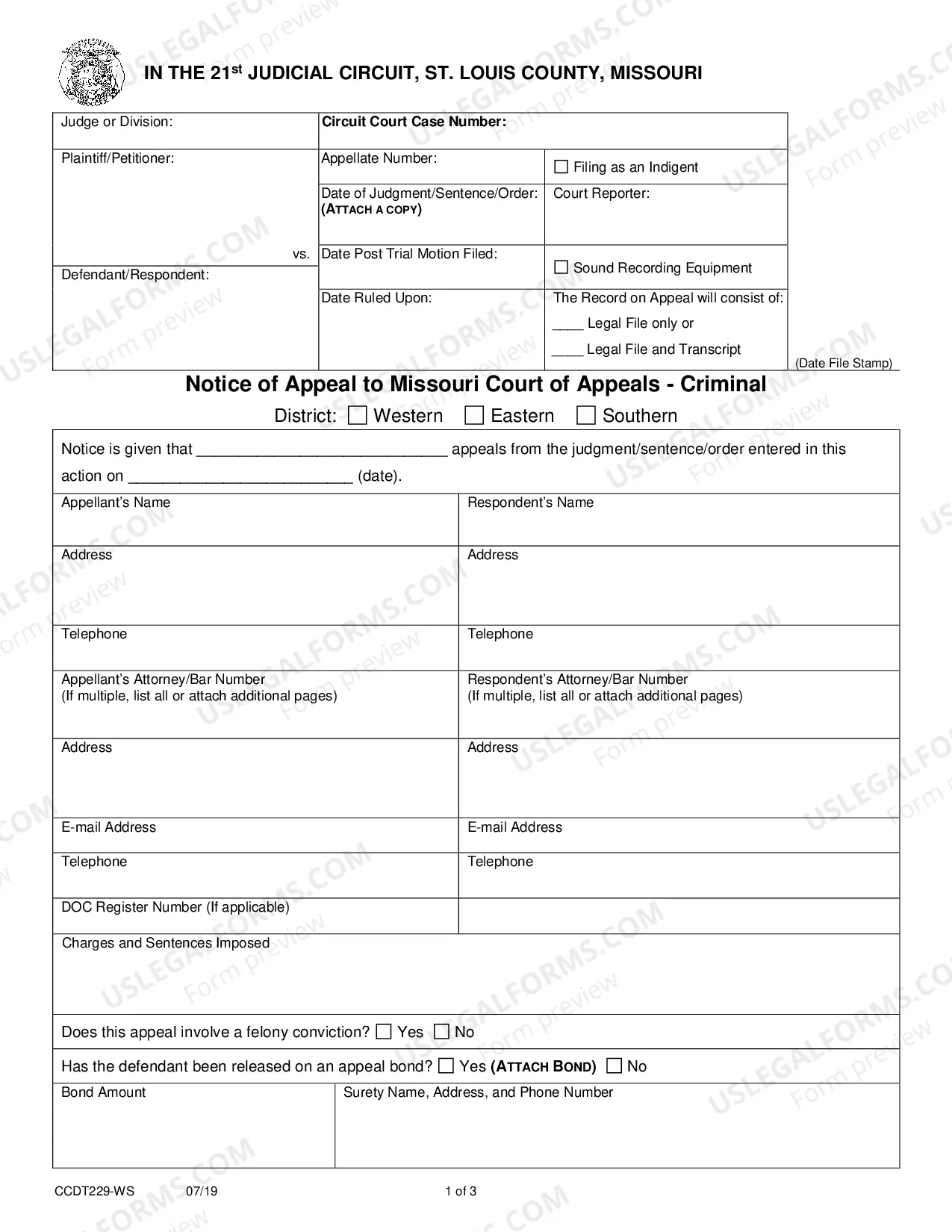
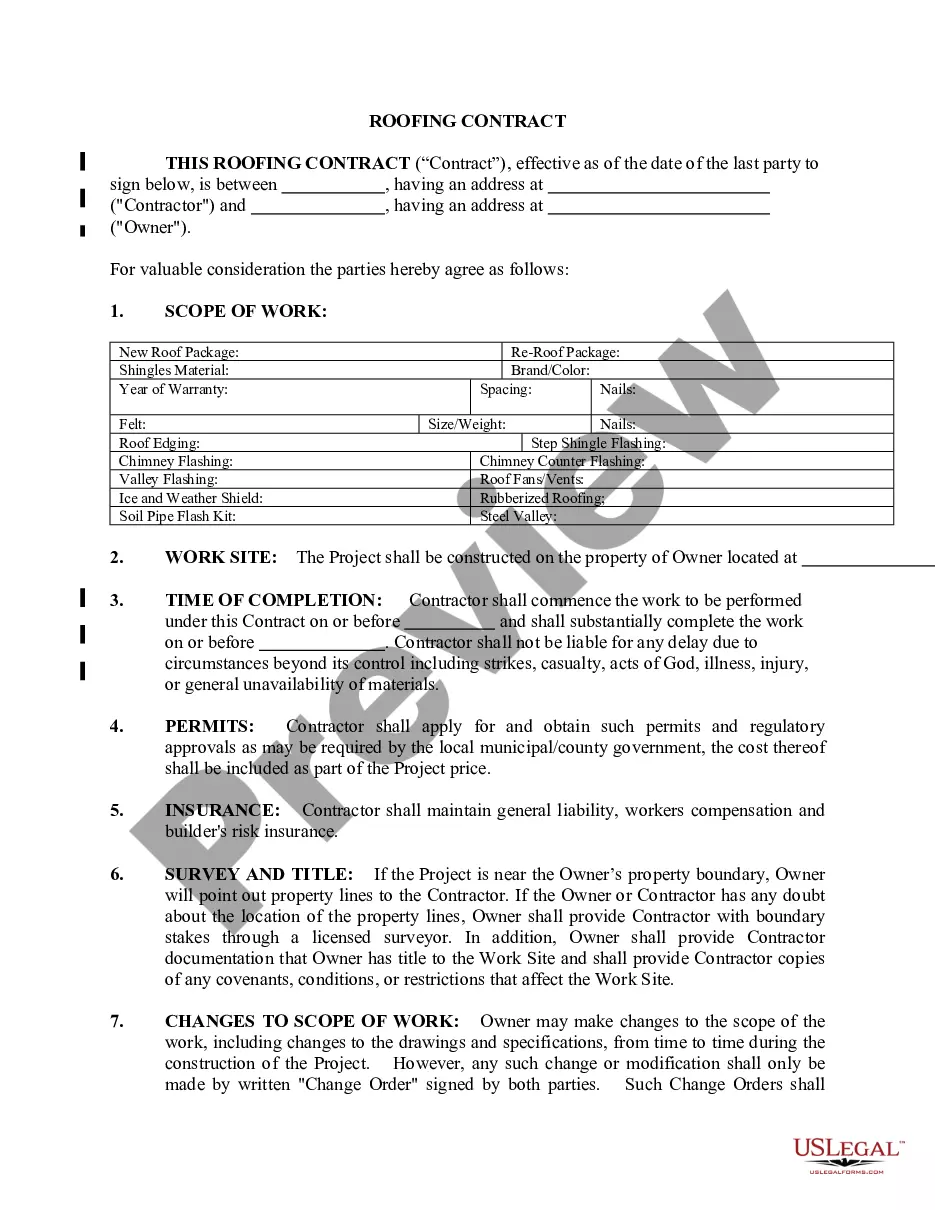
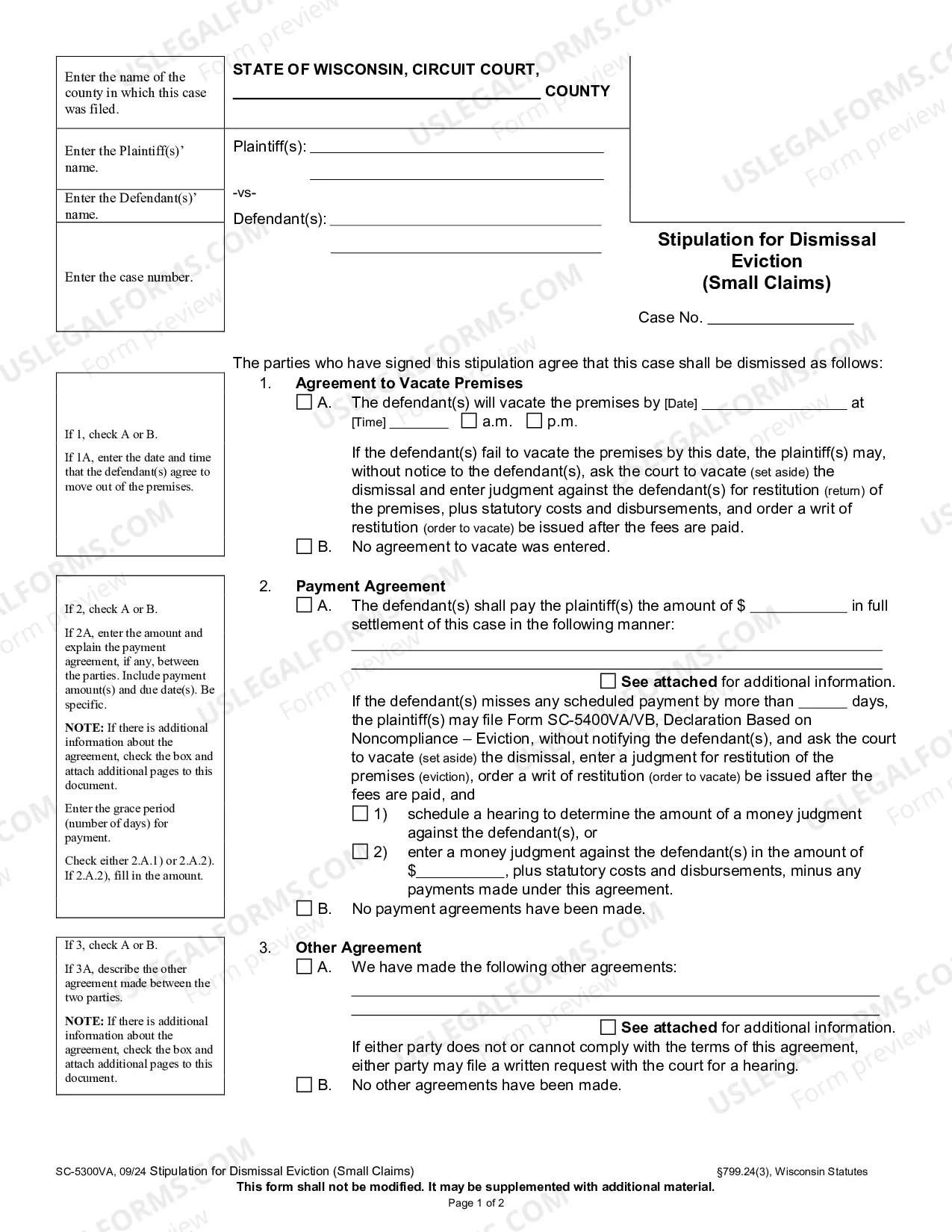



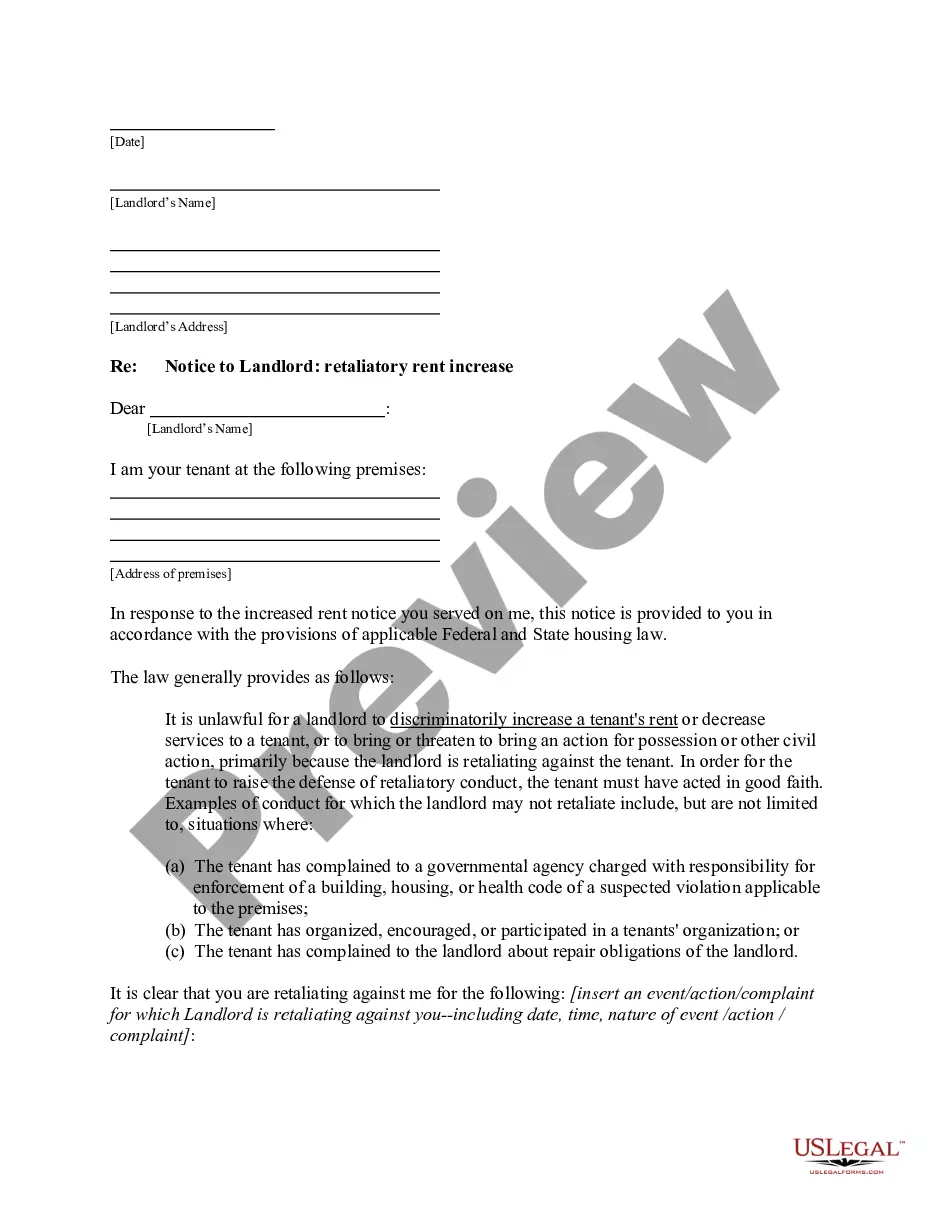
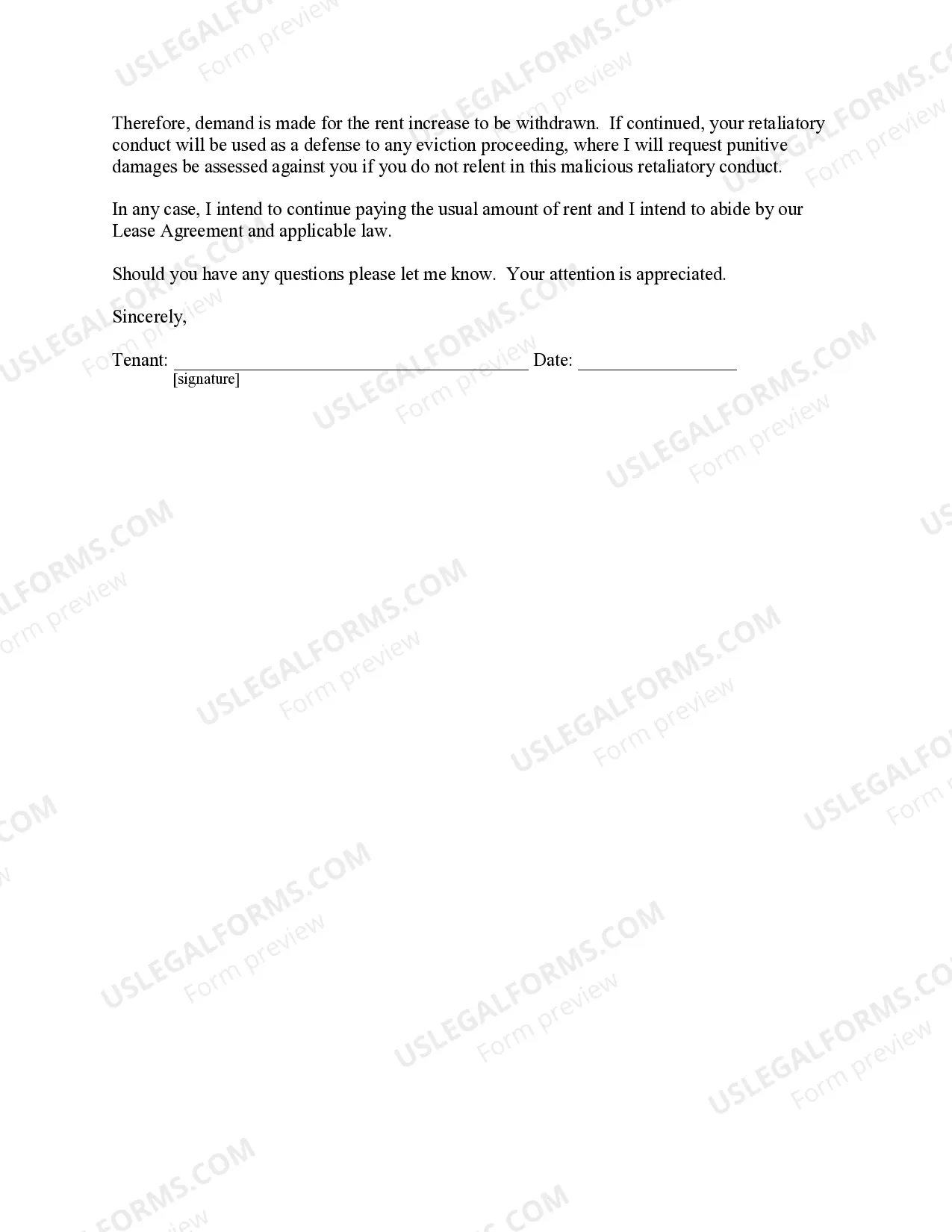
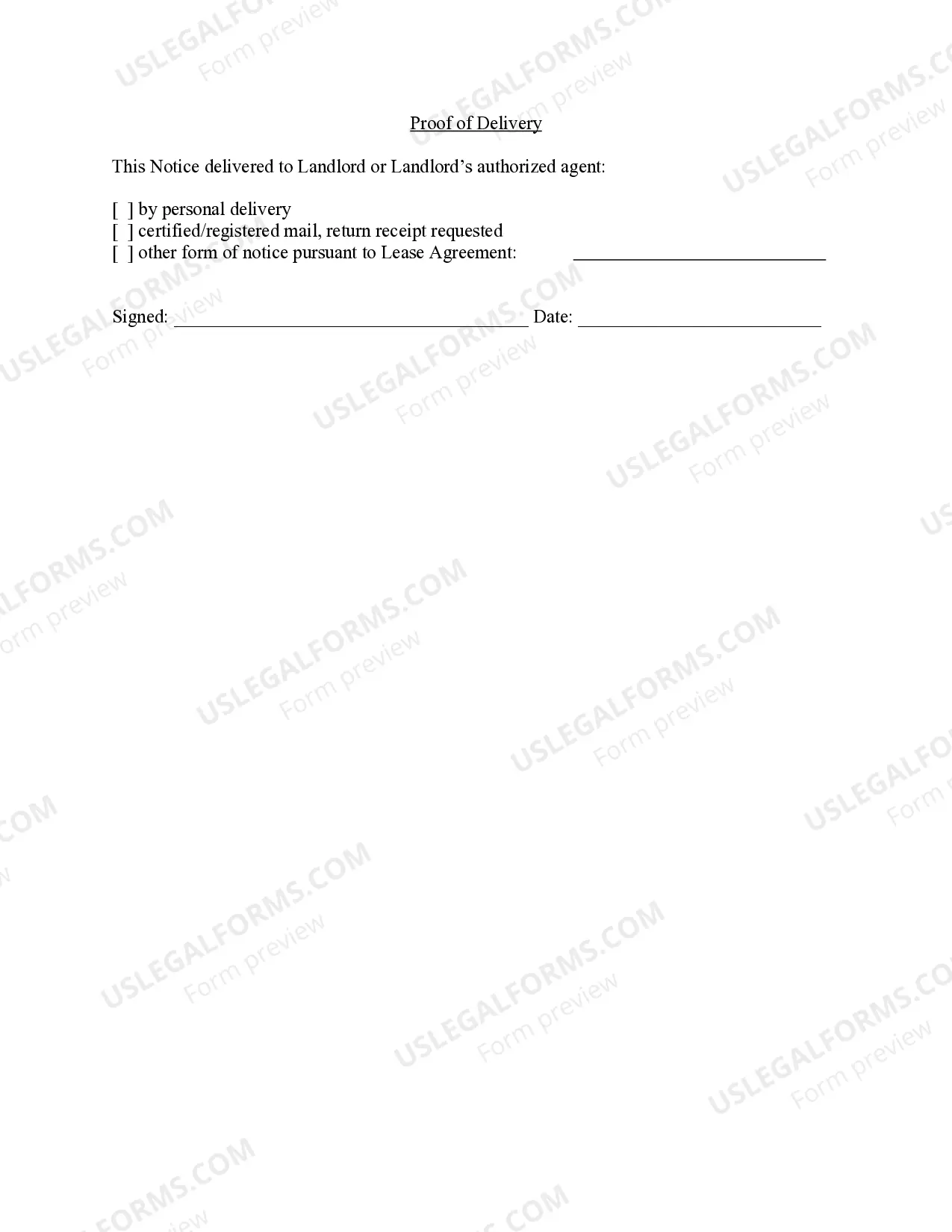
How to fill out Colorado Letter From Tenant To Landlord Containing Notice To Landlord To Withdraw Retaliatory Rent Increase?
- Log in to your US Legal Forms account if you're an existing user, and ensure your subscription is up to date. Click the Download button to save your form template directly to your device.
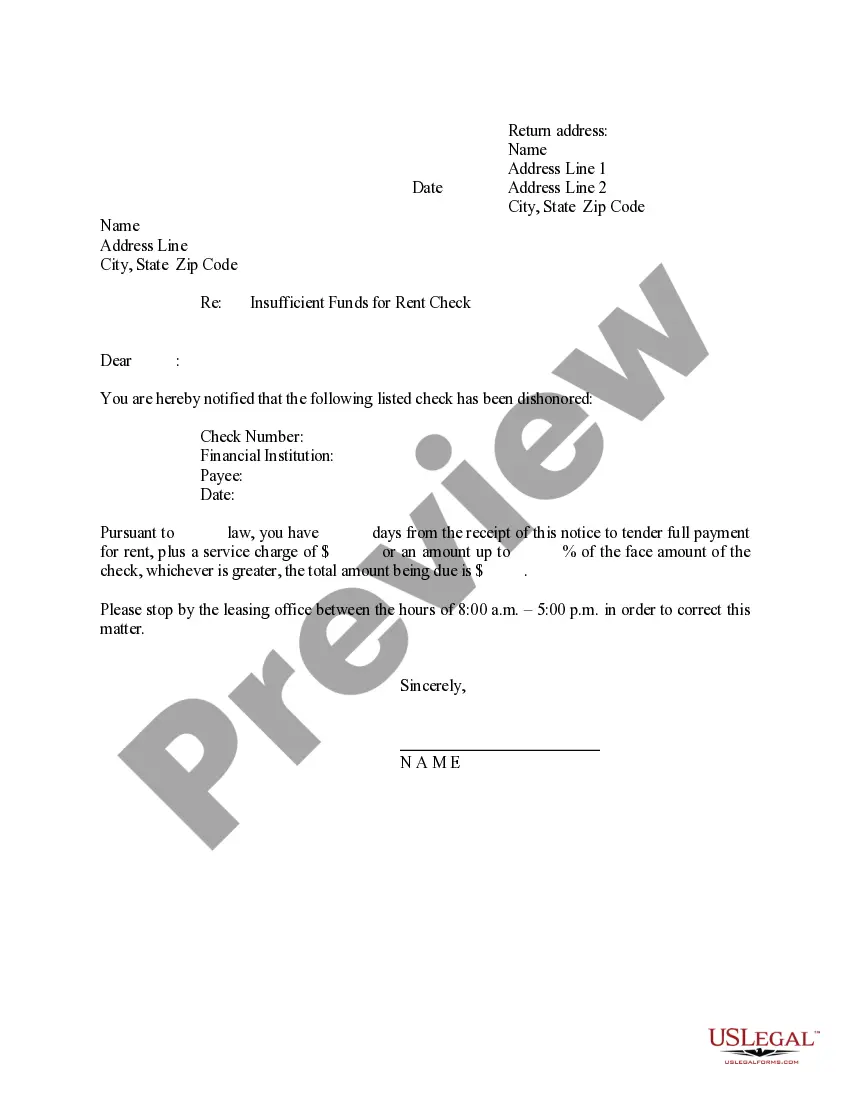
- If you're new to US Legal Forms, start by previewing the available templates. Make sure you select the correct tenant rights notice to vacate that complies with your local laws.
- If the document doesn't fit your needs, use the Search tab to find another suitable template before proceeding.
- Purchase the selected form by clicking the 'Buy Now' button. Choose the subscription plan that best fits your requirements and create an account for full access.
- Complete your payment using your credit card or PayPal account, and finalize your purchase.
- Download the completed form to your device. You can access it anytime through the 'My Forms' section in your profile.
By utilizing US Legal Forms, you have access to a vast library of over 85,000 legal forms, ensuring you find exactly what you need. Their services empower you and your attorney to swiftly and accurately complete essential documents.
Take charge of your rental situation today! Start creating your tenant rights notice to vacate with US Legal Forms and ensure a smooth transition.
Form popularity
FAQ
When formatting your letter to vacate, start with your contact information, followed by the landlord's details, and a clear subject line. Include a straightforward statement of your intention to vacate, the property address, and the specific date of departure. Ensure that your tenant rights notice to vacate is professional by using a polite tone throughout. Utilizing templates from US Legal Forms can help you structure your letter effectively and convey your message clearly.
A notice to vacate is a request for you to leave the property, usually initiated by the tenant to inform the landlord. In contrast, an eviction notice is a legal document issued by the landlord, often resulting from rent non-payment or lease violations. Understanding the distinction is crucial for your rights as a tenant, and using resources from US Legal Forms can help clarify these terms in your tenant rights notice to vacate. This knowledge empowers you in your rental situation.
A letter to vacate is a formal document that notifies your landlord of your intention to leave the rental property. It should include key details like your name, the address of the property, and the date you plan to vacate. You can find effective templates and examples through platforms like US Legal Forms, which help ensure your tenant rights notice to vacate is clear and legally sound. This way, you maintain a professional relationship with your landlord.
No, a notice to vacate is not the same as an eviction. A notice to vacate informs tenants that they need to move out, while eviction is a legal process initiated by the landlord to remove a tenant forcibly. It's important to recognize your tenant rights notice to vacate to effectively manage your housing situation. Should you need further assistance, uslegalforms has a variety of resources to guide you through both processes.
To terminate a lease in Florida, the notice period varies based on the type of lease. Generally, for month-to-month agreements, a 30 day notice is required, while week-to-week agreements may only need seven days. Understanding your tenant rights notice to vacate is essential in ensuring legal compliance. If you need help drafting your notice, uslegalforms can provide appropriate templates to follow.
In Florida, landlords typically must provide tenants with a written notice to vacate, which can be as short as seven days for week-to-week leases, or 30 days for month-to-month leases. The amount of notice required can vary based on lease terms, so reviewing your tenant rights notice to vacate can be helpful. For personalized templates and legal resources, check uslegalforms to make the process smoother.
In Florida, the requirement for a 30 day notice to vacate often depends on the specific lease agreement you have. Generally, if your lease is month-to-month, then a 30 day notice is standard. Always refer back to your tenant rights notice to vacate for clarity on this matter. If you're unsure, uslegalforms can provide the necessary documentation to clarify your obligations.
To write a notice to a tenant, format it professionally with your name and address, the tenant’s name, and the date. Clearly convey the intention of the notice, such as to vacate the premises, and be specific about the timeline. Including references to tenant rights notice to vacate can add legal weight and clarity to your communication.
Writing a notice to a tenant requires clear communication. Start with relevant details such as your address and their rental address. State the purpose of the notice clearly, whether it's a request to vacate or another matter, and make sure to adhere to tenant rights notice to vacate guidelines for validity and effectiveness.
To create a quick notice for a tenant, write a concise message stating the purpose of the notice, such as a request to vacate. Clearly indicate the date by which they need to leave and reference the tenant rights notice to vacate for legal clarity. Ensure your tone remains professional to foster a constructive dialogue.