California Form Partner For Real Estate
Description
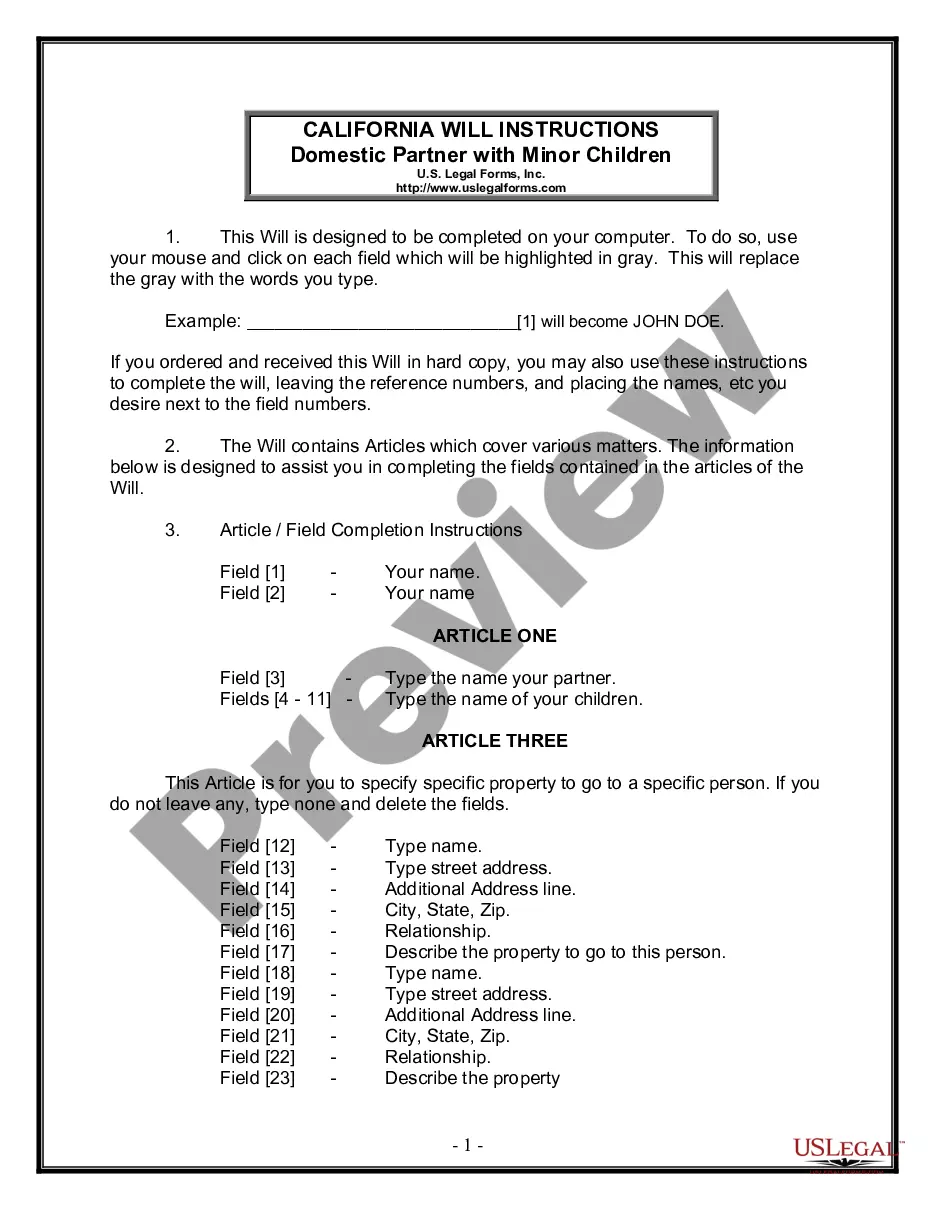
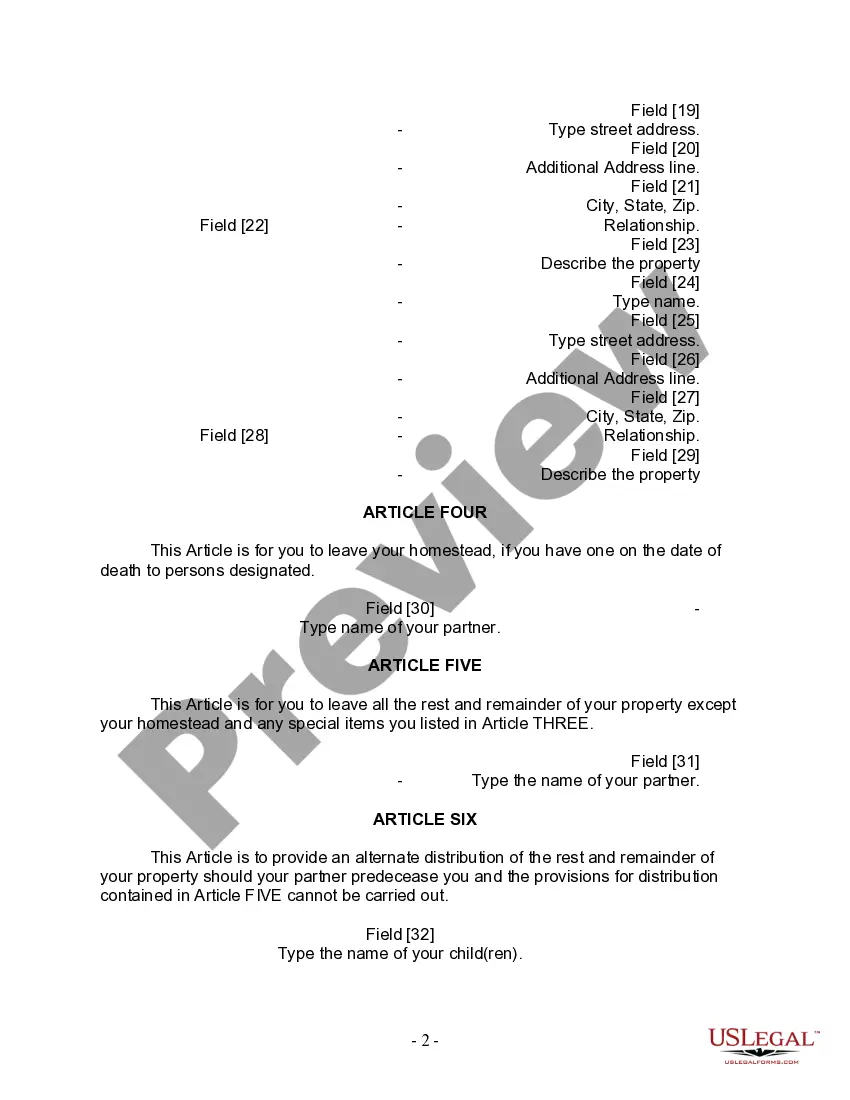
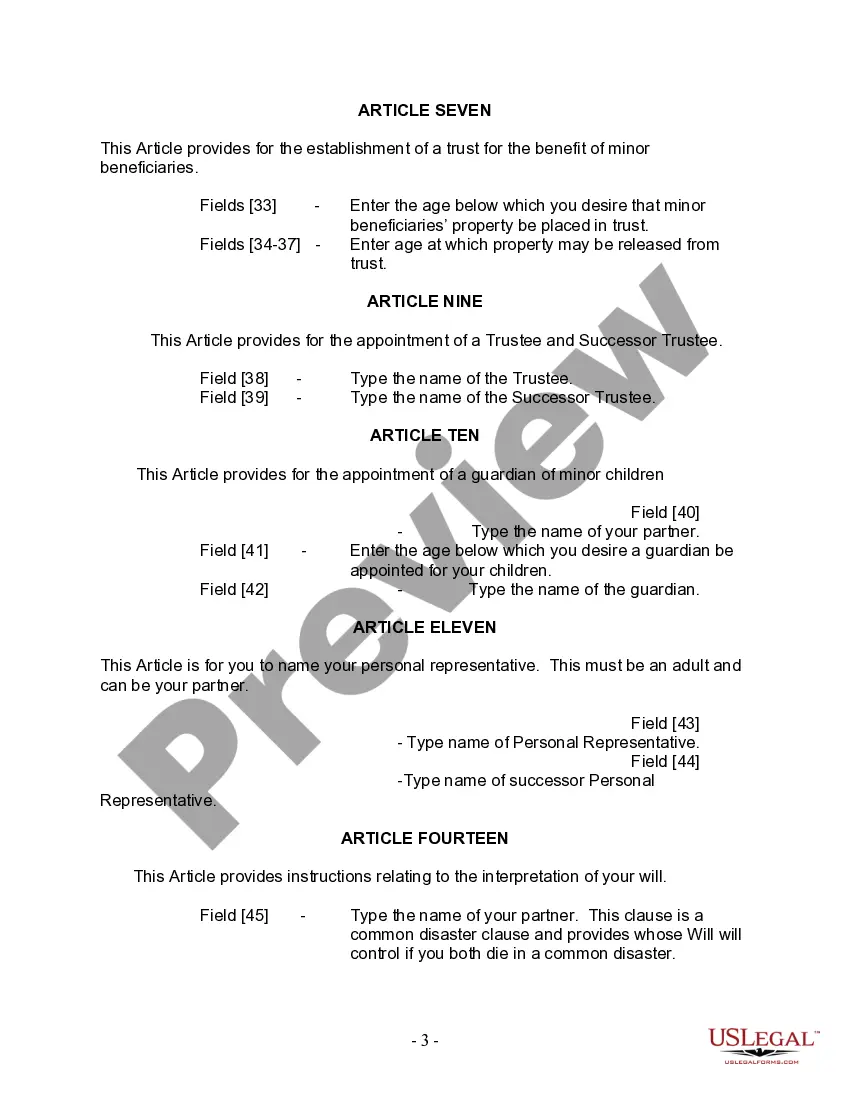
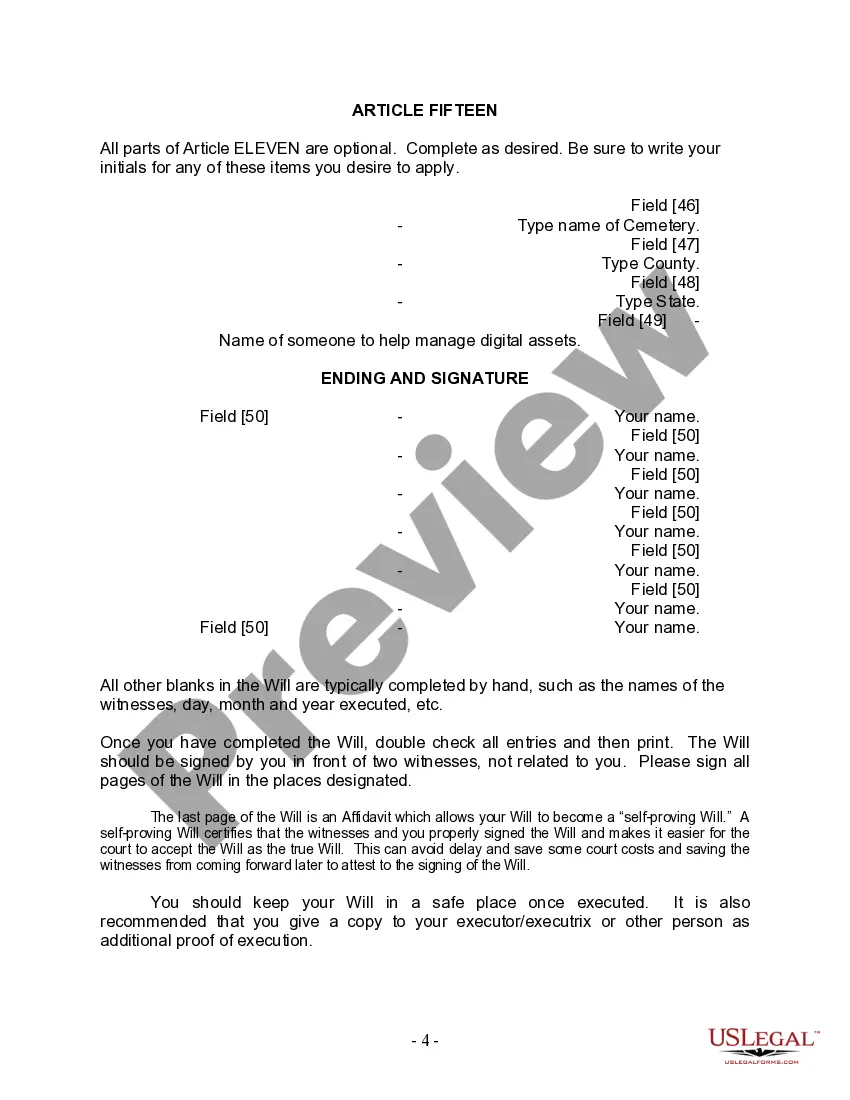



Get your form ready online
Our built-in tools help you complete, sign, share, and store your documents in one place.
Make edits, fill in missing information, and update formatting in US Legal Forms—just like you would in MS Word.
Download a copy, print it, send it by email, or mail it via USPS—whatever works best for your next step.
Sign and collect signatures with our SignNow integration. Send to multiple recipients, set reminders, and more. Go Premium to unlock E-Sign.
If this form requires notarization, complete it online through a secure video call—no need to meet a notary in person or wait for an appointment.
We protect your documents and personal data by following strict security and privacy standards.
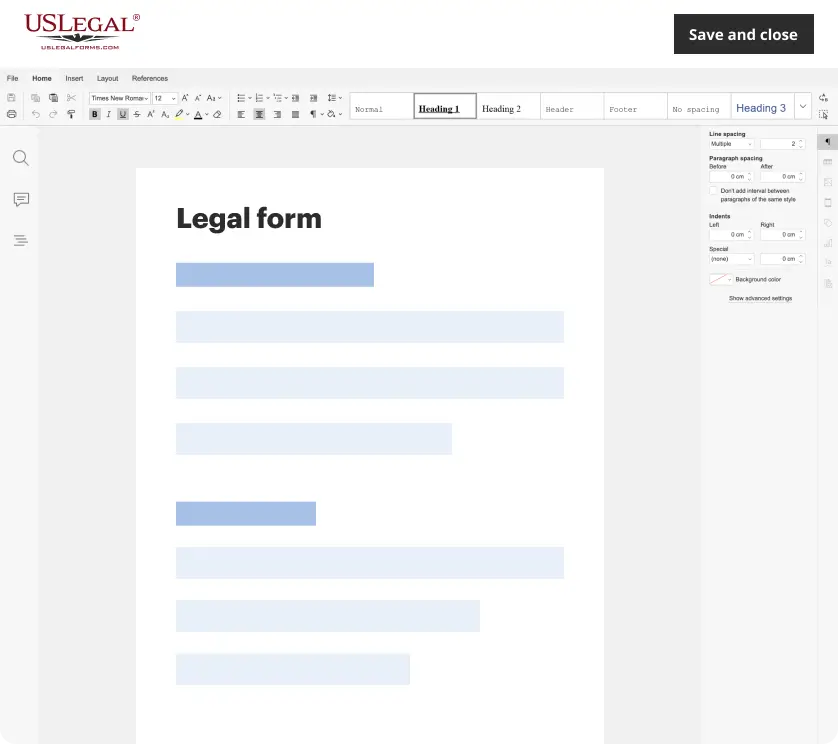
Make edits, fill in missing information, and update formatting in US Legal Forms—just like you would in MS Word.
Download a copy, print it, send it by email, or mail it via USPS—whatever works best for your next step.
Sign and collect signatures with our SignNow integration. Send to multiple recipients, set reminders, and more. Go Premium to unlock E-Sign.
If this form requires notarization, complete it online through a secure video call—no need to meet a notary in person or wait for an appointment.
We protect your documents and personal data by following strict security and privacy standards.
Looking for another form?

Form popularity
FAQ
Creating a real estate partnership agreement involves outlining each partner's contributions, responsibilities, and distribution of profits. It is crucial to include terms regarding the management and decision-making processes within the partnership. To facilitate this process, you can use the California form partner for real estate, which provides templates and guidance to ensure your agreement is comprehensive and legally binding.
Filing a partnership in California requires completing the appropriate formation documents, paying filing fees, and designating a registered agent. You will also need to draft a partnership agreement that outlines the roles and responsibilities of each partner. By utilizing California form partner for real estate, you can ensure all necessary paperwork is handled correctly and promptly.
To establish a limited partnership in California, you must file a Certificate of Limited Partnership with the Secretary of State. This document requires key information, including the name of the partnership, the address, and the names of general and limited partners. It is critical to adhere to state guidelines for compliance. Utilizing California form partner for real estate can aid you in meeting these requirements efficiently.
California Form 593 PDF is used by partnerships to report income from real estate transactions, specifically withholding amounts for non-residents. The partnership itself is responsible for completing and filing this form, ensuring that all necessary information is accurate and complete. If you are unfamiliar with these requirements, using California form partner for real estate can simplify this task significantly.
Yes, California allows partnerships to request an extension to file their tax returns. You can do this by submitting Form 7004, which gives you an additional six months. However, remember that any taxes owed are still due on the original deadline. Leveraging California form partner for real estate can streamline your extension process and keep you compliant.
Partnerships in California must file an annual return using Form 1065, which details the income, deductions, and credits of the partnership. Each partner receives a Schedule K-1, which outlines their share of the partnership's income and losses. Ensuring compliance with these requirements is essential for maintaining good standing and transparency. For a smooth process, consider using California form partner for real estate to help guide your reporting.
Partnerships need to fill out Form 1065, which serves as the primary tax return for partnerships in the United States. If you're aiming to be a California form partner for real estate, understanding this form is crucial for reporting shared income and expenses. This form must be submitted annually, ensuring transparency and compliance with tax obligations.
To apply for a partnership in California, you can start by drafting a partnership agreement outlining the roles of each partner and the terms of your collaboration. Once your agreement is in place, you can register your partnership with the state if needed. As a California form partner for real estate, adhering to local regulations will help streamline your application process and establish a solid foundation.
No, Form 1065 and Schedule K-1 serve different purposes. Form 1065 is the partnership return that reports overall partnership income and deductions, while Schedule K-1 provides individual partners with information to report on their tax returns. When working with a California form partner for real estate, understanding both forms is essential for accurate tax reporting and compliance.
Not all partnerships are required to file Form K-2. This form is only necessary if the partnership has foreign transactions that need to be reported. However, if you are operating as a California form partner for real estate with foreign partners or investments, it may be wise to include this form. Assess your situation carefully to ensure you meet your filing obligations.
