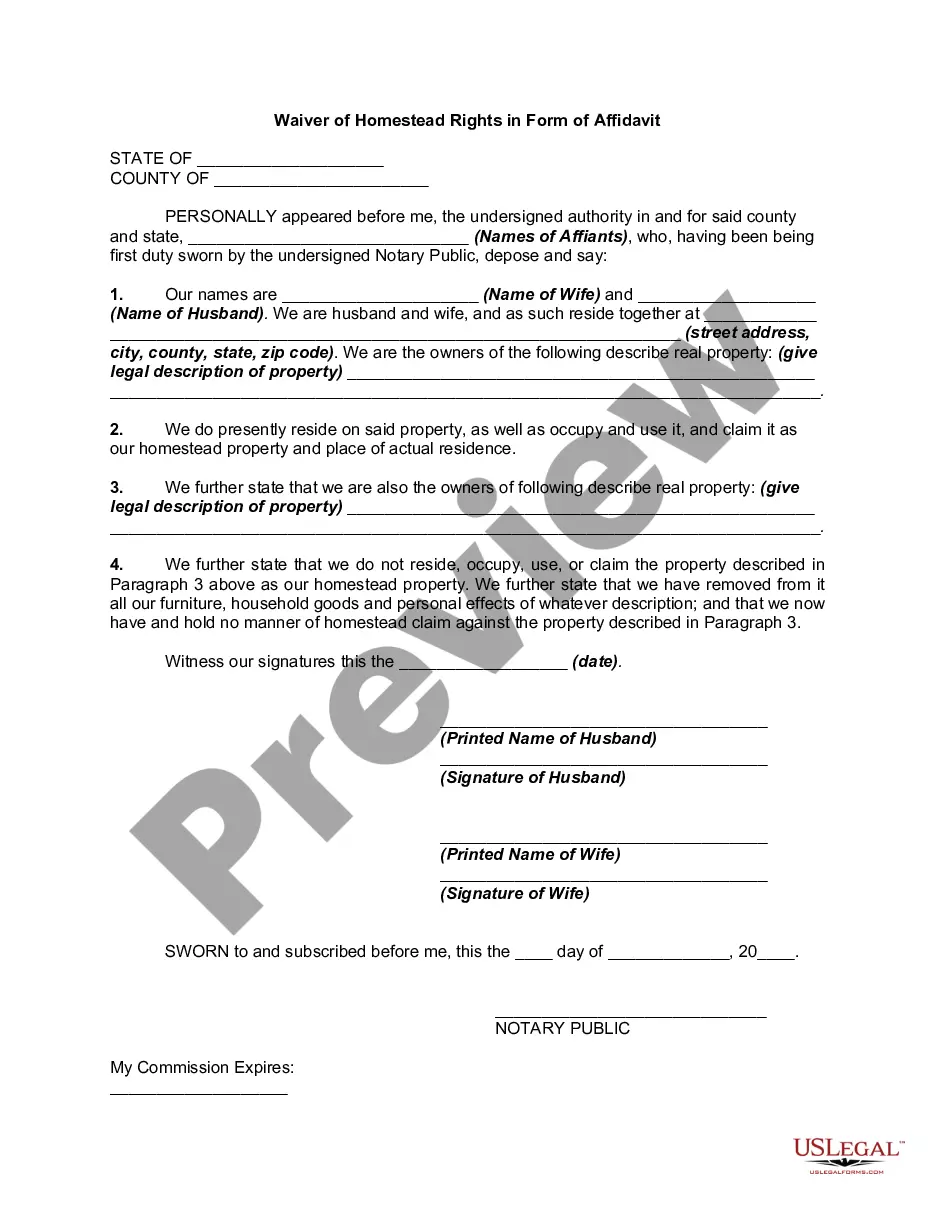
California Homestead Form With Mortgage
Description
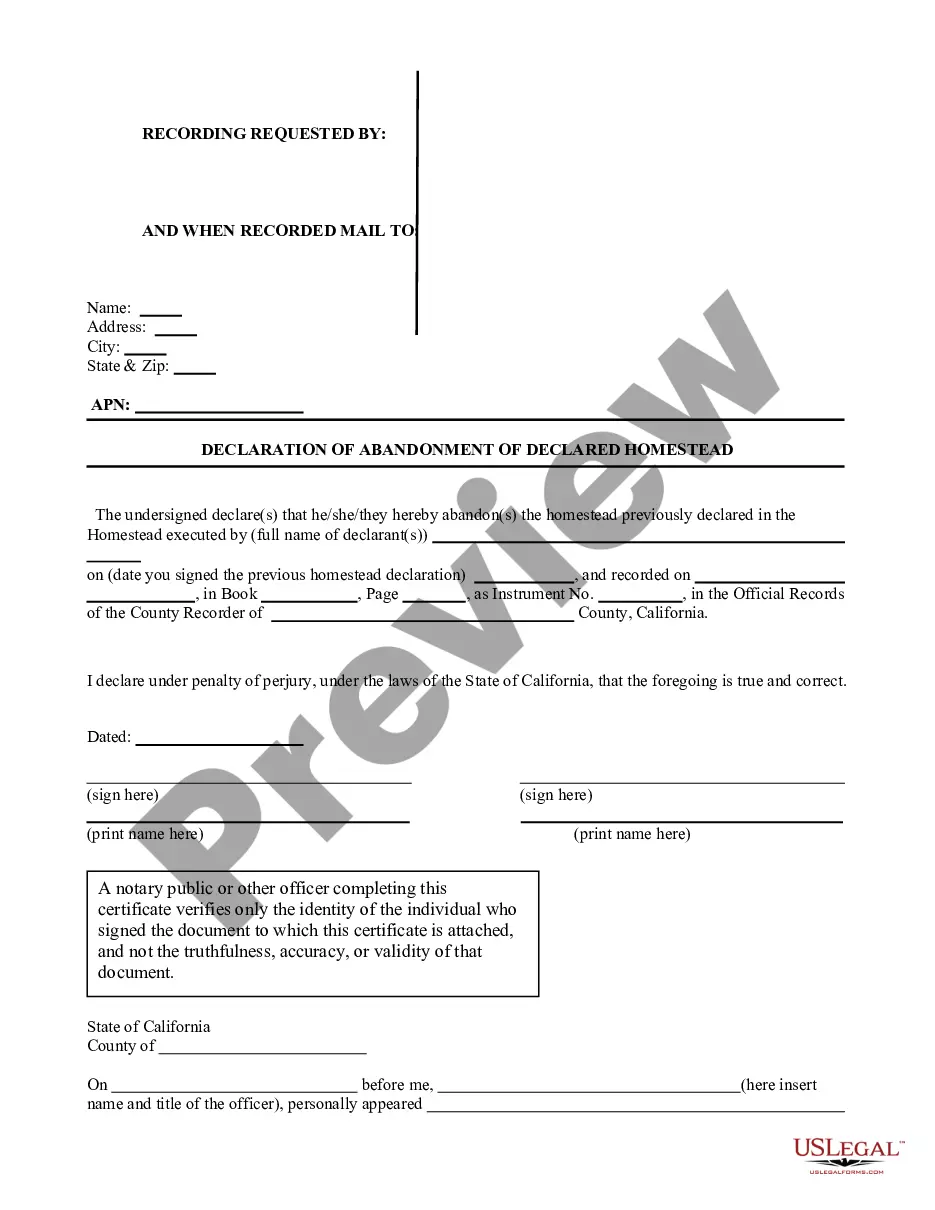
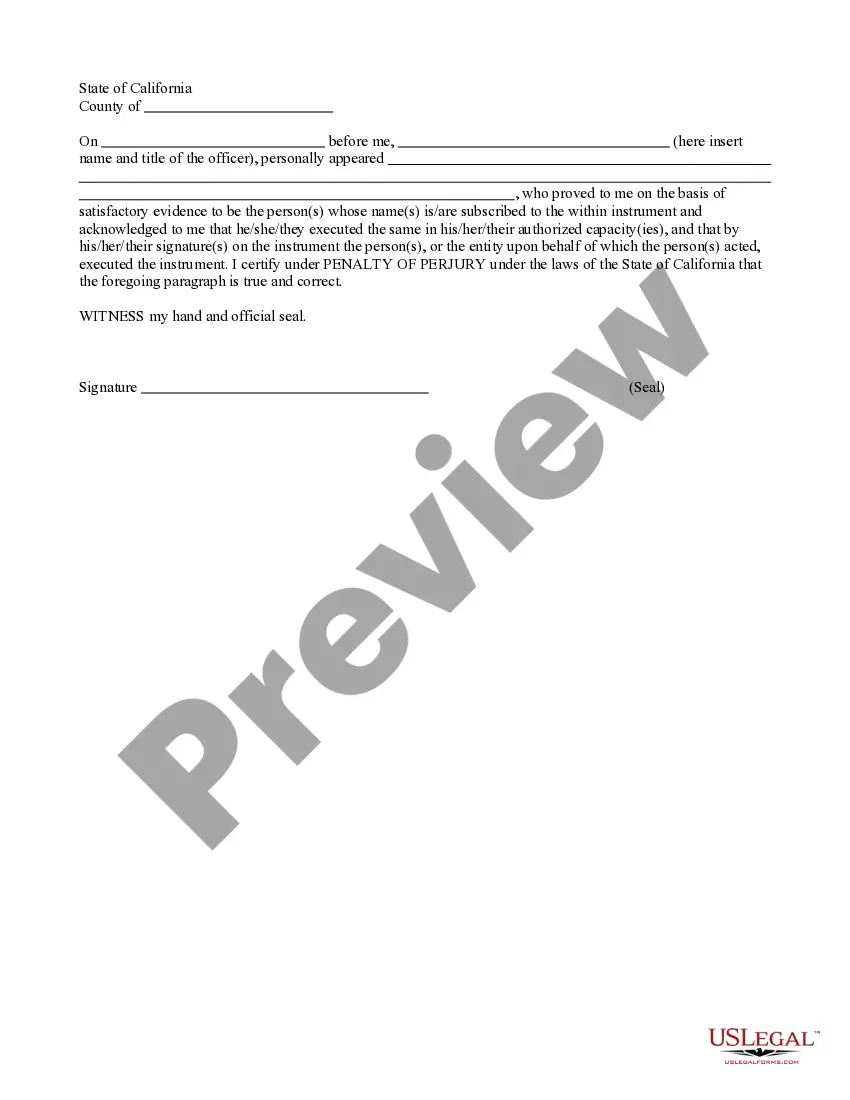
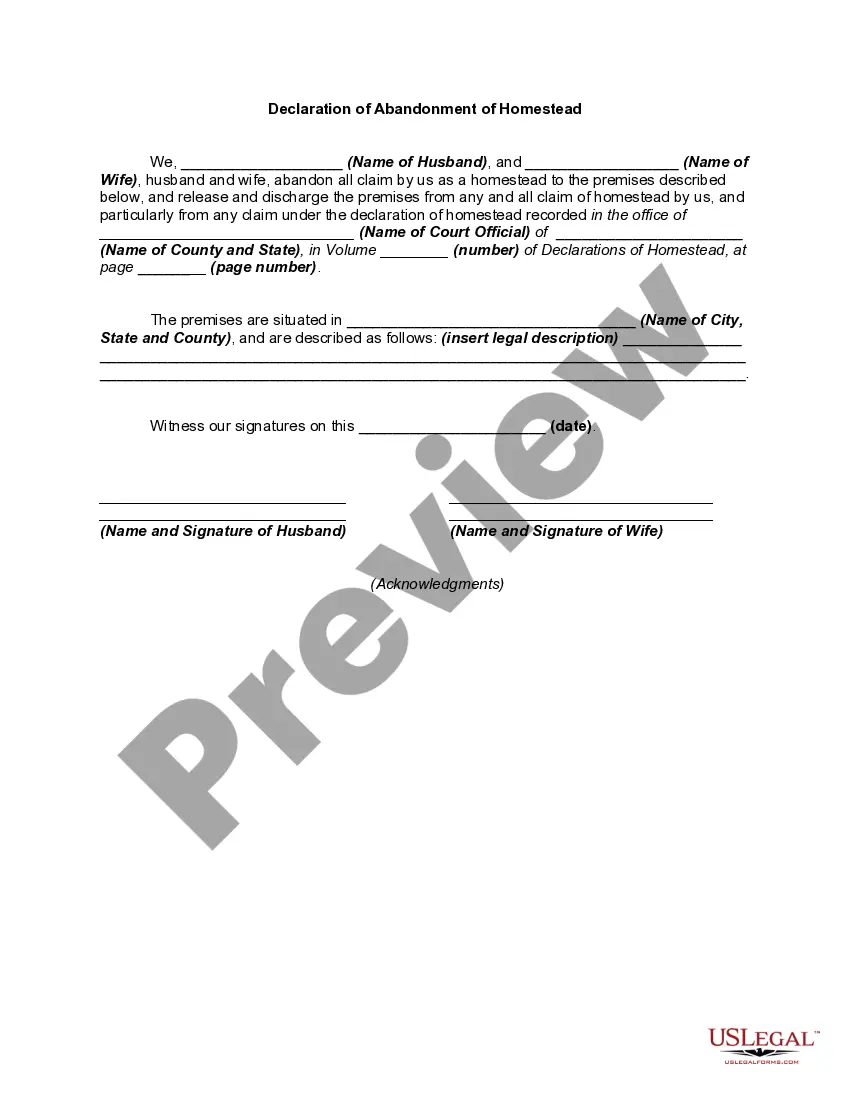
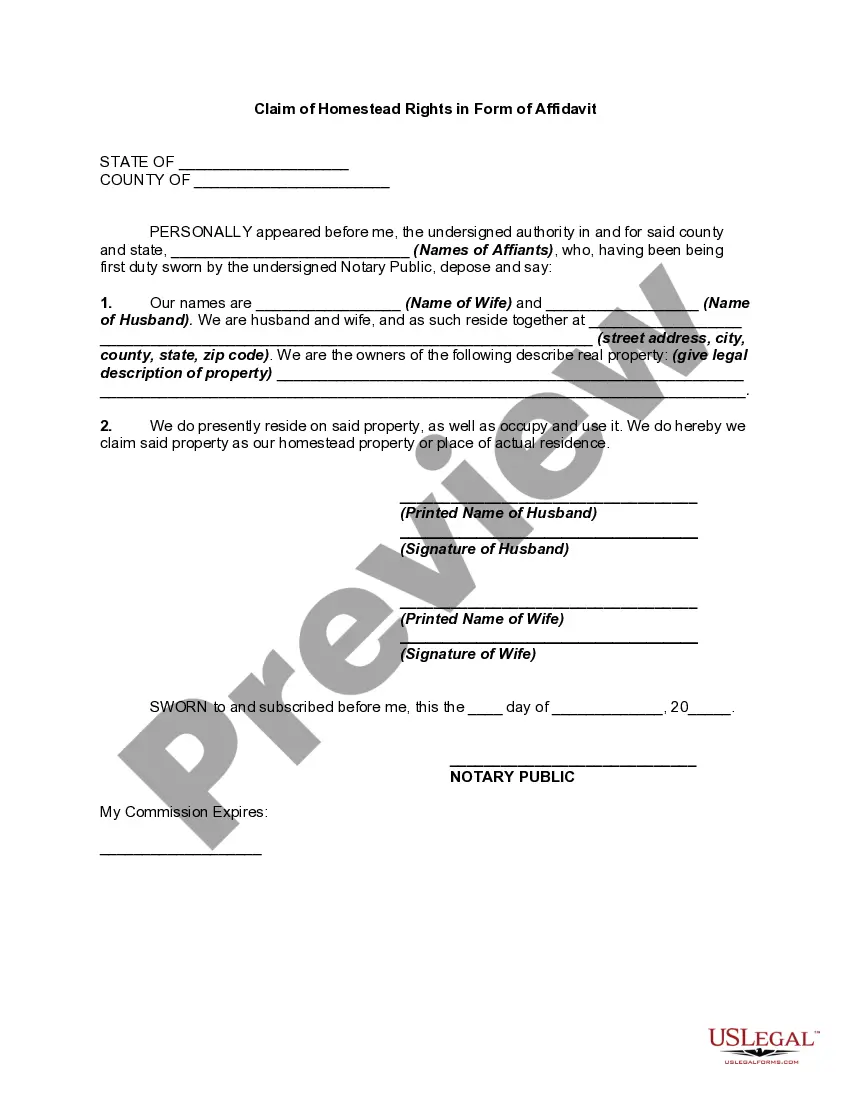
Get your form ready online
Our built-in tools help you complete, sign, share, and store your documents in one place.
Make edits, fill in missing information, and update formatting in US Legal Forms—just like you would in MS Word.
Download a copy, print it, send it by email, or mail it via USPS—whatever works best for your next step.
Sign and collect signatures with our SignNow integration. Send to multiple recipients, set reminders, and more. Go Premium to unlock E-Sign.
If this form requires notarization, complete it online through a secure video call—no need to meet a notary in person or wait for an appointment.
We protect your documents and personal data by following strict security and privacy standards.

Make edits, fill in missing information, and update formatting in US Legal Forms—just like you would in MS Word.

Download a copy, print it, send it by email, or mail it via USPS—whatever works best for your next step.

Sign and collect signatures with our SignNow integration. Send to multiple recipients, set reminders, and more. Go Premium to unlock E-Sign.

If this form requires notarization, complete it online through a secure video call—no need to meet a notary in person or wait for an appointment.

We protect your documents and personal data by following strict security and privacy standards.
Looking for another form?

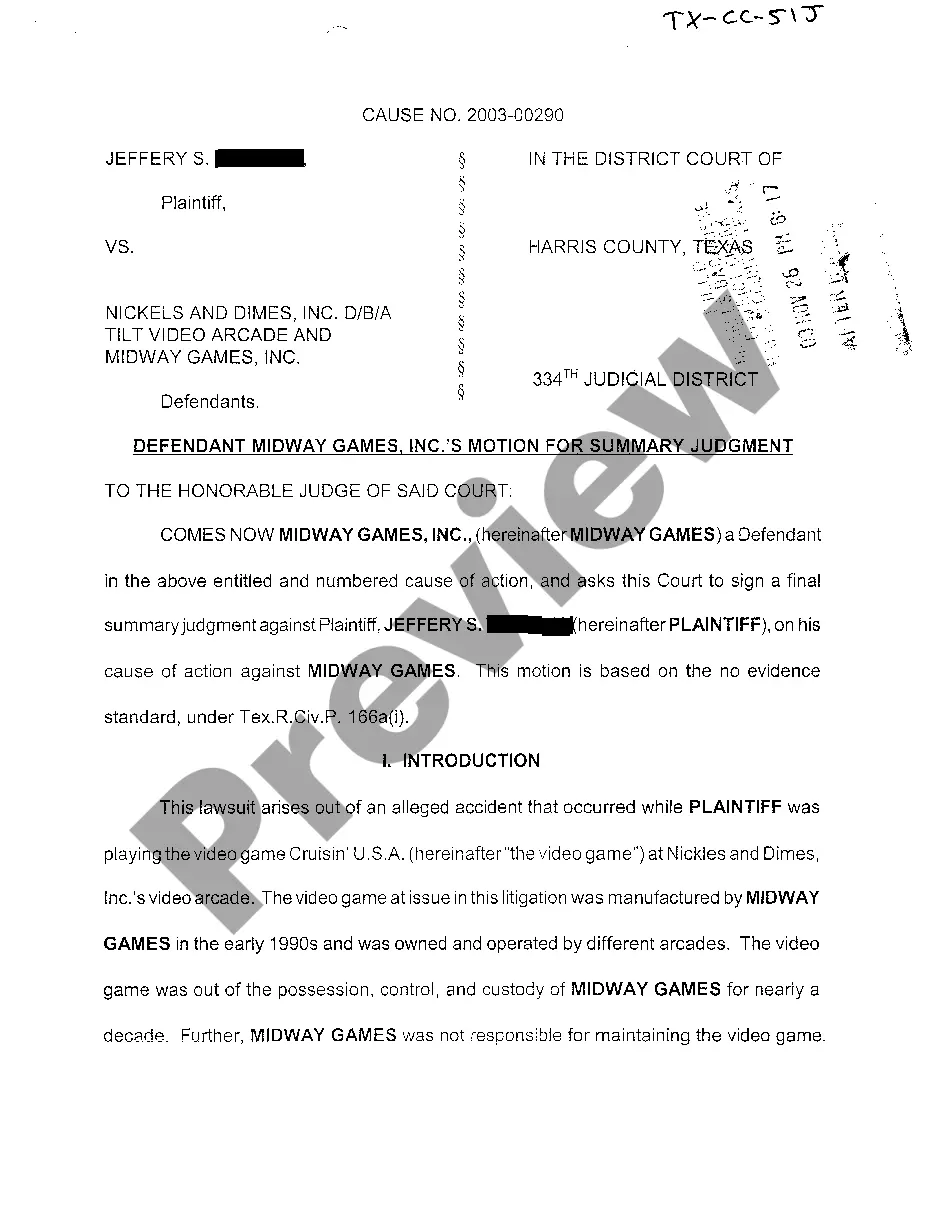
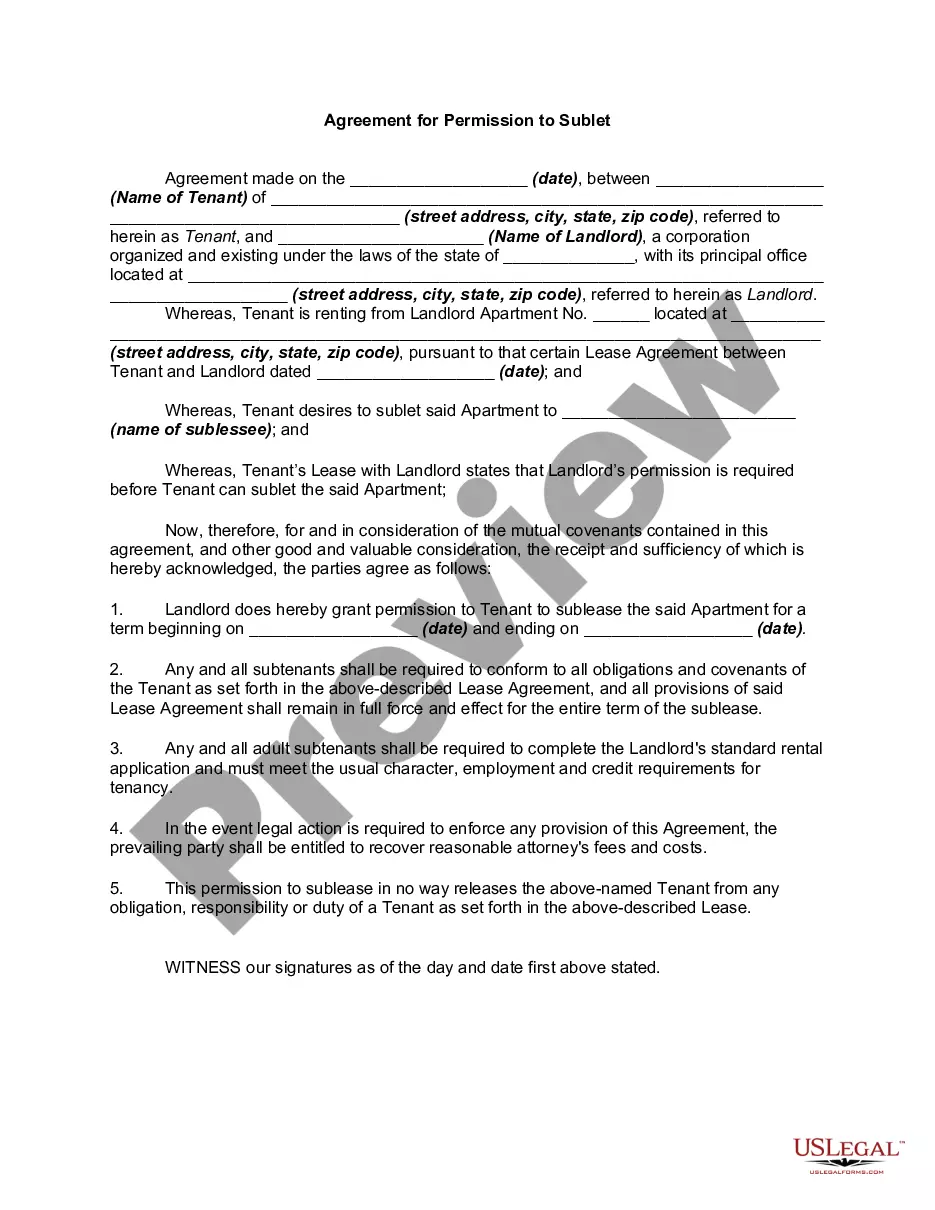
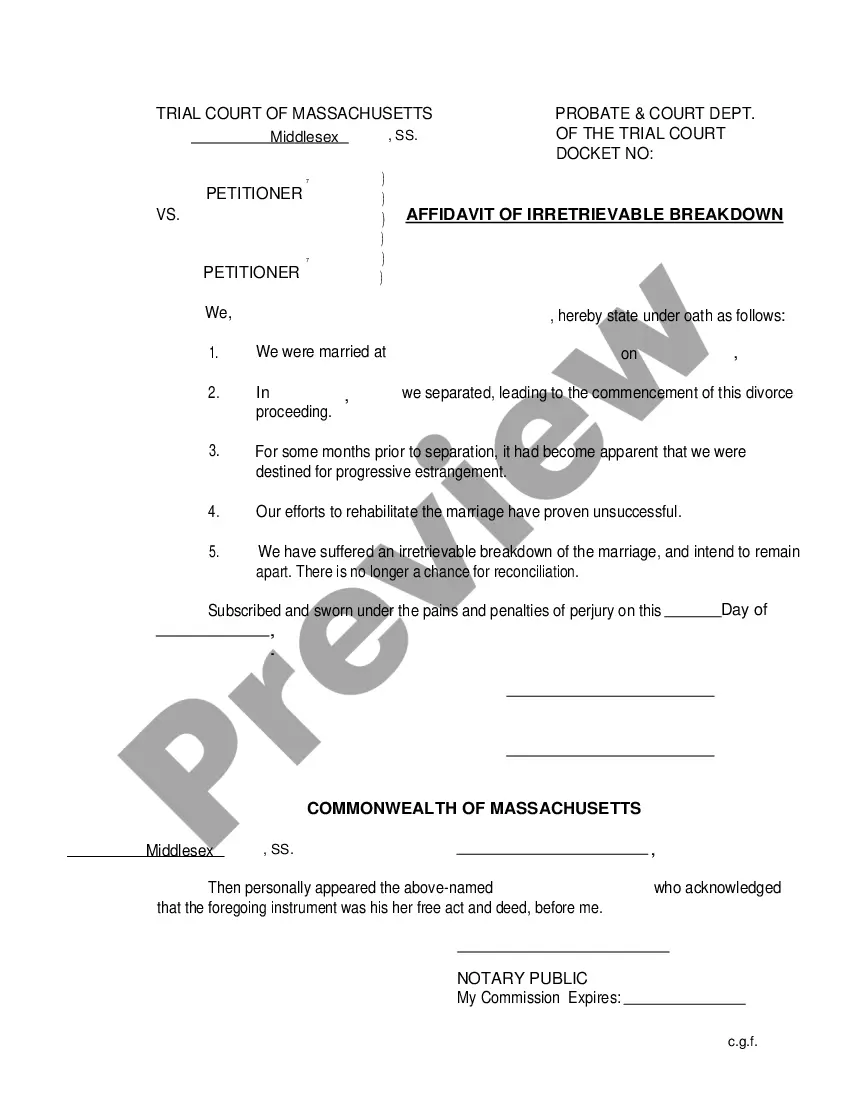




How to fill out California Declaration Of Abandonment Of Homestead Declaration?
Whether for professional reasons or personal matters, everyone must confront legal scenarios at some point in their life.
Completing legal documents requires meticulous care, starting from selecting the appropriate form template.
Once downloaded, you can complete the form using editing software or print it out and fill it out by hand. With an extensive library of US Legal Forms available, you no longer have to waste time searching for the right template online. Utilize the library’s straightforward navigation to find the suitable form for any situation.
- Locate the template you require via the search bar or catalog browsing.
- Review the form’s details to ensure it aligns with your needs, jurisdiction, and county.
- Click on the form’s preview to see it.
- If it is the incorrect document, return to the search feature to find the California Homestead Form With Mortgage example you require.
- Download the document once it fulfills your requirements.
- If you already have a US Legal Forms account, simply click Log in to access previously stored templates in My documents.
- If you do not have an account yet, you can acquire the form by clicking Buy now.
- Select the appropriate pricing option.
- Complete the profile registration form.
- Choose your payment method: either a credit card or PayPal account.
- Select the file format you prefer and download the California Homestead Form With Mortgage.
Form popularity
FAQ
Both the parents may jointly, or, in the event of the absence of one due to death, divorce, legal separation, desertion or conviction, may singly apply for guardianship of their or as the case may be his ward beyond the age of 18 years.
What is Guardianship? A guardian is a person who is appointed to look after another person or his property. He or she assumes the care and protection of the person for whom he/she is appointed the guardian. The guardian takes all legal decisions on behalf of the person and the property of the ward.
The person who wants to be the new guardian would file a Petition for Appointment of Successor/Co-Guardian. The guardian can voluntarily resign if they no longer want to be the guardian. The court will have to choose a replacement guardian, and may appoint the public guardian if no one else is willing to be appointed.
Guardians are appointed when a court determines that an individual is at risk because they cannot make decisions for themselves and there is no less restrictive way to meet the individual's needs. Guardianship may remove a broad spectrum of rights from the individual.
However, legal guardians and foster parents are not considered legal parents by the U.S. Department of Education, so the student is not required to include them in their FAFSA. As a result, the student will be considered to be independent, which could help them qualify for more aid.
A standby guardian is a person who is given temporary authority to care for another person's minor child, while the parent or legal guardian is still alive.
If the U.S. citizen parent has died, the child's citizen grandparent or the child's U.S. citizen legal guardian may file the application on the child's behalf within 5 years of the parent's death.