Condo Rules For Renters
Description
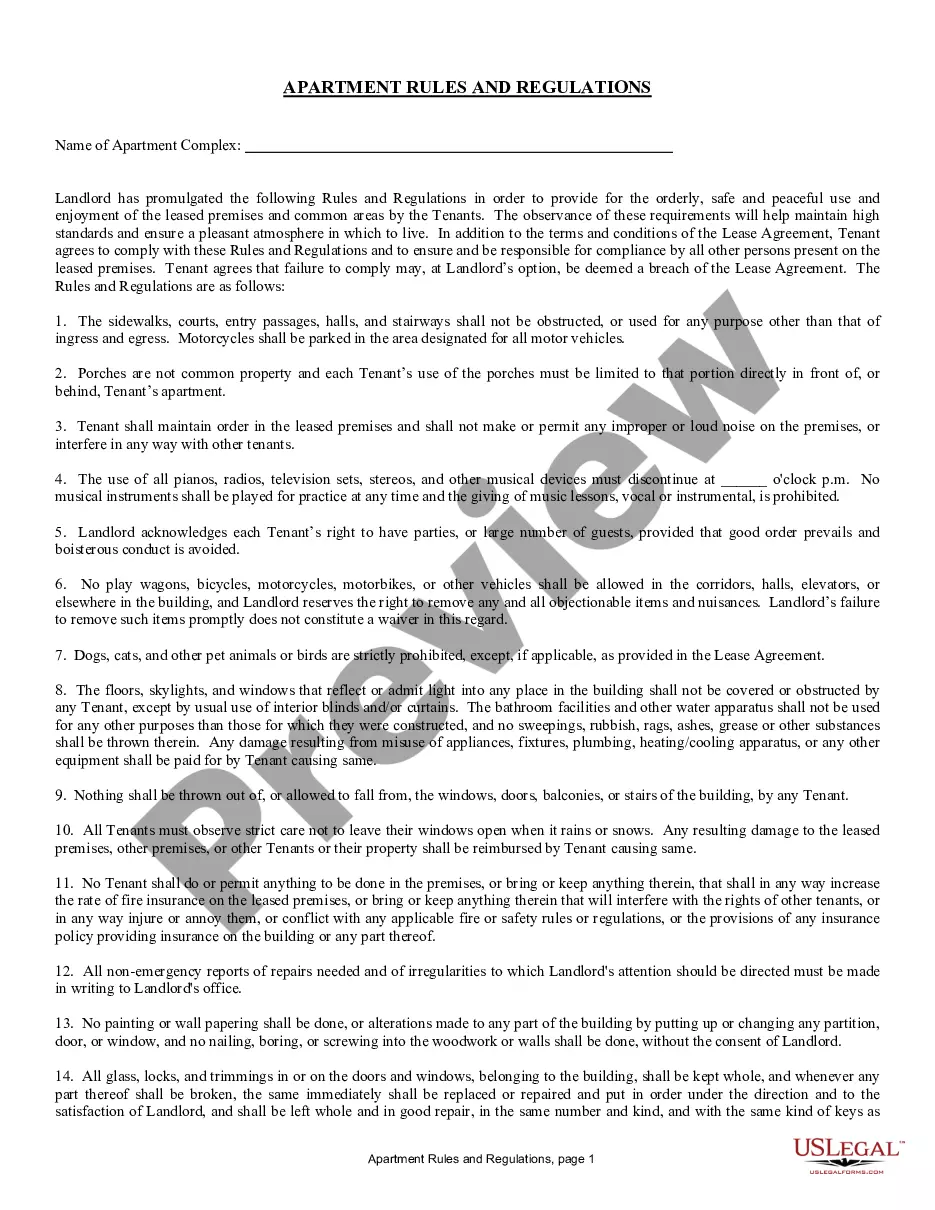
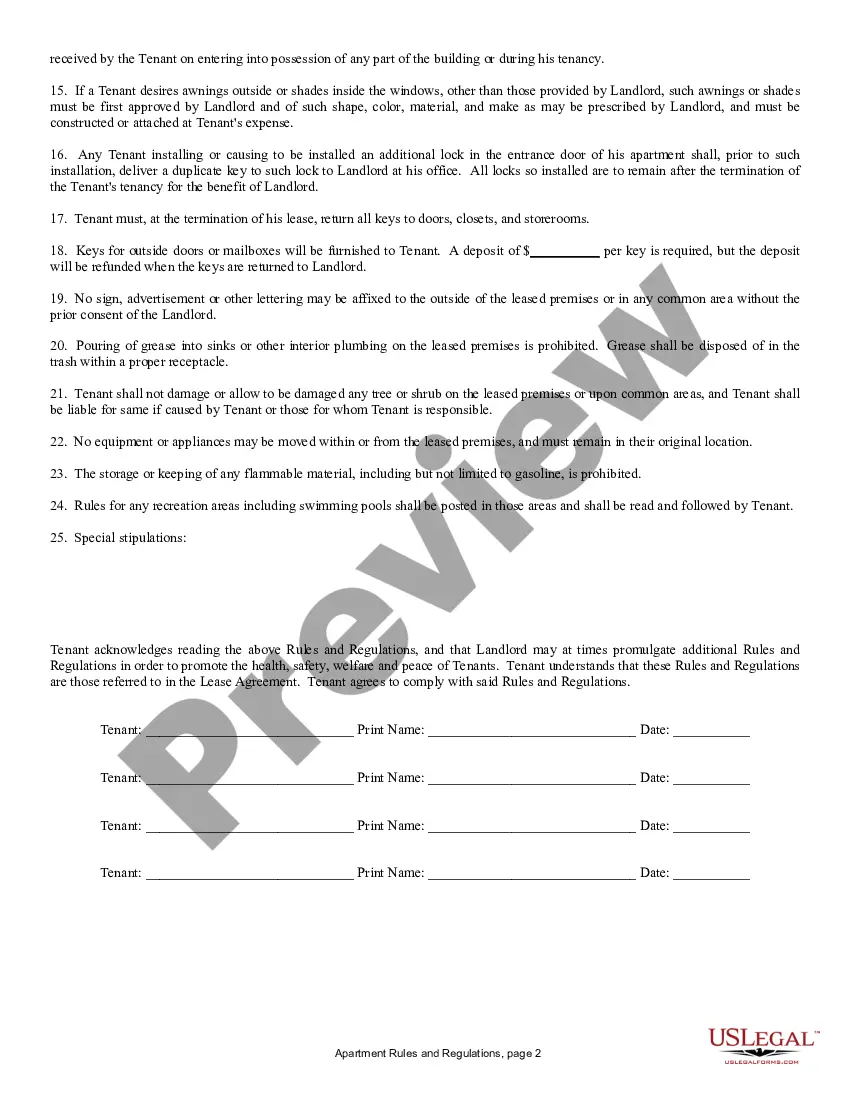
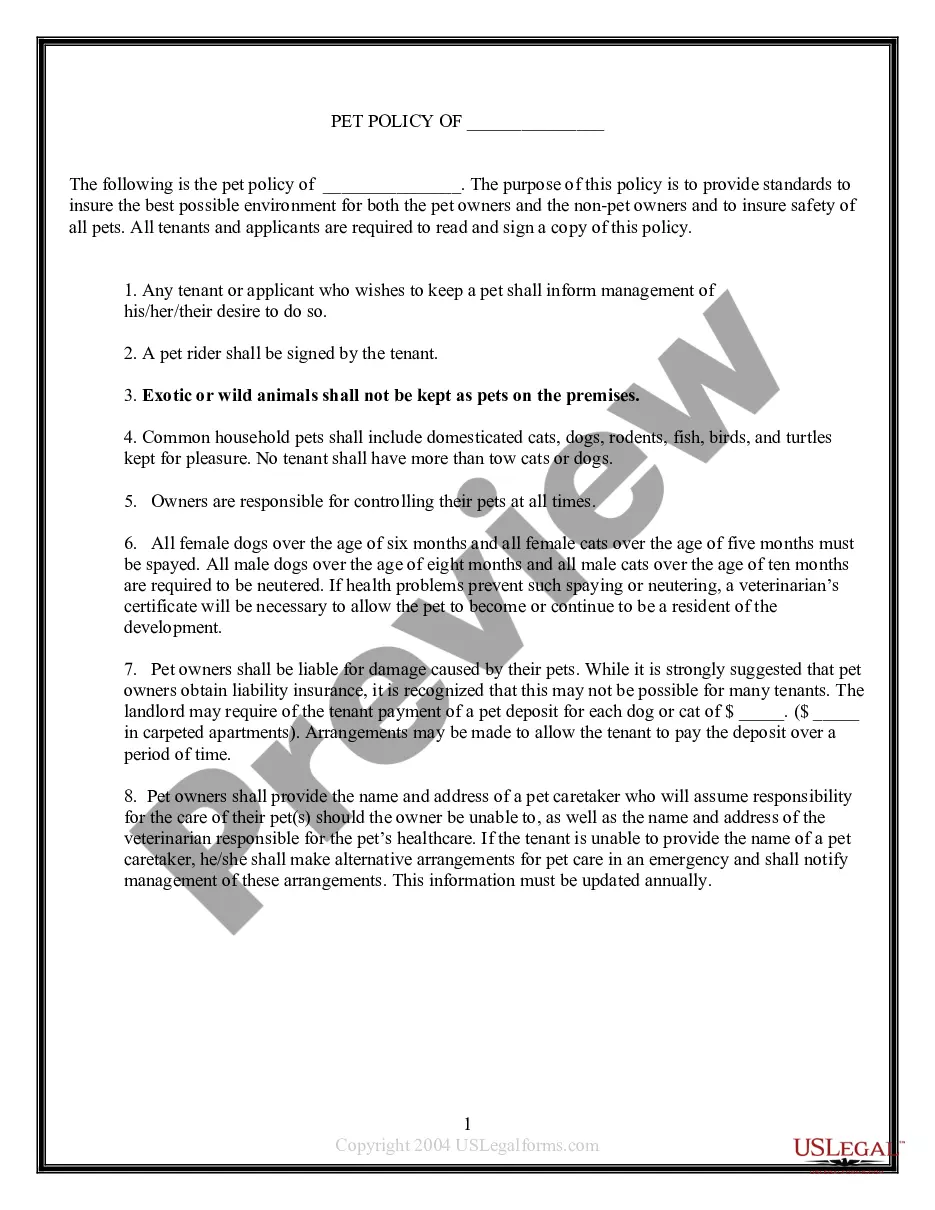
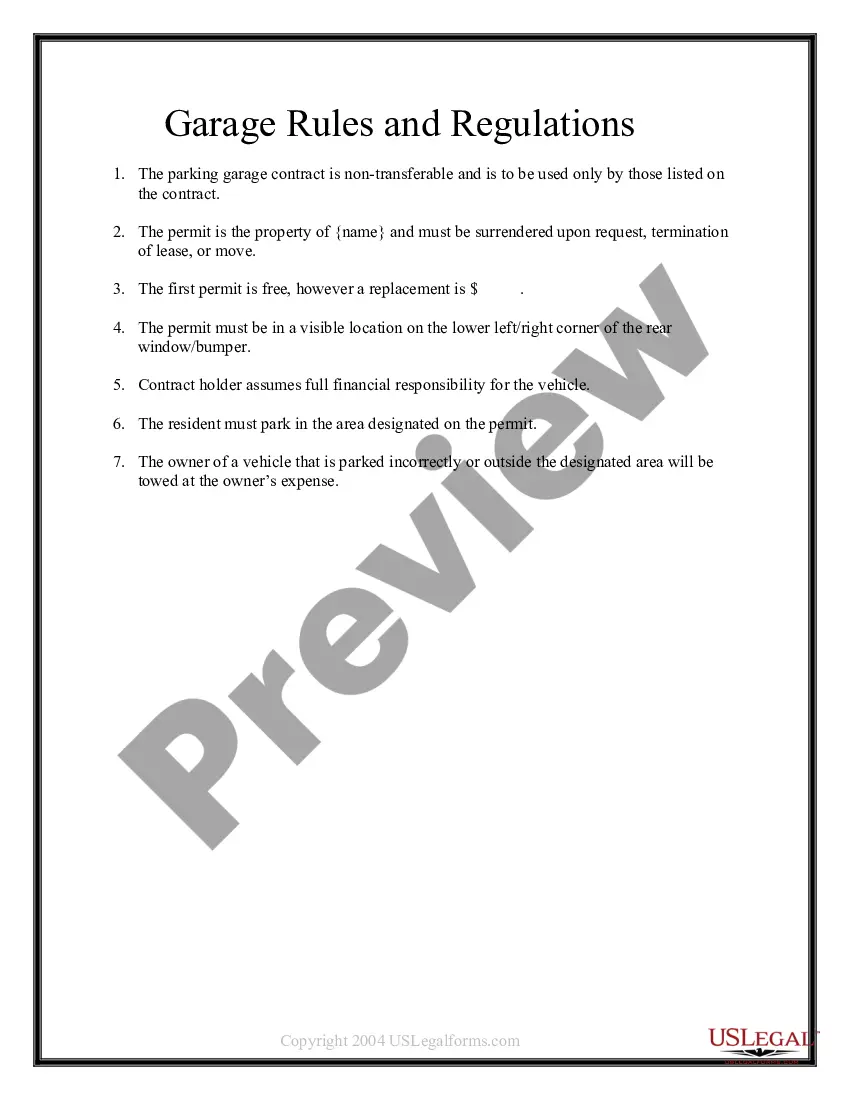
Get your form ready online
Our built-in tools help you complete, sign, share, and store your documents in one place.
Make edits, fill in missing information, and update formatting in US Legal Forms—just like you would in MS Word.
Download a copy, print it, send it by email, or mail it via USPS—whatever works best for your next step.
Sign and collect signatures with our SignNow integration. Send to multiple recipients, set reminders, and more. Go Premium to unlock E-Sign.
If this form requires notarization, complete it online through a secure video call—no need to meet a notary in person or wait for an appointment.
We protect your documents and personal data by following strict security and privacy standards.

Make edits, fill in missing information, and update formatting in US Legal Forms—just like you would in MS Word.

Download a copy, print it, send it by email, or mail it via USPS—whatever works best for your next step.

Sign and collect signatures with our SignNow integration. Send to multiple recipients, set reminders, and more. Go Premium to unlock E-Sign.

If this form requires notarization, complete it online through a secure video call—no need to meet a notary in person or wait for an appointment.

We protect your documents and personal data by following strict security and privacy standards.
Looking for another form?
How to fill out California Apartment Rules And Regulations?
It's widely recognized that you cannot transform into a legal specialist instantly, nor can you swiftly learn how to effectively prepare Condo Regulations For Tenants without possessing a specific skill set.
Drafting legal documents is a lengthy process that demands particular training and expertise. So why not entrust the preparation of the Condo Regulations For Tenants to the experts.
With US Legal Forms, one of the largest libraries of legal templates, you can find everything from court documents to templates for internal communication.
You can revisit your forms from the My documents section at any time. If you are a current client, you can simply Log In, and find and download the template from the same section.
No matter the reason for your forms—whether it’s financial and legal, or personal—our platform has you supported. Give US Legal Forms a try now!
- Find the document you need by utilizing the search bar at the top of the webpage.
- Preview it (if this option is available) and review the supporting description to see if Condo Regulations For Tenants is what you are looking for.
- Begin your search anew if you require a different template.
- Sign up for a complimentary account and select a subscription plan to acquire the template.
- Select Buy now. Once the payment is completed, you can obtain the Condo Regulations For Tenants, fill it out, print it, and deliver it or send it via mail to the specified parties or organizations.
Form popularity
FAQ
Yes, securing an apartment may still be possible even if you don’t meet the 3x income rule. Landlords often consider additional factors such as credit history, employment stability, and personal references. Communicating effectively with landlords about your situation can improve your chances. If you're unsure about your rights as a renter, US Legal Forms provides resourceful documentation to guide you.
Bypassing rental history can be challenging, especially when facing strict condo rules for renters. One strategy is to provide alternative references, such as proof of steady income or character references from previous landlords. Consider explaining your situation to potential landlords—it may lead to flexible arrangements. For tailored solutions, explore US Legal Forms to access resources on rental agreements.
The recent law in California aims to enhance tenant protections, affecting condo rules for renters. Known as the Tenant Protection Act, it limits rent increases and strengthens eviction protections. Staying informed on these changes can greatly benefit you as a renter, ensuring you know your rights. Additionally, resources on US Legal Forms can help you navigate through these laws effectively.
Yes, condo bylaws are usually public record. You can typically access them through your local government or the condo association. Understanding these rules is essential for renters, as they outline everyone's rights and responsibilities. If you require assistance in obtaining these documents, the US Legal Forms platform can help you find the necessary forms and information.
Navigating rental restrictions often involves understanding condo rules for renters. Start by reviewing the specific bylaws that apply to your condo community. You may find opportunities to negotiate terms with landlords or propose modifications that align with the community’s requirements. If you need expert guidance, consider using the US Legal Forms platform to access resources tailored for your situation.
Typical condo rules may cover topics such as pet policies, restrictions on leasing units, noise control, and the proper use of amenities like pools or gyms. Each condominium may have unique rules tailored to its community needs. By being aware of these rules, renters can avoid misunderstandings and contribute positively to their living environment.
Basic rules under which condominiums operate often include guidelines about property maintenance, use of shared facilities, and limitations on renovations. These regulations help maintain order and community standards within the condominium. Understanding these condo rules for renters is important for a smooth living experience and to avoid potential conflicts.
The condo statute in Illinois governs the definition, management, and operation of condominium associations, including the responsibilities of unit owners. These regulations outline how the condo association must operate, manage finances, and maintain common areas. Familiarity with this statute is crucial for renters to understand their rights and obligations within their condominium.
The 5 rule rent, often referred to in discussions about rental agreements, suggests that a renter's total monthly rent should not exceed 30% to 40% of their monthly income. This guideline helps ensure that individuals can afford their housing without financial strain. Following the 5 rule rent can be beneficial in planning your budget while adhering to condo rules for renters.
In Florida, renters have rights that protect them under state law. These rights include the right to a habitable living environment, privacy, and the inability of landlords to retaliate against complaints regarding unsafe conditions. Understanding these rights is vital for renters in navigating their relationships with landlords and ensuring proper living standards.