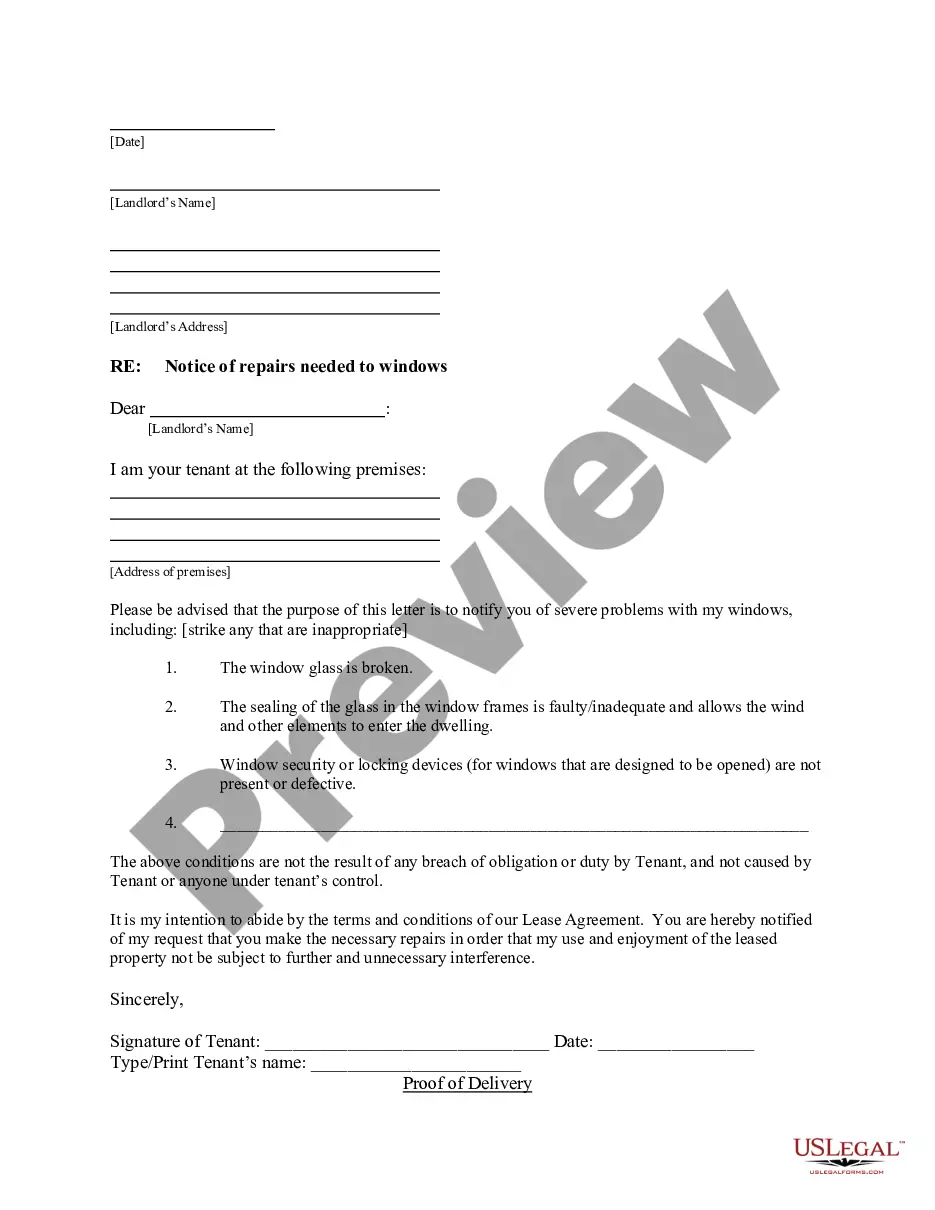
Tenant Landlord With With A Landlord
Description

Get your form ready online
Our built-in tools help you complete, sign, share, and store your documents in one place.
Make edits, fill in missing information, and update formatting in US Legal Forms—just like you would in MS Word.
Download a copy, print it, send it by email, or mail it via USPS—whatever works best for your next step.
Sign and collect signatures with our SignNow integration. Send to multiple recipients, set reminders, and more. Go Premium to unlock E-Sign.
If this form requires notarization, complete it online through a secure video call—no need to meet a notary in person or wait for an appointment.
We protect your documents and personal data by following strict security and privacy standards.

Make edits, fill in missing information, and update formatting in US Legal Forms—just like you would in MS Word.

Download a copy, print it, send it by email, or mail it via USPS—whatever works best for your next step.

Sign and collect signatures with our SignNow integration. Send to multiple recipients, set reminders, and more. Go Premium to unlock E-Sign.

If this form requires notarization, complete it online through a secure video call—no need to meet a notary in person or wait for an appointment.

We protect your documents and personal data by following strict security and privacy standards.
Looking for another form?








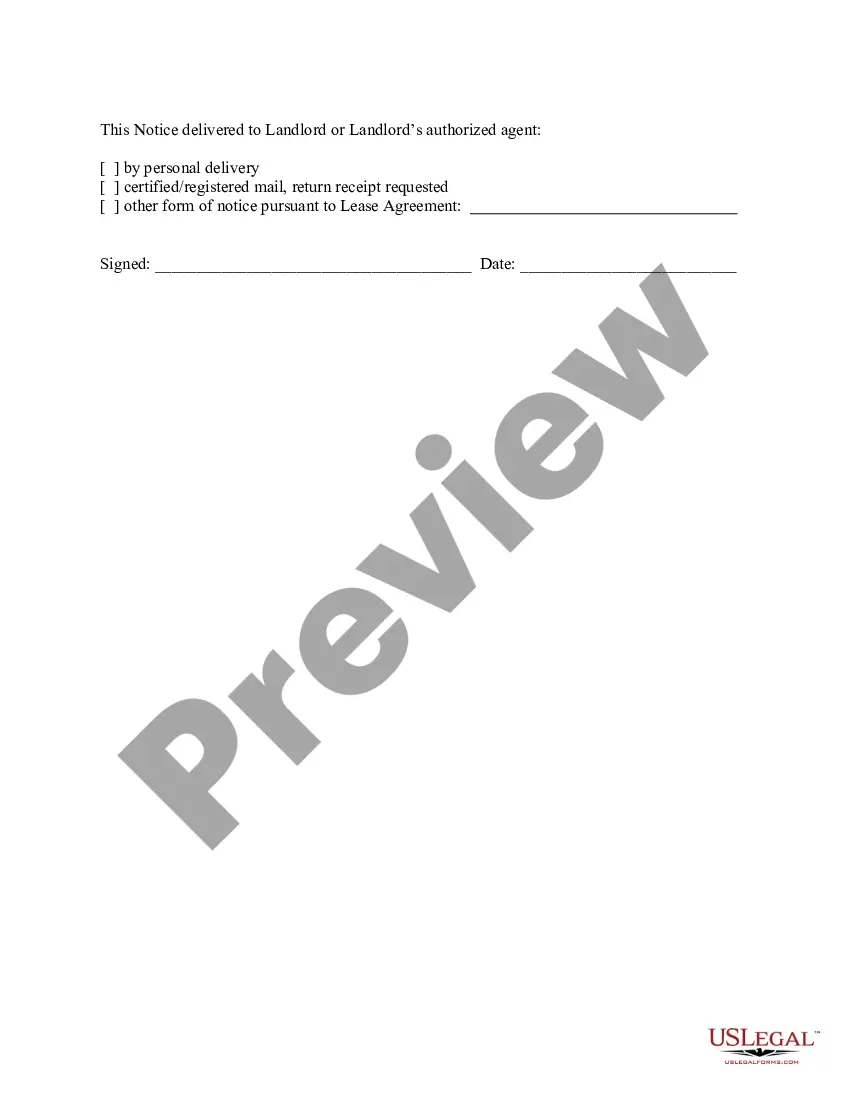
How to fill out California Letter From Tenant To Landlord With Demand That Landlord Repair Broken Windows?
- Log in to your account if you're already a user; otherwise, create a new account to get started.
- Browse the extensive library, focusing on the form description and preview mode to confirm it meets your jurisdictional needs.
- If you need a different template, utilize the search function to find an appropriate form.
- Select the form that's right for you and click the 'Buy Now' button to proceed.
- Choose your preferred subscription plan and enter your payment details using a credit card or PayPal.
- Finalize your purchase and download your form, which you can later access under 'My Forms' in your account.
Once your document is downloaded, you can fill it out with confidence, knowing that US Legal Forms empowers you to create legally sound agreements.
Don’t wait any longer—visit US Legal Forms today and simplify your legal document needs!
Form popularity
FAQ
Generally, landlords cannot view other tenants' leases due to privacy regulations. Each lease agreement is a private document between the tenant and landlord. If you have questions about your lease terms or need clarification, platforms like uslegalforms can guide you through your rights and obligations.
Yes, if you have been evicted, it can appear on your rental history reports, which landlords may access. These records serve as a reference for landlords considering your application. To mitigate any concerns, focus on maintaining good tenant practices and addressing any past issues proactively.
Yes, landlords often call previous landlords to discuss a prospective tenant's reliability and behavior. This practice helps landlords make informed decisions based on verified rental histories. If you have been a responsible tenant, it can enhance your chances of securing a new lease.
Florida has recently updated several rules regarding tenant landlord relationships, especially concerning eviction processes and security deposits. These changes aim to offer more protection to tenants while ensuring landlords can manage their properties effectively. For the latest details, consider checking legal resources or platforms such as uslegalforms.
Landlords frequently contact previous landlords to get references about prospective tenants. This is a standard practice for landlords looking to verify your rental history and reliability. Maintaining a good relationship with your previous landlords can significantly impact your ability to find future housing.
A landlord can talk about you to other tenants but should maintain confidentiality and protect your privacy. Sharing information about tenant situations openly can lead to trust issues and possible legal concerns. Always review your lease for privacy clauses, and if needed, consult with a legal expert.
Yes, you can be evicted if you have someone living with you without your landlord's permission. Most lease agreements clearly state the rules regarding additional occupants. It's crucial to communicate with your landlord to avoid misunderstandings and potential eviction.
A tenant can refuse entry to a landlord if the landlord does not provide proper notice or if the visit is not legally justified. Typically, landlords must give at least 24 hours notice before entering unless it’s an emergency. Awareness of these rights allows you to set clear boundaries with your landlord.
In New Jersey, landlords can raise rent, but they must follow local laws and regulations. There isn't a statewide limit, but municipalities may have rent control laws that restrict increases. Understanding these regulations can help you maintain a fair relationship with your landlord.
While you may not always be legally required to inform your landlord about a guest, it’s good practice to do so. Depending on your lease, a landlord might have specific rules regarding guests or additional occupants. Clear communication can foster a positive tenant-landlord relationship.