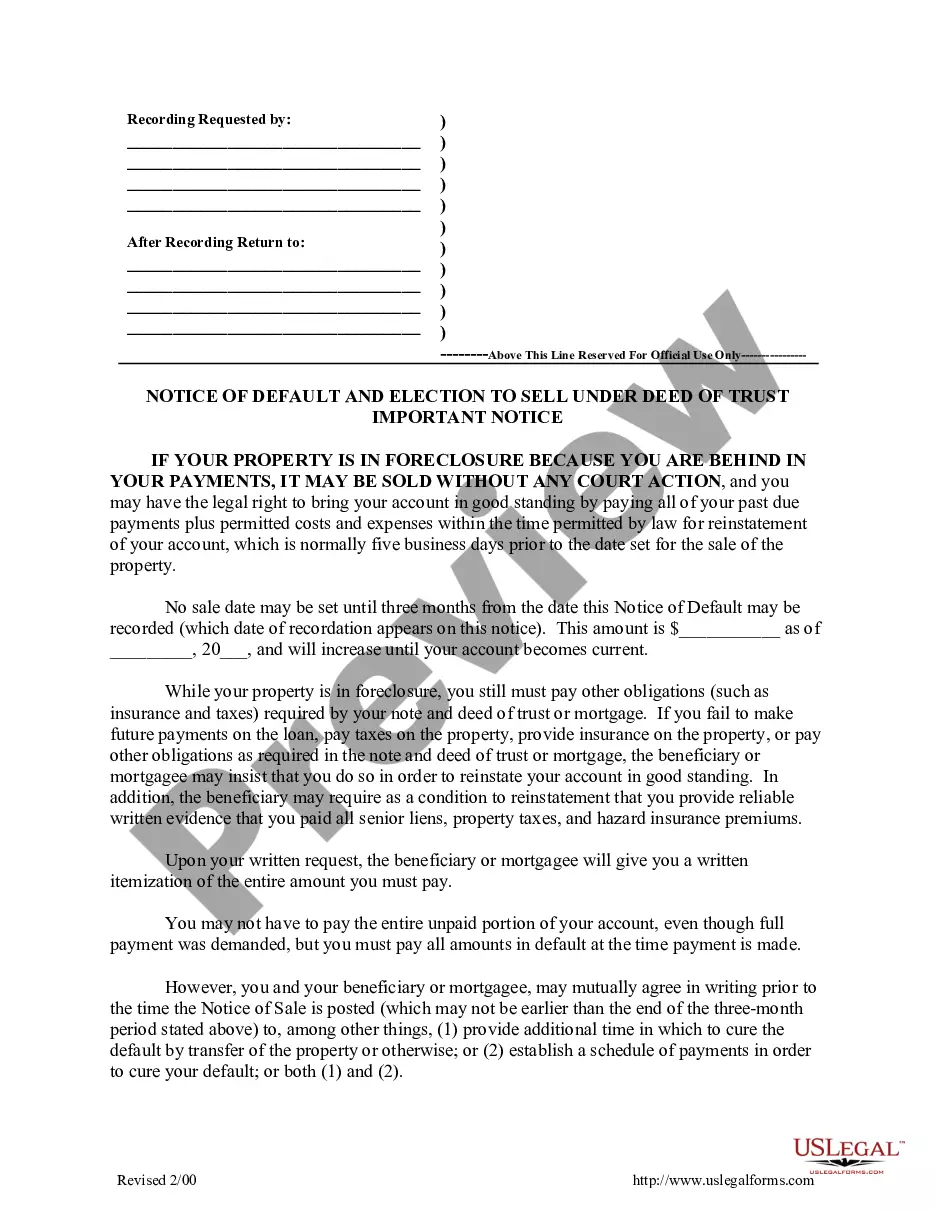
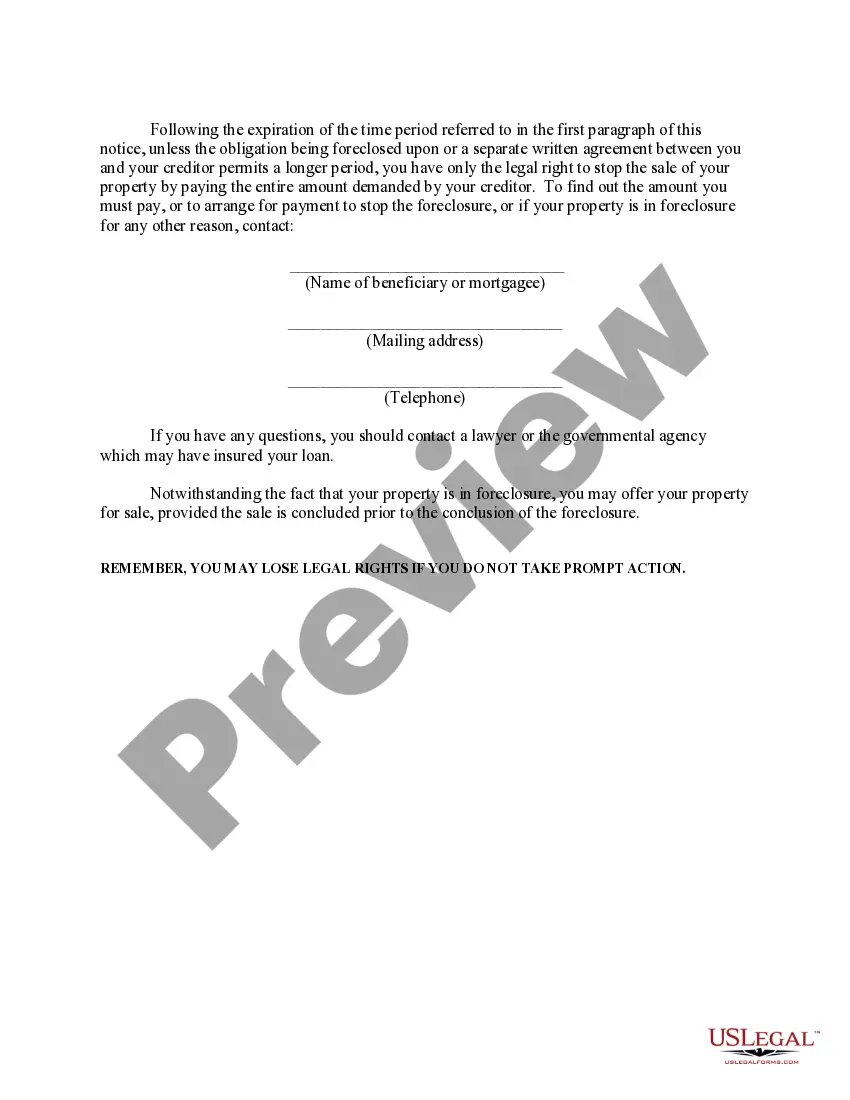
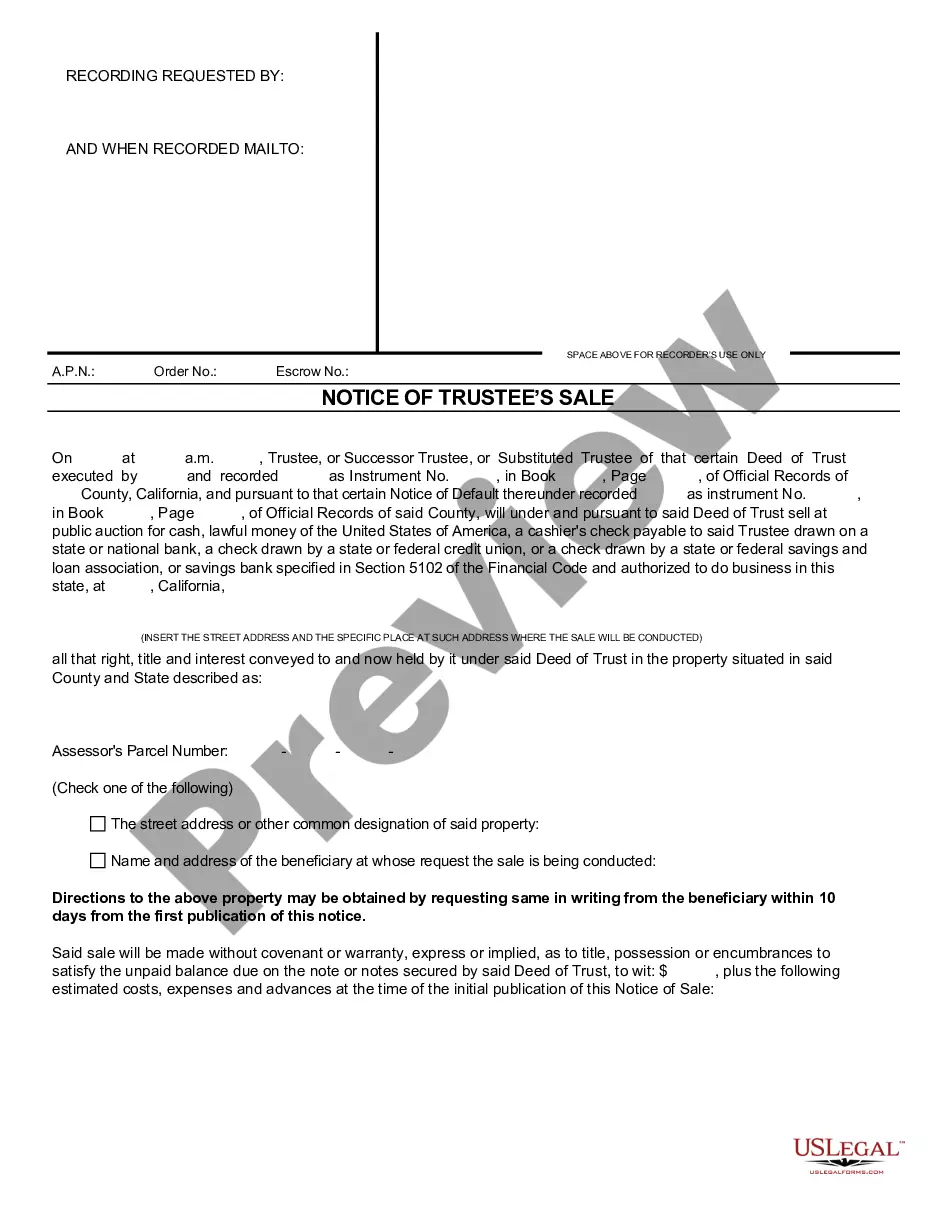
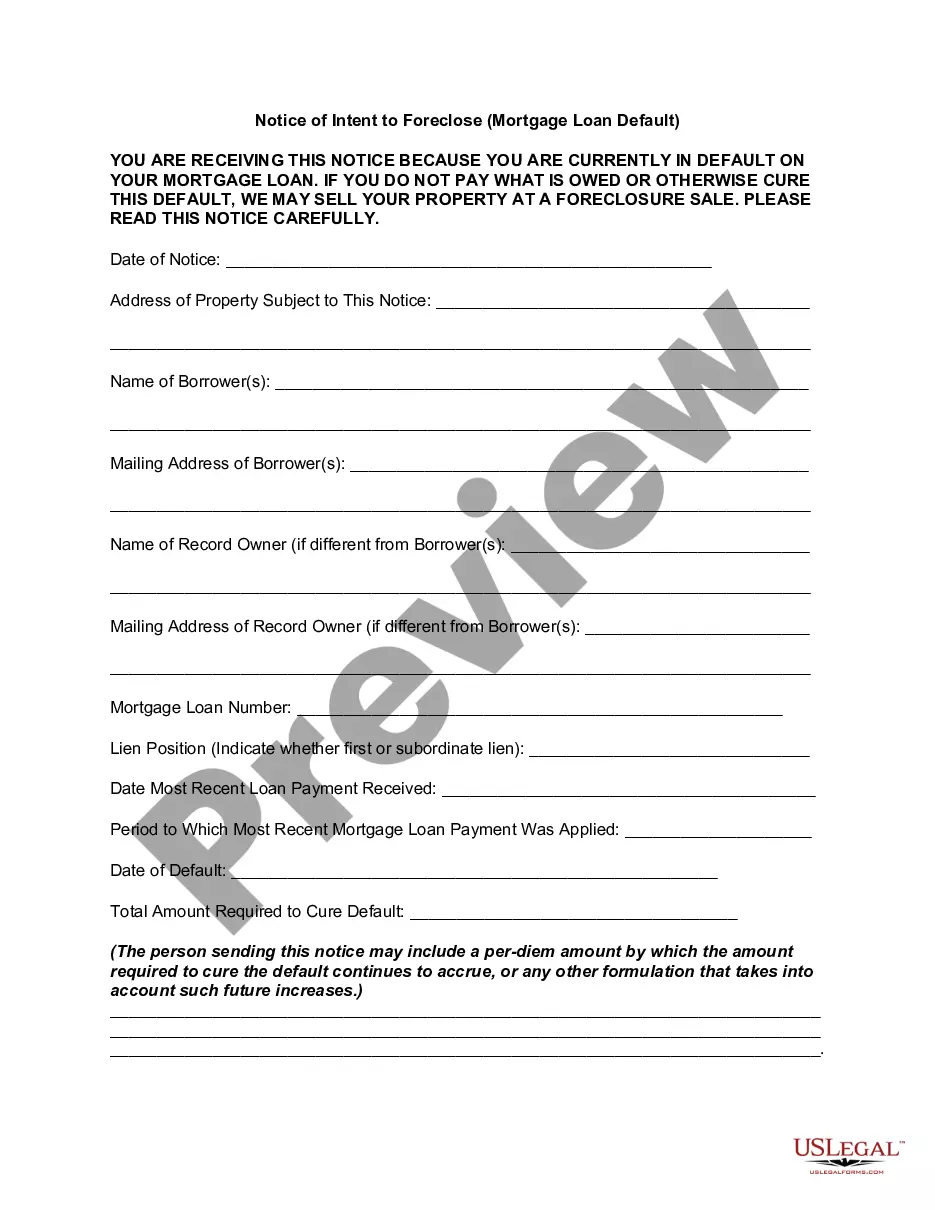
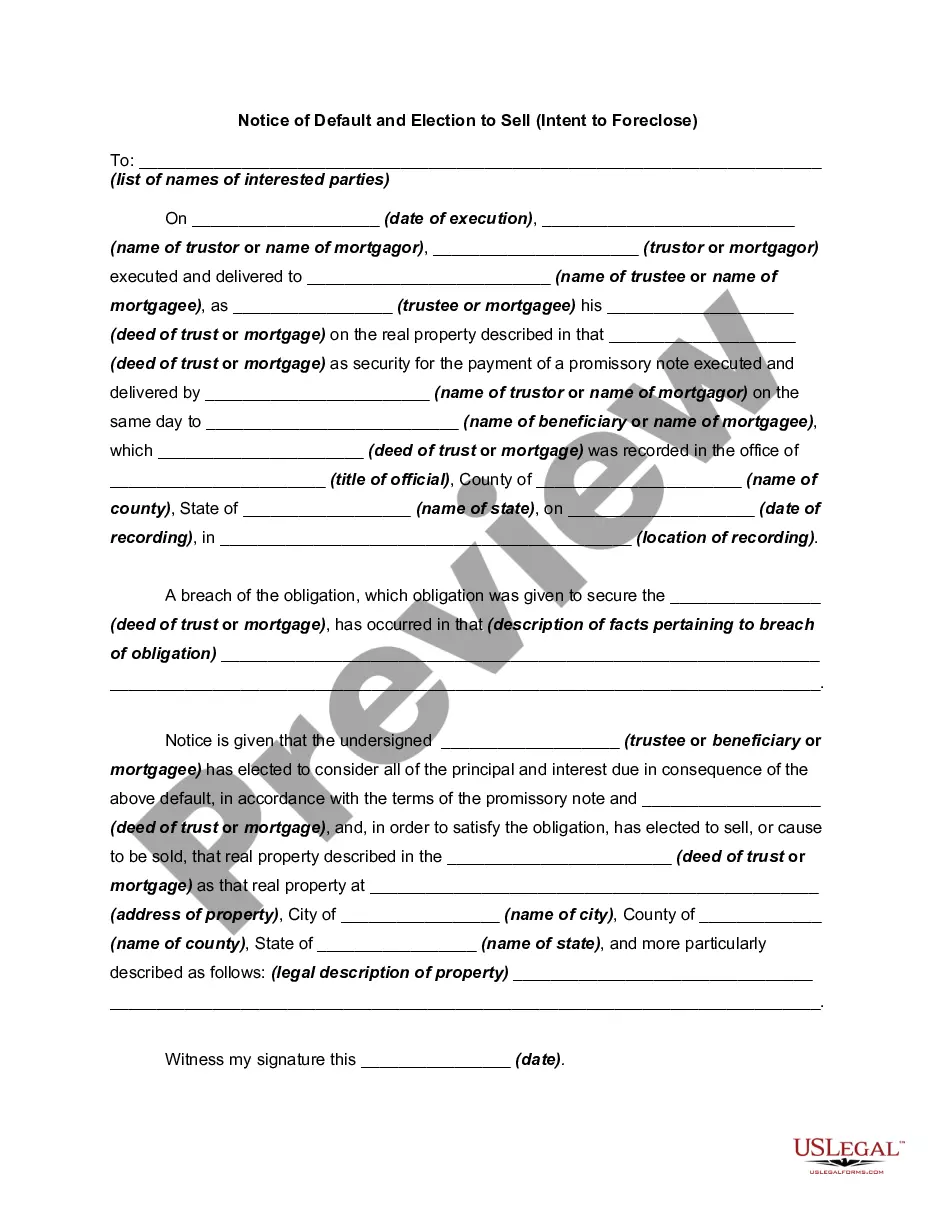
Notice Of Default Form With Court
Description
Get your form ready online
Our built-in tools help you complete, sign, share, and store your documents in one place.
Make edits, fill in missing information, and update formatting in US Legal Forms—just like you would in MS Word.
Download a copy, print it, send it by email, or mail it via USPS—whatever works best for your next step.
Sign and collect signatures with our SignNow integration. Send to multiple recipients, set reminders, and more. Go Premium to unlock E-Sign.
If this form requires notarization, complete it online through a secure video call—no need to meet a notary in person or wait for an appointment.
We protect your documents and personal data by following strict security and privacy standards.

Make edits, fill in missing information, and update formatting in US Legal Forms—just like you would in MS Word.

Download a copy, print it, send it by email, or mail it via USPS—whatever works best for your next step.

Sign and collect signatures with our SignNow integration. Send to multiple recipients, set reminders, and more. Go Premium to unlock E-Sign.

If this form requires notarization, complete it online through a secure video call—no need to meet a notary in person or wait for an appointment.

We protect your documents and personal data by following strict security and privacy standards.
Looking for another form?
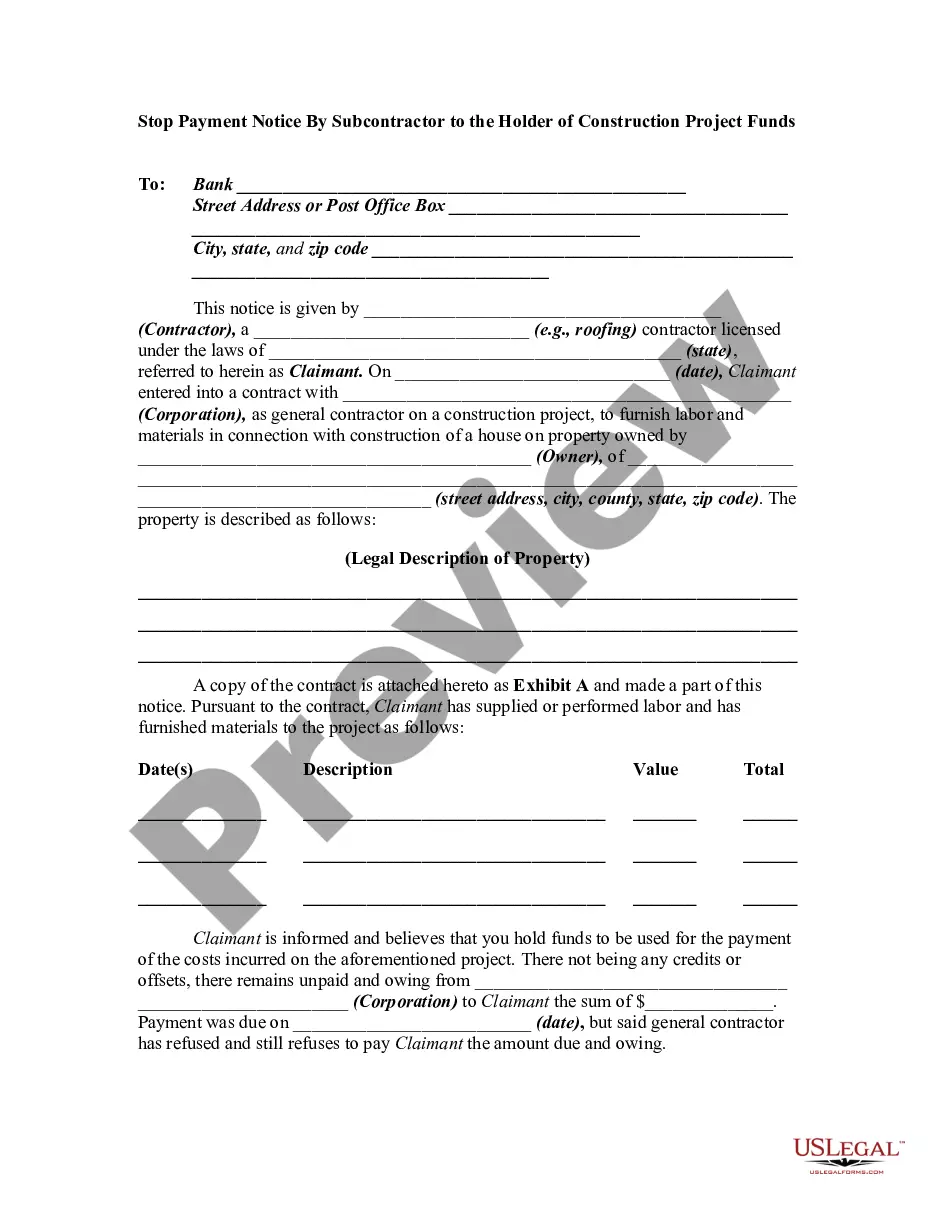

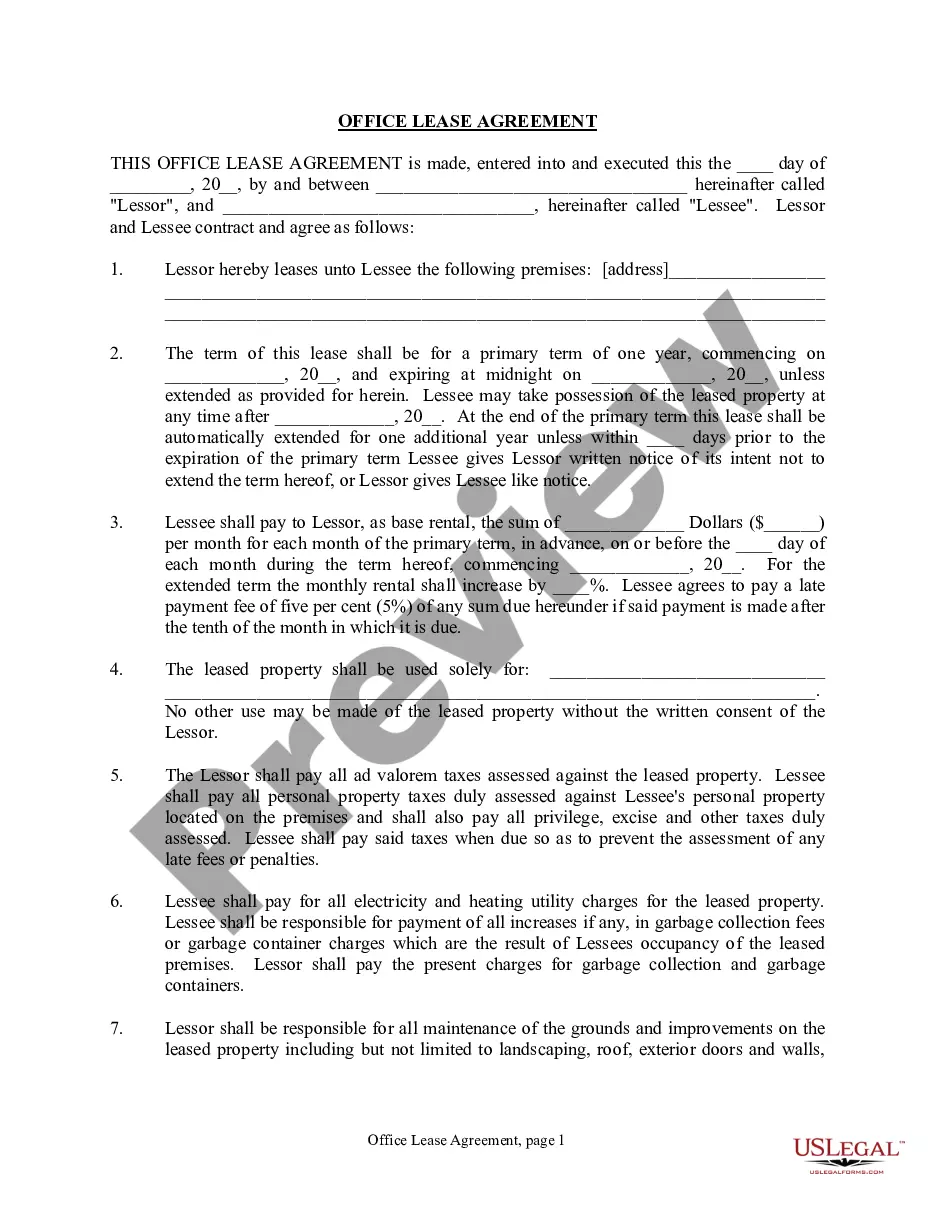
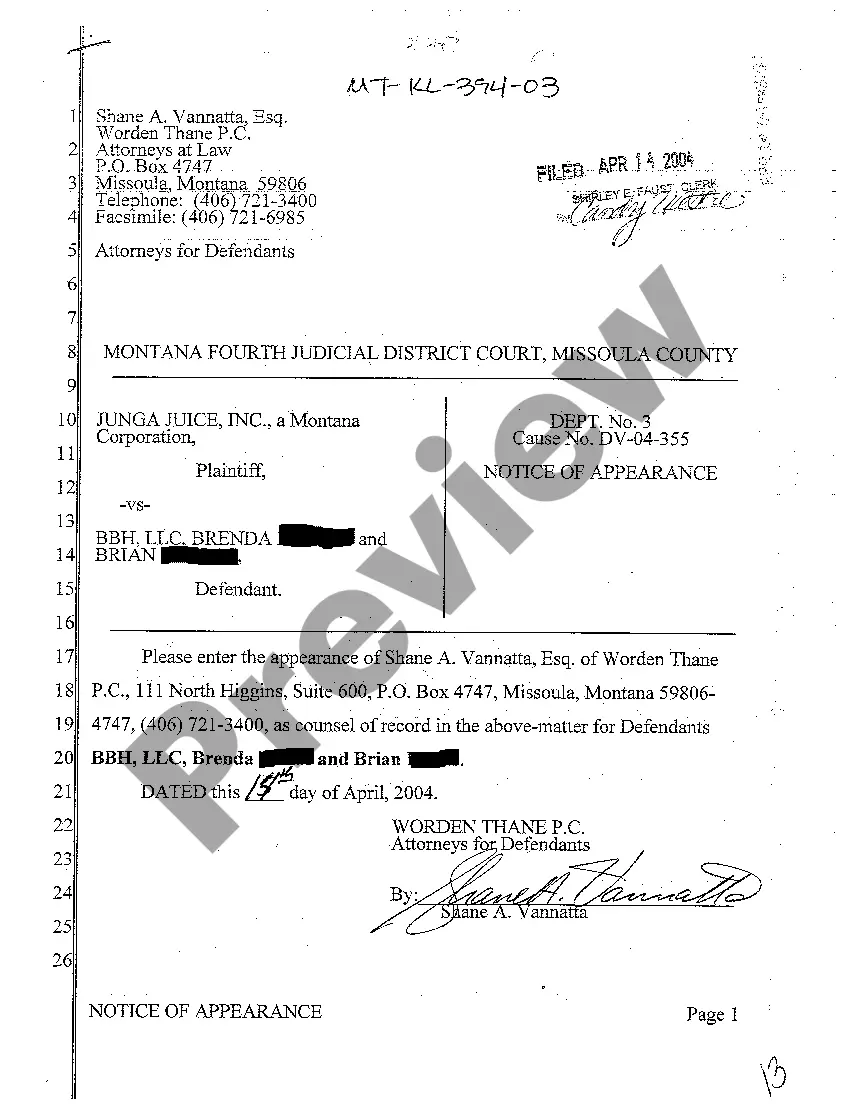
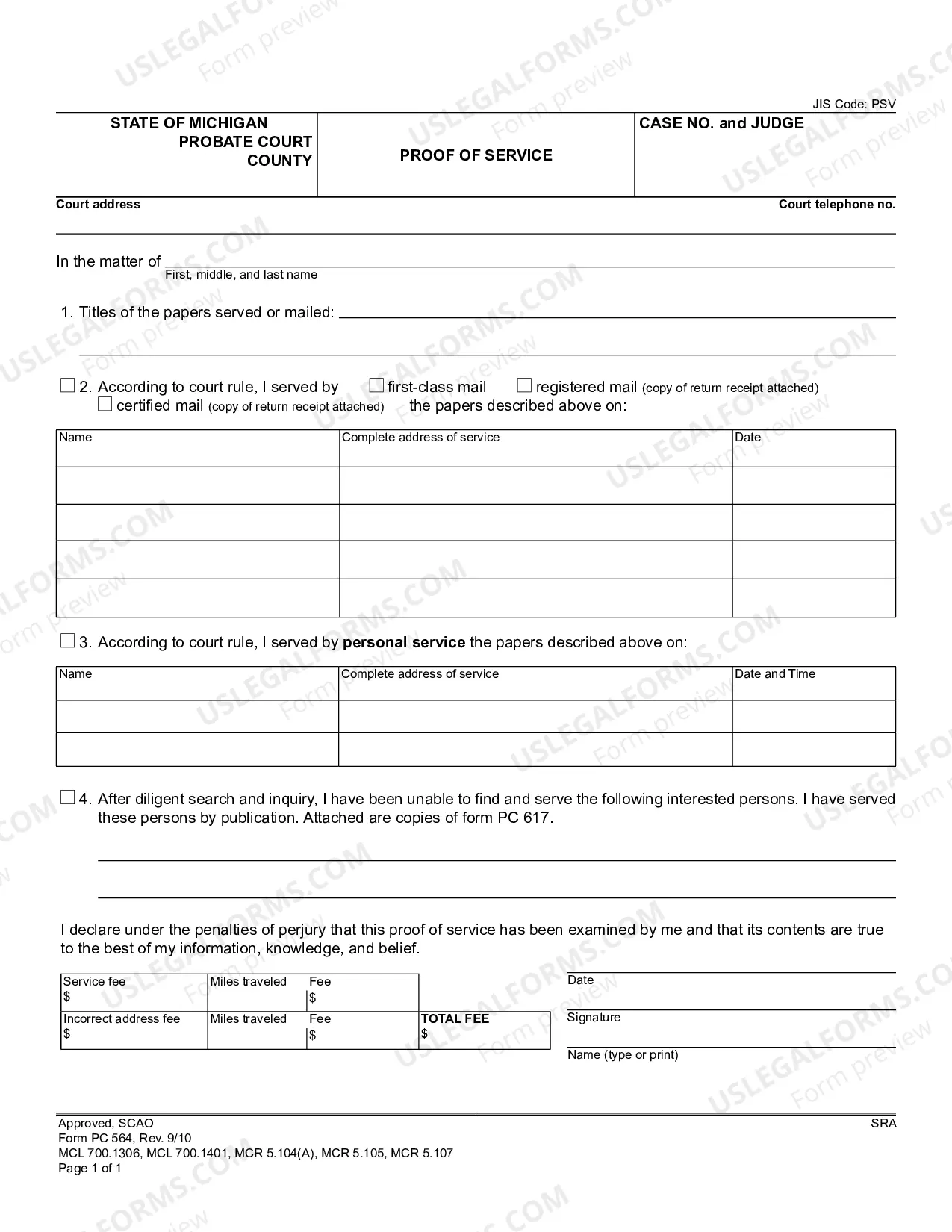
How to fill out California Notice Of Default And Election To Sell Under Deed Of Trust?
Regardless of whether it's for professional aims or personal issues, all individuals eventually encounter legal circumstances during their lives.
Completing legal documentation demands meticulous focus, starting with selecting the correct template form.
Choose your payment method: either a credit card or a PayPal account. Select the document format you desire and download the Notice Of Default Form With Court. Once downloaded, you can complete the form using editing software or print it and finalize it manually. With an extensive catalog from US Legal Forms available, you won’t waste time searching for the correct template online. Utilize the library’s easy navigation to discover the suitable template for any situation.
- For instance, if you choose an incorrect version of the Notice Of Default Form With Court, it will be rejected upon submission.
- Thus, it is essential to have a reliable source for legal documents such as US Legal Forms.
- If you wish to obtain a Notice Of Default Form With Court template, follow these straightforward steps.
- Locate the template you need by using the search bar or exploring the catalog.
- Review the form’s details to ensure it fits your situation, state, and locality.
- Click on the form’s preview to view it.
- If it is not the correct form, return to the search option to find the Notice Of Default Form With Court template you require.
- Download the document if it fulfills your needs.
- If you possess a US Legal Forms account, simply click Log in to access previously saved forms in My documents.
- If you do not have an account yet, you can acquire the form by clicking Buy now.
- Select the appropriate pricing option.
- Fill out the account registration form.
Form popularity
FAQ
Effects of Loan Default Your wages may be garnished and tax refunds withheld. You may be taken to court. The lender may foreclose on your home and take control of it. Your car may be repossessed and sold at auction, with any remaining debt still your responsibility.
A default notice should show the following information: Your name and address (as the borrower) and the name and address of the creditor who is issuing the default notice. The type of agreement and details of how the agreement was broken. The action you need to take to pay the arrears in full by a certain date.
Receiving a default notice is serious and can result in your creditor passing on your debt to a debt collection agency, or even starting legal proceedings against you to recover the debt.
What happens when you get a default notice? Your creditor will ask you to pay the full amount owed instead of instalments. You can ask to pay in affordable instalments, but your creditor may not agree.
If you receive a default notice you should: Pay the amount owed and your usual repayment within 30 days. Once you have caught up with repayments, you are no longer in default and the lender cannot start legal action against you.