Difference Between Life Estate And Enhanced Life Estate
Description


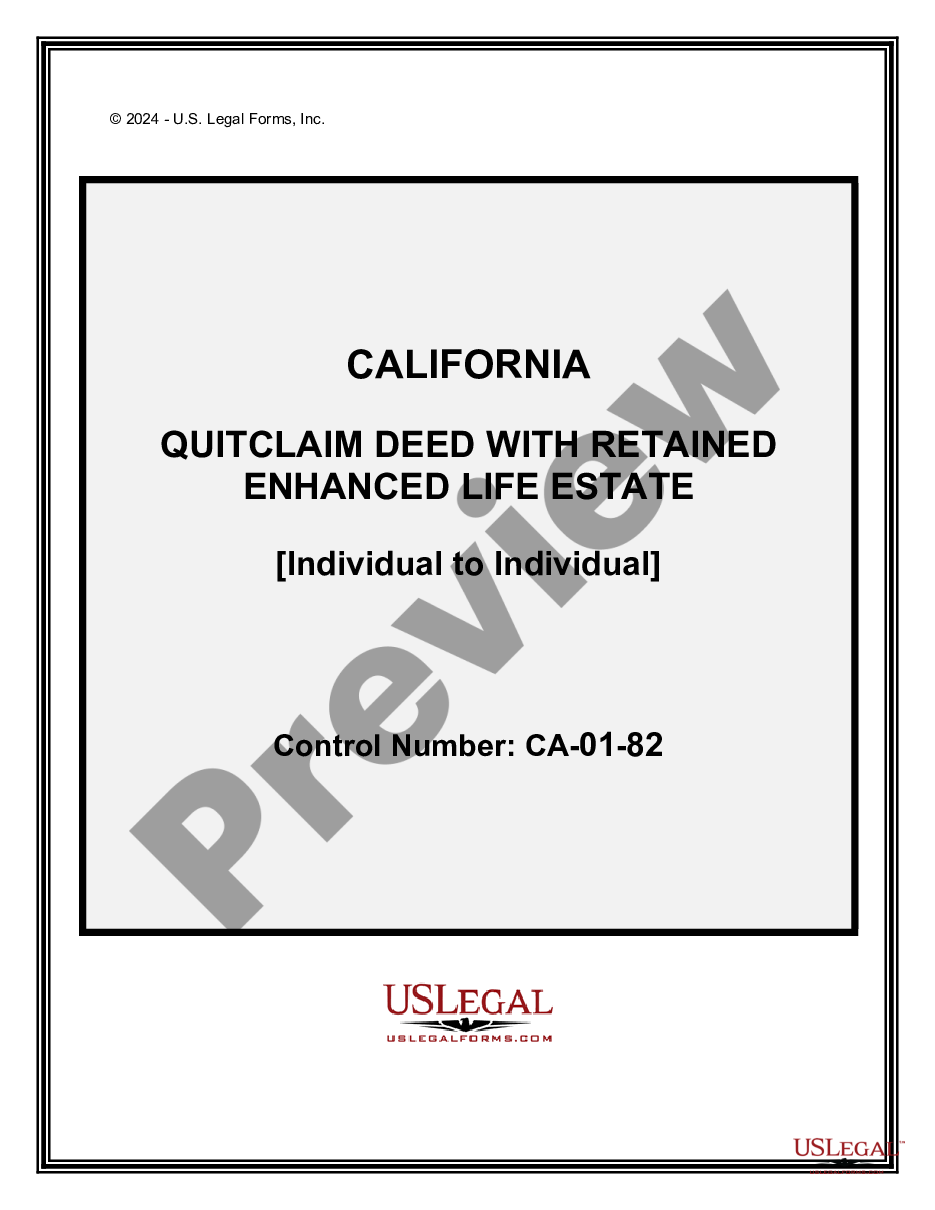
Get your form ready online
Our built-in tools help you complete, sign, share, and store your documents in one place.
Make edits, fill in missing information, and update formatting in US Legal Forms—just like you would in MS Word.
Download a copy, print it, send it by email, or mail it via USPS—whatever works best for your next step.
Sign and collect signatures with our SignNow integration. Send to multiple recipients, set reminders, and more. Go Premium to unlock E-Sign.
If this form requires notarization, complete it online through a secure video call—no need to meet a notary in person or wait for an appointment.
We protect your documents and personal data by following strict security and privacy standards.

Make edits, fill in missing information, and update formatting in US Legal Forms—just like you would in MS Word.

Download a copy, print it, send it by email, or mail it via USPS—whatever works best for your next step.

Sign and collect signatures with our SignNow integration. Send to multiple recipients, set reminders, and more. Go Premium to unlock E-Sign.

If this form requires notarization, complete it online through a secure video call—no need to meet a notary in person or wait for an appointment.

We protect your documents and personal data by following strict security and privacy standards.
Looking for another form?
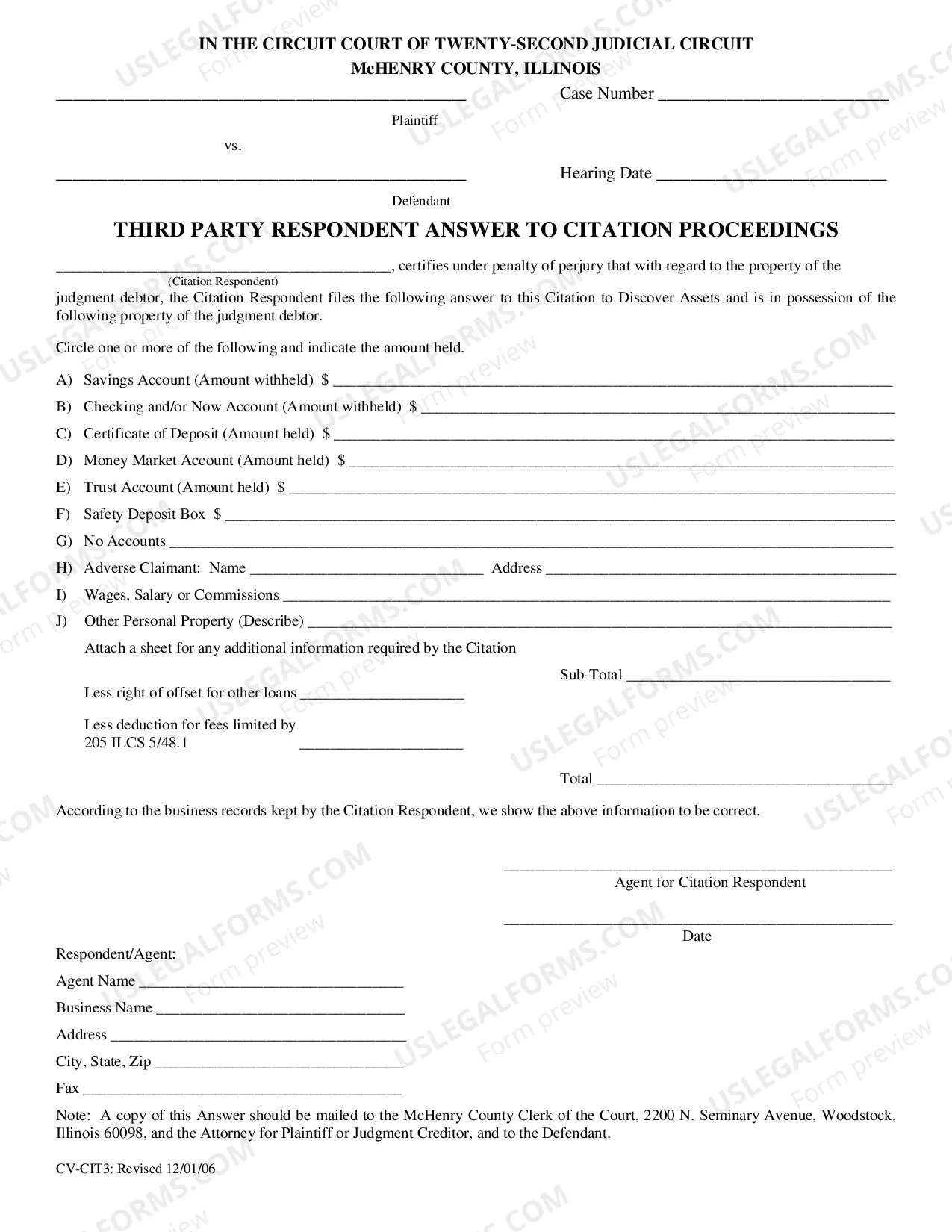


How to fill out California Enhanced Life Or Lady Bird Estate Grant Deed From Individual To Individual?
- To start, if you are a returning user, log in to your US Legal Forms account, ensuring your subscription is active. Click the Download button for the form template you need.
- If you are new to our service, first review the form preview and description carefully to confirm it aligns with your requirements and local jurisdiction.
- If necessary, search for an alternative template using the Search tab to find the most accurate document for your needs.
- Proceed to purchase the document by clicking on the Buy Now button and selecting your desired subscription plan, and create an account for access.
- Complete the transaction by entering your payment details using either a credit card or PayPal to finalize your subscription.
- Once purchased, download the form to your device. You can access your documents anytime from the My Forms section of your profile.
US Legal Forms empowers both individuals and attorneys by providing a comprehensive collection of legal documents, making it simpler and faster to execute essential paperwork.
With over 85,000 fillable legal forms and packages, our robust library ensures you have the optimal resources at your fingertips. Begin securing your legal documents today!
Form popularity
FAQ
An enhanced life estate, often referred to as a lady bird deed, allows a property owner to transfer property while retaining the right to live there for life. This type of deed also lets the owner sell or mortgage the property without needing consent from the beneficiaries. Understanding the difference between life estate and enhanced life estate is essential, as the enhanced version offers more flexibility and potentially saves on probate costs. If you're considering these options, uslegalforms provides helpful tools to navigate these important decisions.
Several states in the U.S. recognize enhanced life estate deeds, including Florida, New York, and Rhode Island. Understanding the difference between life estate and enhanced life estate is crucial, as enhanced life estate deeds offer more benefits and protections. These deeds allow homeowners to retain control over their property during their lifetime, while also enabling a seamless transfer to beneficiaries after death. If you are considering this option, checking your state's real estate laws or consulting with experts can provide clarity.
Enhanced life estate deeds in Florida offer several advantages, such as avoiding probate and protecting property from creditors. This type of deed allows you to maintain control over your property during your lifetime while ensuring that your chosen beneficiaries receive the property directly upon your death. Additionally, by utilizing this type of deed, you provide yourself with peace of mind and a streamlined transition for your loved ones. Understanding the difference between life estate and enhanced life estate can clarify which approach best meets your goals.
An enhanced life estate allows a property owner to retain the right to live in and use the property during their lifetime while designating one or more beneficiaries to inherit the property upon their death. Unlike a traditional life estate, the enhanced version provides the owner with more flexibility and control over the property. It protects the property from creditors and avoids probate, making it a smart choice for estate planning. Understanding the difference between life estate and enhanced life estate can help you make informed decisions about your property.
The two types of life estates are the ordinary life estate and the enhanced life estate. An ordinary life estate grants limited rights compared to the enhanced life estate, which allows greater control and benefits for the property owner. Recognizing the difference between life estate and enhanced life estate can help you determine which type best suits your estate planning needs.
The two types of ownership estates of real property are freehold estates and leasehold estates. Freehold estates give the owner full ownership rights, generally for an indefinite duration, while leasehold estates provide rights for a specific time period under a rental agreement. Knowing the difference between life estate and enhanced life estate can guide you in choosing the right estate type for your needs.
Yes, you can revoke an enhanced life estate deed, but it requires proper legal procedures to ensure it is valid. Typically, this involves creating a new deed that explicitly revokes the enhanced life estate. Understanding how revocation works is critical, as the difference between life estate and enhanced life estate can significantly influence your property rights and decisions.
Examples of life estates include a person inheriting a house but only being able to live there until their death, or a parent granting a life estate to a child while retaining the right to live in their home. Another situation involves a grandparent leaving property to a grandchild but reserving the right to enjoy the property for their lifetime. These examples help illustrate the difference between life estate and enhanced life estate regarding rights and control.
To calculate the value of a life estate, you typically consider the age of the life tenant and use a formula that factors in life expectancy. The value is often calculated using actuarial tables that estimate how many years the life tenant is expected to live. This method reflects the present value of the property based on this lifespan, making it essential to understand the difference between life estate and enhanced life estate for accurate valuation.
The two general types of life estates are the conventional life estate and the enhanced life estate. A conventional life estate provides limited rights and can restrict how the property is managed after the owner passes away. In contrast, the enhanced life estate offers more privileges, such as the ability to sell or mortgage the property without needing consent from remainder beneficiaries.