Tenant Landlord With For And Against
Description
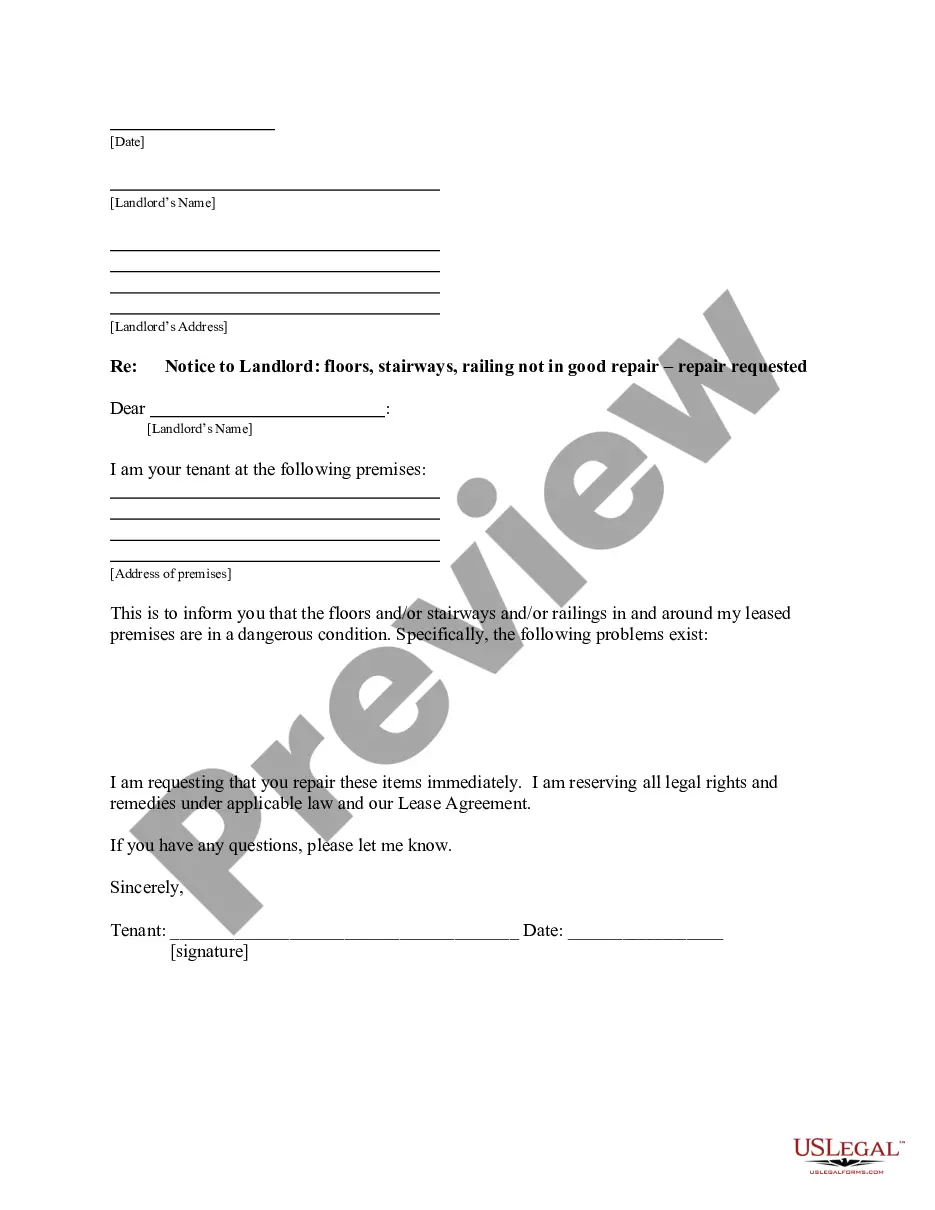
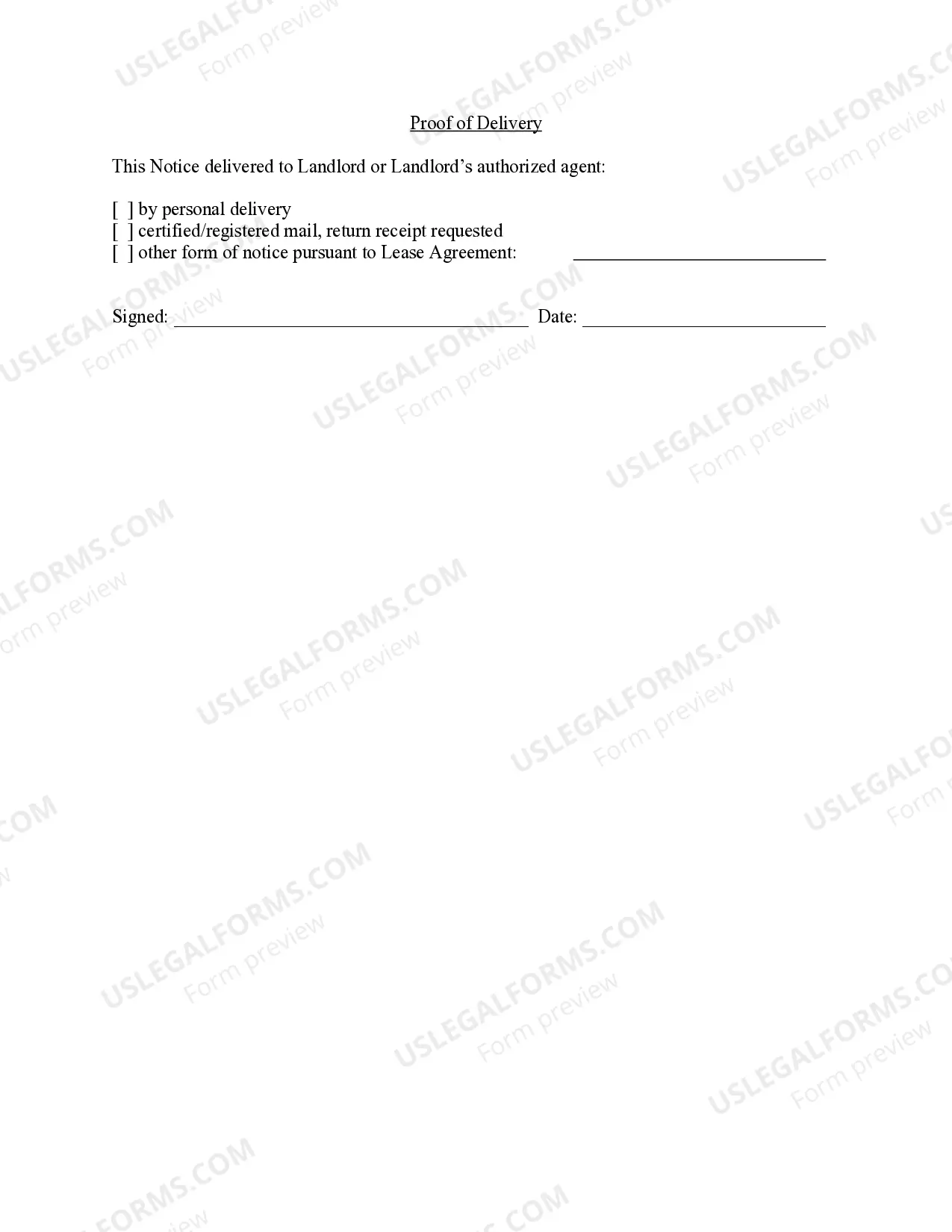



Get your form ready online
Our built-in tools help you complete, sign, share, and store your documents in one place.
Make edits, fill in missing information, and update formatting in US Legal Forms—just like you would in MS Word.
Download a copy, print it, send it by email, or mail it via USPS—whatever works best for your next step.
Sign and collect signatures with our SignNow integration. Send to multiple recipients, set reminders, and more. Go Premium to unlock E-Sign.
If this form requires notarization, complete it online through a secure video call—no need to meet a notary in person or wait for an appointment.
We protect your documents and personal data by following strict security and privacy standards.

Make edits, fill in missing information, and update formatting in US Legal Forms—just like you would in MS Word.

Download a copy, print it, send it by email, or mail it via USPS—whatever works best for your next step.

Sign and collect signatures with our SignNow integration. Send to multiple recipients, set reminders, and more. Go Premium to unlock E-Sign.

If this form requires notarization, complete it online through a secure video call—no need to meet a notary in person or wait for an appointment.

We protect your documents and personal data by following strict security and privacy standards.
Looking for another form?
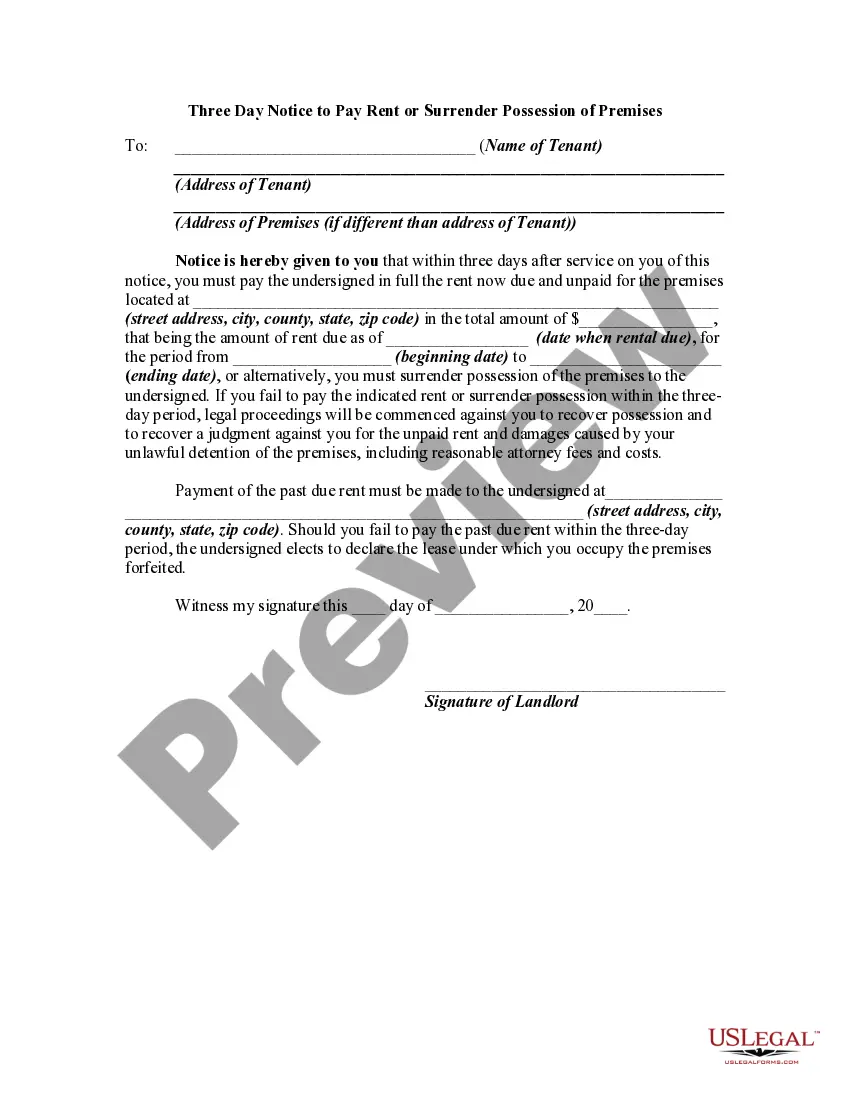



How to fill out Arizona Letter From Tenant To Landlord With Demand That Landlord Repair Floors, Stairs Or Railings?
- If you are a returning user, log in to your account and select the form template you require, ensuring your subscription is active. If your subscription has lapsed, renew it per your chosen plan.
- For new users, start by exploring the Preview mode to review form descriptions and confirm you have selected the right document for your needs and jurisdiction.
- Should you need a different template, utilize the Search tab to find an appropriate form. If it meets your requirements, continue to the next step.
- Purchase the document by clicking the Buy Now button and choosing a subscription plan that fits your needs. You'll need to create an account to unlock all library features.
- Complete your payment using either a credit card or PayPal to secure your subscription and access rights.
- Download your form and save it to your device. Your purchased document will also be accessible in the My Forms section of your profile whenever needed.
In conclusion, US Legal Forms simplifies the process of obtaining legal documents tailored to your specific situation, whether you are a tenant, a landlord, or an attorney. With a treasure trove of resources and expert assistance, users can ensure their legal documents are both accurate and fully compliant.
Ready to secure your legal documents? Start your journey with US Legal Forms today!
Form popularity
FAQ
Renters in Arizona have several rights, including the right to a habitable living environment, the right to privacy, and protection against retaliatory eviction. They also have the right to report unsafe conditions without fear of retaliation. Understanding these rights is crucial for all tenants to ensure they are treated fairly and respectfully by their landlord.
Landlords are generally not responsible for damages caused by the tenant or their guests, as well as normal wear and tear that does not compromise property safety. Additionally, landlords are typically not accountable for non-emergency repairs if they have not been notified. Knowing the limits of a landlord's responsibilities helps you manage expectations and rights as a tenant.
To win against a landlord in court, it is crucial to document all communications and incidents related to your case. Gather evidence such as lease agreements, photographs, and written correspondence. Presenting a clear, well-organized case significantly increases your chances of success. Resources from platforms like uslegalforms can help you prepare your case effectively.
In Arizona, landlords cannot violate a tenant's privacy, retaliate against a tenant for lawful actions, or unlawfully evict a tenant without following due process. They must also ensure the property meets health and safety standards. Understanding these boundaries empowers you as a renter, allowing you to advocate for your rights effectively.
It’s essential to communicate respectfully with your landlord to maintain a positive relationship. Avoid making accusations or demands without basis, as this can escalate tension. Instead, express your concerns and request solutions collaboratively. A friendly approach can lead to productive conversations regarding any tenant-landlord issues.
Landlord retaliation in Arizona occurs when a landlord takes adverse action against a tenant for exercising their legal rights. This can include raising rent, failing to perform repairs, or attempting to evict a tenant after they file a complaint against the landlord or join a tenant organization. Knowing your rights as a tenant can protect you against such actions. Seek legal resources if you suspect retaliation.
One of the most common disputes between tenants and landlords revolves around security deposits. Tenants often contest the amount withheld for damages or unpaid rent after moving out. Clear communication about expectations and conditions can help minimize these disagreements. Using resources like uslegalforms can provide clarity on the rights and responsibilities of both parties.
Yes, a tenant can refuse entry to a landlord in Arizona under certain circumstances. The law allows tenants to have their privacy respected, which means the landlord must provide proper notice before entering the rental property. Exceptions exist for emergencies, where immediate access may be necessary. Therefore, understanding your rights as a tenant and the landlord's obligations helps prevent conflicts.
To fight against your landlord, gather evidence supporting your claims, such as photographs or witness statements. Understanding your rights as a tenant can help you effectively present your case. You may also want to consider mediation services or legal advice for additional support. Resources like US Legal Forms can provide valuable guidance in navigating these disputes and help you understand the tenant-landlord laws.
The eviction process in North Carolina can take anywhere from a few weeks to a couple of months, depending on several factors. After filing for eviction, there is a court hearing where both the landlord and tenant can present their cases. If the court rules in favor of the landlord, a judgment is issued, and the tenant must leave the property. This timeline can be extended if there are any disputes or if the tenant has solid defenses against the landlord's claims.