Transfer On Death Form Ohio
Description



Get your form ready online
Our built-in tools help you complete, sign, share, and store your documents in one place.
Make edits, fill in missing information, and update formatting in US Legal Forms—just like you would in MS Word.
Download a copy, print it, send it by email, or mail it via USPS—whatever works best for your next step.
Sign and collect signatures with our SignNow integration. Send to multiple recipients, set reminders, and more. Go Premium to unlock E-Sign.
If this form requires notarization, complete it online through a secure video call—no need to meet a notary in person or wait for an appointment.
We protect your documents and personal data by following strict security and privacy standards.

Make edits, fill in missing information, and update formatting in US Legal Forms—just like you would in MS Word.

Download a copy, print it, send it by email, or mail it via USPS—whatever works best for your next step.

Sign and collect signatures with our SignNow integration. Send to multiple recipients, set reminders, and more. Go Premium to unlock E-Sign.

If this form requires notarization, complete it online through a secure video call—no need to meet a notary in person or wait for an appointment.

We protect your documents and personal data by following strict security and privacy standards.
Looking for another form?
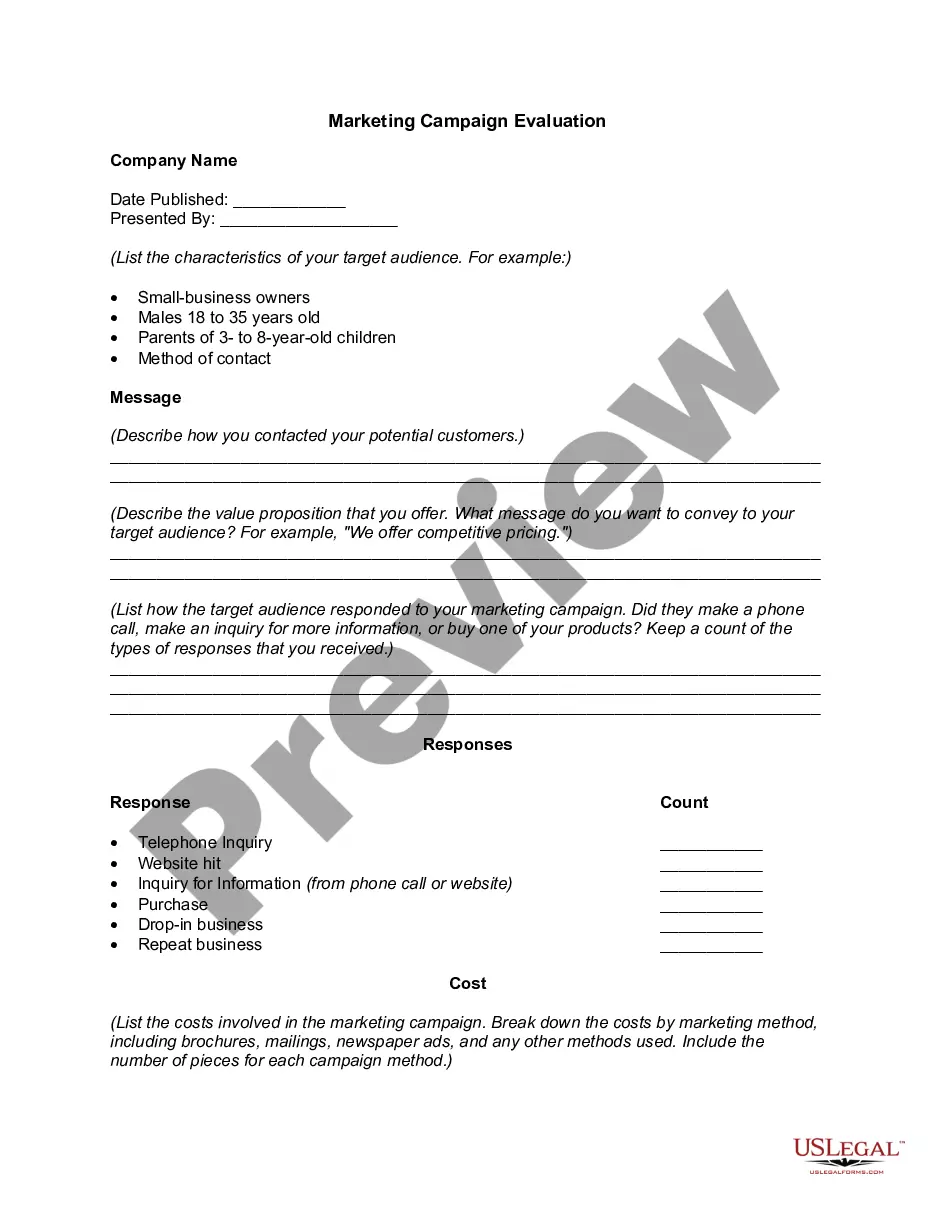







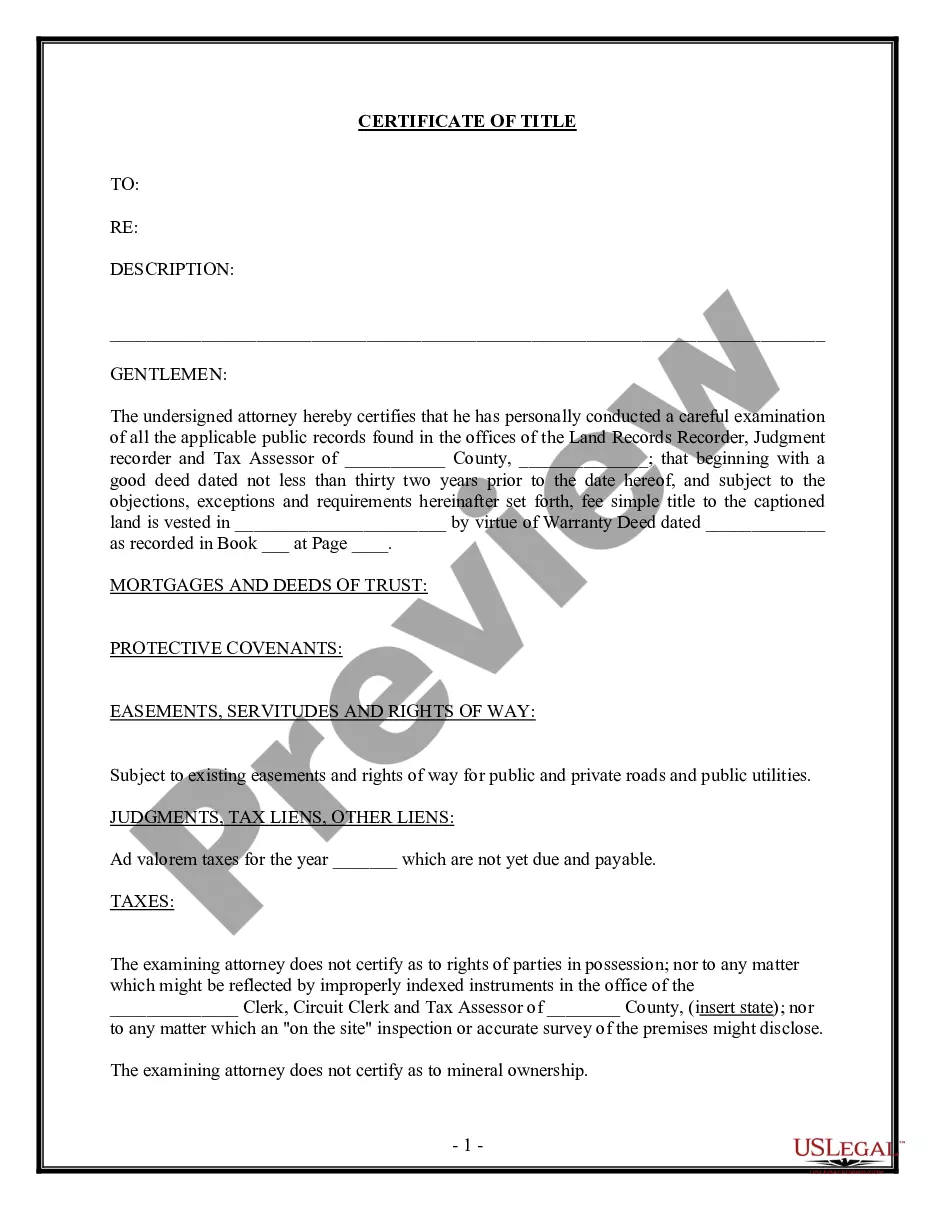
How to fill out Arizona Transfer On Death Or TOD - Beneficiary Deed - Individual Grantor To Three Individuals?
- Log into your US Legal Forms account. If you haven't registered yet, create an account to access the document library.
- Search for the Transfer on Death form specific to Ohio. Utilize the Preview mode to verify it's the correct form for your situation.
- If you need to explore additional options, use the search bar to find other relevant forms tailored to your needs.
- Select your desired document and click the 'Buy Now' button. Choose an appropriate subscription plan that fits your requirements.
- Complete your purchase by entering your payment details or using your PayPal account for convenience.
- Once payment is processed, download the form to your device. Access it anytime from the 'My Forms' section of your account.
By following these steps, you can confidently obtain the necessary Transfer on Death form in Ohio. US Legal Forms not only offers an extensive collection of legal forms but also ensures users have access to expert support for completing documents accurately.
Don't wait any longer; start your journey with US Legal Forms today and secure your peace of mind.
Form popularity
FAQ
A Transfer on Death form in Ohio can be better than a will for certain situations, as it directly transfers property to beneficiaries without the need for probate. This makes it a quicker option to implement. However, a will provides comprehensive instructions for your entire estate, addressing various concerns that a TOD may not cover.
You can obtain a Transfer on Death form in Ohio from various sources, including online legal service platforms like US Legal Forms. This service provides easy access to templates that meet Ohio's requirements. Make sure to follow the instructions carefully when filling out your form to ensure valid execution.
While it's not mandatory to hire an attorney for a TOD, having one can simplify the process. An attorney can help ensure your Transfer on Death form in Ohio aligns with your overall estate plan. However, if you feel comfortable with the procedure, many people can handle it independently.
You do not necessarily need a lawyer to complete a Transfer on Death form in Ohio, as the process is designed to be user-friendly. However, consulting an attorney can provide peace of mind and clarity, especially regarding tax implications and beneficiary designations. For personalized assistance, consider using US Legal Forms for reliable resources.
A TOD deed may restrict your ability to change beneficiaries after it has been filed, unless specific legal actions are taken. Moreover, some property may require multiple beneficiaries to agree on changes, which can complicate ownership transfer. Understanding these disadvantages helps in making informed decisions about your estate planning.
One downside of a Transfer on Death (TOD) form in Ohio is that it does not address debts or taxes owed by the deceased. Additionally, if the beneficiary is unable to manage the property effectively, it may lead to disputes. It's crucial to consider these factors when deciding if a TOD is right for you.
To transfer a title on death in Ohio, you will need to use a Transfer on Death Form, which designates a beneficiary for the asset. Once the owner passes away, the beneficiary should present this form, along with any necessary documents, to the local recorder or the appropriate authority. This process is designed to help you avoid the lengthy probate process. For detailed instructions and to access the form, check out USLegalForms.
Driving a car registered to a deceased person is not generally illegal; however, it can create complications. It is important to transfer the title to the new owner to avoid legal issues, especially if the car is still in the deceased’s name. Using a Transfer on Death Form can simplify this process. To ensure you follow the correct procedures, consider visiting USLegalForms for comprehensive assistance.
In Ohio, vehicles generally do not need to go through probate if you have a Transfer on Death Form on file for the vehicle. This form allows the car to pass directly to the designated beneficiary without probate delays. However, if no form is filed, the vehicle will become part of the estate and require probate. Check with USLegalForms for assistance with the proper forms.
Transferring a car title from a deceased person in Ohio requires submitting the right paperwork to the Bureau of Motor Vehicles (BMV). You will need the original title, a death certificate, and a completed Transfer on Death Form if applicable. Beneficiaries should also provide identification and proof of relationship to the deceased. For accurate forms and instructions, visit USLegalForms.