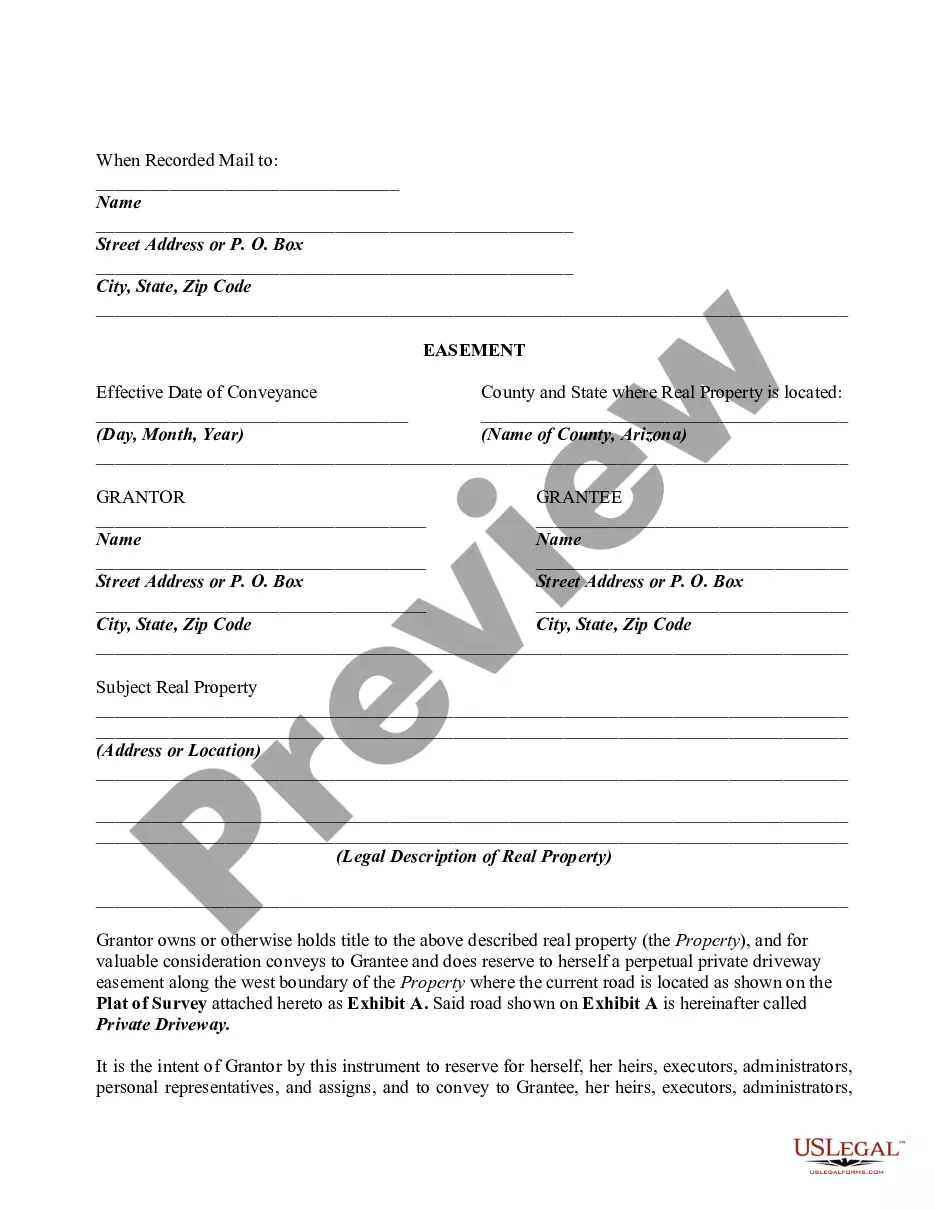
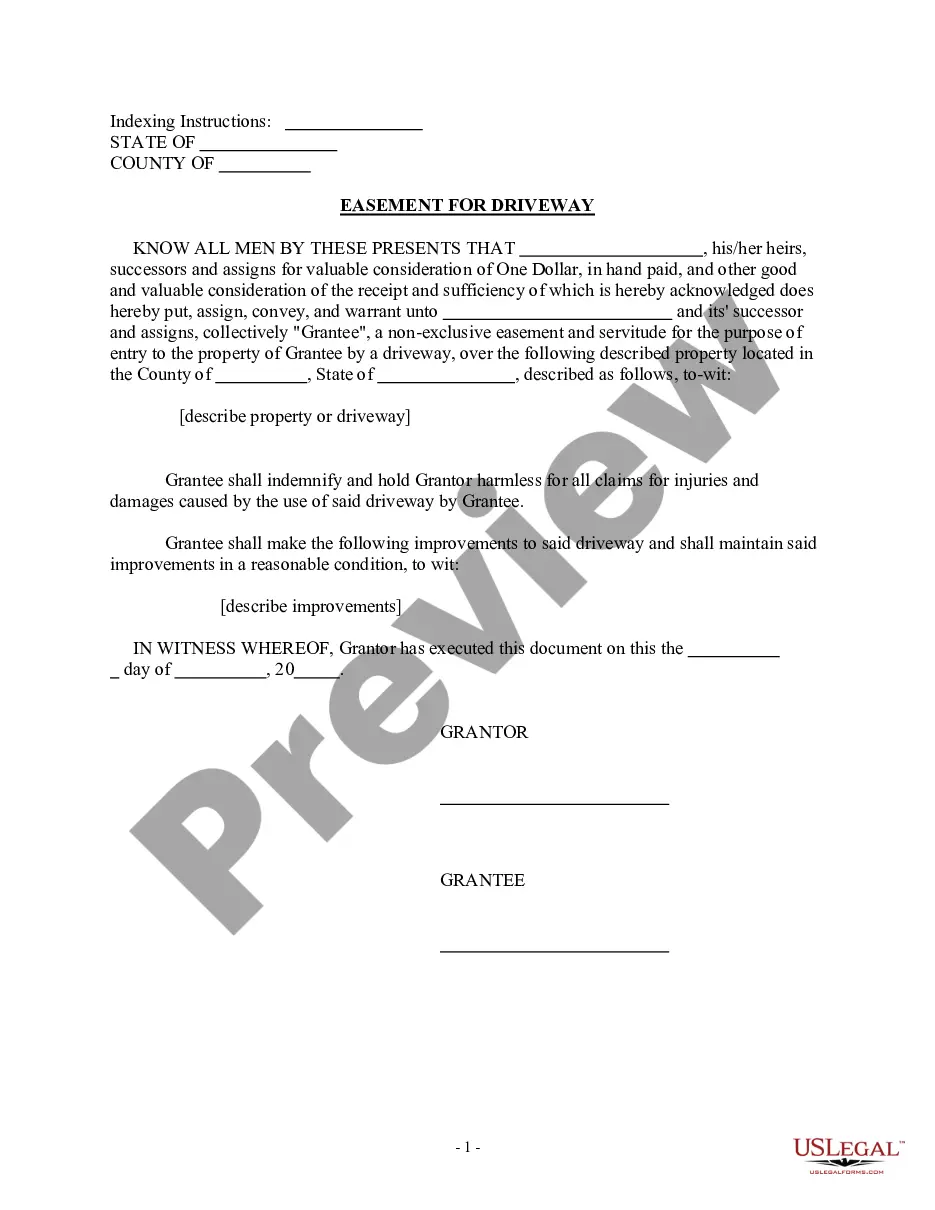
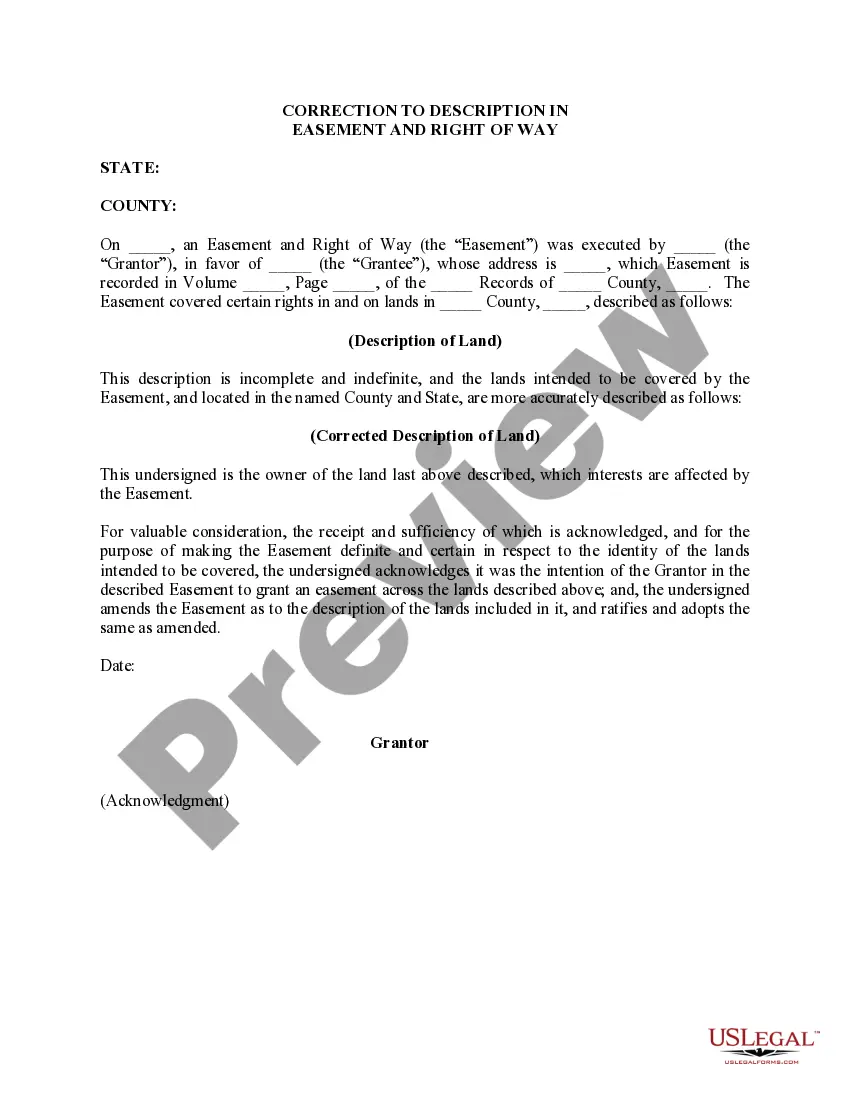
Reserve Easement Contract With Sale
Description
Get your form ready online
Our built-in tools help you complete, sign, share, and store your documents in one place.
Make edits, fill in missing information, and update formatting in US Legal Forms—just like you would in MS Word.
Download a copy, print it, send it by email, or mail it via USPS—whatever works best for your next step.
Sign and collect signatures with our SignNow integration. Send to multiple recipients, set reminders, and more. Go Premium to unlock E-Sign.
If this form requires notarization, complete it online through a secure video call—no need to meet a notary in person or wait for an appointment.
We protect your documents and personal data by following strict security and privacy standards.

Make edits, fill in missing information, and update formatting in US Legal Forms—just like you would in MS Word.

Download a copy, print it, send it by email, or mail it via USPS—whatever works best for your next step.

Sign and collect signatures with our SignNow integration. Send to multiple recipients, set reminders, and more. Go Premium to unlock E-Sign.

If this form requires notarization, complete it online through a secure video call—no need to meet a notary in person or wait for an appointment.

We protect your documents and personal data by following strict security and privacy standards.
Looking for another form?
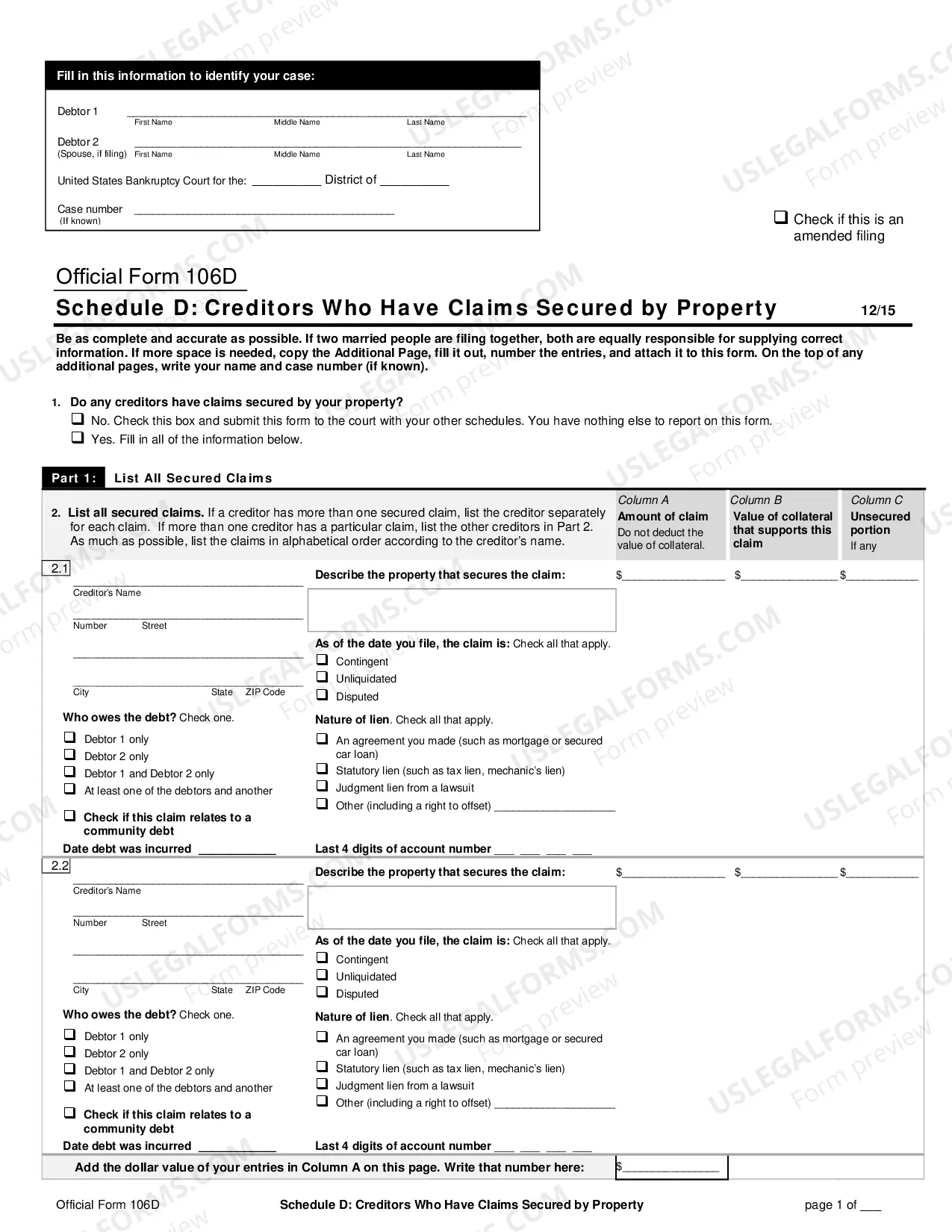
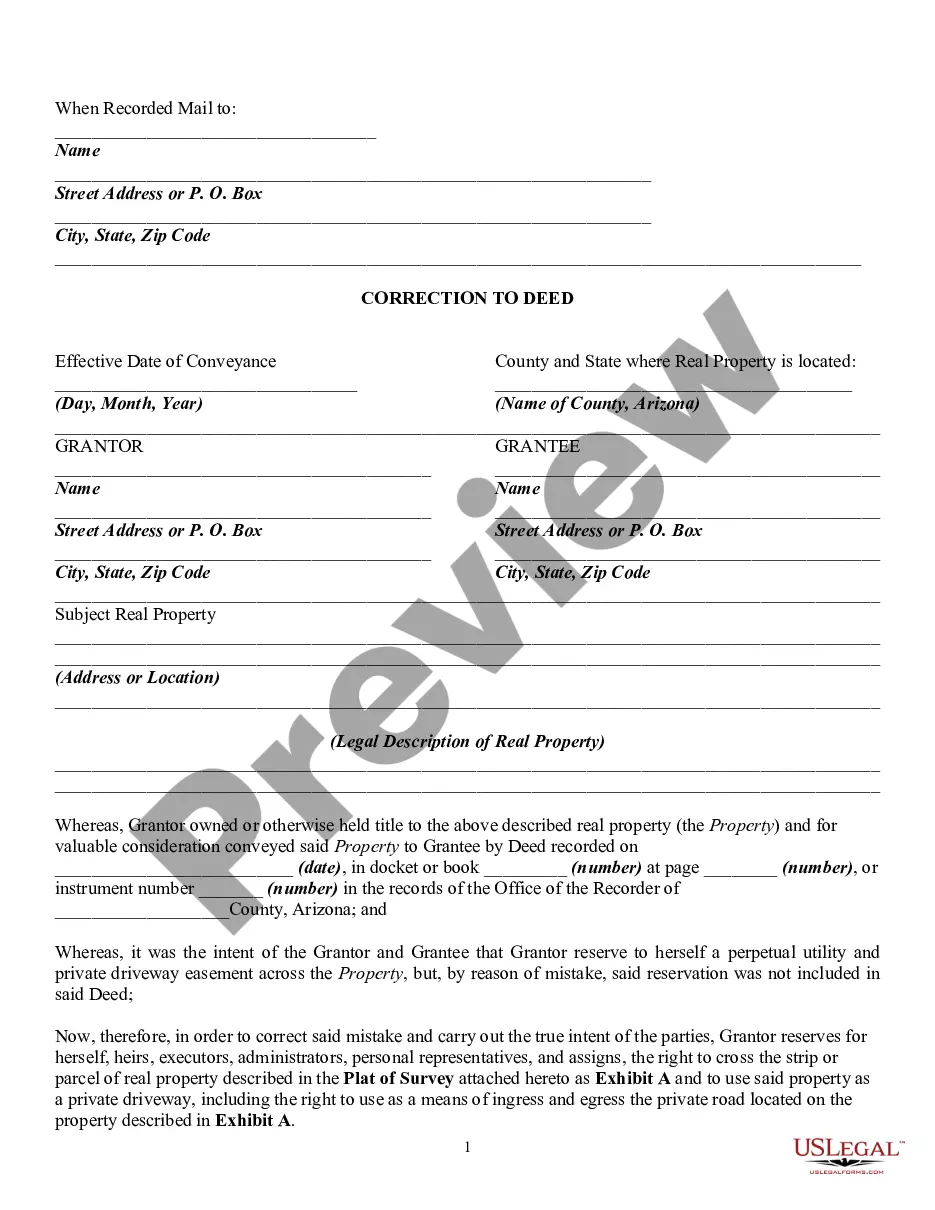
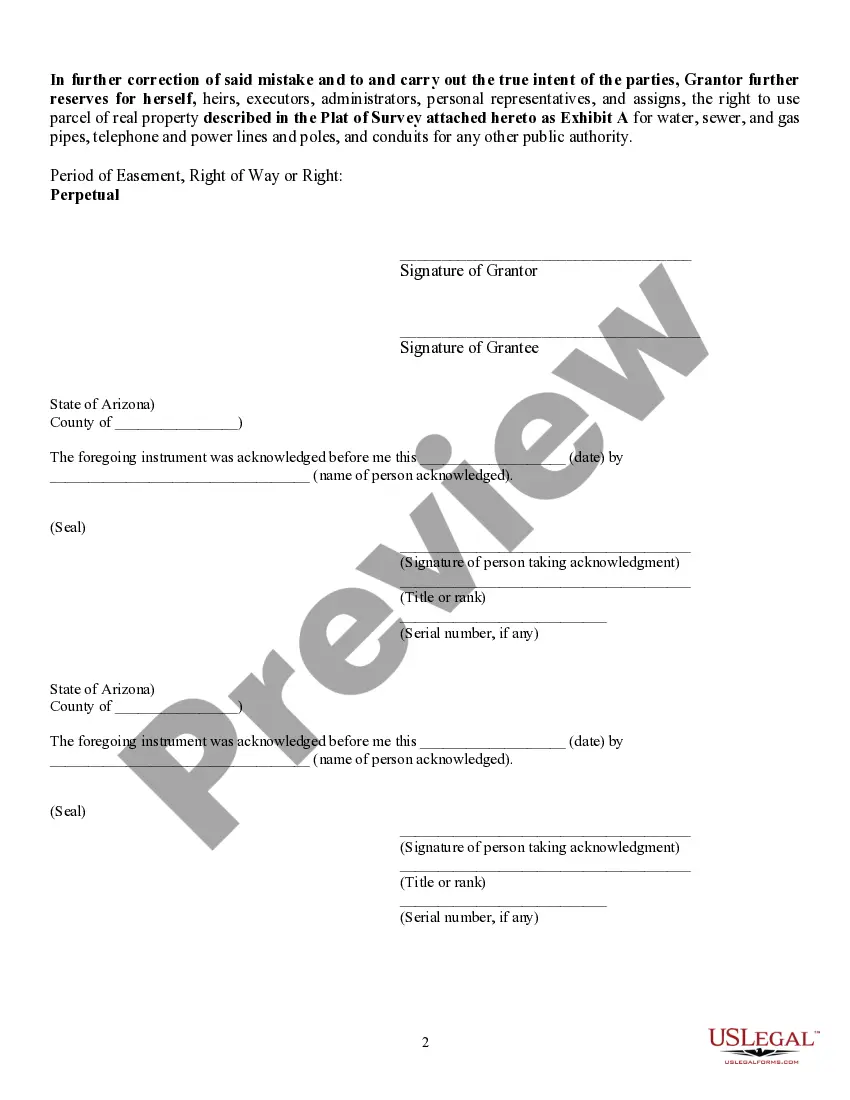
How to fill out Arizona Correction To Deed In Order To Reserve Perpetual Easement For Private Driveway And Utilities?
- If you're a returning user, log in to your account to access and download the necessary document. Ensure your subscription is active; if not, renew it promptly.
- For first-time users, begin by checking the form preview and description to verify it aligns with your needs and complies with local regulations.
- Should you need a different template, use the Search function at the top to find one that better suits your situation.
- Once you've selected the correct document, click on the Buy Now button and choose a subscription plan that fits your needs. Create an account to access all resources.
- Proceed to checkout by entering your payment information, using a credit card or PayPal.
- Finally, download your completed form and store it on your device. You can always access it later from the My Forms section of your profile.
Leveraging US Legal Forms means you're not only getting an extensive library of documents—over 85,000 legal forms—but also the support of premium experts who can assist you in completing the forms accurately.
In conclusion, creating a reserve easement contract with sale is simplified through US Legal Forms' user-friendly platform. Start your legal journey today and secure your document with confidence!
Form popularity
FAQ
Applying for a Wetlands Reserve Easement (WRE) involves contacting your local USDA Natural Resources Conservation Service (NRCS) office. They can guide you through the process, which includes filling out the necessary forms and demonstrating how your land qualifies. Remember, working with a professional or platform like US Legal Forms can simplify this process and help ensure your application meets all requirements associated with the reserve easement contract with sale.
Building a house on land enrolled in the Wetlands Reserve Program (WRP) is generally not allowed. The main purpose of an easement is to restore and conserve wetlands, and constructing a home would conflict with that goal. However, you can explore options that align with the guidelines set in the reserve easement contract with sale to ensure that your activities support conservation efforts.
Eligibility for the Wetlands Reserve Program (WRP) includes individuals, groups, and entities that own land with eligible wetlands. Landowners must demonstrate a willingness to undertake restoration and protection as outlined in the reserve easement contract with sale. The USDA evaluates your application based on the conservation value of your land and the potential benefits to wildlife and the ecosystem.
To qualify for a Wetlands Reserve Program (WRP) easement, you must own land that contains wetlands and meet certain criteria set by the USDA. Generally, your land should be restorable to a wetland state and benefit from the conservation practices outlined in a reserve easement contract with sale. Additionally, your property must not have been involved in a wetland violation, ensuring a commitment to environmental conservation.
An example of an easement by reservation is when a property owner sells part of their land but keeps the right to access a driveway that crosses the new owner's land. This type of easement allows the seller continued use while clearly defining the rights in the reserve easement contract with sale.
One disadvantage of an easement is that it limits the property owner’s control over their land. It can lead to conflicts with the easement holder regarding access and maintenance. Understanding the implications outlined in a reserve easement contract with sale can help mitigate these issues.
In Georgia, property owners typically cannot block a validly established easement. Certain exceptions may apply based on how the easement was created or its intended purpose. It’s advisable to review the reserve easement contract with sale and seek legal guidance for specific situations.
Easement by reservation occurs when a property owner sells part of their land but retains access rights to a specific area. This allows the seller to reserve certain uses while transferring ownership of the rest of the property. A well-drafted reserve easement contract with sale helps protect these rights effectively.
Generally, a property owner cannot block an established easement, as easements grant specific rights to another party. However, there may be certain conditions under which a property owner can challenge its use. Consulting a legal advisor can clarify your rights in the context of a reserve easement contract with sale.
Yes, you can sell an easement if you have the legal right to do so. However, selling easements often requires a clear understanding of the reserve easement contract with sale and any restrictions involved. Consulting with a legal expert or using platforms like UsLegalForms can simplify this process.