Rule 34 Alabama Rules Of Civil Procedure With Comments
Description
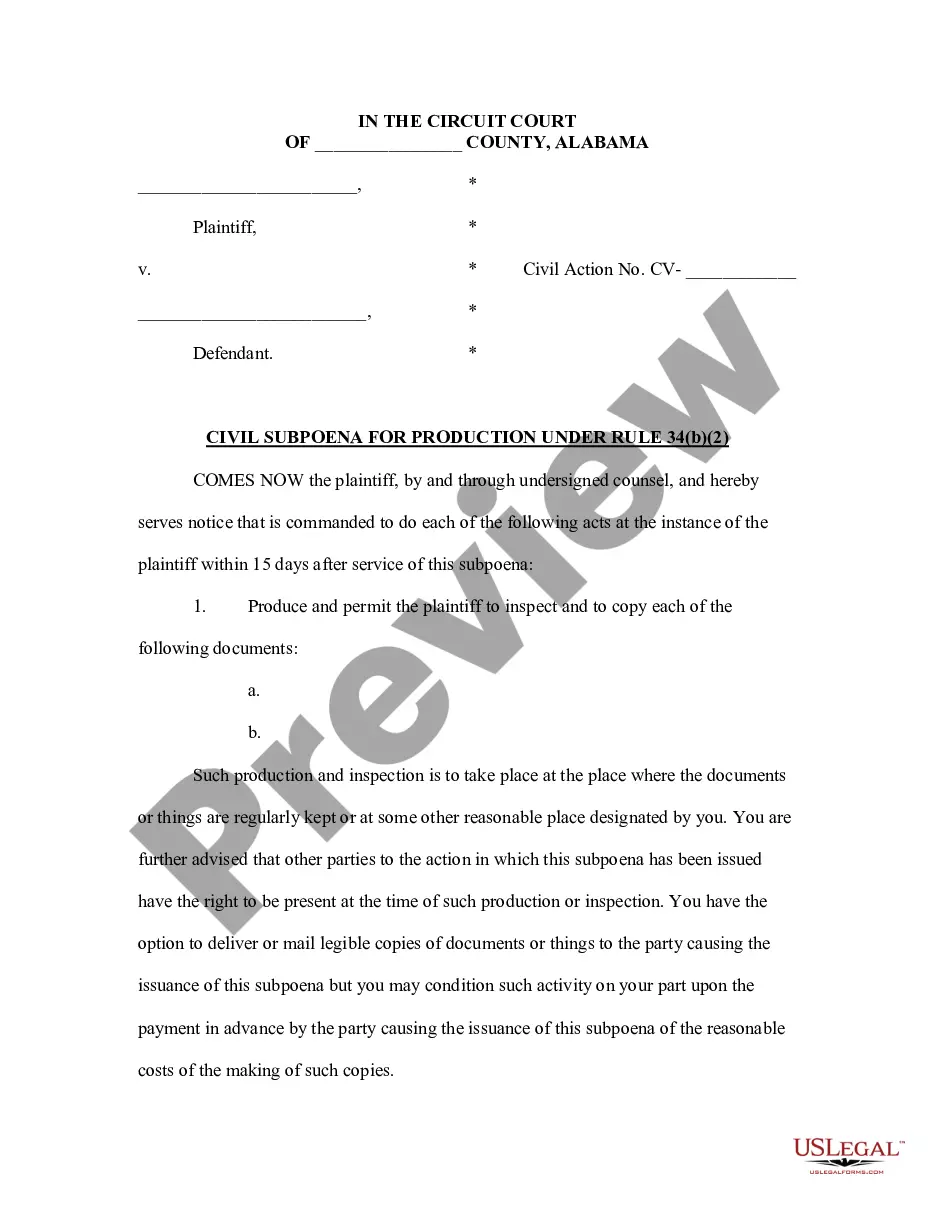
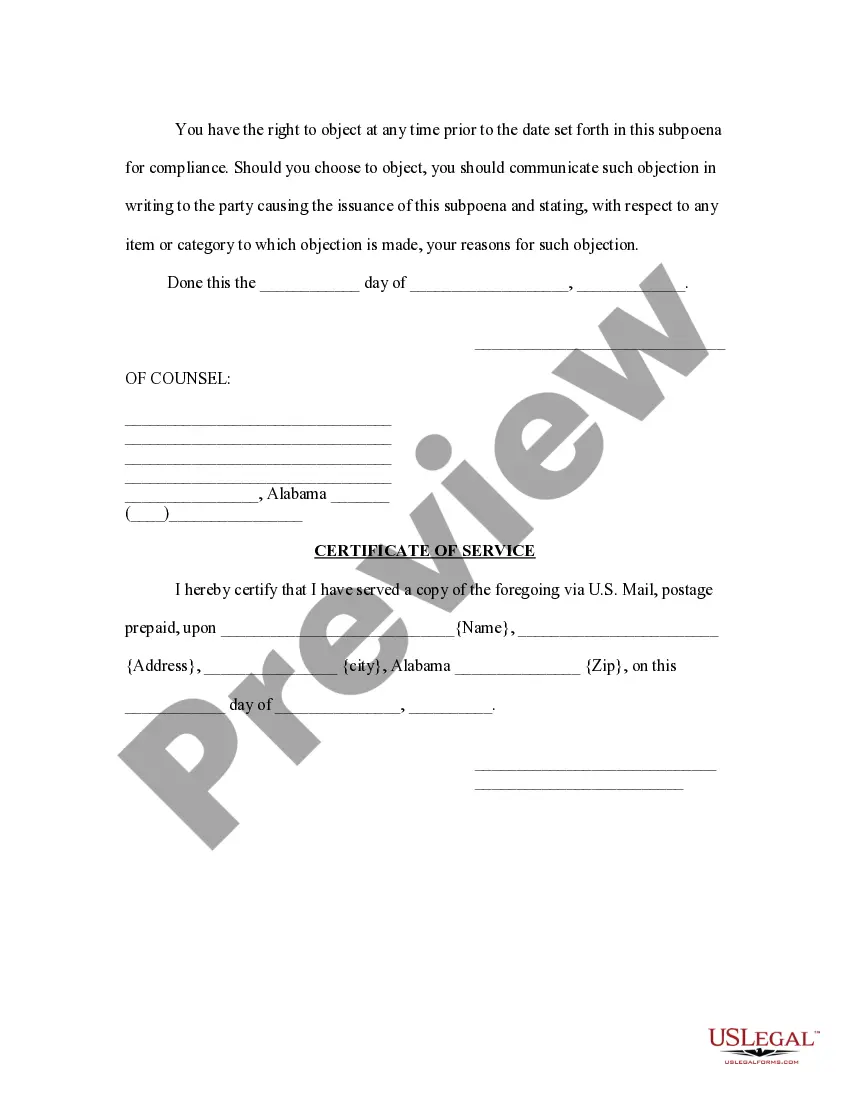
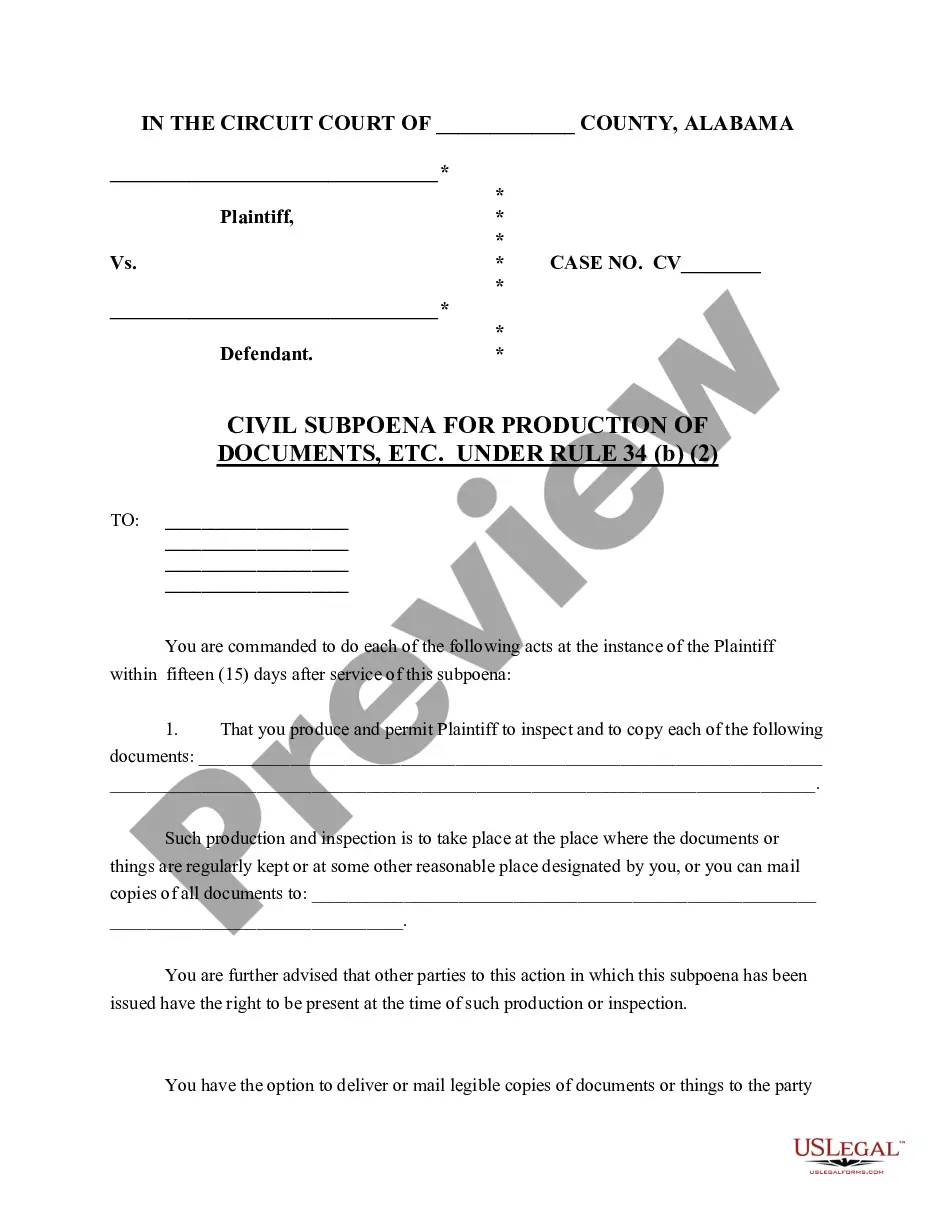
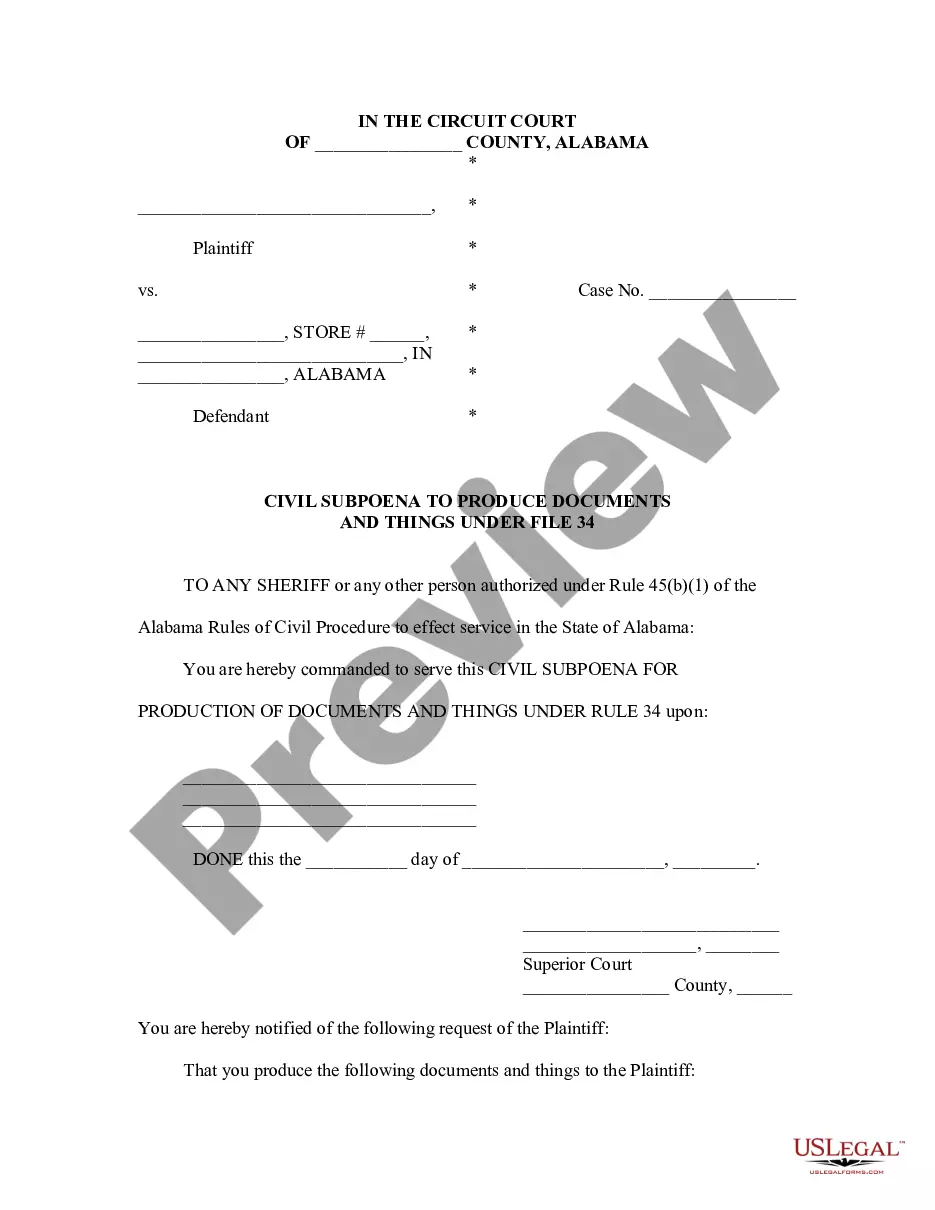
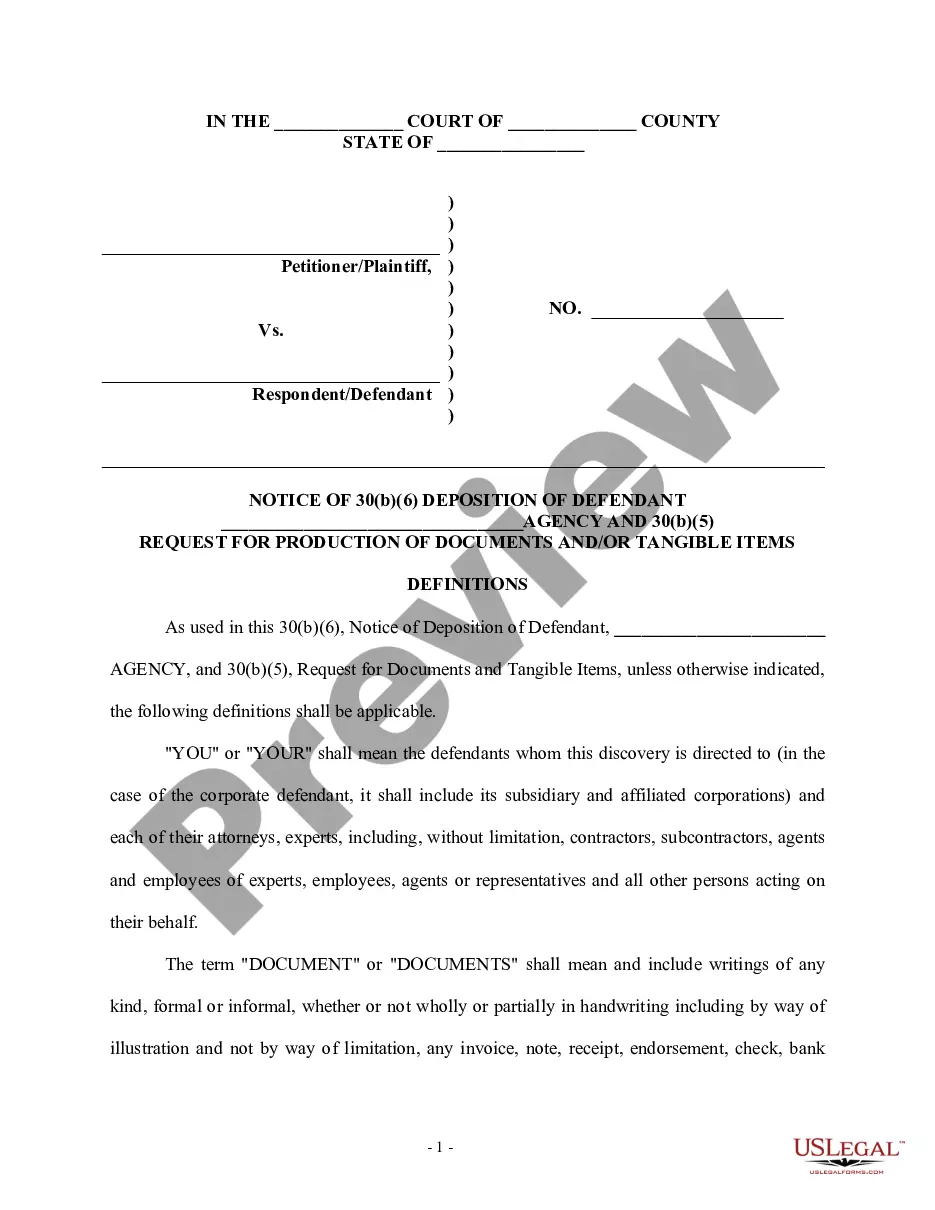



How to fill out Alabama Civil Subpoena For Production Under Rule 34(b)(2)?
The Rule 34 Alabama Rules Of Civil Procedure With Comments displayed on this page is a reusable legal framework crafted by expert attorneys in compliance with federal and state laws.
For over 25 years, US Legal Forms has delivered individuals, organizations, and lawyers with more than 85,000 authenticated, state-specific documents for any professional and personal needs. It’s the quickest, simplest, and most reliable method to acquire the forms you require, as the service ensures bank-level data security and anti-malware safeguards.
Register for US Legal Forms to have verified legal templates for all of life’s circumstances readily available.
- Examine the document you need and assess it.
- Search through the sample you looked for and preview it or review the form details to verify it meets your needs. If it does not, utilize the search function to find the appropriate one. Click Buy Now when you have identified the template you require.
- Select and Log In.
- Choose the payment plan that fits you and create an account. Use PayPal or a credit card to make a swift payment. If you already possess an account, Log In and verify your subscription to proceed.
- Acquire the editable template.
- Pick the format you wish for your Rule 34 Alabama Rules Of Civil Procedure With Comments (PDF, DOCX, RTF) and download the sample onto your device.
- Fill out and sign the document.
- Print the template to complete it manually. Alternatively, use an online multi-functional PDF editor to swiftly and accurately fill out and sign your form with an eSignature.
- Download your documents again.
- Utilize the same document again whenever necessary. Access the My documents tab in your profile to redownload any previously acquired forms.
Form popularity
FAQ
Form C 34 in Alabama refers to a specific form used in the context of Rule 34 under the Alabama Rules of Civil Procedure with comments. This form is typically associated with requests for production of documents or other tangible evidence. It is crucial to complete this form accurately to ensure that requested materials are provided in a timely manner. For assistance in understanding and filling out Form C 34, explore the user-friendly templates available on USLegalForms.
Yes, Rule 34 of the Alabama Rules of Civil Procedure with comments allows parties to request inspection of property as part of the discovery process. This rule enables a party to gain access to property relevant to the case, facilitating a thorough examination. However, one must properly file a request and follow any specific procedures outlined by the court. Utilizing resources from USLegalForms can help ensure compliance with all legal requirements.
The timeframe for responding to a Rule 34 request under the Alabama Rules of Civil Procedure with comments typically ranges from 30 to 45 days. The court may extend this period if both parties agree or if justified reasons are presented. It is essential to adhere to this timeline to avoid any potential legal disadvantages. For more streamlined processes, consider using platforms like USLegalForms, which provide templates and guidance.
The Rule 34 of the Superior Court Rules of Civil Procedure outlines similar principles of discovery as seen in the Alabama rules. It allows for the request of documents, electronically stored information, and other tangible evidence relevant to the case. Knowing the specifics of this rule can greatly enhance your ability to gather critical evidence. Platforms like US Legal Forms can provide valuable resources to navigate these rules effectively.
In court, Rule 34 refers to the legal framework governing the discovery process. It enables parties to request relevant documents from each other, promoting transparency and fairness. By adhering to Rule 34 of the Alabama Rules of Civil Procedure with comments, you ensure that all necessary evidence can be reviewed before a trial. This process fosters a more informed and equitable legal environment.
Rule 34 of the Alabama Rules of Civil Procedure with comments covers the process of discovery. This rule allows parties to obtain access to documents and tangible items that are relevant to their case. By utilizing Rule 34, you can request information that may support your arguments. Understanding the nuances of this rule can significantly impact your case strategy.
Rule 34(a), provides, in part, that ?[o]ral argument will be allowed when it is determined by the court, or the panel to which the case is assigned, from examination of the briefs and record that oral argument is desirable.? However, oral argument will not be allowed when the appeal is frivolous; when the dispositive ...
Generally, responses or objections are due in 30 days. It has frequently been held that both good faith and the spirit of the rule require the party answering interrogatories to see to it that his answers are truthful as of the time of the trial as well as of the time when the interrogatories are answered.
The matter is admitted unless, within thirty (30) days after service of the request, or within such shorter or longer time as the court may allow, the party to whom the request is directed serves upon the party requesting the admission a written answer or objection addressed to the matter, signed by the party or by the ...