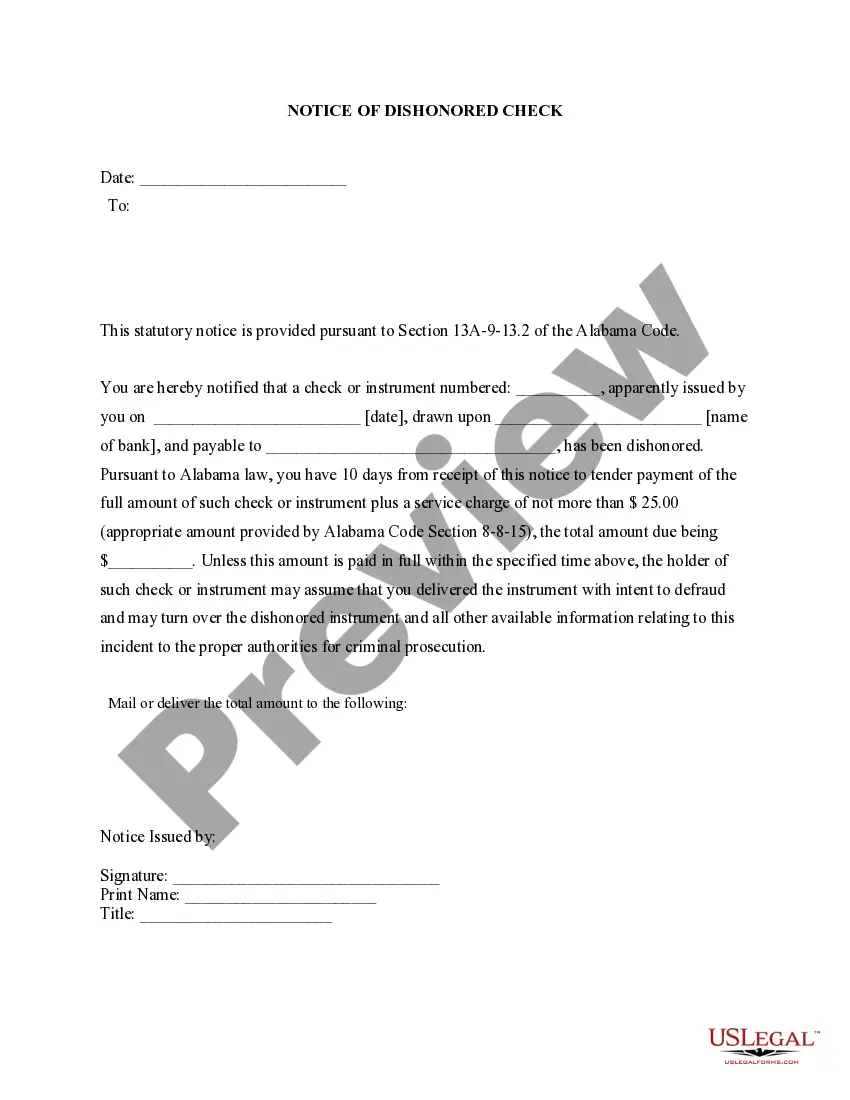
Nwni Charge Meaning With Citation
Description
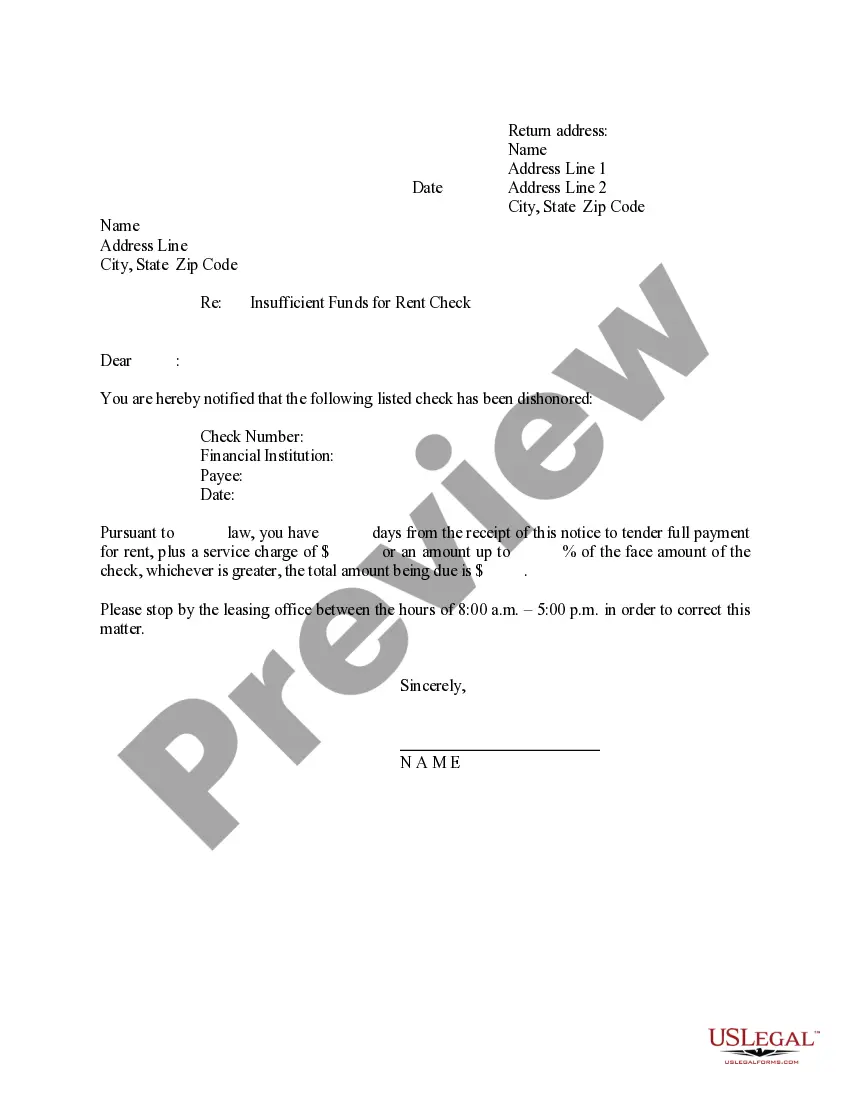

Get your form ready online
Our built-in tools help you complete, sign, share, and store your documents in one place.
Make edits, fill in missing information, and update formatting in US Legal Forms—just like you would in MS Word.
Download a copy, print it, send it by email, or mail it via USPS—whatever works best for your next step.
Sign and collect signatures with our SignNow integration. Send to multiple recipients, set reminders, and more. Go Premium to unlock E-Sign.
If this form requires notarization, complete it online through a secure video call—no need to meet a notary in person or wait for an appointment.
We protect your documents and personal data by following strict security and privacy standards.

Make edits, fill in missing information, and update formatting in US Legal Forms—just like you would in MS Word.

Download a copy, print it, send it by email, or mail it via USPS—whatever works best for your next step.

Sign and collect signatures with our SignNow integration. Send to multiple recipients, set reminders, and more. Go Premium to unlock E-Sign.

If this form requires notarization, complete it online through a secure video call—no need to meet a notary in person or wait for an appointment.

We protect your documents and personal data by following strict security and privacy standards.
Looking for another form?





How to fill out Alabama Notice Of Dishonored Check - Civil And Criminal - Keywords: Bad Check, Bounced Check?
- If you are a returning user, log into your account and download your required form by clicking the Download button, ensuring your subscription is active. If it isn’t, renew it based on your payment plan.
- For first-time users, preview the form you need and verify the description to ensure it matches your requirements and local jurisdiction.
- If discrepancies arise, utilize the search function to find the appropriate template that suits your needs.
- Purchase the document by clicking the Buy Now button and selecting your preferred subscription plan. An account registration is necessary to access the library.
- Complete your transaction by entering your payment information, either through credit card or PayPal.
- Download the form to your device, allowing you to fill it out later and access it again through the My Forms section of your account.
US Legal Forms not only provides a vast array of legal documents but also connects users with premium experts for assistance, ensuring that each document is filled out accurately and meets legal standards.
In conclusion, navigating legal documentation has never been easier thanks to US Legal Forms. For quick, reliable access to over 85,000 legal forms, start your journey today!
Form popularity
FAQ
The abbreviation 'w/m' in court generally stands for 'with minor'. This designation is often used in cases involving specific charges related to minors, such as protection orders or juvenile offenses. Understanding this and other legal notations helps individuals navigate complex legal scenarios. You can enhance your knowledge of legal matters with resources at uslegalforms.
In a court case, the letter 'm' can represent 'misdemeanor'. It signals that the offense is less serious than a felony and carries lighter penalties. Recognizing the distinction between misdemeanors and other types of charges is vital for understanding one's legal situation. For clarification on legal definitions, uslegalforms is an excellent starting point.
On a court docket, 'WM' typically stands for 'writ of mandamus'. This term indicates a court order compelling a government officer to perform a duty they are legally obligated to complete. Understanding this term is important, especially if one is involved in legal proceedings. You can find detailed explanations of similar terminology at uslegalforms.
The letter 'W' in a court case usually stands for 'warrant'. It indicates that a warrant has been issued for an arrest or search related to the case. This designation plays a crucial role in how law enforcement proceeds with an investigation. For further insights into legal abbreviations, uslegalforms offers a wealth of information.
In a court case, letters often refer to specific terms and classifications regarding the nature of the case. For instance, they may highlight the type of offense, such as felonies or misdemeanors. Understanding these letters helps the public better grasp the severity and context of the legal issue at hand. If you want to learn more about various legal terms, consider exploring our resources at uslegalforms.