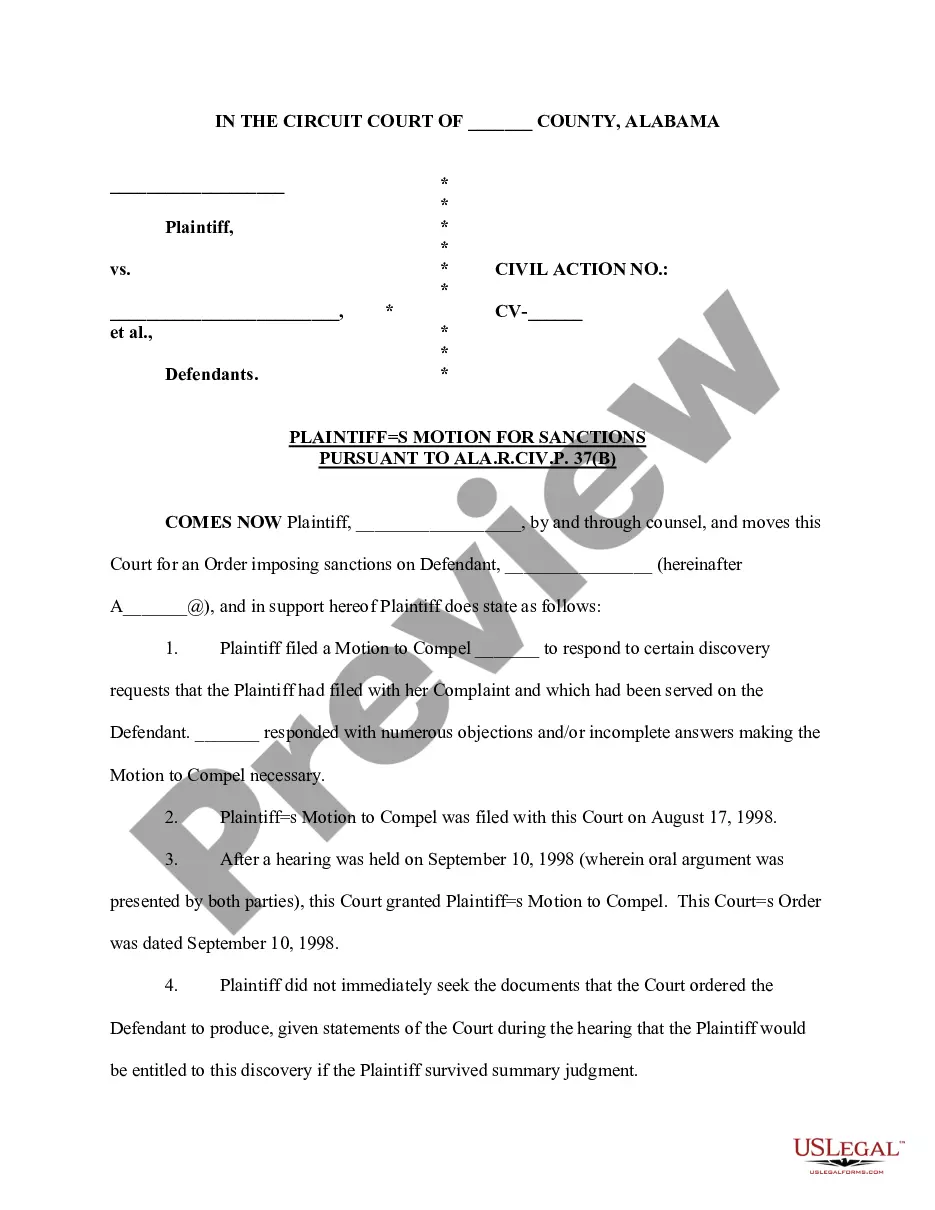
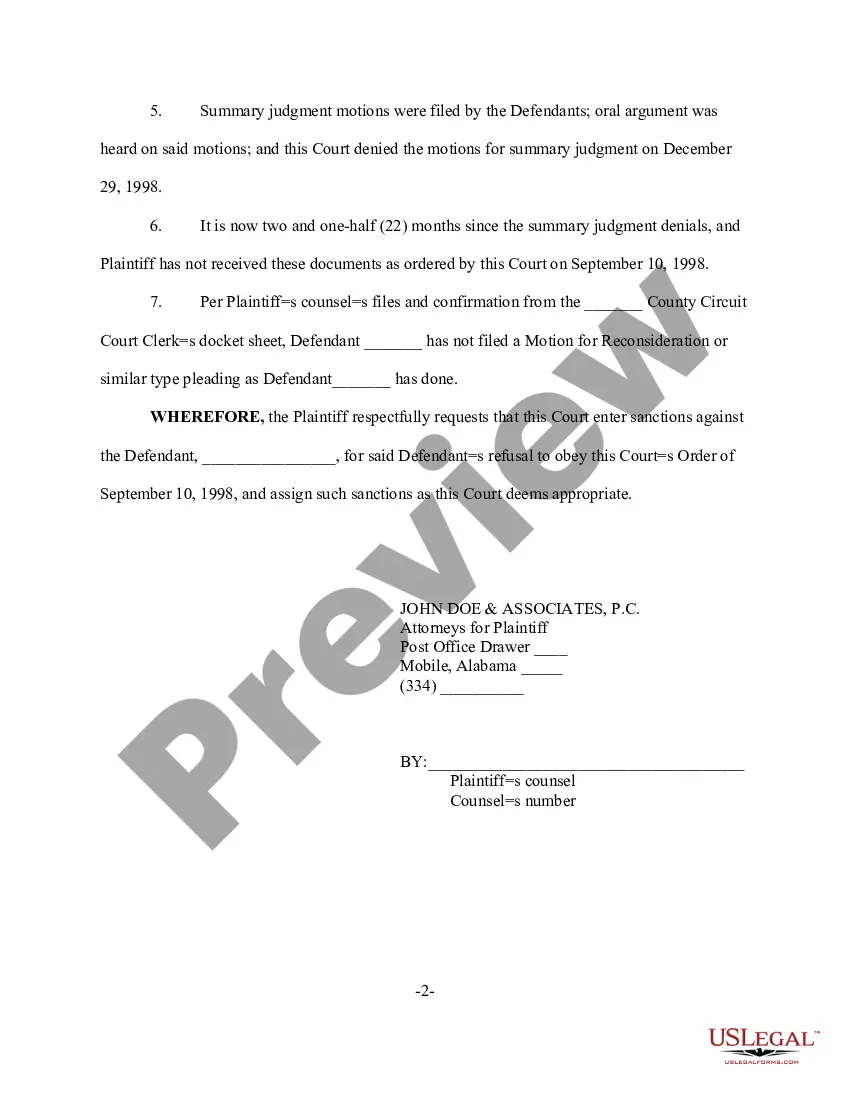
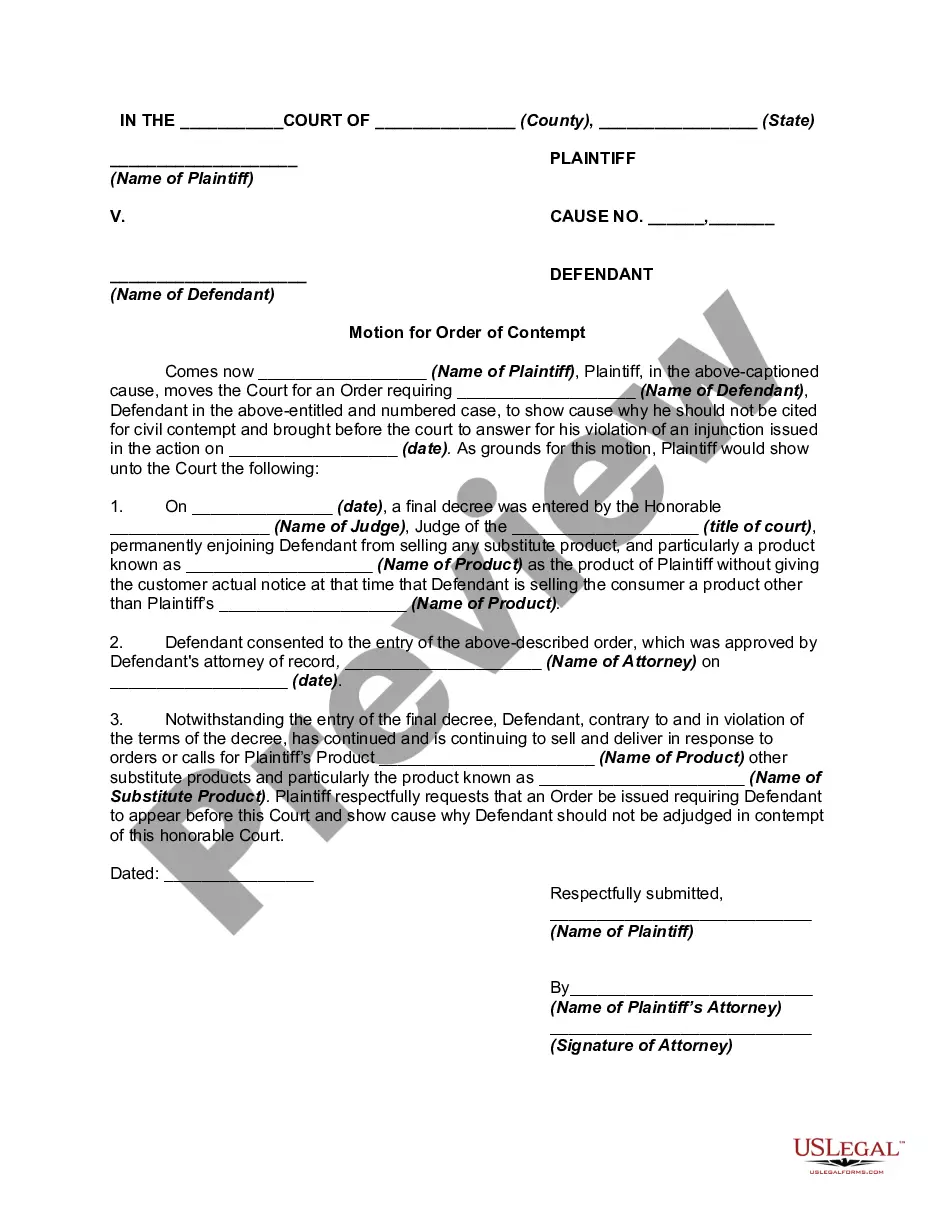
Motion For Sanctions Example For Violation Of The Discharge
Description
Get your form ready online
Our built-in tools help you complete, sign, share, and store your documents in one place.
Make edits, fill in missing information, and update formatting in US Legal Forms—just like you would in MS Word.
Download a copy, print it, send it by email, or mail it via USPS—whatever works best for your next step.
Sign and collect signatures with our SignNow integration. Send to multiple recipients, set reminders, and more. Go Premium to unlock E-Sign.
If this form requires notarization, complete it online through a secure video call—no need to meet a notary in person or wait for an appointment.
We protect your documents and personal data by following strict security and privacy standards.

Make edits, fill in missing information, and update formatting in US Legal Forms—just like you would in MS Word.

Download a copy, print it, send it by email, or mail it via USPS—whatever works best for your next step.

Sign and collect signatures with our SignNow integration. Send to multiple recipients, set reminders, and more. Go Premium to unlock E-Sign.

If this form requires notarization, complete it online through a secure video call—no need to meet a notary in person or wait for an appointment.

We protect your documents and personal data by following strict security and privacy standards.
Looking for another form?



Form popularity
FAQ
The discovery rule in California allows a party to pursue claims after discovering their injury or the facts supporting their injury. This rule can extend the statute of limitations for bringing a lawsuit, depending on when the injury was discovered. Understanding how the discovery rule applies in your case is vital, especially when considering a motion for sanctions example for violation of the discharge. Keeping track of important dates and processes can significantly influence your legal strategy.
A motion for discovery sanctions in California is initiated when a party fails to respond to discovery requests appropriately. It allows the injured party to seek various sanctions, which could include penalties or an order to enforce compliance. If you find yourself in a situation where the other party is not cooperating, consider a motion for sanctions example for violation of the discharge to address the issue effectively. This procedure promotes accountability among parties in litigation.
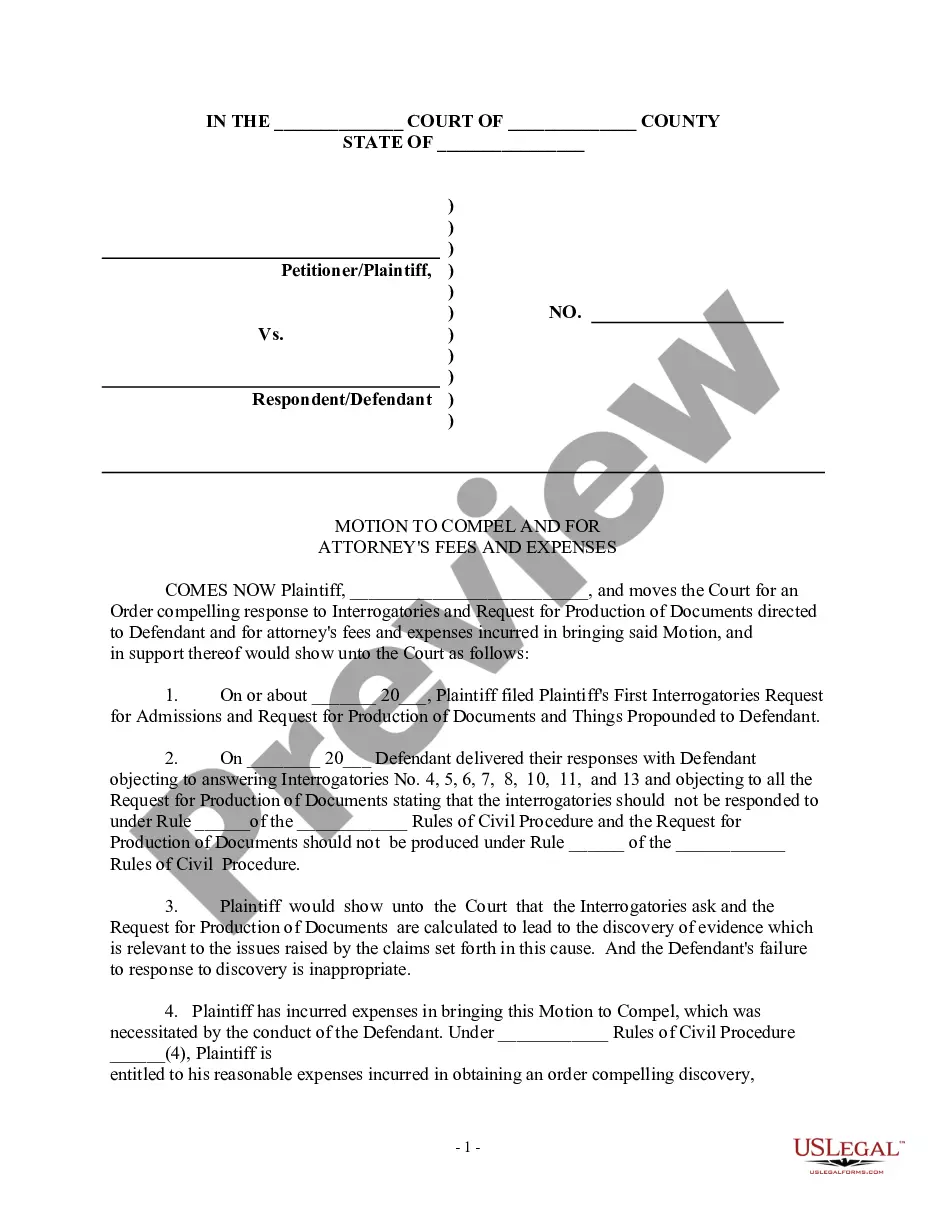
A motion for sanctions on discovery in California is a legal request that aims to penalize a party for failing to comply with discovery rules. This motion may seek various remedies, such as monetary fines or orders compelling compliance. For those impacted by non-compliance, leveraging a motion for sanctions example for violation of the discharge could serve as an effective strategy. Utilizing this approach reinforces the importance of adhering to legal obligations.
The cut-off for discovery motions in California generally occurs 30 days before the trial date. This deadline ensures that both parties have adequate time to gather and exchange information before the case proceeds. If you are facing challenges with compliance, a motion for sanctions example for violation of the discharge can offer a strategic approach. Be mindful of this deadline to avoid jeopardizing your case.
A discovery motion in California is a formal request made to the court, seeking an order to obtain evidence or information related to a legal case. This process plays a crucial role in ensuring parties can prepare their cases effectively. For example, a motion for sanctions example for violation of the discharge can help enforce compliance when one party fails to provide necessary discovery. This mechanism is essential for maintaining fairness in legal proceedings.
