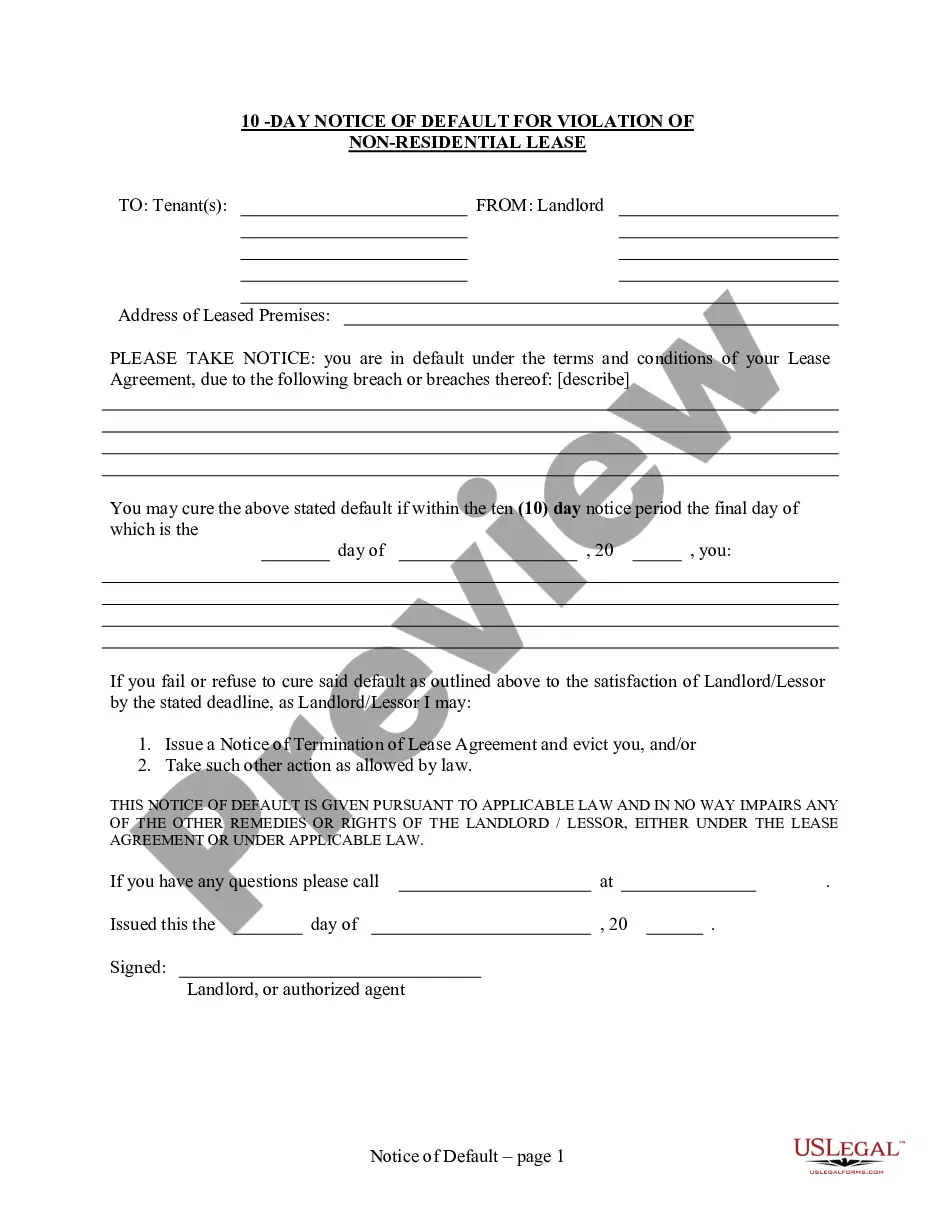
Notice Lessor Law For Sale
Description

Get your form ready online
Our built-in tools help you complete, sign, share, and store your documents in one place.
Make edits, fill in missing information, and update formatting in US Legal Forms—just like you would in MS Word.
Download a copy, print it, send it by email, or mail it via USPS—whatever works best for your next step.
Sign and collect signatures with our SignNow integration. Send to multiple recipients, set reminders, and more. Go Premium to unlock E-Sign.
If this form requires notarization, complete it online through a secure video call—no need to meet a notary in person or wait for an appointment.
We protect your documents and personal data by following strict security and privacy standards.

Make edits, fill in missing information, and update formatting in US Legal Forms—just like you would in MS Word.

Download a copy, print it, send it by email, or mail it via USPS—whatever works best for your next step.

Sign and collect signatures with our SignNow integration. Send to multiple recipients, set reminders, and more. Go Premium to unlock E-Sign.

If this form requires notarization, complete it online through a secure video call—no need to meet a notary in person or wait for an appointment.

We protect your documents and personal data by following strict security and privacy standards.
Looking for another form?
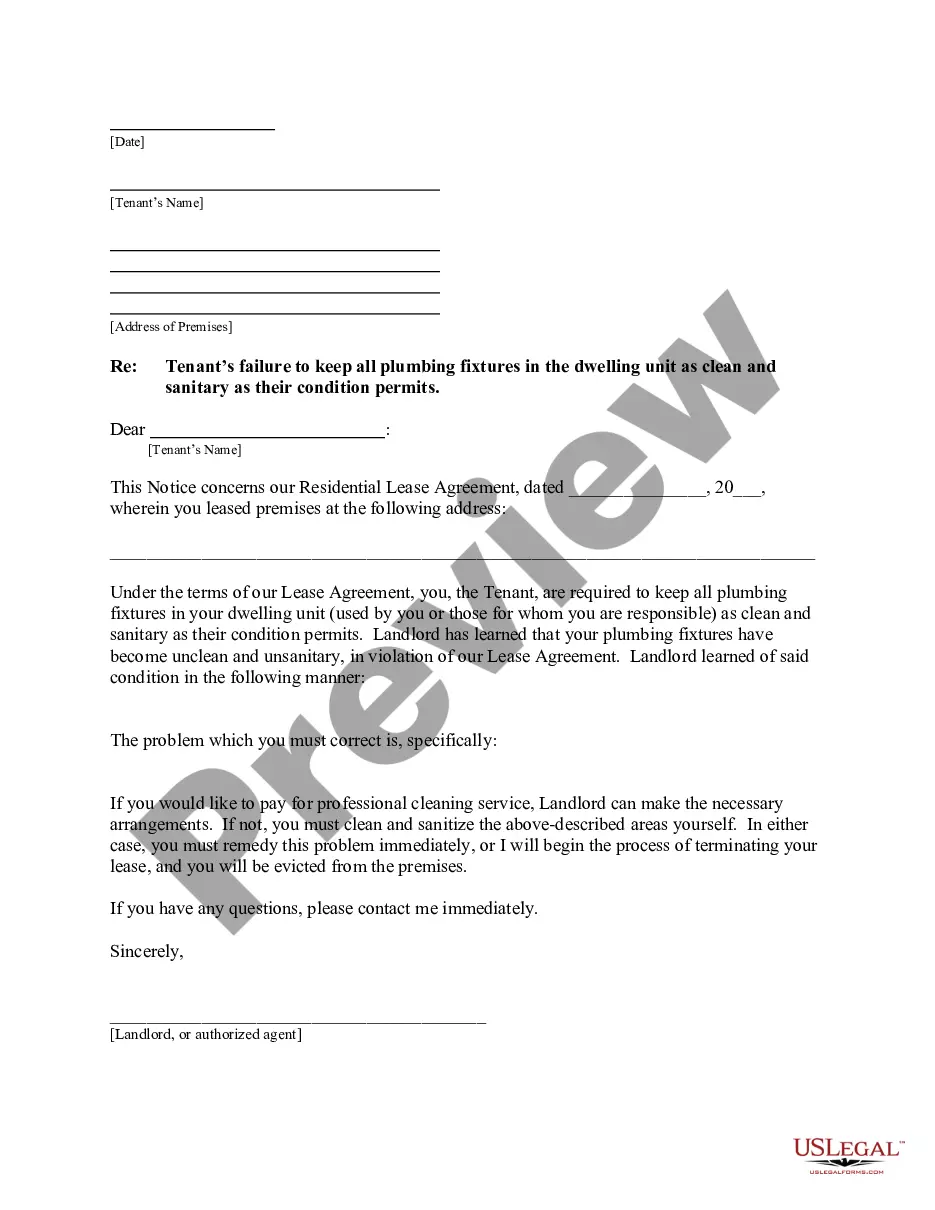
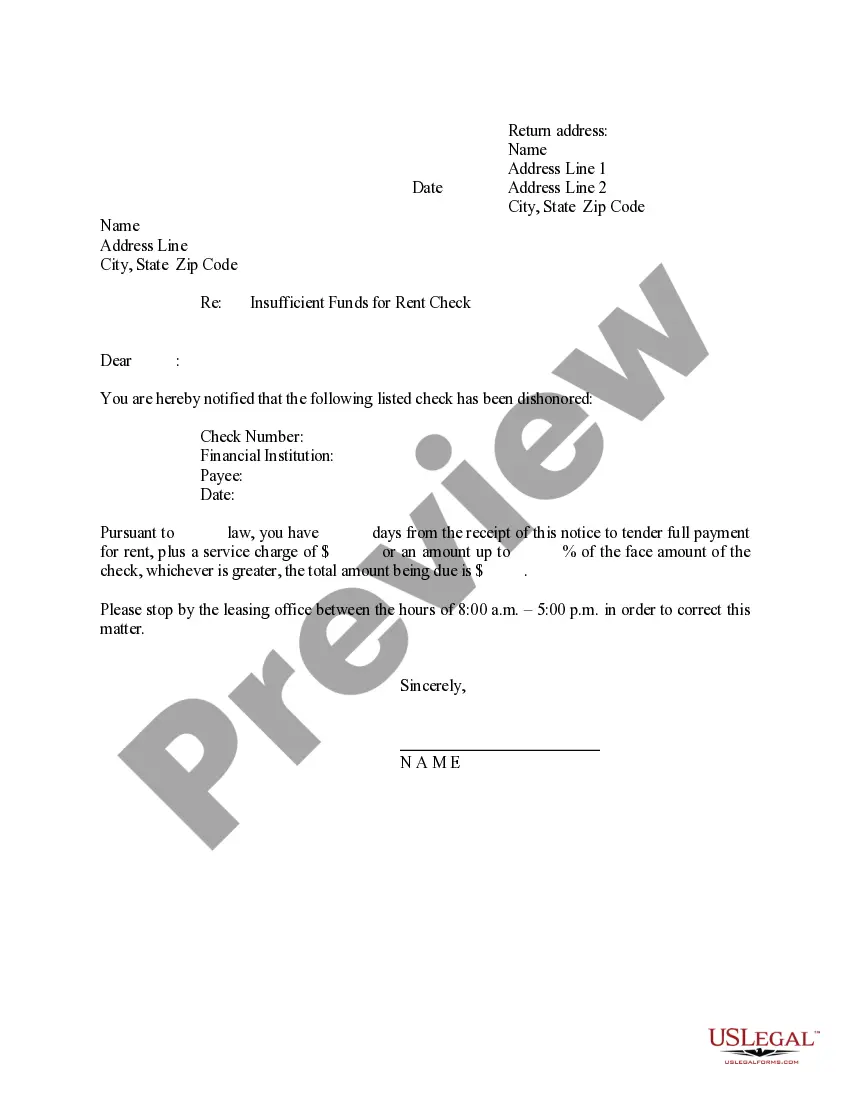


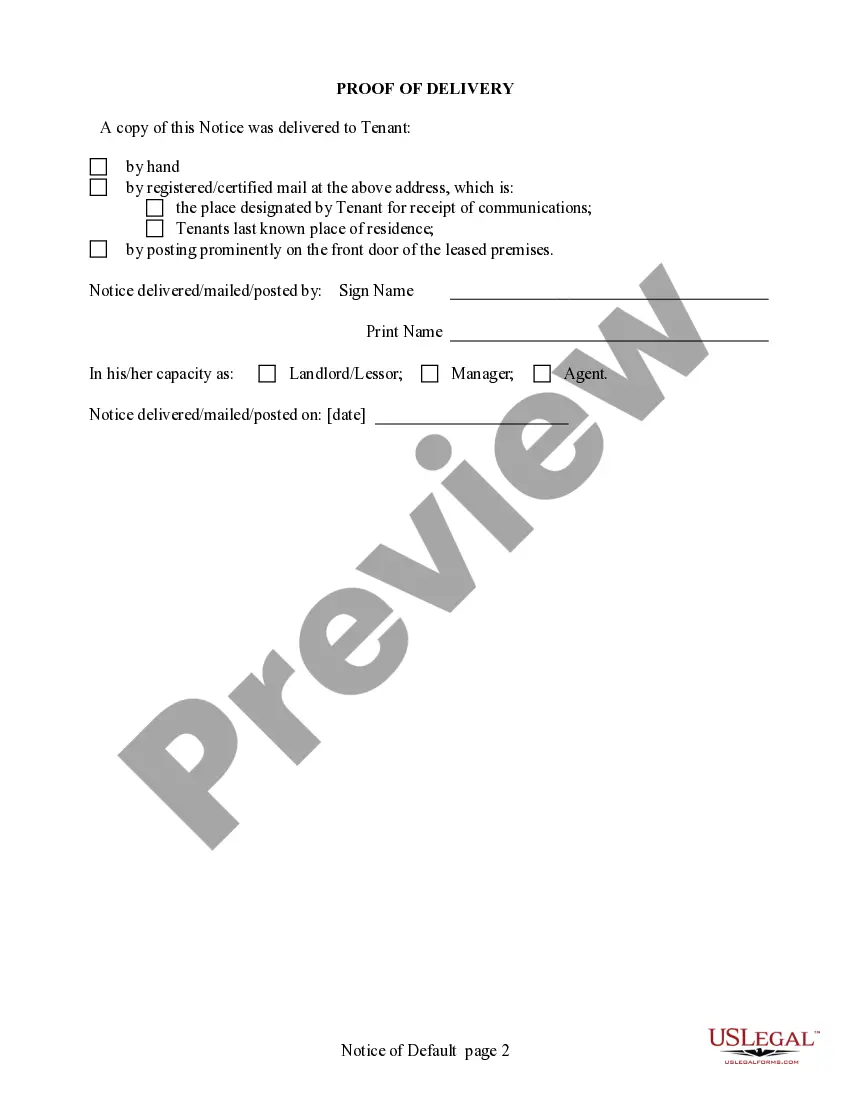
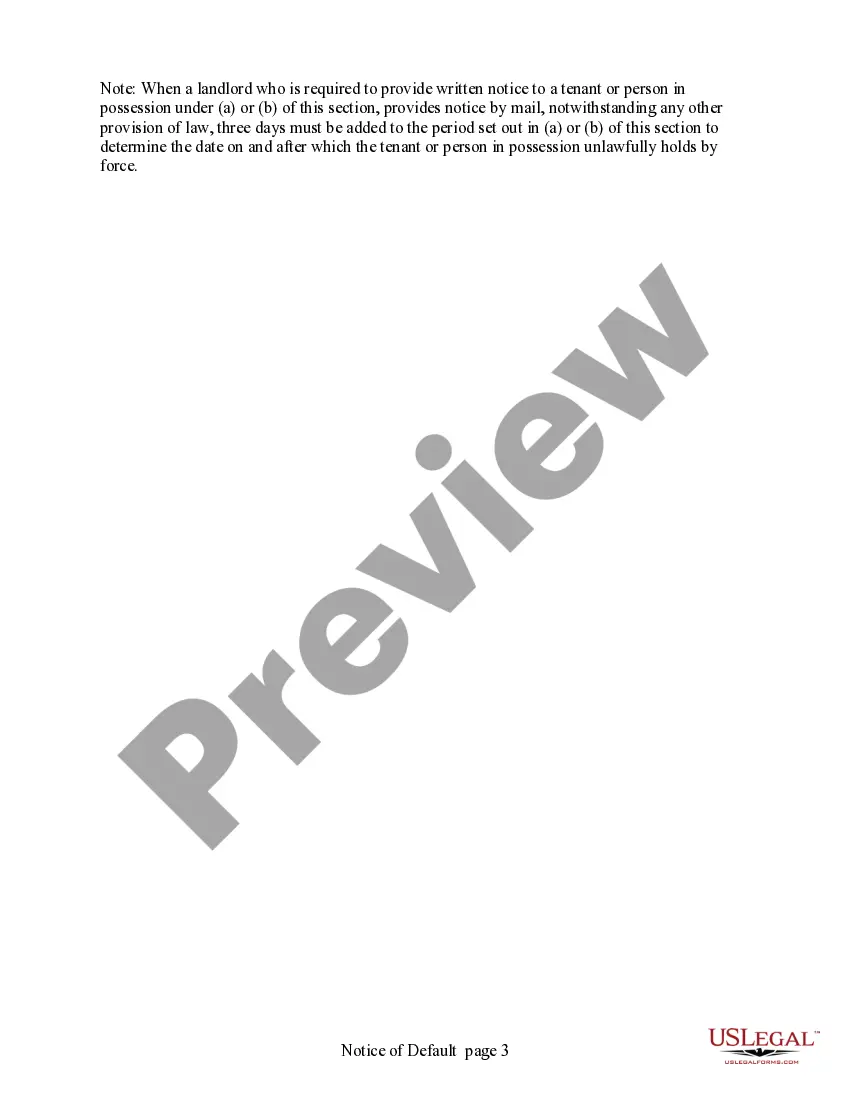
How to fill out Alaska Notice Of Default For Violation Of Lease Or Rental Agreement - Nonresidential - 10 Days Notice?
- Log into your account on US Legal Forms. If you are a new user, register to create an account.
- Preview the selected document and read its description to ensure it meets your needs and adheres to local laws.
- Search for additional templates if the current one does not align with your requirements. Use the search tool for assistance.
- Once you've identified the right document, select 'Buy Now' and choose a subscription plan that fits your needs.
- Complete your purchase by entering your payment details via credit card or PayPal.
- Download the document to your device and find it later in the 'My Forms' section of your profile.
Following these steps allows for a hassle-free experience in obtaining your legal forms. US Legal Forms stands out with its extensive library and the option to consult premium experts for any queries during document completion.
Start leveraging your legal needs today by visiting US Legal Forms. Secure your documents easily and efficiently!
Form popularity
FAQ
Section 92.056 of the Texas property code relates to the landlord's obligation to maintain the property in a livable condition and outlines tenants' rights regarding repairs. This code protects tenants from unsafe living conditions, allowing them to request necessary repairs. Being knowledgeable about this section is essential when dealing with property issues, so you may find it helpful to refer to resources about the notice lessor law for sale for deeper insights.
No, landlords cannot unlawfully evict tenants without proper notice in California. Proper eviction procedures require landlords to give adequate notice, which varies based on circumstances. This protection ensures tenants' rights are upheld, and understanding the notice lessor law for sale is crucial for both tenants and landlords to avoid legal complications.
In California, the standard notice period is 30 days for month-to-month tenants. However, if you have lived in the dwelling for a year or more, you must provide a 60-day notice. Always double-check your lease for specific terms, as they can also dictate your notice requirements. Familiarizing yourself with the notice lessor law for sale will give you confidence in managing your rental agreements.
In Texas, if your landlord sells the house, your lease agreement typically transfers to the new owner, who must honor its terms. You will continue living in the property under the same conditions, and the new landlord cannot just evict you without following the proper procedures. This understanding of tenant rights is key in navigating situations where the notice lessor law for sale comes into play.
The timeframe to evict a tenant can vary depending on state laws. In many cases, landlords cannot begin the eviction process until they provide appropriate notice, which might range from a few days to several weeks. After this notice period, the legal process can take additional time. To better understand the notice lessor law for sale and the eviction process, consulting legal resources can provide guidance.
In California, the requirement for giving notice to your landlord typically depends on the type of your lease agreement. If you have a month-to-month lease, you usually must provide a 30-day notice. However, if you have lived in the property for more than a year, a 60-day notice may be necessary. Understanding the notice lessor law for sale in your area can help you navigate these requirements easily.
Writing a notice from a tenant to a landlord requires a clear structure. Start with your name and address, followed by the date. State your intention, whether it’s to request repairs or to vacate, and reference any relevant terms from the lease or the Notice Lessor law for sale. A direct and respectful tone enhances clarity and promotes effective communication.
When notifying your tenant of a property sale, be polite and clear in your communication. Start with pertinent details like the sale date and any expected impact on their tenancy. Include information on how the Notice Lessor law for sale applies to the sale process, ensuring that the tenant understands their rights and obligations during this transition.
To write a notice letter to a landlord, begin with your personal details and state your reason for writing upfront. Include specifics about your situation, such as your move-out date or repairs needed, depending on your needs. Citing the Notice Lessor law for sale helps establish the context for your communication and demonstrates your awareness of your legal rights.
out notice should be concise and to the point. Include your address, the intended moveout date, and your signature. Reference any relevant terms from the lease agreement or the Notice Lessor law for sale to emphasize your compliance. This structured approach provides clear communication and helps avoid misunderstandings.