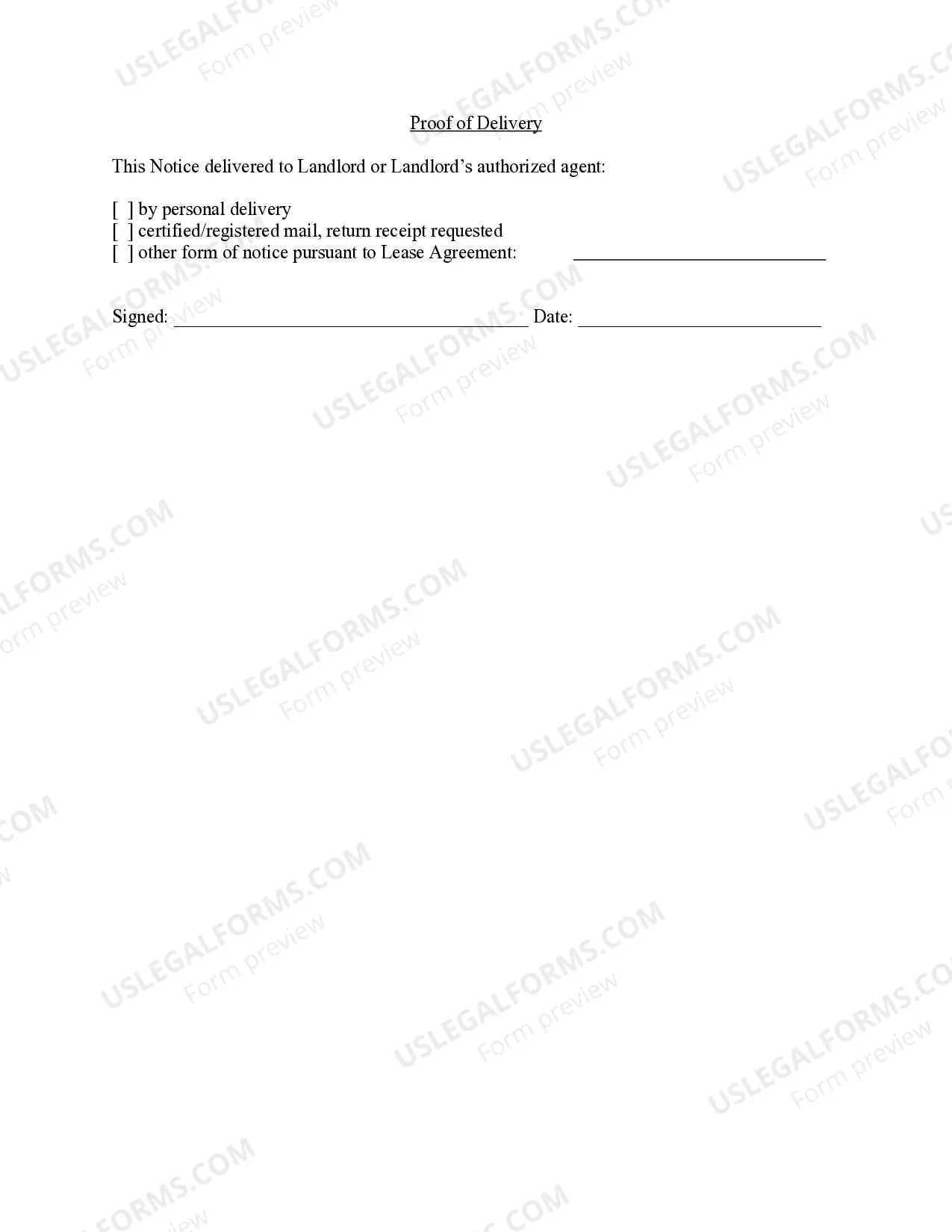
Delaware Letter from Tenant to Landlord about Landlord's refusal to allow sublease is unreasonable
Understanding this form
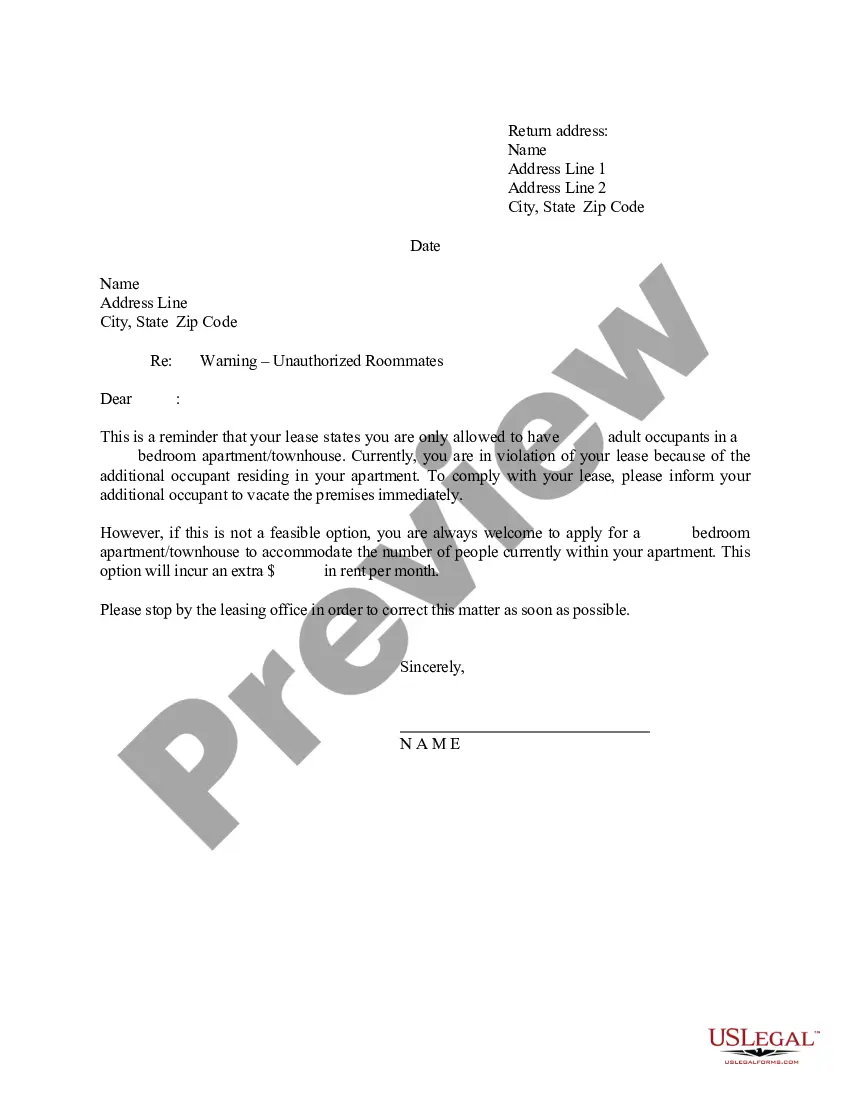
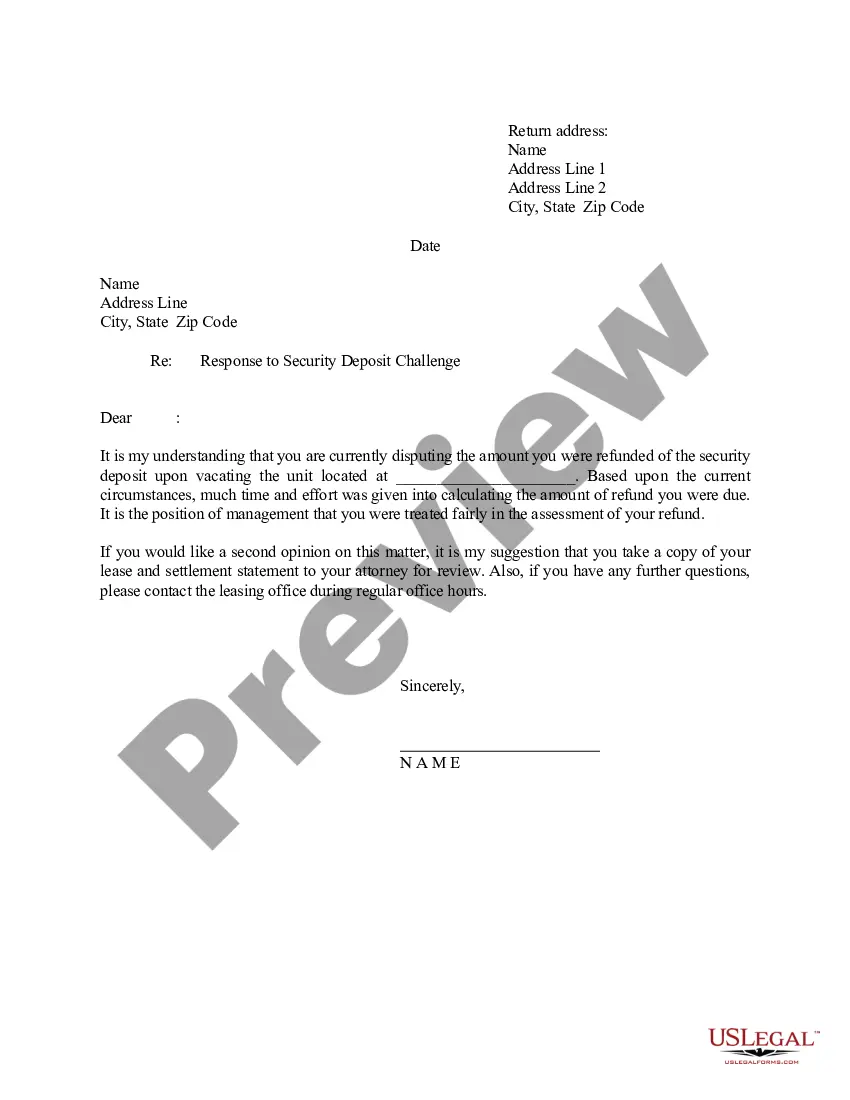
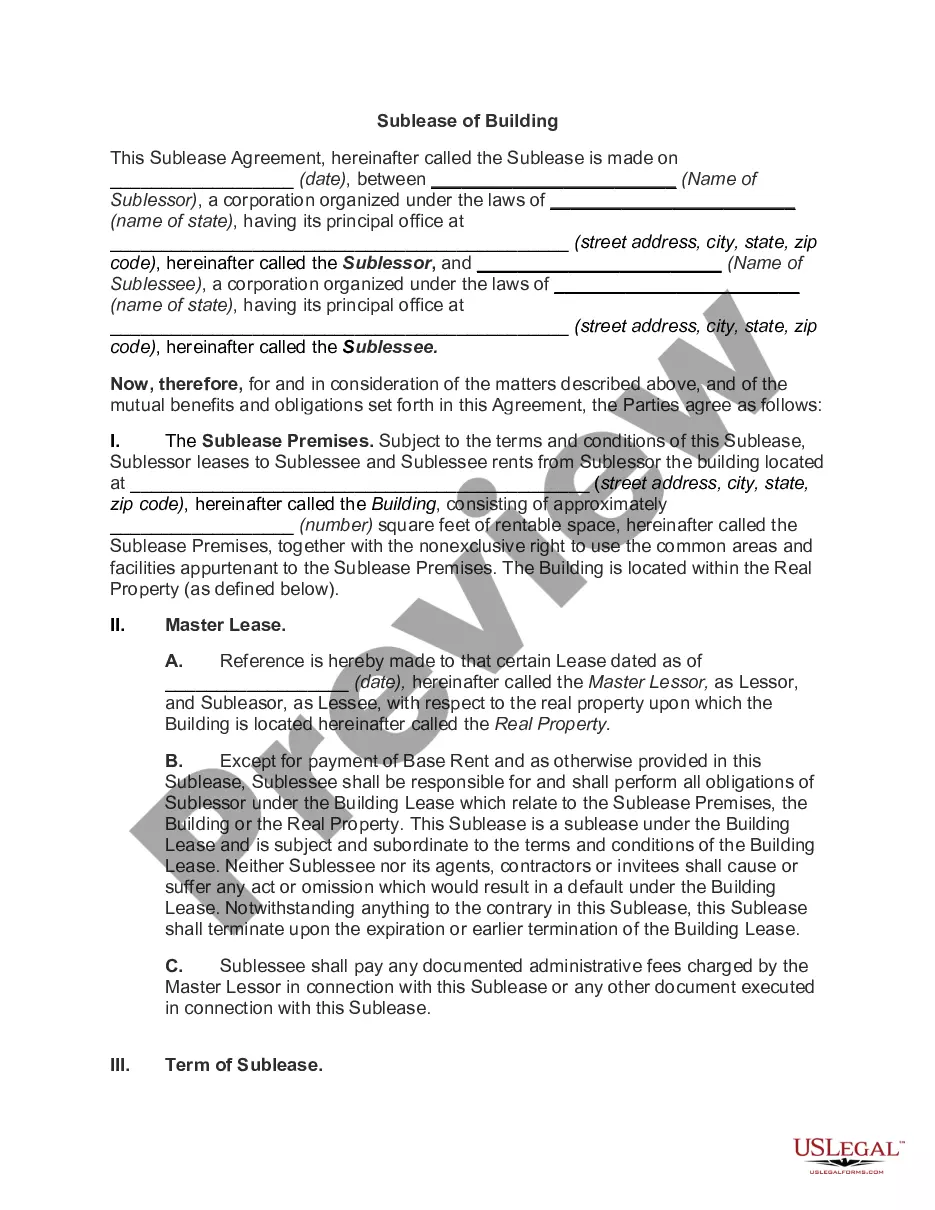
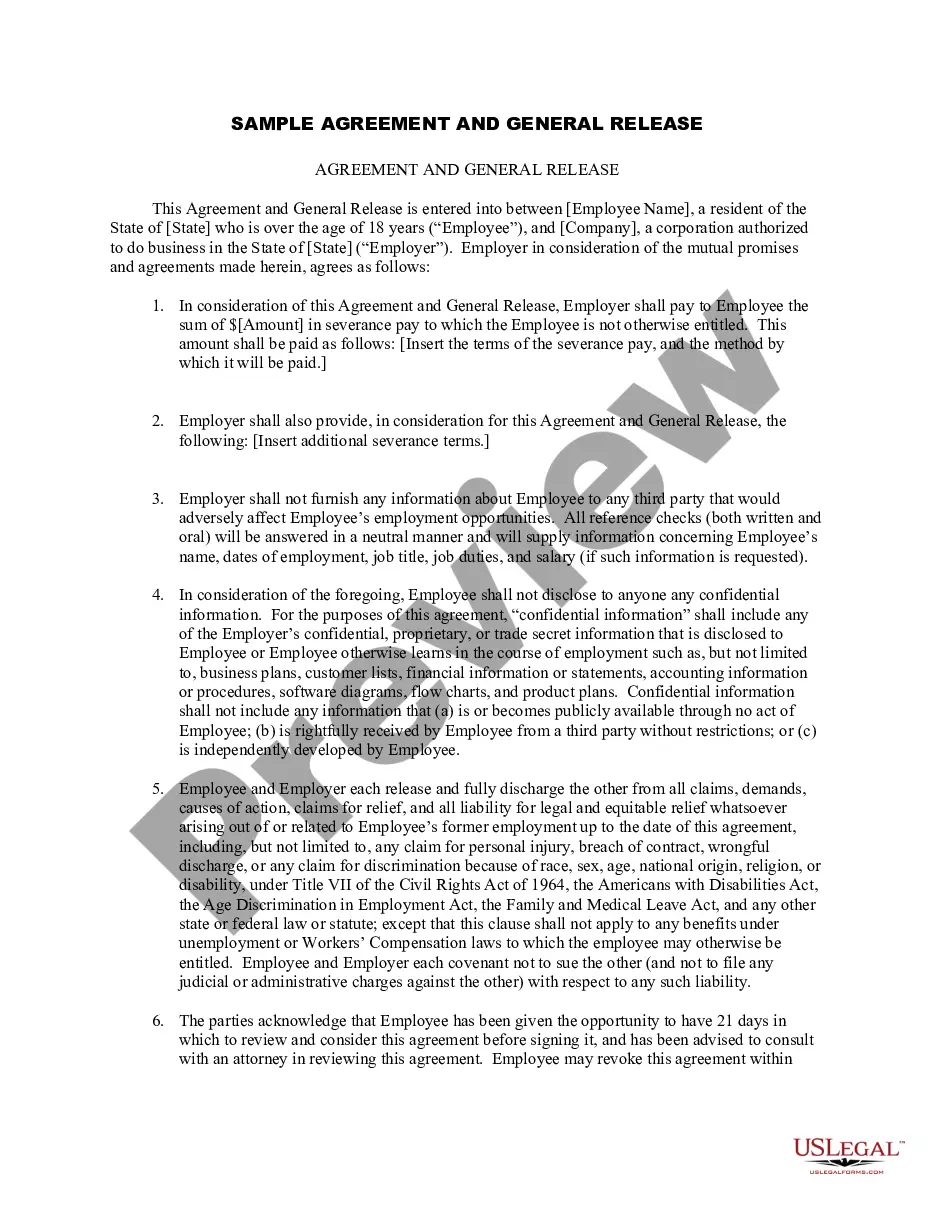
This form is a letter from a tenant to the landlord addressing the landlord's unreasonable refusal to allow the tenant to sublease the premises. The letter informs the landlord that the tenant reserves legal rights and remedies if the landlord continues to prevent lease assignments. This form is essential for tenants who wish to officially communicate their intentions regarding subleasing and protect their rights, differing from other forms like rental agreements or lease modifications.
Main sections of this form
- Introduction: Identification of the tenant and landlord, along with property details.
- Statement of refusal: Clear indication of the landlord's refusal to permit the sublease.
- Legal rights reservation: An explicit mention that the tenant reserves the right to pursue legal action.
- Signature and date line: Space for the tenant's signature and the date the letter is signed.
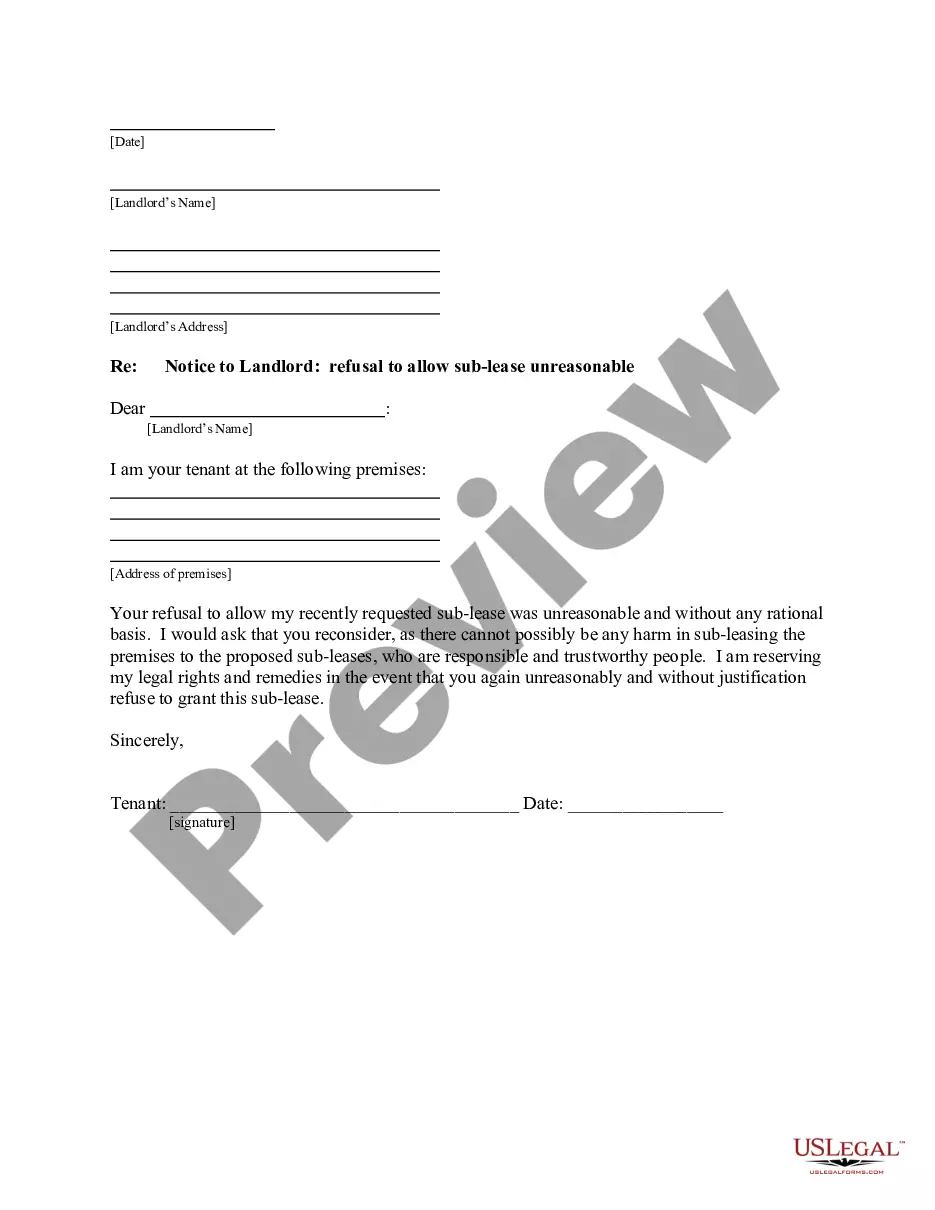
- Proof of delivery: Section to confirm how the letter was delivered to the landlord.

When to use this document
You should use this form when your landlord has refused a sublease request that you believe is unreasonable. It is particularly useful if you intend to formally document the refusal, assert your rights, and potentially prepare for any legal actions if the landlord continues to obstruct the subleasing process.
Who should use this form
- Current tenants seeking permission to sublease their rental unit.
- Tenants whose landlords have denied sublease requests without valid reasons.
- Individuals looking to preserve their legal rights regarding subleasing arrangements.
Completing this form step by step
- Identify the parties: Clearly state your name and contact information as the tenant and the landlord's details.
- Specify the property: Add the address and description of the rental property to which the sublease applies.
- State the refusal: Describe what the landlord's refusal entails and why it is deemed unreasonable.
- Include legal reservation: Make sure to mention that you reserve your legal rights concerning sublease matters.
- Sign and date: Sign the letter and record the date to finalize the correspondence.
Notarization requirements for this form
Notarization is generally not required for this form. However, certain states or situations might demand it. You can complete notarization online through US Legal Forms, powered by Notarize, using a verified video call available anytime.
Get your form ready online
Our built-in tools help you complete, sign, share, and store your documents in one place.
Make edits, fill in missing information, and update formatting in US Legal Forms—just like you would in MS Word.
Download a copy, print it, send it by email, or mail it via USPS—whatever works best for your next step.
Sign and collect signatures with our SignNow integration. Send to multiple recipients, set reminders, and more. Go Premium to unlock E-Sign.
If this form requires notarization, complete it online through a secure video call—no need to meet a notary in person or wait for an appointment.
We protect your documents and personal data by following strict security and privacy standards.

Make edits, fill in missing information, and update formatting in US Legal Forms—just like you would in MS Word.

Download a copy, print it, send it by email, or mail it via USPS—whatever works best for your next step.

Sign and collect signatures with our SignNow integration. Send to multiple recipients, set reminders, and more. Go Premium to unlock E-Sign.

If this form requires notarization, complete it online through a secure video call—no need to meet a notary in person or wait for an appointment.

We protect your documents and personal data by following strict security and privacy standards.
Avoid these common issues
- Failing to include essential details about the property or parties involved.
- Not clearly stating the grounds for considering the landlord's refusal unreasonable.
- Omitting to reserve legal rights, which is crucial for potential follow-up actions.
Advantages of online completion
- Convenience: Easy access to the form from anywhere at any time.
- Editability: Online forms can be customized to match your specific circumstances.
- Reliability: Ensures that youâre using a legally drafted template prepared by licensed attorneys.
Legal use & context
This letter is an important legal document that formalizes communication between the tenant and landlord regarding subleasing rights. It can help protect the tenant's rights and serves as evidence should any legal dispute arise over the refusal to sublease.
What to keep in mind
- This form helps tenants formally address a landlord's refusal to permit subleasing.
- It emphasizes the tenant's rights and serves as a protective measure for future legal actions.
- Ensure all required details are accurately filled out for the form to be effective.
Looking for another form?









Form popularity
FAQ
Good Credit. First and foremost, you want to choose a tenant with good credit. Income. In order to pay rent on time, a good tenant must have a steady income. Criminal Background . . . the lack of . . . Stability. Good Rental History. Respect. Honesty. Cleanliness.
Begin the letter with the date on which you mail or deliver the letter in person. Include your name, address and phone number, followed by the tenant's name and address. You can also insert a subject line that summarizes the reason for the letter to vacate. Start with a salutation, followed by your tenant's name.
A good tenant is an honest tenant that does not lie about making rent, their employment status, and any damages that have occurred during their time as a lessee. During the application process, test the honesty of a potential tenant by verifying the information on their application.
Introduce the New Management Company. Identify a person in charge to contact regarding the property. Provide contact information, including email and phone number. Explain how to pay rent and when it will be due. Tell them how to submit maintenance requests.
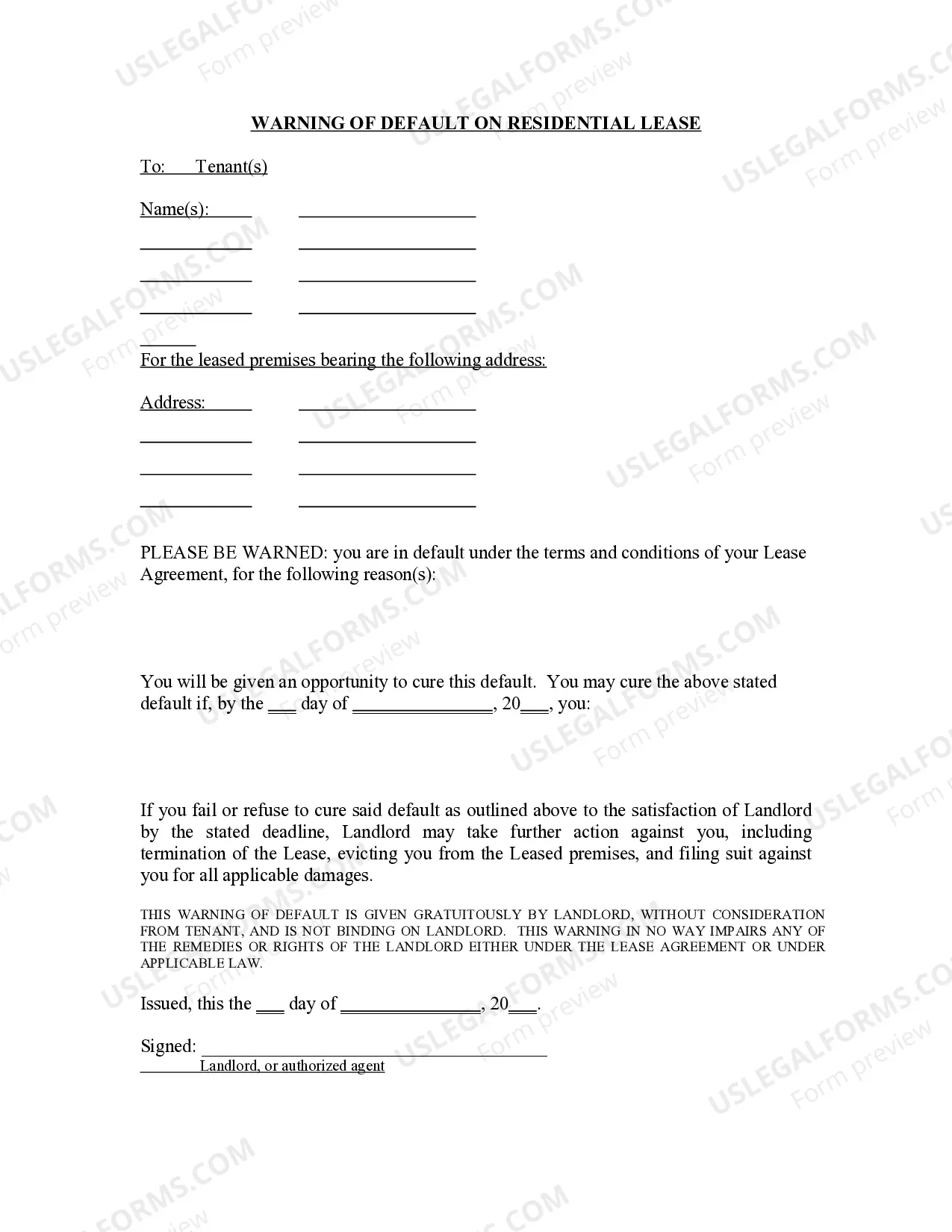
The date that the tenant warning letter was written. The name and the basic personal information of the tenant. The name of the landlord or the owner of the property. The reason why a tenant warning letter has been written.