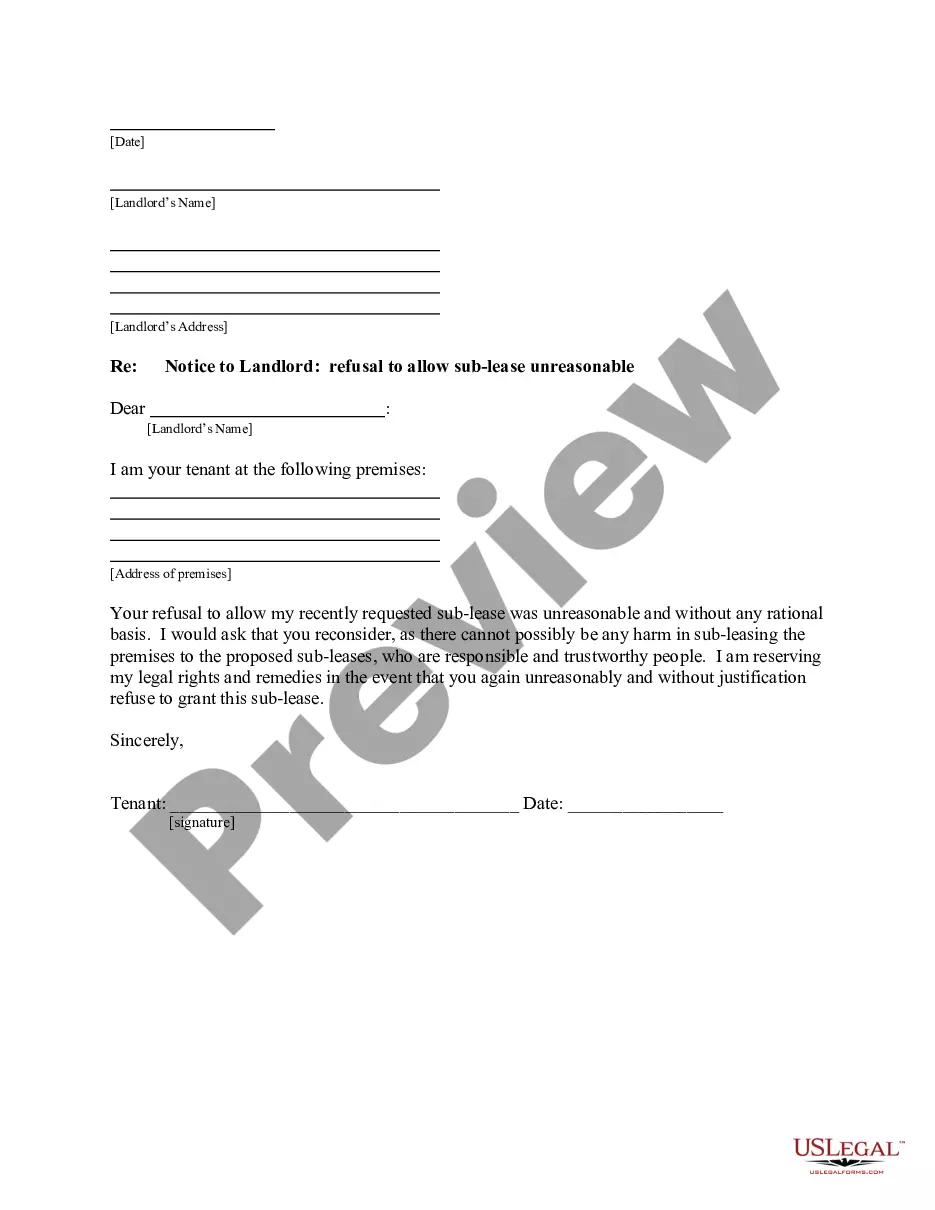
Delaware Letter from Landlord to Tenant about time of intent to enter premises
What this document covers
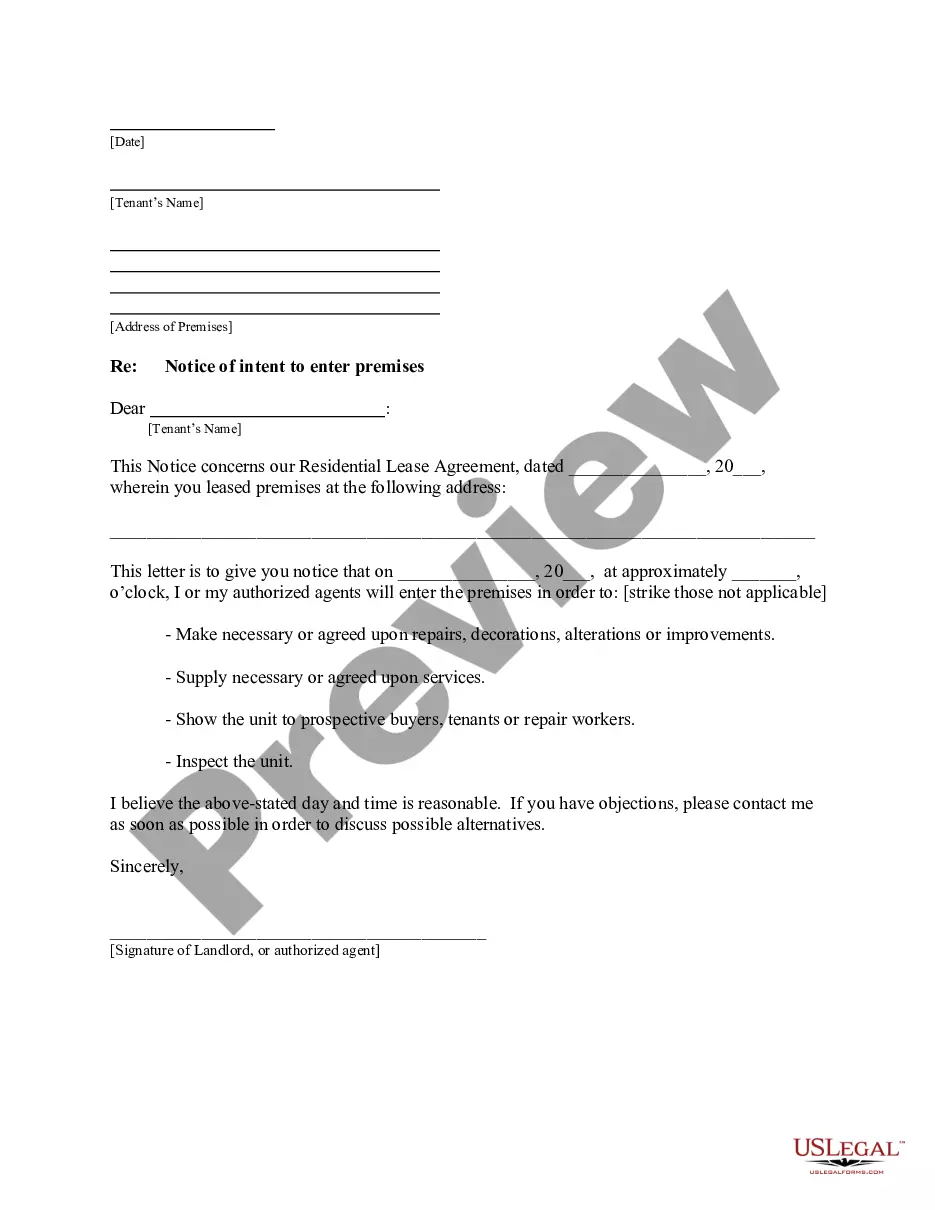
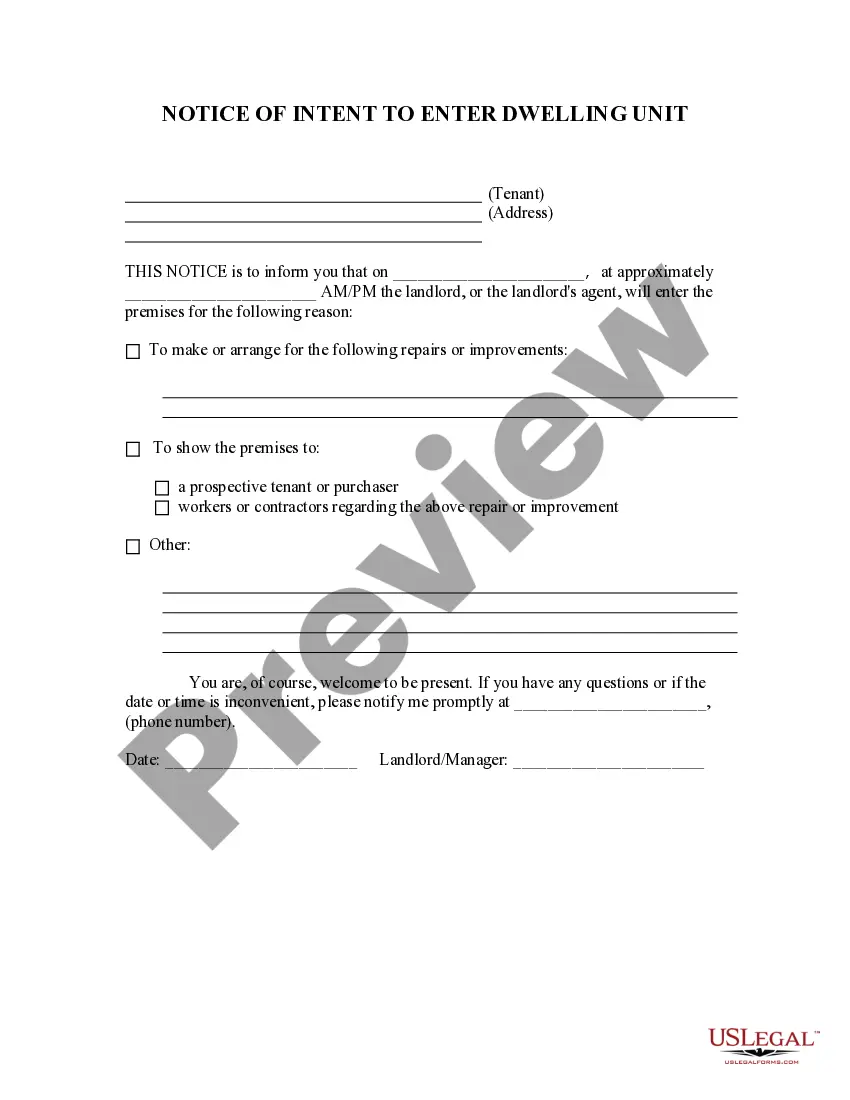
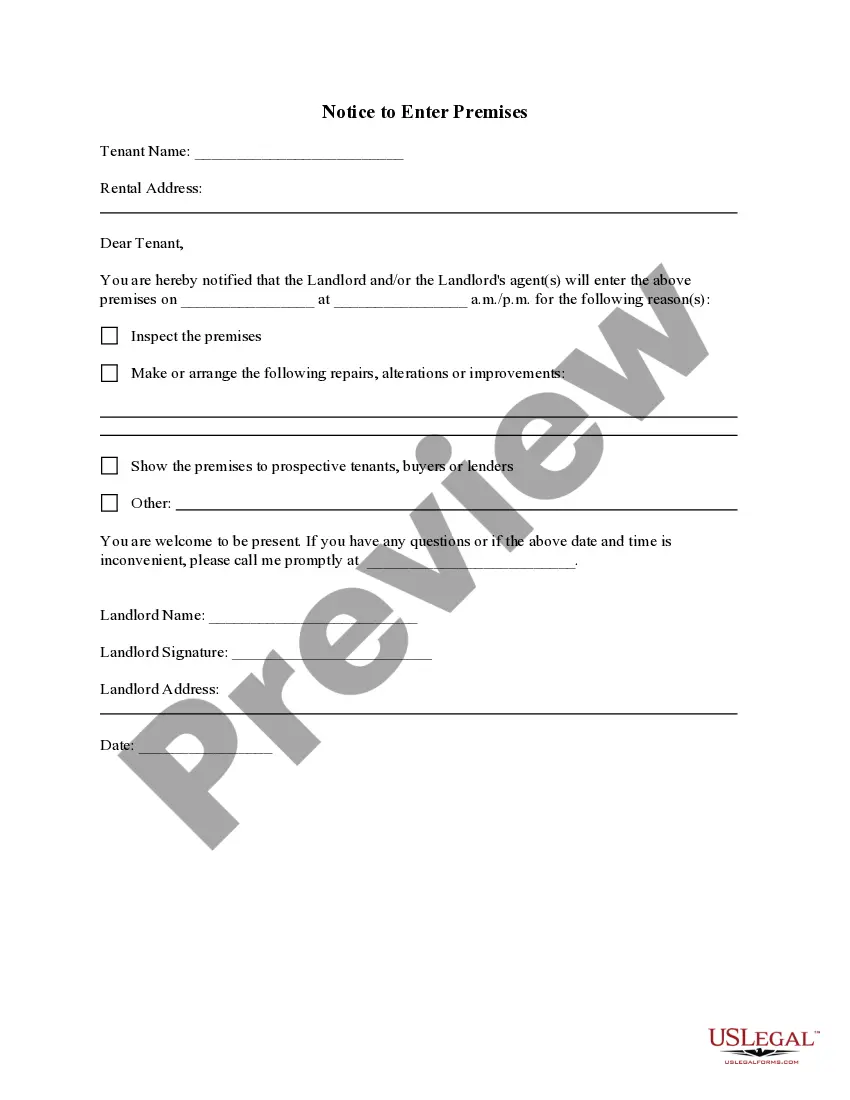
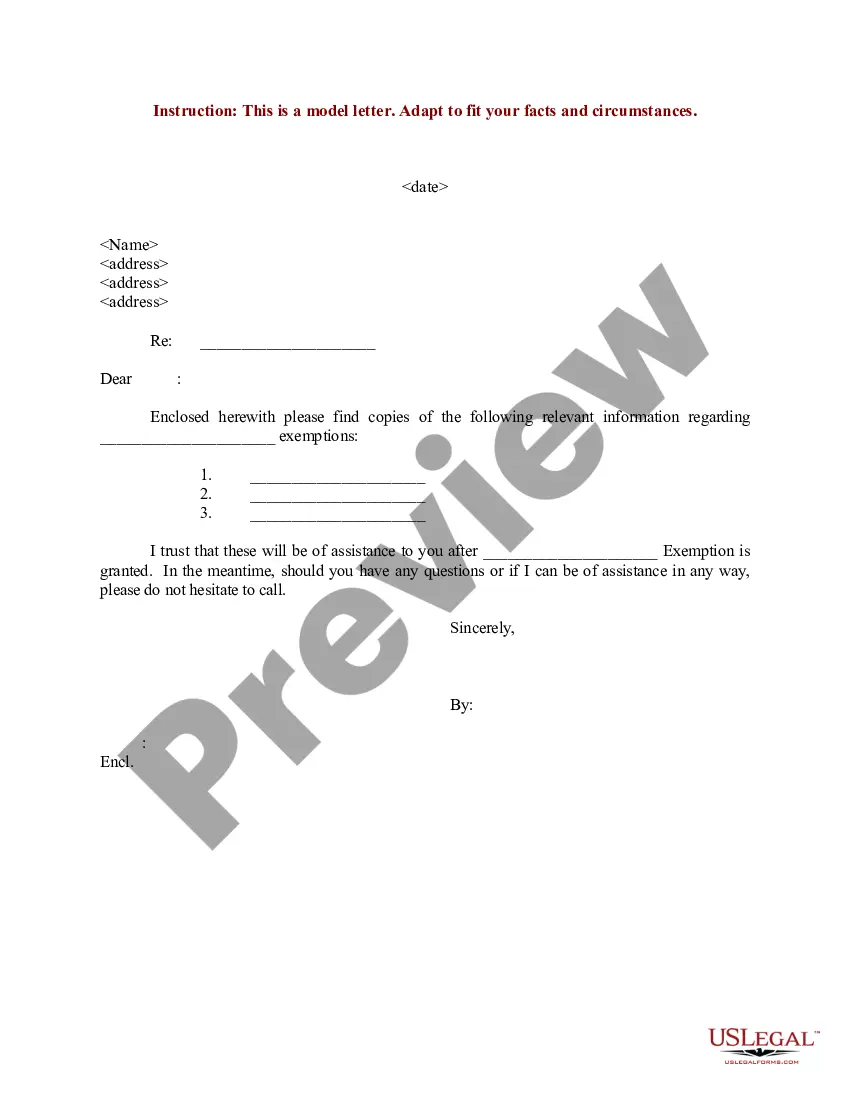
This form is a letter from a landlord to a tenant, formally notifying them of the landlord's intent to enter the leased premises. It serves the purpose of providing the tenant with essential information regarding the specific reasons and time for entry, differentiating it from other types of notices that may not explicitly communicate the intent or timing. This Letter from Landlord to Tenant about time of intent to enter the premises ensures clear communication and protects both parties' rights under the lease agreement.
Form components explained
- Date of the residential lease agreement.
- Tenant's address where the notice is applicable.
- Specific date and time of the intended entry.
- Reasons for entering the premises (repairs, inspections, showings, etc.).
- Contact information for objections or alternative arrangements.
- Signature line for the landlord or authorized agent.
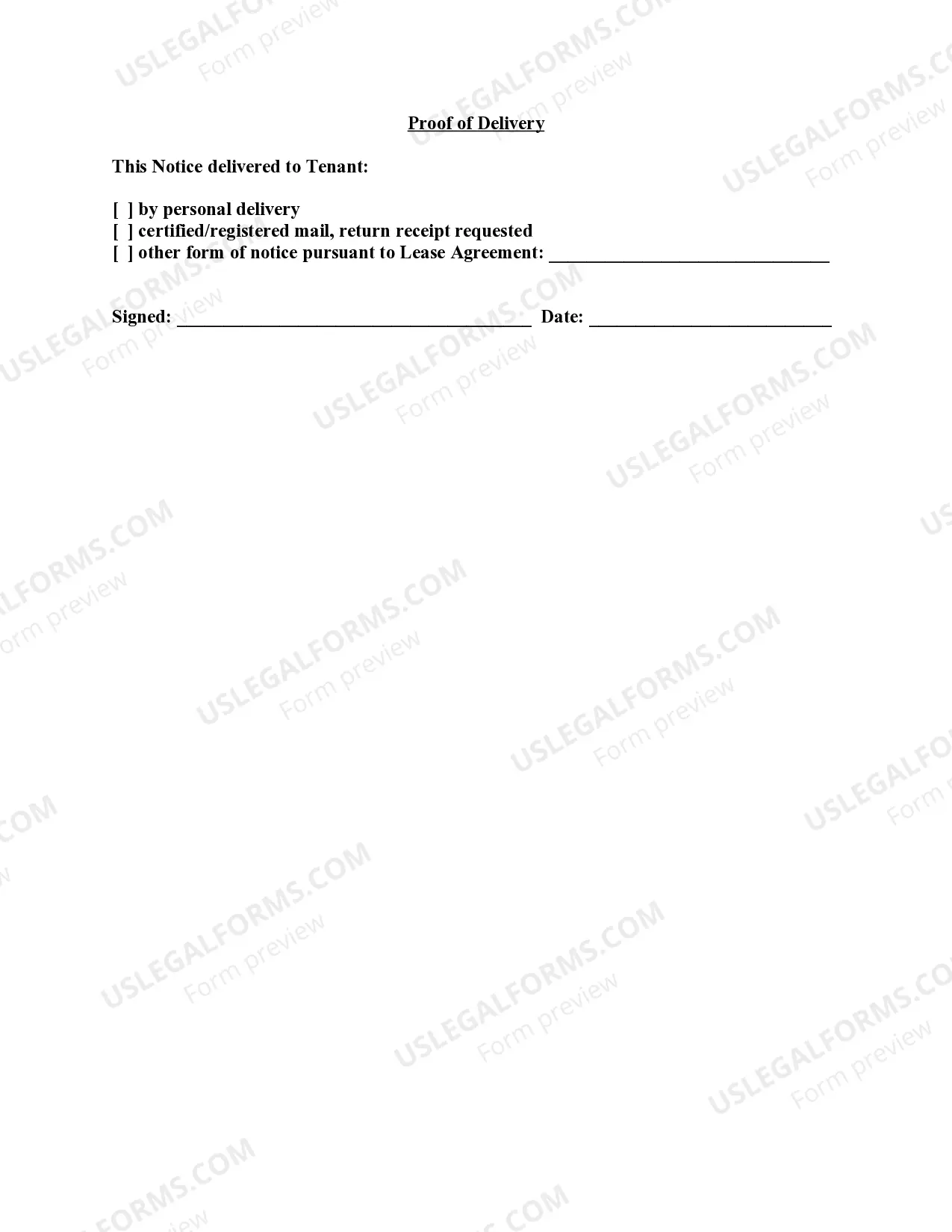
- Proof of delivery options (personal delivery, mail, etc.).
Situations where this form applies
This form should be used when a landlord needs to inform a tenant about entering the rental property for specific reasons. Scenarios include making necessary repairs, providing agreed-upon services, showing the property to potential buyers or tenants, or conducting inspections. Providing proper notice protects both the landlord's interests and the tenant's right to privacy.
Intended users of this form
- Landlords who manage residential rental properties.
- Property managers acting on behalf of landlords.
- Tenants who wish to ensure proper notice is received.
How to complete this form
- Identify and note the date of the residential lease agreement.
- Enter the tenant's full address.
- Specify the date and approximate time of entry.
- Select the reasons for entry by crossing out those that do not apply.
- Provide your contact information for any objections.
- Sign the letter to validate it before delivering it to the tenant.
Does this document require notarization?
This form does not typically require notarization unless specified by local law. It is essential to ensure that the delivery method complies with the lease agreement and any applicable regulations.
Get your form ready online
Our built-in tools help you complete, sign, share, and store your documents in one place.
Make edits, fill in missing information, and update formatting in US Legal Forms—just like you would in MS Word.
Download a copy, print it, send it by email, or mail it via USPS—whatever works best for your next step.
Sign and collect signatures with our SignNow integration. Send to multiple recipients, set reminders, and more. Go Premium to unlock E-Sign.
If this form requires notarization, complete it online through a secure video call—no need to meet a notary in person or wait for an appointment.
We protect your documents and personal data by following strict security and privacy standards.

Make edits, fill in missing information, and update formatting in US Legal Forms—just like you would in MS Word.

Download a copy, print it, send it by email, or mail it via USPS—whatever works best for your next step.

Sign and collect signatures with our SignNow integration. Send to multiple recipients, set reminders, and more. Go Premium to unlock E-Sign.

If this form requires notarization, complete it online through a secure video call—no need to meet a notary in person or wait for an appointment.

We protect your documents and personal data by following strict security and privacy standards.
Typical mistakes to avoid
- Failing to give the required notice period before entering.
- Not specifying the reason for entry clearly.
- Omitting the tenant's address or relevant details.
- Using vague language that could lead to misunderstandings.
Why use this form online
- Convenient access to download and customize the form.
- Editable options to ensure all necessary information is included.
- Reliability of professionally drafted content from licensed attorneys.
- This notice serves to protect both landlord and tenant rights under the lease agreement.
- Clear documentation helps prove compliance in cases of disputes regarding property access.
- Failure to provide proper notice may lead to legal challenges for the landlord.
Main things to remember
- This Letter from Landlord to Tenant ensures compliance with legal entry notice requirements.
- Clearly outlines reasons for entry and scheduled timing to maintain transparency.
- Helps prevent misunderstandings between landlords and tenants.
Looking for another form?









Form popularity
FAQ
When drafting a letter of intent to move, start by clearly stating your intention to vacate the property. Reference your lease agreement and propose a specific moving date in your Delaware Letter from Landlord to Tenant about time of intent to enter premises. Include any necessary details, such as forwarding address and return of the security deposit. This letter should serve as a formal communication that paves the way for a smooth transition.
A Delaware Letter from Landlord to Tenant about time of intent to enter premises can serve as a notice for inspection. Begin the letter by specifying the date and time of the inspection, along with the purpose. Clarify that the tenant's privacy is respected, and emphasize the importance of maintaining property standards. This approach fosters a cooperative relationship between landlords and tenants.
Writing a Delaware Letter from Landlord to Tenant about time of intent to enter premises involves clear communication. Start by addressing the tenant directly, stating the reason for vacating the property. Include a specific date by which the tenant should vacate and any relevant details about the process. It’s important to maintain a respectful tone throughout the letter to encourage compliance.
In Delaware, there is no state limit on how much a landlord can increase rent; however, they must provide proper notice, typically 60 days, for any rent increase. This allows tenants time to adjust their budgets or seek alternative housing if necessary. Understanding these policies is crucial for financial planning. It's often helpful to discuss these matters in a Delaware Letter from Landlord to Tenant about time of intent to enter premises to foster transparency.
A letter of intent to a tenant is a formal communication expressing the landlord's plans regarding the rental property. This could involve intentions to enter the premises, changes in terms, or notices of termination. Such letters must adhere to legal standards to be effective. When crafting a Delaware Letter from Landlord to Tenant about time of intent to enter premises, it's vital to present this information clearly.
Section 5513 of the Delaware landlord-tenant code addresses the responsibilities of landlords in regards to repairs and maintenance. This section mandates that landlords must keep rental properties in habitable condition. Understanding this law ensures both parties are aware of their obligations. Including this information in your Delaware Letter from Landlord to Tenant about time of intent to enter premises can enhance clarity.
In Delaware, a landlord must give tenants written notice of their intent to terminate the lease. Generally, this notice period is 60 days for a month-to-month lease. This timeframe allows tenants to plan their next steps efficiently. A clear communication about this can be articulated well in a Delaware Letter from Landlord to Tenant about time of intent to enter premises.
Section 5514 of the Delaware landlord/tenant code details the notice requirements landlords must follow when entering a tenant's rental unit. Typically, landlords are required to provide reasonable notice before entering, ensuring tenant privacy is respected. This knowledge is vital for maintaining healthy landlord-tenant relationships. You can reference the importance of this in a Delaware Letter from Landlord to Tenant about time of intent to enter premises.
Section 5314 of the Delaware tenant code closely relates to the regulations on security deposits. It establishes the timeframe and conditions under which landlords must return deposits to tenants. By understanding this section, tenants can navigate their rights more effectively. For clarity on landlord communications, including Delaware Letters from Landlord to Tenant about time of intent to enter premises, familiarity with this code is beneficial.
Section 5314 of the Delaware Residential Landlord-Tenant Code outlines the landlord's obligations regarding the return of security deposits. It specifies that landlords must return the deposit along with any appropriate deductions made. This law is crucial for both landlords and tenants, ensuring fair treatment. Knowing these details can aid in creating an effective Delaware Letter from Landlord to Tenant about time of intent to enter premises.