Connecticut Letter from Tenant to Landlord about Inadequacy of heating resources insufficient heat
About this form
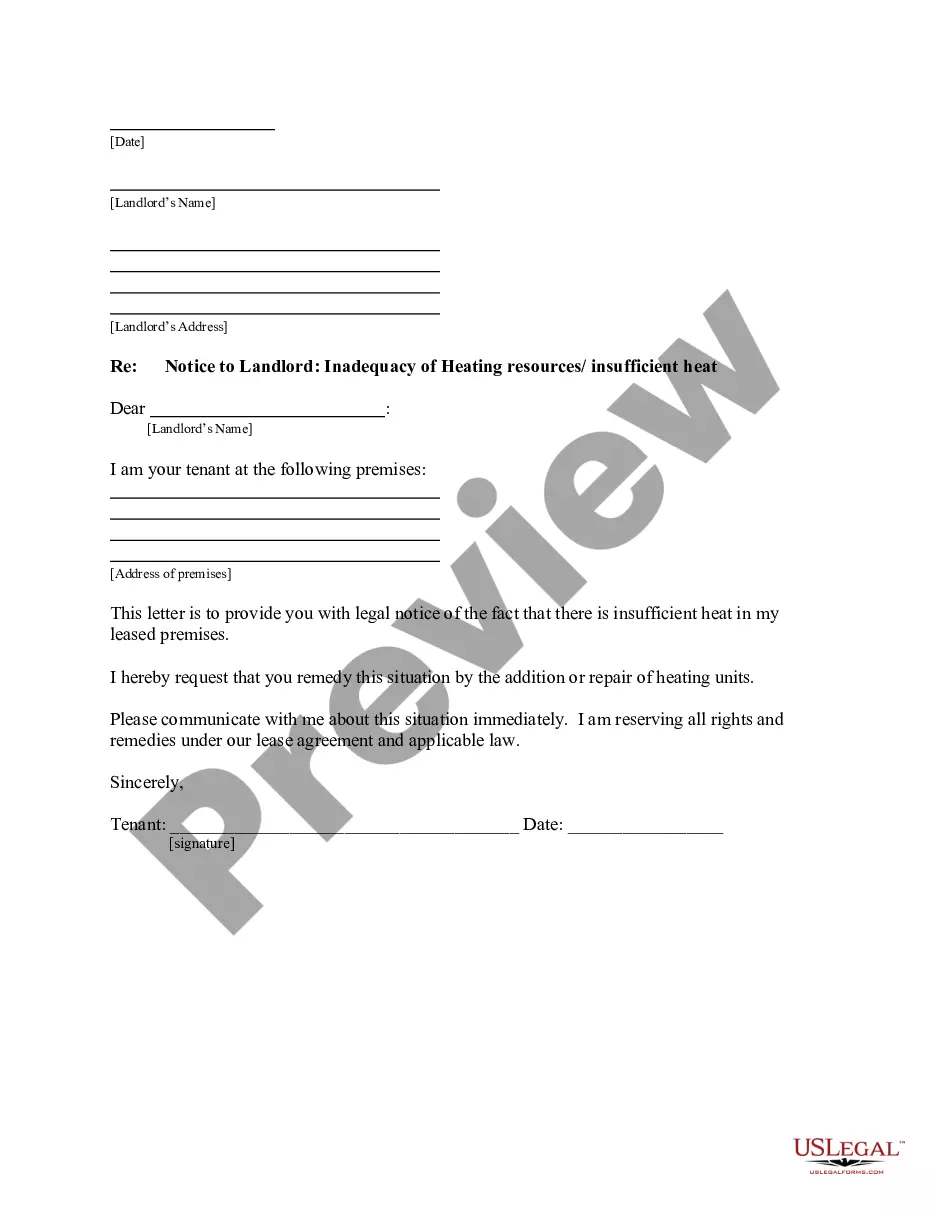
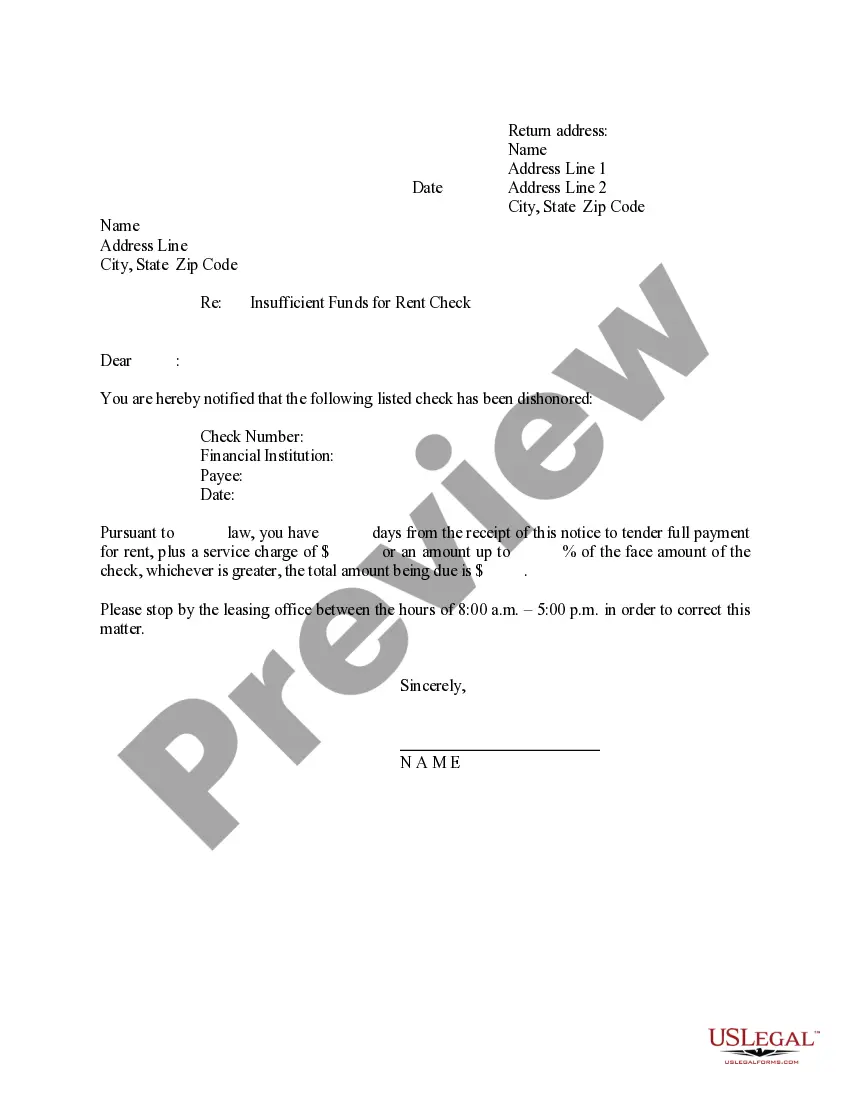
This form is a letter from a tenant to a landlord, notifying them of inadequate heating resources in the rented premises. The tenant requests that the landlord take action to remedy the situation by either adding or repairing heating units. This form serves as a formal communication to ensure that the landlord is aware of the heating issue and requires it to be addressed promptly, distinguishing it from other general maintenance requests.
Form components explained
- Tenant's name and contact information.
- Landlord's name and address.
- Date of the letter.
- Description of the heating issue.
- Request for repair or addition of heating units.
- Statement reserving tenant's rights under the lease agreement.


Common use cases
This form should be used when a tenant experiences inadequate heat in their rental unit. It is particularly relevant during colder months when heating is essential for living conditions. If the landlord has not responded to informal requests or if the problem persists, using this formal letter can escalate the issue and document the tenant's concerns for future reference.
Who this form is for
- Tenants experiencing insufficient heating in their rental property.
- Individuals who have already attempted to communicate the issue informally.
- Residents wishing to document their complaints for potential legal recourse.
Steps to complete this form
- Fill in your name and contact information at the top of the letter.
- Enter the landlord's name and address below your information.
- Write the date on which you are filling out the letter.
- Clearly describe the heating issue you are experiencing.
- Request that the landlord take immediate action to resolve the issue.
- Sign the letter and keep a copy for your records.
Notarization guidance
Notarization is generally not required for this form. However, certain states or situations might demand it. You can complete notarization online through US Legal Forms, powered by Notarize, using a verified video call available anytime.
Get your form ready online
Our built-in tools help you complete, sign, share, and store your documents in one place.
Make edits, fill in missing information, and update formatting in US Legal Forms—just like you would in MS Word.
Download a copy, print it, send it by email, or mail it via USPS—whatever works best for your next step.
Sign and collect signatures with our SignNow integration. Send to multiple recipients, set reminders, and more. Go Premium to unlock E-Sign.
If this form requires notarization, complete it online through a secure video call—no need to meet a notary in person or wait for an appointment.
We protect your documents and personal data by following strict security and privacy standards.

Make edits, fill in missing information, and update formatting in US Legal Forms—just like you would in MS Word.

Download a copy, print it, send it by email, or mail it via USPS—whatever works best for your next step.

Sign and collect signatures with our SignNow integration. Send to multiple recipients, set reminders, and more. Go Premium to unlock E-Sign.

If this form requires notarization, complete it online through a secure video call—no need to meet a notary in person or wait for an appointment.

We protect your documents and personal data by following strict security and privacy standards.
Typical mistakes to avoid
- Failing to include specific details about the heating problem.
- Not providing the date, making it unclear when the issue was reported.
- Neglecting to sign the letter, which can invalidate the notice.
- Using vague language instead of clear requests for action.
Advantages of online completion
- Convenience of downloading and printing the form when needed.
- Editable fields allow for quick customization.
- Access to professionally drafted legal language to ensure clarity.
Legal use & context
- This letter serves as a formal notice that may be required to fulfill lease obligations.
- Documenting the issue can provide a legal basis for further action if the problem persists.
- Using this form can demonstrate a tenant's effort to resolve heating issues amicably before legal escalation.
Looking for another form?
Form popularity
FAQ
In Connecticut, landlords are legally obligated to address issues regarding insufficient heating in a timely manner. Generally, they must respond within a reasonable time frame, often considered to be around 24 hours, especially during cold weather months. If your landlord delays in providing adequate heat, a Connecticut Letter from Tenant to Landlord about Inadequacy of heating resources insufficient heat can help remind them of their responsibilities and prompt them to take action. Documenting your requests promotes accountability.
Connecticut state law mandates that tenants should have access to properly heated living spaces. Specifically, the legal temperature requirements dictate that apartments must be heated to at least 65 degrees Fahrenheit during the day, and at least 62 degrees at night, as specified from September 1 through June 15. If you feel your apartment fails to meet these standards, preparing a Connecticut Letter from Tenant to Landlord about Inadequacy of heating resources insufficient heat can be an effective way to communicate your concerns directly with your landlord. Clear writing can play a crucial role in resolving these issues.
When writing a letter of complaint to your landlord, it is essential to be clear and concise while firmly stating your concerns. Start by addressing the specific issues you are facing, such as insufficient heating, and include details like dates and temperature readings. Be sure to request a solution and mention the possibility of sending a Connecticut Letter from Tenant to Landlord about Inadequacy of heating resources insufficient heat to escalate the matter if necessary. Clear documentation encourages landlords to act promptly.
In Connecticut, landlords must adhere to specific heating statutes that ensure tenants have access to adequate heat. The law generally requires that rental units maintain a minimum temperature of 65 degrees Fahrenheit during the day and 62 degrees at night from September 1 to June 15. If you're experiencing insufficient heat, it's important to document the situation and consider drafting a Connecticut Letter from Tenant to Landlord about Inadequacy of heating resources insufficient heat. This letter can serve as a formal notice to your landlord regarding the heating issues.
Connecticut experiences some frigid temperatures, particularly in winter. The coldest recorded temperatures can drop to single digits, often around minus-10 degrees Fahrenheit. During such extreme weather, having a reliable heating source is crucial for residents. If your heating system fails to keep your home warm during these cold spells, you can utilize a Connecticut Letter from Tenant to Landlord about Inadequacy of heating resources insufficient heat. This will formally address concerns and push for immediate corrective measures.
The minimum temperature for a house to maintain adequate heating should ideally be set around 65 degrees Fahrenheit. This threshold helps ensure a comfortable living environment, especially during cold months. If your home does not reach this temperature, consider using a Connecticut Letter from Tenant to Landlord about Inadequacy of heating resources insufficient heat. This communication can highlight the issue and encourage your landlord to take prompt action.
Landlords in Connecticut must provide a minimum heat level of 65 degrees Fahrenheit to ensure tenant safety and comfort. This requirement is in effect during the heating season, which typically runs from October 1 through May 31. If you find your unit falls below this temperature, it may be necessary to draft a Connecticut Letter from Tenant to Landlord about Inadequacy of heating resources insufficient heat. This letter will help communicate the inadequacy and expectation for immediate resolution.
In Connecticut, the minimum heat level required during the heating season is usually set at 65 degrees Fahrenheit. This standard ensures that tenants remain comfortable and safe in their homes. If your residence does not meet this temperature, you may consider sending a Connecticut Letter from Tenant to Landlord about Inadequacy of heating resources insufficient heat. Such a letter formally notifies your landlord of the issue and requests prompt action.
To write a professional letter, maintain a formal tone throughout the correspondence. Start with your name and address, followed by the landlord's details, and clearly state the purpose of your letter. When addressing heating issues, such as in your Connecticut Letter from Tenant to Landlord about Inadequacy of heating resources insufficient heat, be concise, respectful, and specific about your needs.
In general, Connecticut landlords must respond to heating issues promptly, usually within 24 hours of being notified. However, if the repair is not mechanical or easily fixable, a longer time may be acceptable. To stress the seriousness of the matter, consider drafting a Connecticut Letter from Tenant to Landlord about Inadequacy of heating resources insufficient heat to emphasize your need for urgent attention.