Connecticut Bill of Sale for Conveyance of Horse - Horse Equine Forms
Overview of this form
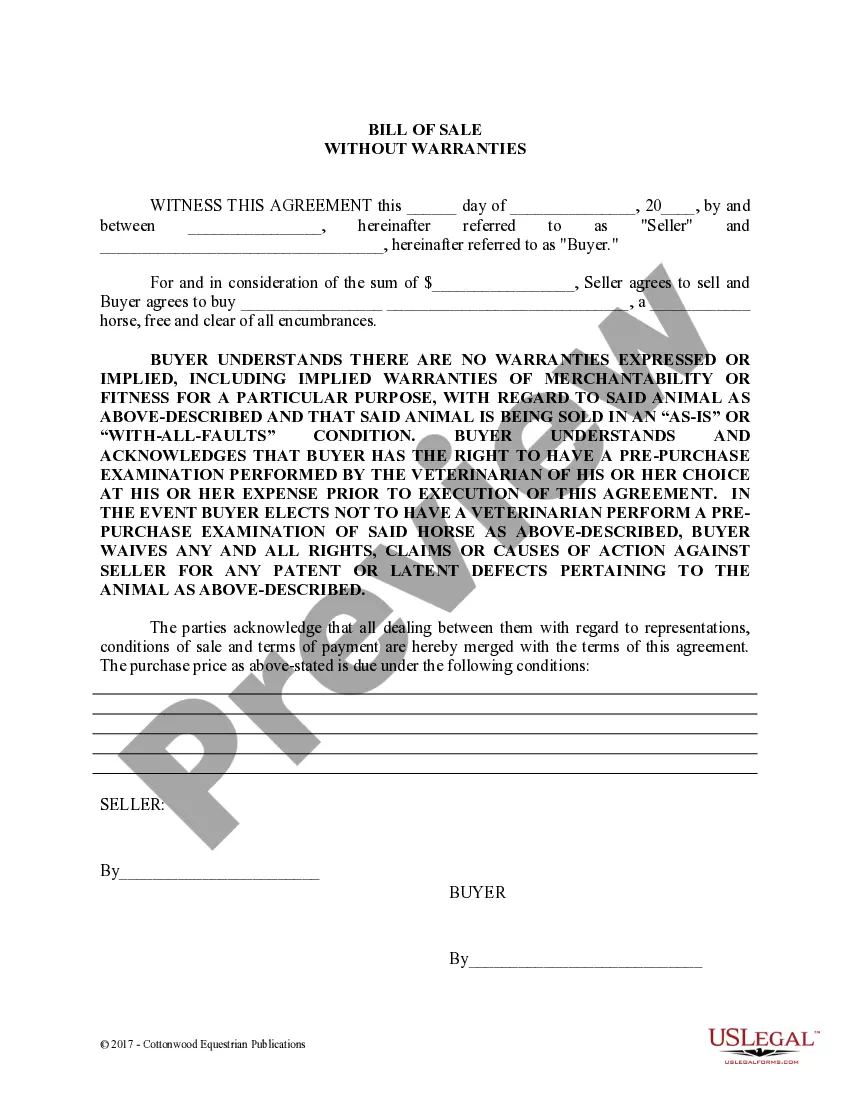
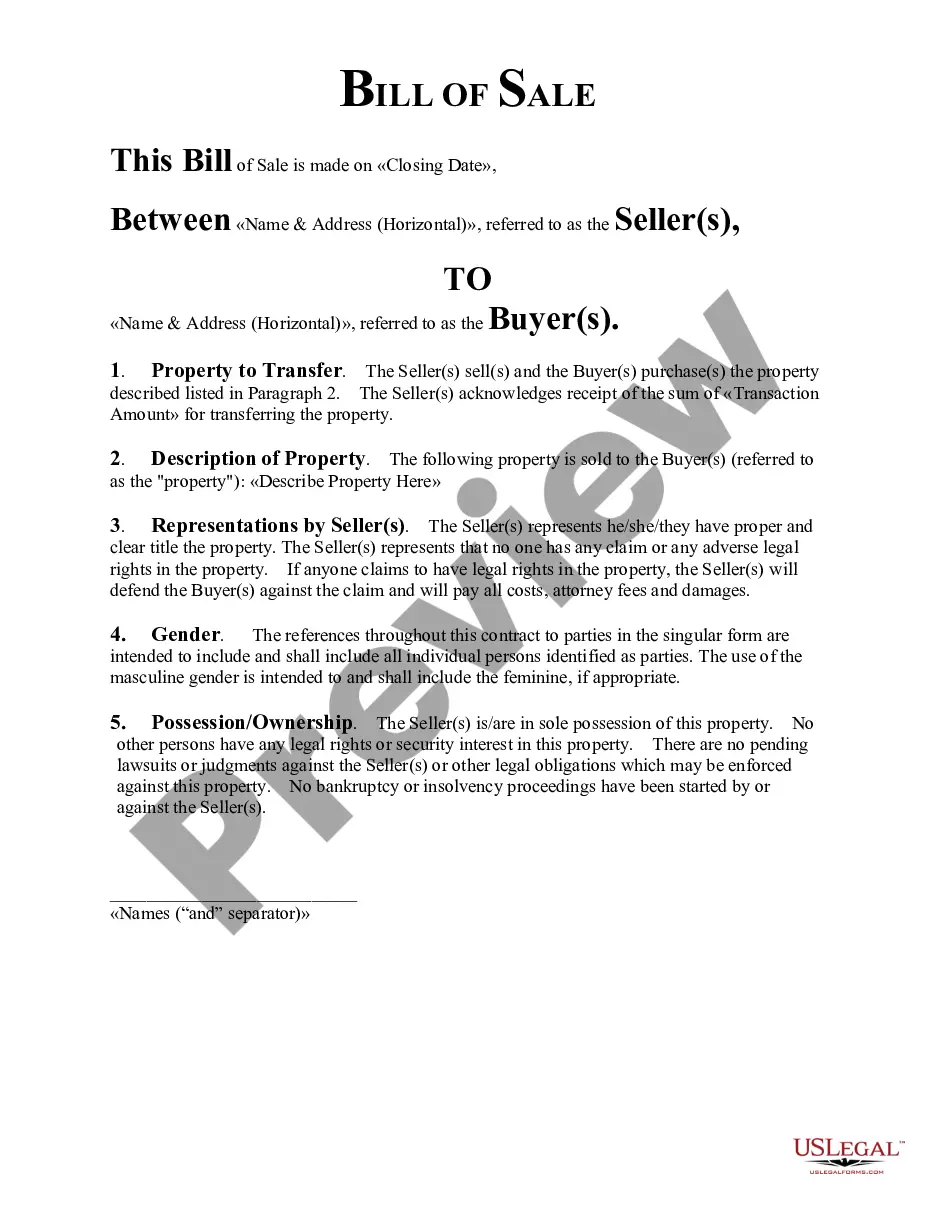
The Bill of Sale for Conveyance of Horse is a legal document used when a horse is sold without any warranties, meaning the seller does not guarantee the condition of the horse. This form is essential for both the buyer and the seller, providing a clear record of the transaction and the terms under which the horse is sold. Unlike other sales agreements that may include warranties, this bill of sale clearly states that the horse is sold "as is," which means the buyer assumes all risks associated with the purchase.
Key parts of this document
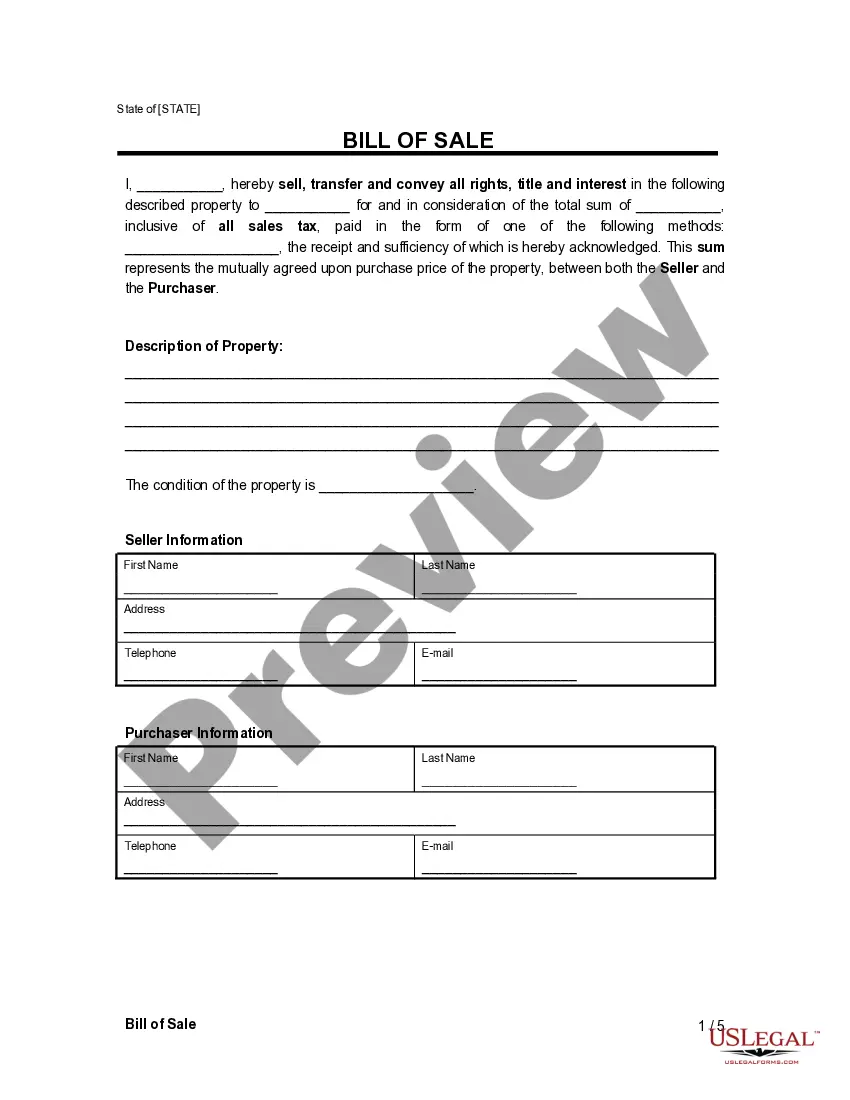
- Identification of the seller and buyer, including names and addresses.
- Description of the horse being sold, including breed and unique identifiers.
- Purchase price of the horse and payment terms.
- Clear statement regarding the absence of warranties and buyer's acknowledgment of this fact.
- Options for a pre-purchase veterinary examination.
- Space for signatures of both parties to validate the agreement.
When to use this document
This bill of sale should be used when selling or purchasing a horse without any warranties. It is particularly useful when the buyer wants to ensure they are aware of all risks involved, especially in cases where the horse may have undisclosed defects. This form is appropriate in private sales, auctions, or any transaction where the horse is sold directly between parties.
Who needs this form
- Horse sellers looking to provide a legally binding document for the sale.
- Buyers who want to understand the terms of their purchase and acknowledge the "as is" condition.
- Individuals engaged in the buying or selling of horses, including private individuals, breeders, and equestrian establishments.
Completing this form step by step
- Identify and enter the names and addresses of the seller and buyer at the beginning of the document.
- Provide a detailed description of the horse, including breed and age.
- Enter the agreed purchase price for the horse.
- Review and sign the acknowledgment of the absence of warranties.
- Both parties should sign and date the document to confirm the sale.
Does this form need to be notarized?
Notarization is generally not required for this form. However, certain states or situations might demand it. You can complete notarization online through US Legal Forms, powered by Notarize, using a verified video call available anytime.
Get your form ready online
Our built-in tools help you complete, sign, share, and store your documents in one place.
Make edits, fill in missing information, and update formatting in US Legal Forms—just like you would in MS Word.
Download a copy, print it, send it by email, or mail it via USPS—whatever works best for your next step.
Sign and collect signatures with our SignNow integration. Send to multiple recipients, set reminders, and more. Go Premium to unlock E-Sign.
If this form requires notarization, complete it online through a secure video call—no need to meet a notary in person or wait for an appointment.
We protect your documents and personal data by following strict security and privacy standards.

Make edits, fill in missing information, and update formatting in US Legal Forms—just like you would in MS Word.

Download a copy, print it, send it by email, or mail it via USPS—whatever works best for your next step.

Sign and collect signatures with our SignNow integration. Send to multiple recipients, set reminders, and more. Go Premium to unlock E-Sign.

If this form requires notarization, complete it online through a secure video call—no need to meet a notary in person or wait for an appointment.

We protect your documents and personal data by following strict security and privacy standards.
Common mistakes to avoid
- Not providing a complete description of the horse.
- Failing to acknowledge the "as is" condition of the sale in writing.
- Omitting signatures from one or both parties.
- Not keeping a copy of the signed bill of sale for personal records.
Why use this form online
- Quick and easy access to the form without the need for legal consultation.
- Editable to ensure your specific details are accurately captured.
- Reliable documentation that helps protect both buyer and seller in the transaction.
Quick recap
- The Bill of Sale for Conveyance of Horse facilitates the transfer of ownership without warranties.
- Buyers should be aware that the horse is sold "as is."
- Ensure both parties sign the document for it to be legally binding.
Looking for another form?

Form popularity
FAQ
A bill of sale is indeed a legally binding document, such as the Connecticut Bill of Sale for Conveyance of Horse - Horse Equine Forms. It serves as proof of the transfer of ownership from the seller to the buyer. To ensure its enforceability, both parties should complete and sign the document accurately.
Yes, a bill of sale remains valid even without a notary, including the Connecticut Bill of Sale for Conveyance of Horse - Horse Equine Forms. The key is that both parties must agree upon the transaction details and sign the document. However, without notarization, it may be harder to prove the authenticity of the document in court.
While a horse bill of sale does not legally require notarization, having it notarized can provide added protection. The notarization process confirms the identities of both parties, making the Connecticut Bill of Sale for Conveyance of Horse - Horse Equine Forms more reliable in legal situations. It’s a wise choice if you want to safeguard your interests.
Yes, a notarized bill of sale can hold up in court, including the Connecticut Bill of Sale for Conveyance of Horse - Horse Equine Forms. Notarization adds an extra layer of authenticity, confirming that both parties agreed to the terms stated. Should any disputes arise, a notarized document provides clear evidence of the transaction.
In most cases, a bill of sale does not need to be notarized in Connecticut. However, having it notarized can add an extra layer of authenticity and can be beneficial if you are planning to register the horse afterward. For your peace of mind, consider using the Connecticut Bill of Sale for Conveyance of Horse - Horse Equine Forms, which will guide you on whether notarization is appropriate for your circumstance.
Yes, handwriting a bill of sale is permissible in Connecticut. You should include all pertinent information about the horse and the sale process to ensure it's legally binding. To streamline this process, consider utilizing a Connecticut Bill of Sale for Conveyance of Horse - Horse Equine Forms, which simplifies the creation of a detailed and accurate document.
Absolutely, a handwritten bill of sale can be used in Connecticut as a valid document for the transfer of ownership of a horse. Just make sure that it is properly completed and includes key elements. If you're looking for clarity and security, consider using a Connecticut Bill of Sale for Conveyance of Horse - Horse Equine Forms to make sure your transaction follows all legal requirements.
Yes, you can write a bill of sale out by hand in Connecticut. It's important to ensure that the document contains all the required details clearly. While a hand-written bill of sale can be legally recognized, opting for a Connecticut Bill of Sale for Conveyance of Horse - Horse Equine Forms ensures you have a comprehensive and compliant document that can prevent disputes later.
Creating a Connecticut Bill of Sale for Conveyance of Horse - Horse Equine Forms is straightforward. Start by gathering all relevant information, including the horse's details and both parties' information. Use a template, or an online form provides a structured approach, ensuring no essential parts are overlooked. Including stipulations about payment and responsibilities will clarify expectations and protect both parties.
To create a bill of sale for any animal, including horses, start by identifying the animal clearly with its name, breed, and physical description. Use a Connecticut Bill of Sale for Conveyance of Horse - Horse Equine Forms for horse transactions to ensure compliance with local laws. Include the sale terms, especially regarding health or warranties. Signatures from both the buyer and seller finalize the agreement.