Colorado Revocation of Anatomical Gift Donation
Overview of this form
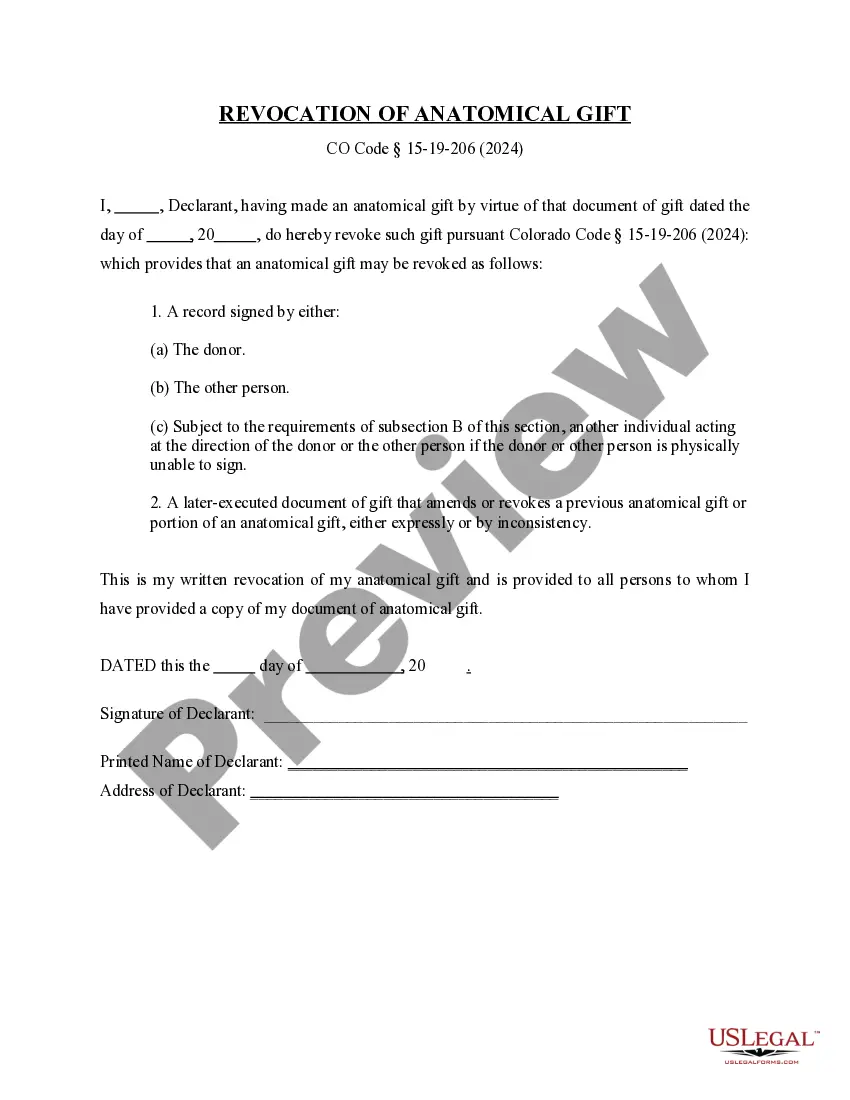
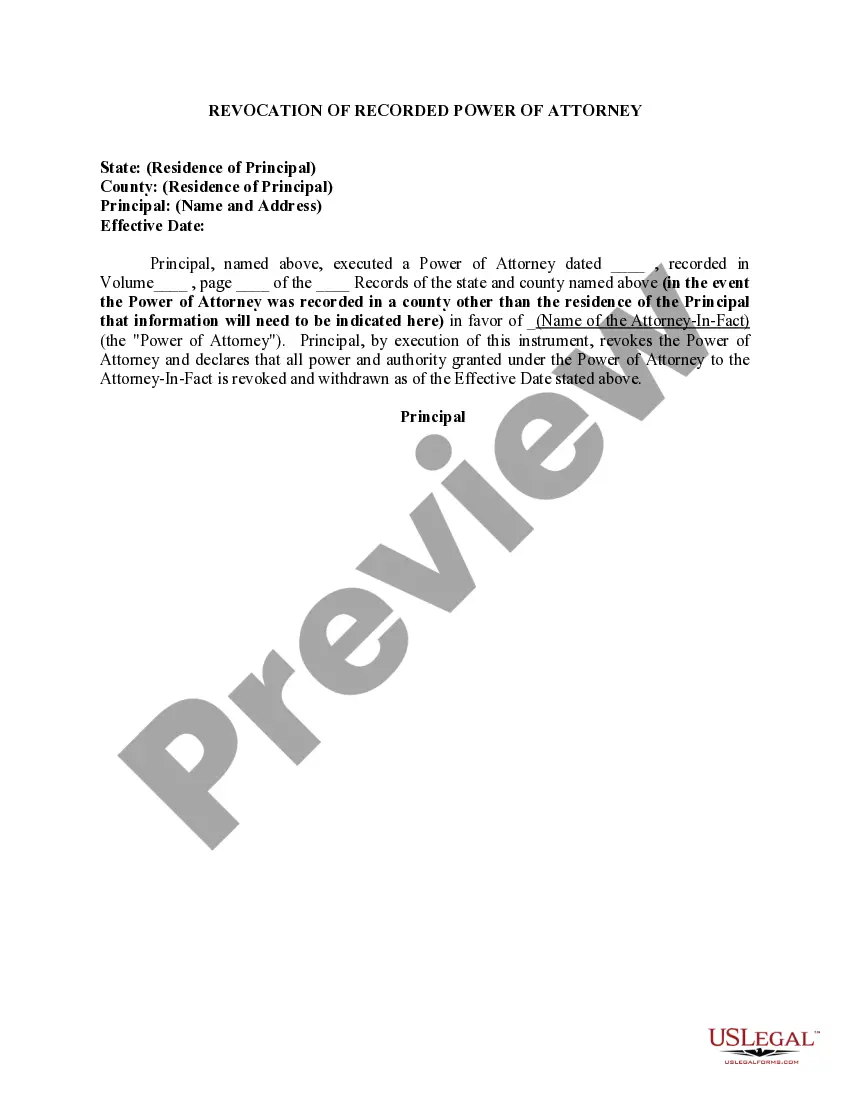
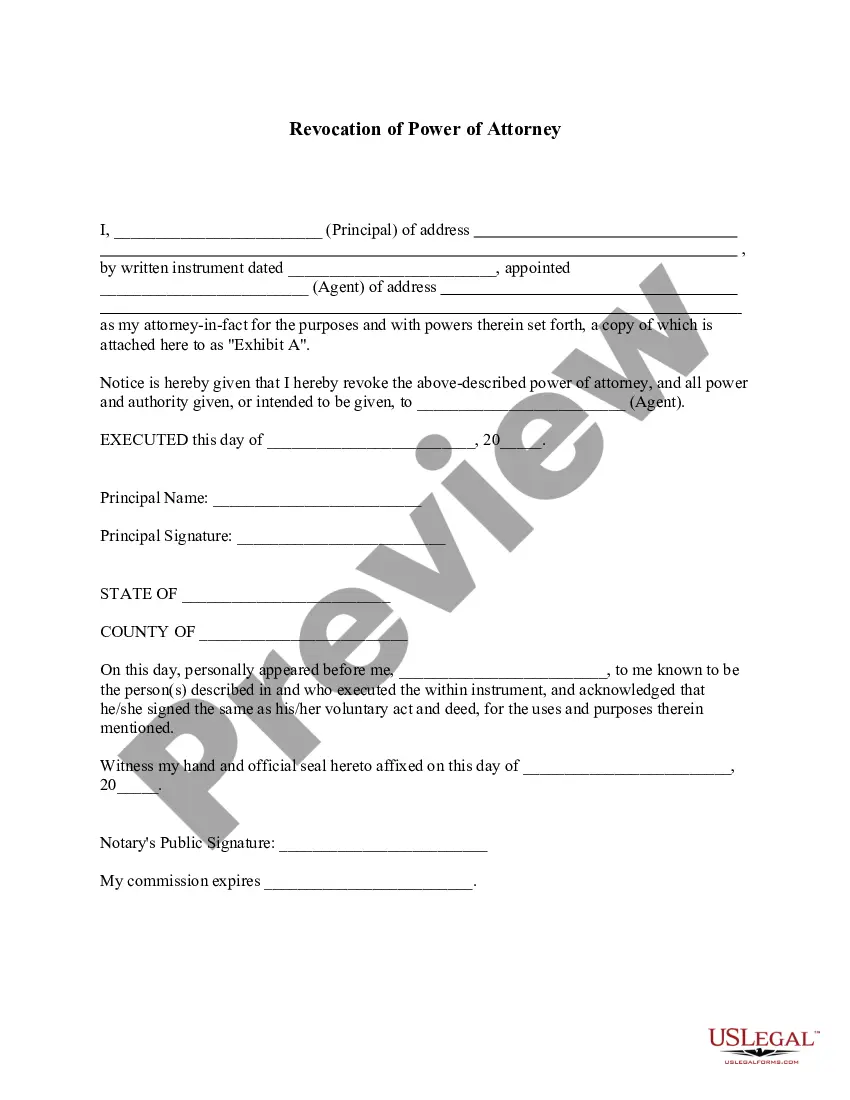
The Revocation of Anatomical Gift Donation form allows an individual to officially revoke a previously made decision regarding the donation of their body parts and organs upon death. This form serves as an amendment to an earlier executed anatomical gift donation and clarifies the donor's current wishes. Use this form to ensure that your healthcare decision is accurately documented and respected by medical professionals and authorities.
Main sections of this form
- A section for the donor's signature or, if the donor is unable, the signature of another individual acting on their behalf.
- A statement indicating the revocation of a previous anatomical gift designation.
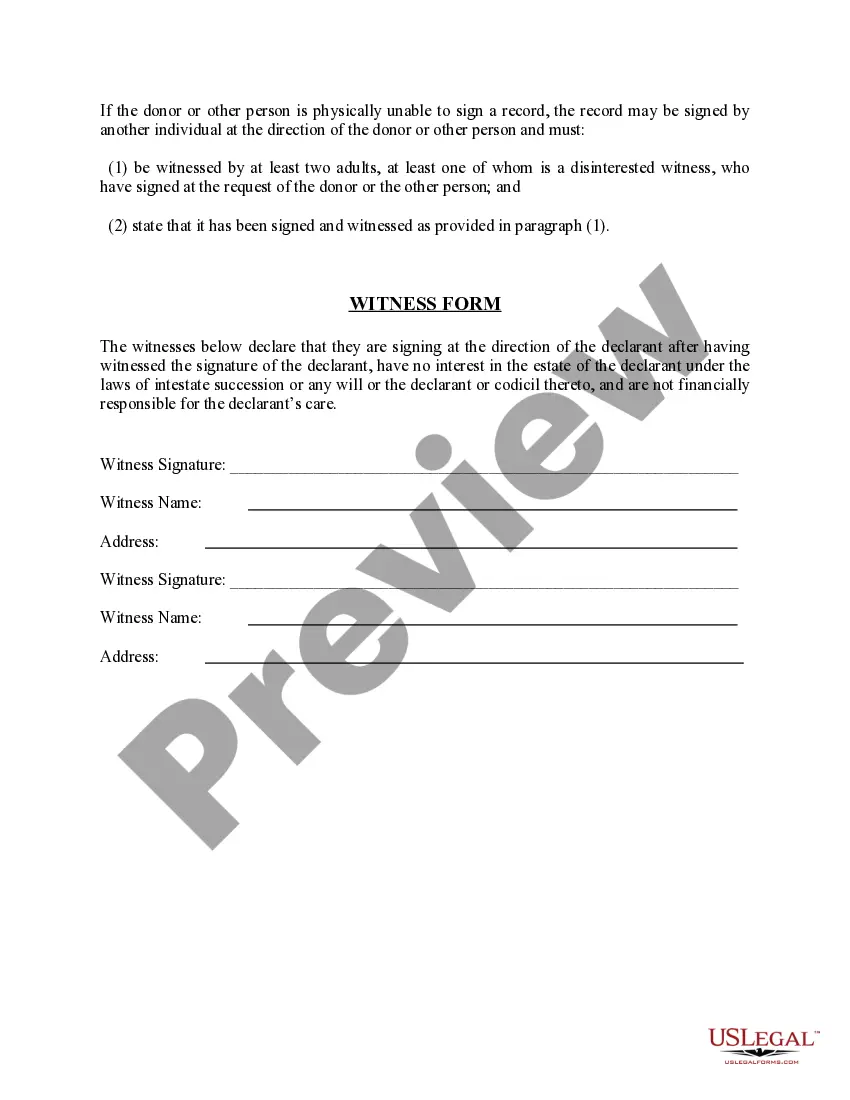
- Witness signatures from at least two adults, including one disinterested witness, to validate the revocation.
- Clear identification of the prior anatomical gift donation being revoked.
When this form is needed
Use the Revocation of Anatomical Gift Donation when you no longer wish to have organs or body parts donated following your death. This might arise if your personal beliefs change, if your health status changes, or if you wish to designate an alternative course of action regarding your remains. Additionally, this form is necessary if you want to ensure that any prior decisions you made regarding anatomical donations are superseded.
Who this form is for
The following individuals should consider using this form:
- Anyone who has previously executed an anatomical gift donation and wishes to revoke it.
- Individuals whose personal beliefs about organ donation have changed.
- People who are redesignating their wishes regarding organ donation for any reason.
How to complete this form
- Identify yourself as the donor or the acting representative if applicable.
- Clearly state your intention to revoke your previous anatomical gift donation.
- Sign the form in the presence of at least two witnesses, one of whom must be disinterested.
- Ensure all witnesses sign the form as required.
- Retain copies of the completed form for your records and to provide to relevant medical facilities.
Notarization requirements for this form
This form does not typically require notarization unless specified by local law. However, always check your state's requirements to ensure compliance.
Get your form ready online
Our built-in tools help you complete, sign, share, and store your documents in one place.
Make edits, fill in missing information, and update formatting in US Legal Forms—just like you would in MS Word.
Download a copy, print it, send it by email, or mail it via USPS—whatever works best for your next step.
Sign and collect signatures with our SignNow integration. Send to multiple recipients, set reminders, and more. Go Premium to unlock E-Sign.
If this form requires notarization, complete it online through a secure video call—no need to meet a notary in person or wait for an appointment.
We protect your documents and personal data by following strict security and privacy standards.

Make edits, fill in missing information, and update formatting in US Legal Forms—just like you would in MS Word.

Download a copy, print it, send it by email, or mail it via USPS—whatever works best for your next step.

Sign and collect signatures with our SignNow integration. Send to multiple recipients, set reminders, and more. Go Premium to unlock E-Sign.

If this form requires notarization, complete it online through a secure video call—no need to meet a notary in person or wait for an appointment.

We protect your documents and personal data by following strict security and privacy standards.
Typical mistakes to avoid
- Failing to have the required witnesses sign the form.
- Not clearly stating the specific anatomical gifts being revoked.
- Assuming previous anatomical gift donations are automatically revoked without completing this form.
Why complete this form online
- Convenient access to legal forms that can be downloaded and completed at your own pace.
- The ability to ensure that all necessary sections are filled out correctly.
- Increased reliability by using forms drafted by licensed attorneys.
Looking for another form?
Form popularity
FAQ
The document of gift for organ donation serves as a formal expression of an individual's wish to donate their organs and tissues after death. This document can be a legal directive that outlines the specific gifts a person wishes to make. Properly filling out and understanding this document is crucial, especially in scenarios involving the Colorado Revocation of Anatomical Gift Donation. Utilizing resources from uslegalforms can help ensure that your wishes are clearly communicated and legally binding.
The legal aspects of organ donation encompass various regulations, including who has the authority to donate organs, how consent is obtained, and the rights of the donors and families involved. These laws vary by state, and understanding them is essential for seamless organ donation processes. Additionally, the Colorado Revocation of Anatomical Gift Donation may affect these legal provisions. For expert guidance on navigating these intricacies, platforms like uslegalforms can provide valuable resources.
The anatomical gift act is a law that facilitates the donation of organs and tissues for transplant purposes. It defines the legal framework for how organ donations can be made, stating that individuals can express their willingness to donate their body parts after passing. This act aims to promote organ donation and increase the availability of transplants, serving as a crucial component of the Colorado Revocation of Anatomical Gift Donation discussions.
The Uniform Anatomical Gift Act includes provisions that allow individuals to make donations of their organs and tissues after death. It establishes guidelines for how these gifts can be made, accepted, and implemented. Moreover, the act outlines who may make a donation on behalf of a deceased person, ensuring that the wishes of the donor are respected. Understanding these provisions is vital for those exploring the Colorado Revocation of Anatomical Gift Donation process.
DBD, or Donation after Brain Death, occurs when a person has been declared brain dead, but their heart is still beating, allowing organ retrieval. DCD, or Donation after Cardiac Death, takes place when a person's heart stops beating before organ removal can occur. Educating yourself about Colorado Revocation of Anatomical Gift Donation can clarify how these donations fit into your choices.
Legal documents that apply to anatomical gifts include donor cards, wills, and advanced directives. These documents express an individual's wishes regarding organ donation and help guide family members in the event of death. It's wise to be informed about the Colorado Revocation of Anatomical Gift Donation to understand how to revoke or affirm your gift.
The Anatomical Gift Act provides a process for individuals to make decisions about organ and tissue donation, promoting awareness and accessibility. It outlines donor eligibility, consent methods, and the rights of recipients. Being knowledgeable about the Colorado Revocation of Anatomical Gift Donation ensures that your wishes regarding your anatomical gifts are upheld.
To donate your body to science in Colorado, you must first contact a local medical school or organization that accepts such donations. They often provide guidance on necessary paperwork and consent. Familiarizing yourself with the rules surrounding the Colorado Revocation of Anatomical Gift Donation will help ensure your intent is honored.
Organ donation specifically refers to donating organs, such as the heart or kidneys, to those in need. Conversely, the term anatomical gift encompasses a broader range of donations, including tissues and entire bodies for educational or research purposes. Understanding these definitions is crucial when exploring the Colorado Revocation of Anatomical Gift Donation.
An example of the Uniform Anatomical Gift Act is a person signing a donor card indicating their wish to donate organs. This act standardizes the process across states, making it easier for individuals to make anatomical gifts. In Colorado, knowing about the Colorado Revocation of Anatomical Gift Donation can help clarify how to manage your donations.