Colorado Statutory Durable Power of Attorney
About this form
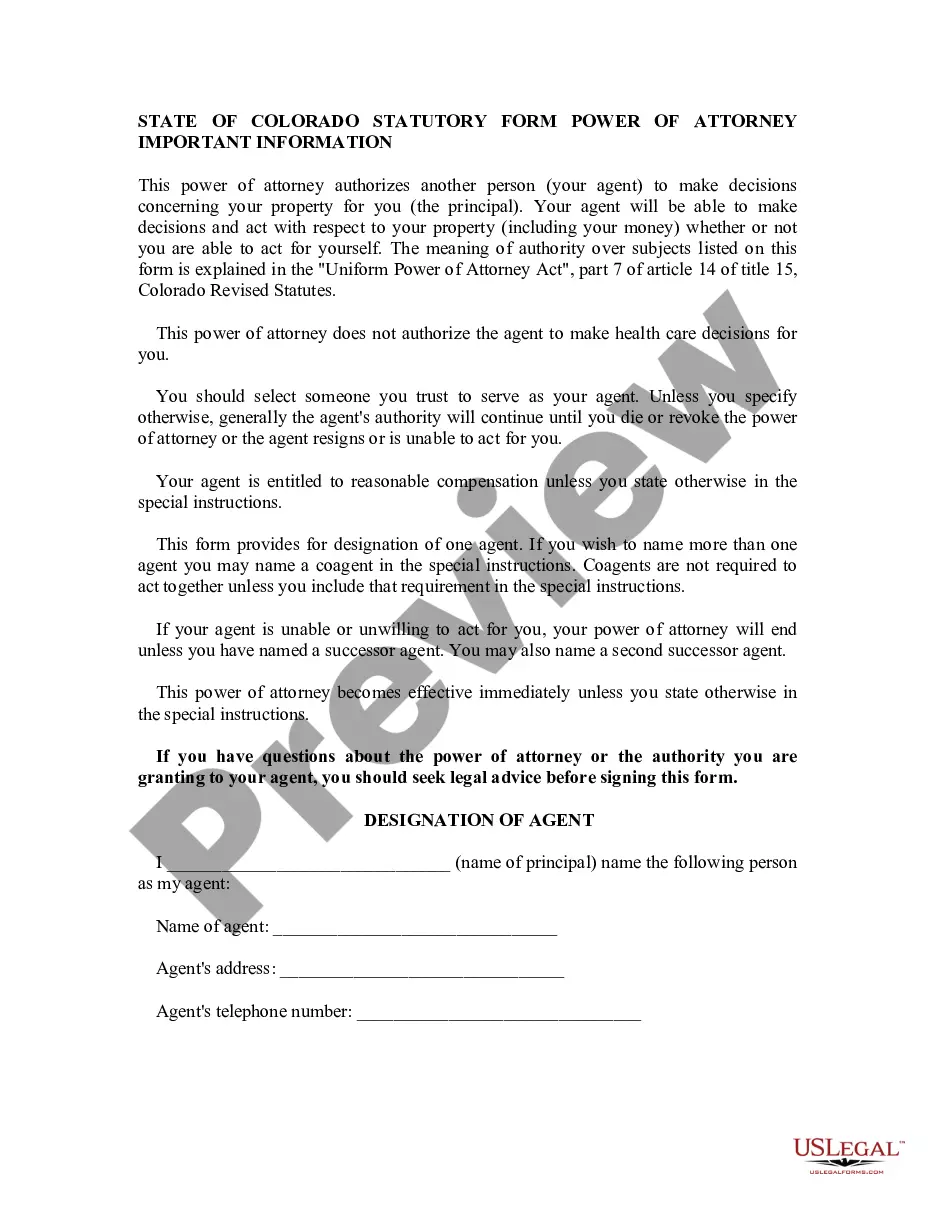
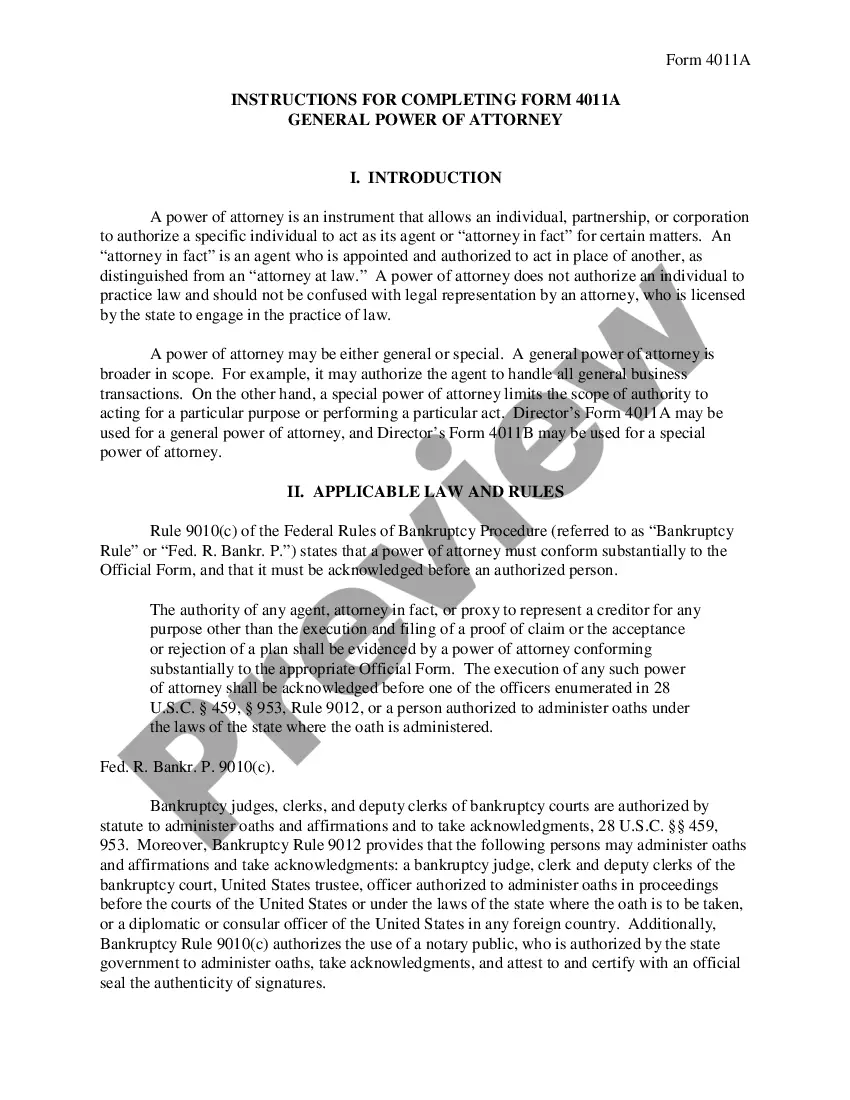
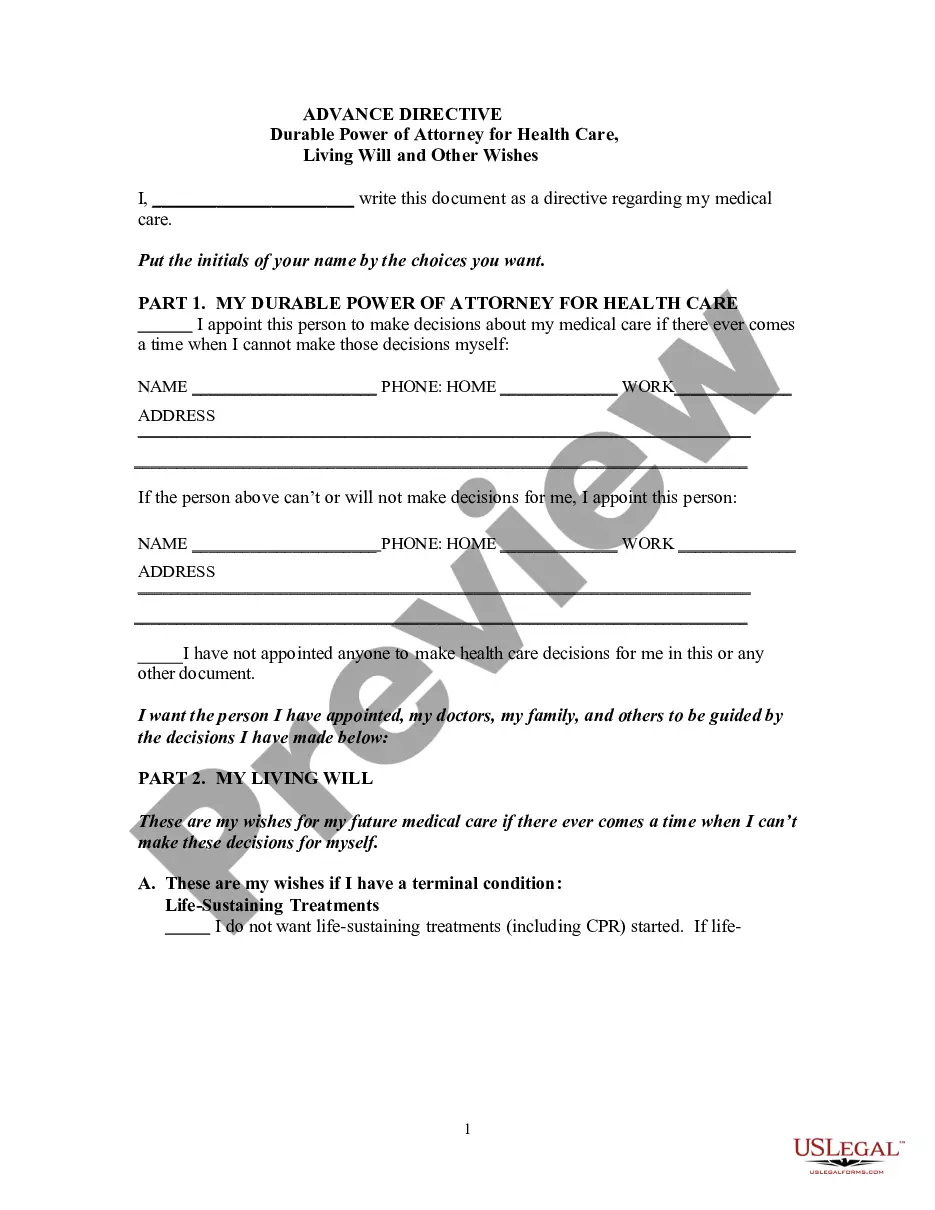
The Statutory Durable Power of Attorney is a legal document that allows you to appoint someone you trust as your agent to manage your financial and property affairs on your behalf. This form grants your agent the authority to act for you even if you become incapacitated. Unlike other powers of attorney, this document is specifically designed to remain effective during periods of disability, empowering your agent to handle various financial matters. It is important to note that this form does not cover health care decisions.
What’s included in this form
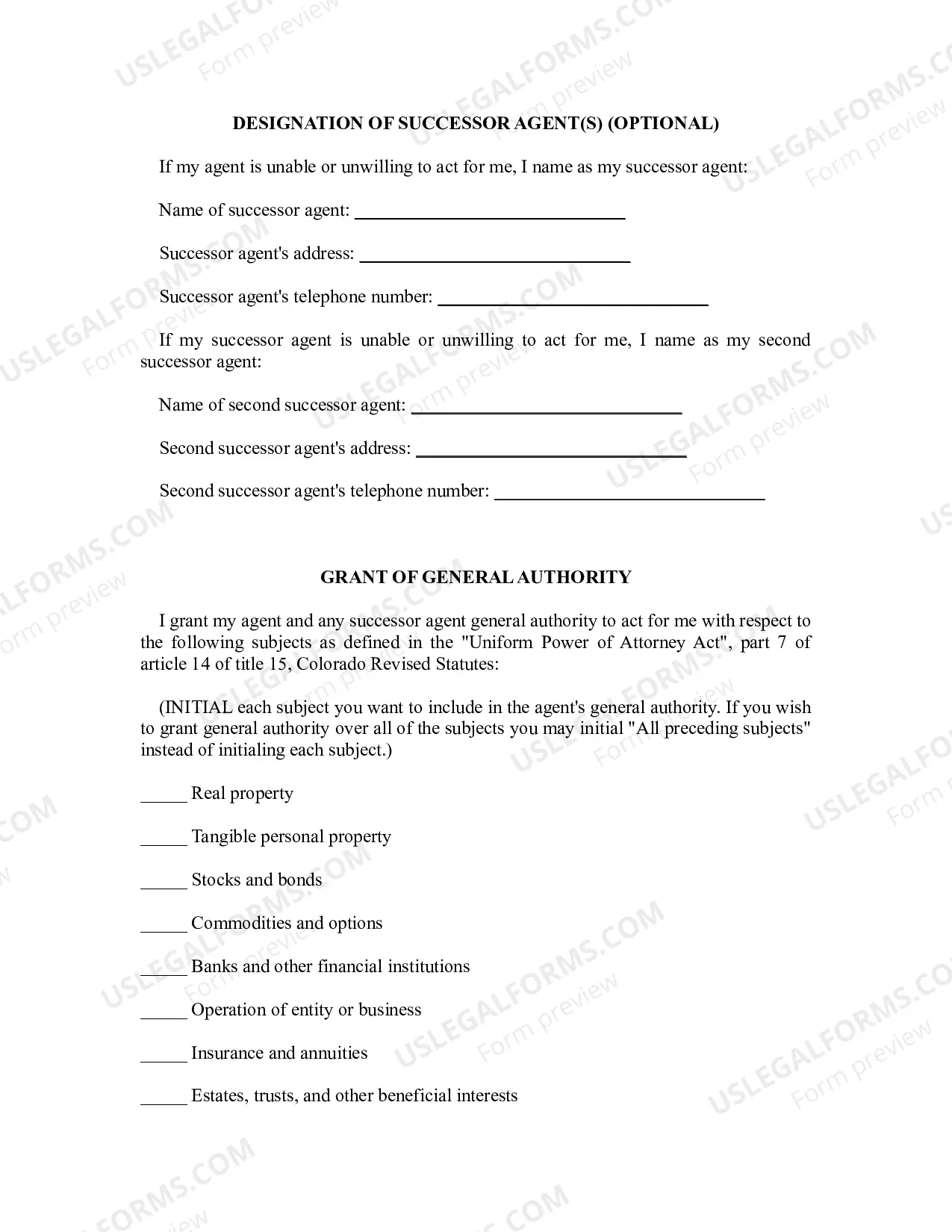
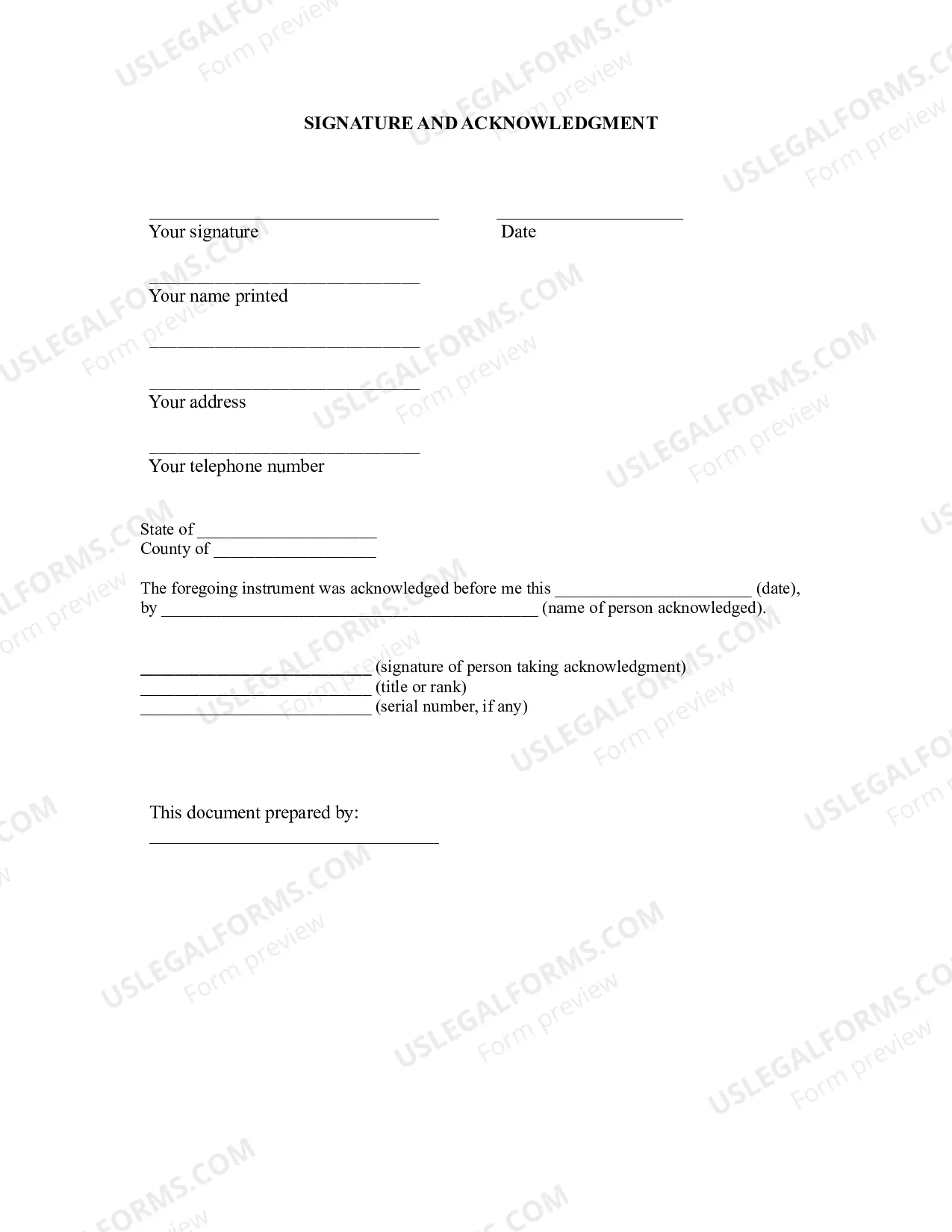
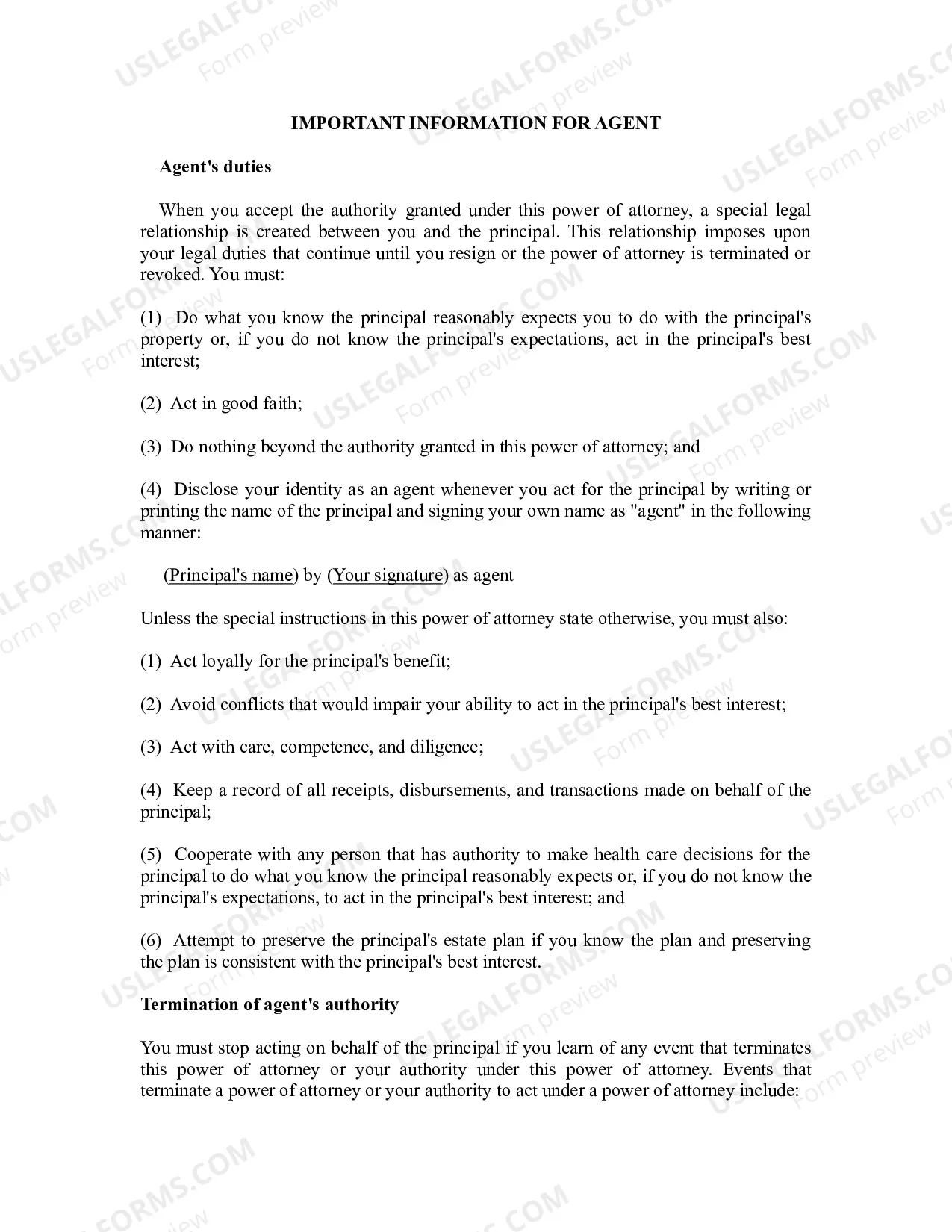
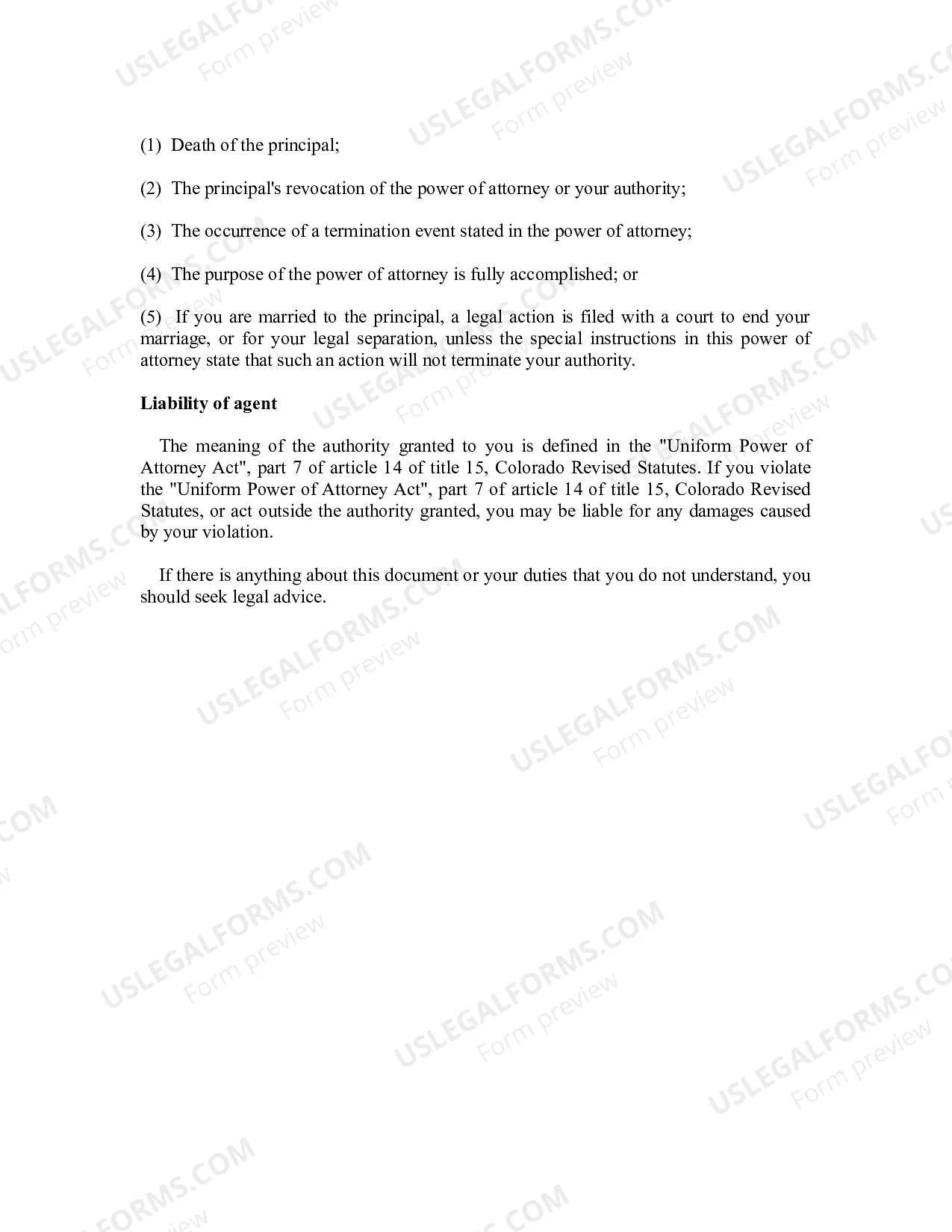
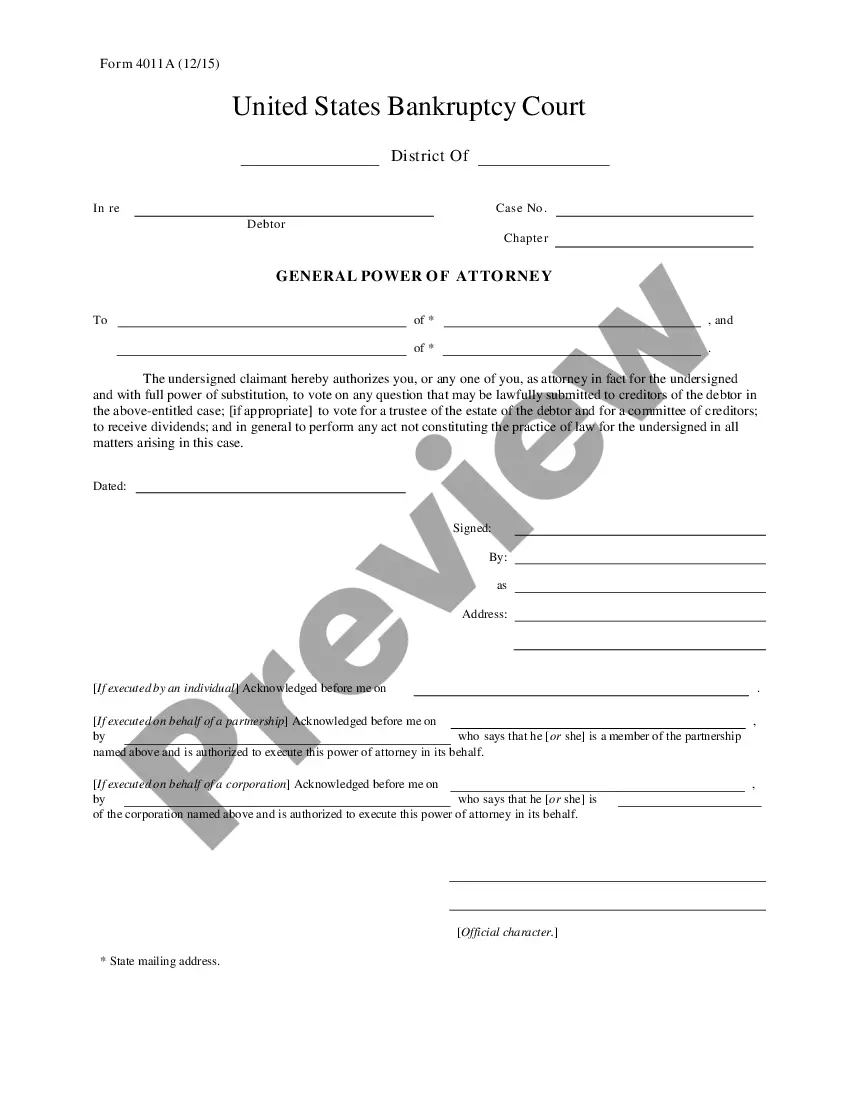
- Designation of agent: Name and contact information of the chosen agent.
- Successor agents: Option to name alternate agents if the primary agent cannot act.
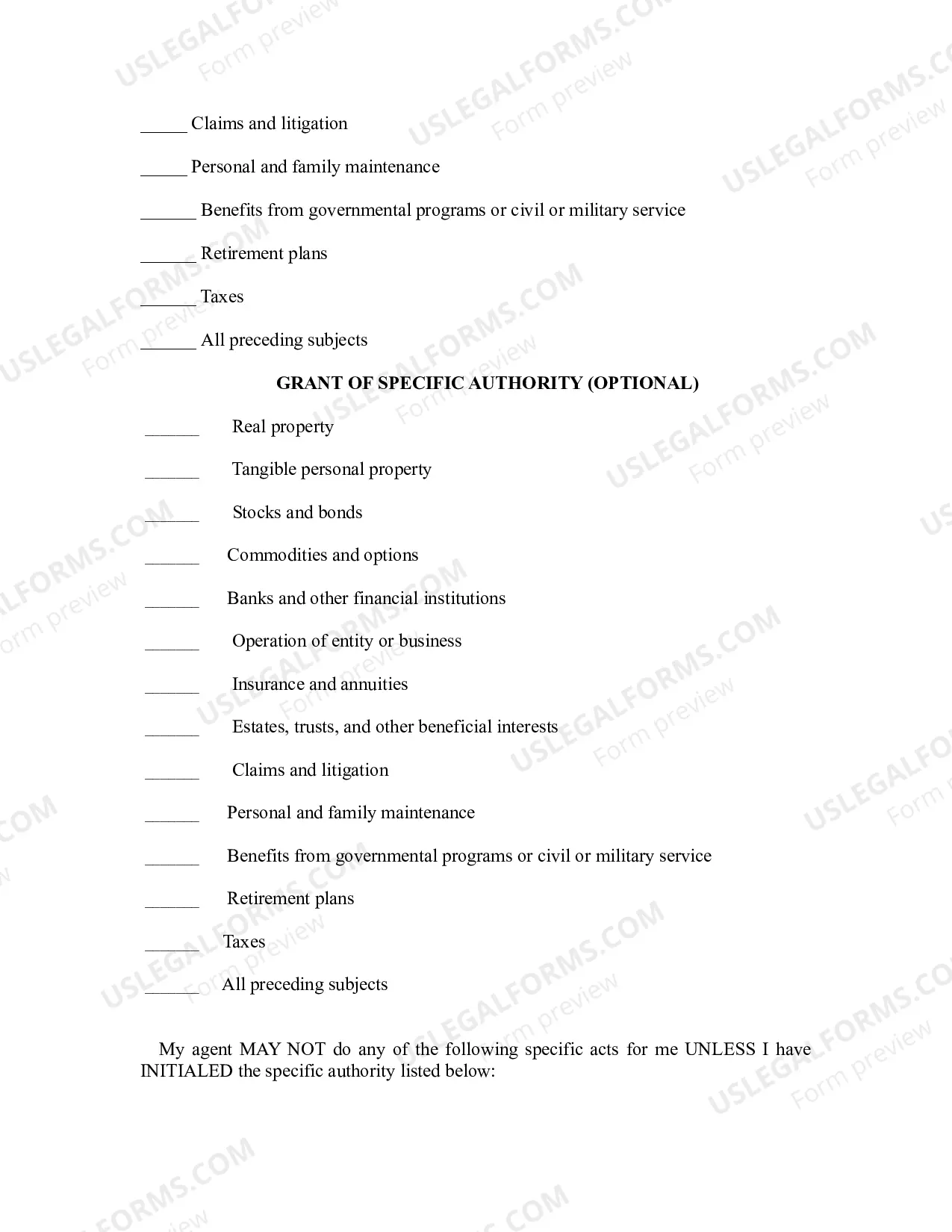
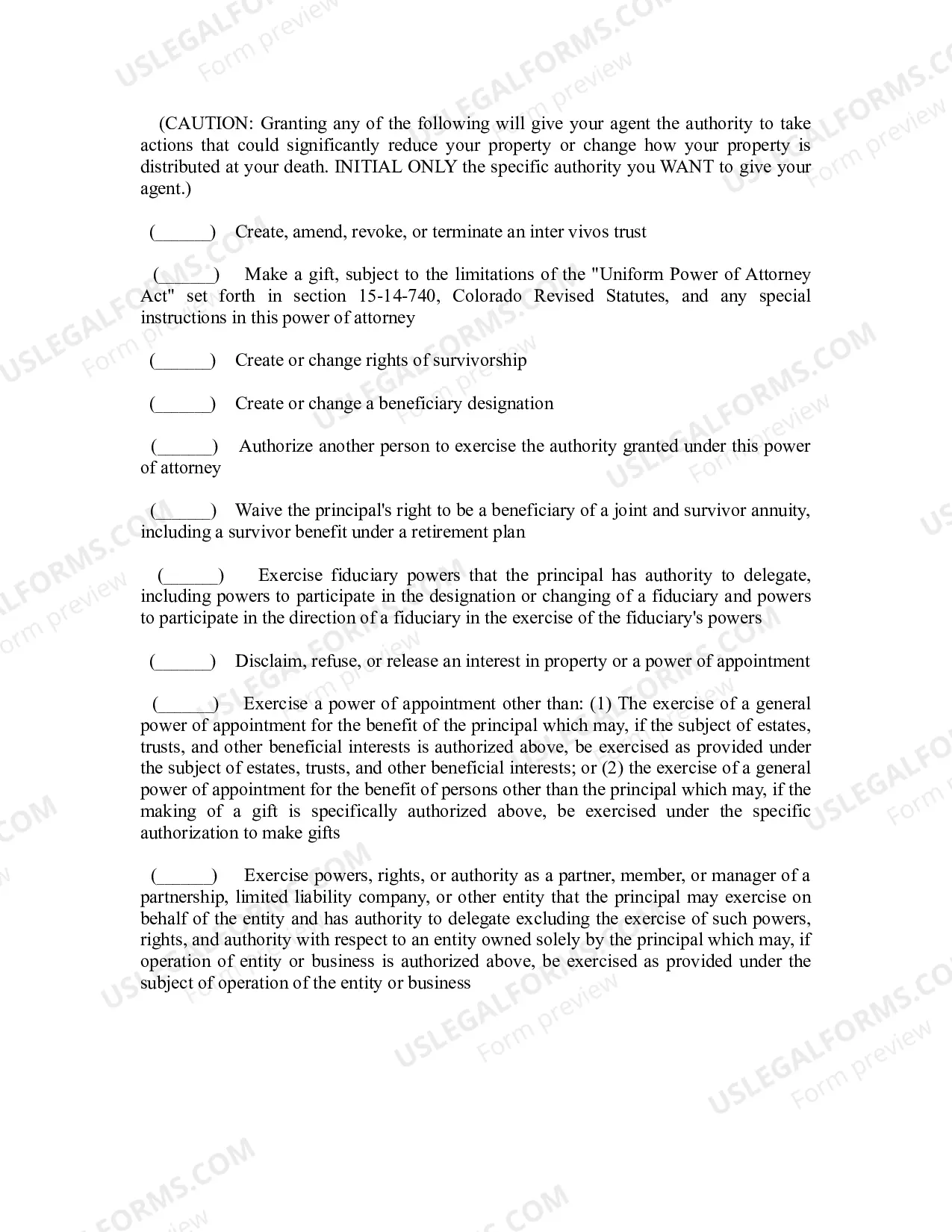
- Grant of authority: Specify general and specific powers the agent is authorized to execute.
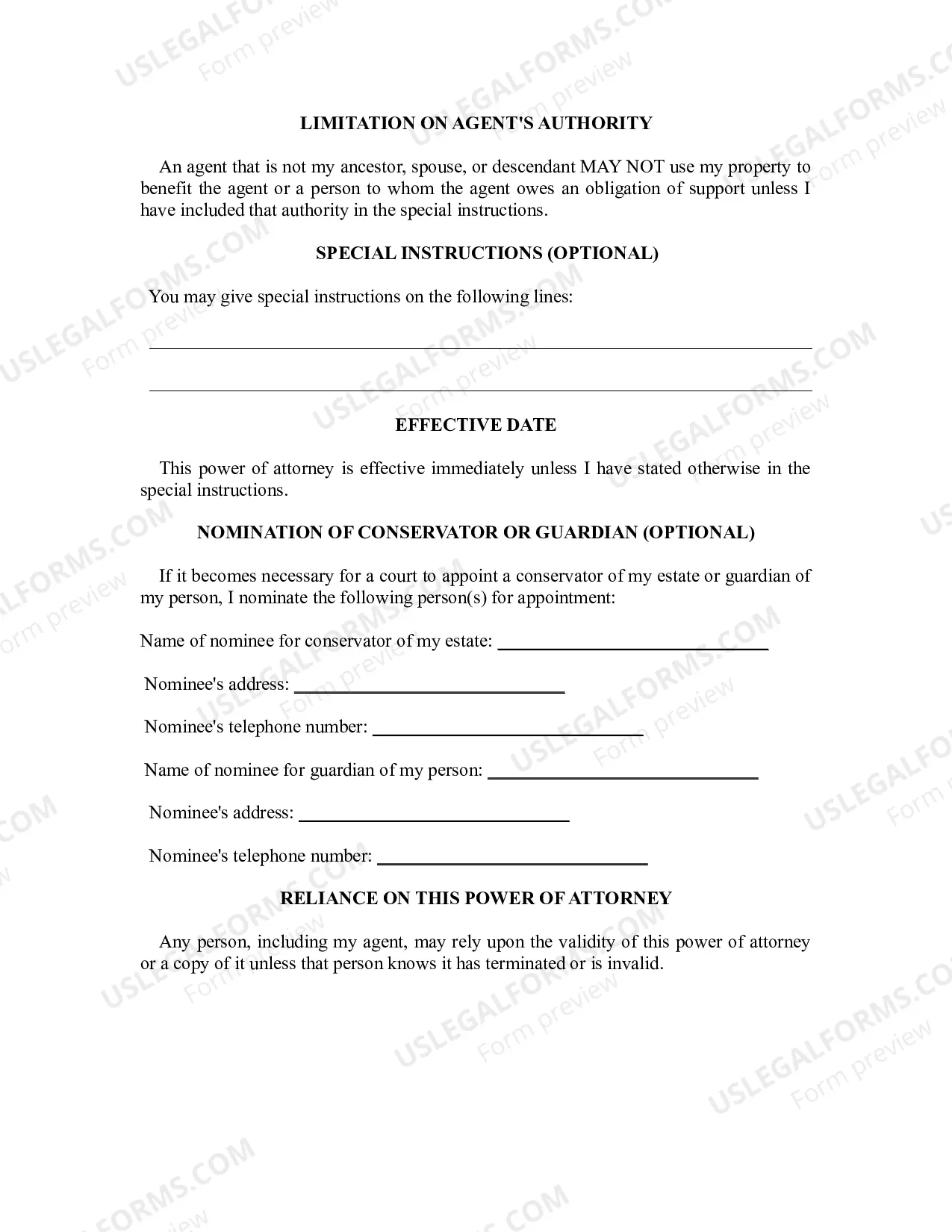
- Limitations on authority: Any restrictions on the agent's ability to use your property.
- Special instructions: Additional directions or limitations as specified by the principal.
- Nomination of conservator or guardian: Option to suggest individuals for potential guardianship if needed.
When this form is needed
This form is beneficial in various situations, such as when you anticipate health issues that may affect your ability to manage finances, during extended travel or overseas assignments, or for older individuals wanting to prepare for future incapacity. Utilizing this form ensures your financial affairs are in trusted hands, giving you peace of mind.
Who should use this form
- Adults who wish to delegate financial responsibilities to a trusted individual.
- Individuals who want to ensure their financial affairs are managed in case of incapacity.
- People looking to designate specific powers for their agent, either broadly or in a limited manner.
- Anyone needing to simplify the handling of their affairs due to health concerns.
Steps to complete this form
- Identify the parties involved: Fill in your name (the principal) and your selected agent's name.
- Assign a successor agent if desired: Provide names and contact details for any alternate agents.
- Grant authority: Initial the specific powers you wish to authorize for your agent.
- Include any special instructions: Write any limitations or specific directions for your agent.
- Sign and date the document: Ensure you sign in the presence of a notary, if required.
Notarization requirements for this form
This document requires notarization to meet legal standards. US Legal Forms provides secure online notarization powered by Notarize, allowing you to complete the process through a verified video call, available 24/7.
Get your form ready online
Our built-in tools help you complete, sign, share, and store your documents in one place.
Make edits, fill in missing information, and update formatting in US Legal Forms—just like you would in MS Word.
Download a copy, print it, send it by email, or mail it via USPS—whatever works best for your next step.
Sign and collect signatures with our SignNow integration. Send to multiple recipients, set reminders, and more. Go Premium to unlock E-Sign.
If this form requires notarization, complete it online through a secure video call—no need to meet a notary in person or wait for an appointment.
We protect your documents and personal data by following strict security and privacy standards.

Make edits, fill in missing information, and update formatting in US Legal Forms—just like you would in MS Word.

Download a copy, print it, send it by email, or mail it via USPS—whatever works best for your next step.

Sign and collect signatures with our SignNow integration. Send to multiple recipients, set reminders, and more. Go Premium to unlock E-Sign.

If this form requires notarization, complete it online through a secure video call—no need to meet a notary in person or wait for an appointment.

We protect your documents and personal data by following strict security and privacy standards.
Mistakes to watch out for
- Failing to choose a trustworthy agent, which can lead to misuse of powers.
- Not clearly specifying limitations on authority, leading to confusion about the agent's powers.
- Neglecting to update the form after life changes, such as the death of the agent or changing personal circumstances.
Why complete this form online
- Convenience: Access and complete your form from anywhere at any time.
- Editability: Easily modify your selections and instructions without the hassle of starting over.
- Reliability: Obtain a professionally drafted form ensuring legality and compliance with state laws.
Looking for another form?
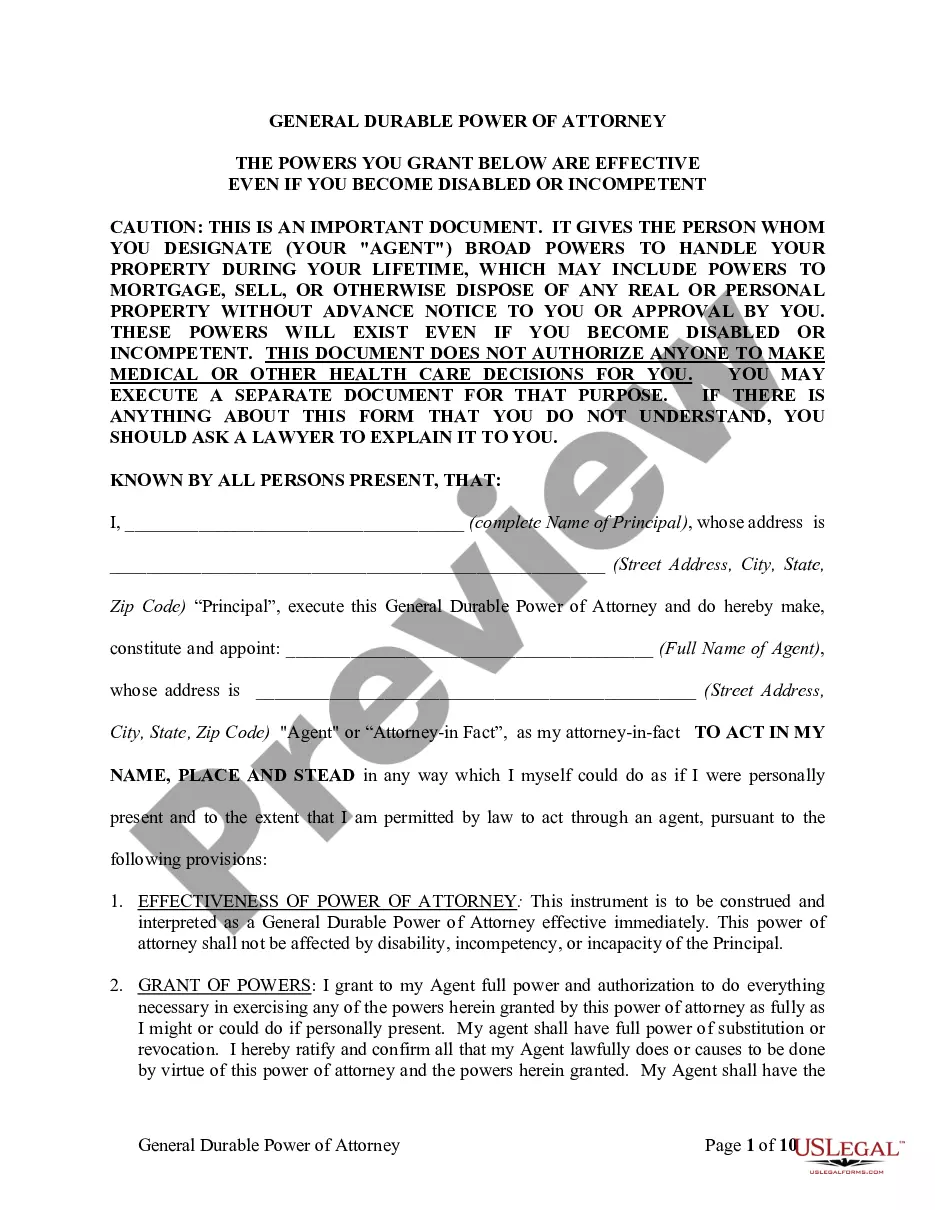
Form popularity
FAQ
You can file a Colorado Statutory Durable Power of Attorney by completing the necessary forms, ensuring they meet state guidelines. After signing the document with a notary, distribute copies to anyone who may need to reference them, like family members or legal advisors. If you find the process challenging, consider using platforms like US Legal Forms, which guide you through the filing process with ease.
In Colorado, a power of attorney does not need to be recorded, but doing so can provide extra security. Recording your Colorado Statutory Durable Power of Attorney at the county clerk's office can help prevent fraud and ensure that third parties recognize your document as valid. Consider this step if you anticipate needing the authority granted to the agent frequently. Always check with your local regulations for specific requirements.
To file a Colorado Statutory Durable Power of Attorney, you first need to complete the document according to Colorado's legal requirements. After filling it out, you should sign it in front of a notary public. Once notarized, you can provide copies to the relevant parties, such as banks or healthcare providers. It's essential to keep the original document in a safe place for future reference.
Yes, in Colorado, a durable power of attorney typically needs to be notarized to ensure its legality. When you are creating a Colorado Statutory Durable Power of Attorney, having it notarized protects your interests and adds an extra layer of validation. This step confirms that you are executing the document voluntarily and understand its implications. Using platforms like US Legal Forms can simplify this process by providing properly formatted documents for your convenience.
To fill out a power of attorney (POA) form, start by securing the Colorado Statutory Durable Power of Attorney form. Fill in your name, address, and the agent’s name, ensuring accuracy. Additionally, specify the powers you are granting your agent and include any specific instructions. Finally, sign the document in front of a witness or notary, depending on the requirements for it to be valid.
Filling out a power of attorney for a motor vehicle in Colorado is straightforward. First, obtain the Colorado Statutory Durable Power of Attorney form, which is available online. Next, carefully complete the form by providing the necessary details, such as your name, the vehicle information, and the designated agent's information. Finally, ensure both you and your agent sign the document to make it legally binding.
A legal power of attorney cannot make certain critical decisions on behalf of the principal. For example, a Colorado Statutory Durable Power of Attorney cannot be used for making or revoking a will, making medical decisions if the principal has established an advance directive, or overriding decisions regarding guardianship. It’s essential to understand these restrictions to effectively plan your legal affairs and ensure that your decisions align with your wishes.
Yes, there is a time frame that applies when enforcing a power of attorney, but it can depend on the specific circumstances and actions taken. Generally, Colorado Statutory Durable Power of Attorney does not carry a specific statute of limitations issue; however, the actions taken under the authority of the document may be subject to general legal timelines for disputes. To ensure compliance and protect your interests, consider using legal resources or services such as USLegalForms to navigate any potential limitations.
Colorado law governs the creation and use of a Colorado Statutory Durable Power of Attorney under Title 15 of the Colorado Revised Statutes. This law ensures that individuals can legally appoint an agent to manage their affairs, providing clear guidelines on the agent's powers and duties. It's crucial to understand these statutes when setting up your durable power of attorney to ensure it meets all legal requirements and effectively reflects your wishes.
The primary distinction between a regular power of attorney and a Colorado Statutory Durable Power of Attorney is durability. A standard power of attorney becomes ineffective if the principal becomes incapacitated. In contrast, a durable power of attorney remains in effect even if the principal is unable to make decisions. This makes a Colorado Statutory Durable Power of Attorney a vital option for ensuring that your preferences are upheld during challenging times.