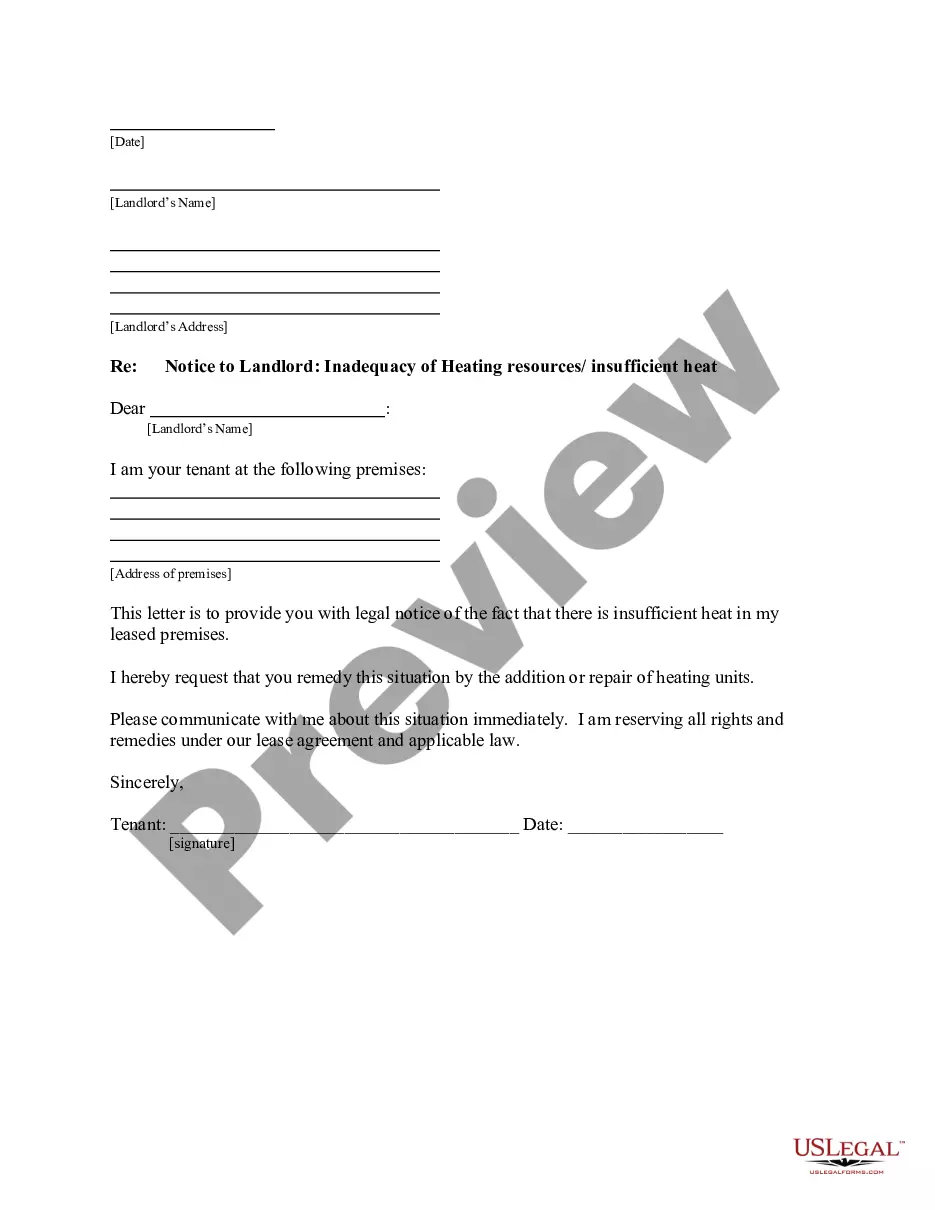
Colorado Letter from Tenant to Landlord about Inadequacy of heating resources insufficient heat
What is this form?
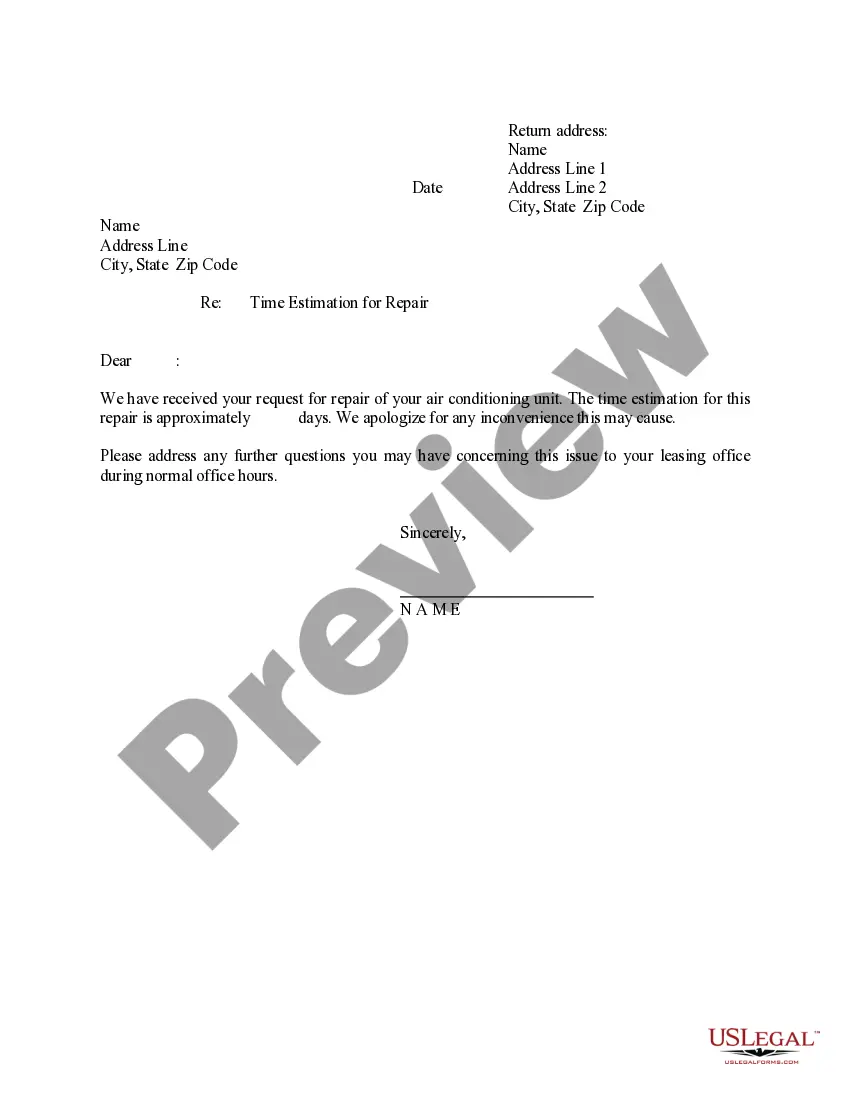
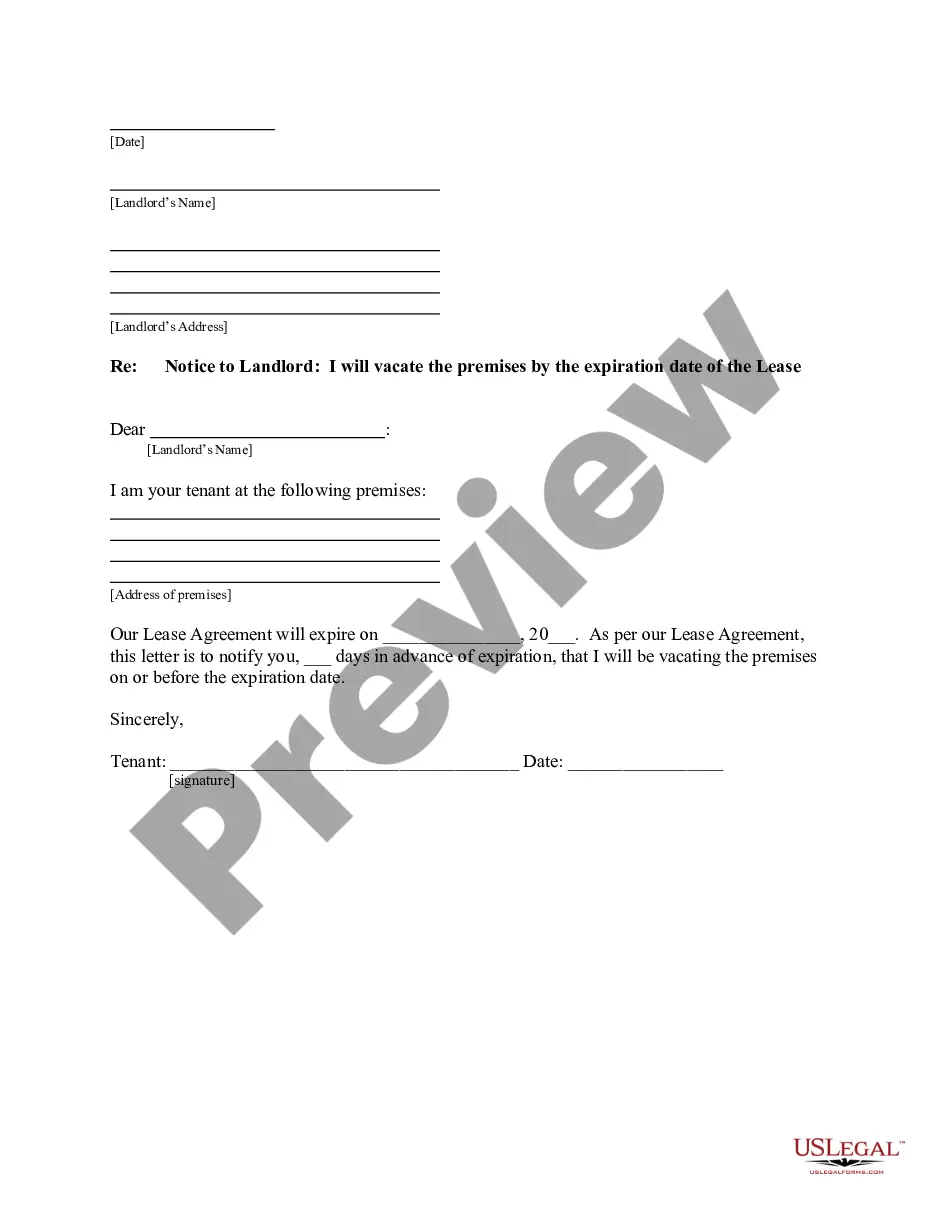
This form is a letter from a tenant to a landlord addressing the issue of inadequate heating resources in a rental property. Its primary purpose is to notify the landlord of insufficient heat and to formally request that they remedy the situation through repairs or additional heating units. This letter serves as a crucial tool for tenants who are experiencing heating issues, differentiating it from other tenant-landlord communication forms by its specific focus on heating inadequacies.
Main sections of this form
- Tenant's request for added or repaired heating units
- Communication request for immediate landlord response
- Reservation of rights under the lease agreement and applicable law
- Space for tenant's signature and date
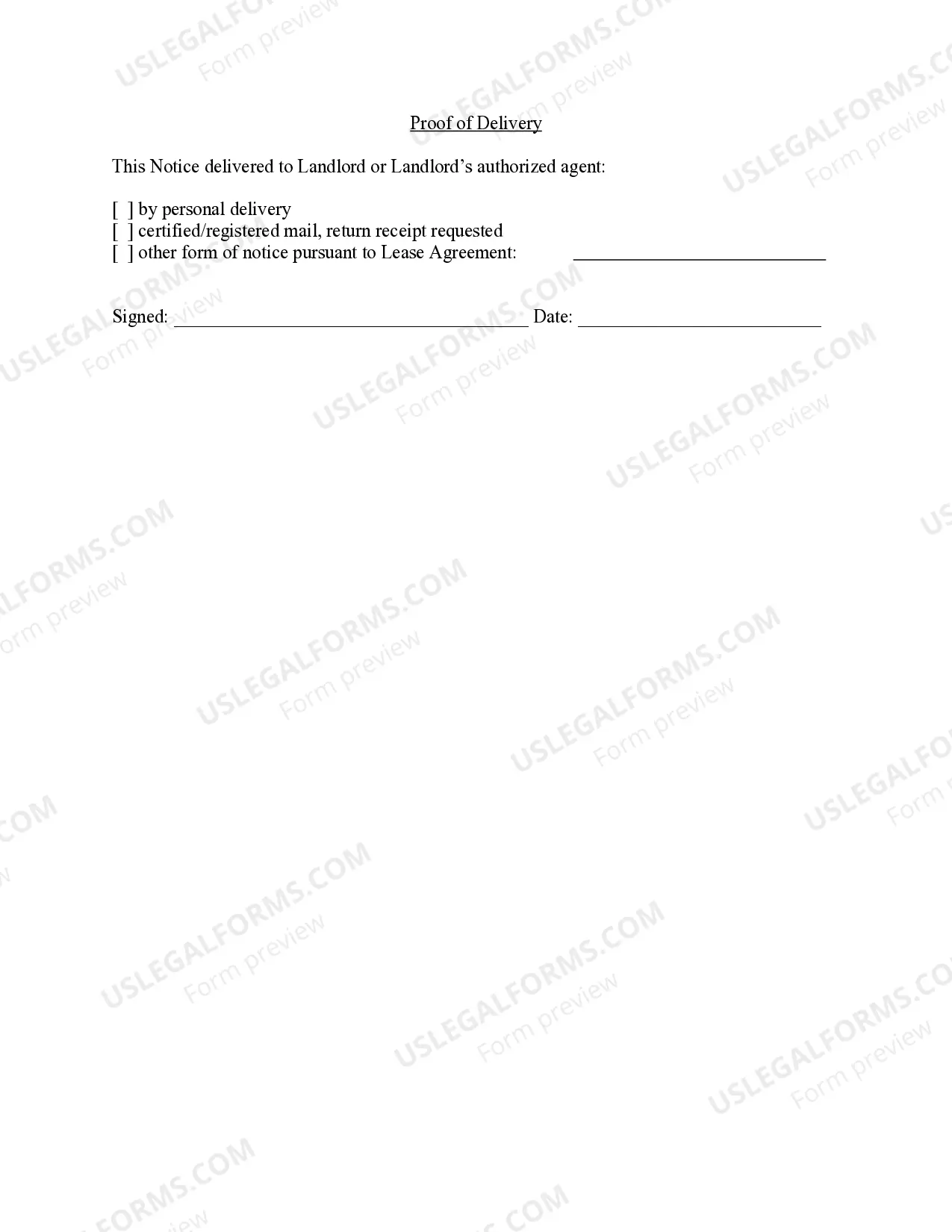
- Proof of delivery section for notifying the landlord or authorized agent



When this form is needed
This form should be used when a tenant notices that the heating in their rented premises is insufficient, leading to an uncomfortable living environment. It is particularly important during colder months if the heating system is failing or if the landlord has not provided adequate heating facilities. By using this letter, tenants ensure their grievances are documented and formally communicated to the landlord.
Intended users of this form
This form is intended for:
- Tenants who are renting residential properties
- Individuals experiencing issues with insufficient heating
- Any tenant looking to formally notify their landlord of heating inadequacies
Completing this form step by step
- Provide your name and contact information as the tenant.
- Enter the date of writing the letter.
- Clearly state the issue regarding insufficient heating.
- Request that the landlord take immediate action to resolve the issue.
- Sign the letter to validate your request, including the date of your signature.
- Deliver the letter to the landlord or authorized agent and retain proof of delivery.
Notarization guidance
This form does not typically require notarization unless specified by local law. It is a straightforward communication tool meant for tenants to formally address issues with their landlord without additional notarization requirements.
Get your form ready online
Our built-in tools help you complete, sign, share, and store your documents in one place.
Make edits, fill in missing information, and update formatting in US Legal Forms—just like you would in MS Word.
Download a copy, print it, send it by email, or mail it via USPS—whatever works best for your next step.
Sign and collect signatures with our SignNow integration. Send to multiple recipients, set reminders, and more. Go Premium to unlock E-Sign.
If this form requires notarization, complete it online through a secure video call—no need to meet a notary in person or wait for an appointment.
We protect your documents and personal data by following strict security and privacy standards.

Make edits, fill in missing information, and update formatting in US Legal Forms—just like you would in MS Word.

Download a copy, print it, send it by email, or mail it via USPS—whatever works best for your next step.

Sign and collect signatures with our SignNow integration. Send to multiple recipients, set reminders, and more. Go Premium to unlock E-Sign.

If this form requires notarization, complete it online through a secure video call—no need to meet a notary in person or wait for an appointment.

We protect your documents and personal data by following strict security and privacy standards.
Common mistakes to avoid
- Failing to include the date, which is important for documentation.
- Not clearly stating the specific heating issue at hand.
- Neglecting to sign the letter, making it less impactful.
- Not keeping a copy of the letter for personal records.
- Delivering the letter without confirming receipt from the landlord.
Why use this form online
- Conveniently access and complete the form from anywhere.
- Reliable templates drafted by licensed attorneys ensure legal soundness.
- Editable fields allow for customized information specific to your situation.
- Instant download ensures you can act quickly when issues arise.
Legal use & context
- This letter serves as a formal method for tenants to notify landlords of heating issues.
- A properly completed notice may reinforce tenantsâ rights under local landlord-tenant laws.
- Failure to address heating issues can lead to legal consequences for landlords, making this letter a crucial step for tenants.
Main things to remember
- This letter serves to formally address insufficient heating in rental premises.
- It is essential for tenants to communicate heating issues to landlords promptly.
- The form protects tenant rights while ensuring legal documentation of grievances.
- Always keep a copy of your communication and proof of delivery.
Looking for another form?
Form popularity
FAQ
In Colorado, landlords are generally expected to fix hot water issues within a reasonable timeframe, typically 24 to 48 hours. If the landlord fails to address this promptly, it might affect your right to a habitable home and could lead to further legal steps. Sending a Colorado Letter from Tenant to Landlord about Inadequacy of heating resources insufficient heat may also include requests for hot water repairs, helping to document your concerns.
In Colorado, uninhabitable living situations may include lack of heat during winter months, broken plumbing, or structural deficiencies that compromise safety. These conditions violate the landlord's responsibility to provide a livable space and can be grounds for legal action. If you experience inadequate heating, a Colorado Letter from Tenant to Landlord about Inadequacy of heating resources insufficient heat can be an effective way to address the issue.
The length of time a house can go without heat varies based on the severity of the weather, but landlords are generally required to restore heat as soon as possible. A prolonged lack of heat can make the space uninhabitable, exposing tenants to health risks. If this occurs, drafting a Colorado Letter from Tenant to Landlord about Inadequacy of heating resources insufficient heat can document your request for repairs and help protect your rights.
In Texas, uninhabitable living situations might include severe plumbing problems, lack of heating in winter, or significant pest infestations. These conditions pose health risks and violate landlord obligations. While this may not directly relate to Colorado, understanding your rights in different states can help emphasize the need for adequate heating which you might outline in a Colorado Letter from Tenant to Landlord about Inadequacy of heating resources insufficient heat.
Yes, you can pursue legal action against your landlord for failing to provide heat. Denver tenants have rights protected under local housing codes which require landlords to maintain safe and habitable living conditions. Before escalating to a legal case, consider sending a Colorado Letter from Tenant to Landlord about Inadequacy of heating resources insufficient heat to formally address the issue and seek resolution.
In Colorado, there is no specific timeframe, but landlords must act quickly to restore adequate heating. Most courts expect reasonable action to be taken, usually within 24 to 48 hours of notification about heating issues. If your landlord delays in addressing the inadequacy, you may want to consider sending a Colorado Letter from Tenant to Landlord about Inadequacy of heating resources insufficient heat as a formal request for resolution.
Yes, you can sue your landlord for not providing heat, especially if the lack of adequate heating is affecting your living conditions. Under Colorado law, tenants have the right to a habitable living environment, which includes sufficient heat during colder months. A Colorado Letter from Tenant to Landlord about Inadequacy of heating resources insufficient heat can serve as valuable documentation if you choose to take legal action.
You have the right to safe and livable conditions, including adequate heating. If your landlord fails to provide sufficient heat, you can issue a Colorado Letter from Tenant to Landlord about Inadequacy of heating resources insufficient heat. This letter serves as formal notice, outlining the issue and your expectations for resolution. If the problem persists, legal action may be an option, but consulting a legal expert or using a platform like US Legal Forms can help ensure you follow the proper steps.
An unlivable conditions affidavit in Colorado is a legal document that outlines the unsafe or unhealthy conditions of a rental property. It serves as formal evidence when seeking recourse against a landlord. If you experience inadequate heating, a Colorado Letter from Tenant to Landlord about Inadequacy of heating resources insufficient heat can complement this affidavit, adding clarity to your situation.
A landlord in Colorado has a duty to restore heating as soon as possible, usually within a few days after being notified of the problem. The exact timeline may vary based on local laws and the urgency of the situation. Utilizing a Colorado Letter from Tenant to Landlord about Inadequacy of heating resources insufficient heat can provide clear communication and prompt action from your landlord.