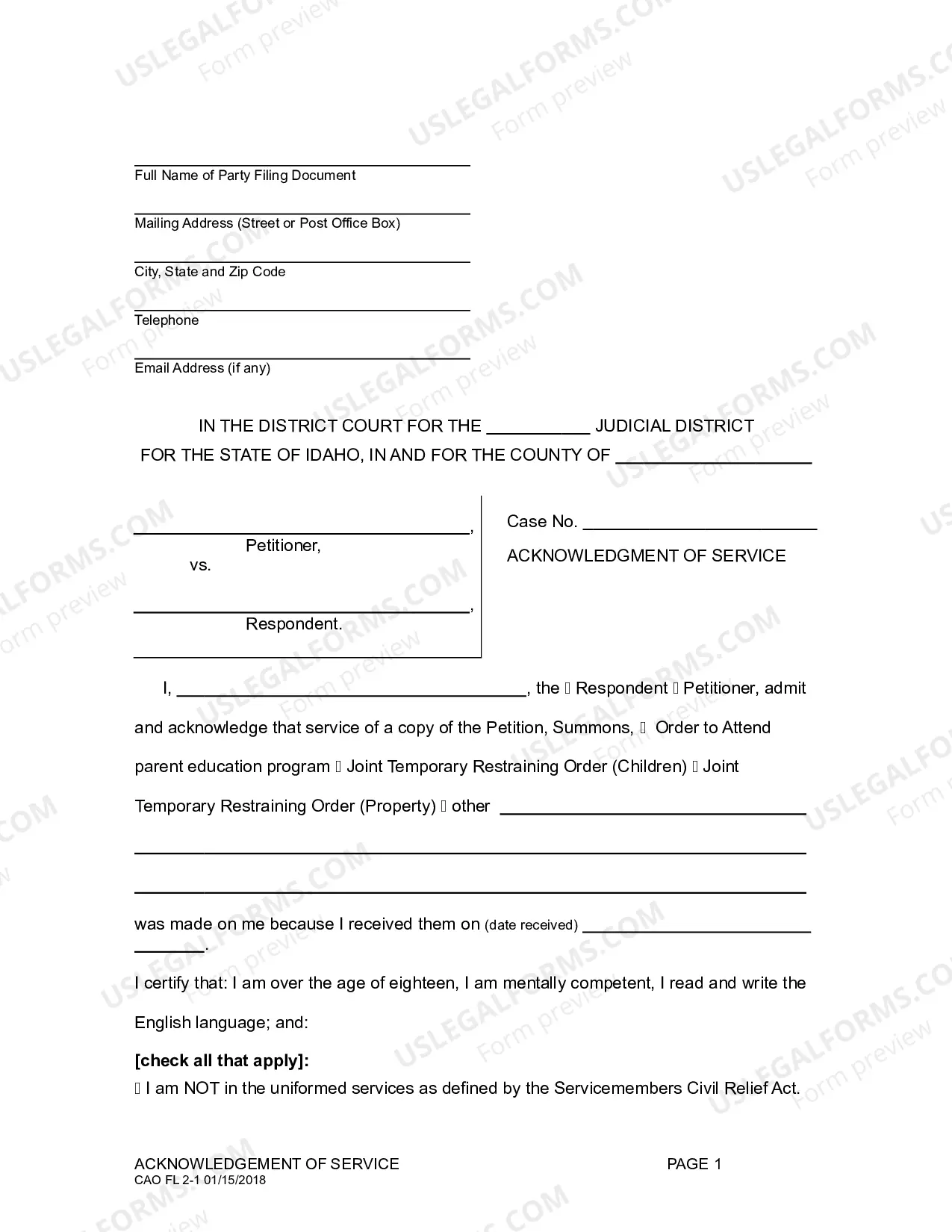
This form is an official Montana form which complies with all applicable state codes and statutes. USLF updates all state forms as is required by state statutes and law.
Montana Information about Motions
State:
Montana
Control #:
MT-CVJD-015
Format:
Word;
Rich Text
Instant download
This website is not affiliated with any governmental entity
Public form
Description
Free preview
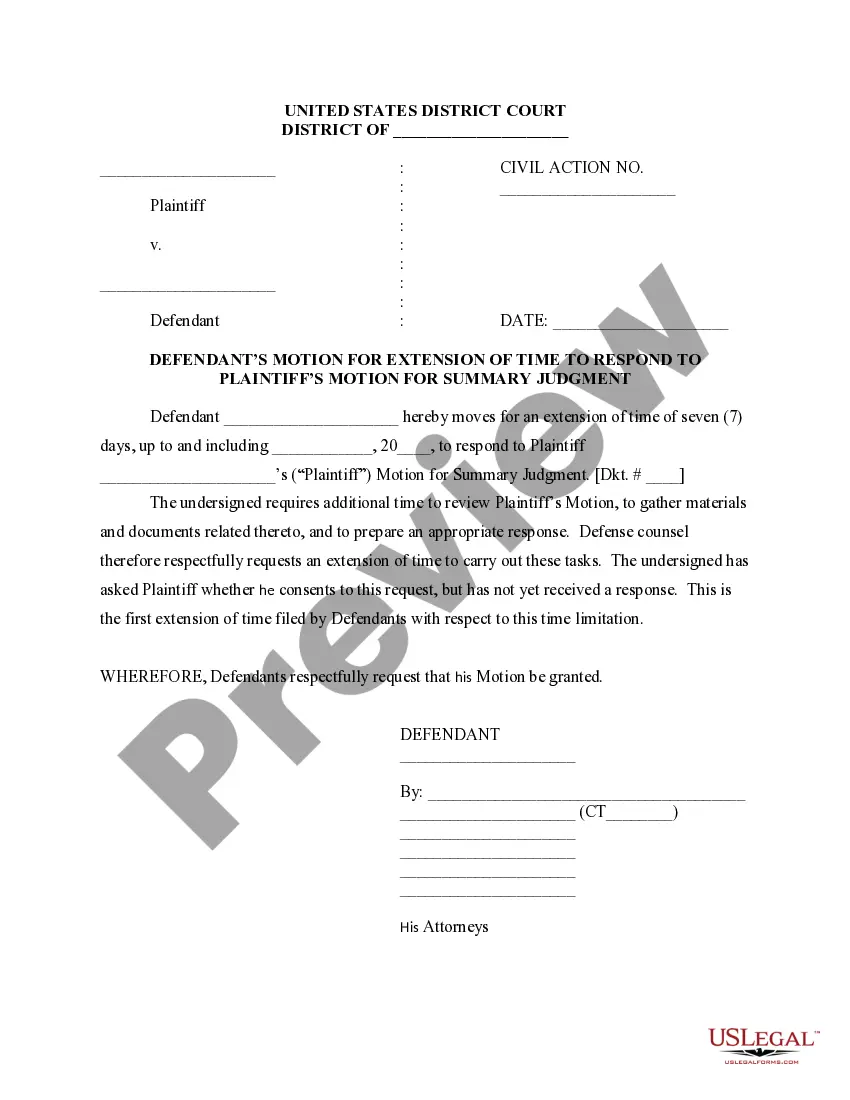
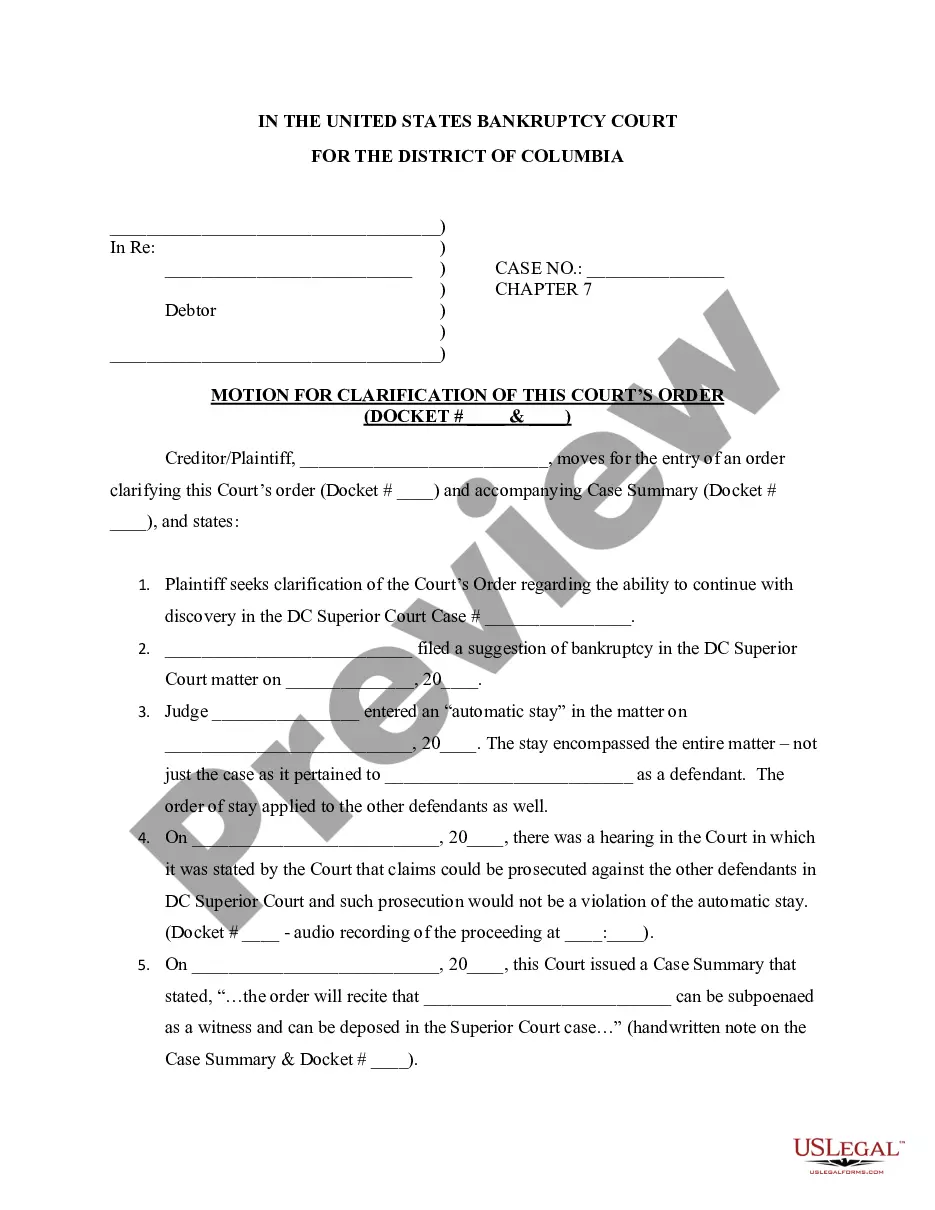

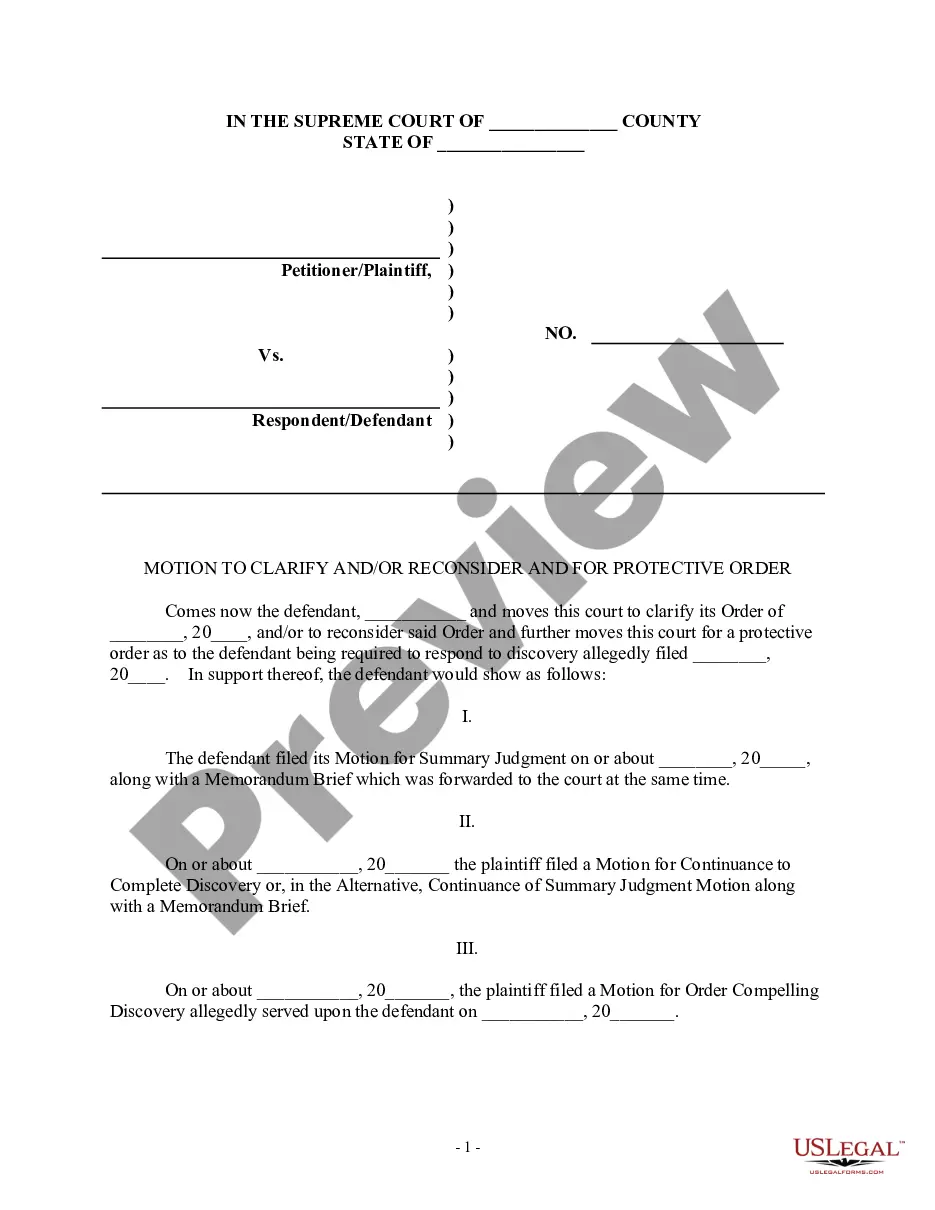
Get your form ready online
Our built-in tools help you complete, sign, share, and store your documents in one place.
Built-in online Word editor
Make edits, fill in missing information, and update formatting in US Legal Forms—just like you would in MS Word.
Export easily
Download a copy, print it, send it by email, or mail it via USPS—whatever works best for your next step.
E-sign your document
Sign and collect signatures with our SignNow integration. Send to multiple recipients, set reminders, and more. Go Premium to unlock E-Sign.
Notarize online 24/7
If this form requires notarization, complete it online through a secure video call—no need to meet a notary in person or wait for an appointment.
Store your document securely
We protect your documents and personal data by following strict security and privacy standards.

Make edits, fill in missing information, and update formatting in US Legal Forms—just like you would in MS Word.

Download a copy, print it, send it by email, or mail it via USPS—whatever works best for your next step.

Sign and collect signatures with our SignNow integration. Send to multiple recipients, set reminders, and more. Go Premium to unlock E-Sign.

If this form requires notarization, complete it online through a secure video call—no need to meet a notary in person or wait for an appointment.

We protect your documents and personal data by following strict security and privacy standards.
Looking for another form?
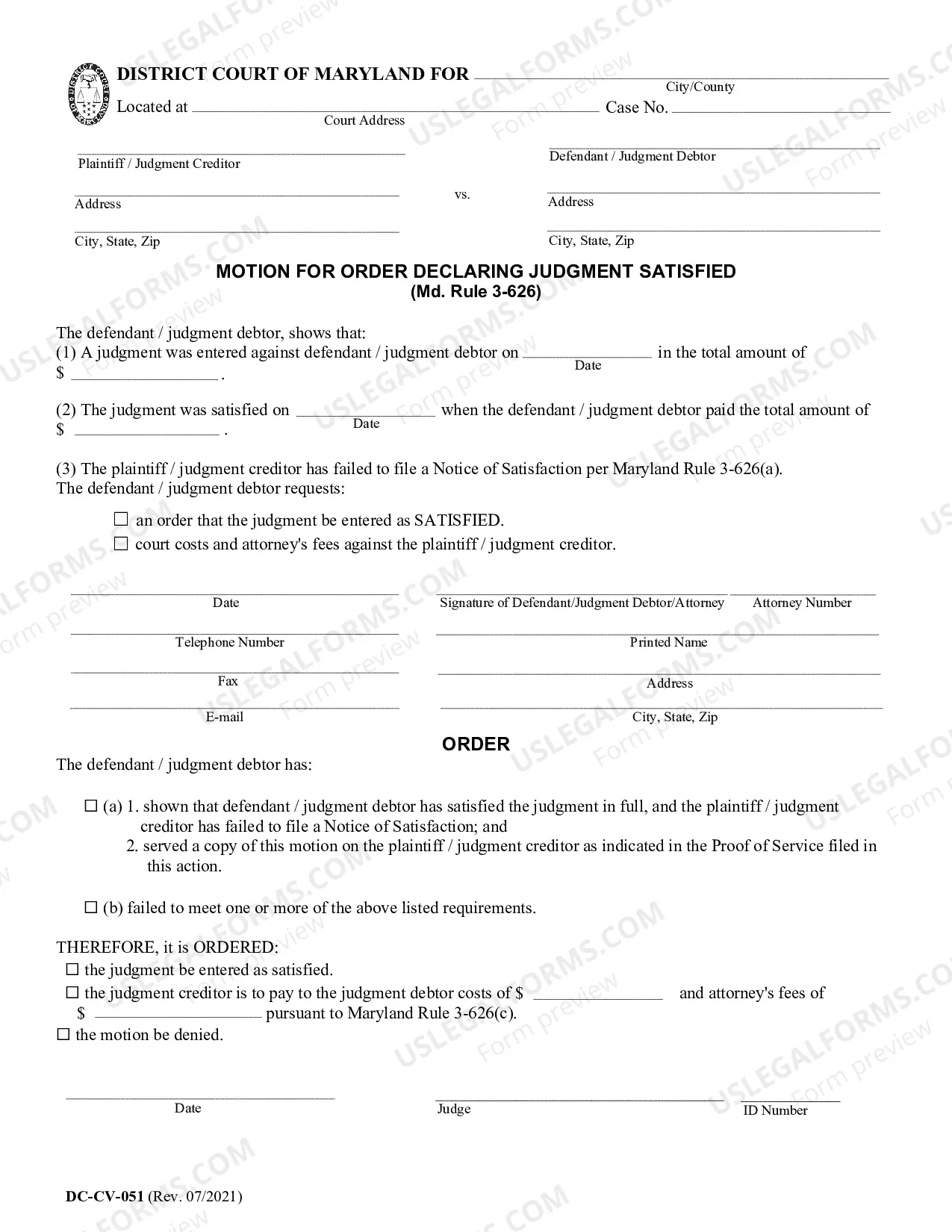
How to fill out Montana Information About Motions?
Obtain a printable Montana Information about Motions in just a few mouse clicks from the largest collection of legal electronic files. Locate, download, and print expertly written and certified samples on the US Legal Forms website. US Legal Forms has been the leading provider of affordable legal and tax documents for US citizens and residents online since 1997.
Clients who already possess a subscription must Log In directly to their US Legal Forms account, retrieve the Montana Information about Motions, and find it saved in the My documents section. Clients who do not have a subscription need to follow the instructions below.
After you have downloaded your Montana Information about Motions, you can complete it in any online editor or print it out and fill it in by hand. Utilize US Legal Forms to access 85,000 professionally crafted, state-specific documents.
- Ensure your form satisfies your state’s criteria.
- If available, read the form’s description for more information.
- If provided, examine the document to see additional details.
- Once you are confident the template fulfills your needs, simply click Buy Now.
- Create a personal account.
- Select a plan.
- Make payment via PayPal or credit card.
- Download the template in Word or PDF format.
Form popularity
FAQ
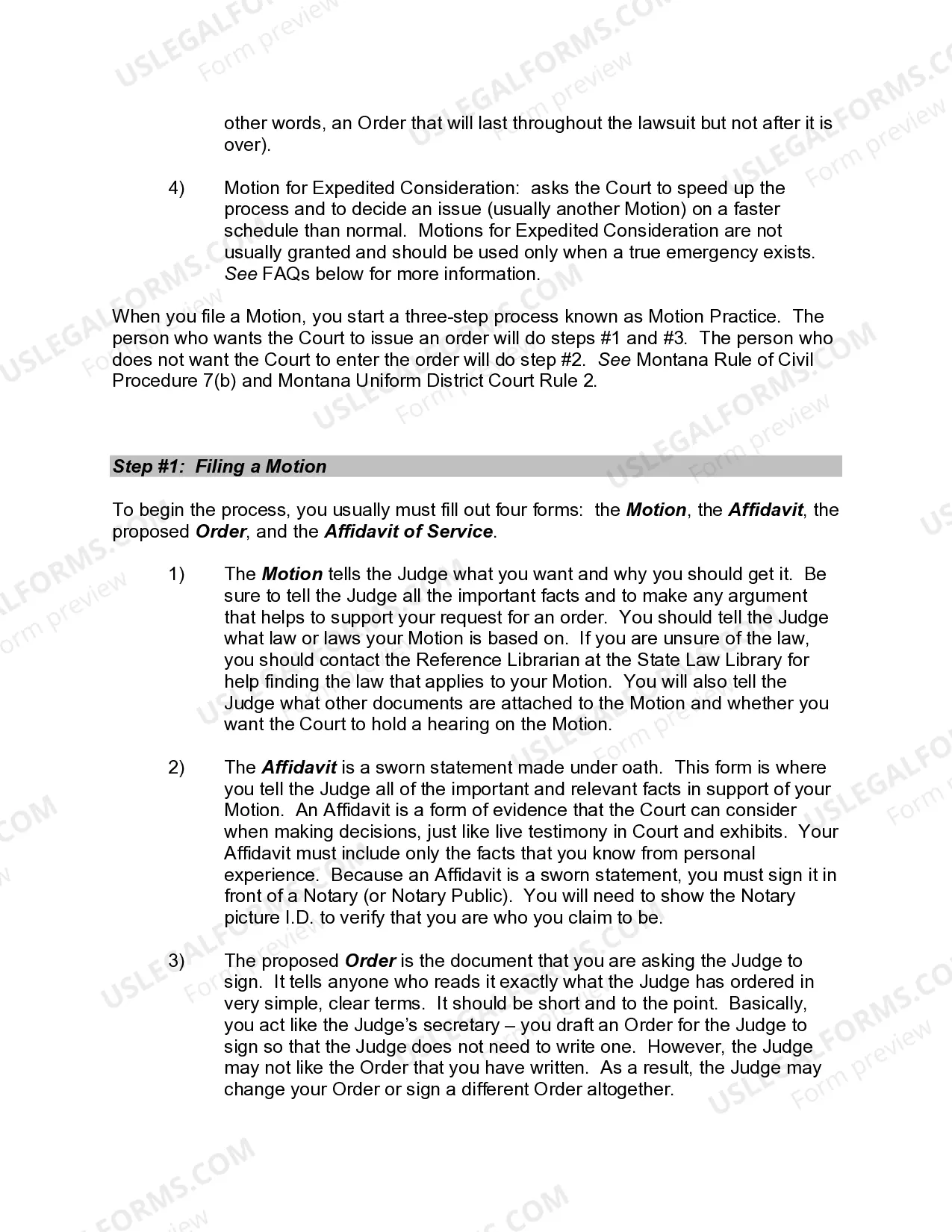
You write your motion. You file your motion with the court clerk. The court clerk inserts the date and time your motion will be heard by the judge. You serve (mail) your motion to the other side.
A hearing for the purpose of asking a judge to issue a ruling or order. The motion is typically filed by one side and a notice is sent to the opposing attorney who responds in writing.
Motion to Dismiss an attempt to get the judge to dismiss a charge or the case. Motion to Suppress an attempt to keep certain statements or evidence from being introduced as evidence. Motion for Change of Venue may be made for various reasons including pre-trial publicity.
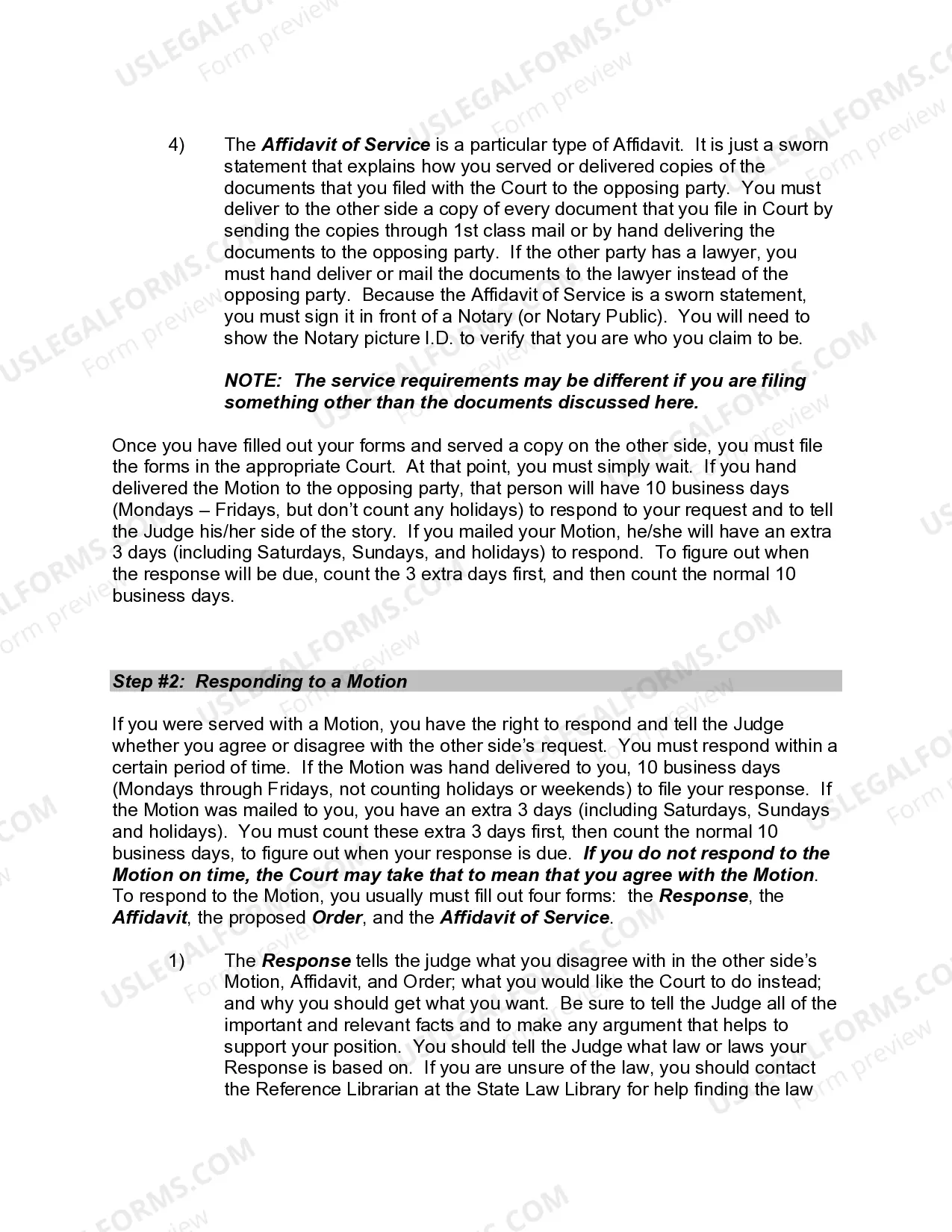
Fill out the forms. You have to fill out at least 2 forms, maybe more, to file your opposition. File the forms. Turn in your completed forms by mail or efiling. Serve the other party. Get ready for the hearing. Prepare an order.
There are three types of motions in limine: Inclusionary - A motion asking the court to have something included in the trial. Exclusionary - A motion asking the court to have something excluded in the trial. Preclusionary - A motion asking the court to have something precluded in the trial.
Motion to Dismiss an attempt to get the judge to dismiss a charge or the case. Motion to Suppress an attempt to keep certain statements or evidence from being introduced as evidence. Motion for Change of Venue may be made for various reasons including pre-trial publicity.
A motion is a written request made to the court, asking the judge to issue an order.Other parties have the chance to file and serve a written response to the motion. There is a specific deadline for filing and serving a written response, usually fourteen (14) days prior to a hearing.
During a civil case, most of your interactions with the judge will be the result of you or the other side filing a written motion. A motion is a written request to the judge that asks for a ruling on some issue in the case.
Complaint. A lawsuit begins when a plaintiff (the party suing) files a complaint against a defendant (the party being sued.) Answer. The answer is the defendant's written response to the plaintiff's complaint. Counterclaim. Cross-claim. Amended Pleadings.