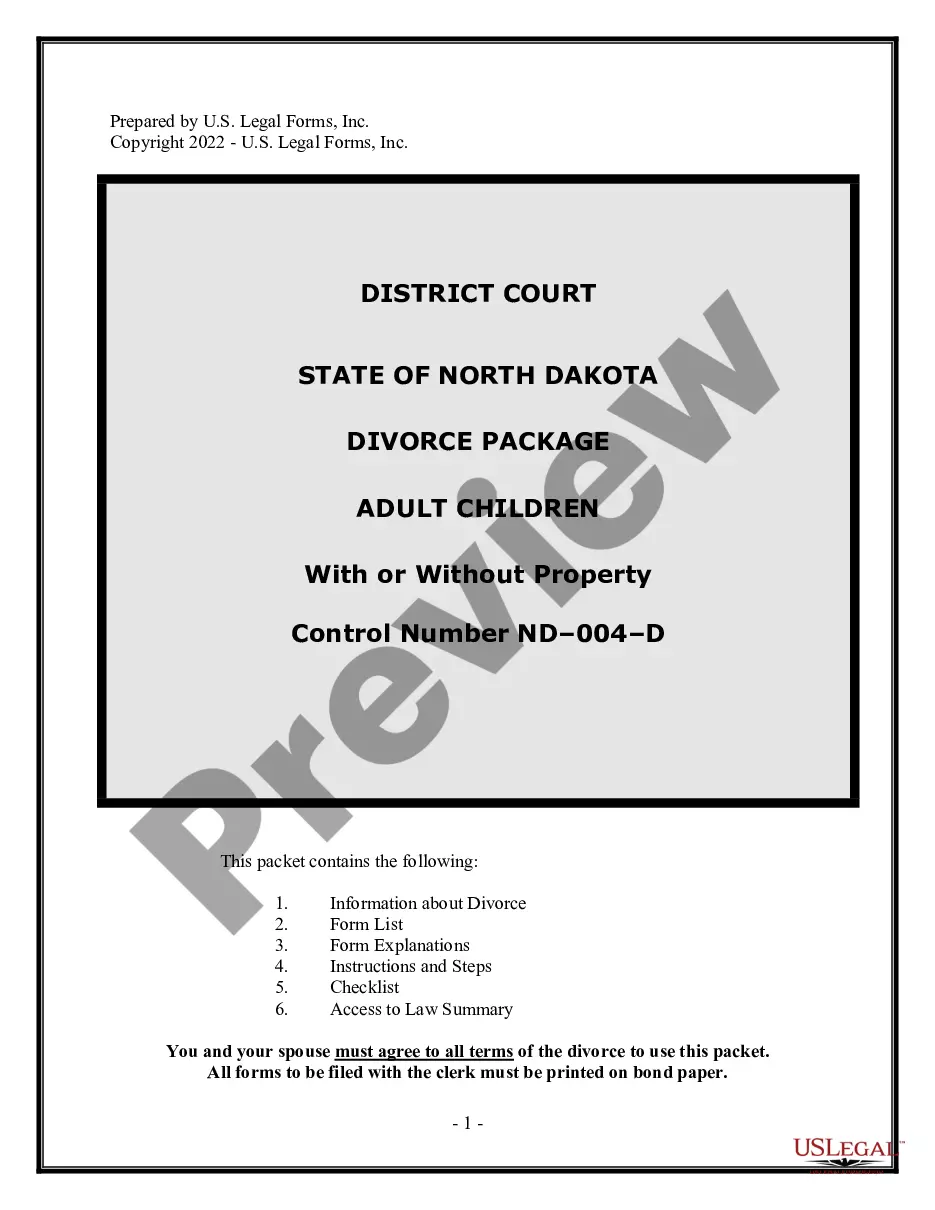
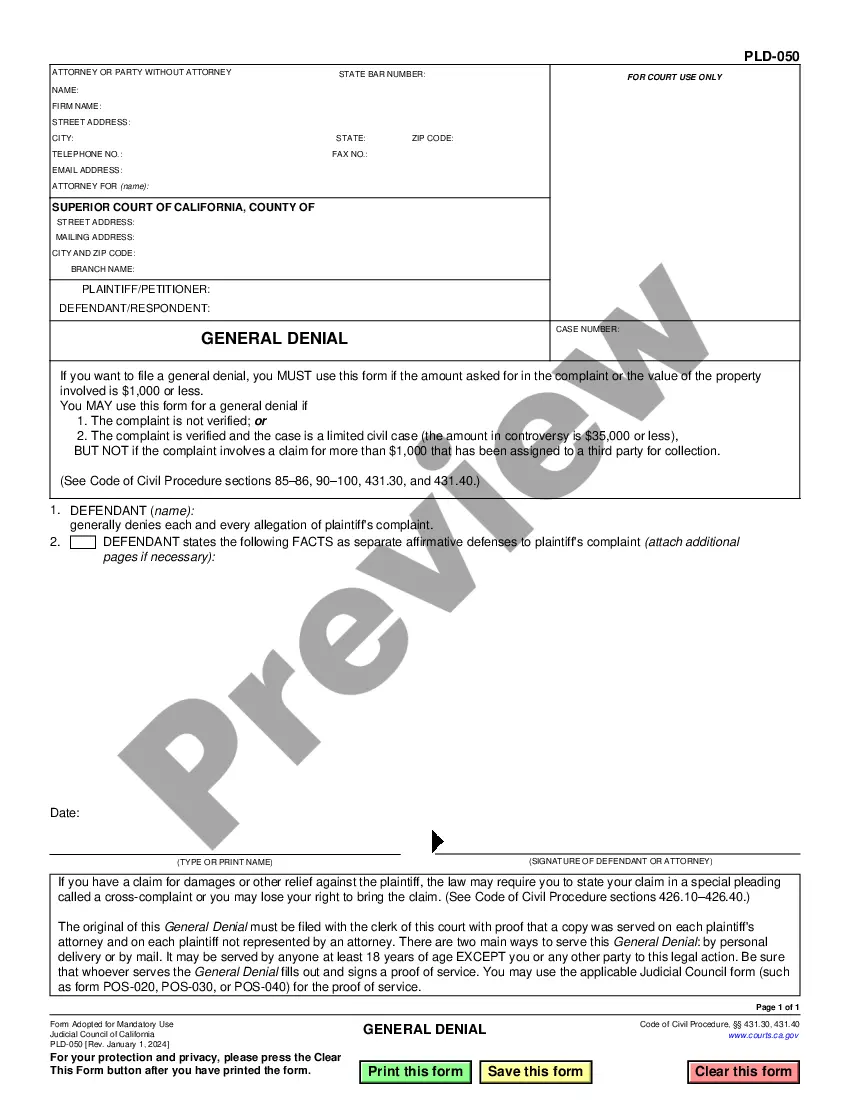
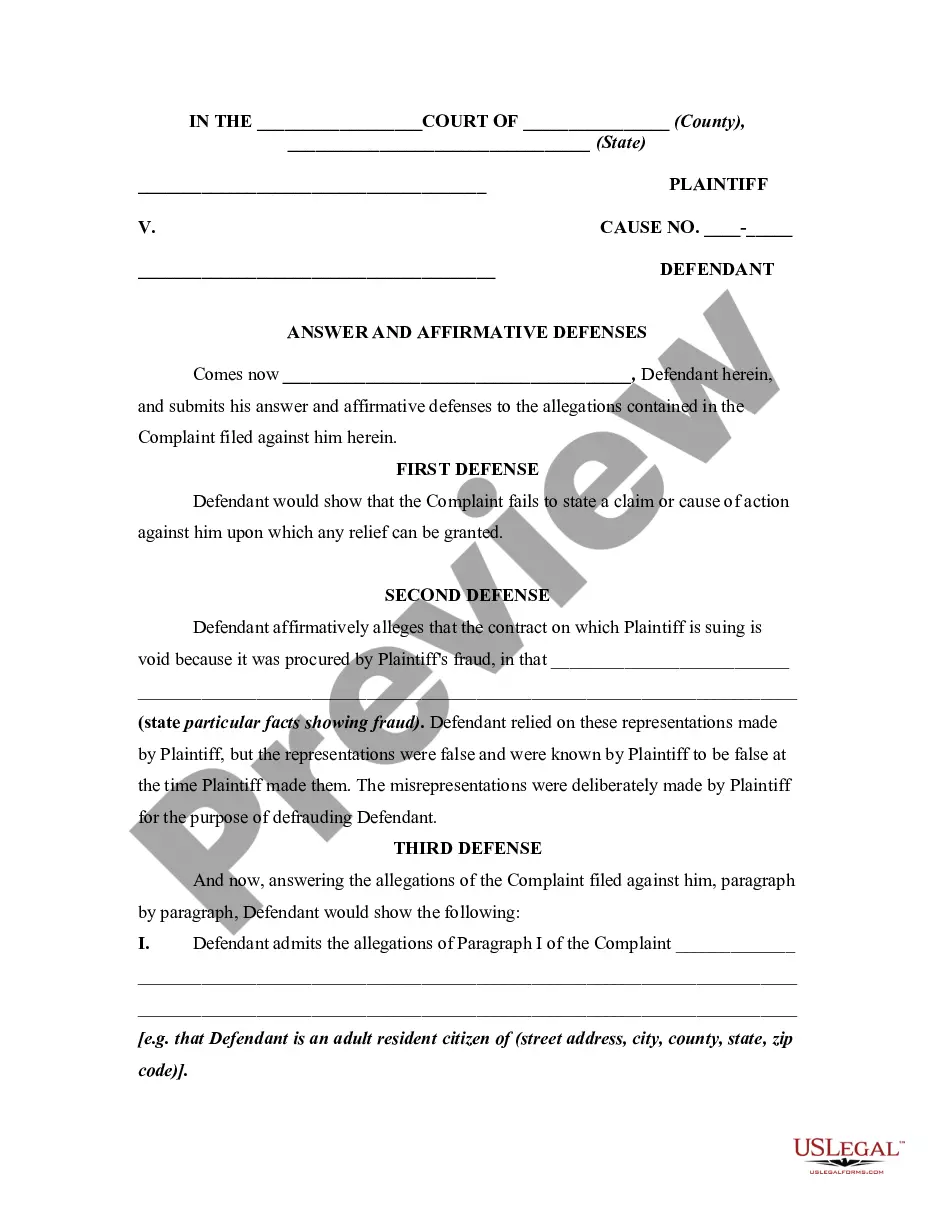
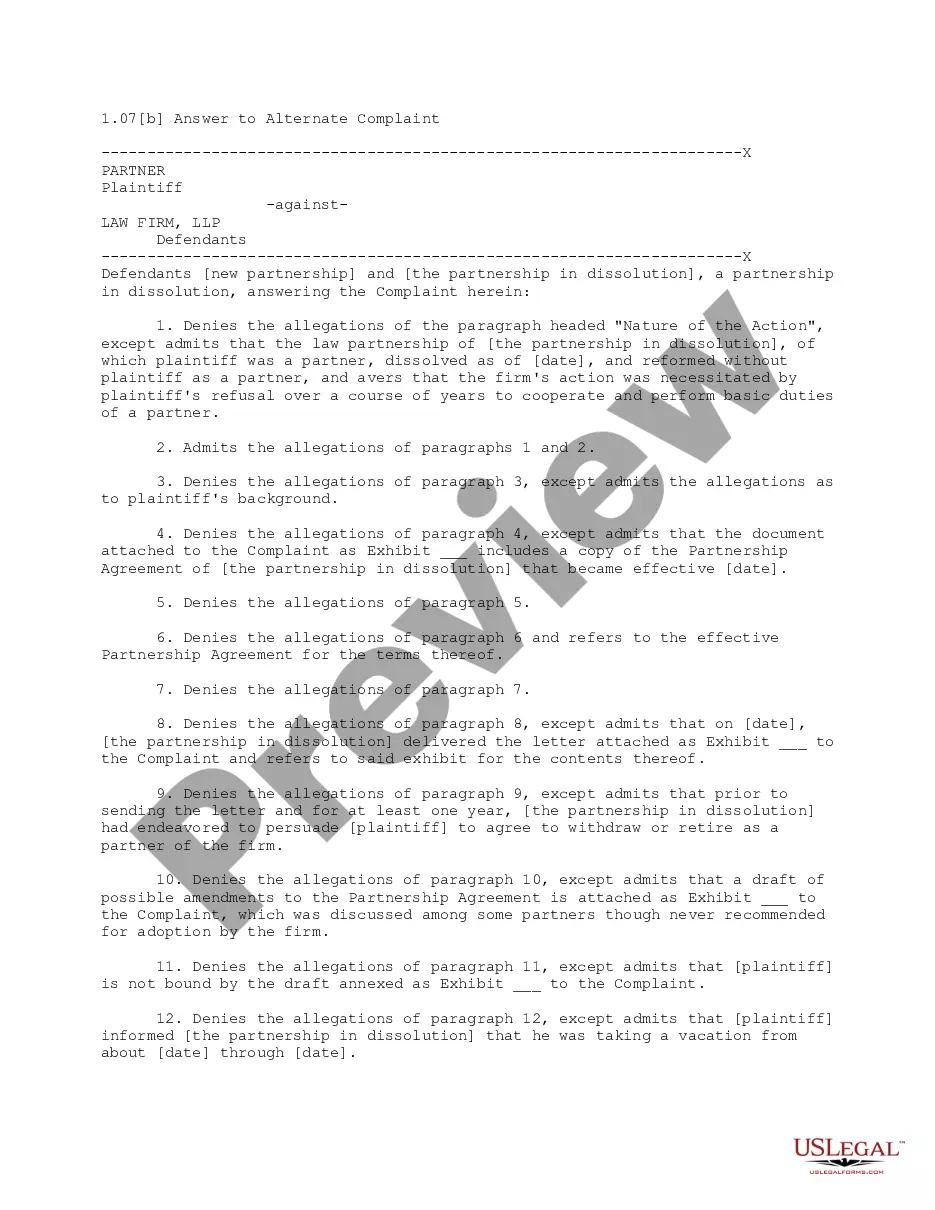
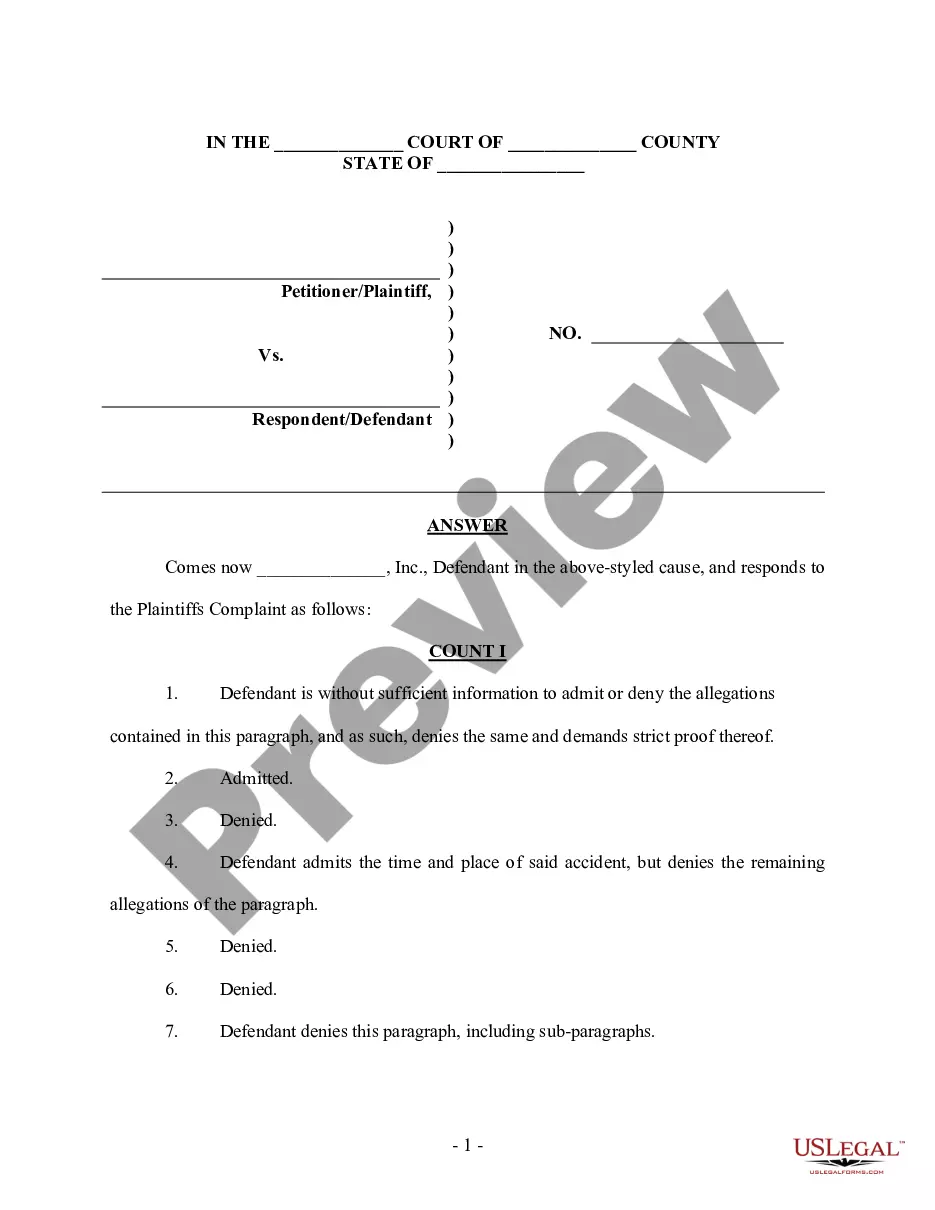
General Denial: A General Denial is a non-specific form which denies the claims of the Plaintiff, in general. However, this form may only be used if the amount sought is $1,000, or less, or if the Complaint is not verified.
California General Denial
Instant download
This website is not affiliated with any governmental entity
Public form
Description
Get your form ready online
Our built-in tools help you complete, sign, share, and store your documents in one place.
Built-in online Word editor
Make edits, fill in missing information, and update formatting in US Legal Forms—just like you would in MS Word.
Export easily
Download a copy, print it, send it by email, or mail it via USPS—whatever works best for your next step.
E-sign your document
Sign and collect signatures with our SignNow integration. Send to multiple recipients, set reminders, and more. Go Premium to unlock E-Sign.
Notarize online 24/7
If this form requires notarization, complete it online through a secure video call—no need to meet a notary in person or wait for an appointment.
Store your document securely
We protect your documents and personal data by following strict security and privacy standards.

Make edits, fill in missing information, and update formatting in US Legal Forms—just like you would in MS Word.

Download a copy, print it, send it by email, or mail it via USPS—whatever works best for your next step.

Sign and collect signatures with our SignNow integration. Send to multiple recipients, set reminders, and more. Go Premium to unlock E-Sign.

If this form requires notarization, complete it online through a secure video call—no need to meet a notary in person or wait for an appointment.

We protect your documents and personal data by following strict security and privacy standards.
Looking for another form?
Key Concepts & Definitions
General Denial: In legal contexts within the United States, a general denial refers to a defendant's formal response in a civil lawsuit, wherein they deny all allegations brought forth by the plaintiff without specifics. This contrasts with a specific denial, which addresses individual allegations case-by-case.
Step-by-Step Guide on Formulating a General Denial
- Review the Complaint: Analyze the claims listed by the plaintiff meticulously.
- Consult a Defense Attorney: Engage a qualified defense attorney who understands civil lawsuit dynamics and criminal law.
- Understand the Federal Rules: Familiarize yourself with the Federal Rules of Civil Procedure, particularly the rules concerning how to respond to a complaint.
- Draft the Response: Draft a general denial statement, refuting all the allegations comprehensively.
- File the Response: Submit the general denial to the court within the stipulated timeframe.
Risk Analysis of Using General Denial
Risks:
- Potential dismissal for lack of specificity if the court requires more detailed responses.
- Possibility of overlooking some valid defenses that require specific denials or additional affirmative defenses.
- Provides a broad defense coverage by denying all allegations, thus requiring the plaintiff to prove each claim.
- Can simplify the early stages of legal proceedings.
Key Takeaways
Utilizing a general denial in legal disputes, especially within federal rules, can be a strategic initial defense but should be approached with caution, considering the potential risks and need for exact legal guidance.
FAQ
- What is an equity rule in the context of a general denial? Historically, an equity rule refers to legal principles derived from the system of equity, like fairness, as opposed to strict legal rules. In general denials, equity principle considerations may vary based on the particulars of the case and former equity laws.
- Can a general denial be used in criminal law cases? General denials are typically utilized in civil lawsuits rather than criminal law, where the response format often requires more specific answers to charges.
How to fill out California General Denial?
If you are in search of precise California General Denial templates, US Legal Forms is precisely what you require; find documents supplied and verified by state-certified attorneys.
Utilizing US Legal Forms not only spares you from troubles concerning legal paperwork; it also conserves your time, effort, and finances! Downloading, printing, and completing a professional template is significantly more economical than hiring an attorney to draft it for you.
And that’s all. In just a few simple clicks, you possess an editable California General Denial. Once you set up your account, all subsequent purchases will be even easier. If you have a US Legal Forms subscription, just Log In and then click the Download button you can find on the form’s page. Then, whenever you need this template again, you will always be able to locate it in the My documents section. Don’t waste your time and effort comparing various forms on multiple websites. Acquire professional documents from a single reliable source!
- To begin, finalize your registration by entering your email and creating a password.
- Follow the steps below to establish your account and obtain the California General Denial template to meet your needs.
- Utilize the Preview option or review the document details (if available) to confirm that the form is the one you need.
- Verify its admissibility in your state.
- Click Buy Now to place an order.
- Select a suggested pricing plan.
- Create an account and pay with your credit card or PayPal.
- Choose a convenient file type and save the document.
Form popularity
FAQ
To answer a California court summons for debt collection, start by reviewing the summons and understanding the details of the debt. You can file a California General Denial to contest the validity of the debt and dispute the claims made against you. Utilize UsLegalForms to access tools and resources that guide you through this process confidently and comprehensively. Acting quickly is vital to protect your rights.
When answering a verified complaint, you must respond to each specific allegation in a manner that either admits, denies, or states you lack knowledge of the allegations. Utilizing a California General Denial simplifies the process if you deny all claims. Be sure to align your response with the legal standards, and consider consulting UsLegalForms to access templates tailored for these situations to streamline your filing.
The best way to answer a summons is to read it carefully, understand the allegations, and respond within the allotted time. You can file a California General Denial if you dispute the claims outright. Also, consider using resources from UsLegalForms to guide you through the process, ensuring all necessary steps are taken. This preparation is essential to defend yourself effectively.
To fill out a PLD C-010, you will need to provide specific details about the case, including the names of parties involved and the nature of the complaint. This form appears simple, but accurately completing it is crucial. Ensure you reference the California General Denial where appropriate, especially if you’re denying claims in the complaint. After filling it out, double-check your information for accuracy before submission.
When formatting an answer to a complaint, start by including the title of your document, such as 'Answer to Complaint.' Clearly state your response to each allegation in the complaint. A California General Denial can be used if you wish to deny all allegations broadly. Make sure to sign and date your document before filing it with the court.
When a respondent enters a general denial, it signifies that they refute all the allegations presented in the complaint. This response serves to formally contest the claims without detailing the specific reasons for the denial. Such an approach can create a solid foundation for a defense, but it may also lead to challenges during litigation. Therefore, weighing the pros and cons of a general denial is essential for effective legal strategy.
General denial refers to a legal response in which a defendant denies all allegations made against them in a complaint. This form of denial indicates that the defendant does not admit to the claims and challenges the opposing party's assertions. It is a strategic choice that allows for a broader defense approach. Understanding the significance of a general denial can fortify your position when responding to legal claims.
To file a complaint with the California Attorney General, you can visit their official website, where you will find the necessary forms and guidelines. The process typically involves submitting your complaint along with any supporting documents and evidence. It’s crucial to ensure all required information is complete for effective processing. Utilizing platforms like US Legal Forms can streamline the filing process and ensure you follow proper procedures.
The key difference lies in the breadth of denial. A general denial addresses the entire complaint without pinpointing specific claims, while a specific denial focuses on individual allegations. Opting for a general denial may offer broader coverage, but it can sometimes lack detail that may benefit your case’s strategy. It's crucial to evaluate your legal situation to determine which approach aligns best with your goals.
Yes, California allows a general denial as a formal response in civil cases. This approach is governed by the California Code of Civil Procedure, ensuring that defendants can contest all allegations made against them. By utilizing a general denial, you indicate that you dispute the truth of the claims without elaborating on specific points. Understanding the laws in California can empower you to make informed decisions regarding your legal responses.