Arkansas Last Will and Testament for Married person with Adult Children from Prior Marriage
About this form
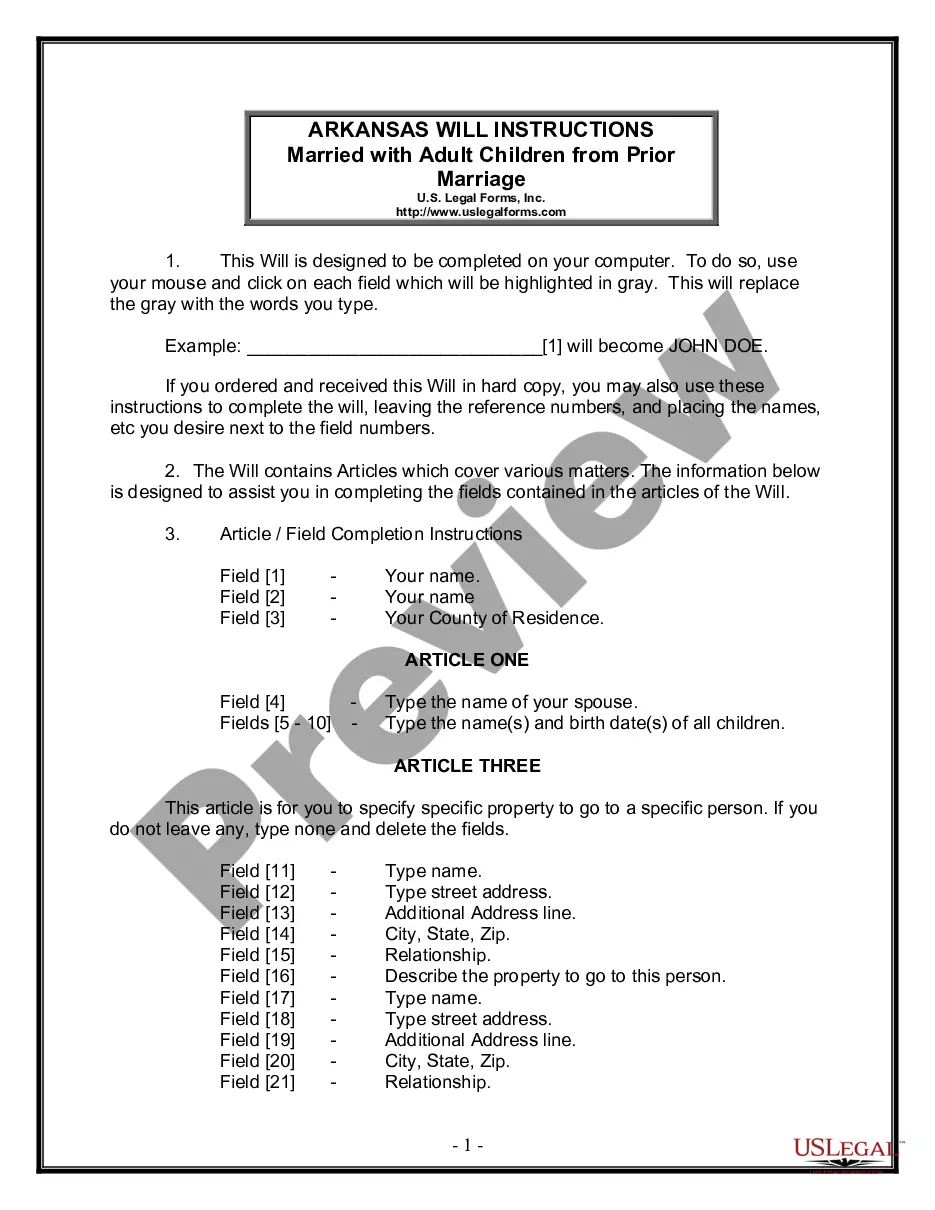
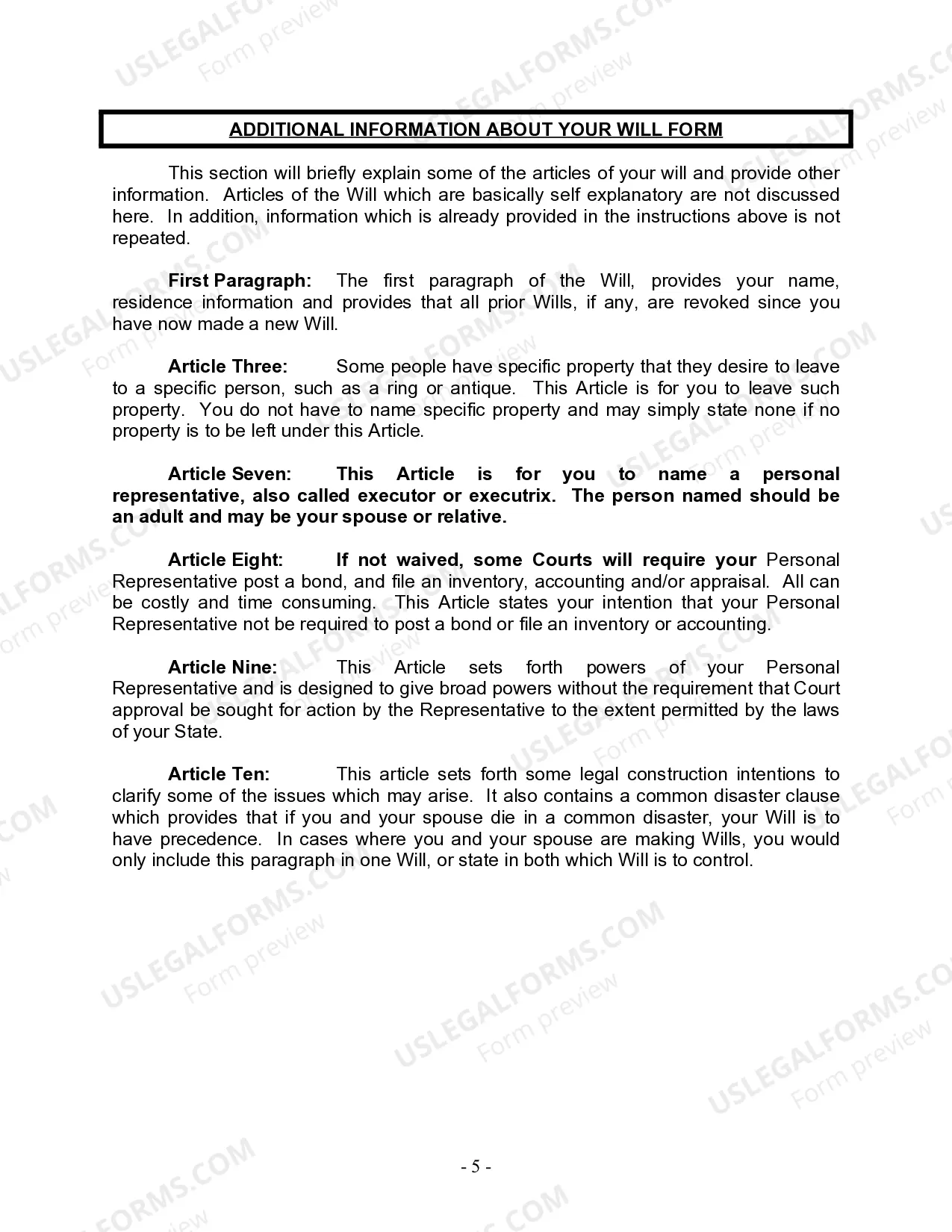
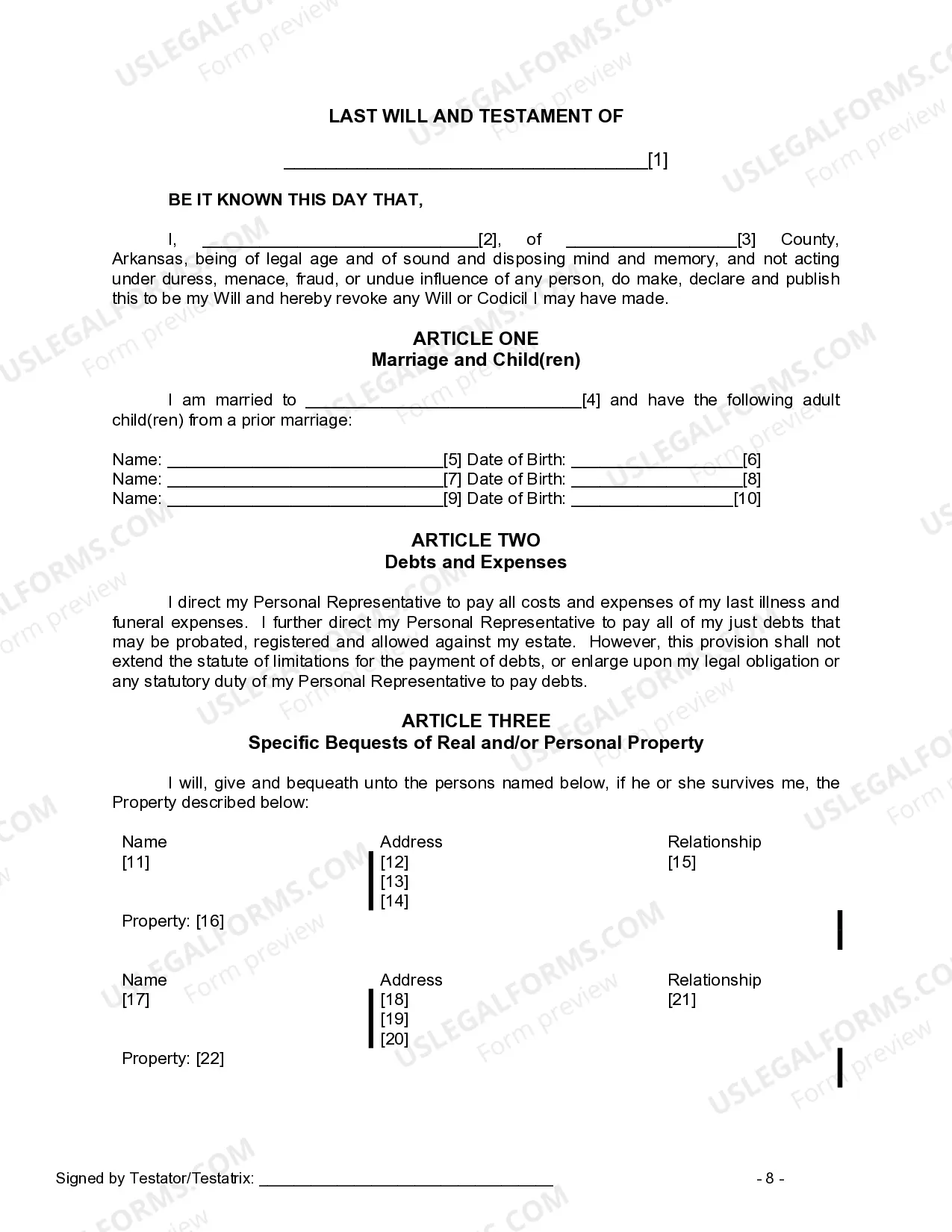
This Last Will and Testament for a married person with adult children from a prior marriage is a legal document that outlines how your assets will be distributed after your death. It is tailored for individuals who are married and have adult children from previous relationships, ensuring that both the spouse and the adult children are considered in estate planning. This will allows you to appoint a personal representative (executor) to manage your estate, designate beneficiaries for your property, and address specific needs for adult children from prior marriages.
Key parts of this document
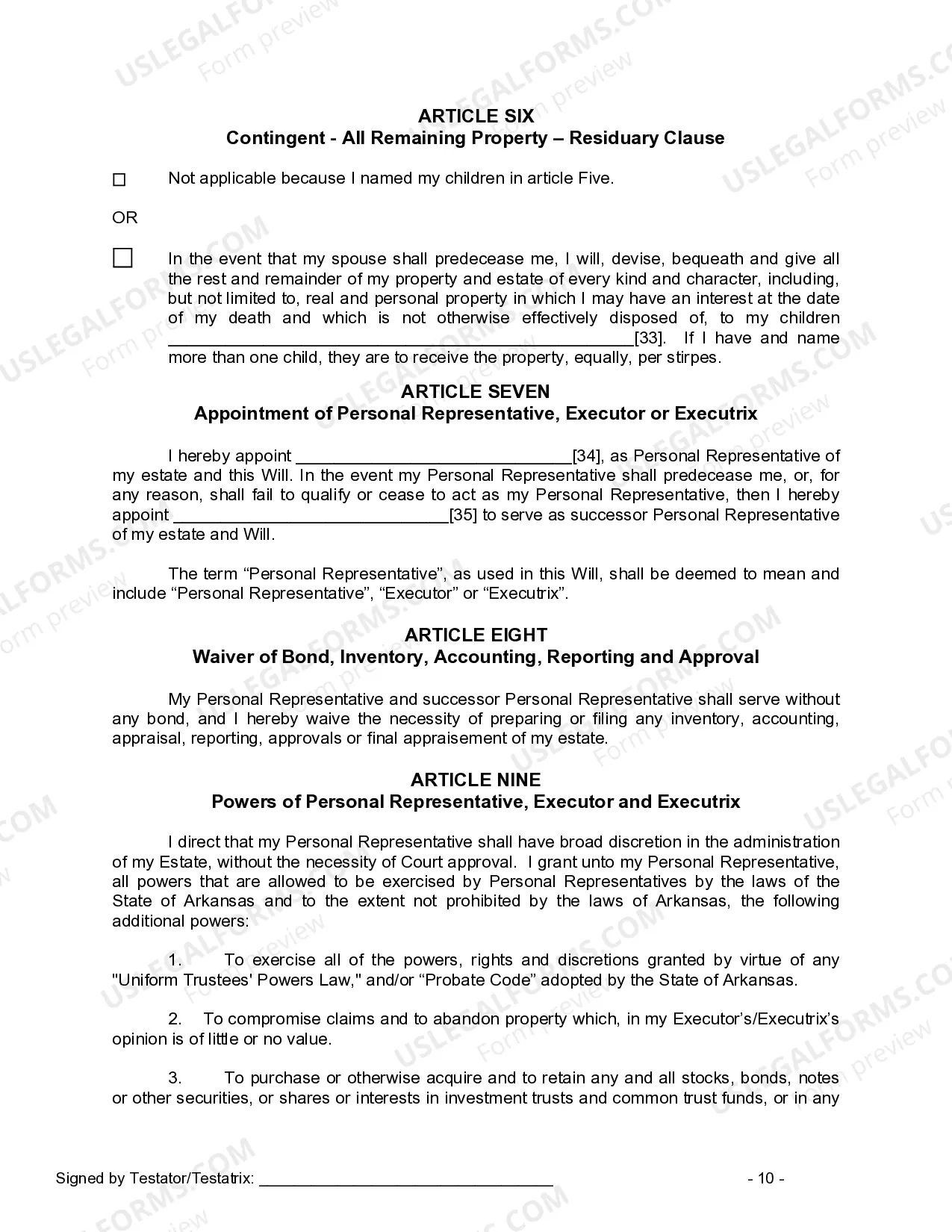
- Appointment of a personal representative to administer your estate.
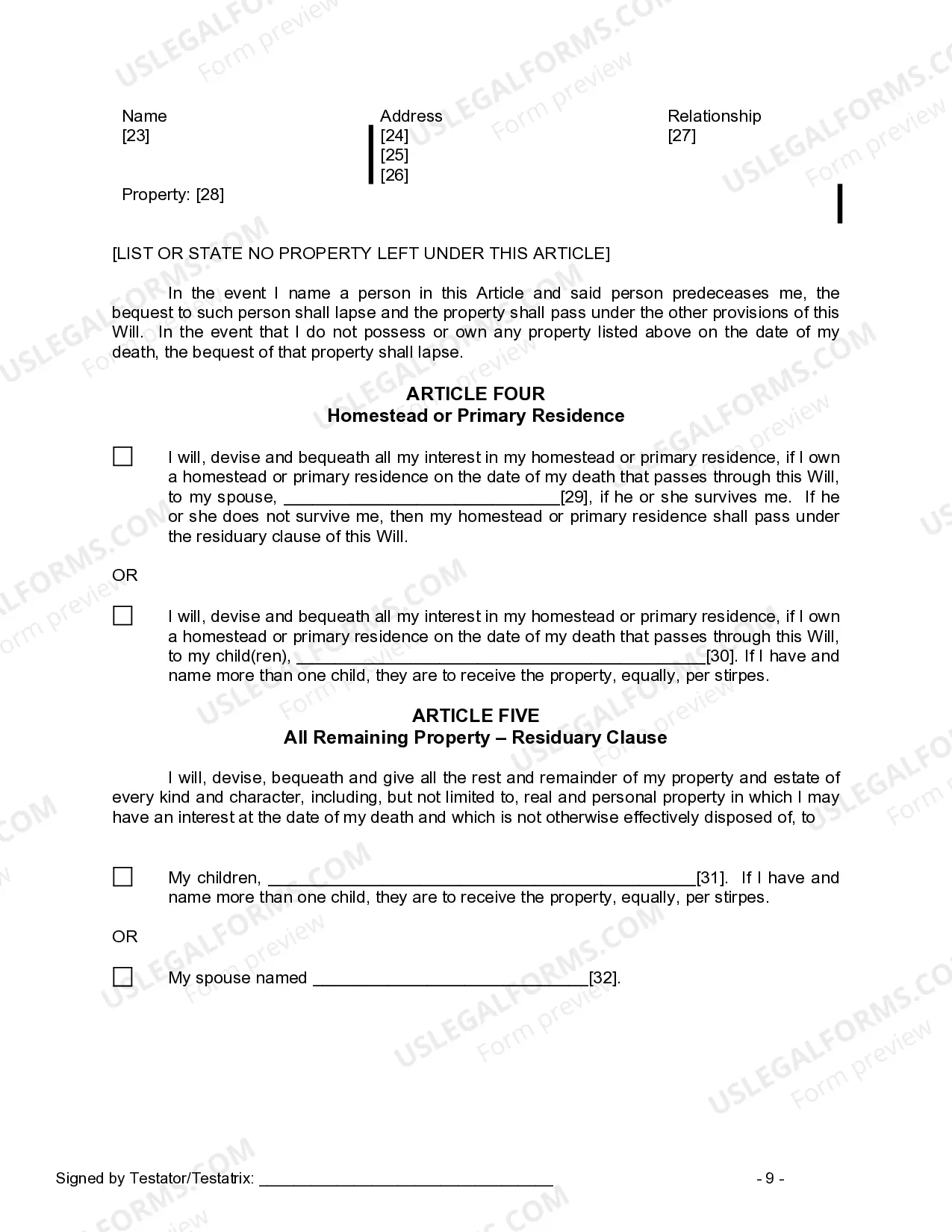
- Designation of beneficiaries for your property and specific bequests to individuals.
- Provisions for the homestead or primary residence.
- Residuary clause detailing how remaining assets will be distributed.
- Options to waive bond requirements for the personal representative.





When to use this document
You should use this form when you are a married individual and want to ensure that your assets are distributed according to your wishes after your death. It is particularly important if you have adult children from a prior marriage, as you may want to specify their rights and entitlements in your will. Having a legally binding will can also prevent potential disputes among heirs and provide clarity on your final wishes.
Who needs this form
This Last Will and Testament is suitable for:
- Married individuals with adult children from previous marriages.
- People who own significant assets and wish to allocate them clearly.
- Any individual aiming to prevent disputes among family members regarding estate distribution.
How to prepare this document
To complete this Last Will and Testament, follow these steps:
- Identify yourself and your spouse, including full names and residence county.
- List all adult children from previous marriages, providing their names and birth dates.
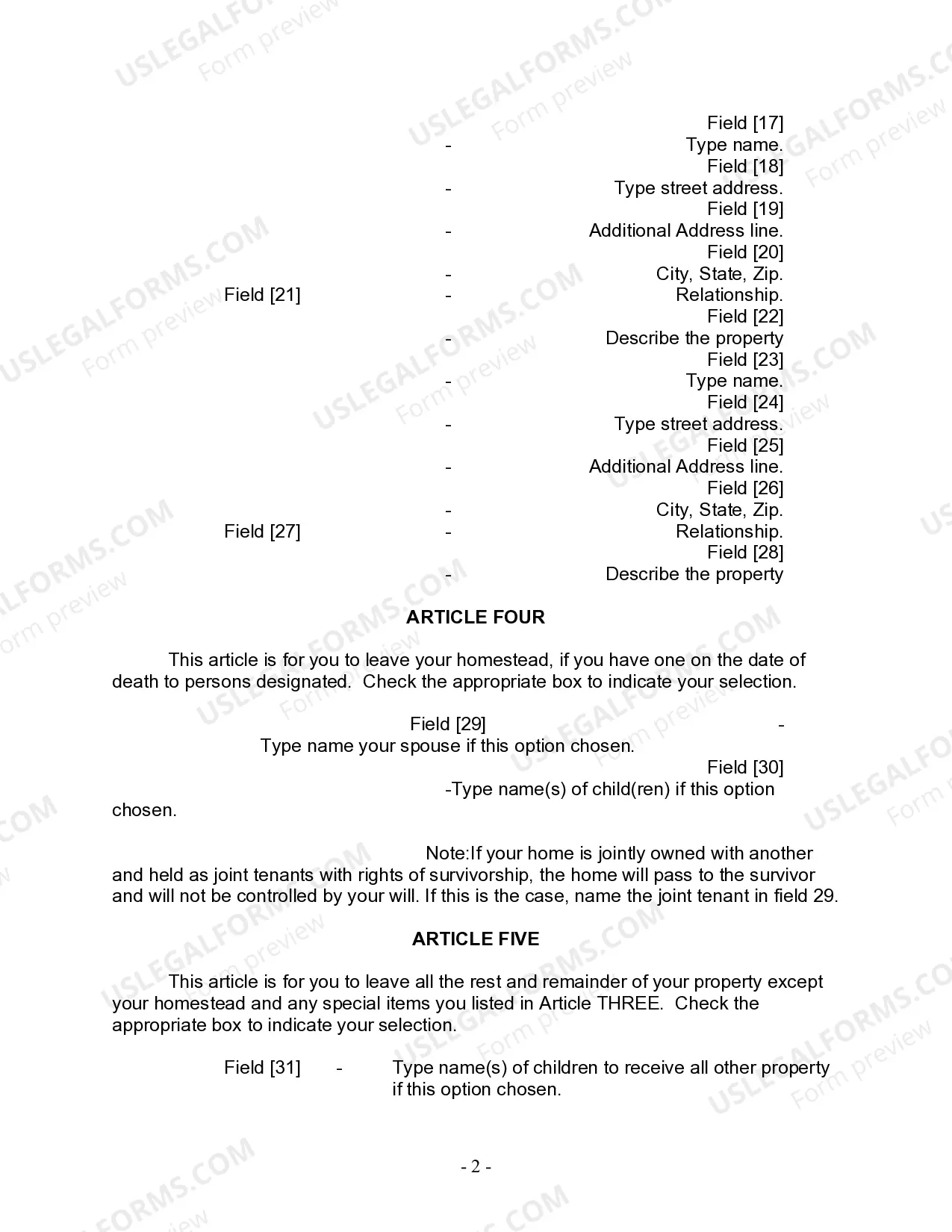
- Specify any particular properties or assets you wish to bequeath to specific individuals.
- Designate who will receive your homestead or primary residence.
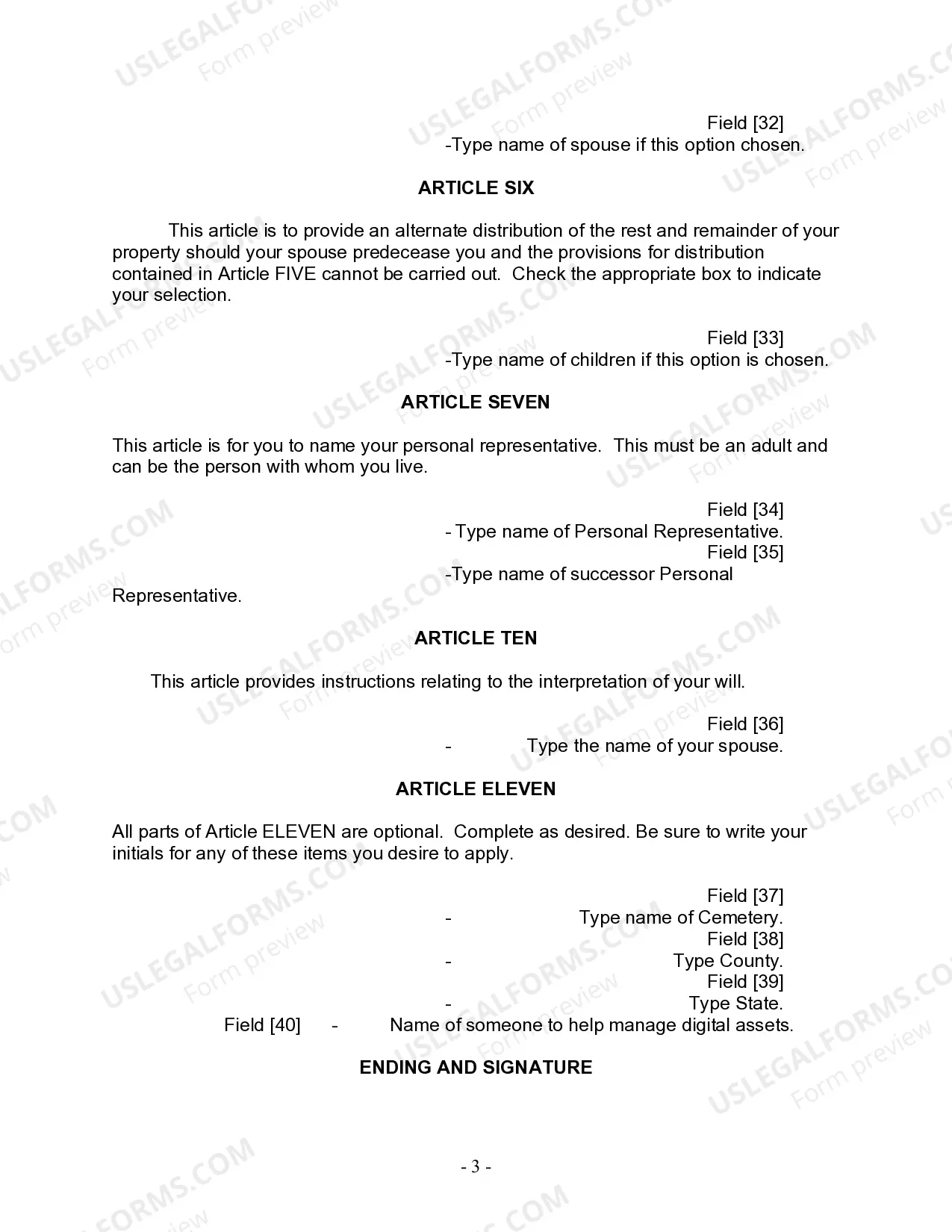
- Choose a personal representative to manage your estate and note any successor.
Does this document require notarization?
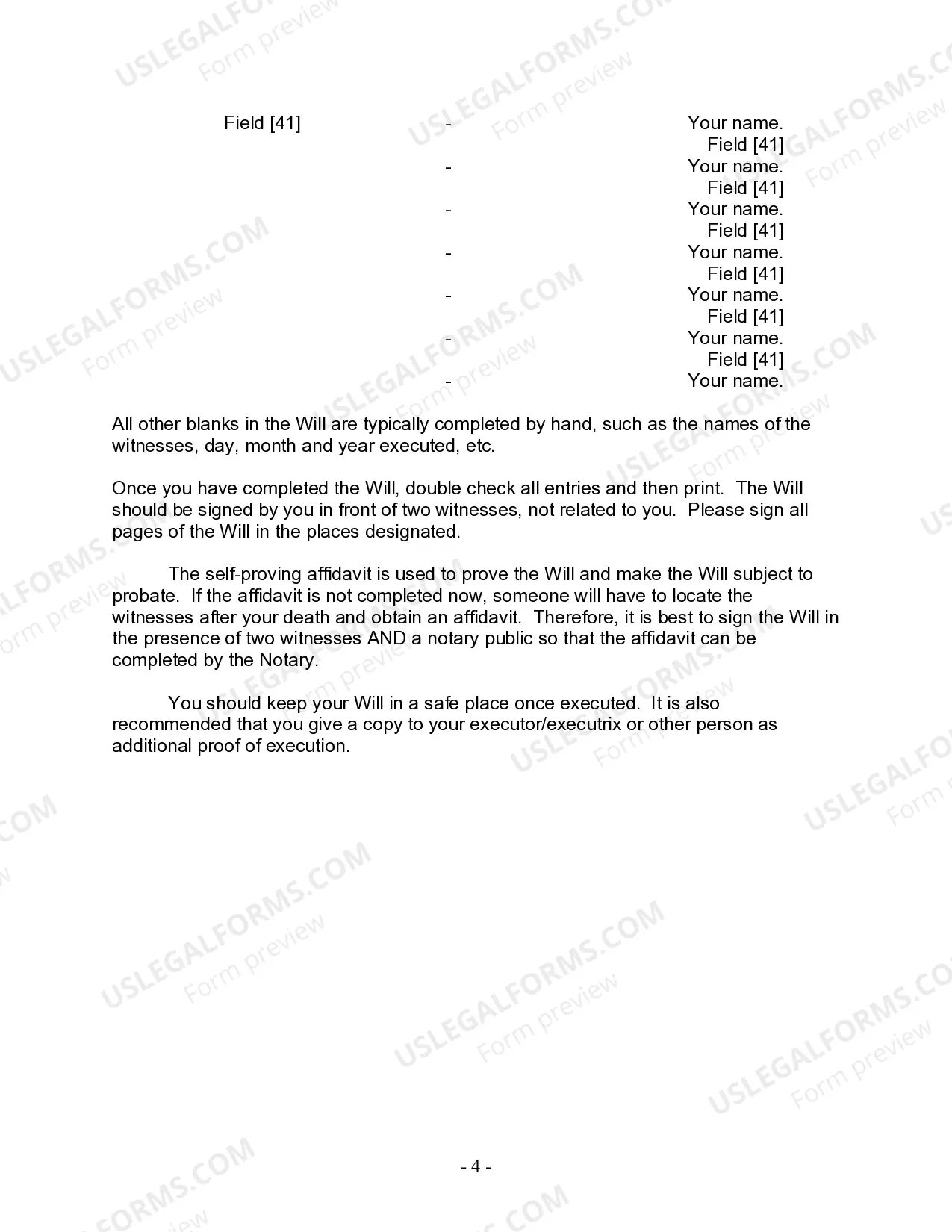
Yes, this form must be notarized to be legally valid if it includes a self-proving affidavit. You can complete the notarization through US Legal Formsâ integrated online service, available 24/7, providing a secure and convenient video call option, ensuring legal equivalence without the need to travel.
Get your form ready online
Our built-in tools help you complete, sign, share, and store your documents in one place.
Make edits, fill in missing information, and update formatting in US Legal Forms—just like you would in MS Word.
Download a copy, print it, send it by email, or mail it via USPS—whatever works best for your next step.
Sign and collect signatures with our SignNow integration. Send to multiple recipients, set reminders, and more. Go Premium to unlock E-Sign.
If this form requires notarization, complete it online through a secure video call—no need to meet a notary in person or wait for an appointment.
We protect your documents and personal data by following strict security and privacy standards.

Make edits, fill in missing information, and update formatting in US Legal Forms—just like you would in MS Word.

Download a copy, print it, send it by email, or mail it via USPS—whatever works best for your next step.

Sign and collect signatures with our SignNow integration. Send to multiple recipients, set reminders, and more. Go Premium to unlock E-Sign.

If this form requires notarization, complete it online through a secure video call—no need to meet a notary in person or wait for an appointment.

We protect your documents and personal data by following strict security and privacy standards.
Avoid these common issues
- Failing to sign the will in front of the required witnesses.
- Not specifying all adult children, which can lead to disputes.
- Overlooking the need to update the will after major life changes.
Advantages of online completion
- The form is easy to complete online and can be customized to fit your specific situation.
- Having a will prepared ensures that your wishes are legally documented and enforceable.
- Online forms can be saved and edited at your convenience.
Legal use & context
- This will serves as a legally binding document that outlines your final wishes, provided you follow state-specific execution requirements.
- Executing this will properly can help prevent disputes among heirs and streamline the probate process.
- Ensure the designated personal representative is aware of their role and responsibilities as stated in the will.
What to keep in mind
- This Last Will and Testament is specifically designed for married individuals with adult children from prior marriages.
- Proper execution of the will involves notarization and witness signatures to ensure its validity.
- Clear delineation of property and beneficiary designations can significantly ease the estate administration process.
Looking for another form?
Form popularity
FAQ
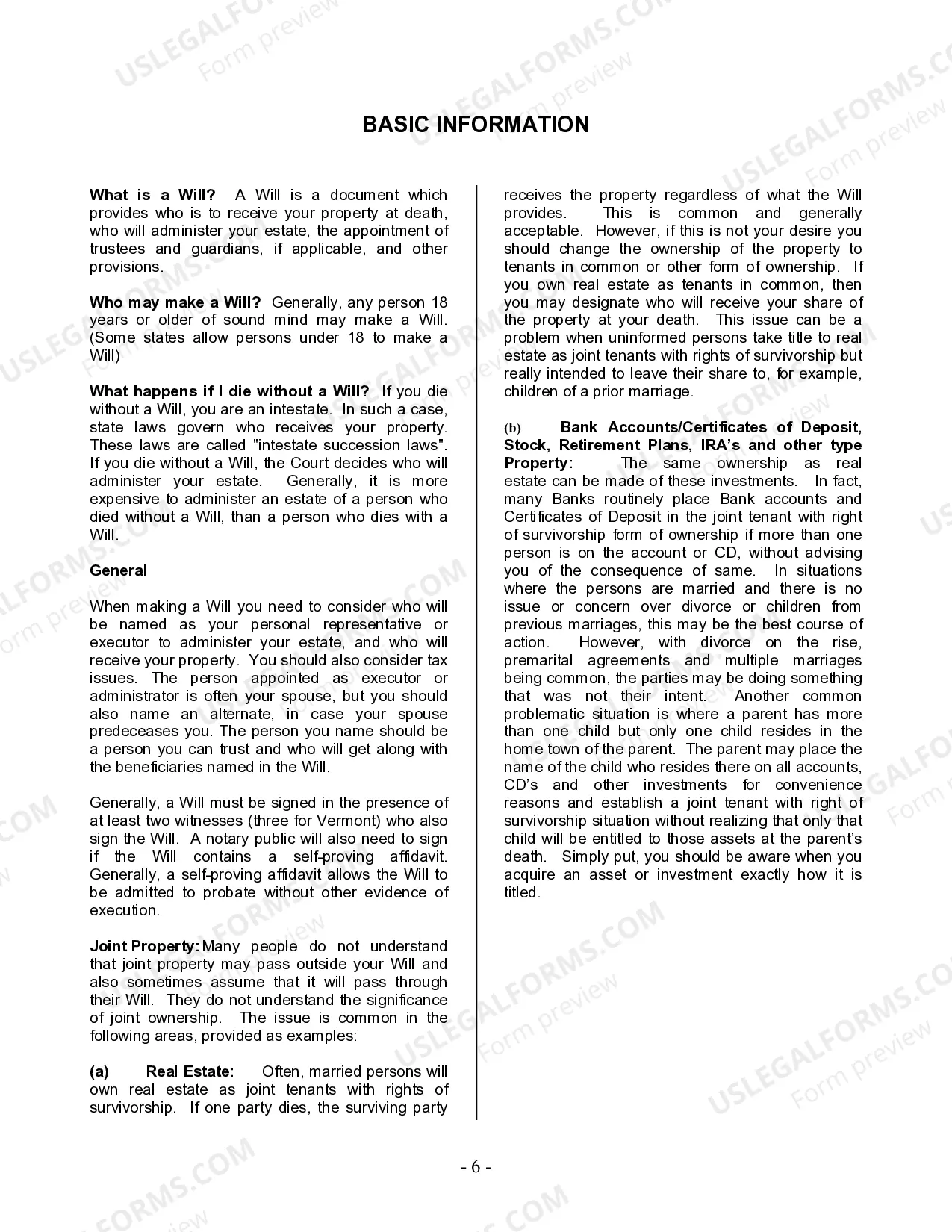
To be legal in Arkansas, a will must be in writing, signed by the individual creating the will, and witnessed by at least two individuals. Additionally, you need to be of sound mind and at least 18 years old when making an Arkansas Last Will and Testament for Married person with Adult Children from Prior Marriage. Following these guidelines allows your last wishes to be honored and protects your estate. Consider consulting legal resources, such as uslegalforms, for assistance with the process.
Yes, wills are considered public record in Arkansas once they are filed with the probate court. This means anyone can request to see the contents of a will. If you have an Arkansas Last Will and Testament for Married person with Adult Children from Prior Marriage, it is important to be aware of this transparency. However, you can still take steps to ensure privacy through trust arrangements.
In Arkansas, you must file a will with the probate court after the person who made the will passes away. This process is essential for validating the will and beginning the probate process. If you have prepared an Arkansas Last Will and Testament for Married person with Adult Children from Prior Marriage, it will play a key role in how your estate is handled. Engaging a legal expert can help simplify filing procedures.
Writing a will in Arkansas begins with outlining your wishes regarding asset distribution. An Arkansas Last Will and Testament for Married person with Adult Children from Prior Marriage should clearly identify beneficiaries and an executor. You can use legal forms from platforms like uslegalforms to create a valid will that complies with Arkansas laws. Always remember to sign your will in front of witnesses to ensure its legality.
In Arkansas, a living will does not need to be notarized, but it must be signed by the person creating the document and witnessed by two individuals. This process ensures that your wishes regarding medical treatment are clear. Using an Arkansas Last Will and Testament for Married person with Adult Children from Prior Marriage can sometimes act in coordination with a living will to secure your overall estate planning. Always consider involving legal counsel to meet all requirements.
To avoid probate in Arkansas, consider creating an Arkansas Last Will and Testament for Married person with Adult Children from Prior Marriage that includes specific provisions. You might also explore setting up revocable trusts or designating beneficiaries on accounts. These strategies can help streamline asset transfer and limit the need for probate. Consulting a legal professional can also guide you in making informed choices.
Wills are recorded in the probate court in Arkansas. Once filed, the court maintains a public record of the will, which can be accessed by interested parties. This documentation plays an essential role in ensuring that your Arkansas Last Will and Testament for Married persons with Adult Children from Prior Marriage is executed according to your wishes. Access to this record promotes transparency and can provide peace of mind for everyone involved.
In Arkansas, wills are filed in the probate court of the county where the deceased person resided. This court manages the legal processes related to the Arkansas Last Will and Testament for Married persons with Adult Children from Prior Marriage, including validating the will. Filing the will properly ensures that it can be accessed during the probate process and that your intentions are honored. Keeping records organized will streamline this process for your heirs.
Not all wills go through probate in Arkansas. If the estate's value is below a specific threshold or if it falls under certain exemptions, probate may not be necessary. However, executing an Arkansas Last Will and Testament for Married persons with Adult Children from Prior Marriage without probate can lead to complications, especially regarding asset distribution. Consulting with a legal expert can help clarify your options and requirements.
To obtain a copy of a will in Arkansas, you may need to contact the local probate court where the will was filed after the person's death. If the will has not gone through probate, finding a copy might be challenging. However, if you have access to the individual’s records or lawyer, they may assist you in acquiring a copy of the Arkansas Last Will and Testament for Married persons with Adult Children from Prior Marriage. Remember, the process can vary depending on local rules.