What is Annulment?
Annulment is a legal procedure that declares a marriage null and void. It is used when a marriage is found to be invalid. Explore state-specific templates for your needs.
Annulment documents help individuals legally dissolve a marriage. Our attorney-drafted templates are quick and easy to complete.

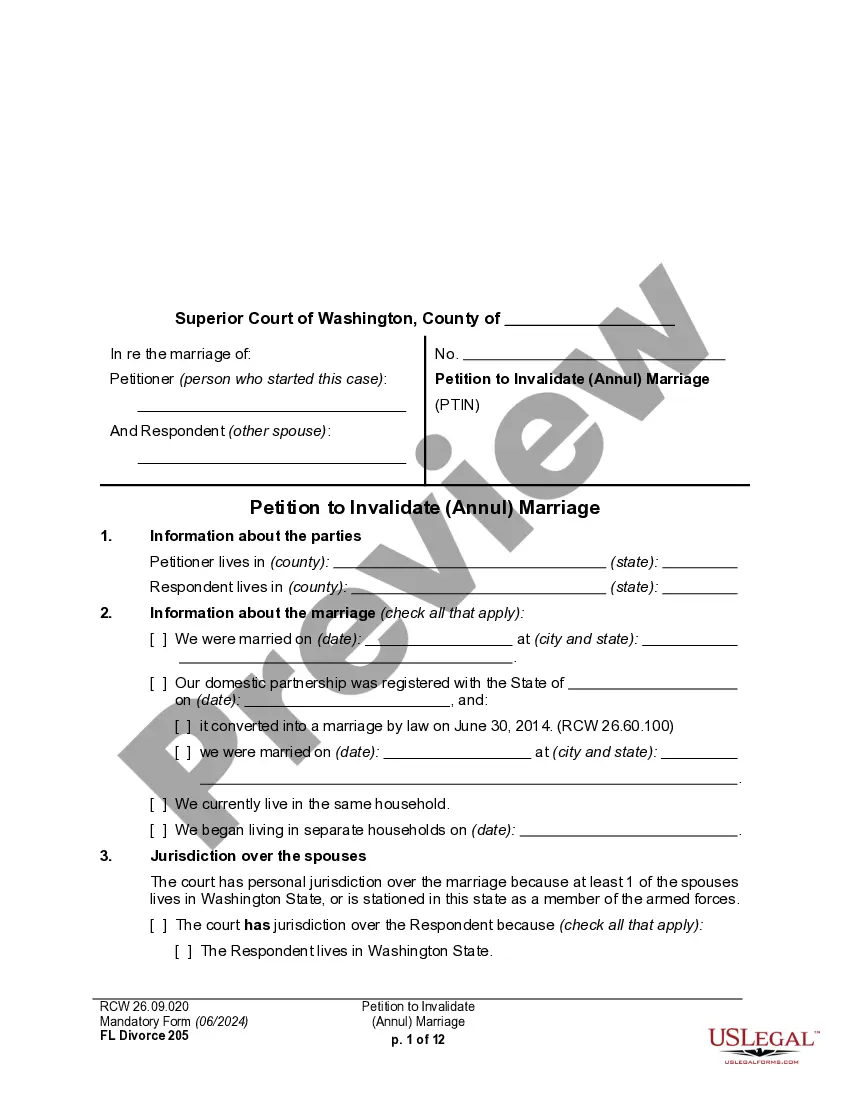
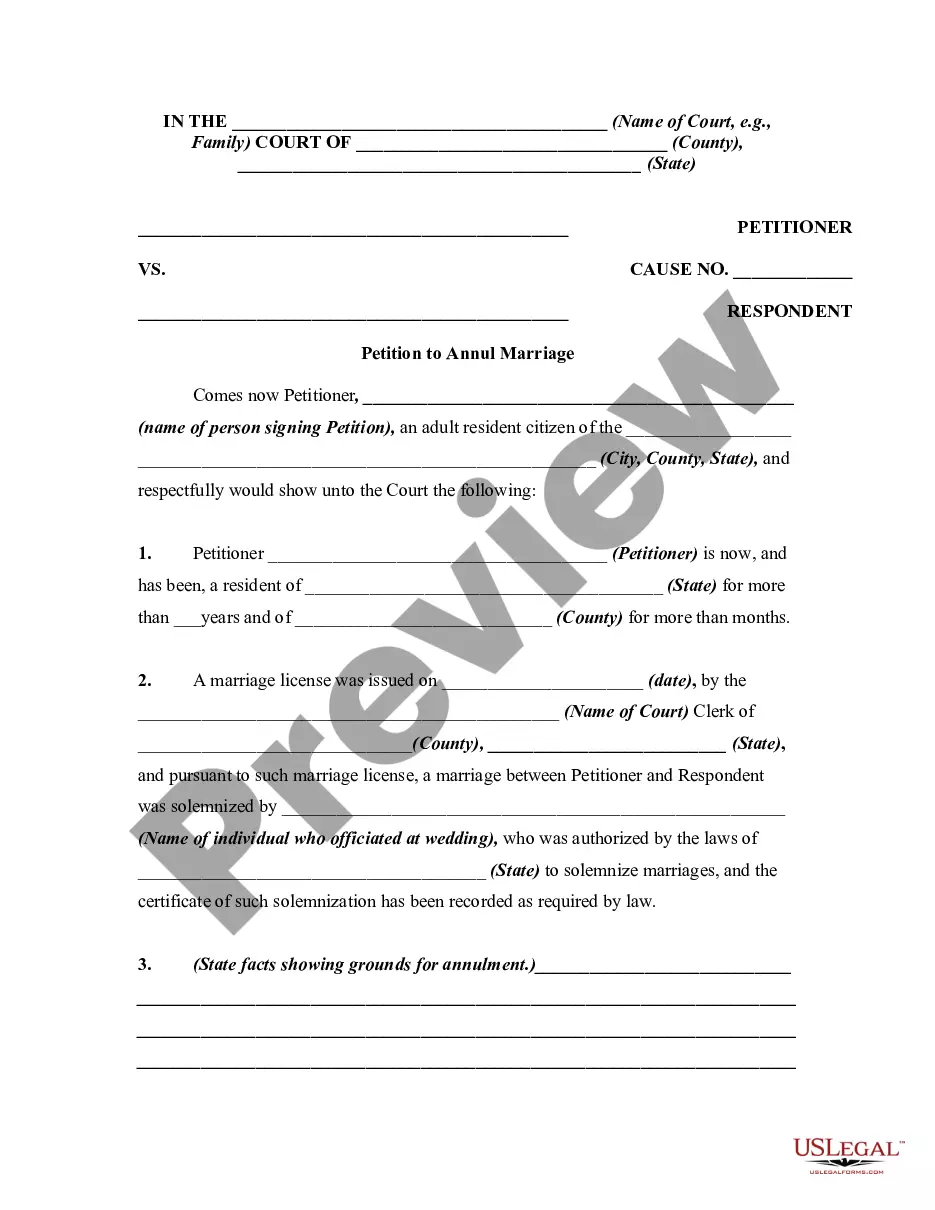
Use this form to request the annulment of a marriage under specific legal grounds, such as lack of capacity or coercion.
End a registered domestic partnership legally with this petition, allowing for the declaration of nullity based on applicable grounds.
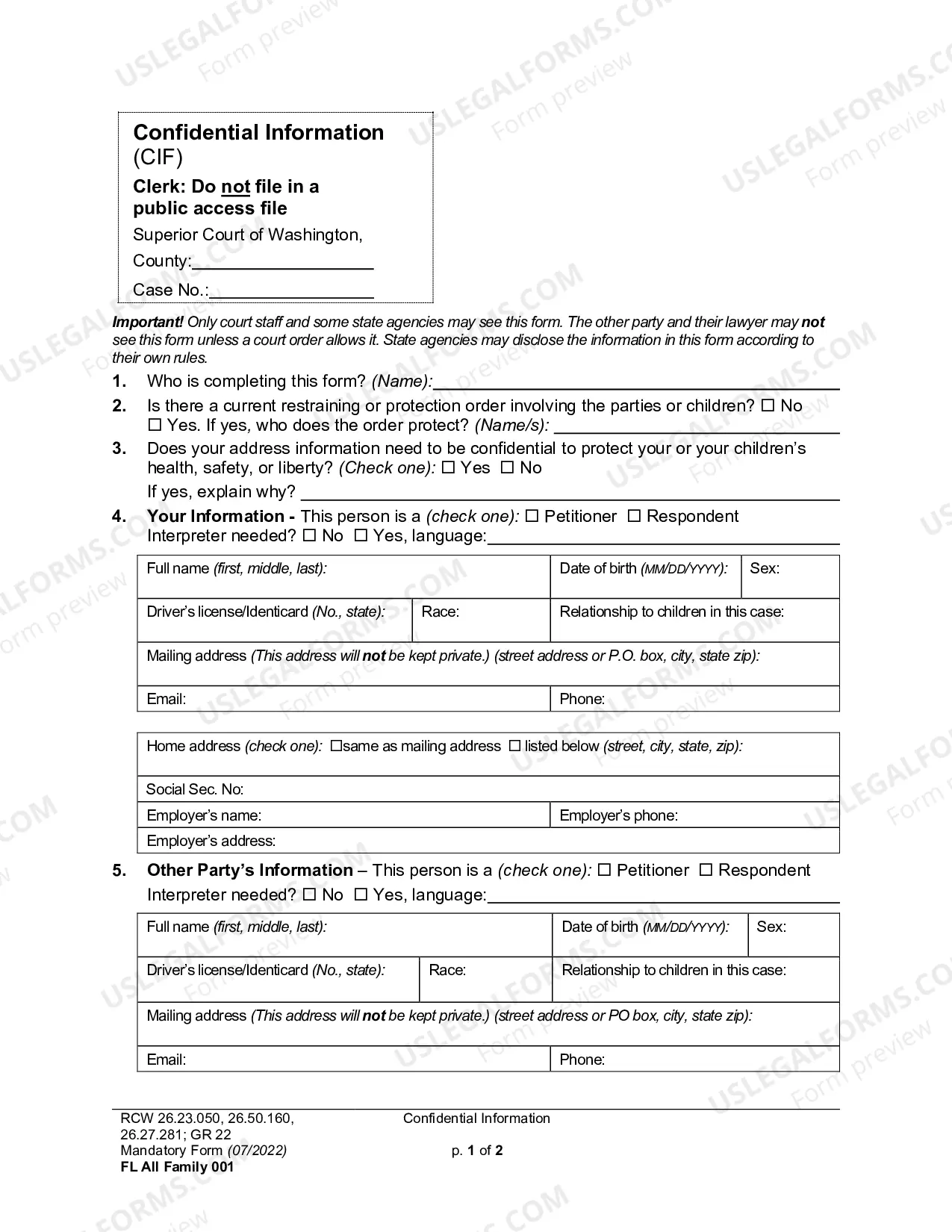
Protect sensitive information during annulment proceedings with this confidential form, limiting access to court personnel and certain state agencies only.
Use this to request the annulment of a marriage based on specific legal grounds, ensuring your marriage is recognized as invalid.
Request annulment of a registered domestic partnership if invalidity conditions are met.
Obtain a legal order for final divorce, legal separation, or annulment, outlining necessary terms and conditions.
Use this order to formally end a registered domestic partnership, establish legal separation, or annul an invalid partnership.
File for an annulment when your marriage has no children or shared property, addressing specific legal grounds for cancellation.
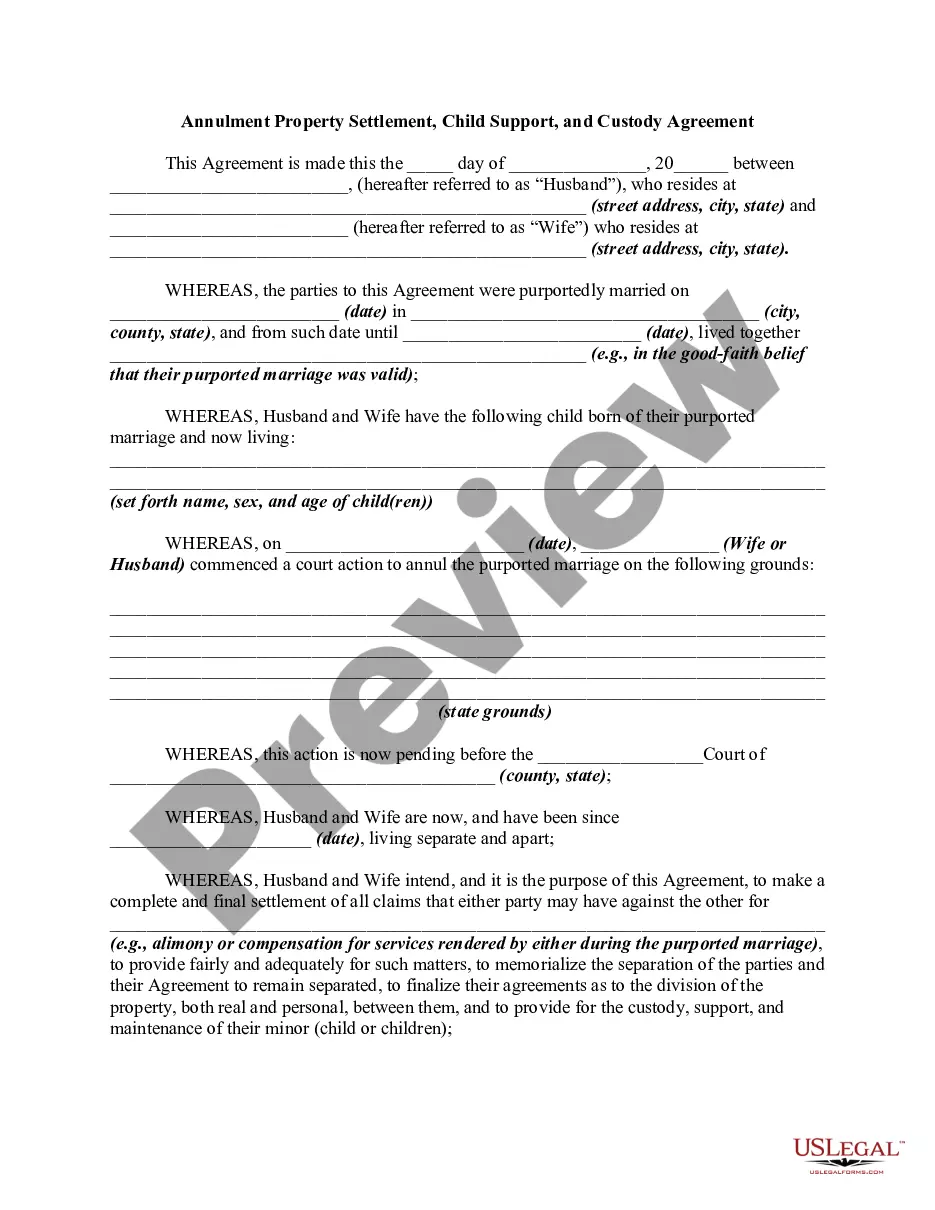
Finalize agreements for property division, child support, and custody after annulment proceedings.
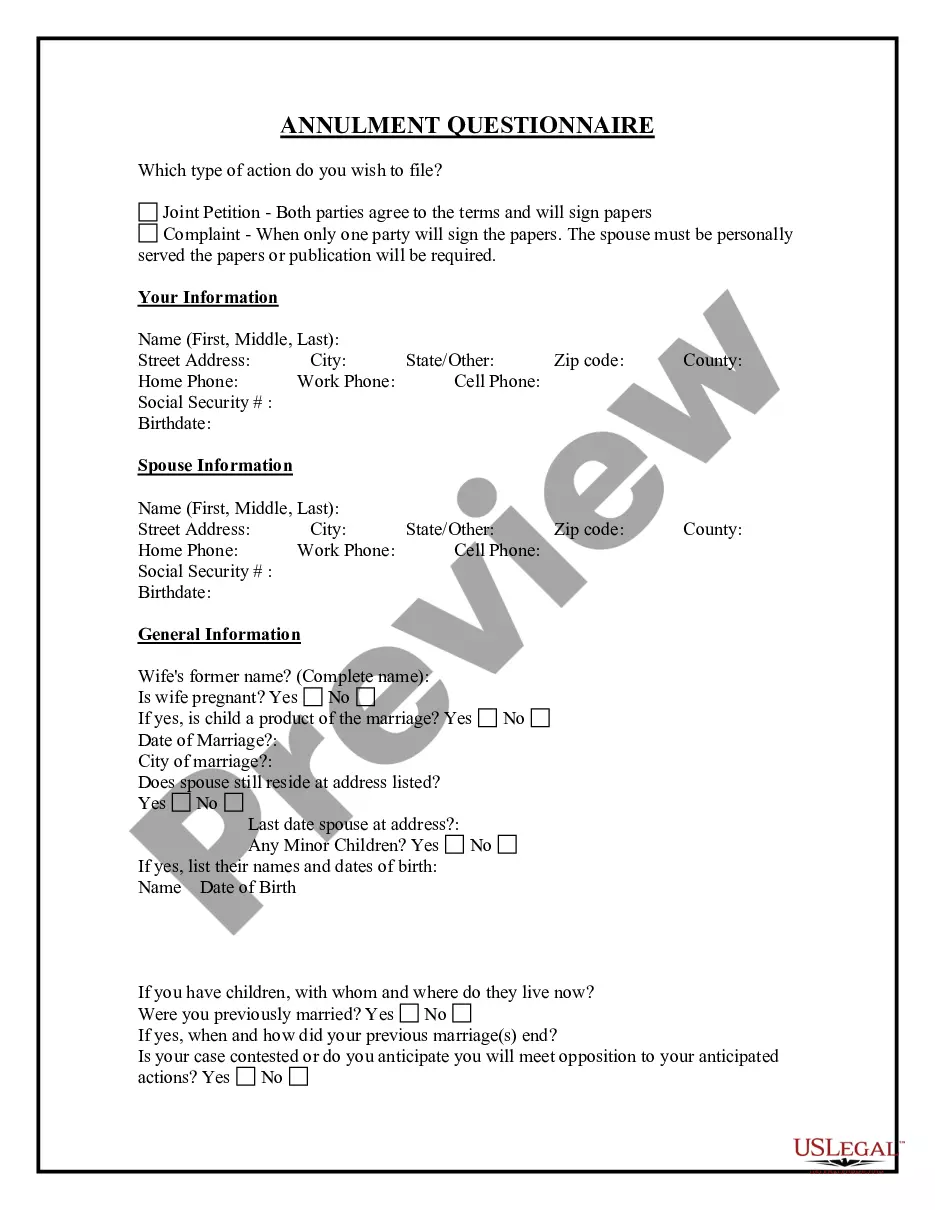
Use this questionnaire to determine grounds for annulment and whether both partners agree to the filing process.
Annulments can be sought for specific legal reasons.
Not all marriages can be annulled; valid grounds are necessary.
Some annulments may affect property distribution.
Annulment does not equate to divorce in legal terms.
Filing requirements vary by jurisdiction.
Many annulment documents need notarization.
There are deadlines for filing annulment petitions.
Begin the process quickly with these steps.
Annulment voids a marriage, while divorce terminates a legally valid marriage.
Annulments are typically sought soon after the marriage, depending on grounds.
Common grounds include fraud, coercion, or incapacity at the time of marriage.
Yes, an annulment permanently nullifies the marriage as if it never existed.
Yes, annulments usually require court proceedings to finalize the dissolution.