What is Annulment?
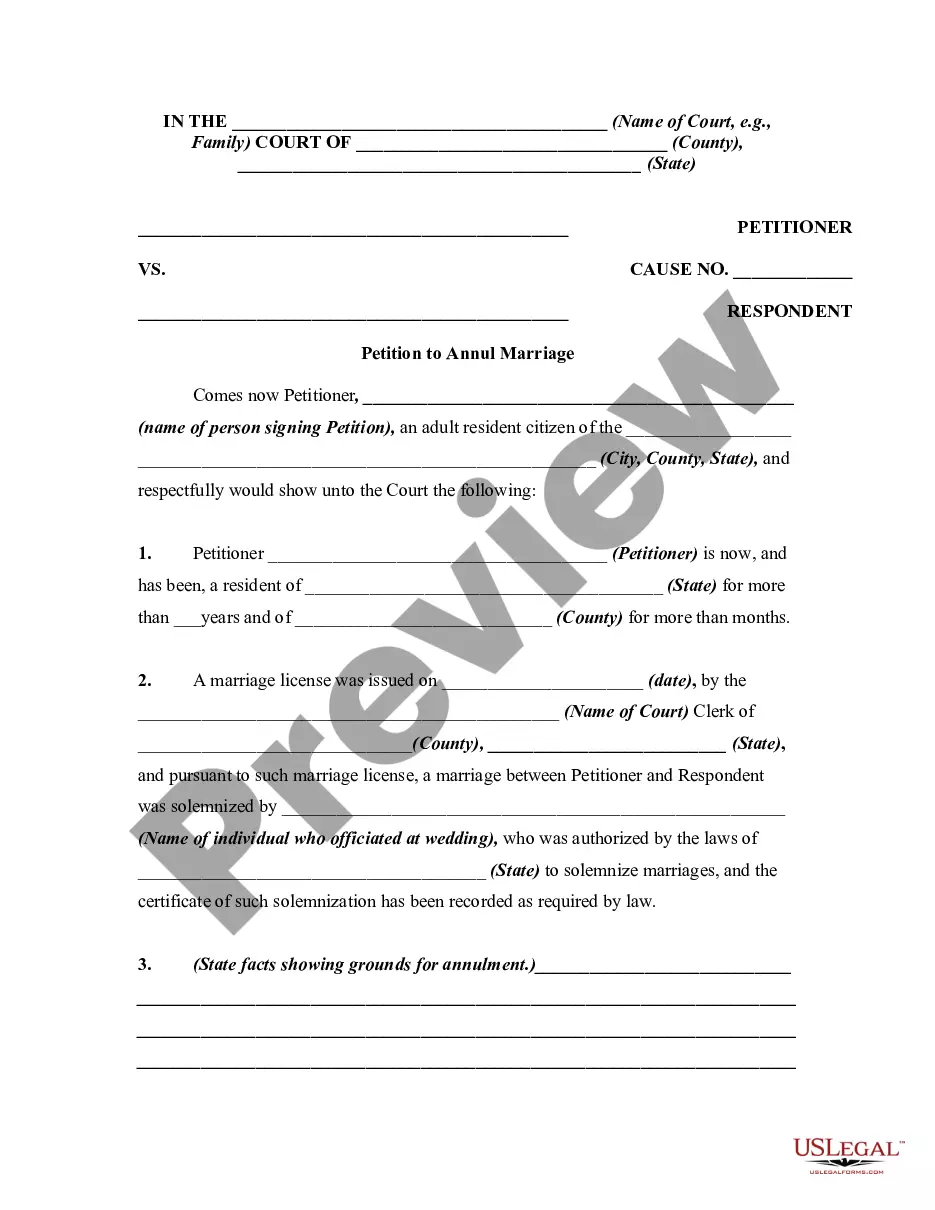
Annulment is a legal process that declares a marriage null and void. These documents are used when certain conditions, like fraud or coercion, exist. Explore state-specific templates to get started.
Annulment documents help formally declare a marriage void. Attorney-drafted templates are quick and user-friendly.

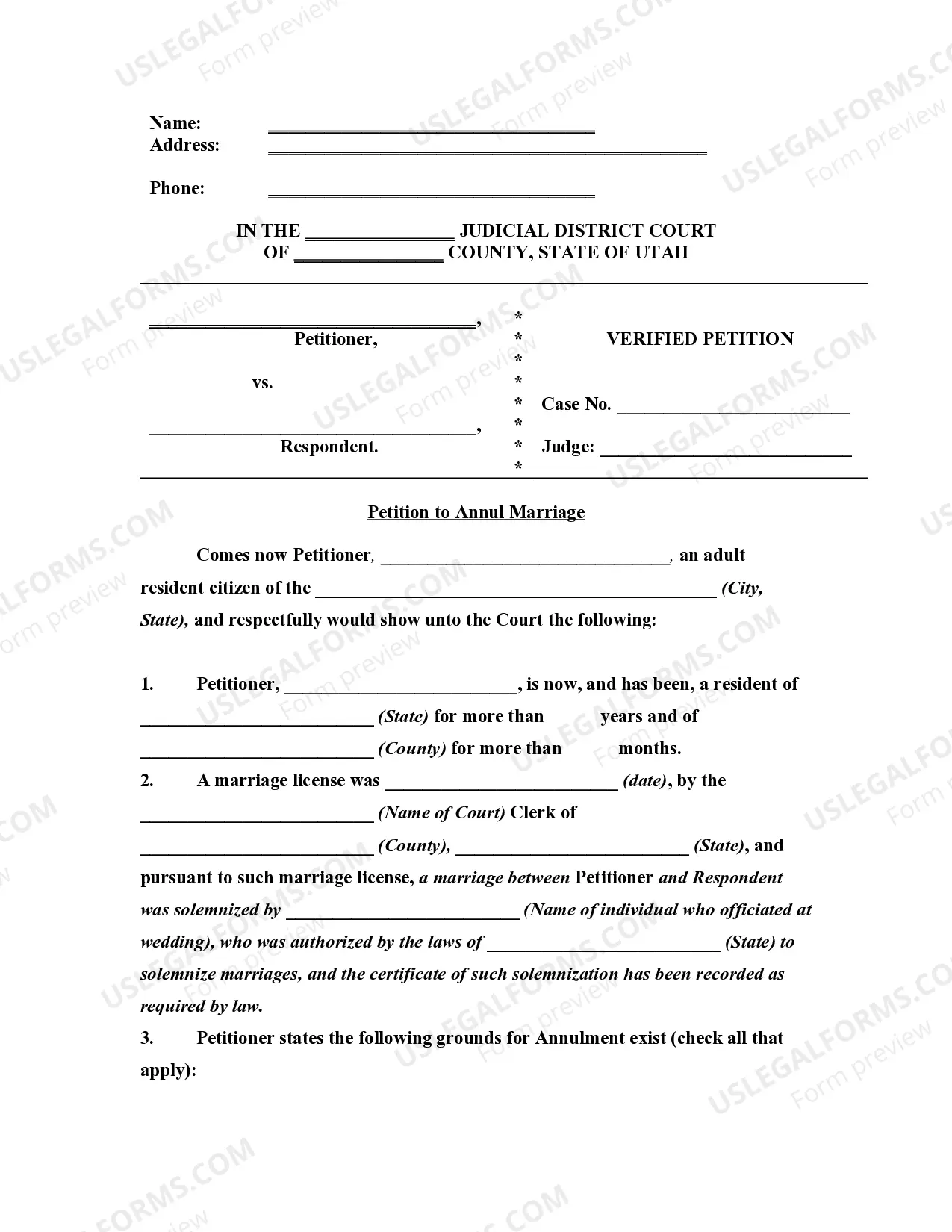
Use this document to officially declare your marriage void under specific legal grounds, protecting your rights and status.
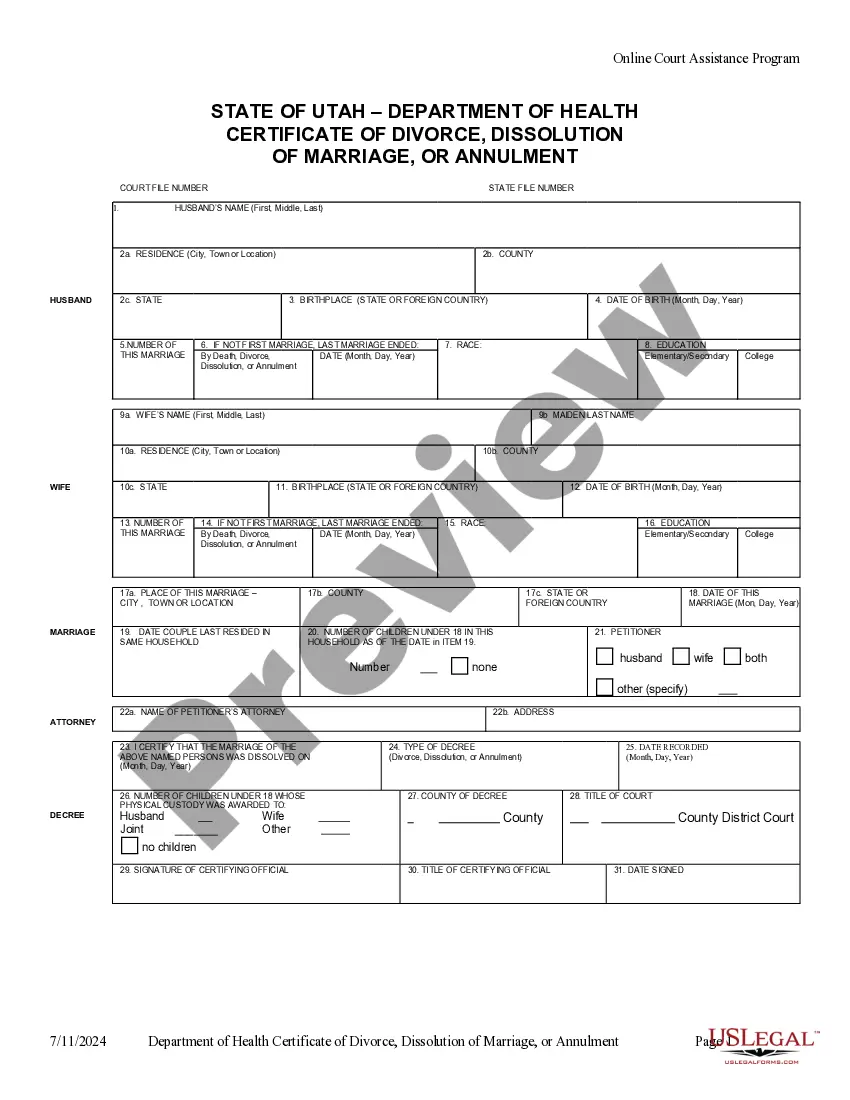
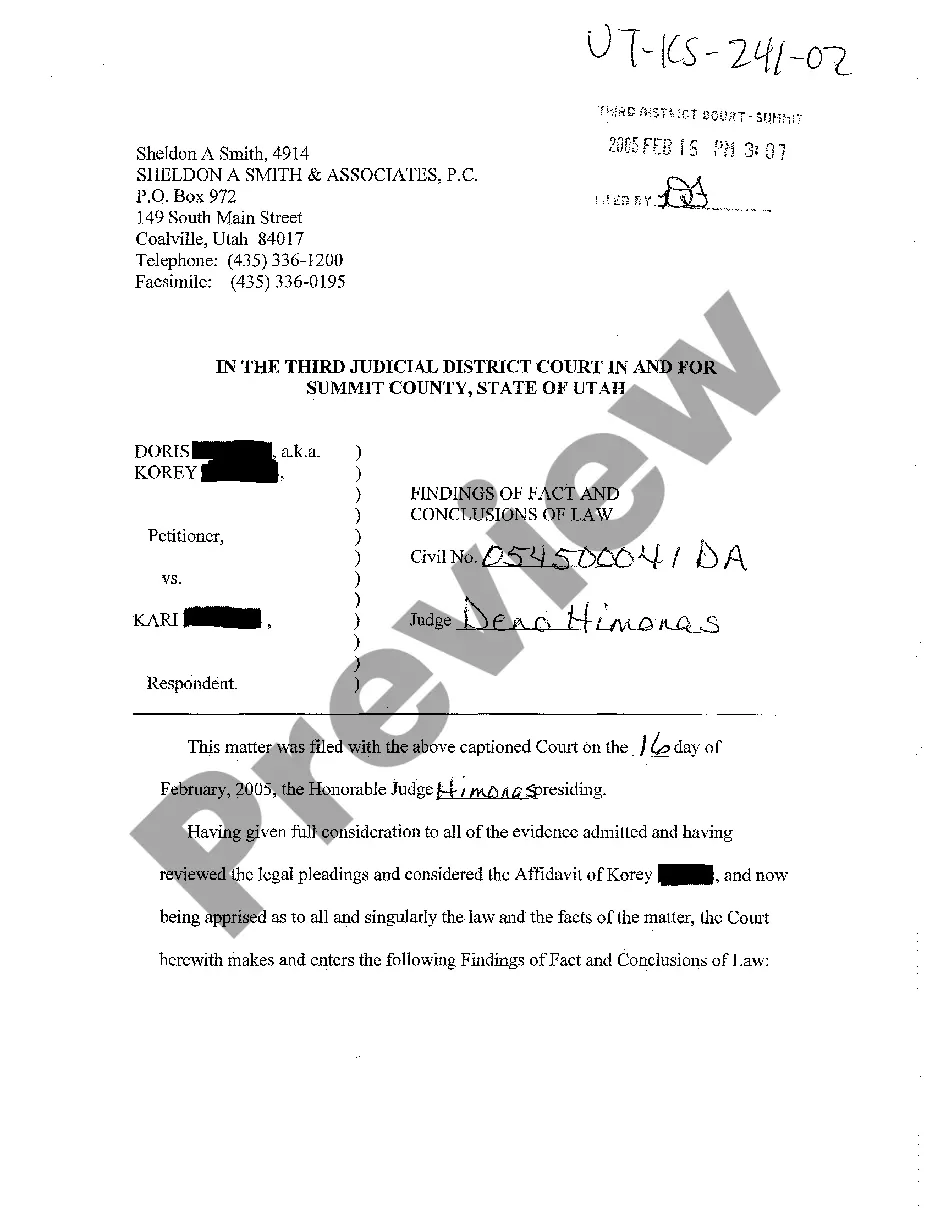
Obtain official documentation of your divorce, dissolution, or annulment, which is essential for legal recognition and future proceedings.
Obtain official documentation for a divorce, annulment, or dissolution of marriage, essential for legal records and further proceedings.
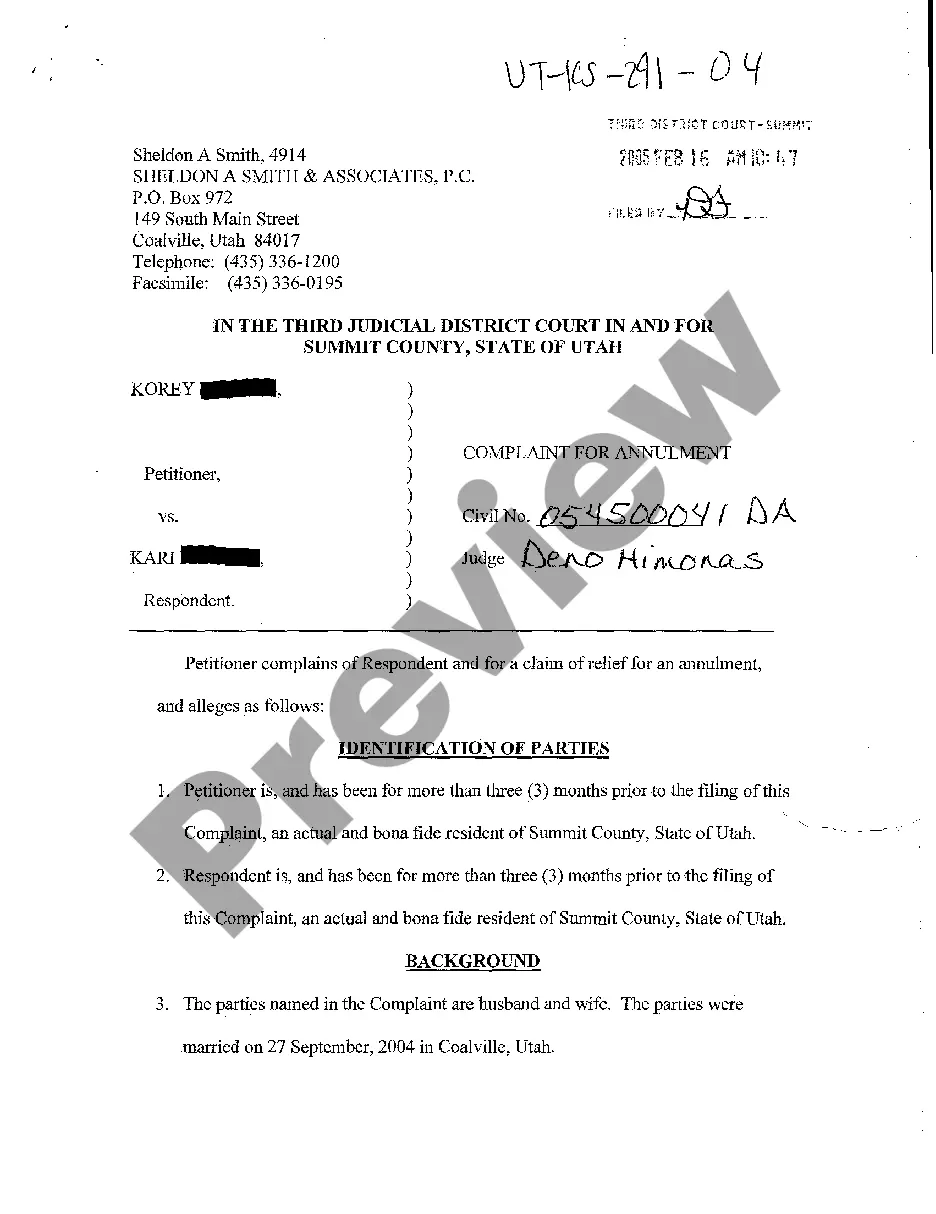
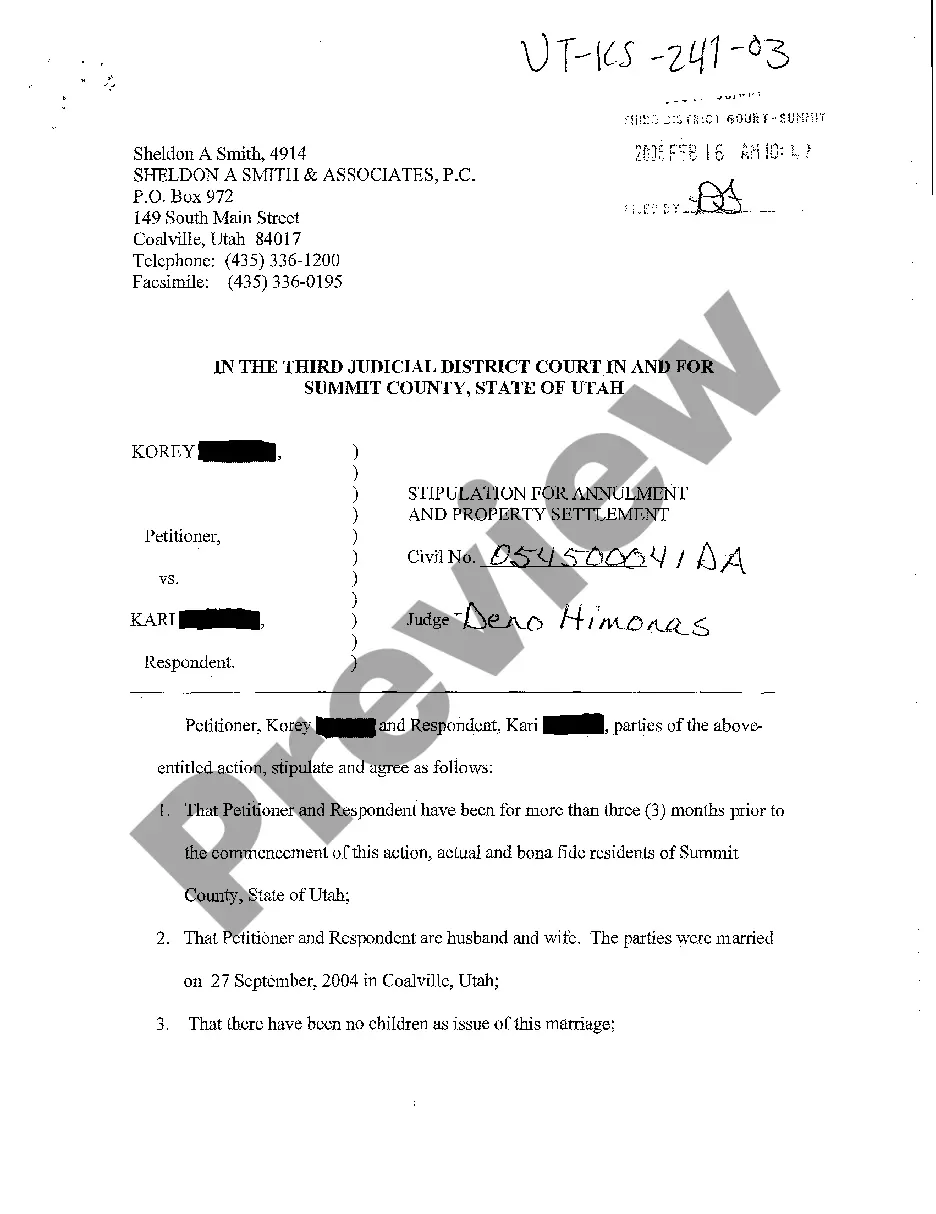
File for an annulment when your marriage has no children or shared property, addressing specific legal grounds for cancellation.
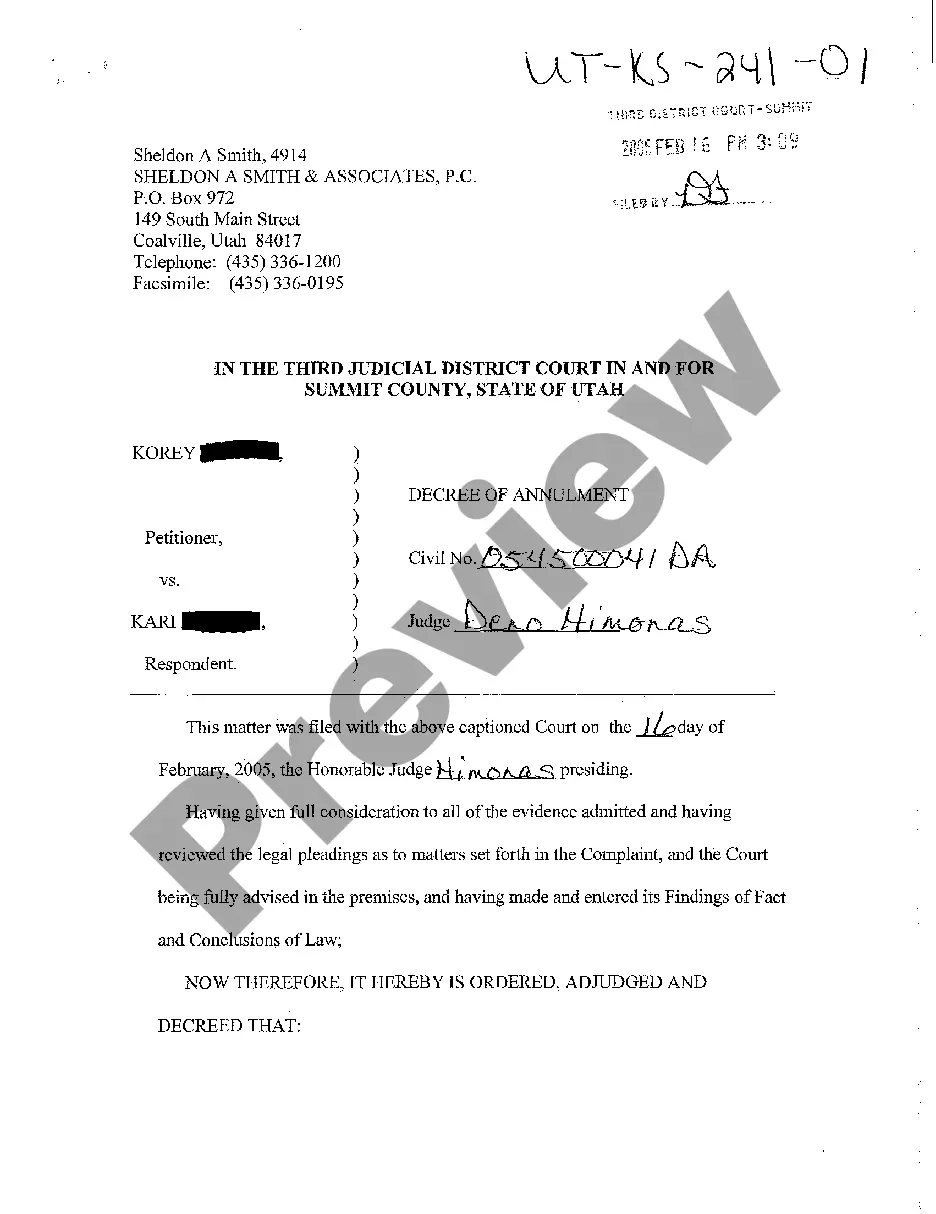
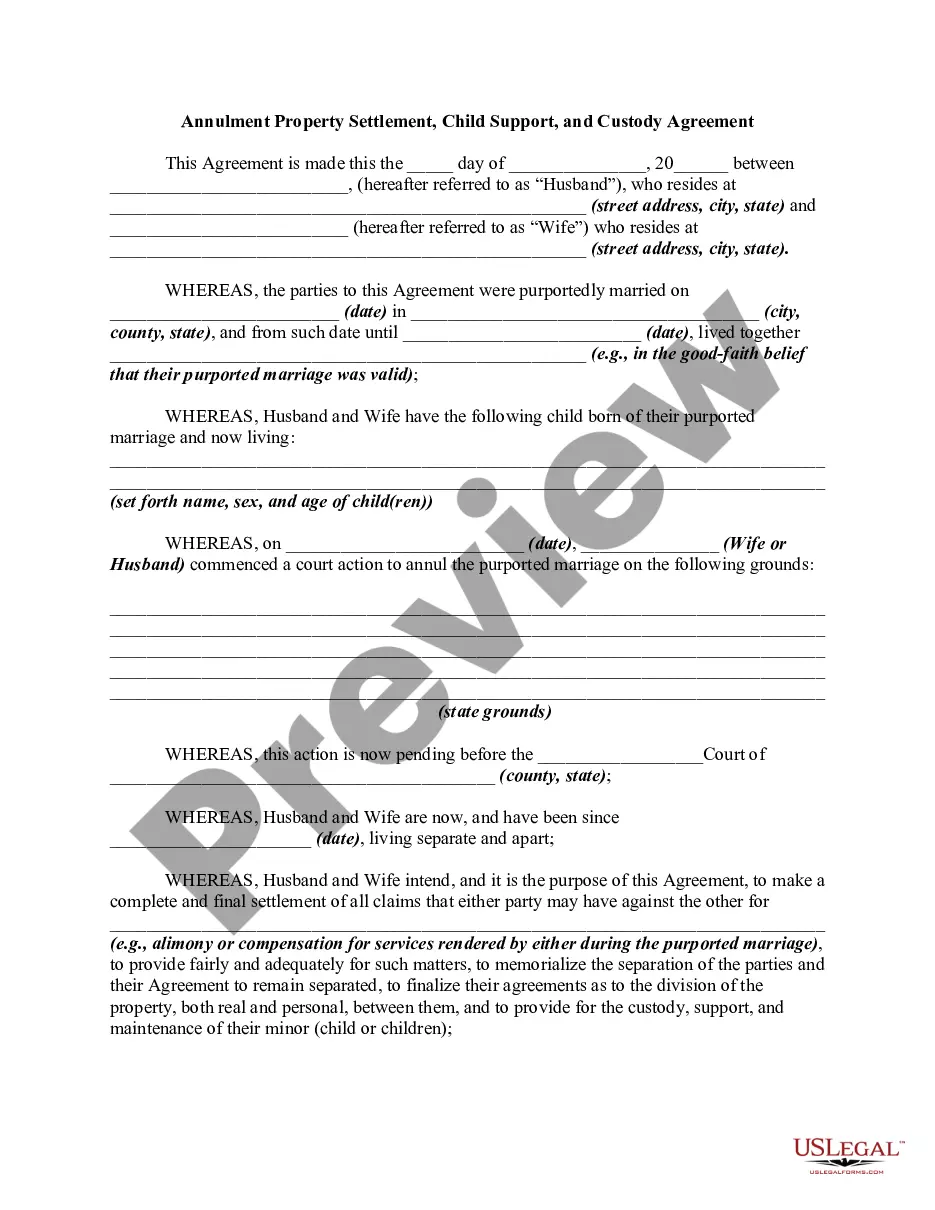
Finalize agreements for property division, child support, and custody after annulment proceedings.
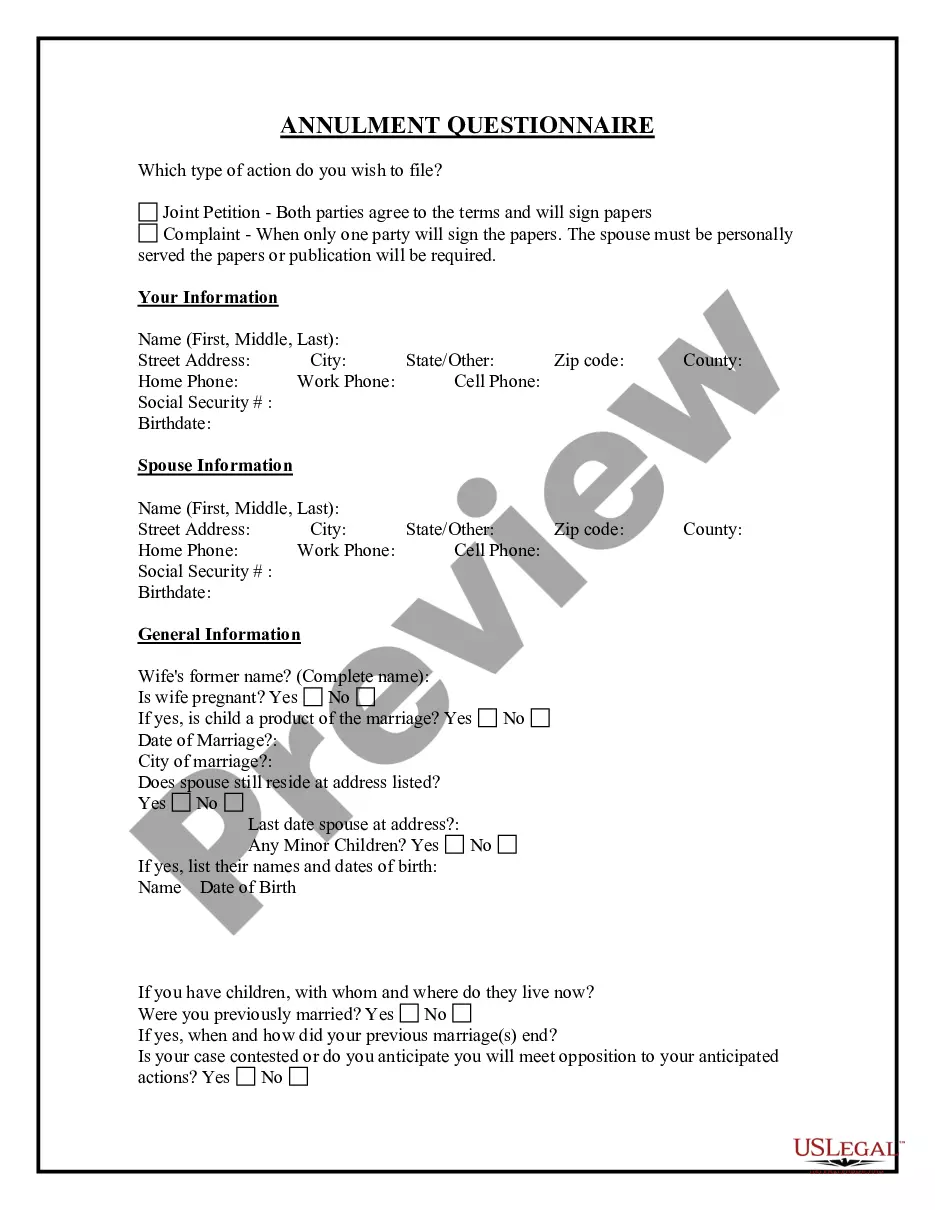
Use this questionnaire to determine grounds for annulment and whether both partners agree to the filing process.
Annulment can be sought based on specific grounds like fraud or incapacity.
Not all marriages qualify for annulment; valid grounds must be established.
Annulment documents may require witness signatures in many cases.
Filing for annulment typically involves a court process.
Annulment does not automatically resolve issues like property division or child custody.
An annulled marriage is considered never to have occurred legally.
Some grounds for annulment may include underage marriage or lack of consent.
Begin your annulment process with these simple steps.
Annulment declares a marriage void, while divorce ends a valid marriage.
Common grounds include fraud, coercion, or incapacity.
The duration varies based on the court's schedule and specific circumstances.
Yes, once an annulment is granted, you can remarry without legal impediments.
Annulment records are generally public, but access may vary by jurisdiction.