What is Annulment?
Annulment documents declare a marriage null and void, treating it as if it never existed. These forms are used when legal grounds for annulment are met. Explore state-specific templates for your needs.
Annulment in Massachusetts helps individuals legally dissolve a marriage. Our attorney-drafted templates are quick and user-friendly.

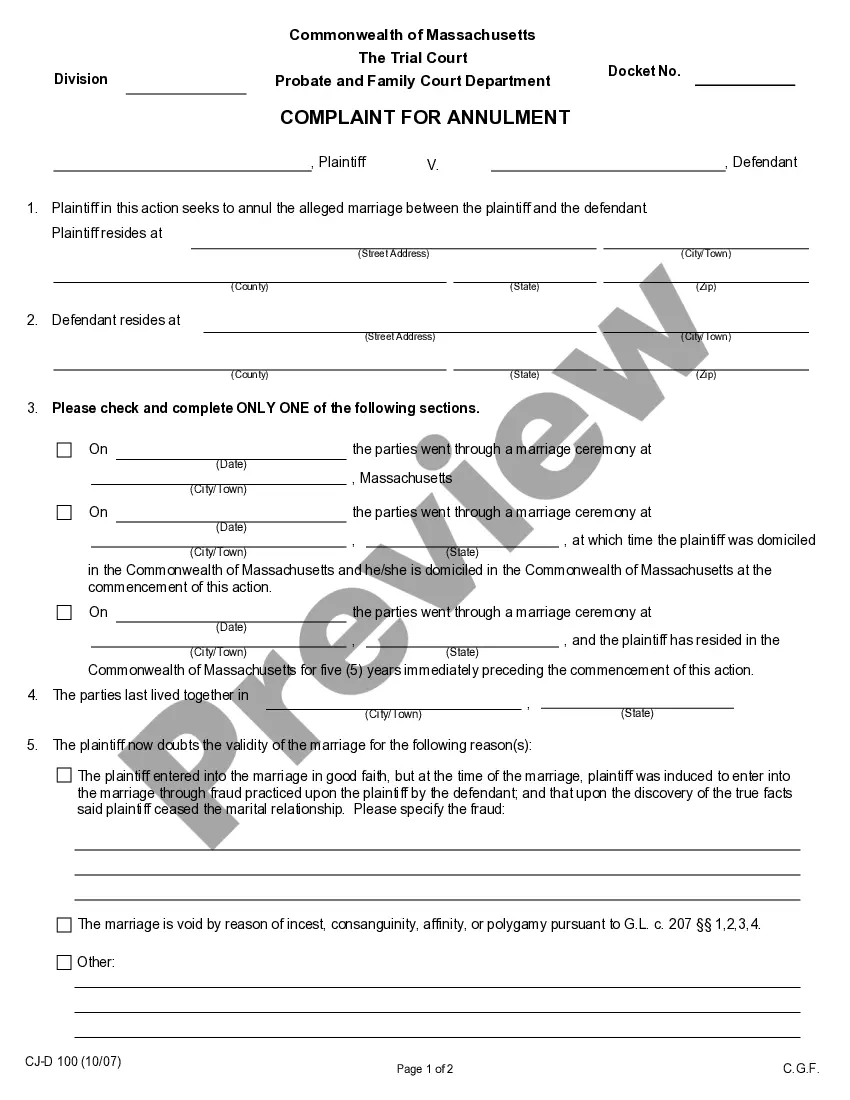
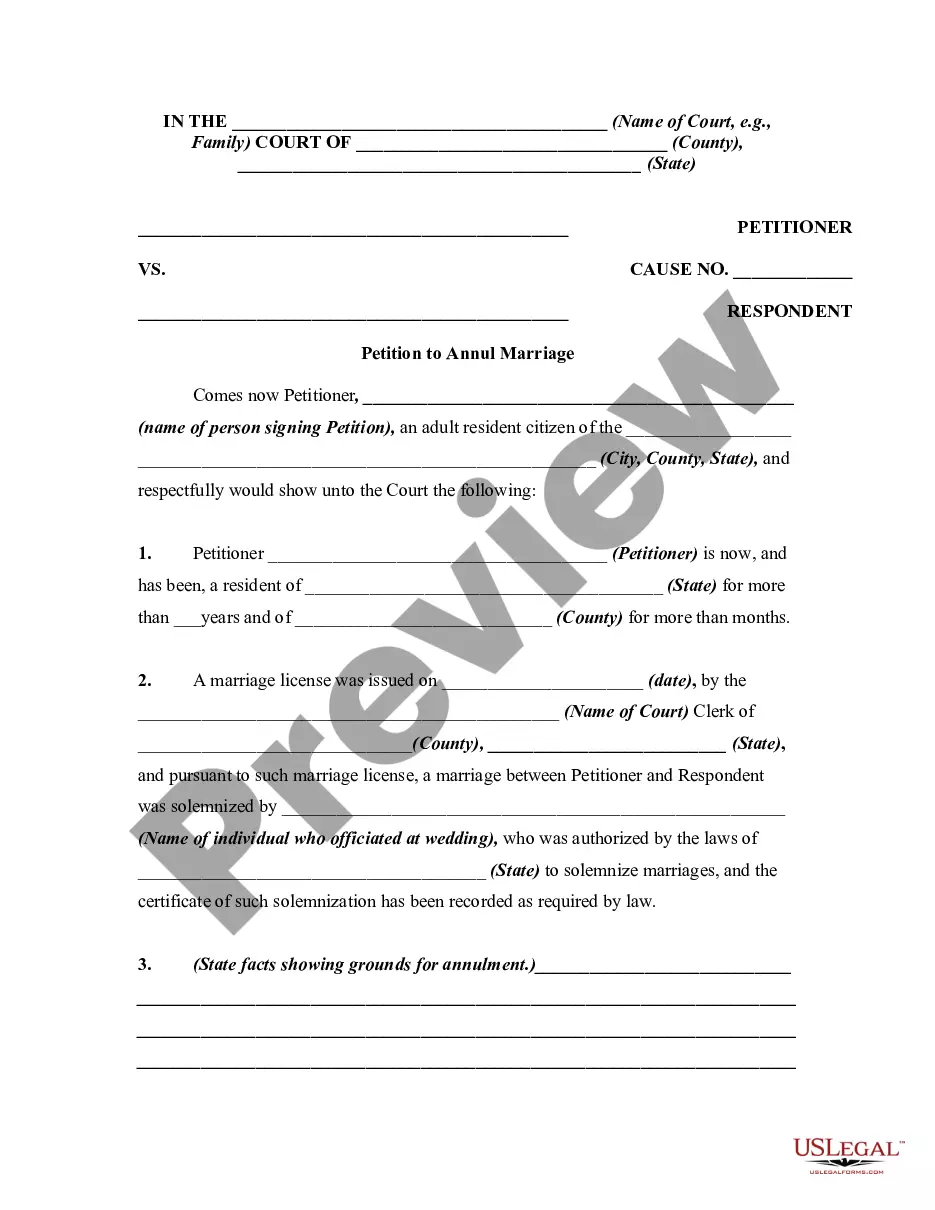
Use this form to legally request the annulment of a marriage, making it effectively null and void.
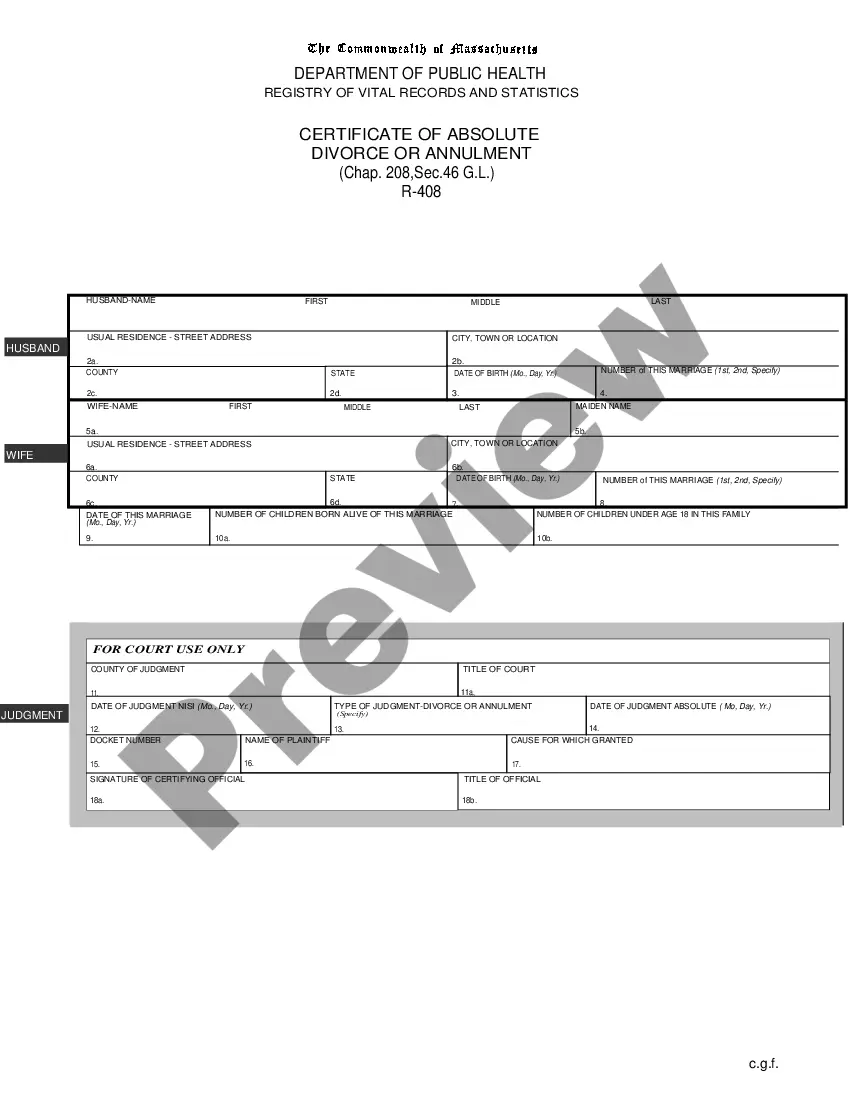
Obtain certification for your divorce or annulment, essential for legal proceedings and record verification.
Essential for documenting the end of a marriage and necessary for statistical reporting in Massachusetts.
Required for filing a divorce or annulment in Massachusetts, this report collects vital statistics for statistical and research purposes.
Ideal for individuals seeking to void a marriage, this form streamlines the annulment process in Massachusetts, ensuring your legal action is properly documented.
File for an annulment when your marriage has no children or shared property, addressing specific legal grounds for cancellation.
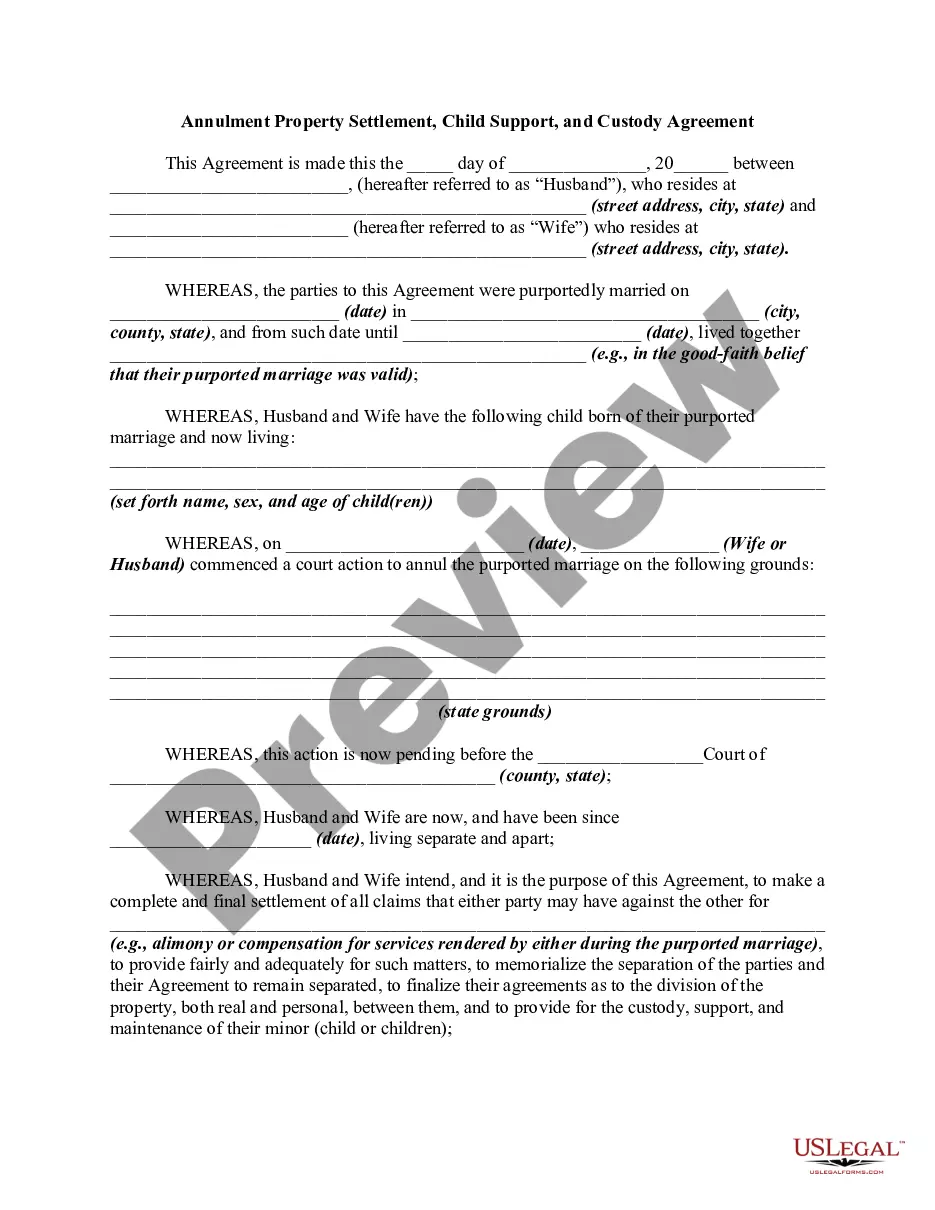
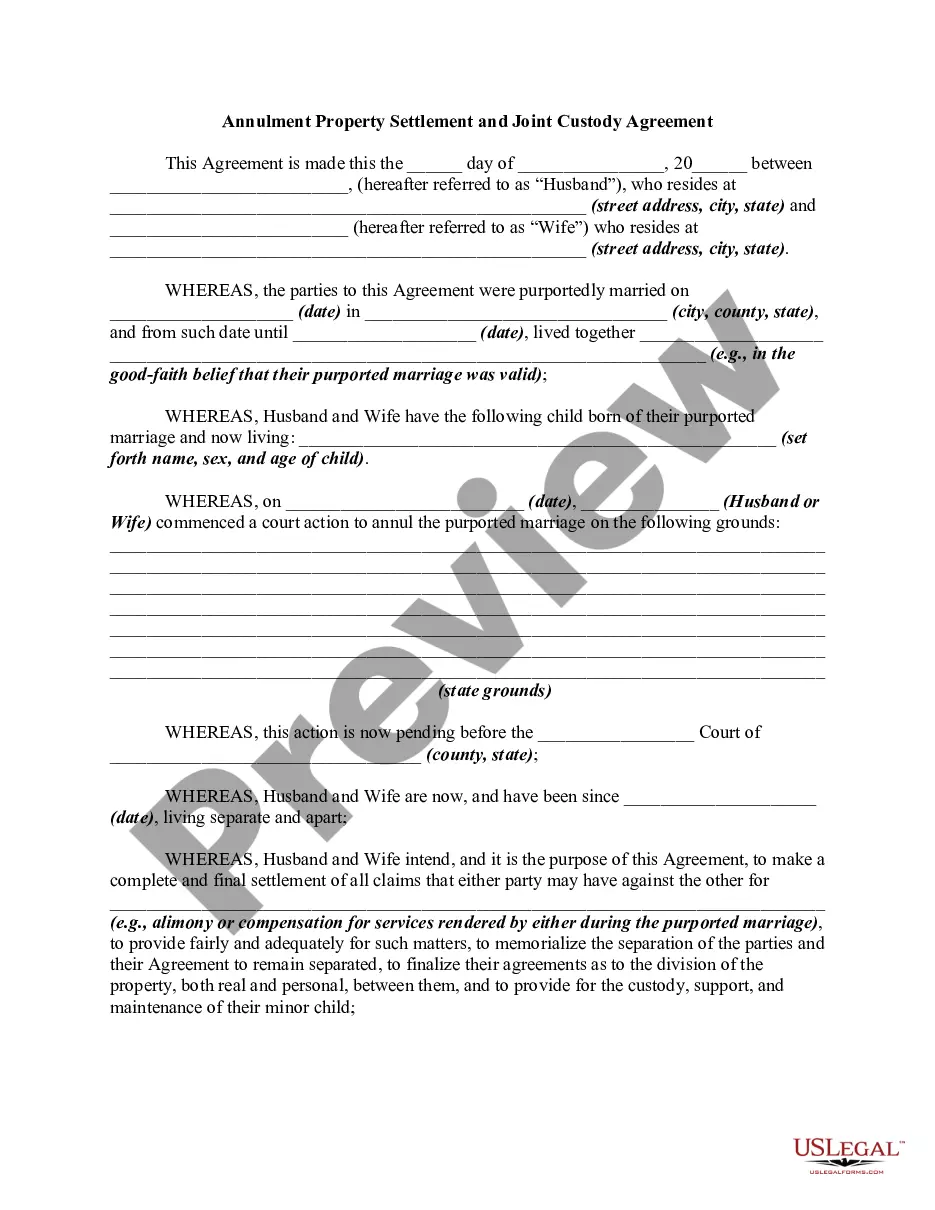
Finalize agreements for property division, child support, and custody after annulment proceedings.
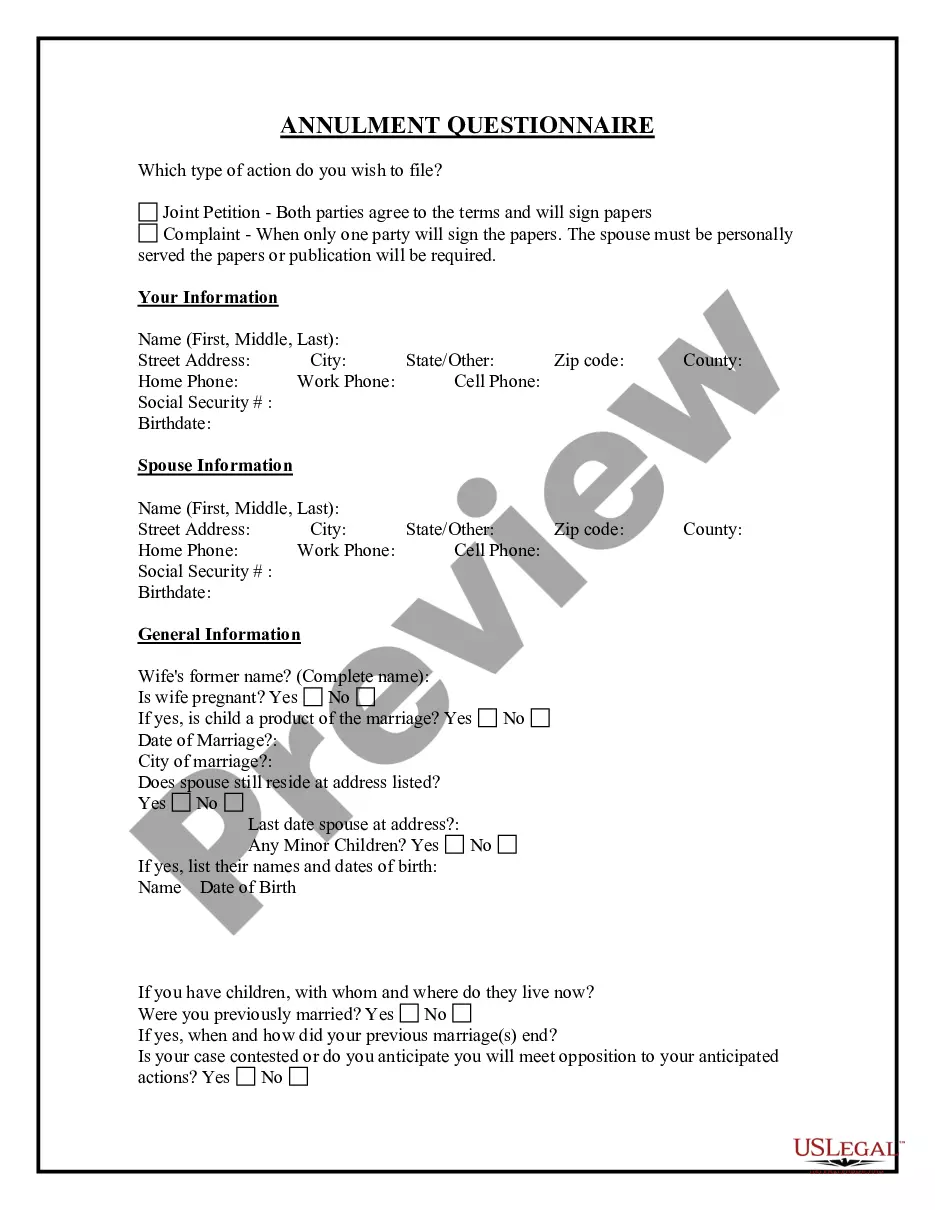
Use this questionnaire to determine grounds for annulment and whether both partners agree to the filing process.
Ideal for couples seeking to annul a marriage while addressing property division and child custody.
Annulments require valid legal grounds.
Common grounds include fraud, coercion, or incapacity.
Annulment affects property division differently than divorce.
Children born during an annulled marriage are considered legitimate.
Court approval is necessary for annulment.
Annulment does not typically require lengthy waiting periods.
Certain annulments may involve additional court hearings.
Begin with these simple steps to access your annulment documents.
Grounds can include fraud, lack of consent, or incapacity.
The timeline can vary based on court schedules and specific circumstances.
Yes, once the annulment is finalized, you may remarry.
Custody arrangements are determined separately from annulment.
Yes, annulment records are generally considered public documents.