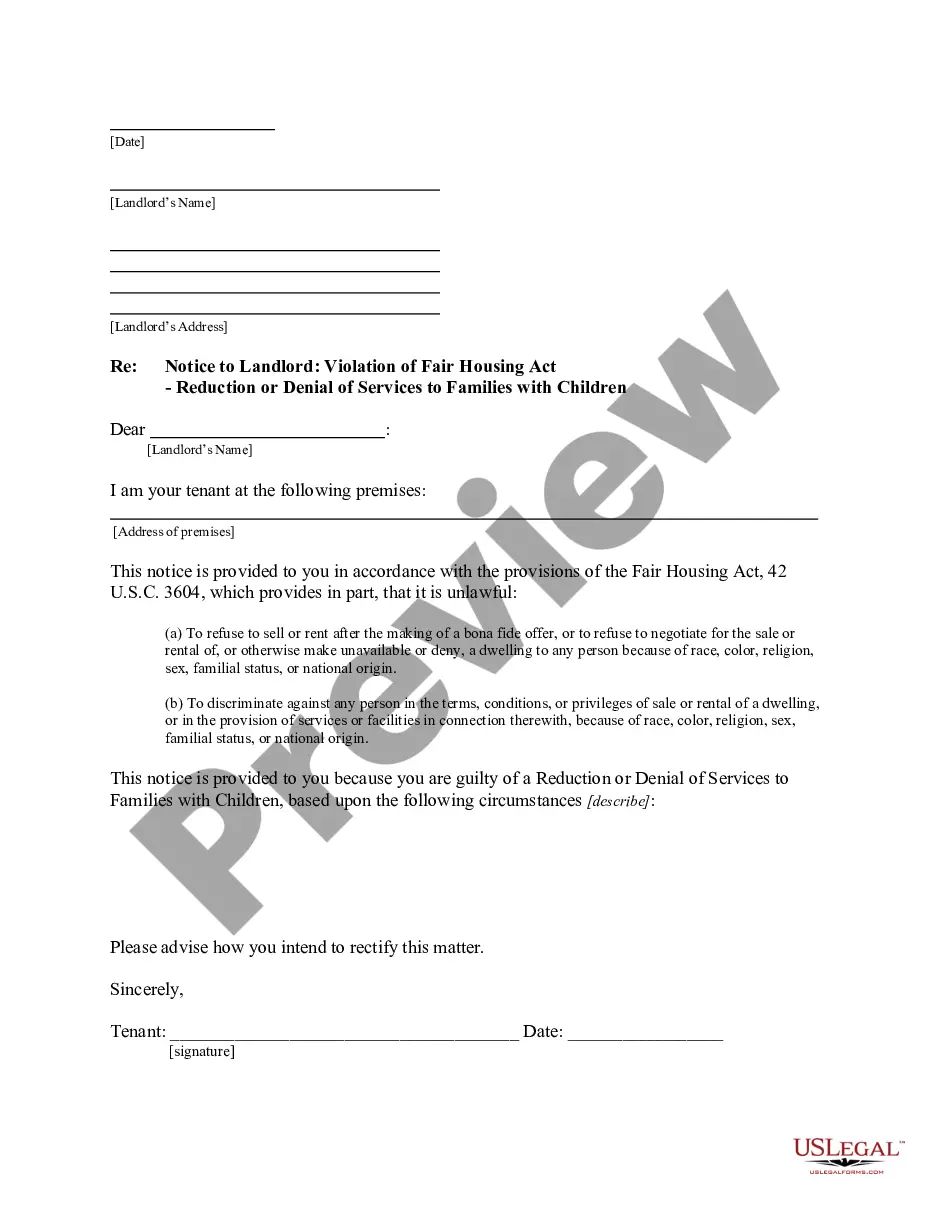
Alabama Letter from Tenant to Landlord about Fair Housing Reduction or Denial of services to Family with Children
What this document covers
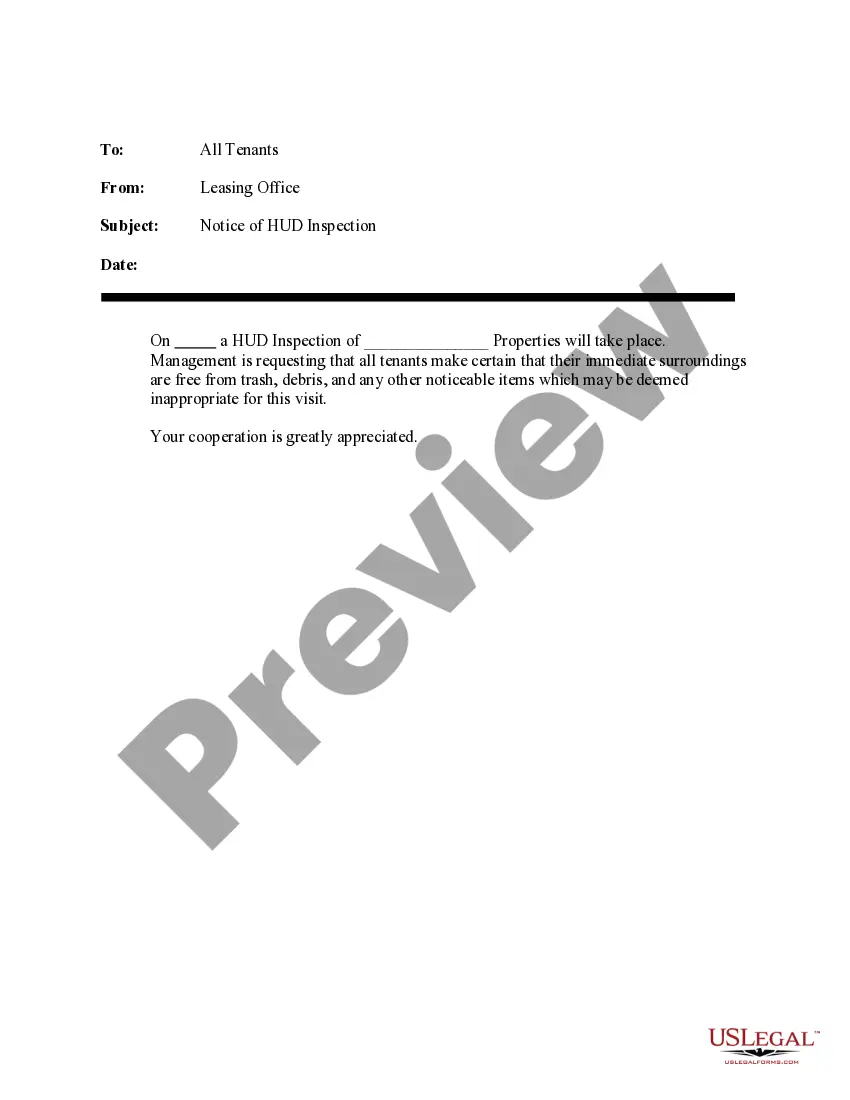
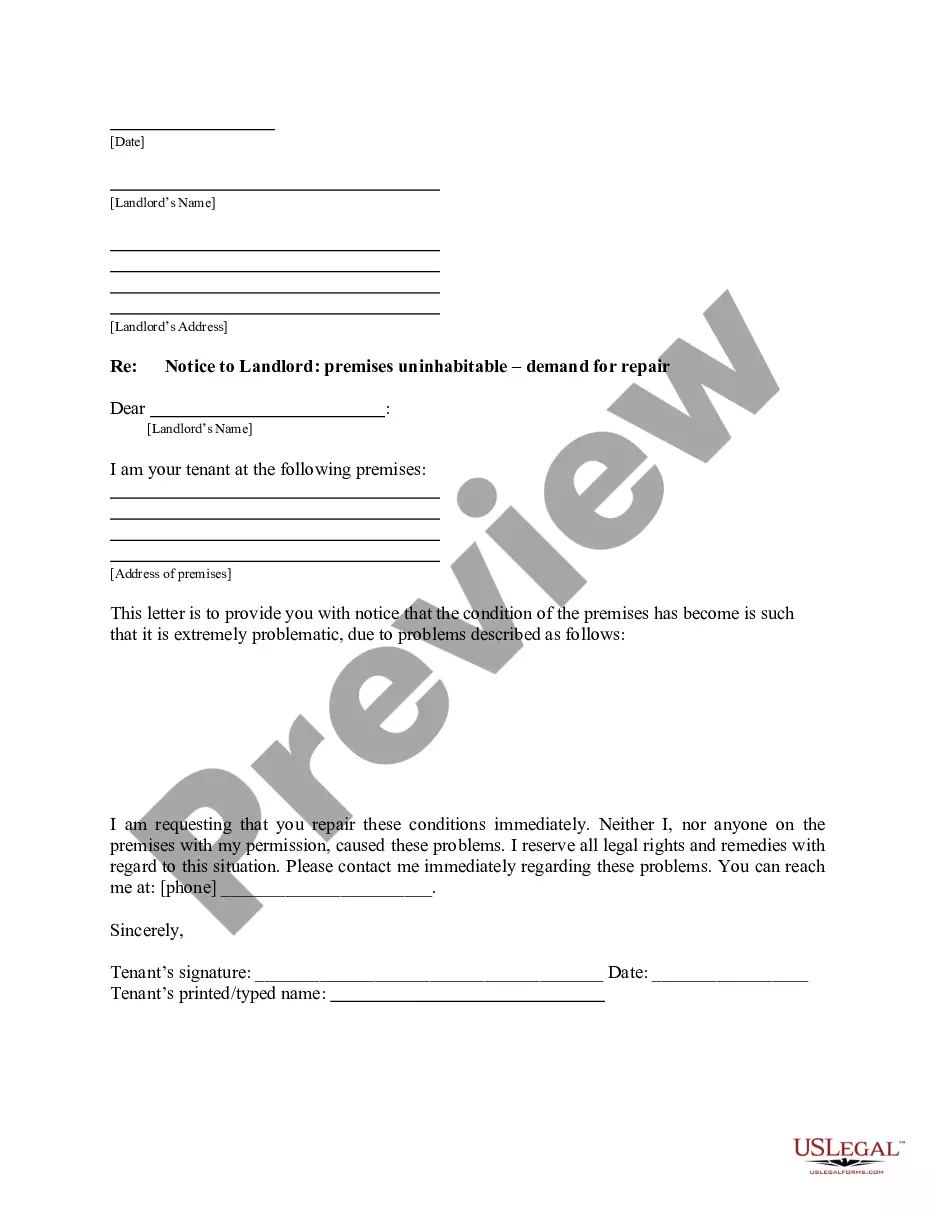
This form is a letter from a tenant to a landlord informing them of a violation of the Fair Housing Act due to the reduction or denial of services to families with children. The Fair Housing Act prohibits discrimination in housing based on familial status, among other factors. This letter serves as a formal notice to the landlord, distinguishing it from other tenant-landlord communications by its focus on fair housing practices.
Form components explained
- Identification of the tenant and landlord parties
- Explanation of the Fair Housing Act and its protections
- Details of the alleged reduction or denial of services
- Request for a resolution or remedy from the landlord
- Signature and date fields for the tenant

Common use cases
This form should be used when a tenant believes that their landlord has unlawfully reduced or denied services to families with children, which may include refusal to provide housing or discriminatory treatment. It is appropriate to use this letter before escalating the issue to legal action or filing a complaint with housing authorities.
Who needs this form
- Tenants who are experiencing discrimination based on familial status
- Families with children who have been denied housing or services
- Individuals seeking to formally communicate issues with their landlord regarding fair housing practices
Steps to complete this form
- Identify the parties involved, including the tenant's name and the landlord's name.
- Clearly describe the circumstances of the reduction or denial of services to families with children.
- Include references to the relevant Fair Housing Act provisions.
- Request a specific action from the landlord to remedy the situation.
- Sign and date the letter to formalize the communication.
Does this document require notarization?
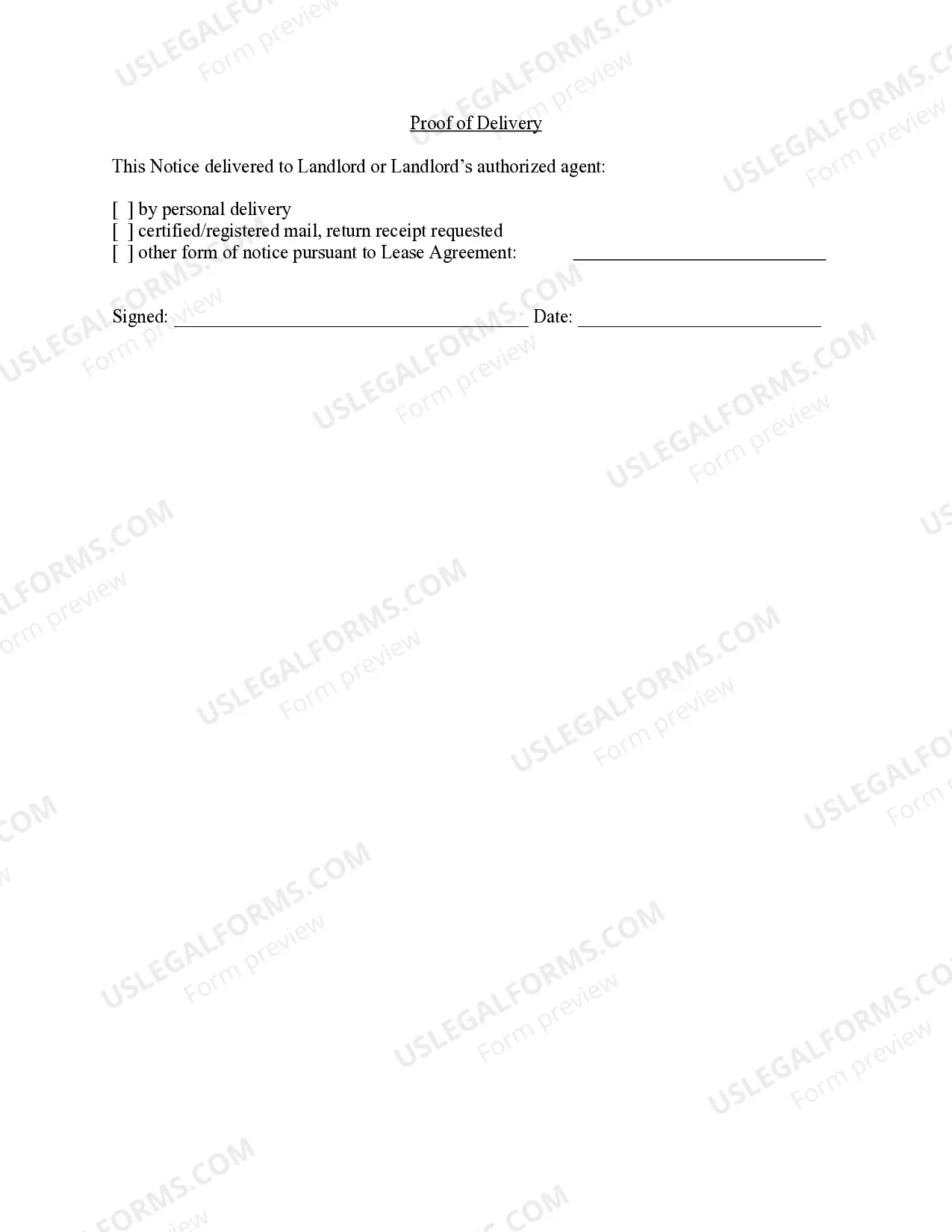
This form does not typically require notarization unless specified by local law. However, it is advisable to keep a copy for your records and consider sending a copy via certified mail for proof of delivery.
Get your form ready online
Our built-in tools help you complete, sign, share, and store your documents in one place.
Make edits, fill in missing information, and update formatting in US Legal Forms—just like you would in MS Word.
Download a copy, print it, send it by email, or mail it via USPS—whatever works best for your next step.
Sign and collect signatures with our SignNow integration. Send to multiple recipients, set reminders, and more. Go Premium to unlock E-Sign.
If this form requires notarization, complete it online through a secure video call—no need to meet a notary in person or wait for an appointment.
We protect your documents and personal data by following strict security and privacy standards.

Make edits, fill in missing information, and update formatting in US Legal Forms—just like you would in MS Word.

Download a copy, print it, send it by email, or mail it via USPS—whatever works best for your next step.

Sign and collect signatures with our SignNow integration. Send to multiple recipients, set reminders, and more. Go Premium to unlock E-Sign.

If this form requires notarization, complete it online through a secure video call—no need to meet a notary in person or wait for an appointment.

We protect your documents and personal data by following strict security and privacy standards.
Mistakes to watch out for
- Failing to provide specific details about the alleged discrimination
- Not referring to the Fair Housing Act or relevant statutes
- Sending the letter without a signature or date
- Using vague language that does not clearly indicate the issue
Why use this form online
- Easy access to legal form templates prepared by licensed attorneys
- Fast download and print options for immediate use
- Editable format to tailor the letter to specific circumstances
- Ability to keep a digital record of correspondence
Main things to remember
- This form is crucial for tenants to formally communicate perceived violations of the Fair Housing Act.
- It helps to document claims of discrimination, facilitating further legal action if necessary.
- Understanding the specifics of the Fair Housing Act is essential for effective use of this form.
Looking for another form?
Form popularity
FAQ
Yes, fair housing laws can sometimes halt an eviction, especially if it is based on discrimination against a protected class. If you believe your eviction violates Fair Housing protections, you should seek legal advice immediately. Drafting an Alabama Letter from Tenant to Landlord about Fair Housing Reduction or Denial of Services to Family with Children may also support your claims in this situation. If you need assistance navigating these laws, consider using platforms like USLegalForms for guidance and resources.
The Fair Housing Act does not protect individuals from discrimination based on factors such as age, marital status, or sexual orientation. Additionally, landlords may not be obligated to make accommodations if the request does not relate to a disability. It's important to understand these limitations to protect your rights effectively. If you face discrimination, consider documenting your experiences and potentially sending an Alabama Letter from Tenant to Landlord about Fair Housing Reduction or Denial of Services to Family with Children.
Evicting a commercial tenant in Alabama involves a specific legal process. First, provide the tenant with a written notice stating the reasons for eviction, and allow them the opportunity to remedy the issue if possible. If the tenant does not comply, you can file an eviction lawsuit in court. It is beneficial to document all communications and actions taken, and consider using a formal template, such as an Alabama Letter from Tenant to Landlord about Fair Housing Reduction or Denial of Services to Family with Children, to ensure clarity.
To beat an eviction case in Alabama, ensure you understand your rights as a tenant. Review your lease agreement carefully and gather evidence that supports your case. Consider drafting an Alabama Letter from Tenant to Landlord about Fair Housing Reduction or Denial of Services to Family with Children, as it may clarify any misunderstandings. Working with a legal professional can also provide guidance and increase your chances of a favorable outcome.
No, a landlord cannot legally evict you without a court order in Alabama. The eviction process requires the landlord to follow legal protocols, including providing proper notice and obtaining a court judgment. If you feel that you're facing an unlawful eviction, an Alabama Letter from Tenant to Landlord about Fair Housing Reduction or Denial of services to Family with Children may help you articulate your situation. Always remember, knowing your rights is vital in maintaining your housing security.
The Fair Housing Act in Alabama is a federal law that prohibits discrimination in housing based on certain protected characteristics, including family status. This means landlords cannot deny housing to families with children, nor can they impose unfair terms. If you believe you experience such discrimination, you may consider using an Alabama Letter from Tenant to Landlord about Fair Housing Reduction or Denial of services to Family with Children to address the issue directly. Additionally, you can seek guidance on filing a complaint with the appropriate authorities.
The primary purpose of the Fair Housing Act is to eliminate discrimination in housing based on certain protected classes. It aims to ensure that all individuals have equal access to housing opportunities and to promote fair treatment in all housing transactions. Understanding this purpose can empower tenants to take action, such as writing an Alabama Letter from Tenant to Landlord about Fair Housing Reduction or Denial of services to Family with Children when they feel their rights are being violated.
The Fair Housing Act does not cover certain types of housing situations, like single-family homes sold or rented by an owner without a real estate broker, if the owner owns three or fewer such homes. Additionally, private clubs and certain religious organizations are exempt when they limit occupancy to their members. Understanding these nuances is important, especially when drafting an Alabama Letter from Tenant to Landlord about Fair Housing Reduction or Denial of services to Family with Children.