Alaska Last Will and Testament for Divorced Person Not Remarried with No Children
What is this form?
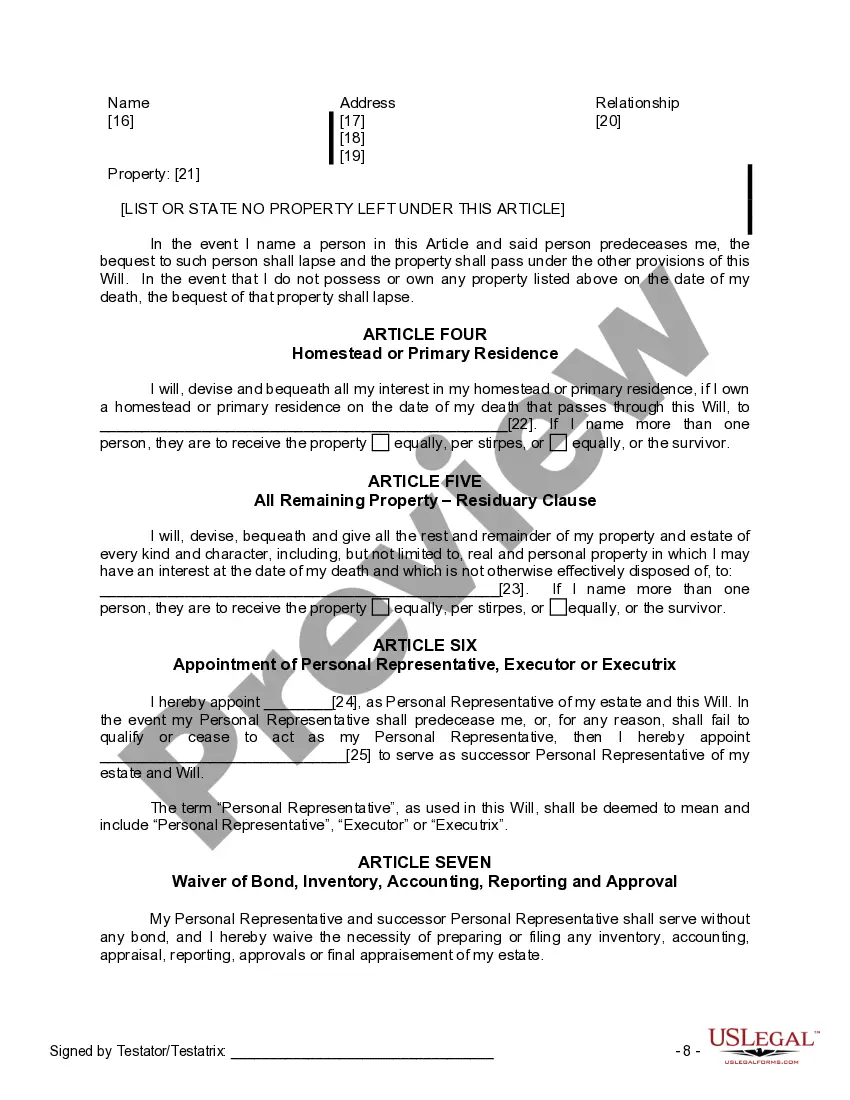
This Last Will and Testament is specifically designed for a divorced person who has not remarried and has no children. It allows you to appoint a personal representative, designate beneficiaries for your property, and make other essential estate planning provisions. Unlike standard wills, this form accommodates the unique circumstances of individuals in similar situations, ensuring that your wishes are honored after your passing.
What’s included in this form
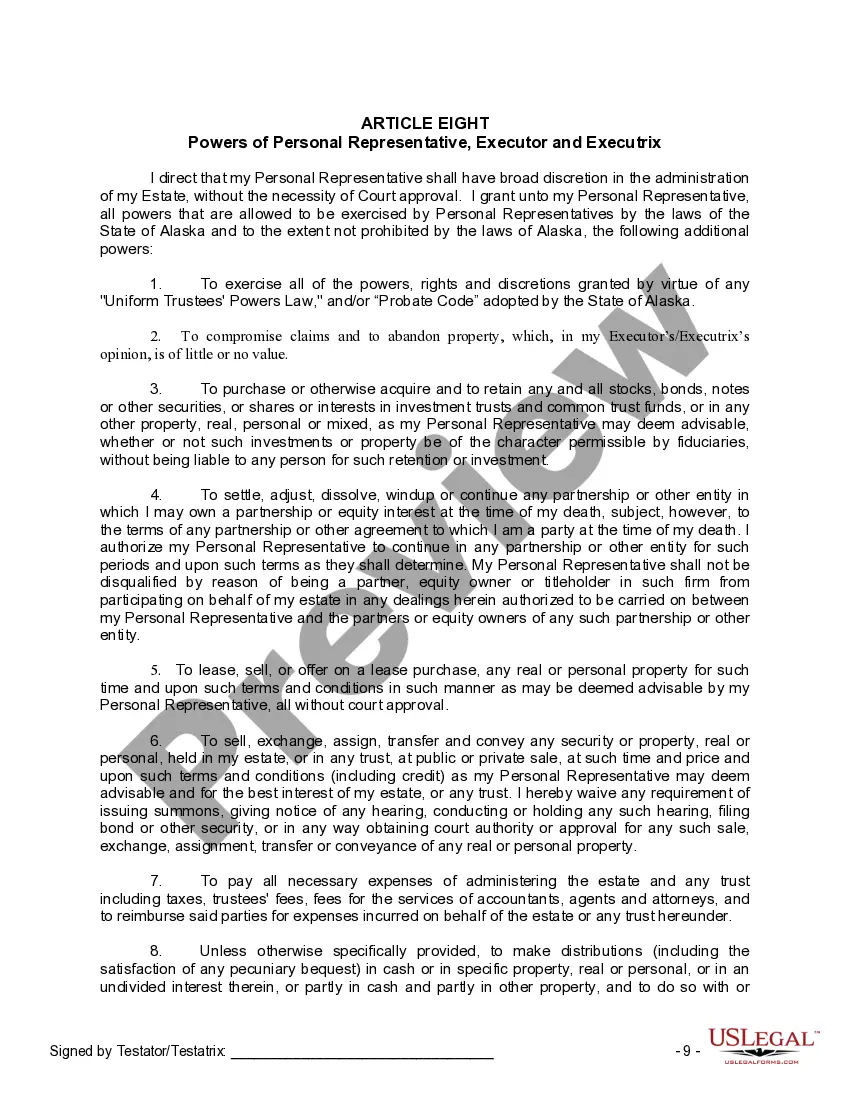
- Personal representative appointment: Identify an executor to manage your estate.
- Specific bequests: Designate particular assets to specific individuals.
- Residuary clause: Assign all remaining property not specified elsewhere.
- Homestead designation: Specify the distribution of your primary residence.
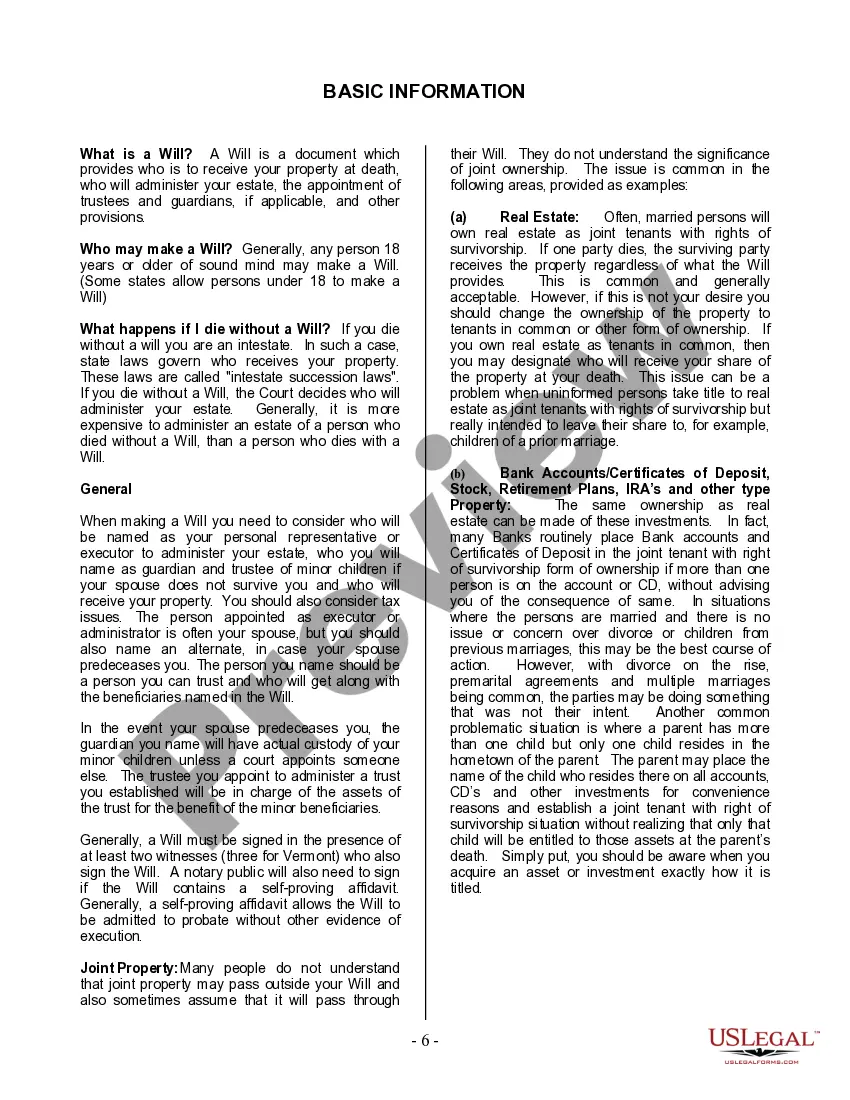
- Witness requirements: Ensure the will is signed in front of two non-related witnesses.



When to use this document
You should consider using this Last Will and Testament when you are a divorced individual without children and wish to ensure that your assets are distributed according to your preferences. It is particularly relevant if you want to avoid intestate succession laws that would distribute your property based on state regulations rather than your wishes.
Who needs this form
- Divorced individuals who have not remarried.
- People with no children who wish to allocate their assets.
- Individuals looking to clarify their intentions regarding estate distribution.
How to complete this form
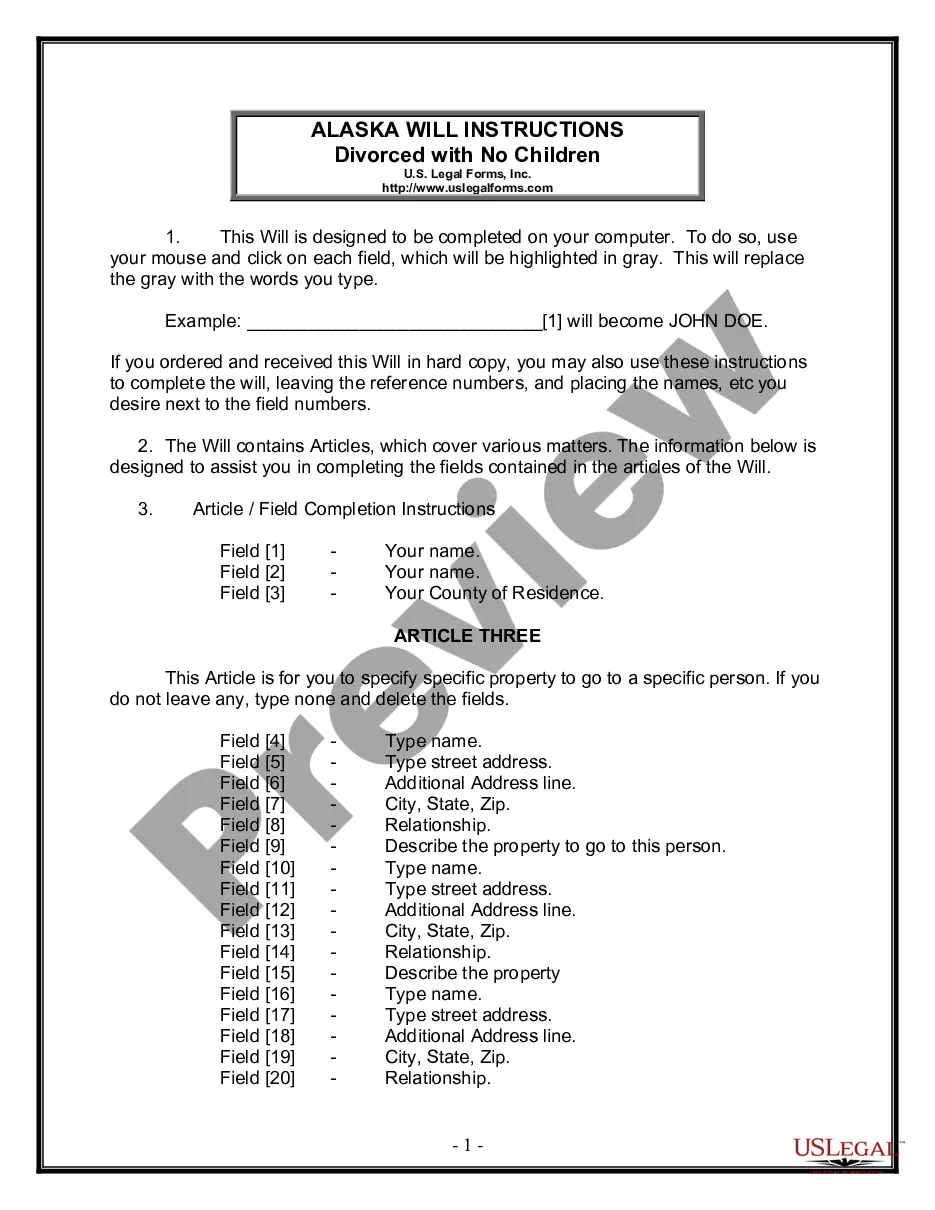
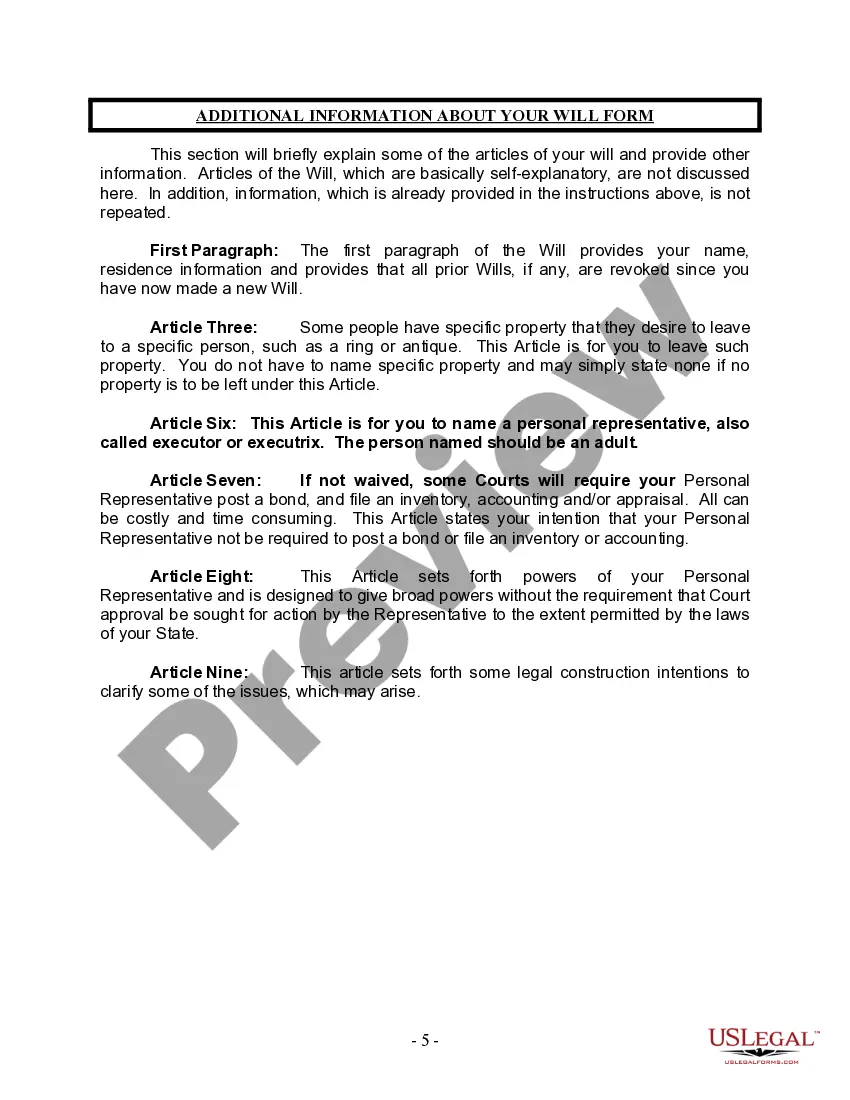
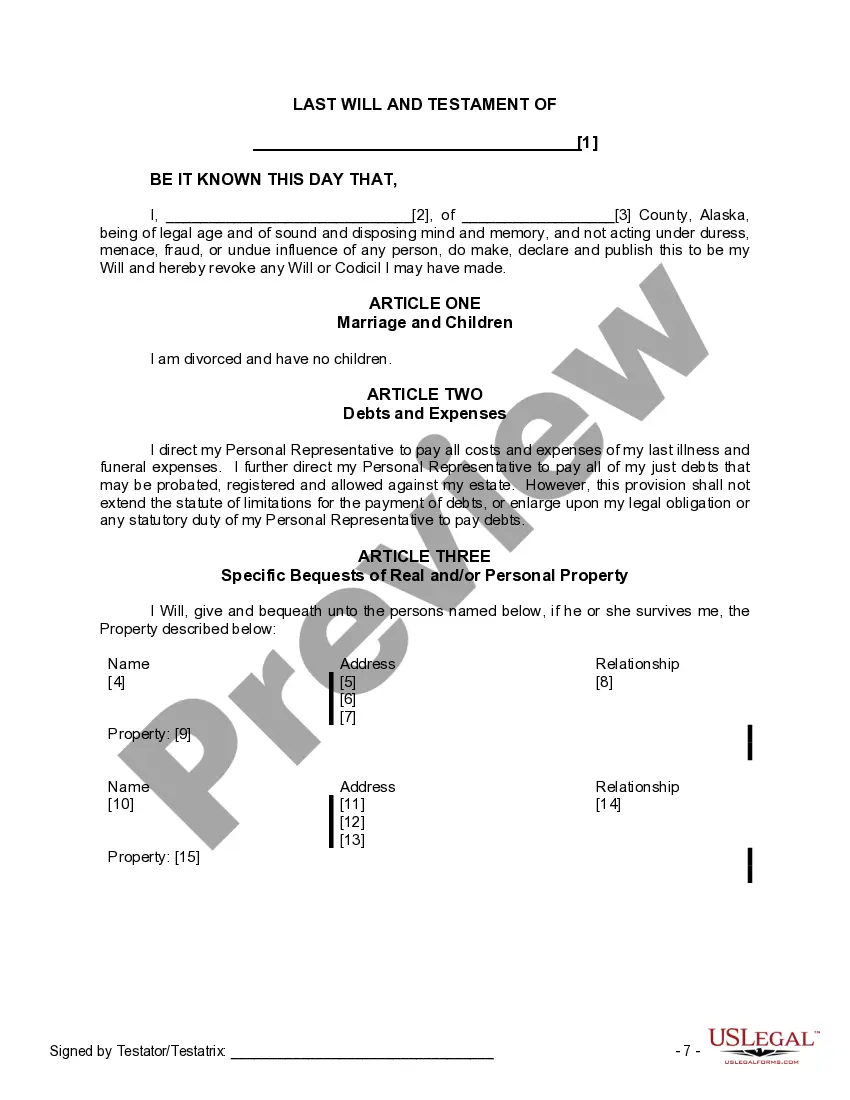
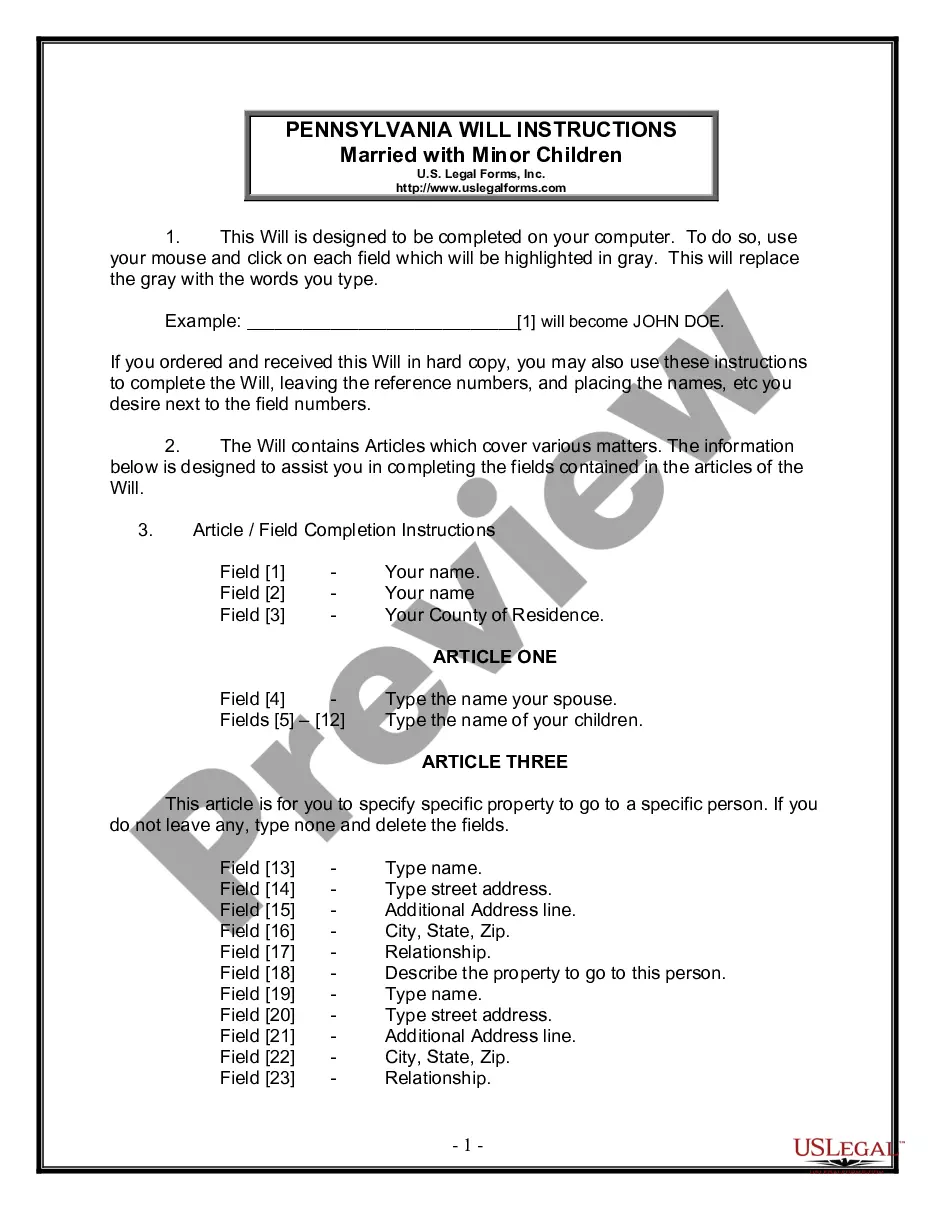
- Enter your full name and county of residence in the initial fields.
- Designate your personal representative and an alternate in case the primary is unable to serve.
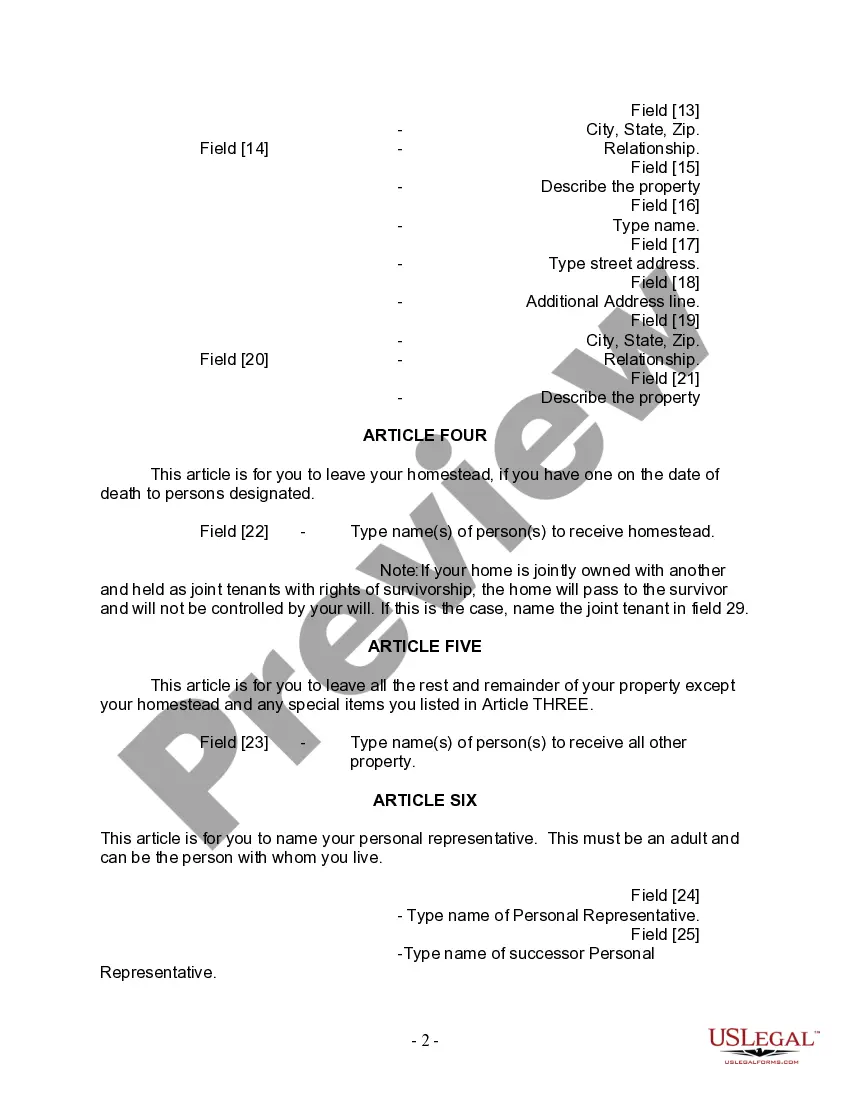
- Specify any specific property bequests in Article Three, providing names and relationships of the beneficiaries.
- Include details about your homestead in Article Four, if applicable.
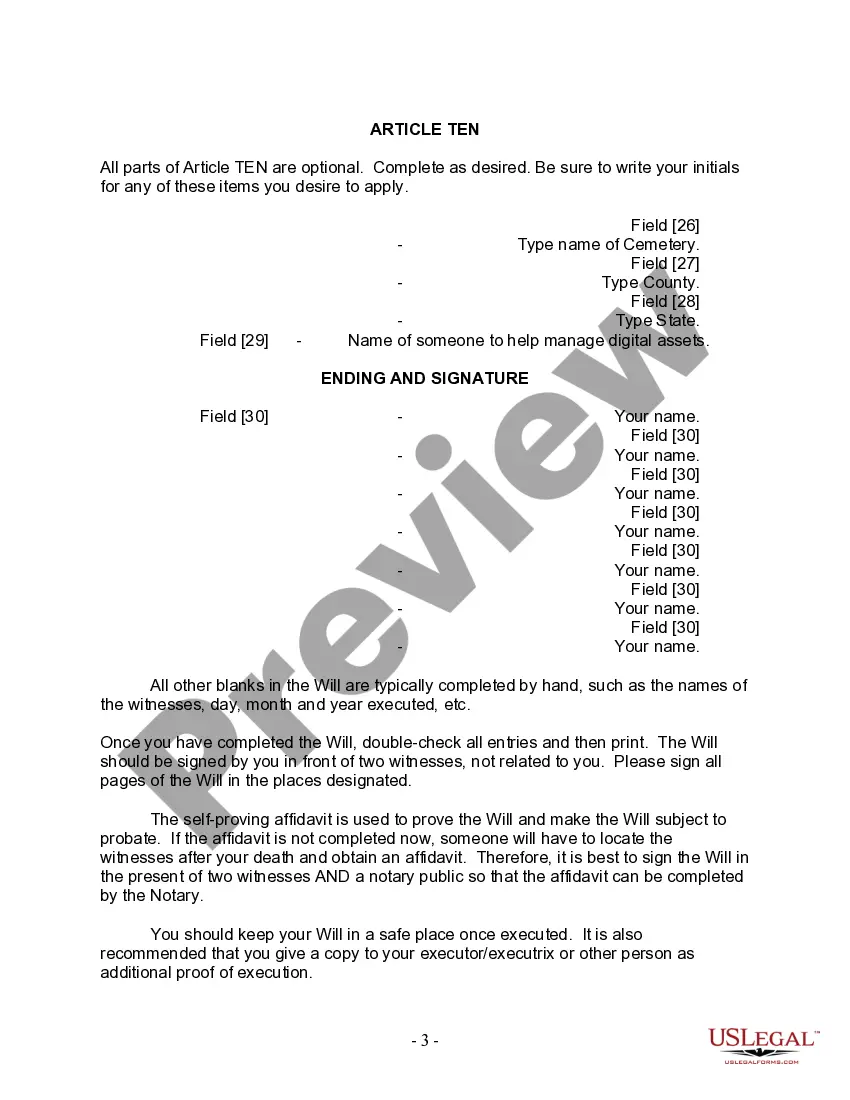
- Sign the completed will in front of two witnesses, ensuring they sign as well.
Does this document require notarization?
To make this form legally binding, it must be notarized. Our online notarization service, powered by Notarize, lets you verify and sign documents remotely through an encrypted video session.
Get your form ready online
Our built-in tools help you complete, sign, share, and store your documents in one place.
Make edits, fill in missing information, and update formatting in US Legal Forms—just like you would in MS Word.
Download a copy, print it, send it by email, or mail it via USPS—whatever works best for your next step.
Sign and collect signatures with our SignNow integration. Send to multiple recipients, set reminders, and more. Go Premium to unlock E-Sign.
If this form requires notarization, complete it online through a secure video call—no need to meet a notary in person or wait for an appointment.
We protect your documents and personal data by following strict security and privacy standards.

Make edits, fill in missing information, and update formatting in US Legal Forms—just like you would in MS Word.

Download a copy, print it, send it by email, or mail it via USPS—whatever works best for your next step.

Sign and collect signatures with our SignNow integration. Send to multiple recipients, set reminders, and more. Go Premium to unlock E-Sign.

If this form requires notarization, complete it online through a secure video call—no need to meet a notary in person or wait for an appointment.

We protect your documents and personal data by following strict security and privacy standards.
Mistakes to watch out for
- Failing to properly sign the will in front of witnesses, which could invalidate it.
- Not specifying alternate beneficiaries, which can lead to unintended distributions.
- Neglecting to review the will after major life changes, such as divorce or the death of a beneficiary.
Why complete this form online
- Convenience: Complete the form from the comfort of your home at any time.
- Editability: Easily modify your will as your circumstances change.
- Accessibility: Download and securely store your legal documents for future reference.
Quick recap
- This Last Will and Testament is tailored for divorced individuals without children.
- It's crucial to properly designate your personal representative and specific property recipients.
- Ensure all requirements are met, including notarization and witness signatures, for legal validity.
Looking for another form?





Form popularity
FAQ
Decide what property to include in your will. Decide who will inherit your property. Choose an executor to handle your estate. Choose a guardian for your children. Choose someone to manage children's property. Make your will. Sign your will in front of witnesses. Store your will safely.
The Free Last Will and Testament Template for Word is compatible with Word 2003 or later versions.
A. You don't have to have a lawyer to create a basic will you can prepare one yourself. It must meet your state's legal requirements and should be notarized.A do-it-yourself will that's poorly drafted can save you money but create a mess for your heirs when you're gone.
In most situations, a will template is an easy and inexpensive way to make sure your wishes are known and carried out. Most people can get everything they need by using a will template, with little cost or hassle.
Fraud or Undue Influence A nonfamily caregiver forcing the testator to leave them an inheritance. A family member getting the testator to sign a will by pretending it is just a general legal document that needs a signature.
In Alaska, a handwritten Will, also called a holographic Will, can be valid and enforceable. The same rules apply to handwritten Wills as apply to typed Wills, except with respect to the witness requirement.
A will is a legal document that explains how your property will be distributed after you die.Self-written wills are typically valid, even when handwritten, as long as they're properly witnessed and notarized, or proven in court. A handwritten will that is not witnessed or notarized is considered a holographic will.
Create the initial document. Start by titling the document Last Will and Testament" and including your full legal name and address. Designate an executor. Appoint a guardian. Name the beneficiaries. Designate the assets. Ask witnesses to sign your will. Store your will in a safe place.
Include personal identifying information. Include a statement about your age and mental status. Designate an executor. Decide who will take care of your children. Choose your beneficiaries. List your funeral details. Sign and date your Last Will and Testament.