Rhode Island Letter from Tenant to Landlord containing Notice to landlord to withdraw improper rent increase during lease
What this document covers
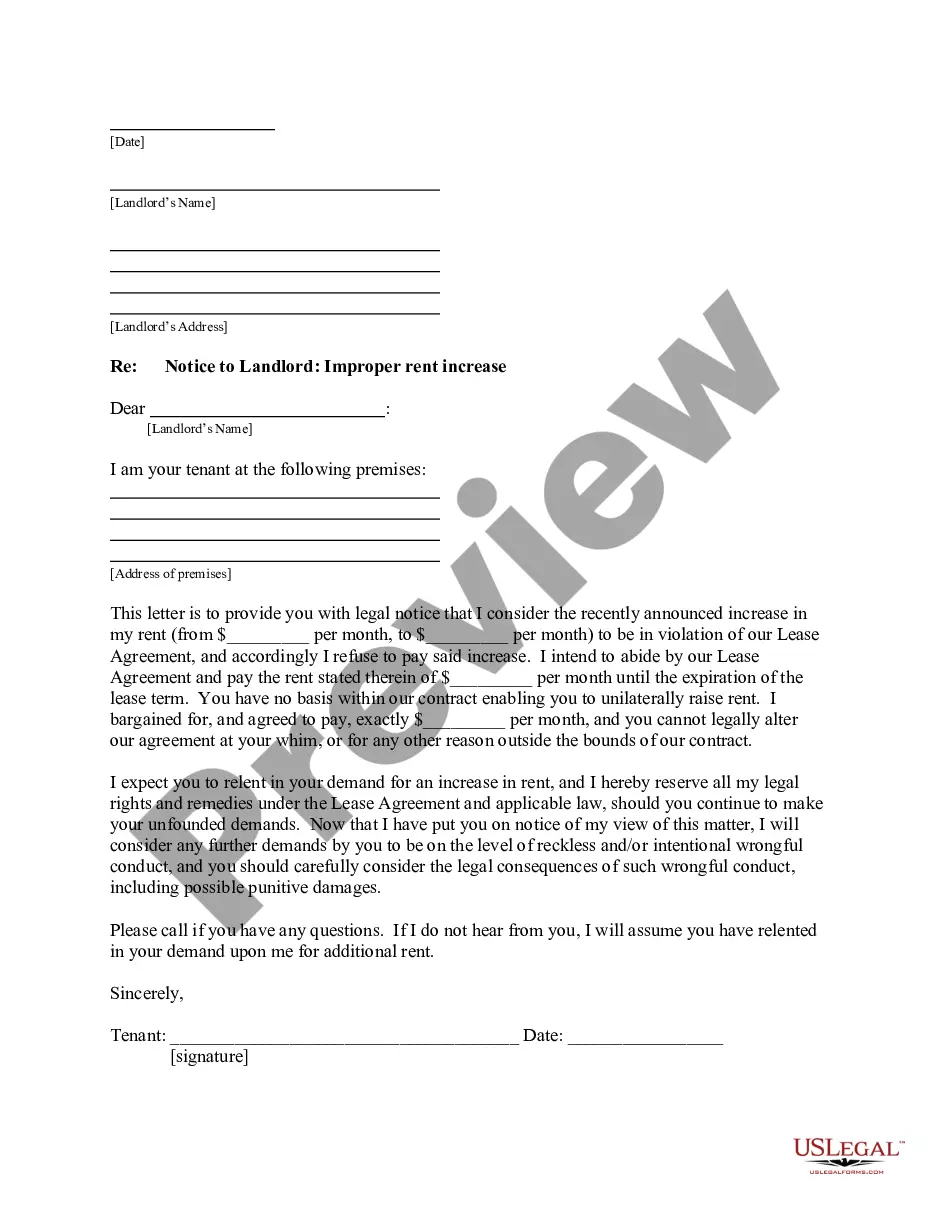
This Letter from Tenant to Landlord containing Notice to landlord to withdraw improper rent increase during lease serves as a formal notification to a landlord regarding an unjustified rent increase. It informs the landlord that the tenant is contesting this increase and preserves the tenant's legal rights as stipulated in the lease agreement. This form differs from general rent-related communication by being specifically crafted to address improper rent increases while protecting the tenant's interests under the lease.
Main sections of this form
- Tenant's request for the landlord to retract the improper rent demand.
- Reservation of legal rights and remedies under the lease agreement.
- A warning regarding potential legal consequences for continued demands.
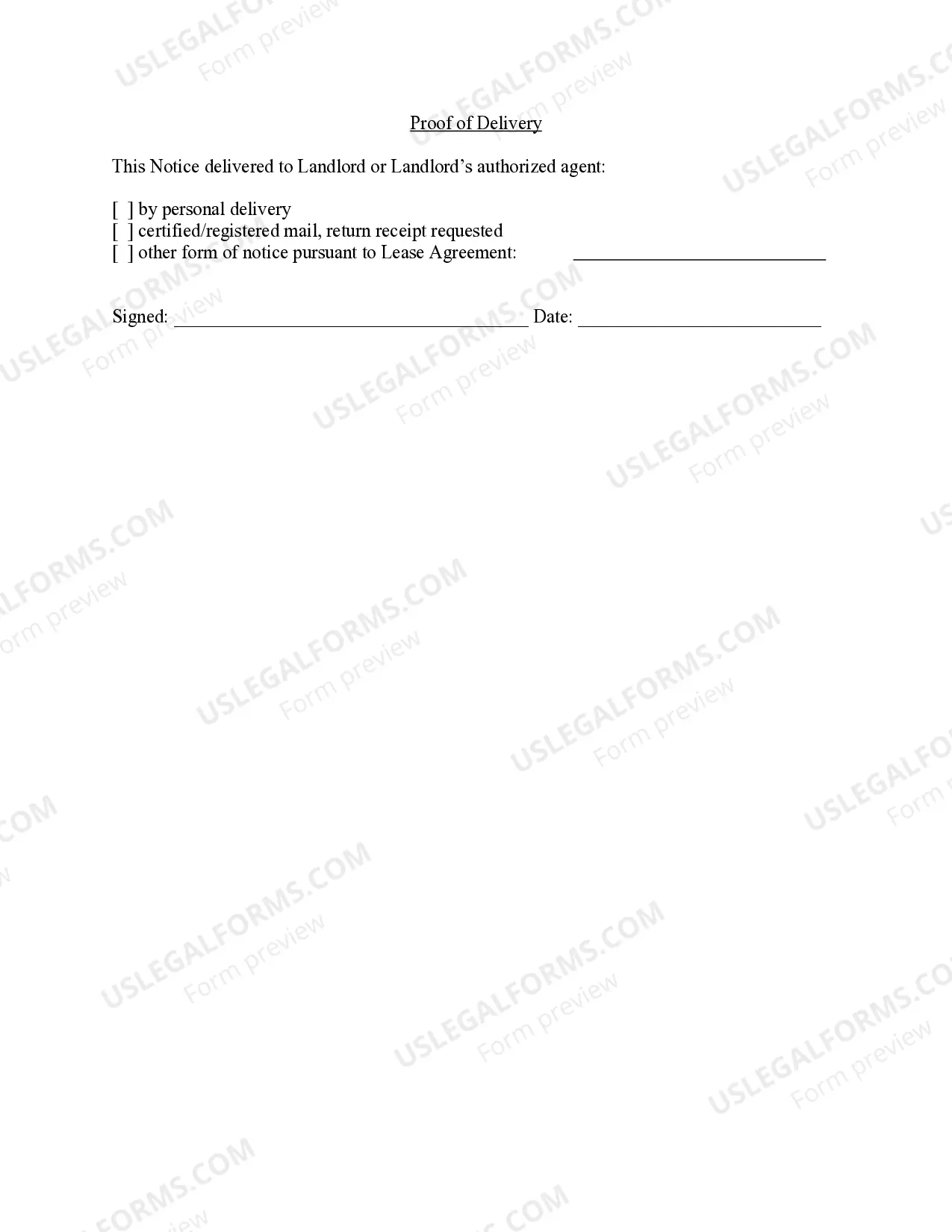
- Proof of delivery section for tracking notice to the landlord.

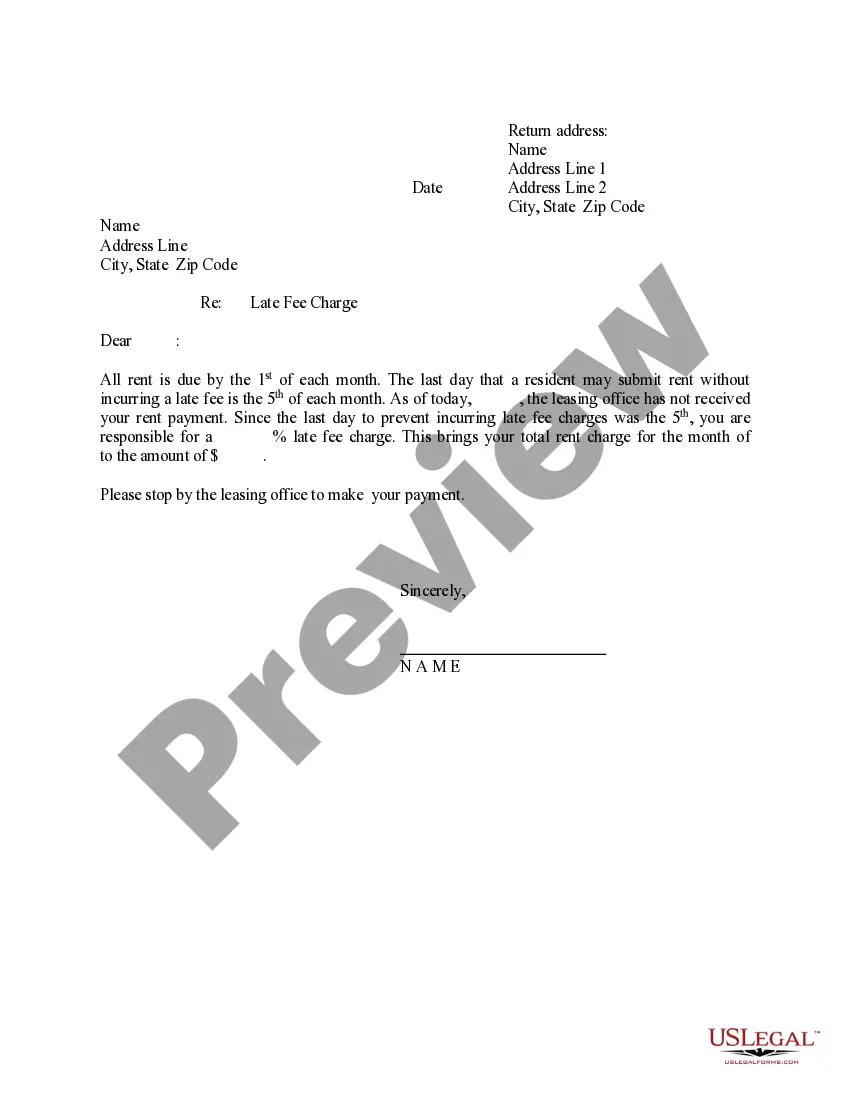
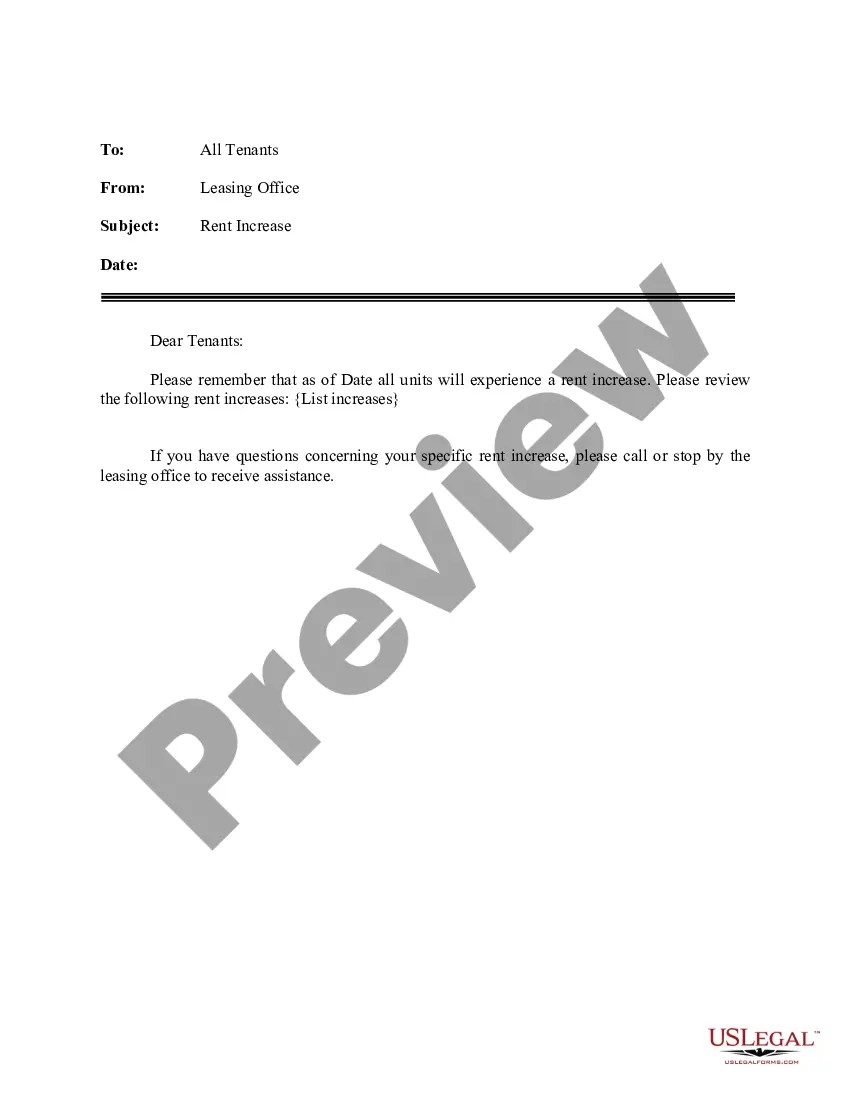

When this form is needed
This form should be utilized when a tenant receives a notice of a rent increase that they believe is unjust or unwarranted during the lease term. It is particularly relevant when a tenant wants to formally dispute the increase and assert their rights under the lease while considering whether to remain in the rental property.
Who this form is for
- Tenants who have been notified of an improper rent increase by their landlord.
- Individuals who wish to formally contest a rent increase within the terms of their existing lease.
- Tenants seeking to protect their legal rights regarding rental agreements.
How to complete this form
- Identify the parties involved, including the tenant and landlord.
- Clearly state your position regarding the rent increase and request its withdrawal.
- Include a reservation of your legal rights under the lease agreement.
- Sign and date the letter to formalize the notice.
- Deliver the notice to the landlord or their authorized agent, retaining proof of delivery.
Does this form need to be notarized?
Notarization is not commonly needed for this form. However, certain documents or local rules may make it necessary. Our notarization service, powered by Notarize, allows you to finalize it securely online anytime, day or night.
Get your form ready online
Our built-in tools help you complete, sign, share, and store your documents in one place.
Make edits, fill in missing information, and update formatting in US Legal Forms—just like you would in MS Word.
Download a copy, print it, send it by email, or mail it via USPS—whatever works best for your next step.
Sign and collect signatures with our SignNow integration. Send to multiple recipients, set reminders, and more. Go Premium to unlock E-Sign.
If this form requires notarization, complete it online through a secure video call—no need to meet a notary in person or wait for an appointment.
We protect your documents and personal data by following strict security and privacy standards.

Make edits, fill in missing information, and update formatting in US Legal Forms—just like you would in MS Word.

Download a copy, print it, send it by email, or mail it via USPS—whatever works best for your next step.

Sign and collect signatures with our SignNow integration. Send to multiple recipients, set reminders, and more. Go Premium to unlock E-Sign.

If this form requires notarization, complete it online through a secure video call—no need to meet a notary in person or wait for an appointment.

We protect your documents and personal data by following strict security and privacy standards.
Common mistakes to avoid
- Failing to document proof of delivery to the landlord.
- Not clearly articulating reasons for contesting the rent increase.
- Overlooking to reserve legal rights, which can weaken your position.
Benefits of using this form online
- Convenient access to legal form templates tailored by licensed attorneys.
- Editability allows for customization based on individual circumstances.
- Reliable formats ensure compliance with standard legal practices.
Legal use & context
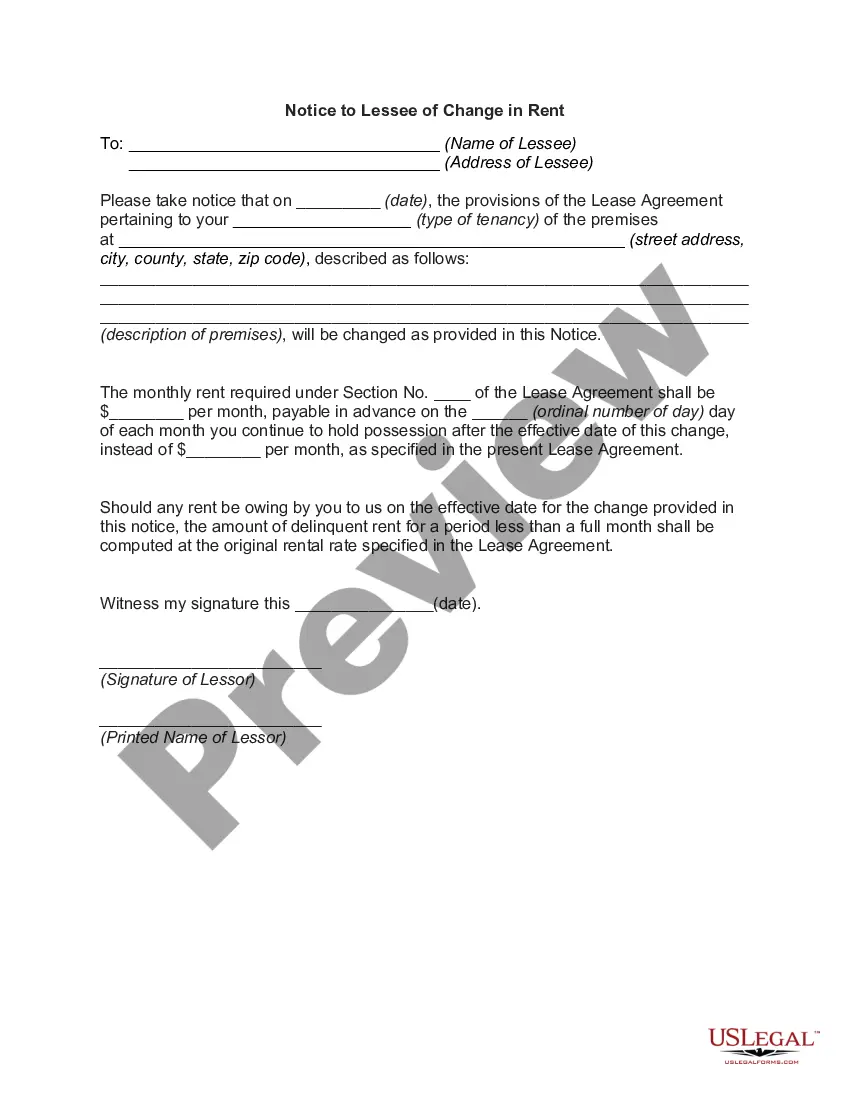
- This form is used to formally contest a proposed rent increase during a lease.
- If not properly addressed, the improper demands may lead to further legal disputes.
- A clearly articulated letter strengthens a tenant's position in any potential future disputes.
Main things to remember
- Utilize this form to contest an improper rent increase formally.
- Be proactive in preserving your legal rights as a tenant.
- Ensure proper documentation and delivery of your notice to the landlord.
Looking for another form?
Form popularity
FAQ
Indiana. Indiana laws allow landlords to hold on to security deposits for 45 days to give them time to determine any damages caused by tenants. Colorado. Colorado is one of few states that allow landlords to access the rental property without an advance notice requirement. Georgia.
Rhode Island is a partially landlord-friendly state. There are no rent control policies and landlords are not limited in the kinds of fees they charge. However, tenants normally require a substantial amount of notice before eviction.
After attending the distract court hearing to get the tenant out of the premises, it will take a minimum of five days to evict the tenant up to a potential of a month or longer (if there is an appeal).
There is no rent control in Rhode Island, so a landlord is free to set the rent at whatever s/he decides. You and the landlord can agree on the date that rent will be paid. If your rent is more than 15 days late, you can be evicted for non-payment and the landlord can use a quick court proceeding.
State law regulates several rent-related issues, including the amount of notice (at least 30 days in Rhode Island) landlords must give tenants to raise the rent and how much time (five days in Rhode Island) a tenant has to pay rent or move before a landlord can file for eviction.
But rent control was not widely adopted outside of coastal areas, and today only four states (New York, New Jersey, California, and Maryland) and Washington, DC, have local governments with active rent-control laws.
Under Rhode Island law, the rental agreement between a tenant and a landlord is a contract. A landlord is permitted to attempt to increase a tenant's rent by any amount for any reason, as long as the increase was not done for an illegal reason, and as long as the increase was done by proper procedures.