North Carolina 10 Day Notice to Pay Rent or Lease Terminates for Residential Property
What this document covers
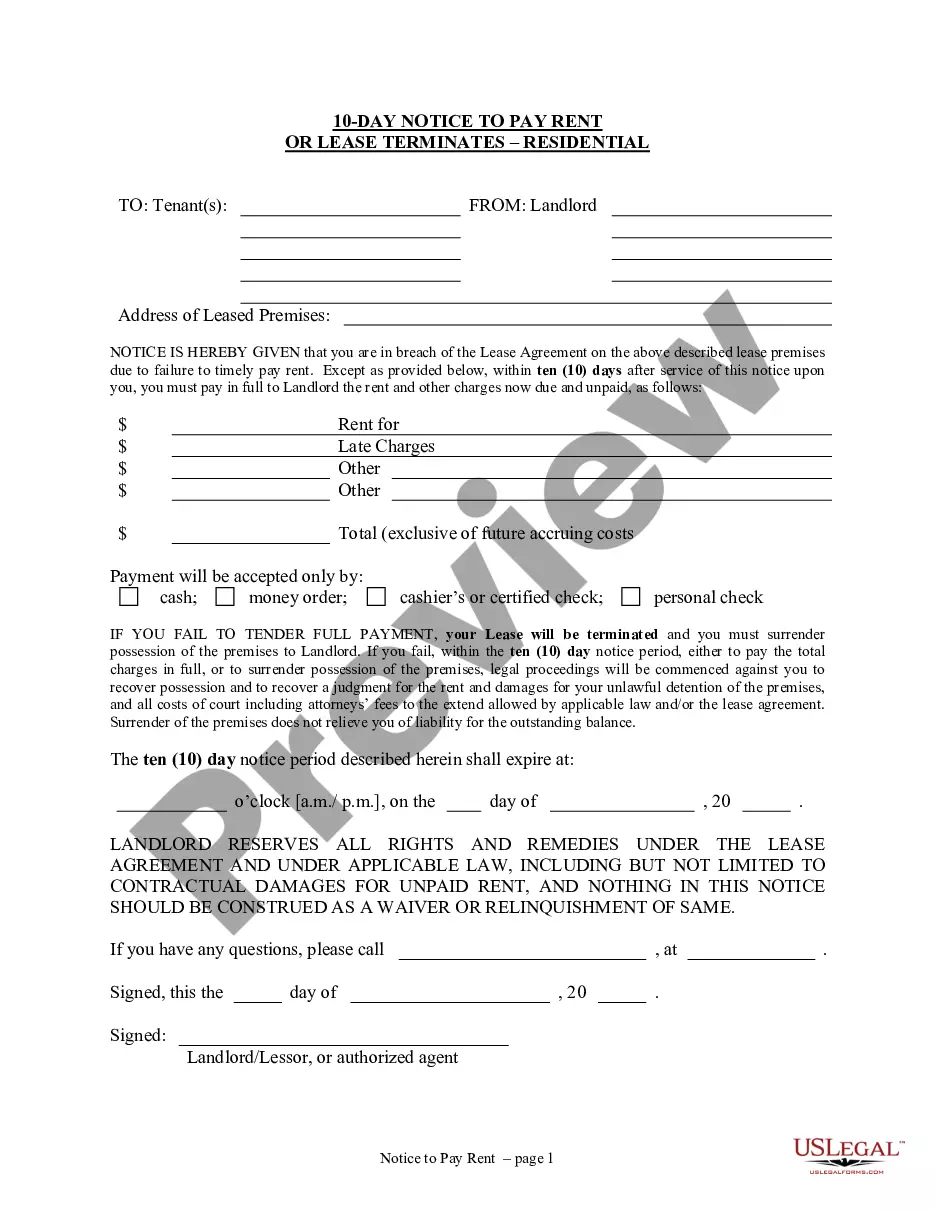
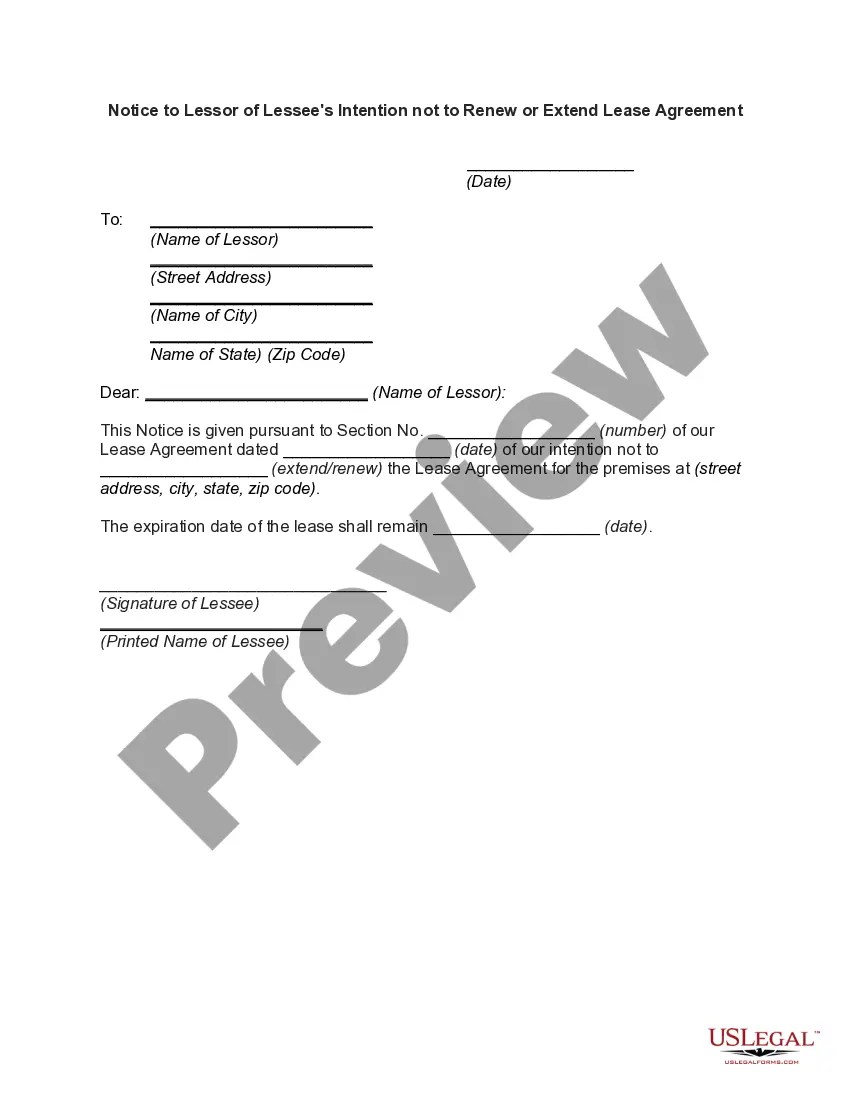
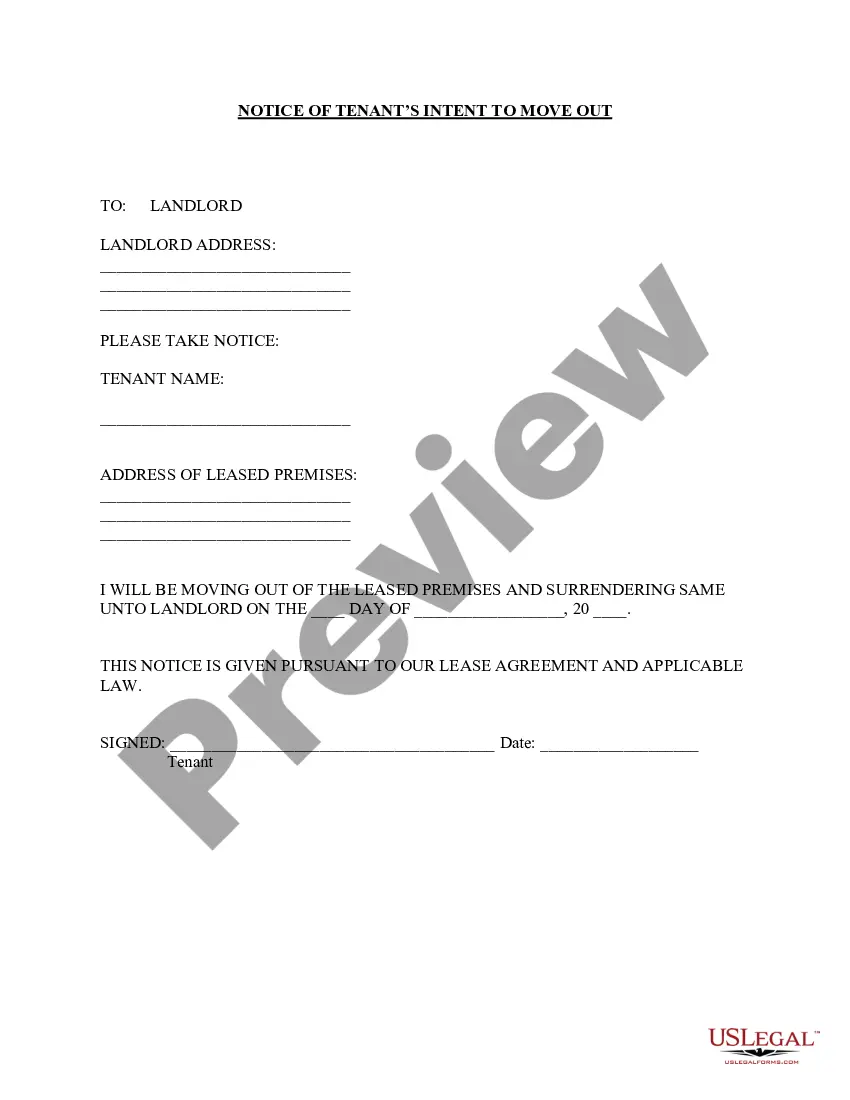
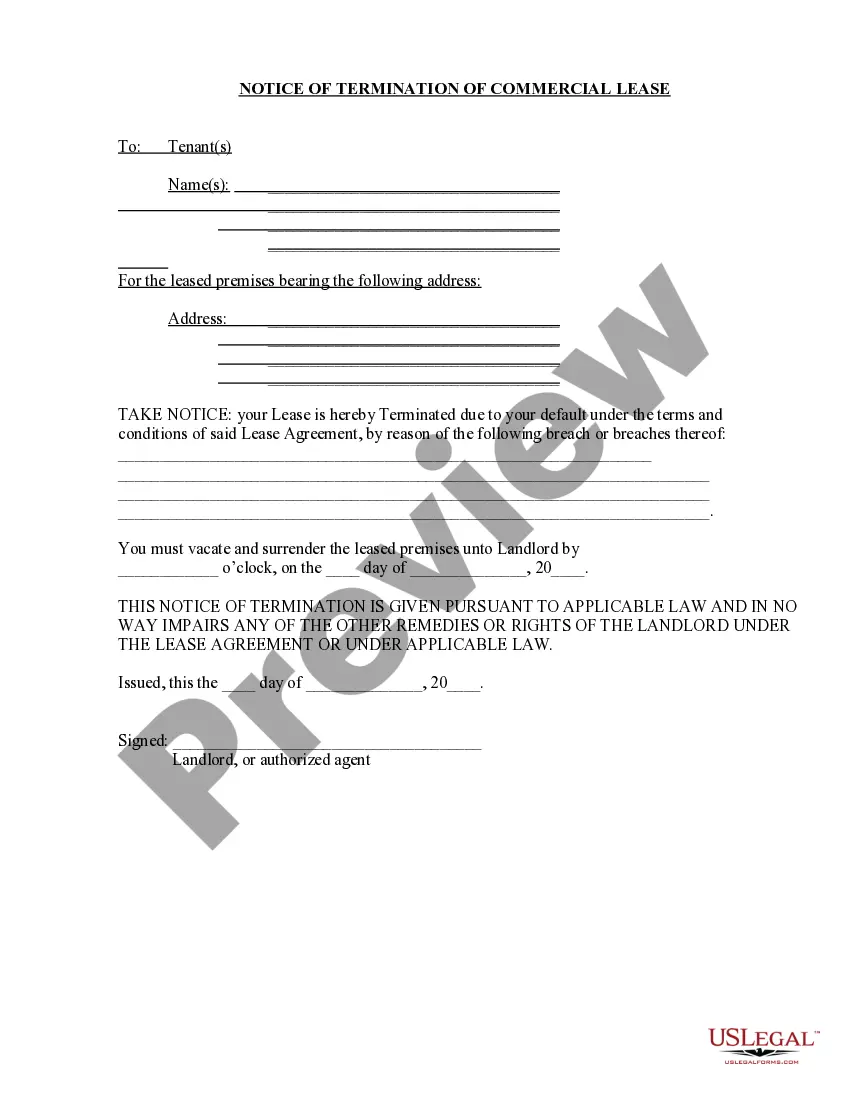
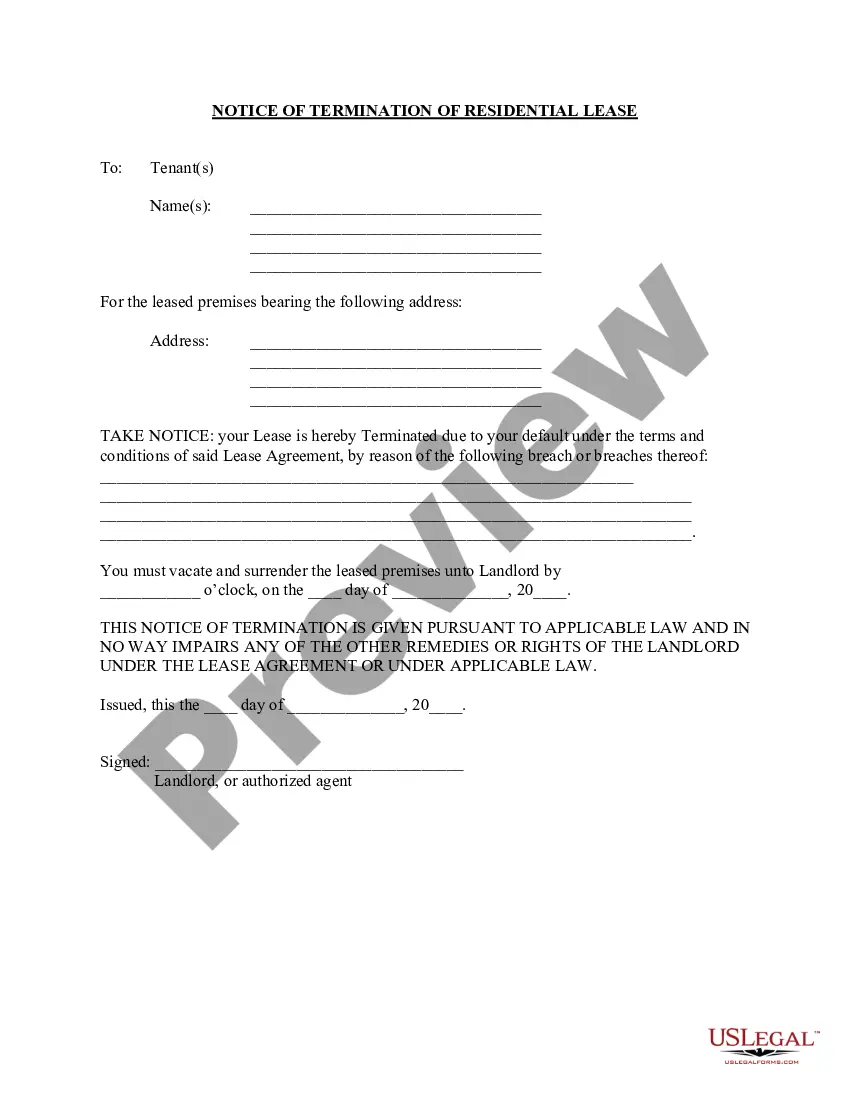
The 10 Day Notice to Pay Rent or Lease Terminates for Residential Property is a legal document used by landlords to formally inform tenants of overdue rent payments. This notice demands that tenants pay their unpaid rent within ten days to avoid potential lease termination and eviction. This specific form is crucial for landlords as it outlines the consequences of late payment and follows state laws governing tenant-landlord relationships.
Key components of this form
- Identification of landlord and tenant parties involved.
- Address of the leased premises.
- Details of overdue rent and any applicable late charges.
- Instructions for payment method accepted by the landlord.
- Consequences of failing to pay within the specified timeframe.
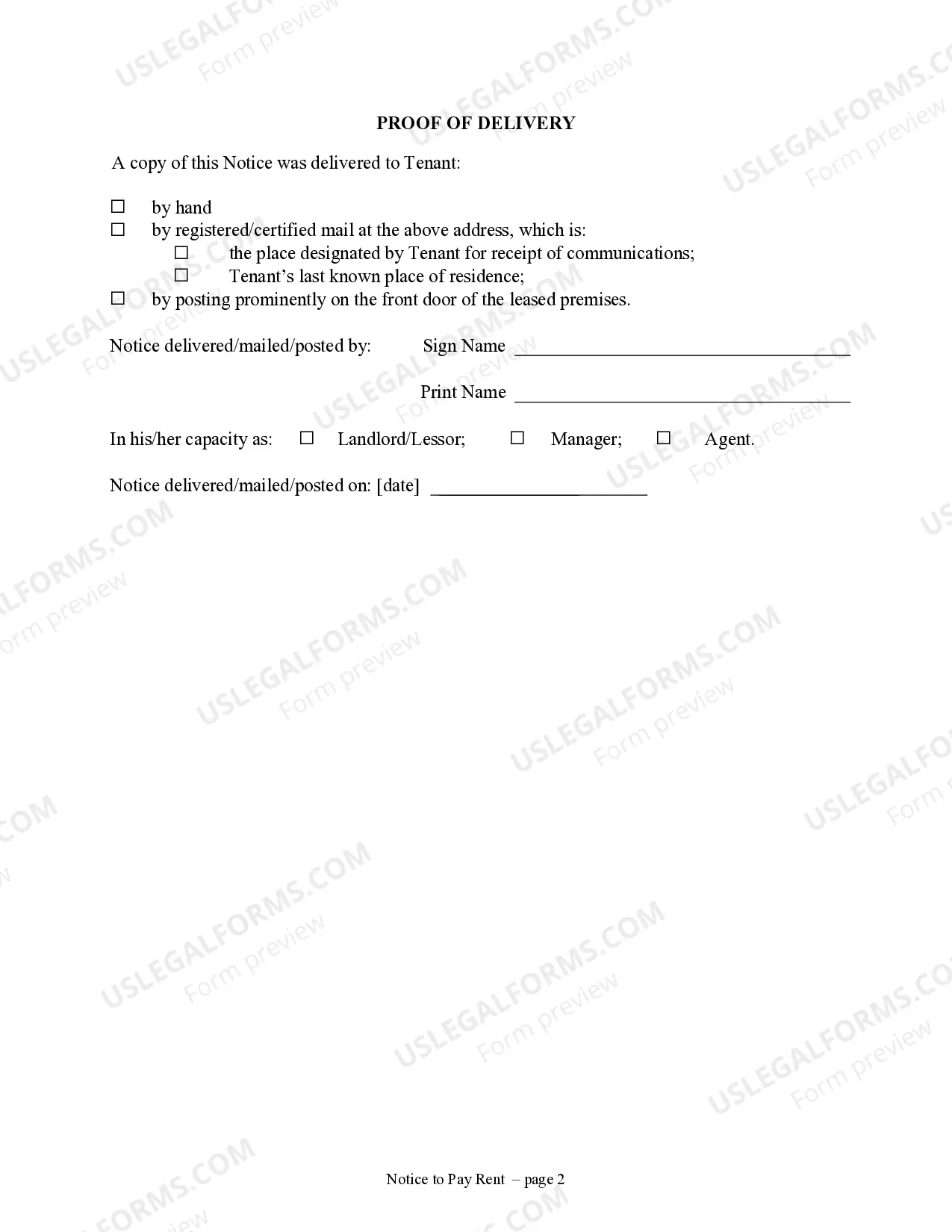
- Proof of delivery section for document verification.
When this form is needed
This form should be used when a landlord has a tenant who has not paid rent on time and wishes to initiate the process of lease termination. It serves as a formal warning that includes a strict 10-day period for tenants to pay outstanding rent. If the tenant fails to comply, the landlord can move forward with eviction proceedings.
Who this form is for
- Landlords managing residential properties.
- Property managers acting on behalf of property owners.
- Anyone needing to formalize communication regarding overdue rent with a tenant.
Completing this form step by step
- Identify the landlord and tenant parties by entering their full names.
- Specify the address of the leased premises accurately.
- Detail the amount of rent due, including any late charges.
- Choose and indicate the method of payment acceptable for the overdue rent.
- Complete the date fields to ensure the notice period is clear.
- Ensure proper delivery of this notice to the tenant, keeping records of how it was delivered.
Is notarization required?
This form does not typically require notarization unless specified by local law. It is advisable for landlords to check their stateâs specific requirements regarding notice forms and leases to ensure all legal obligations are fulfilled.
Get your form ready online
Our built-in tools help you complete, sign, share, and store your documents in one place.
Make edits, fill in missing information, and update formatting in US Legal Forms—just like you would in MS Word.
Download a copy, print it, send it by email, or mail it via USPS—whatever works best for your next step.
Sign and collect signatures with our SignNow integration. Send to multiple recipients, set reminders, and more. Go Premium to unlock E-Sign.
If this form requires notarization, complete it online through a secure video call—no need to meet a notary in person or wait for an appointment.
We protect your documents and personal data by following strict security and privacy standards.

Make edits, fill in missing information, and update formatting in US Legal Forms—just like you would in MS Word.

Download a copy, print it, send it by email, or mail it via USPS—whatever works best for your next step.

Sign and collect signatures with our SignNow integration. Send to multiple recipients, set reminders, and more. Go Premium to unlock E-Sign.

If this form requires notarization, complete it online through a secure video call—no need to meet a notary in person or wait for an appointment.

We protect your documents and personal data by following strict security and privacy standards.
Common mistakes to avoid
- Failing to provide accurate information about the amount owed.
- Not specifying the correct deadline for payment.
- Inadequately delivering the notice, which may affect enforceability.
- Ignoring local laws that may require additional information or longer notice periods.
Advantages of online completion
- Quick and easy access to a professionally drafted legal document.
- Editability allows landlords to customize the form for their specific situation.
- Consistent compliance with legal standards applicable to residential leases.
- The notice serves as an official warning before eviction processes can begin.
- Failure to comply with this notice can lead to legal proceedings for eviction.
- This form must adhere to state-specific legal requirements for enforceability.
Looking for another form?
Form popularity
FAQ
Declare a Constructive Eviction. Point Out Landlord Breaches to Reduce Your Debt. Landlords Have a Duty to Mitigate Their Damages. Consequences for Breaking Your Lease. Look for These Clauses in Your Lease. Your Landlord May Have a Duty to Mitigate. Declare a Constructive Eviction.
North Carolina law says that your landlord must keep your housing fit and safe. It also says that you, the tenant, must pay your rent, keep your home clean, and not damage your home. To make the law work, both the tenant and the landlord must do their part.
Notice Requirements for North Carolina Landlords A landlord can simply give you a written notice to move, allowing you seven days as required by North Carolina law and specifying the date on which your tenancy will end.
Many landlords will be curious about the North Carolina eviction timeline as they start the process. Usually, the process takes about three to four weeks. You have to wait for the 10 day notice period, followed by the 7-day court summons period. Then, the tenant has up to 10 days to move out.
In North Carolina, nonpayment of rent is the most common ground for eviction. In this case, you are required to give the tenant a 10-day "notice to quit." The notice informs the tenant that they need to pay the rent due within 10 days. Otherwise, they will be evicted.
In short, nothing in the CARES Act or Governor Cooper's Order prohibits evictions for reasons other than late payment or nonpayment of rent, such as evictions related to health, safety, or criminal activity. These types of evictions by a landlord would not violate the Order.
A landlord can't force you to move out before the lease ends, unless you fail to pay the rent or violate another significant term, such as repeatedly throwing large and noisy parties. In these cases, landlords in North Carolina must follow specific procedures to end the tenancy.
Withhold rent. Move out. Sue the landlord for the difference between the value of the unit with defects and the monthly rent. File a complaint with state or local health or building inspectors. Repair the defect and deduct the cost from the rent.
In Colorado, evictions are sometimes referred to as forcible entry & detainer (FED). Before you can file for eviction, you must generally provide 10 days' notice (increased from 3 days prior) for tenants to correct a deficiency or leave the property, except in certain circumstances.