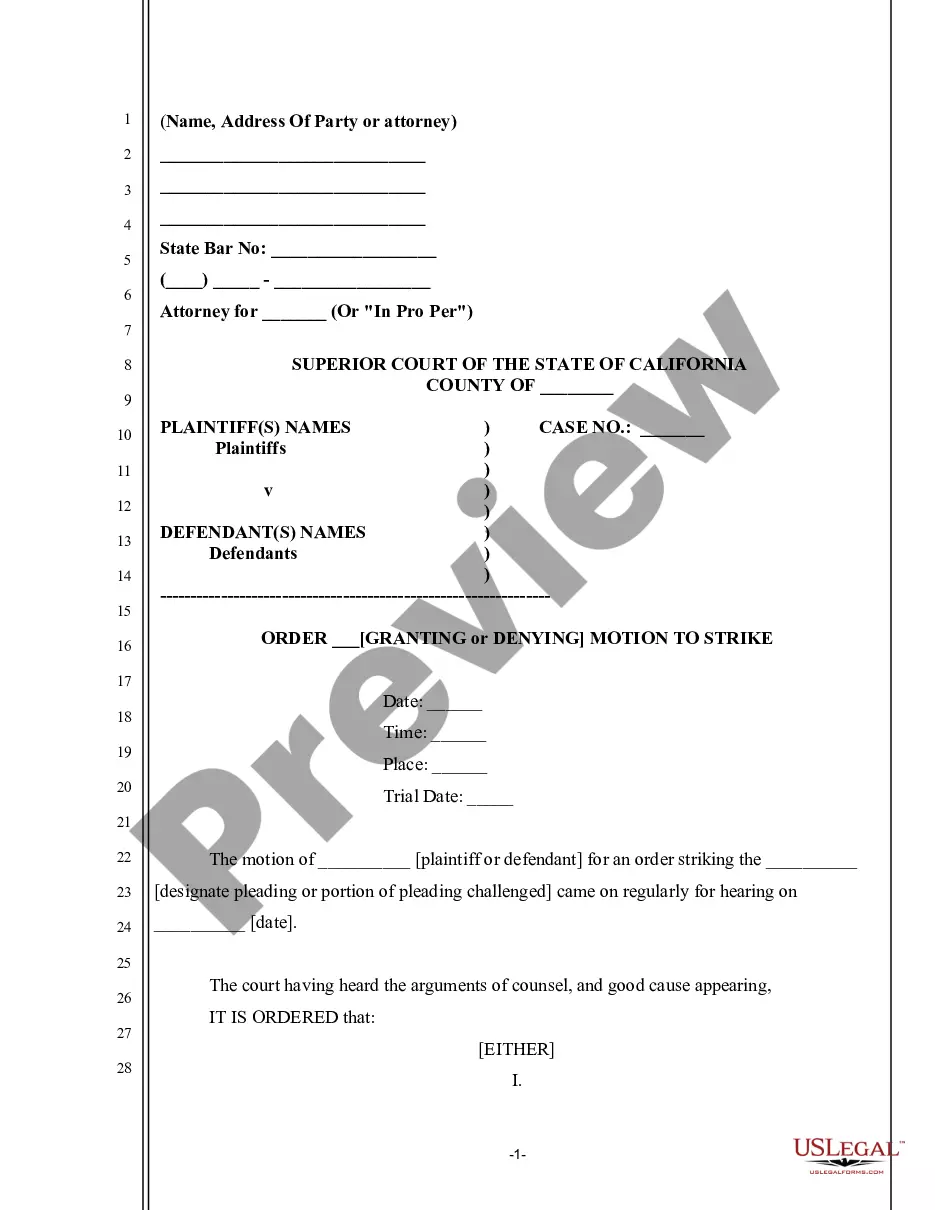
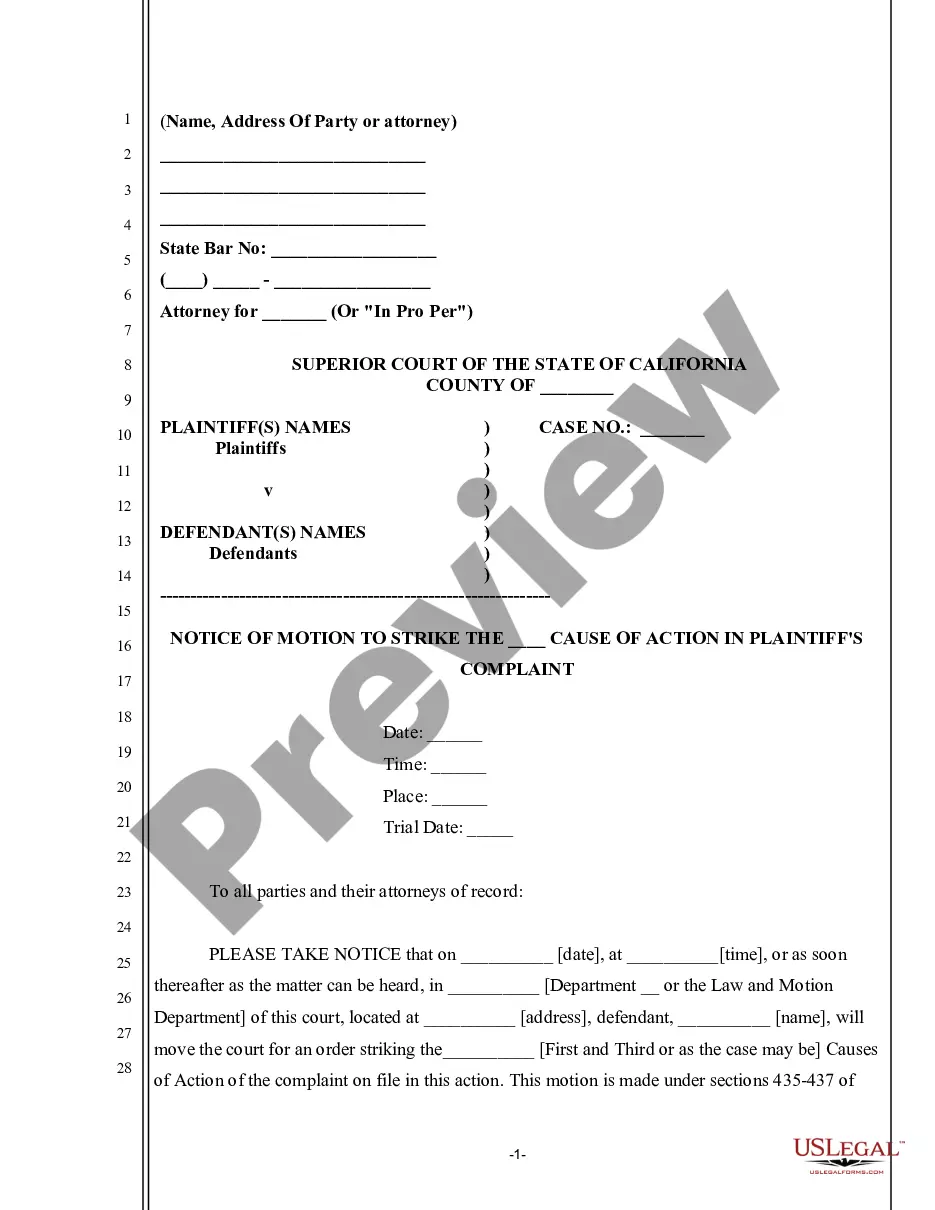
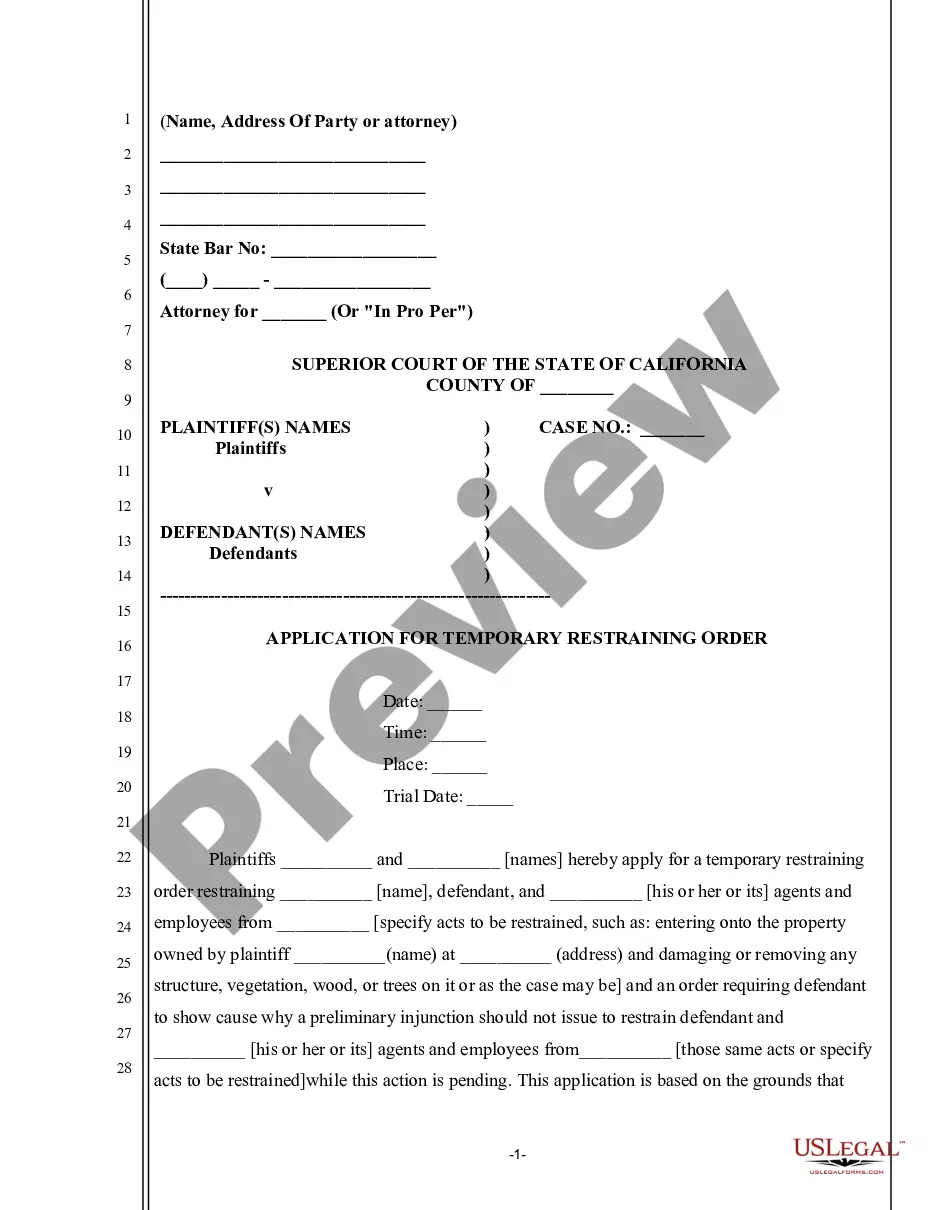
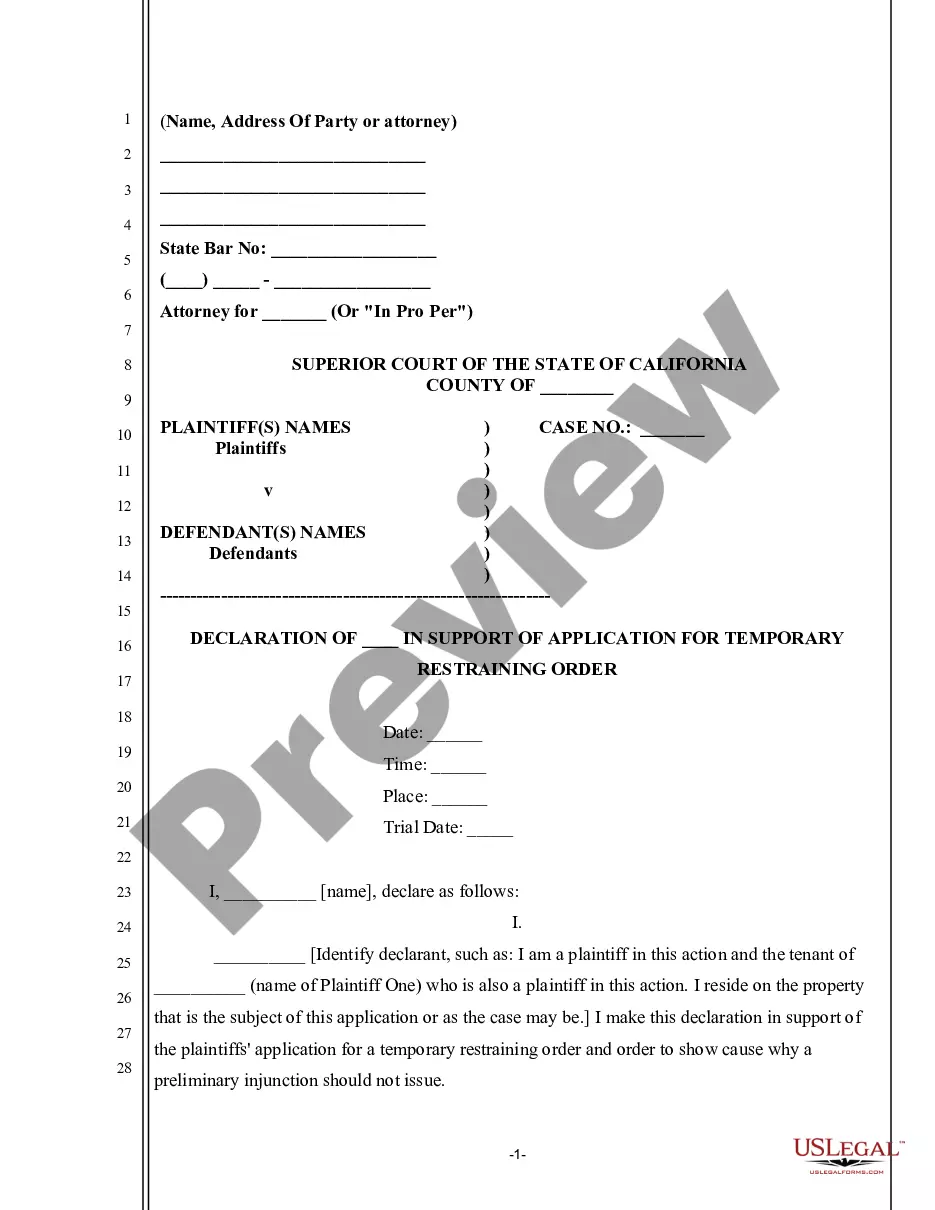
Illinois Release of Filed Lien Claim - Mechanic Liens - Individual
About this form
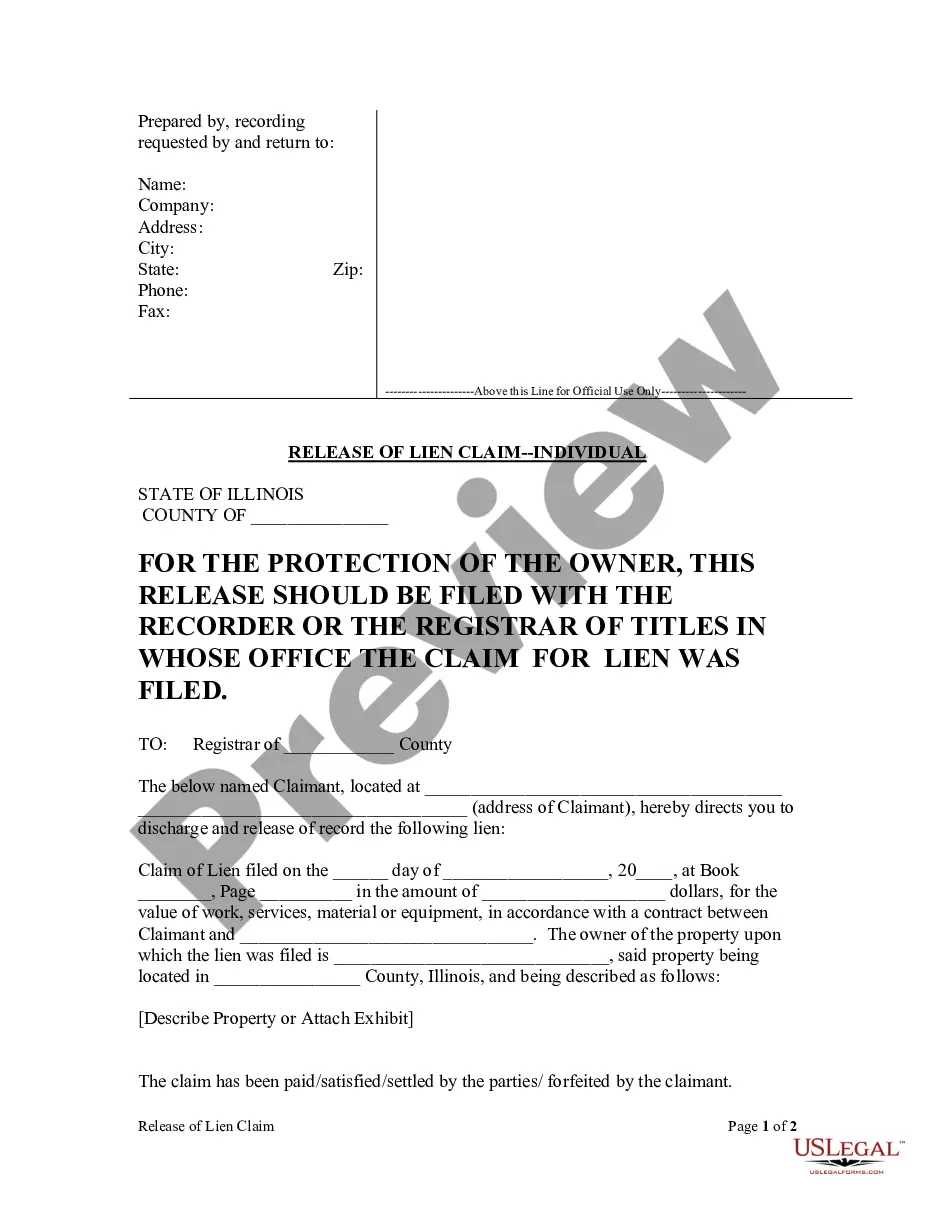
The Release of Filed Lien Claim - Mechanic Liens - Individual form is used when an individual who has previously filed a lien on a property desires to release that lien. This form serves to officially discharge the lien record, ensuring that the property is no longer encumbered. Unlike lien claims, which assert a right to the property due to unpaid debts, this release informs relevant authorities that the lien has been resolved.
Key parts of this document
- Claimant's name and contact information.
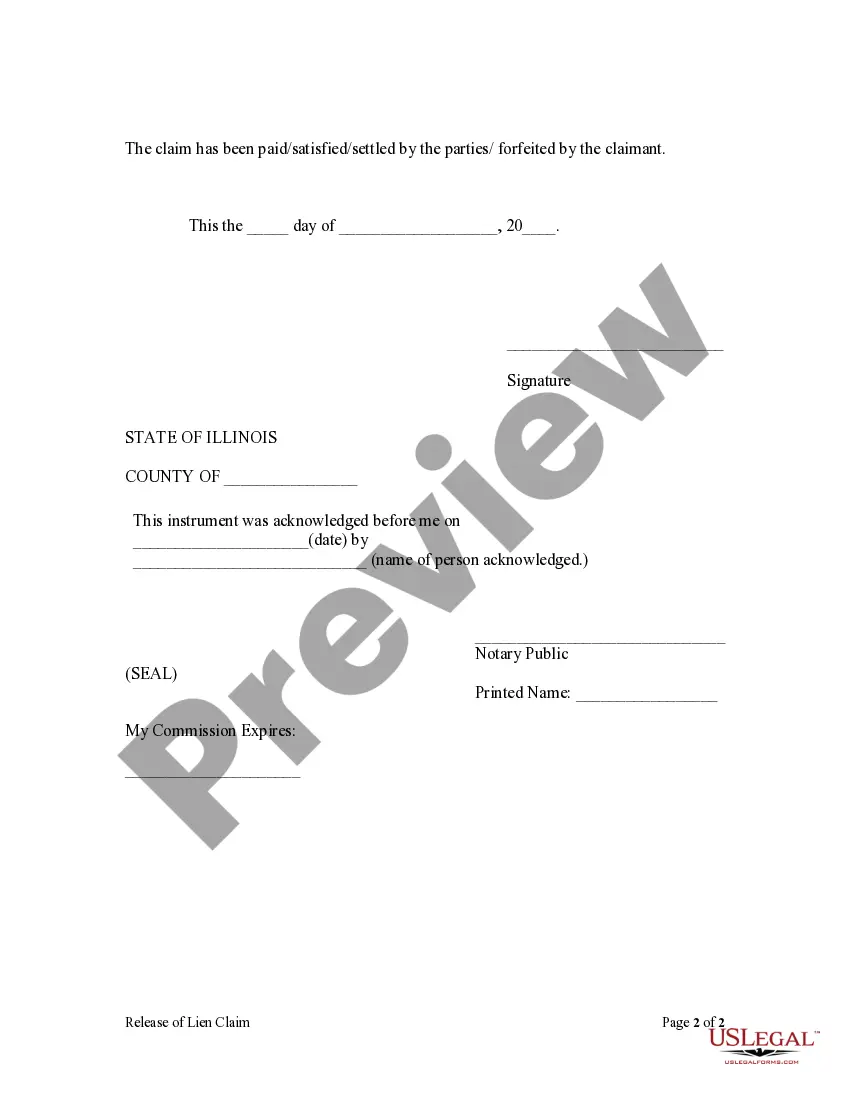
- Details about the lien, including court recording information such as the date filed, book, and page number.
- The amount of the lien and a description of the property.
- Confirmation that the claim has been satisfied, settled, or forfeited.
- Signature of the claimant along with notary acknowledgment.
When this form is needed
This form is necessary when an individual has completed or settled a contractual obligation that previously warranted a mechanic's lien on a property. It is often used after payment for services, materials, or equipment has been made, affirming that the claim against the property can be officially removed.
Who needs this form
- Individuals who have filed a mechanic lien against a property.
- Contractors and service providers who have received payment for their work.
- Property owners who wish to ensure that any claims against their property are officially released.
Instructions for completing this form
- Identify the claimant's name and address.
- Fill in details regarding the lien, including the date filed and specific amounts.
- Specify the owner of the property and provide a description of the property.
- Confirm the payment status of the lien.
- Sign the document in the presence of a notary public and ensure notarization is completed.
Does this document require notarization?
This form must be notarized to be legally valid. US Legal Forms provides secure online notarization powered by Notarize, allowing you to complete the process through a verified video call.
Get your form ready online
Our built-in tools help you complete, sign, share, and store your documents in one place.
Make edits, fill in missing information, and update formatting in US Legal Forms—just like you would in MS Word.
Download a copy, print it, send it by email, or mail it via USPS—whatever works best for your next step.
Sign and collect signatures with our SignNow integration. Send to multiple recipients, set reminders, and more. Go Premium to unlock E-Sign.
If this form requires notarization, complete it online through a secure video call—no need to meet a notary in person or wait for an appointment.
We protect your documents and personal data by following strict security and privacy standards.

Make edits, fill in missing information, and update formatting in US Legal Forms—just like you would in MS Word.

Download a copy, print it, send it by email, or mail it via USPS—whatever works best for your next step.

Sign and collect signatures with our SignNow integration. Send to multiple recipients, set reminders, and more. Go Premium to unlock E-Sign.

If this form requires notarization, complete it online through a secure video call—no need to meet a notary in person or wait for an appointment.

We protect your documents and personal data by following strict security and privacy standards.
Typical mistakes to avoid
- Failing to provide accurate recording information for the lien.
- Omitting the property description or attaching an incomplete exhibit.
- Not signing in the presence of a notary, which may invalidate the form.
Benefits of using this form online
- Immediate access to editable templates customized for your needs.
- Convenient download options that allow for quick and easy filing.
- Secure and reliable forms drafted by licensed attorneys, ensuring legal compliance.
Main things to remember
- The Release of Filed Lien Claim is essential for discharging a mechanic lien.
- Completing the form accurately is crucial for legal validity.
- Notarization is required to finalize the release.
Looking for another form?
Form popularity
FAQ
The process of bonding off a mechanics lien starts after a claimant has filed a mechanics lien. After the claim is made, a general contractor or a property owner can contact a surety bond company to purchase a surety bond that replaces the value of the lien that was filed against the property.
To enforce the lien, the contractor must file a lawsuit within 90 days from the date of recording the lien. If this deadline is passed, the contractor may not be able to enforce the lien and may be required to remove the lien.
The deadline for contractors and subcontractors to file their statement of mechanic's lien is four months (not 120 days) from the last date of work (exclusive of warranty work or other work performed free of charge), or from the last date that materials were supplied to the project.
A mechanics lien is a legal claim on the property for unpaid construction work or supplies. Once claimants file a mechanics lien in California, the owner's property turns into collateral, allowing claimants to secure the service they rendered or the supplies they provided.
Negotiate with the contractor who placed the lien (the "lienor" to remove it. Obtain a lien bond to discharge the lien, or. File a lawsuit to vacate the lien.
Mechanic's liens create a cloud on title, meaning that they appear in public property records. Liens are sometimes said to travel with the land, meaning that anyone who buys your house would take the property subject to the contractor's lien (or, more likely, demand that you pay it off first).
Formalize a defense for disputing the amount of the lien. Gather supporting documentation for your rebuttal, depending on the type of lien. Contact the agent representing the creditor to dispute the amount of the claim. Negotiate a payment settlement with the creditor if you cannot pay the amount you owe in full.
In order to enforce a lien, the contractor, subcontractor or supplier must file a lawsuit. The deadline to file a lawsuit is two years from the last date work was performed or materials were supplied. A recorded lien is valid for these two years, but a failure to sue within that time frame voids the lien.
When a contractor files a mechanics' (construction) lien on your home, the lien makes your home into what's called security for an outstanding debt, which the contractor claims is due and unpaid for services or materials.