District of Columbia Letter from Tenant to Landlord containing Notice to landlord to withdraw improper rent increase during lease
What this document covers
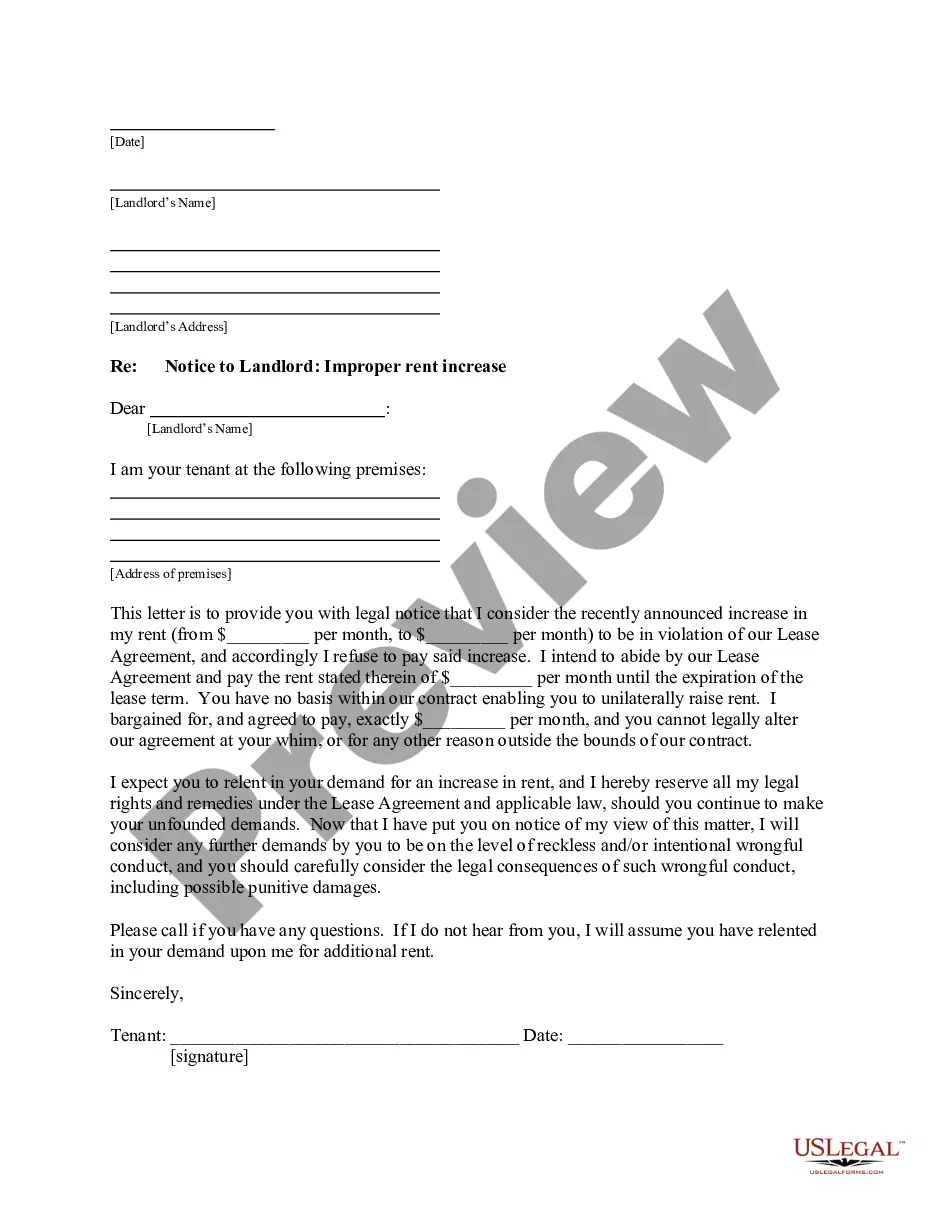
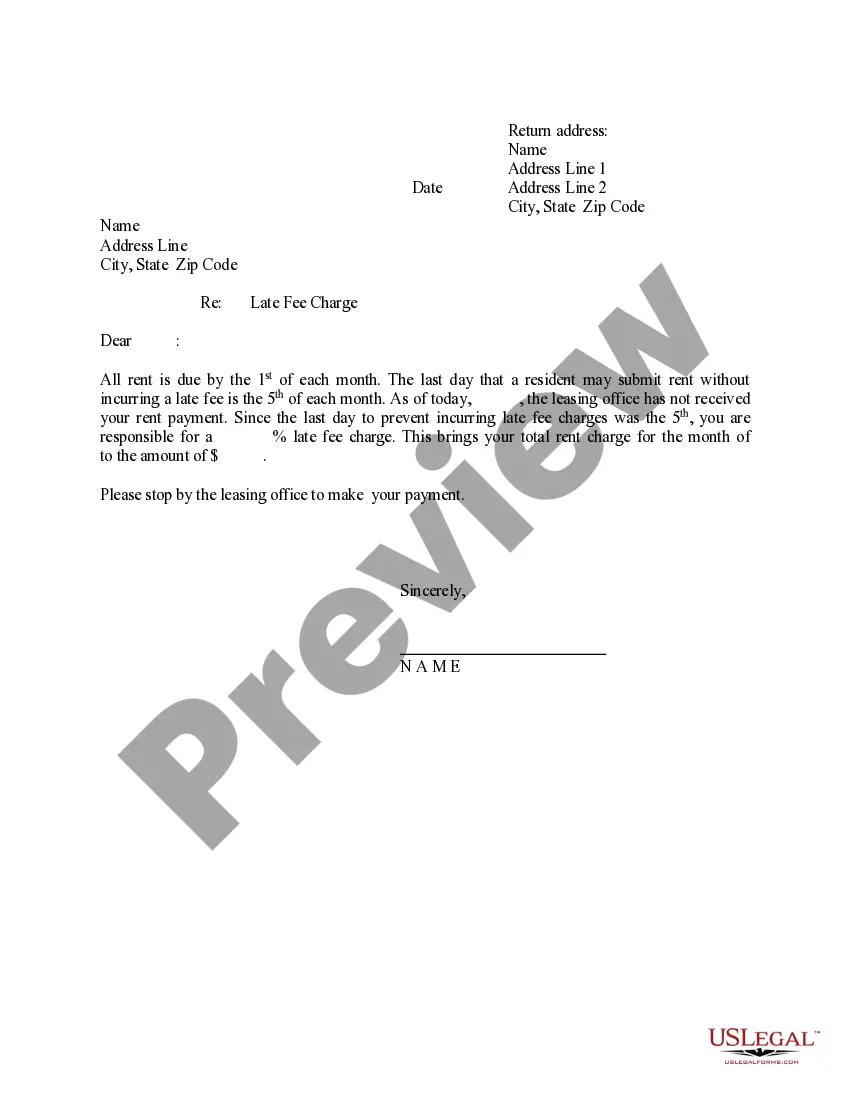
This "Letter from Tenant to Landlord containing Notice to landlord to withdraw improper rent increase during lease" is a document used by tenants to formally notify their landlord of an objection to an improper rent increase. This notice helps protect tenant rights and can prevent unlawful rent hikes. Unlike other eviction or lease termination forms, this specific letter focuses on addressing and contesting unjust rent demands while maintaining the existing lease agreement.
What’s included in this form
- Tenantâs statement of objection to the rent increase.
- Legal rights reserved by the tenant under the lease agreement.
- Statement warning of potential legal consequences for unlawful rent demands.
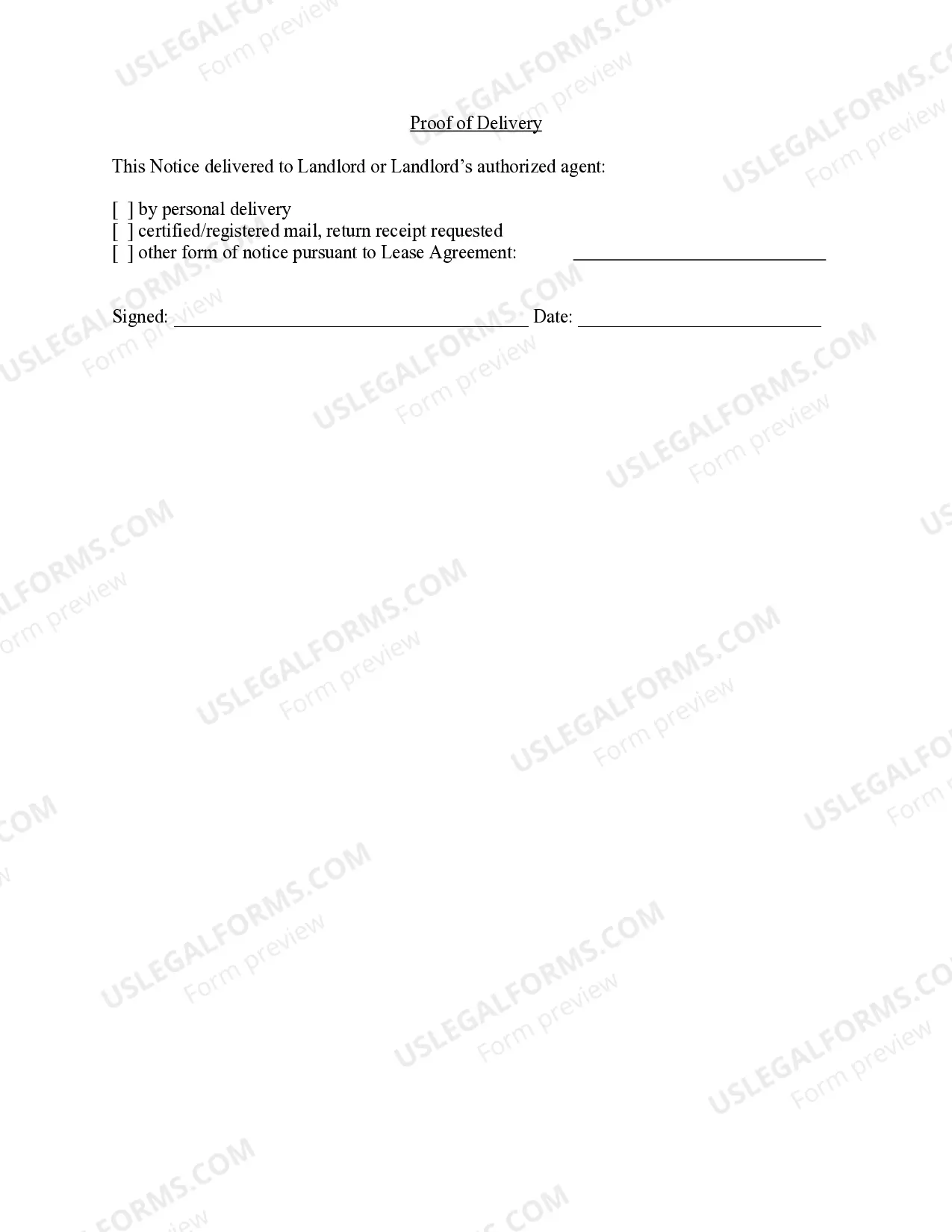
- Instructions for delivery of the notice to the landlord.
- Signature line and date for the tenant's acknowledgment.


When this form is needed
This form should be used when a tenant receives a notice of rent increase from their landlord that they believe is improper or unjustified. It is essential in situations where the tenant wishes to formally dispute the increase while remaining in the property. This letter also serves as a protective measure, preserving the tenant's legal rights against potential wrongful demands.
Intended users of this form
- Tenants currently under a lease agreement.
- Individuals facing a rent increase that they believe is improper.
- Anyone looking to formally communicate their objection to a landlord.
- Tenants needing to protect their legal rights related to rental agreements.
Completing this form step by step
- Identify the parties involved: tenant and landlord.
- Clearly state the objection to the rent increase with specific details.
- Include a statement reserving all legal rights under the lease agreement.
- Sign and date the letter to demonstrate acknowledgment and intent.
- Deliver the notice to the landlord or their authorized agent as instructed.
Does this document require notarization?
This form does not typically require notarization unless specified by local law. It is advisable to consult state regulations to ensure compliance.
Get your form ready online
Our built-in tools help you complete, sign, share, and store your documents in one place.
Make edits, fill in missing information, and update formatting in US Legal Forms—just like you would in MS Word.
Download a copy, print it, send it by email, or mail it via USPS—whatever works best for your next step.
Sign and collect signatures with our SignNow integration. Send to multiple recipients, set reminders, and more. Go Premium to unlock E-Sign.
If this form requires notarization, complete it online through a secure video call—no need to meet a notary in person or wait for an appointment.
We protect your documents and personal data by following strict security and privacy standards.

Make edits, fill in missing information, and update formatting in US Legal Forms—just like you would in MS Word.

Download a copy, print it, send it by email, or mail it via USPS—whatever works best for your next step.

Sign and collect signatures with our SignNow integration. Send to multiple recipients, set reminders, and more. Go Premium to unlock E-Sign.

If this form requires notarization, complete it online through a secure video call—no need to meet a notary in person or wait for an appointment.

We protect your documents and personal data by following strict security and privacy standards.
Common mistakes to avoid
- Failing to send the notice in a manner that ensures proof of delivery.
- Not including specific details about the lease or rent increase.
- Neglecting to sign and date the letter appropriately.
- Using confrontational language instead of focusing on the legal objection.
Why use this form online
- Conveniently download and customize the form to meet your needs.
- Easily editable to include relevant details specific to your situation.
- Access reliable templates drafted by licensed attorneys.
- Instant access from the comfort of your home, saving time and hassle.
- The notice provides a formal record of the tenant's objection to the rent increase.
- This form contributes to establishing the tenant's rights in any future legal proceedings.
- Landlords might be more likely to reconsider a rent increase when notified in writing.
Key takeaways
- This Letter from Tenant to Landlord is vital for tenants disputing a rent increase.
- Completing and delivering this notice promptly can protect tenants' rights.
- Understanding state laws can enhance the effectiveness of the notice.
Looking for another form?
Form popularity
FAQ
To obtain a landlord letter, you can either directly contact your landlord or draft a formal request. If you are addressing issues like an improper rent increase, consider creating a District of Columbia Letter from Tenant to Landlord containing Notice to landlord to withdraw improper rent increase during lease. This approach ensures a clear communication channel and demonstrates your professionalism. Alternatively, you may seek assistance from legal aid services or use platforms like UsLegalForms to guide you in creating the appropriate documentation.
To ask for a rent abatement letter, begin by reviewing your lease agreement for any clauses related to rent increases. Next, draft a District of Columbia Letter from Tenant to Landlord containing Notice to landlord to withdraw improper rent increase during lease. Clearly explain the reasons for your request, such as any improper increases or unmet obligations by the landlord. Finally, send this letter to your landlord and keep a copy for your records.
To write a letter to a landlord regarding rent, check your lease agreement for compliance with notification periods. Clearly state your concerns or requests related to the rent, whether it’s for an increase, reduction, or a payment issue. It is beneficial to include relevant details and propose a solution or ask for a discussion. Templates from US Legal Forms, especially the District of Columbia Letter from Tenant to Landlord containing Notice to landlord to withdraw improper rent increase during lease, can guide you through the process.
Writing a formal letter to a tenant involves clear formatting and respectful language. Begin with your address and the tenant’s address, followed by a date and a formal greeting. State your message clearly in the body, keeping it concise and focused. Closing with a courteous sign-off contributes positively to your landlord-tenant relationship.
Tenants may consider suing a landlord for several reasons, including improper eviction, failure to provide essential services, or charging unlawful fees. Discrimination and breaches of lease agreements can also lead tenants to seek legal action. It is often considered a last resort after attempts to resolve issues have failed. Understanding legal rights can help both tenants and landlords avoid conflicts.
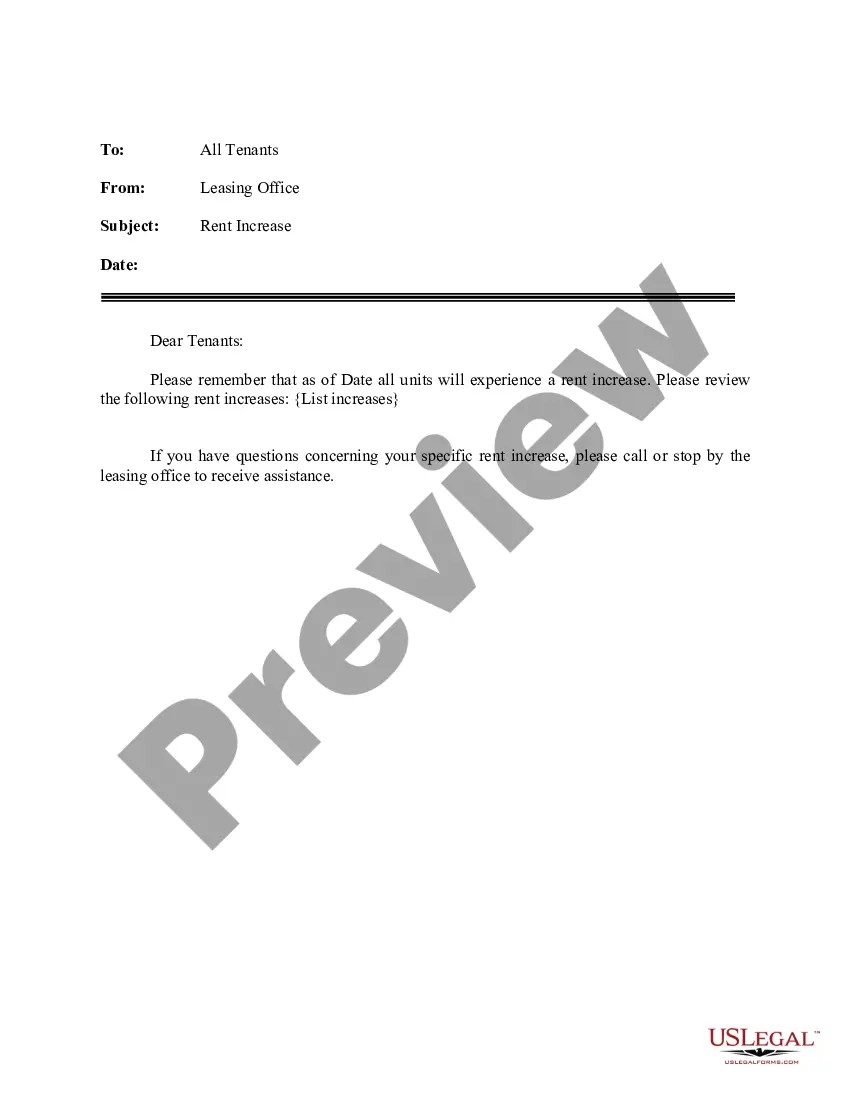
When communicating a rent increase to a tenant, be transparent about the reasons behind the increase. You may want to mention rising costs, property improvements, or market conditions. Always express appreciation for their tenancy and commitment. Providing context can help maintain goodwill and understanding in your landlord-tenant relationship.
To write a letter requesting a rent reduction, start by explaining the reasons for the request. Your letter should include any changes in your financial situation or comparable rental rates in the area as evidence for your request. Be polite and professional to encourage a positive response from your landlord. US Legal Forms offers templates, such as a District of Columbia Letter from Tenant to Landlord containing Notice to landlord to withdraw improper rent increase during lease, to help you stay formal and clear.
In Washington, D.C., landlords can raise rent under certain conditions set by the District’s regulations. Typically, for most leases, the rent increase is capped at a specific percentage, often around 3 percent per year. However, there are exemptions and variances based on factors such as the type of building and any recent upgrades. Understanding these regulations can help landlords and tenants navigate rent increases appropriately.
To write a letter for a rent increase, begin by clearly stating the increase amount and the effective date. It is important to craft the letter respectfully and provide reasoning behind the increase. You may also want to acknowledge tenants’ contributions and express gratitude for their continued residence. A sample format can be found at US Legal Forms, which includes a District of Columbia Letter from Tenant to Landlord containing Notice to landlord to withdraw improper rent increase during lease for proper guidance.
To request that your landlord refrain from increasing your rent, consider writing a polite and formal letter. In it, address your landlord directly and state your concerns regarding the proposed increase. Referencing your rights and utilizing the District of Columbia Letter from Tenant to Landlord containing Notice to landlord to withdraw improper rent increase during lease can strengthen your position, while fostering a constructive dialogue.