Colorado Assignment of Deed of Trust by Corporate Mortgage Holder
Overview of this form
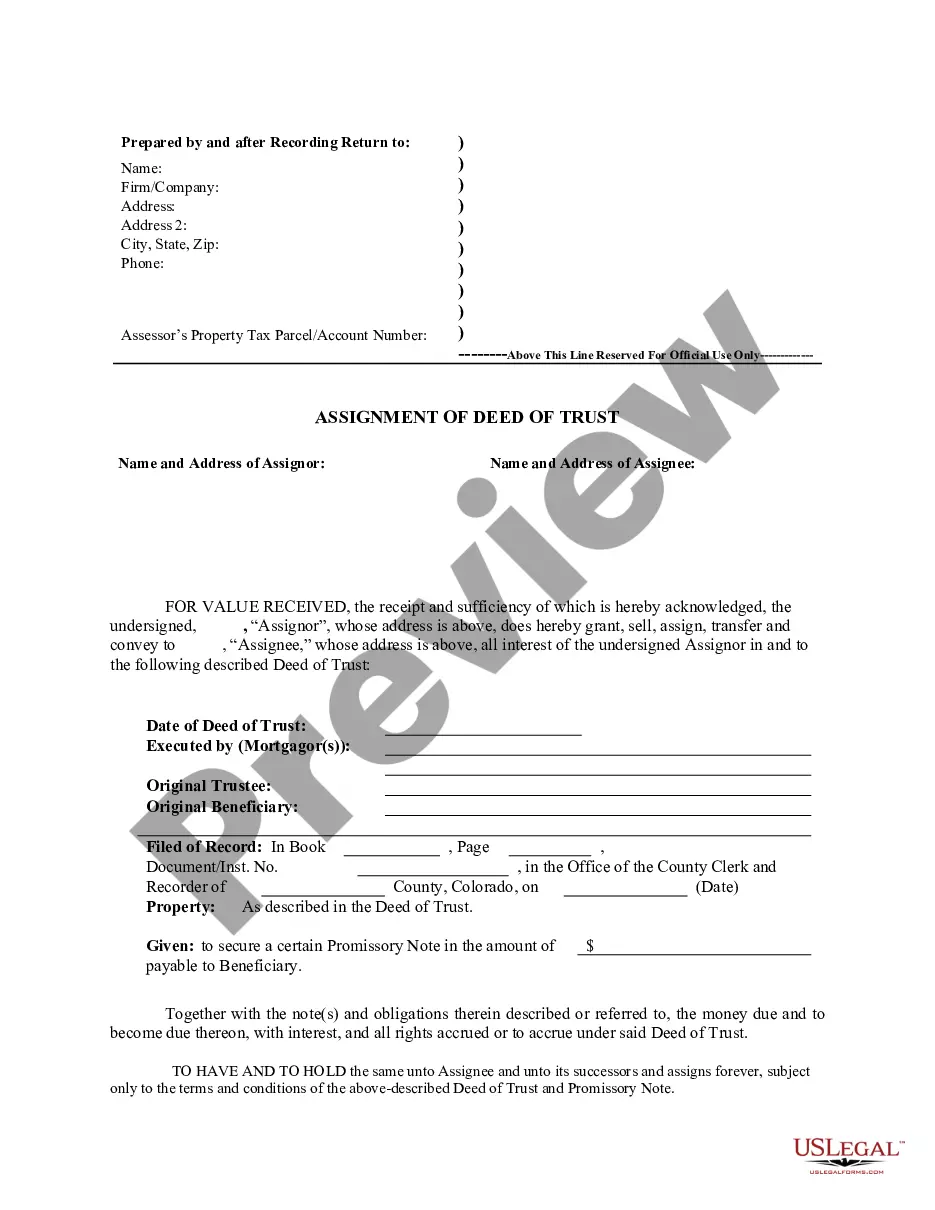
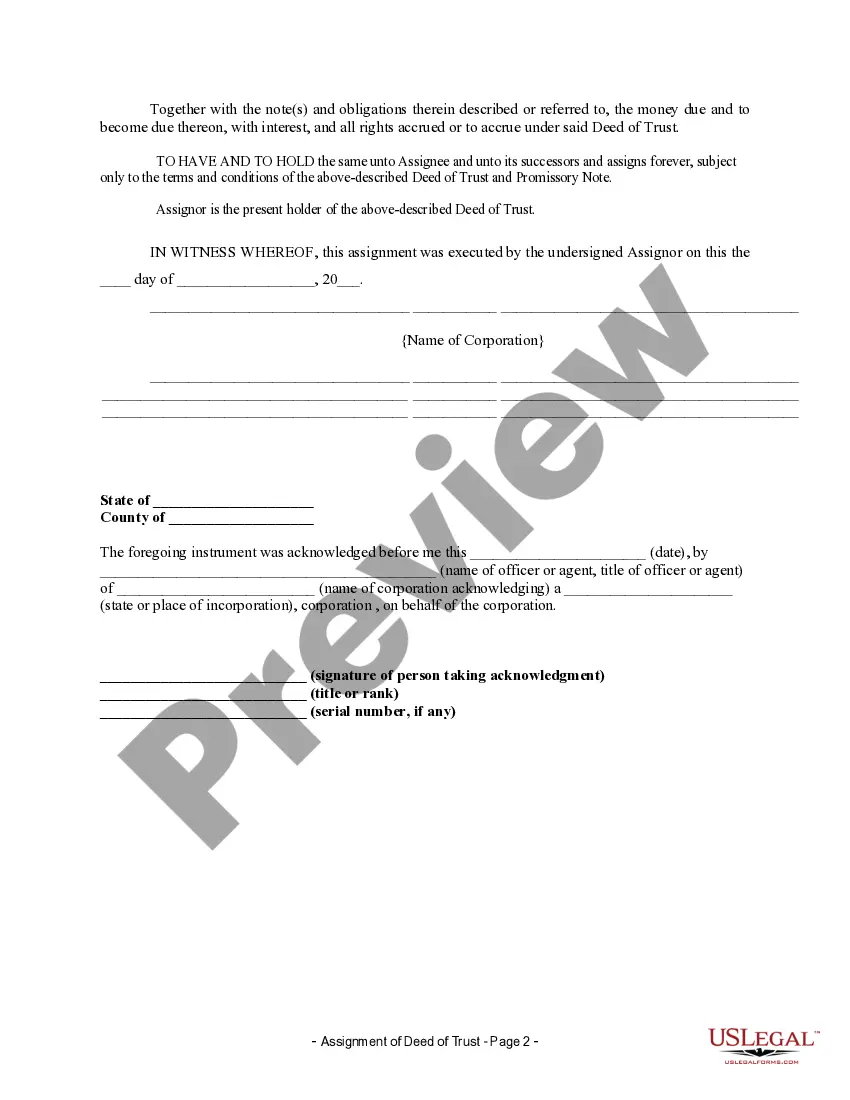
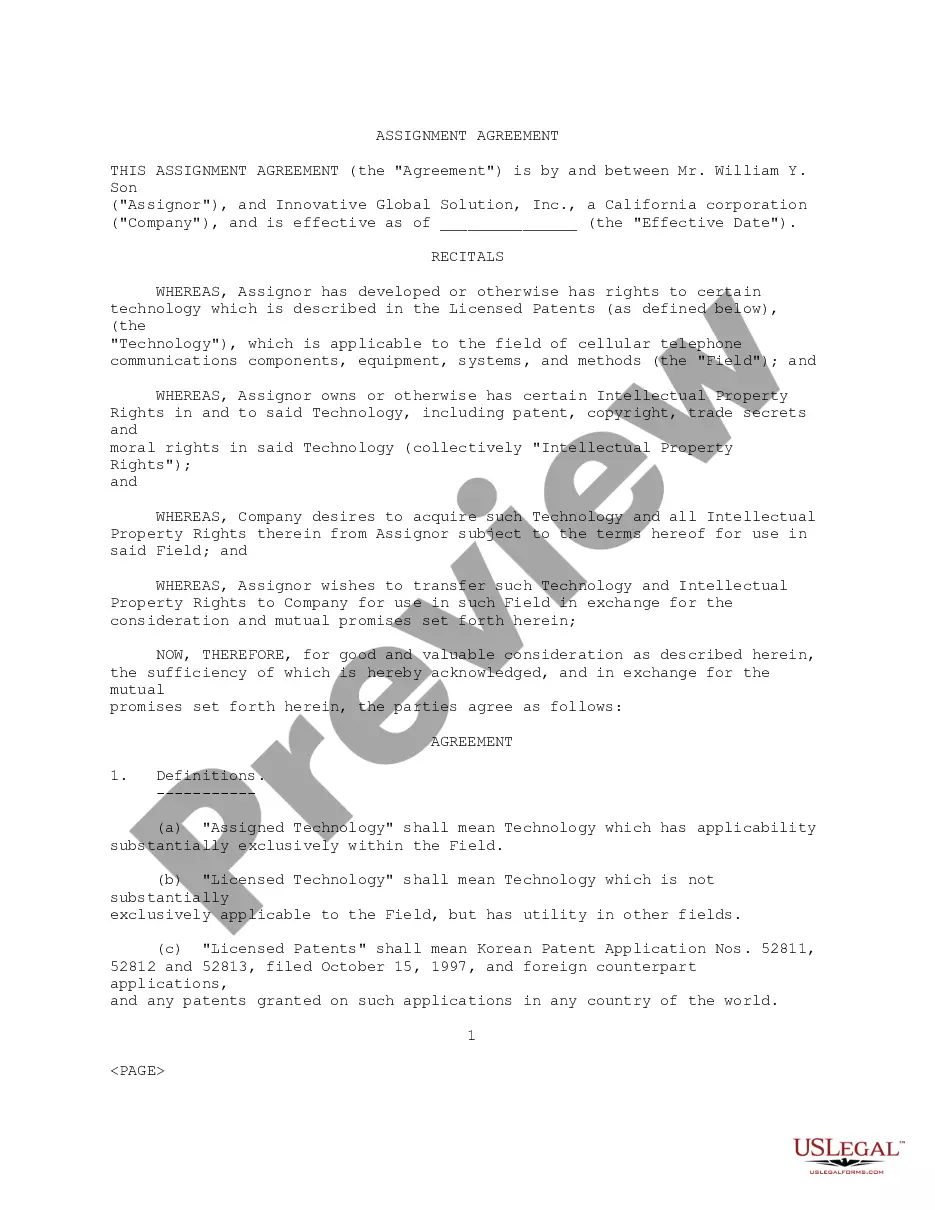
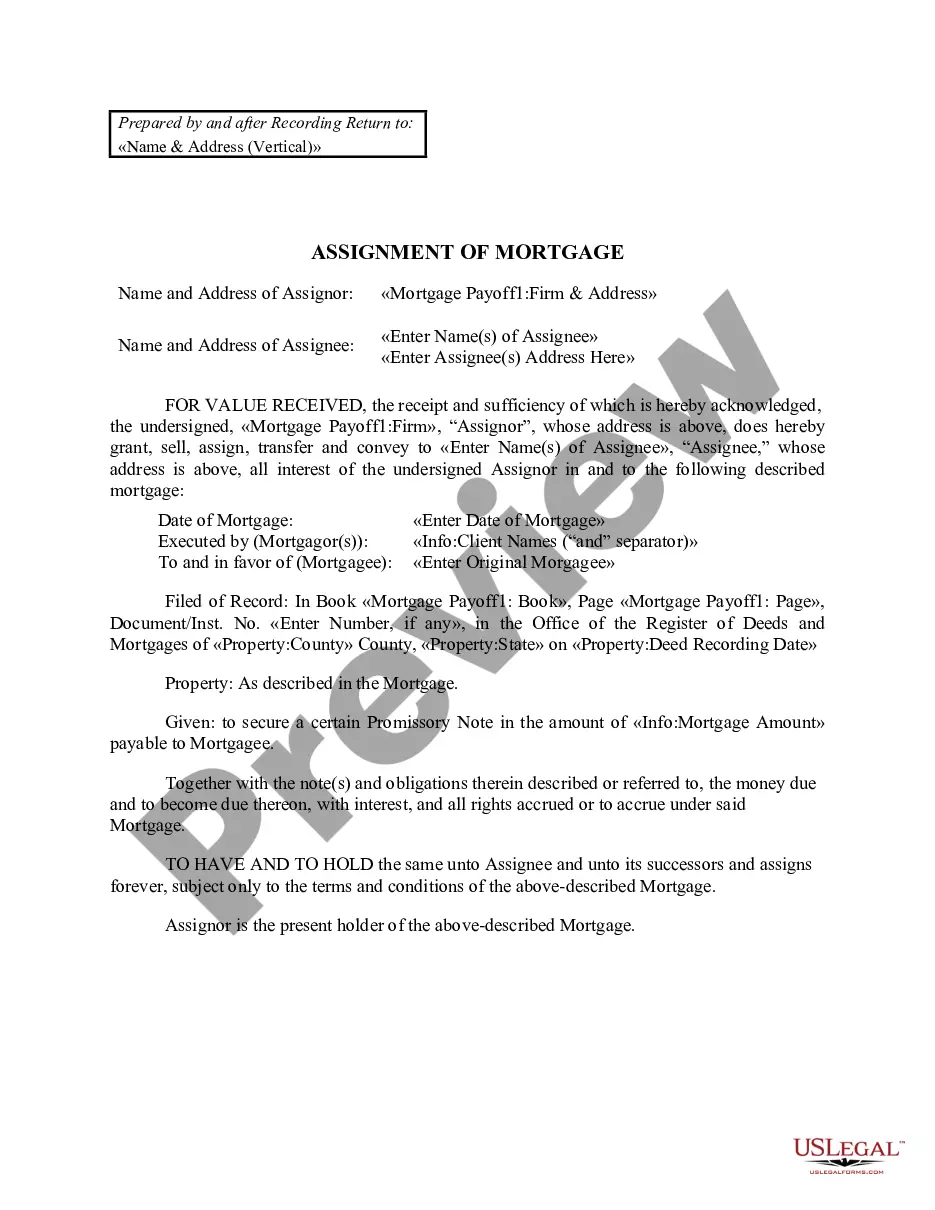
The Assignment of Deed of Trust by Corporate Mortgage Holder is a legal document used when a corporation holding a deed of trust assigns its rights and interests in the deed to a third party. This form is essential in transferring the mortgage obligations and rights, distinct from other mortgage transfer forms by specifically involving a corporate entity as the assignor.
Main sections of this form
- Date of deed of trust execution.
- Details of the parties involved: Mortgagor(s), original trustee, and beneficiary.
- Record filing information including book, page, and document number.
- Description of property secured by the deed of trust.
- Provisions related to the promissory note and obligations.
- Signature section for the assignor, including corporate title and notary acknowledgment.
When to use this form
This form is utilized when a corporate mortgage holder decides to transfer its interest in a deed of trust to another party. It is essential in situations such as selling the mortgage to investors or reassigning the mortgage to another lender as part of refinancing. You should also use it when updating the existing records to reflect the new holder of the mortgage interest.
Who this form is for
- Corporations that hold a deed of trust and need to assign their interest.
- Financial institutions involved in mortgage transactions.
- Attorneys handling real estate or corporate law matters.
- Individuals representing a corporate entity in mortgage assignments.
Instructions for completing this form
- Identify the parties: Clearly state the names of the mortgagor(s), original trustee, and beneficiary.
- Specify the date of execution and details of the deed of trust.
- Provide the property description as listed in the deed of trust.
- Enter the details about the promissory note including amount and terms.
- Sign the form, ensuring the corporate officer includes their title and company name.
- Have the signature acknowledged by a notary public, if required.
Does this form need to be notarized?
This document requires notarization to meet legal standards. US Legal Forms provides secure online notarization powered by Notarize, allowing you to complete the process through a verified video call, available 24/7.
Get your form ready online
Our built-in tools help you complete, sign, share, and store your documents in one place.
Make edits, fill in missing information, and update formatting in US Legal Forms—just like you would in MS Word.
Download a copy, print it, send it by email, or mail it via USPS—whatever works best for your next step.
Sign and collect signatures with our SignNow integration. Send to multiple recipients, set reminders, and more. Go Premium to unlock E-Sign.
If this form requires notarization, complete it online through a secure video call—no need to meet a notary in person or wait for an appointment.
We protect your documents and personal data by following strict security and privacy standards.
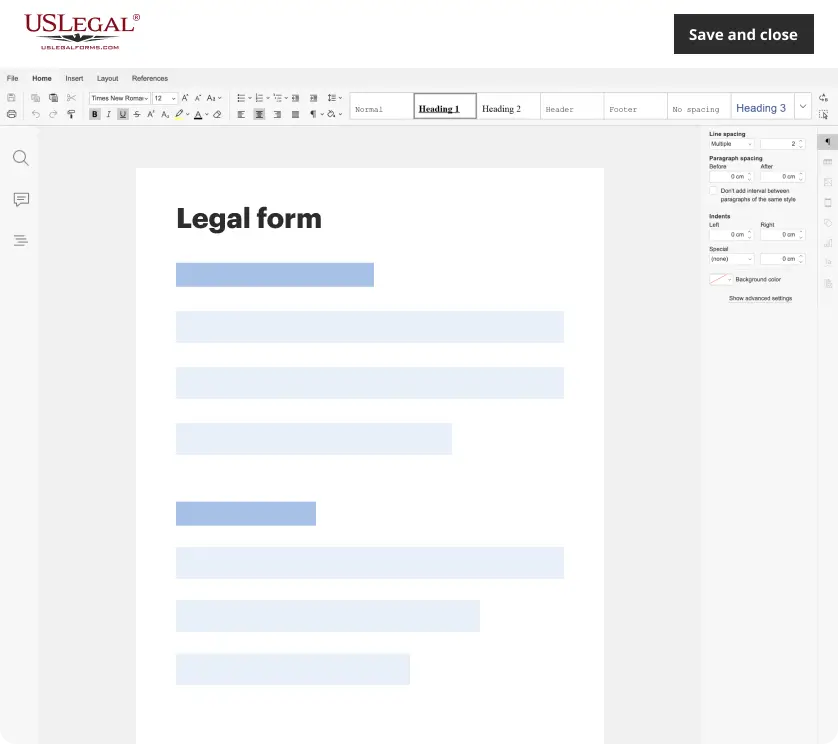
Make edits, fill in missing information, and update formatting in US Legal Forms—just like you would in MS Word.
Download a copy, print it, send it by email, or mail it via USPS—whatever works best for your next step.
Sign and collect signatures with our SignNow integration. Send to multiple recipients, set reminders, and more. Go Premium to unlock E-Sign.

If this form requires notarization, complete it online through a secure video call—no need to meet a notary in person or wait for an appointment.
We protect your documents and personal data by following strict security and privacy standards.
Typical mistakes to avoid
- Failing to include complete names of all parties involved.
- Not providing an accurate property description as per the original deed of trust.
- Missing signatures from authorized corporate representatives.
- Omitting the date of execution, which may delay the recording process.
Why use this form online
- Immediate access to legally vetted templates drafted by licensed attorneys.
- Convenience of downloading and filling the form at your own pace.
- Editability that allows for easy customization to fit your specific needs.
- Secure storage of completed documents for future reference.
Looking for another form?
Form popularity
FAQ
To locate the title deed to your house, start by checking with your county's recorder or assessor’s office. They maintain public records, including property deeds. You can also look through your personal documents, as you may have received the deed when you purchased your home. Additionally, if your property underwent a Colorado Assignment of Deed of Trust by Corporate Mortgage Holder, this information could be noted in related documents.
In the context of property financing, Colorado is considered a deed of trust state. This designation reflects the common practice of using deeds of trust for property transactions in the state. Therefore, when engaging with a Colorado Assignment of Deed of Trust by Corporate Mortgage Holder, it's important to grasp how this framework operates and the benefits it can offer you. Platforms like USLegalForms can assist you in managing the necessary paperwork and legal guidelines for an efficient process.
Colorado primarily uses deeds of trust rather than mortgages for securing loans. This means that most property transactions involve a deed of trust, giving lenders some advantages in the foreclosure process. If you're dealing with a Colorado Assignment of Deed of Trust by Corporate Mortgage Holder, knowing this can be critical for your financial planning and decision-making. Always consult with a legal expert to ensure you understand the implications.
The assignment of mortgage or deed of trust involves transferring the lender's rights and interest in the agreement to another party. This process allows the new lender to assume the original lender's role in managing the outstanding debt. It ensures that payments continue to be made to the correct entity, maintaining clarity in the transaction. Familiarity with this concept is crucial when dealing with mortgage transactions and corporate lenders.
A corporate assignment of deed of trust refers to the process where a corporate entity transfers its interest in a deed of trust to another party. This action often occurs when the original lender, typically a bank or financial institution, sells the debt to another lender or investor. By completing this corporate assignment, the new holder gains the right to collect payments and enforce the terms of the deed of trust. Understanding this process is essential for anyone involved in real estate transactions involving corporate mortgage holders.
A corporation Assignment of Deed of Trust mortgage is a legal document that transfers the rights held under a deed of trust from one corporate entity to another. This can help streamline the process of property ownership transfer. Understanding this assignment is vital, especially for those involved in a Colorado Assignment of Deed of Trust by Corporate Mortgage Holder, ensuring compliance with state laws.
The Assignment of Deed of Trust is typically signed by the current holder of the deed, which could be a bank or a corporate entity. This document must also be notarized to ensure legal validity. If dealing with a Colorado Assignment of Deed of Trust by Corporate Mortgage Holder, ensure all parties have understood their roles, as incorrect handling could complicate future transactions.
Releasing a deed of trust involves obtaining a release document from the lender that indicates the debt is satisfied. Once you have this document, you queue it at the appropriate county office for recording. Verify with any relevant entities to ensure that they recognize the release, especially in cases of a Colorado Assignment of Deed of Trust by Corporate Mortgage Holder.