Arkansas Statutory Form Power of Attorney for Property - Durable Provisions
What this document covers
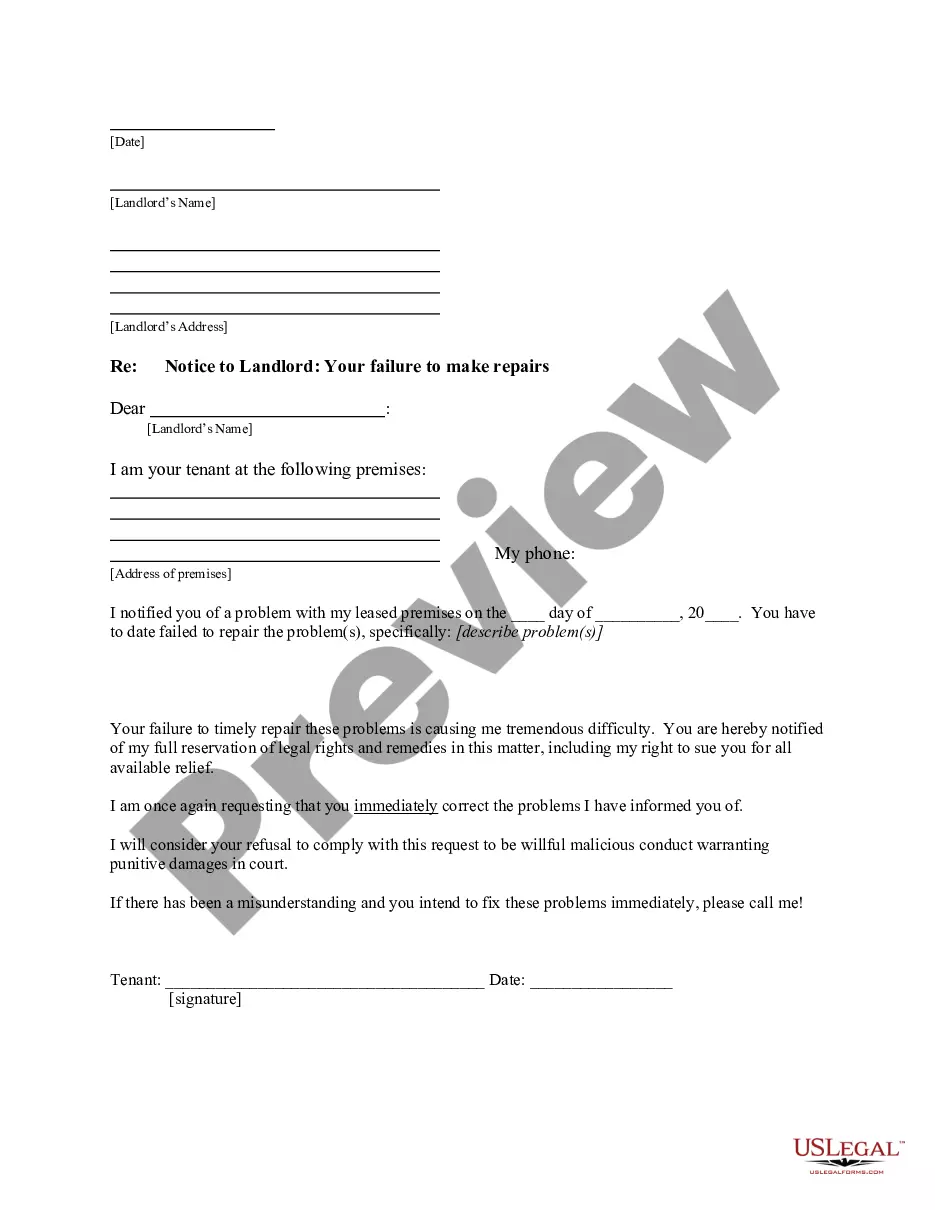
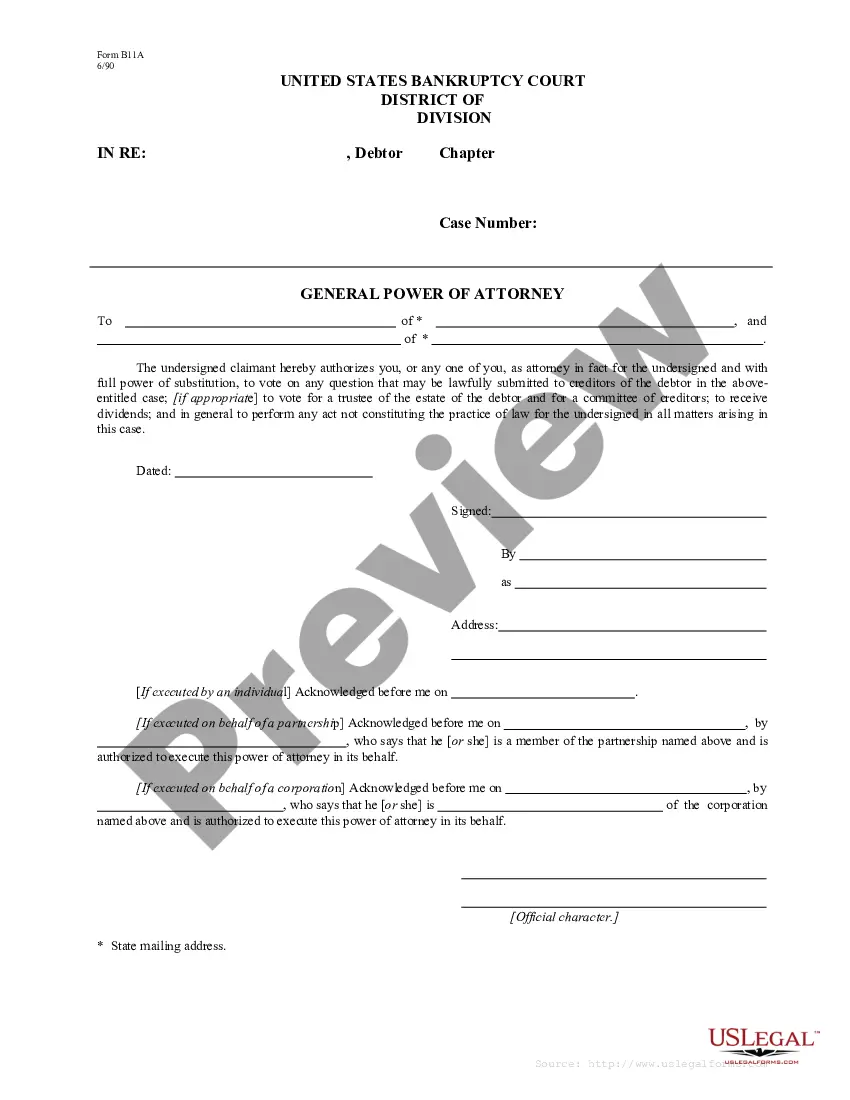
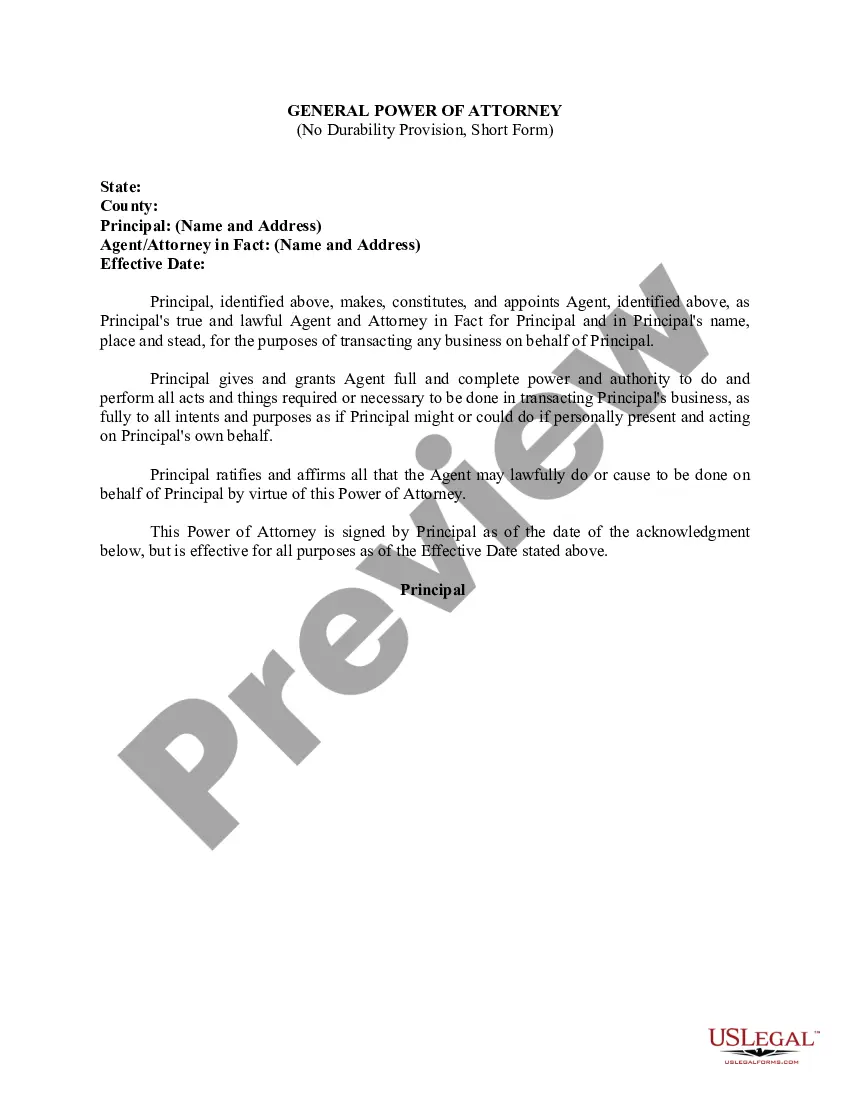
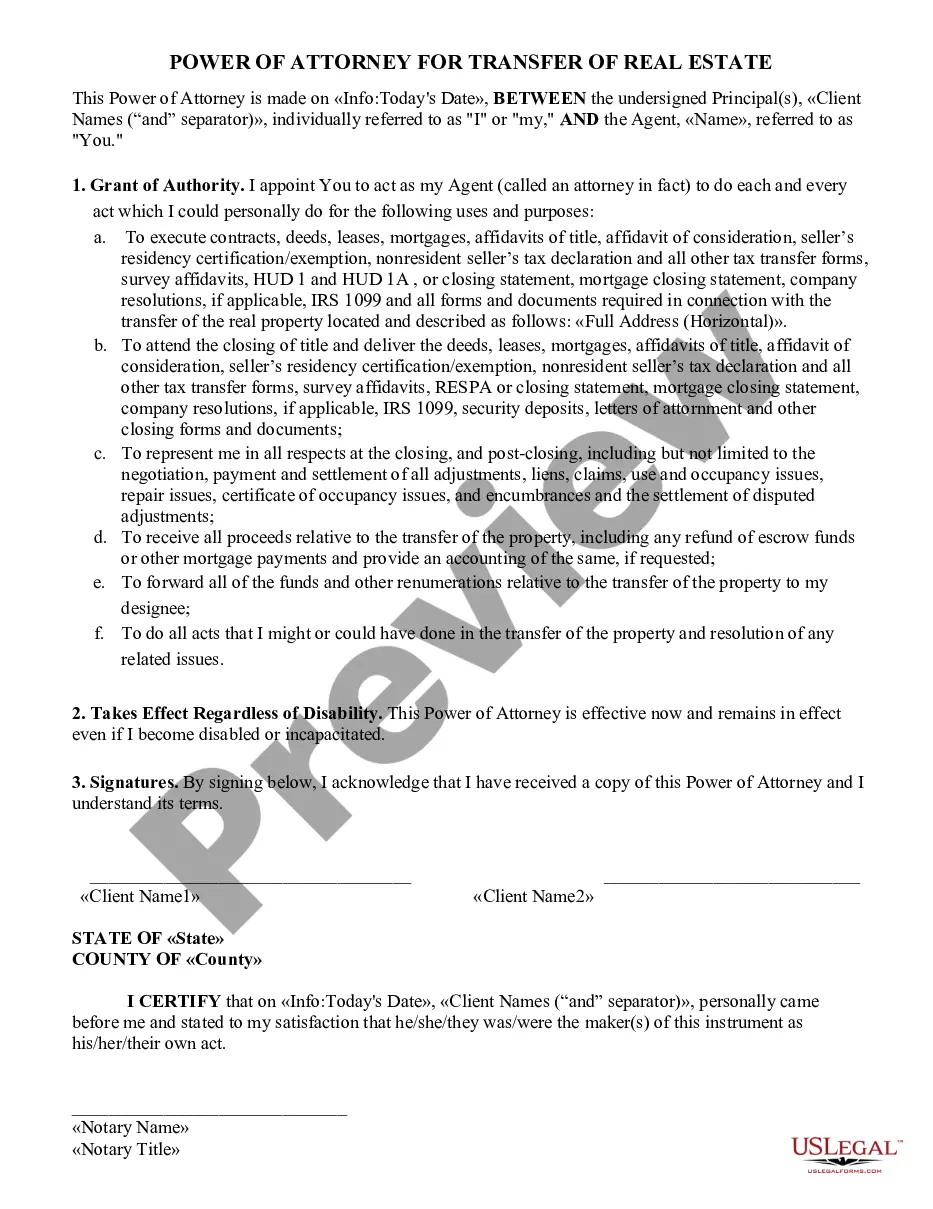
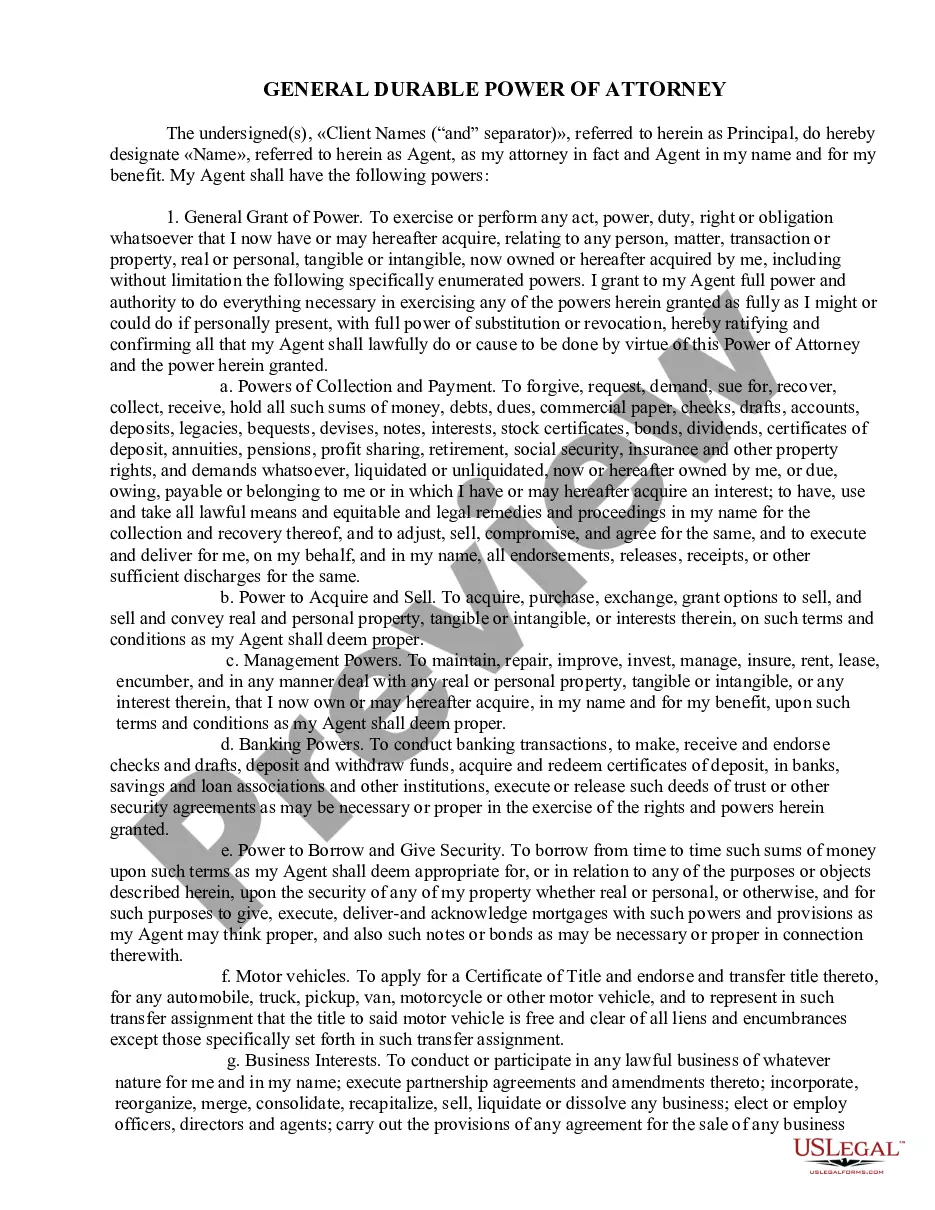
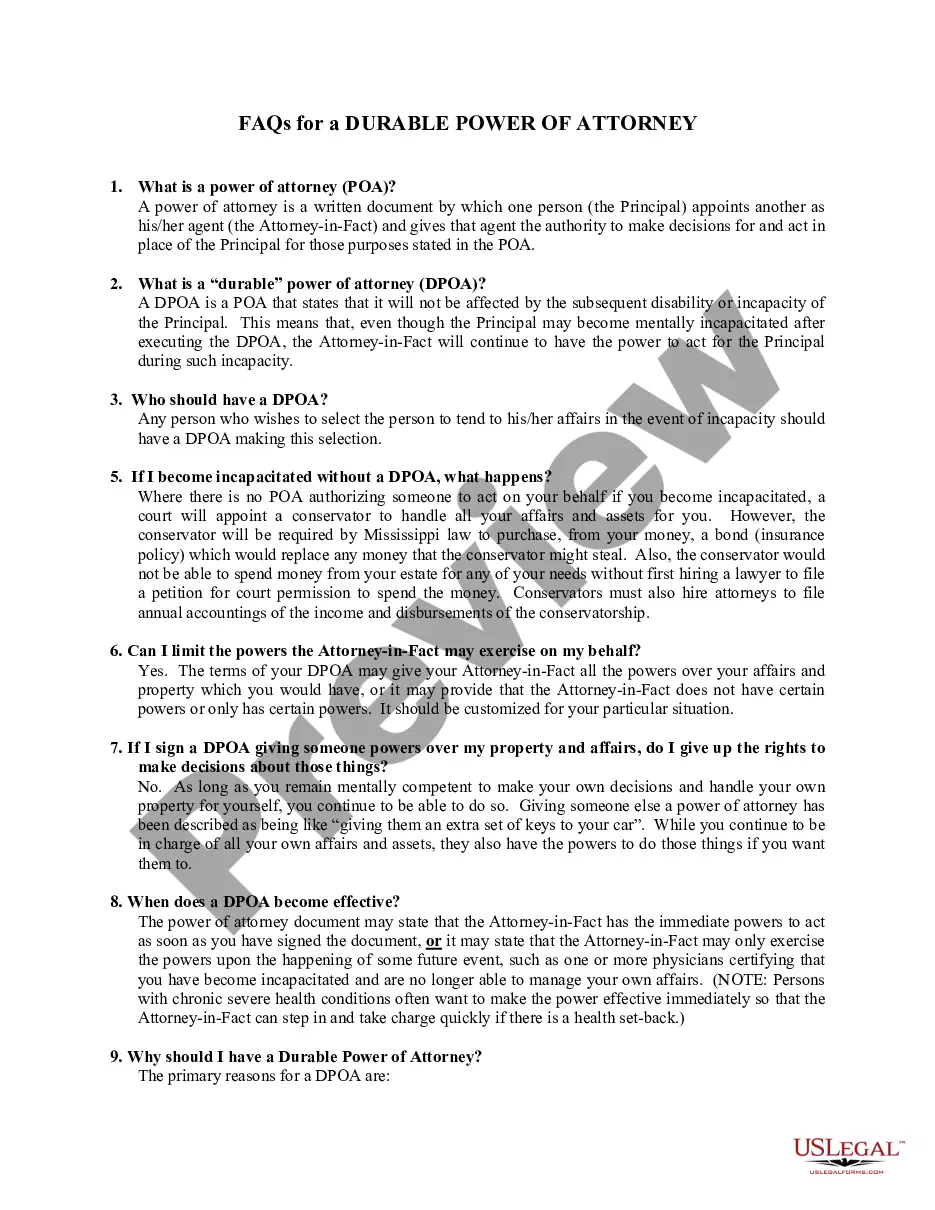
The Statutory Form Power of Attorney for Property - Durable Provisions is a legal document that allows you to grant broad powers to an agent, also known as your attorney in fact, to manage your property and financial affairs. Unlike a healthcare power of attorney, this form does not address medical decisions. It is designed to remain effective even if you become incapacitated, ensuring your financial interests are taken care of.
Key parts of this document
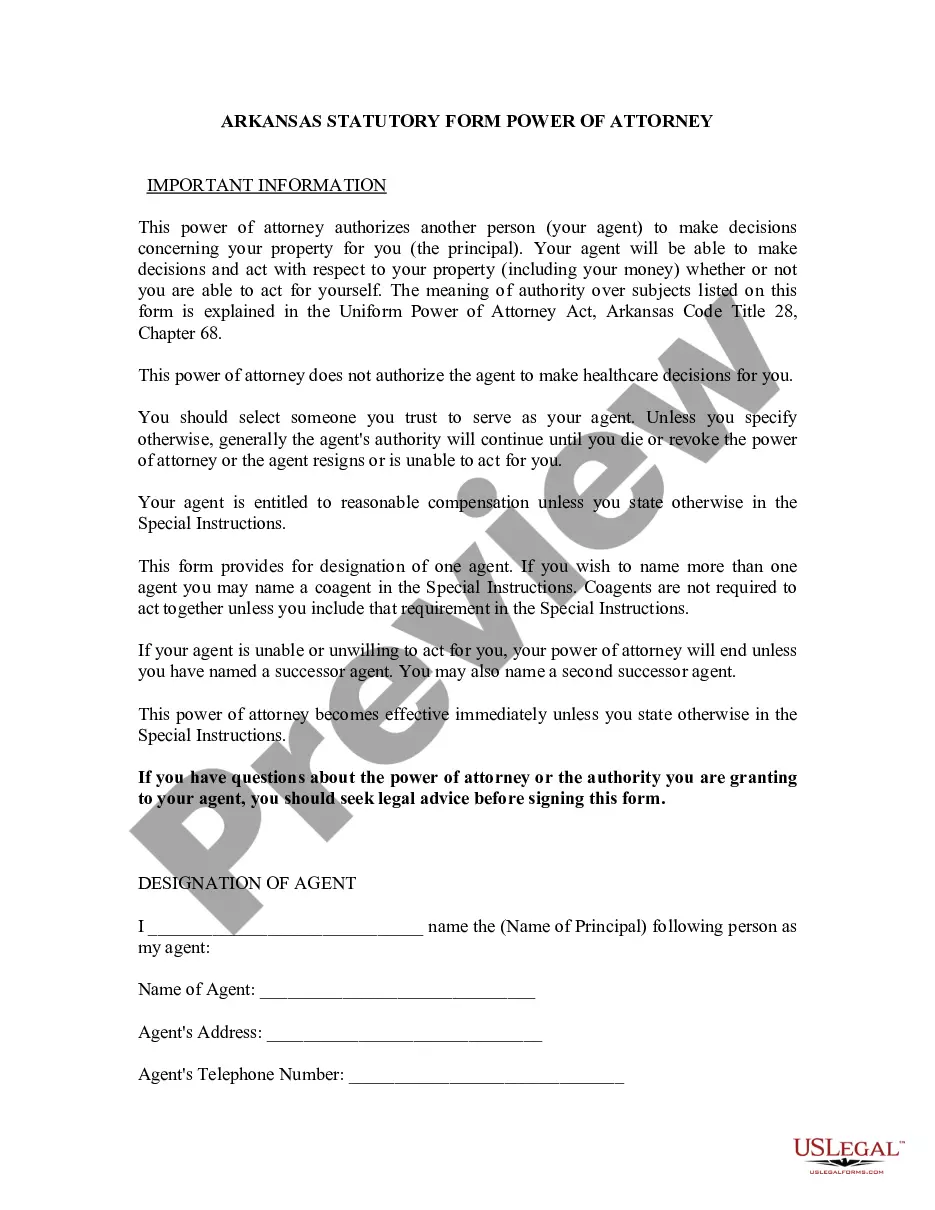
- Designation of your agent, including contact details.
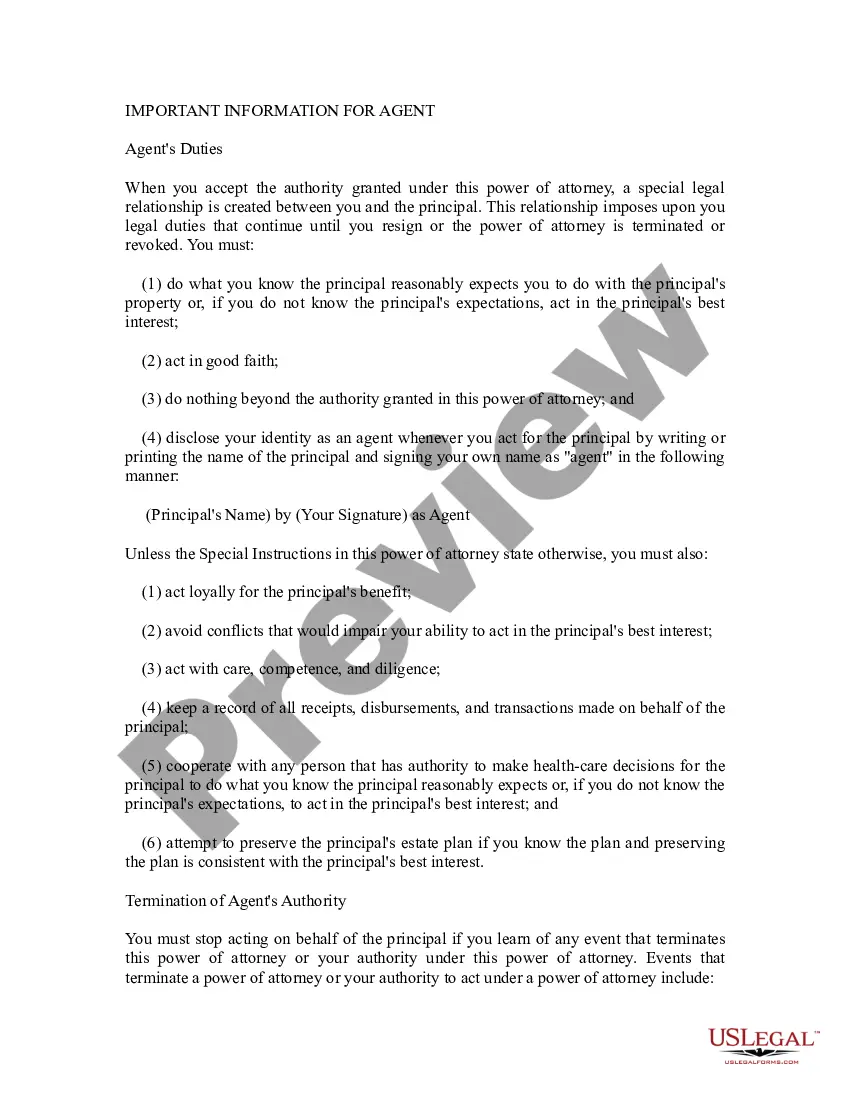
- Optional designation of one or more successor agents if your primary agent is unable to perform their duties.
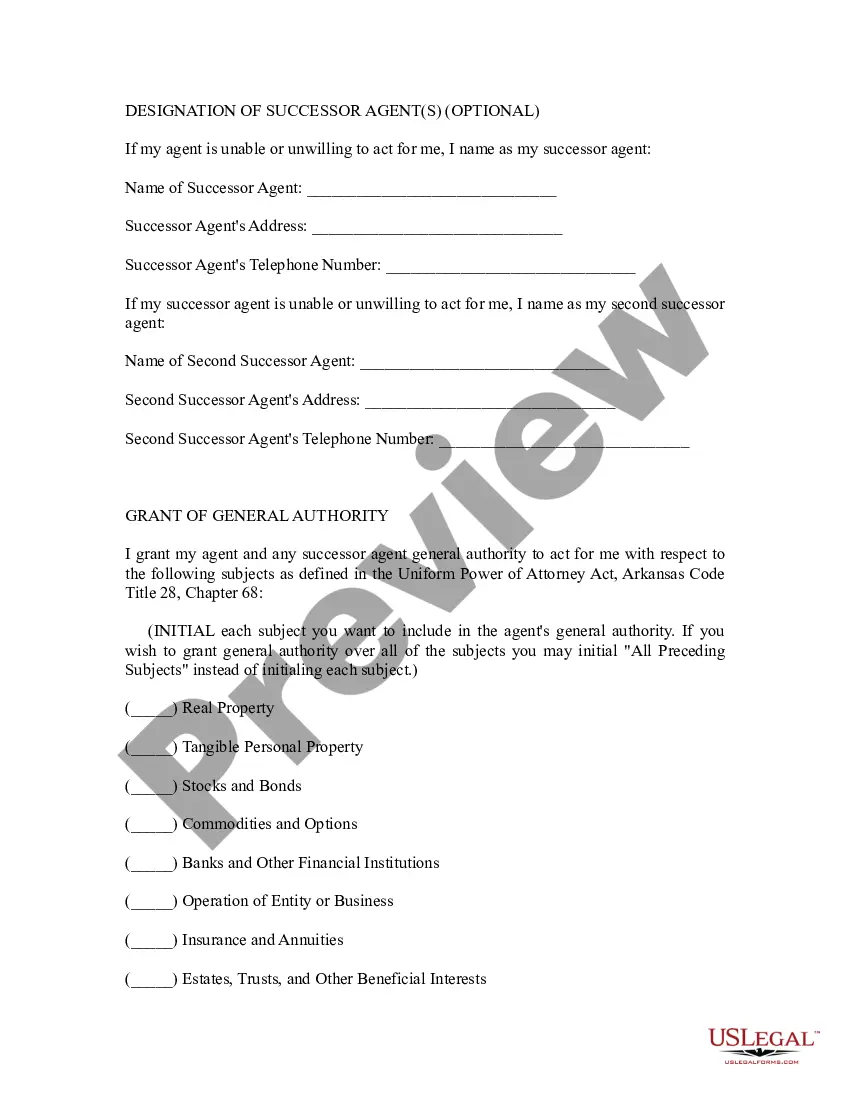
- General authority grant, where you specify what powers your agent will have.
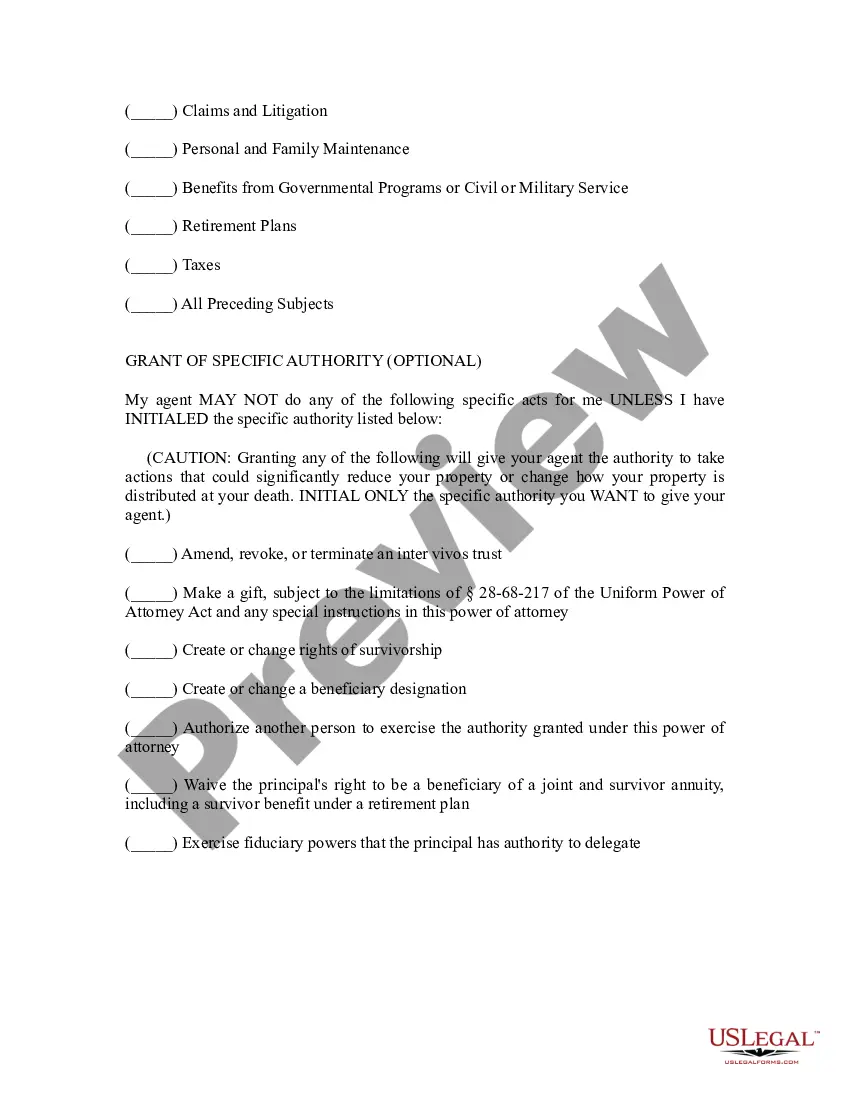
- Optional grants of specific authority that may allow your agent to perform particular actions.
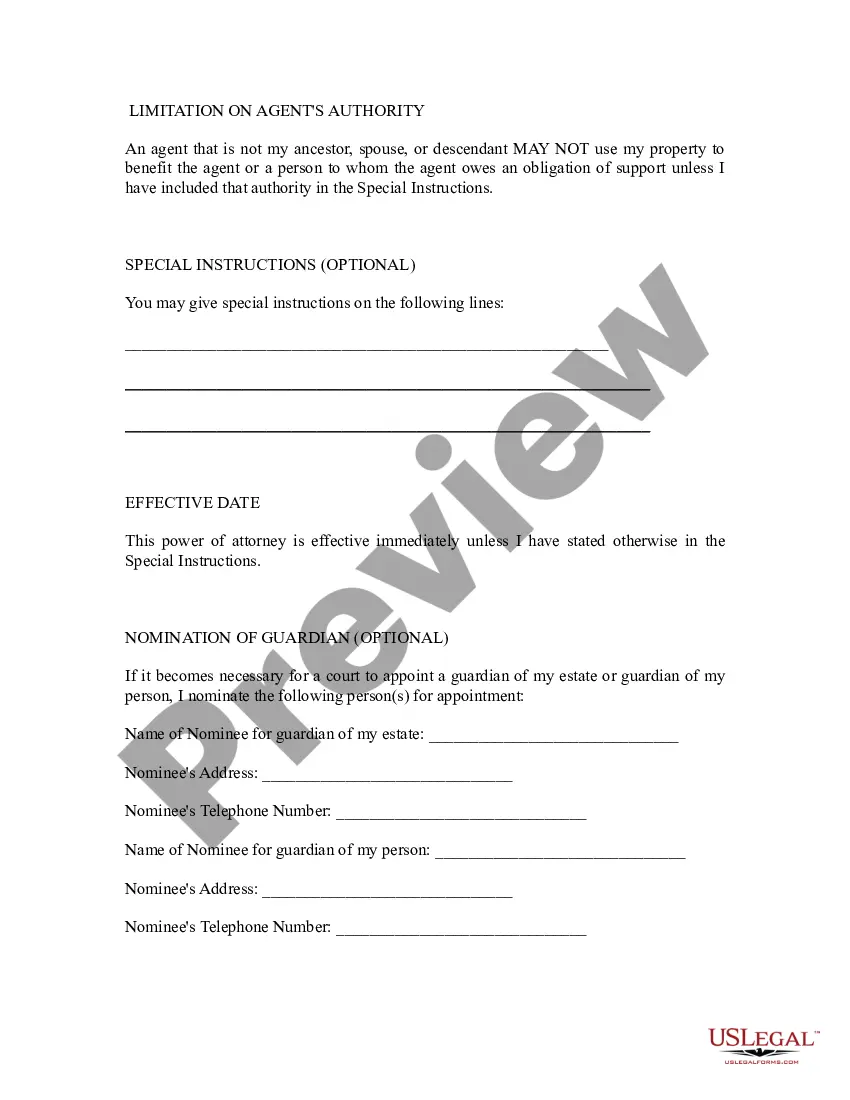
- Special instructions for any additional guidance or restrictions on your agent's powers.
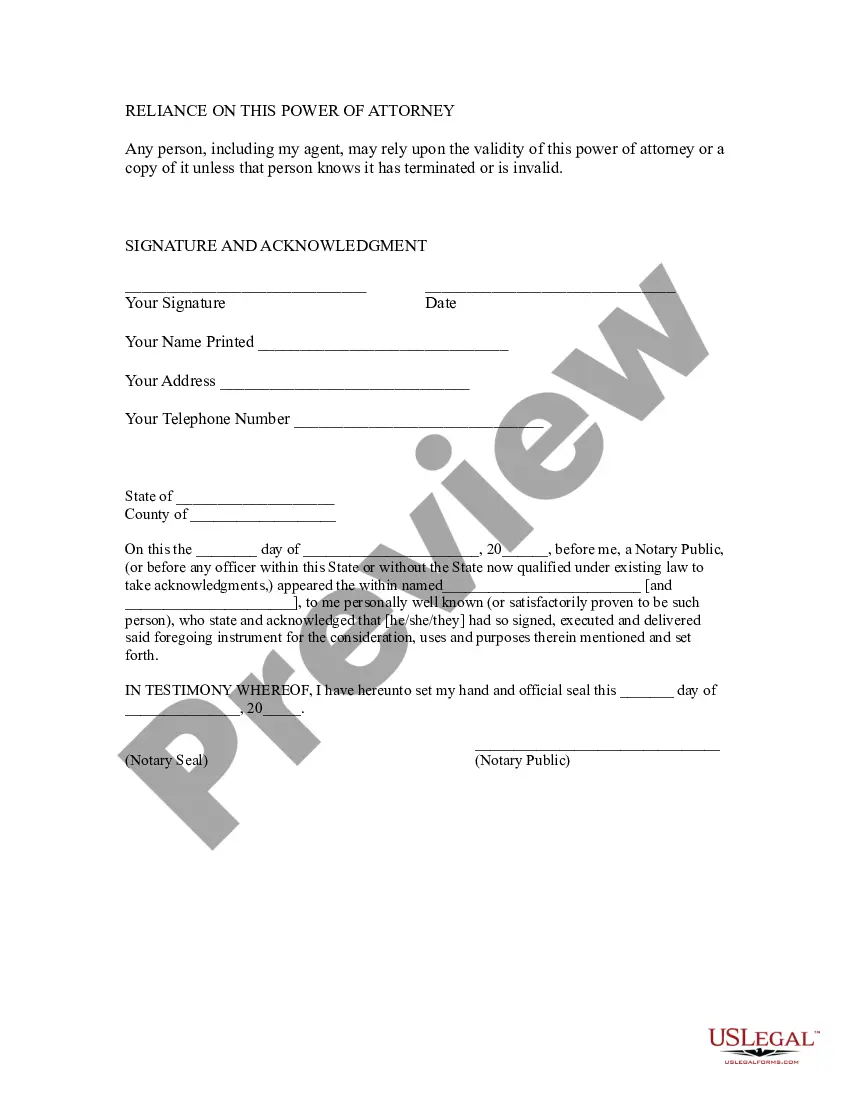
- Notarization requirements if specified by local law.
When to use this document
This form is useful when you need someone to manage your financial affairs on your behalf, especially in situations where you may be unable to do so yourself. You might consider using this power of attorney if you are traveling abroad, undergoing surgery, or experiencing any incapacity that prevents you from handling your financial matters directly.
Intended users of this form
- Individuals who want to grant financial decision-making authority to a trusted person.
- People seeking to ensure their financial matters are managed during periods of incapacity.
- Those who wish to have flexibility in financial management without needing to revoke the power of attorney frequently.
How to complete this form
- Identify and provide the name and contact information of your agent.
- If desired, name one or more successor agents in case your primary agent cannot act on your behalf.
- Grant general authority to your agent by initialing the subjects you wish to include.
- If applicable, specify any additional powers you want to grant your agent under the specific authority section.
- Complete any special instructions to clarify your wishes regarding the authority granted.
- Sign and date the form in the presence of a notary public, if required.
Notarization requirements for this form
This form does not typically require notarization unless specified by local law. It is advisable to check local requirements to ensure compliance and validity.
Get your form ready online
Our built-in tools help you complete, sign, share, and store your documents in one place.
Make edits, fill in missing information, and update formatting in US Legal Forms—just like you would in MS Word.
Download a copy, print it, send it by email, or mail it via USPS—whatever works best for your next step.
Sign and collect signatures with our SignNow integration. Send to multiple recipients, set reminders, and more. Go Premium to unlock E-Sign.
If this form requires notarization, complete it online through a secure video call—no need to meet a notary in person or wait for an appointment.
We protect your documents and personal data by following strict security and privacy standards.

Make edits, fill in missing information, and update formatting in US Legal Forms—just like you would in MS Word.

Download a copy, print it, send it by email, or mail it via USPS—whatever works best for your next step.

Sign and collect signatures with our SignNow integration. Send to multiple recipients, set reminders, and more. Go Premium to unlock E-Sign.

If this form requires notarization, complete it online through a secure video call—no need to meet a notary in person or wait for an appointment.

We protect your documents and personal data by following strict security and privacy standards.
Mistakes to watch out for
- Not properly initialing the subjects granted to the agent, which may lead to unclear authority.
- Failing to appoint a successor agent, which could leave your affairs unmanaged if the primary agent is unavailable.
- Not including special instructions, leading to potential misinterpretations by the agent.
- Neglecting to notarize the form if required, making it potentially invalid.
Benefits of using this form online
- Quick access to customizable templates, allowing you to edit details easily.
- Instant download and printing capabilities, providing convenience at your pace.
- Drafted by licensed attorneys, ensuring legal compliance and clarity.
Quick recap
- The durable power of attorney grants your agent significant control over your financial matters.
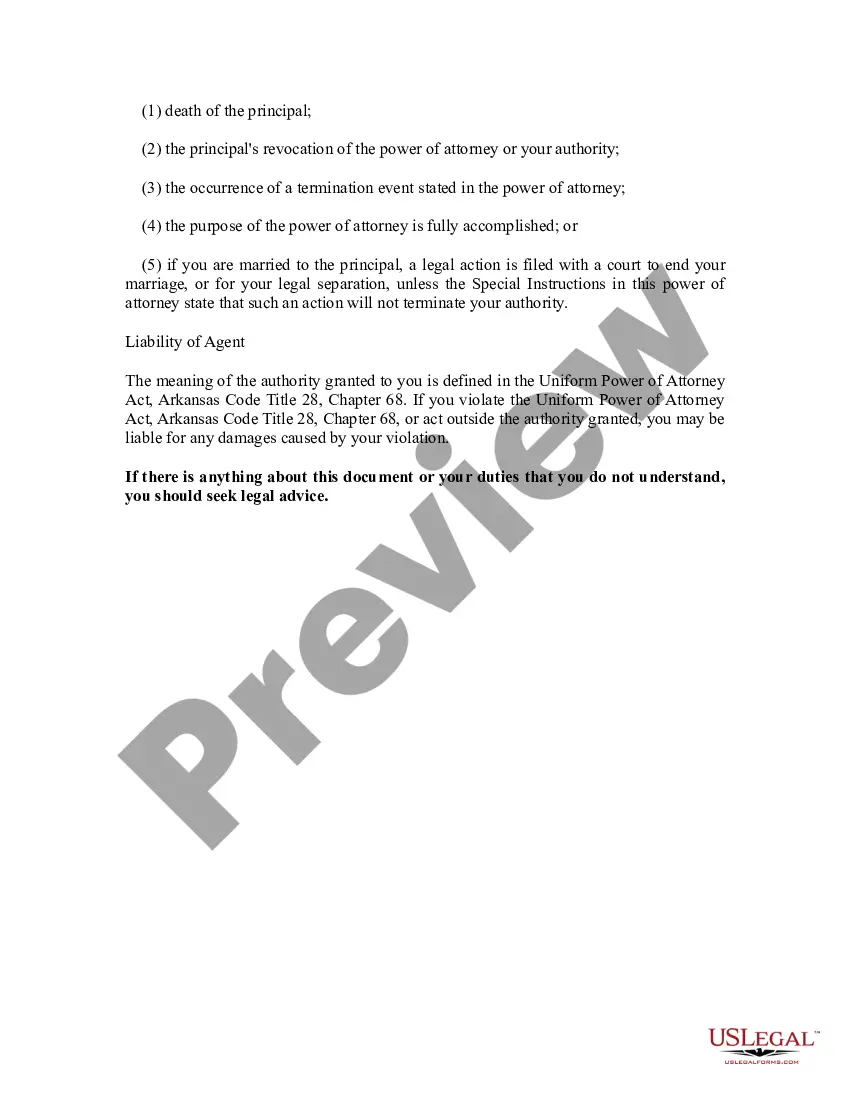
- Always choose a reliable person as your agent to mitigate risks associated with misuse of authority.
- Notarization is essential for the document to be enforceable, ensuring its acceptance by financial institutions.
Looking for another form?
Form popularity
FAQ
Yes, a durable power of attorney should be notarized in Arkansas to enhance its legal strength. Notarization confirms that you issued the power of attorney willingly and without pressure. By using the Arkansas Statutory Form Power of Attorney for Property - Durable Provisions and obtaining a notary’s signature, you ensure that your document meets state requirements. Platforms like uslegalforms help streamline this process for your peace of mind.
In Arkansas, a power of attorney does not need to be recorded to be valid. However, if you wish to use the power of attorney for real estate transactions, recording it may be necessary. The Arkansas Statutory Form Power of Attorney for Property - Durable Provisions can still serve you well without recording, as it clearly states the permissions and powers granted. Using a recognized resource like uslegalforms can ensure you have the right documentation.
To set up a power of attorney in Arkansas, you must complete the Arkansas Statutory Form Power of Attorney for Property - Durable Provisions. This form outlines the powers you grant to your agent and must be signed by you. It’s essential to select a trustworthy agent who will act in your best interest. You can easily find and fill out this form through platforms like uslegalforms, which provide guidance and templates.
In Arkansas, the rules for a power of attorney include specific requirements for the document's creation and execution. You must ensure the Arkansas Statutory Form Power of Attorney for Property - Durable Provisions is filled out correctly, signed, and notarized. Additionally, the agent you choose must act in your best interest, avoiding any actions that could conflict with your intentions, ensuring your affairs are managed properly.
A durable statutory power of attorney in Arkansas allows you to appoint someone to manage your property and financial affairs if you become incapacitated. This legal document ensures your chosen agent can act on your behalf without needing a court's intervention. It is essential to use the Arkansas Statutory Form Power of Attorney for Property - Durable Provisions to meet state requirements and safeguard your interests.
In Arkansas, guardianship can indeed override a power of attorney. When a guardian is appointed, they may have the authority to make decisions for the person, even if a valid Arkansas Statutory Form Power of Attorney for Property - Durable Provisions exists. This means that while both arrangements allow someone to act on behalf of an individual, a guardianship takes precedence. It is crucial to understand the distinctions and potential conflicts between these legal tools.
In Arkansas, a power of attorney does not need to be filed with the court to be valid; however, it is advisable to keep it in a safe location. If you are using the Arkansas Statutory Form Power of Attorney for Property - Durable Provisions to handle financial matters, you may need to provide copies to banks or other institutions. Moreover, if there are disputes or concerns about the power of attorney's validity, pursuing legal advice may be beneficial. US Legal Forms offers resources that can clarify these requirements and ease your worries.
A statutory power of attorney in Arkansas is a legally recognized document that allows one person to act on behalf of another in legal and financial matters. Specifically, the Arkansas Statutory Form Power of Attorney for Property - Durable Provisions grants authority that remains effective even if the principal becomes incapacitated. This type of power of attorney ensures that your financial affairs can be managed seamlessly during challenging times. For those seeking assistance, platforms like US Legal Forms provide detailed templates that simplify this process.
In Arkansas, a power of attorney can be overridden by the principal, who is the individual granting the authority, as long as they are mentally capable. Additionally, a court can revoke or modify the power of attorney if there is evidence of abuse, fraud, or a significant change in circumstances. It is also important to note that if the principal passes away, the power of attorney is automatically invalidated. Therefore, understanding the dynamics of the Arkansas Statutory Form Power of Attorney for Property - Durable Provisions is crucial.