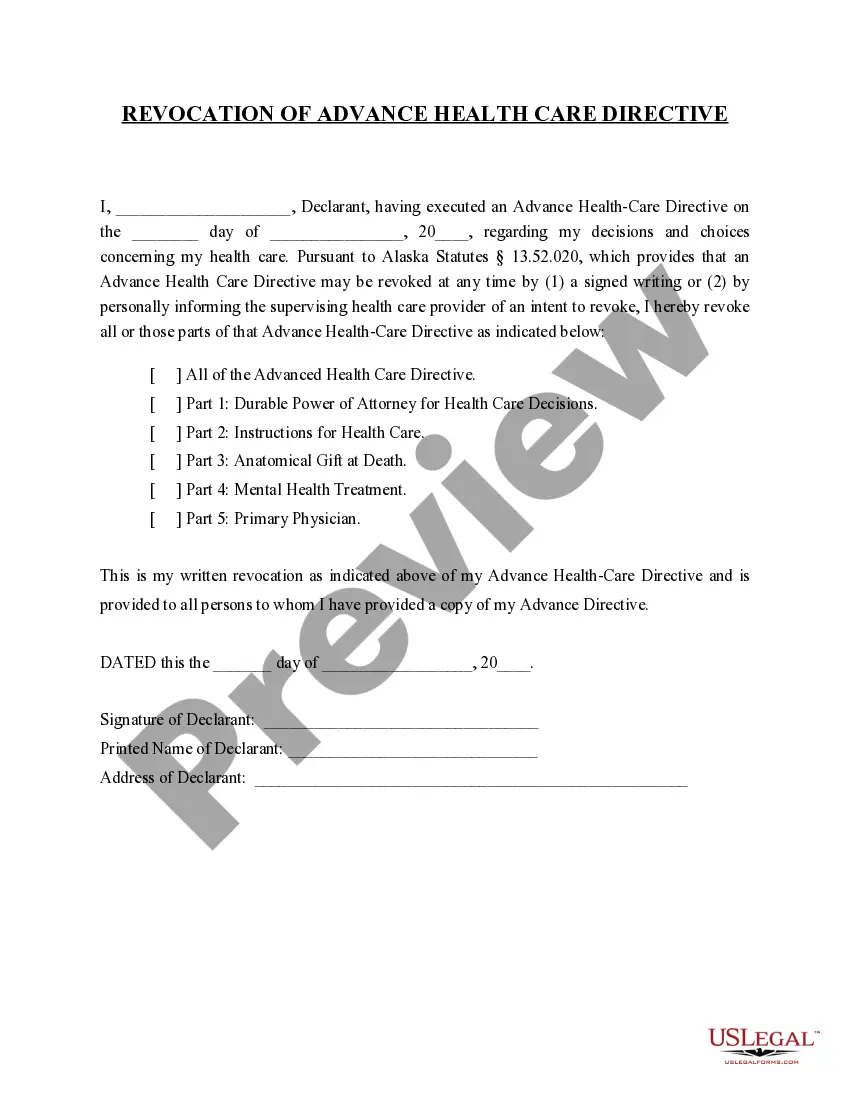
Alaska 20 Day Notice of Material Noncompliance with Lease - 10 Days to Cure - Residential - Tenant to Landlord
What is this form?
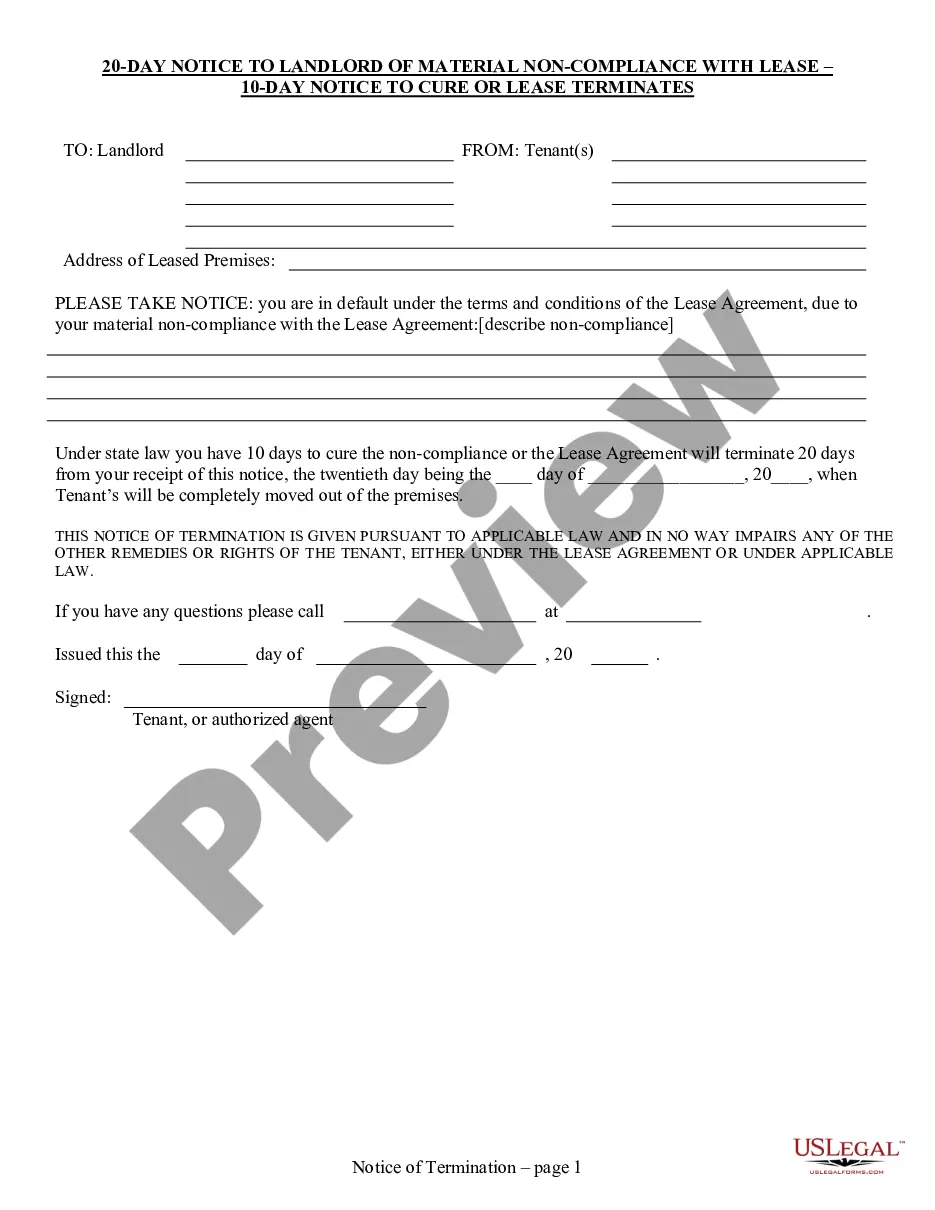
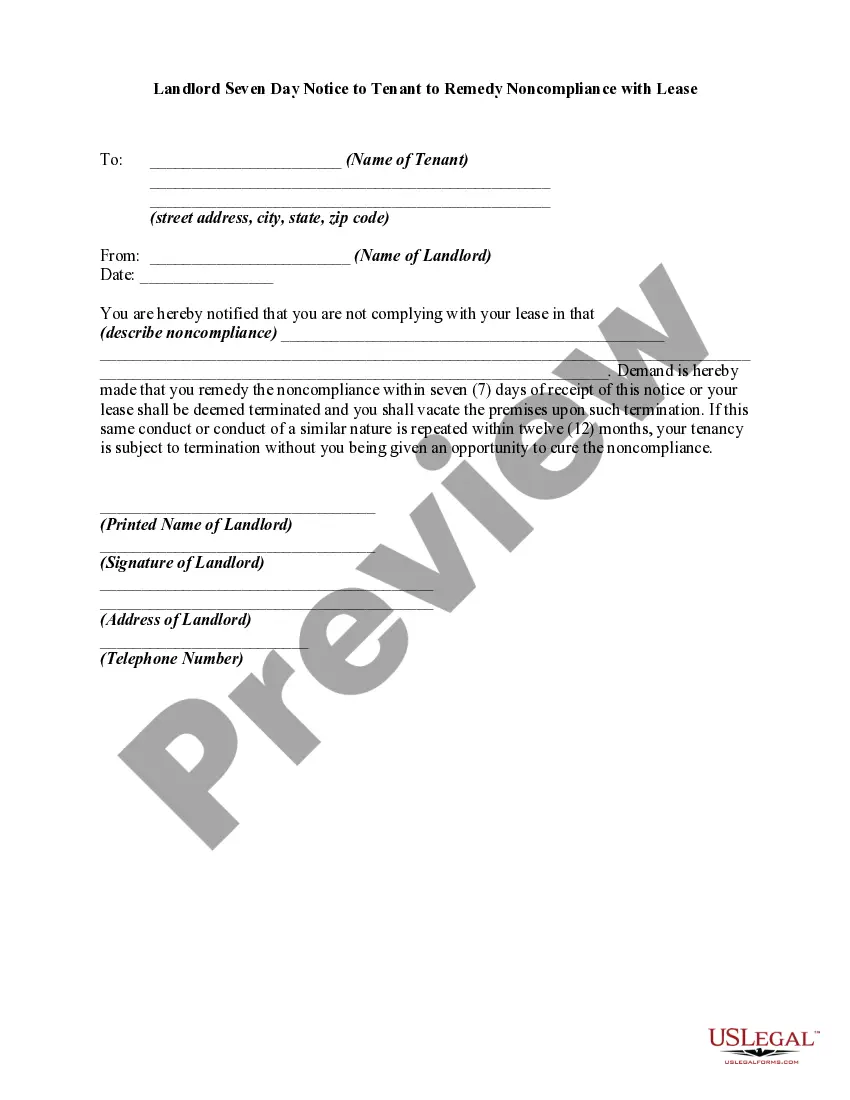
The 20 Day Notice of Material Noncompliance with Lease - 10 Days to Cure - Residential is a legal document used by a tenant to formally notify the landlord of significant violations of the lease agreement. This form is essential for initiating the process of resolving lease issues and gives the landlord a 10-day period to address the non-compliance before the tenant must vacate the property in 20 days. Unlike other notices, this form specifically requires the landlord to remedy the situation to avoid termination of the lease.
Key components of this form
- Identification of the parties involved: Tenant(s) and Landlord.
- Details of the leased premises' address.
- Description of the material non-compliance by the landlord.
- Timeframe for remedying the non-compliance (10 days).
- Final notice of termination if the issue is not resolved (20 days).
- Signatures of the tenant(s) or authorized agents.
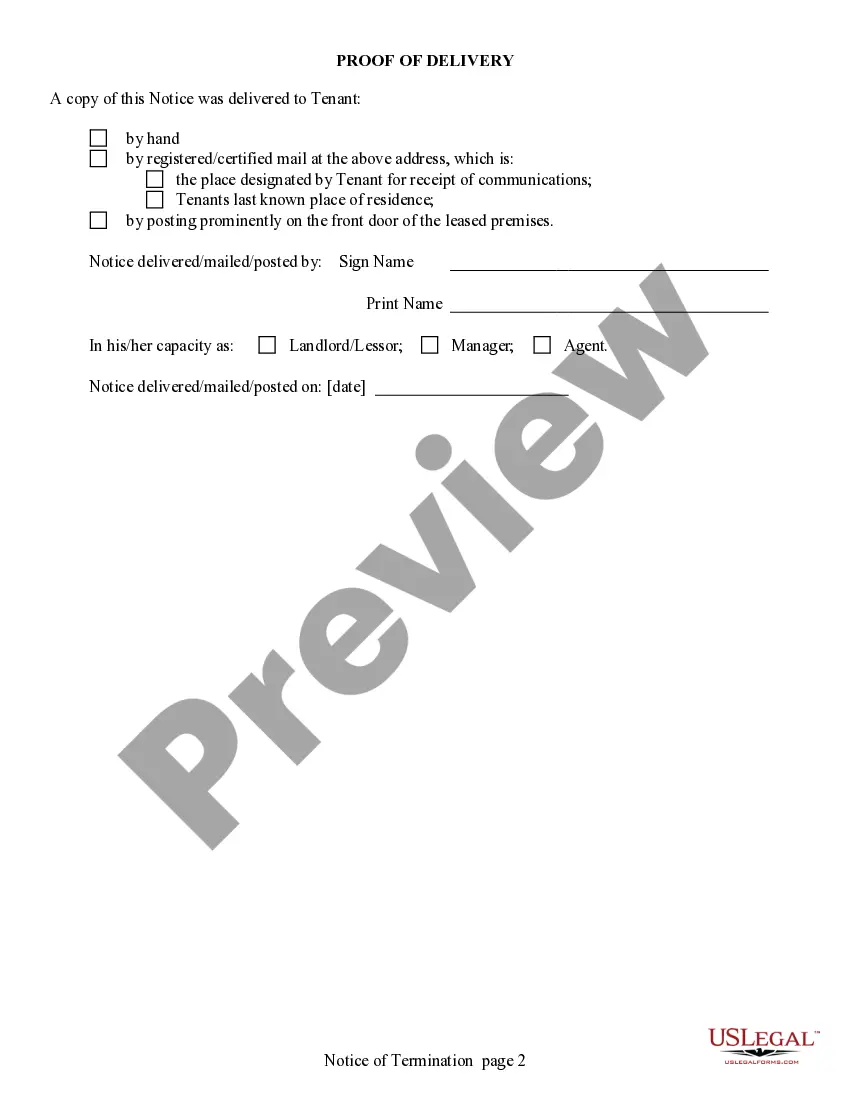
- Proof of delivery details for confirmation of receipt by the landlord.
Situations where this form applies
This form is used when a tenant notices material breaches of their lease agreement by the landlord, such as failure to maintain property or provide necessary utilities. It is appropriate for situations where the tenant has made attempts to communicate these issues informally but needs to escalate the matter through a formal notice to ensure legal acknowledgment and prompt action from the landlord.
Who this form is for
- Residential tenants facing significant lease violations by the landlord.
- Tenants who have previously notified landlords of issues but have seen no action.
- Individuals looking to understand their rights and responsibilities under the lease agreement.
Instructions for completing this form
- Identify the parties by entering the names of the tenant(s) and landlord.
- Specify the address of the leased premises.
- Clearly describe the material non-compliance issues observed.
- Enter the date on which the notice is served and the relevant timeframes for cure and termination.
- Include signatures from the tenant or authorized agent to validate the notice.
- Provide proof of delivery method to confirm the landlord received the notice.
Notarization guidance
Notarization is generally not required for this form. However, certain states or situations might demand it. You can complete notarization online through US Legal Forms, powered by Notarize, using a verified video call available anytime.
Get your form ready online
Our built-in tools help you complete, sign, share, and store your documents in one place.
Make edits, fill in missing information, and update formatting in US Legal Forms—just like you would in MS Word.
Download a copy, print it, send it by email, or mail it via USPS—whatever works best for your next step.
Sign and collect signatures with our SignNow integration. Send to multiple recipients, set reminders, and more. Go Premium to unlock E-Sign.
If this form requires notarization, complete it online through a secure video call—no need to meet a notary in person or wait for an appointment.
We protect your documents and personal data by following strict security and privacy standards.

Make edits, fill in missing information, and update formatting in US Legal Forms—just like you would in MS Word.

Download a copy, print it, send it by email, or mail it via USPS—whatever works best for your next step.

Sign and collect signatures with our SignNow integration. Send to multiple recipients, set reminders, and more. Go Premium to unlock E-Sign.

If this form requires notarization, complete it online through a secure video call—no need to meet a notary in person or wait for an appointment.

We protect your documents and personal data by following strict security and privacy standards.
Mistakes to watch out for
- Failing to describe the non-compliance issues clearly.
- Not including the correct dates for the cure period and termination.
- Neglecting to sign the notice, which may render it ineffective.
- Not retaining proof of delivery for possible future legal disputes.
Benefits of using this form online
- Convenience of downloading and completing the form at your own pace.
- Ability to edit and customize the form to fit your specific situation.
- Access to forms created by licensed attorneys ensures legal validity.
Legal use & context
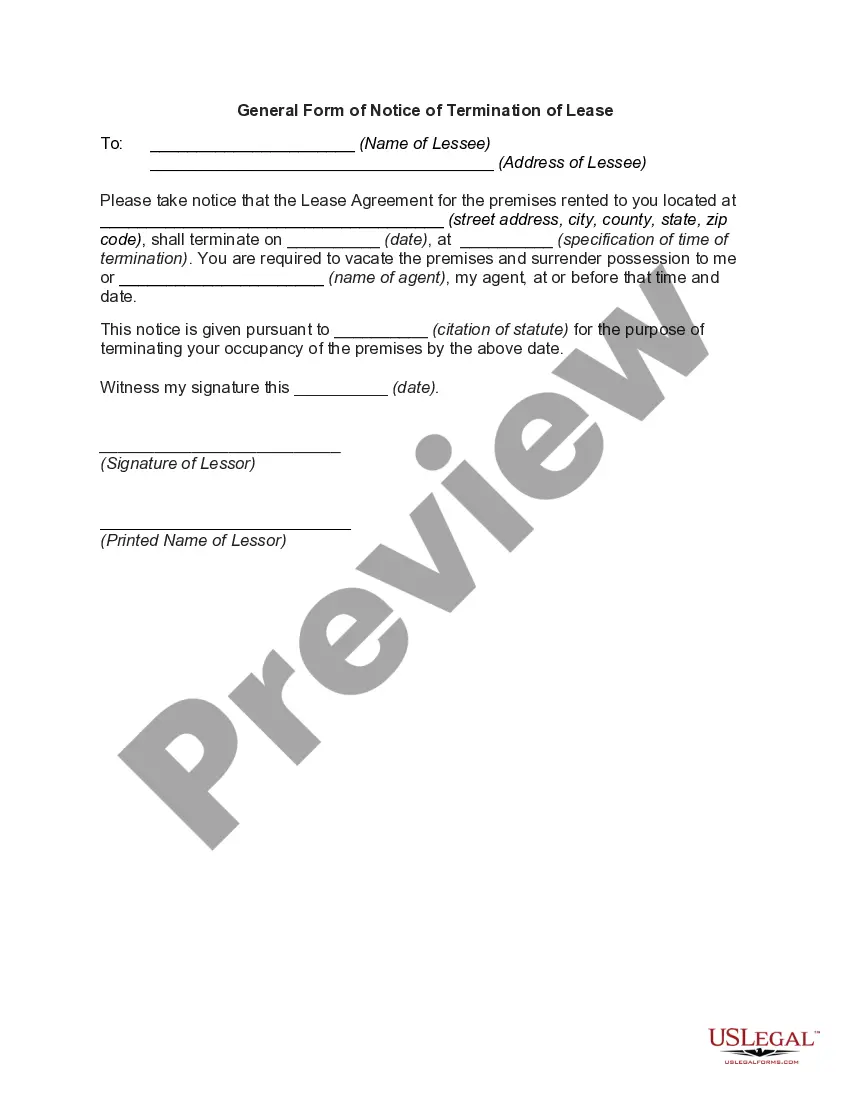
- This notice serves as a formal warning to the landlord, ensuring compliance with lease terms.
- It establishes a clear legal timeline, potentially aiding tenants in eviction proceedings if the issue remains unresolved.
- Proper use of this form can help protect tenant rights under local housing laws.
Key takeaways
- This form initiates formal communication regarding lease violations.
- Tenants must provide the landlord with a chance to correct the issues within a set timeframe.
- Failure to comply may lead to lease termination and eviction.
Looking for another form?
Form popularity
FAQ
In cases like this, landlords are entitled to deduct the remaining tax basis in capitalized leasehold improvements made for a particular tenant upon termination of the lease if such improvements are irrevocably disposed of or abandoned and won't be used by a subsequent tenant.
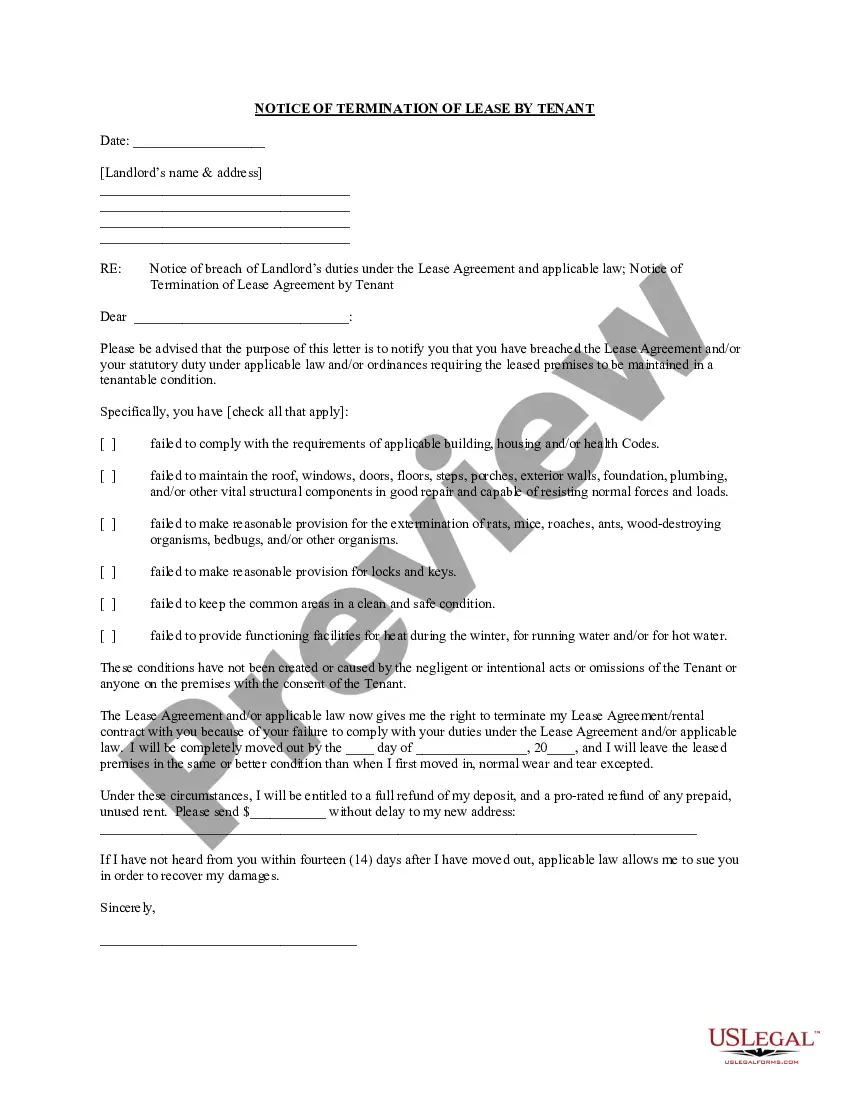
Your name, and the landlord's name and address. The date you're writing the letter. Informing the landlord you're breaking your lease early. The reason why you're breaking your lease. The building and apartment you're vacating. The date by which you're vacating.
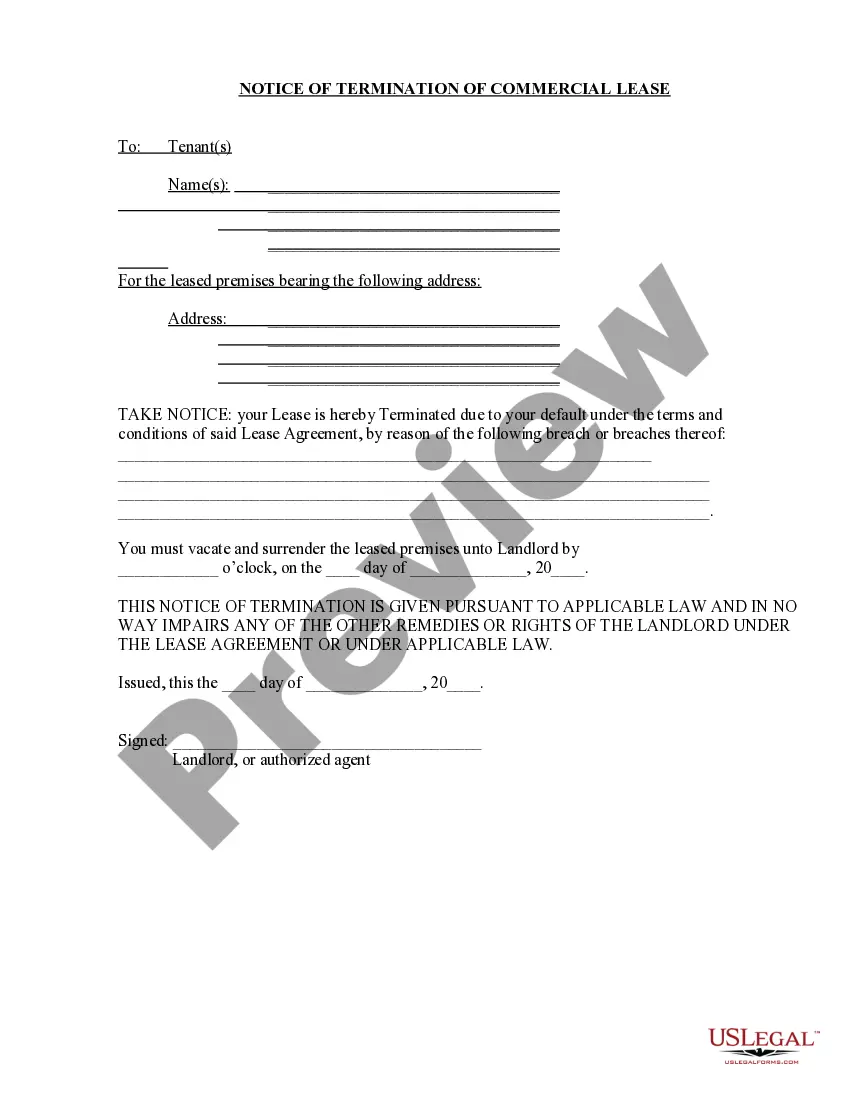
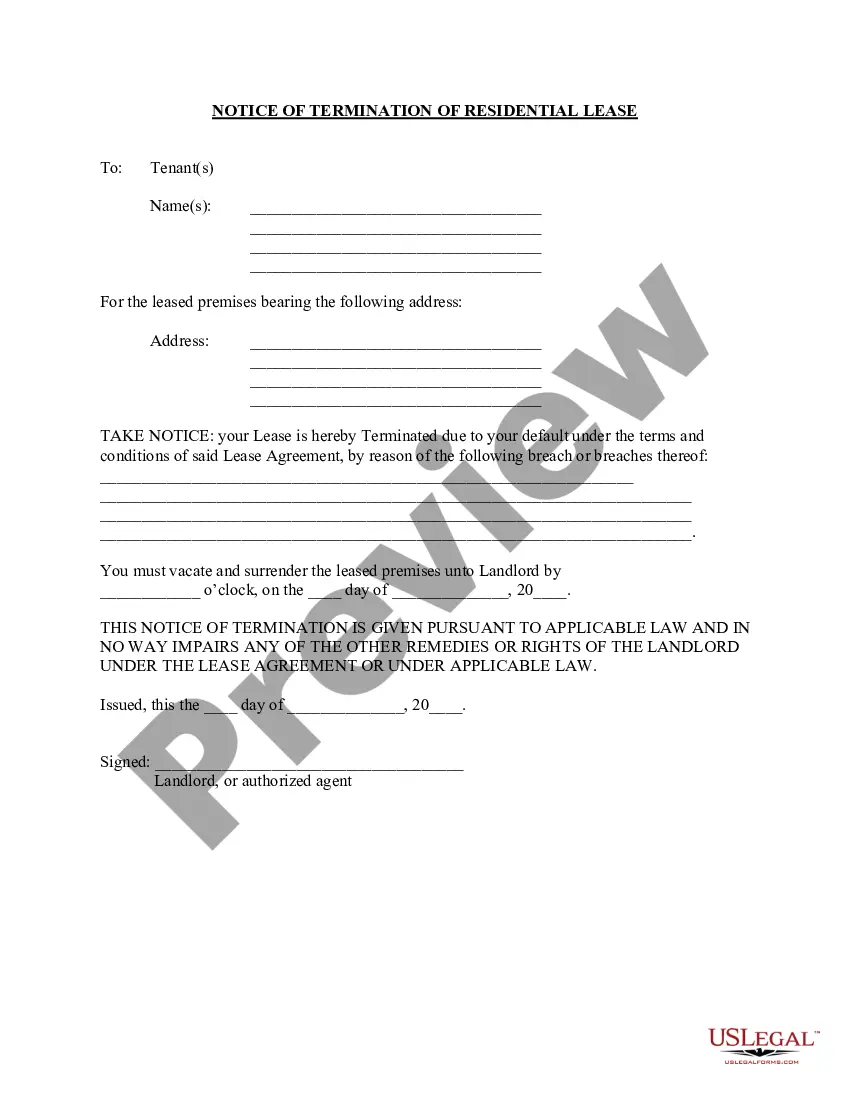
The rental property address, including unit number (if applicable) The names of all tenants on the lease agreement. The date the lease violation notice was written. The specific reason for the notice. The time and date the violation occurred (if applicable)
The date that the tenant warning letter was written. The name and the basic personal information of the tenant. The name of the landlord or the owner of the property. The reason why a tenant warning letter has been written.
Can a tenant claim for improvements made during the lease? The position differs in the case of immovable and movable property. Tenant can claim for:The claim arises only once the lease is terminated and lessee vacated the property.
Often, landlords will provide a 'leasehold improvement allowance' for their tenants which is merely a set amount they agree to pay for. If the improvements you want cost more than the allowance, you will be responsible for those extra costs.
If the tenant does not leave by the date and time given in the notice, then the landlord must apply for a court order within 10 days to end the tenancy. If the landlord does not apply within 10 days, the tenancy stays in place and the tenant can continue living in the property.
A lease is automatically void when it is against the law, such as a lease for an illegal purpose. In other circumstances, like fraud or duress, a lease can be declared void at the request of one party but not the other.
When a landlord fails to meet these standards despite reasonable requests by the tenant, he or she may be sued for "material noncompliance." This article covers the basics of material noncompliance, which is essentially a breach of contract in the context of landlord tenant law.