Virginia Letter from Tenant to Landlord about Insufficient Notice of Change in Rental Agreement for other than rent increase
Understanding this form
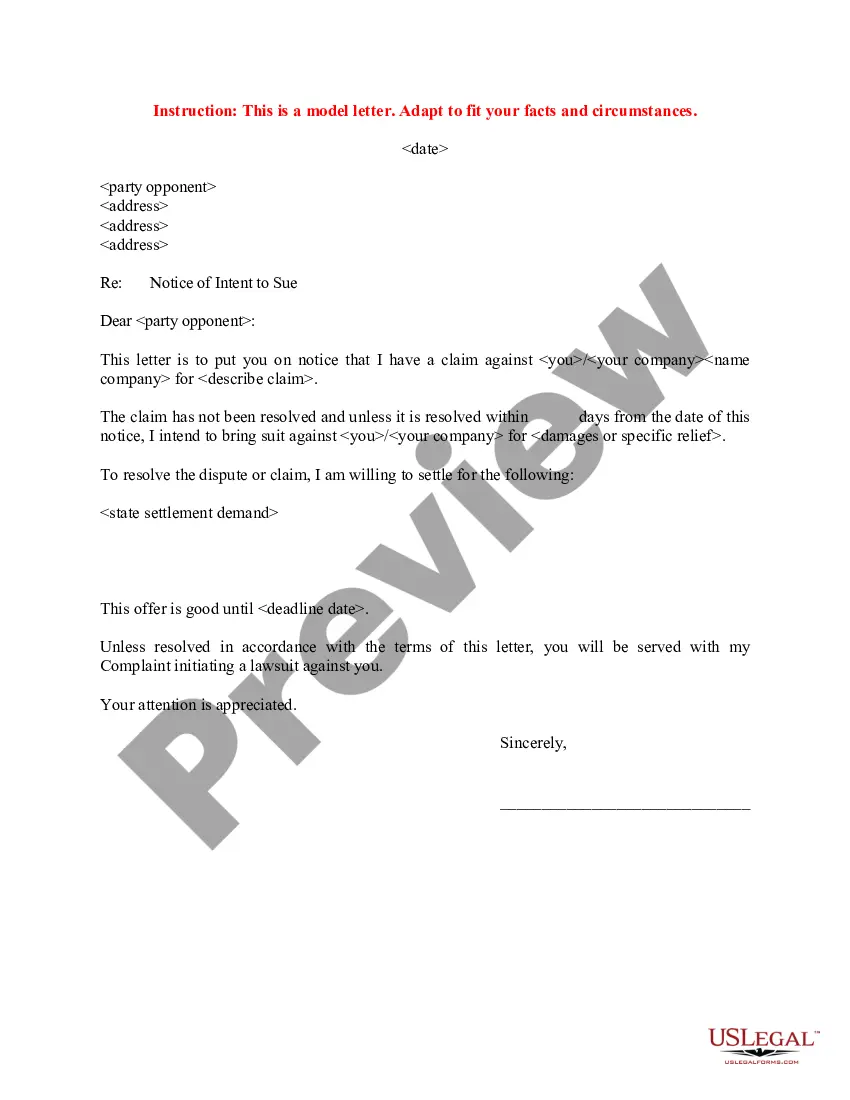
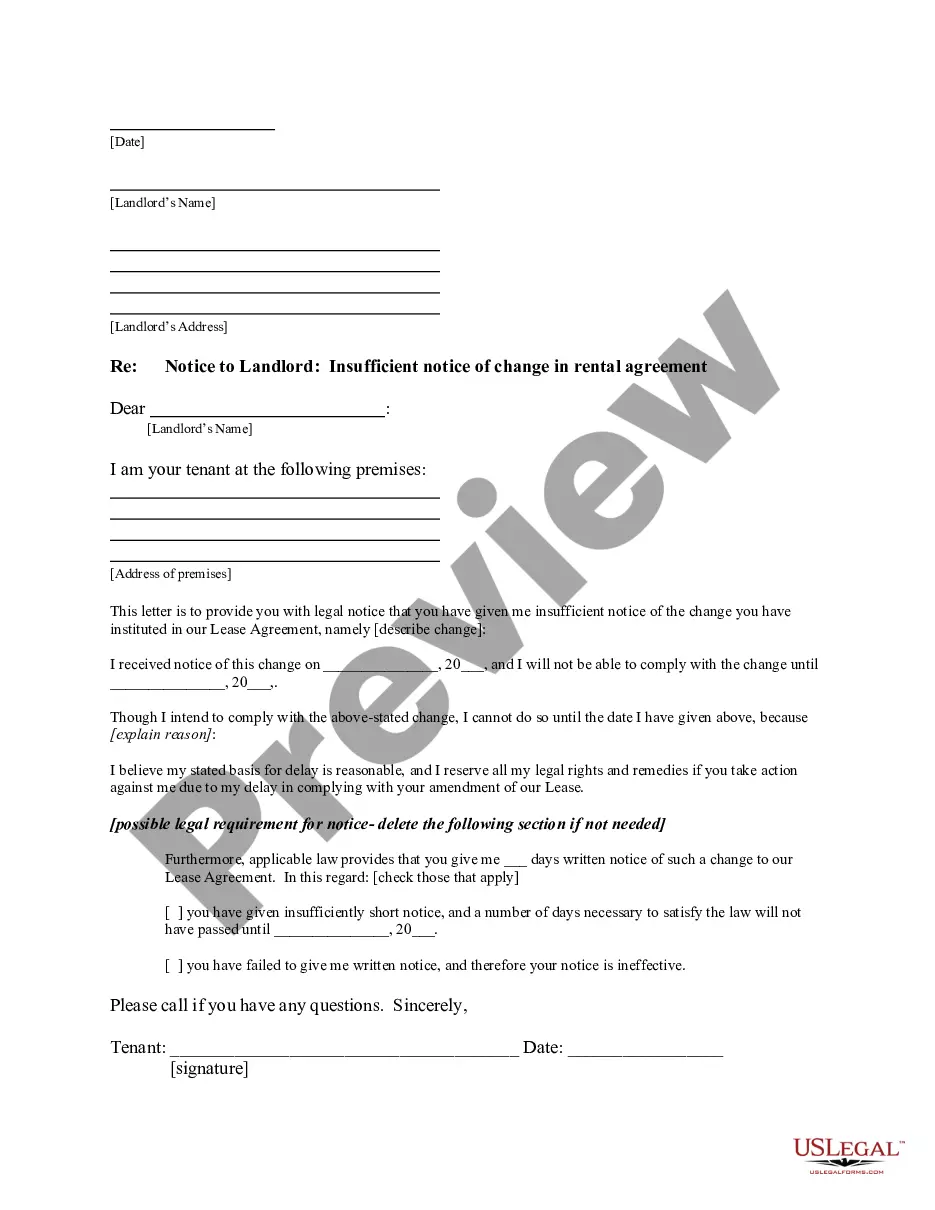
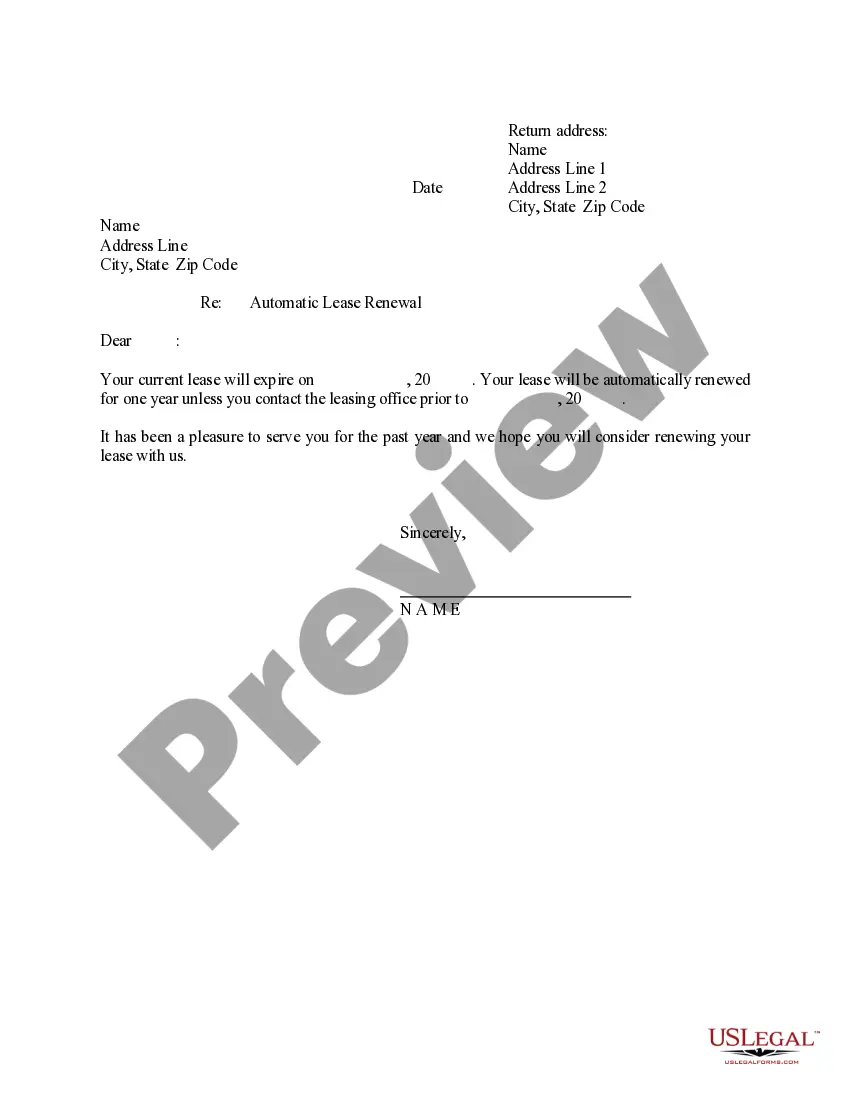
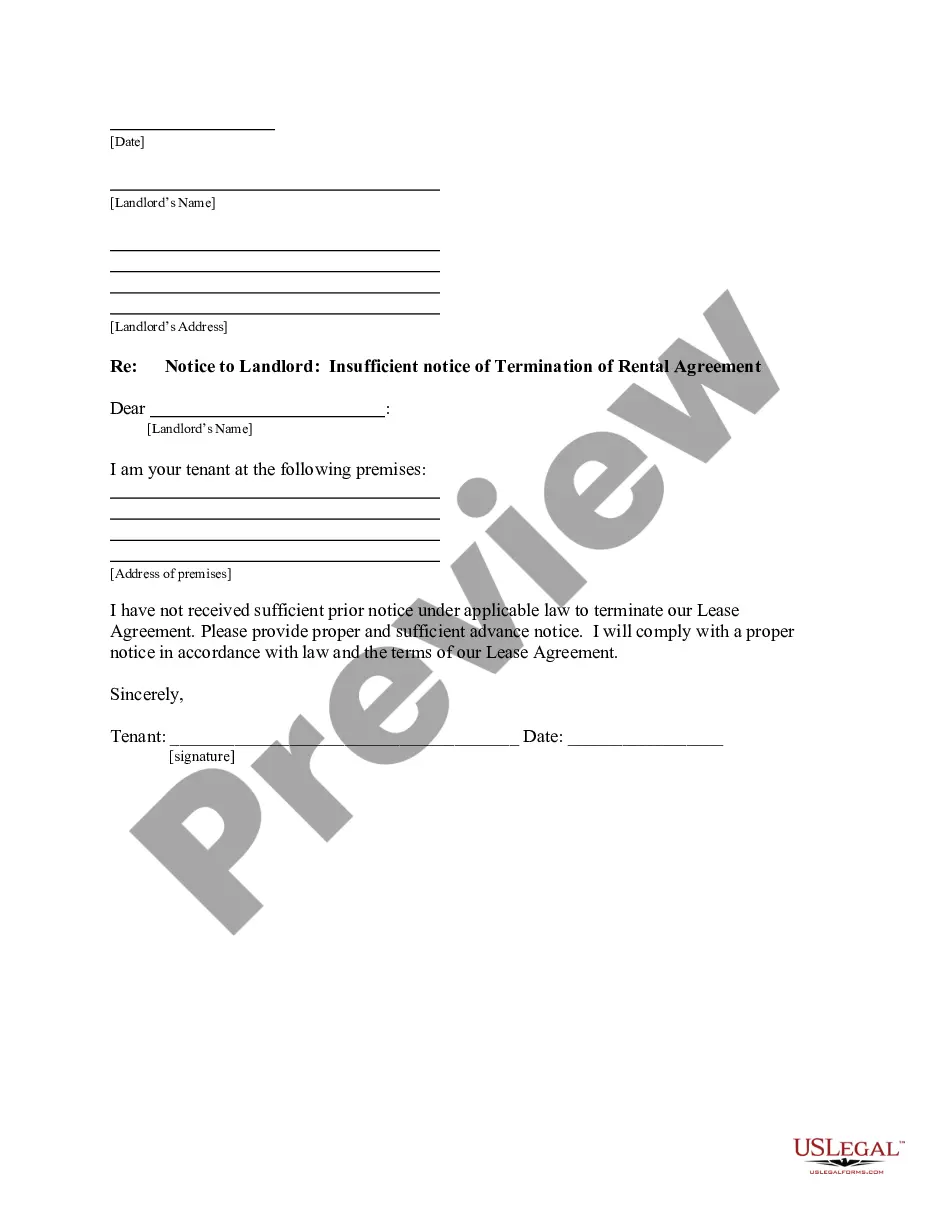
This Letter from Tenant to Landlord about Insufficient Notice of Change in Rental Agreement is a formal notice issued by a tenant to inform their landlord that they have not received adequate notice regarding changes in their lease agreement. Unlike other tenant-landlord communications, this letter specifically addresses insufficient notice regarding alterations that are not related to rent increases.
Main sections of this form
- Identification of the tenant and landlord.
- Reference to the specific change in the Lease Agreement.
- Statement of the insufficient notice period received.
- Related applicable notice requirements based on local law.
- Tenant's signature and date of the notice.

Situations where this form applies
This form should be used when a tenant receives a notice from their landlord regarding a change in the rental agreement but believes that the notice provided does not comply with the required notice period outlined in the lease or applicable law. It is crucial for tenants to use this letter when they wish to formally dispute the landlord's notice before complying with any changes.
Who can use this document
- Tenants who have received notice of changes to their lease agreement.
- Individuals seeking to protect their rights by formally addressing insufficient notice.
- Tenants who are unsure about the legality of recent rental agreement modifications.
How to prepare this document
- Identify and enter the names of the tenant and landlord at the top of the letter.
- Clearly state the change in the Lease Agreement that you are referencing.
- Specify how the notice given was insufficient based on legal requirements.
- Include a deadline for compliance, if applicable.
- Sign and date the letter to formalize the notice.
Notarization guidance
This form does not typically require notarization unless specified by local law. It is advisable for tenants to confirm their local requirements regarding notice documents to ensure compliance.
Get your form ready online
Our built-in tools help you complete, sign, share, and store your documents in one place.
Make edits, fill in missing information, and update formatting in US Legal Forms—just like you would in MS Word.
Download a copy, print it, send it by email, or mail it via USPS—whatever works best for your next step.
Sign and collect signatures with our SignNow integration. Send to multiple recipients, set reminders, and more. Go Premium to unlock E-Sign.
If this form requires notarization, complete it online through a secure video call—no need to meet a notary in person or wait for an appointment.
We protect your documents and personal data by following strict security and privacy standards.

Make edits, fill in missing information, and update formatting in US Legal Forms—just like you would in MS Word.

Download a copy, print it, send it by email, or mail it via USPS—whatever works best for your next step.

Sign and collect signatures with our SignNow integration. Send to multiple recipients, set reminders, and more. Go Premium to unlock E-Sign.

If this form requires notarization, complete it online through a secure video call—no need to meet a notary in person or wait for an appointment.

We protect your documents and personal data by following strict security and privacy standards.
Mistakes to watch out for
- Failing to include all necessary identification details of both parties.
- Not specifying the change in the rental agreement clearly.
- Omitting the deadline for the landlordâs compliance.
- Ignoring state-specific notice requirements.
Advantages of online completion
- Convenient access to legally vetted templates created by licensed attorneys.
- Editable forms that allow you to customize details for your specific situation.
- Instant download, providing immediate assistance without delays.
What to keep in mind
- This form serves as an official notice to the landlord about insufficient notification of lease changes.
- Tenants should ensure their rights are preserved by understanding local notice requirements.
- Using this form helps to formalize communication and protects the tenant's position legally.
Looking for another form?



Form popularity
FAQ
As a renter in Virginia, you have legal protections under the Virginia Residential Landlord and Tenant Act (VRLTA) that include the right to: A fair application fee. A fair security deposit.A certain level of security.
When you rent a property from a landlord it becomes your home. They should only enter the property without you being present, if you have given permission for them to do so, or in a genuine emergency.
Restrictions on landlord's right to access rental property (Virginia landlords must provide 24 hours' notice of entry, but are not required to provide notice if the entry follows a tenant's request for maintenance) (Va.
The big take-away is that in most circumstances a landlord cannot enter a property without agreement from the tenant. And If the landlord ignores the law and enters the property without permission, the tenant may be able to claim damages or gain an injunction to prevent the landlord doing it again.
NOTE: Under Virginia law, if you do not have a lease, and you do not pay rent, you are considered a tenant at sufferance. This means you can be evicted for any reason at all, at any time, and no notice needs to be given to you.If the rent is paid by the week, only a 7-day written notice is required.
Except for an emergency or scheduled maintenance, your landlord must give you at least 24 hours of notice before entering the rental unit. If your landlord repeatedly violates your privacy by entering your unit, you may be able to break your lease without penalty.
TERMINATING OR ENDING YOUR TENANCY If you have no written lease and you pay rent by the month, the tenancy can be terminated by either you or the landlord for any reason or no reason at all, by giving at least 30 days written notice before the next rental due date.
When you want to evict a tenant who is occupying the premises on a month-to-month basis, give the tenant a 30-day notice to quit, get a summons for unlawful detainer from the court, and appear at the hearing to argue the case. If you win, obtain a writ of possession and have the sheriff evict the tenants.
This notice will inform the tenant that the tenant has 21 days to either remedy the violation or move out of the rental unit. If the tenant does not remedy the violation or move, then the landlord can file an eviction lawsuit against the tenant at the end of the 30 days. (Va. Code Ann.