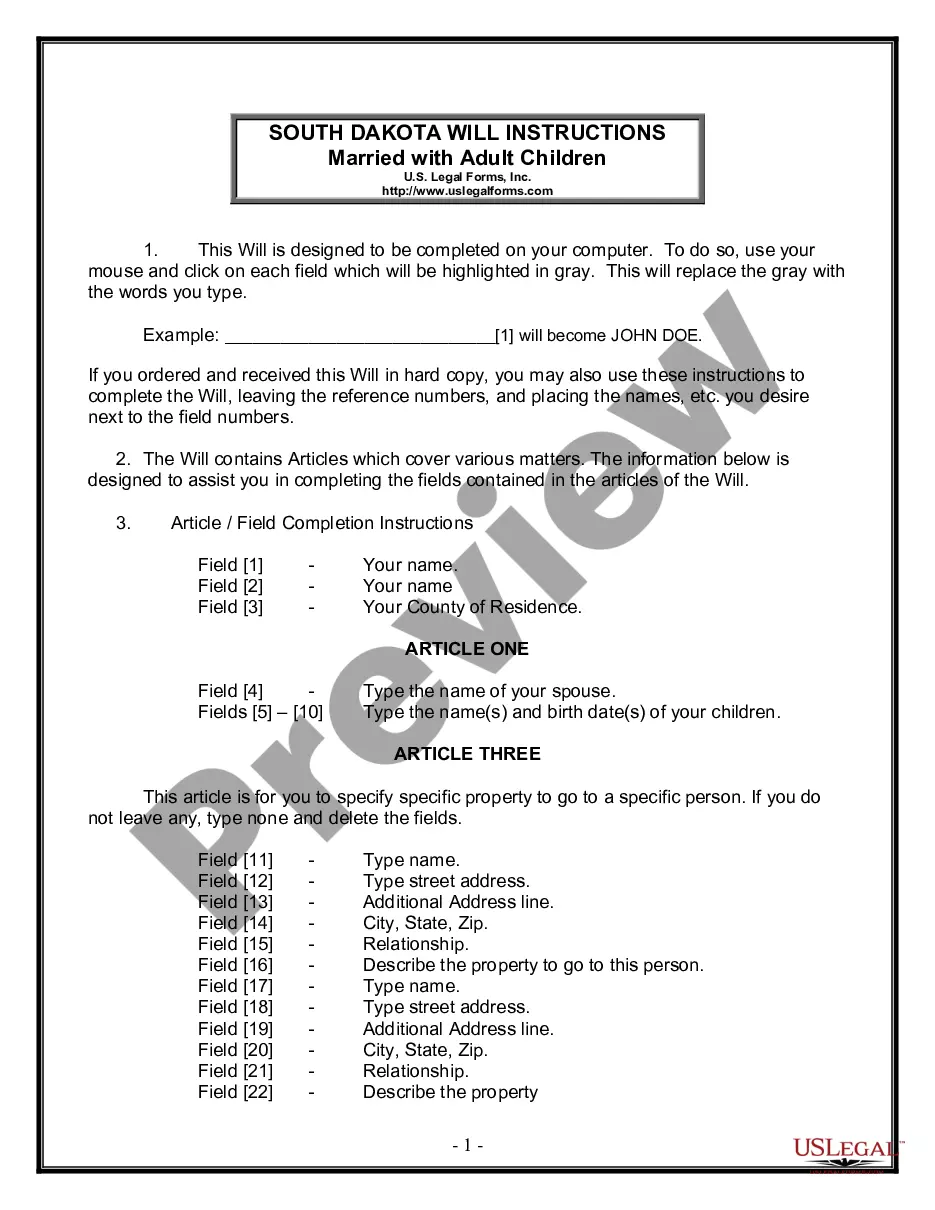
Utah Letter from Tenant to Landlord with Demand that landlord repair broken windows
Understanding this form
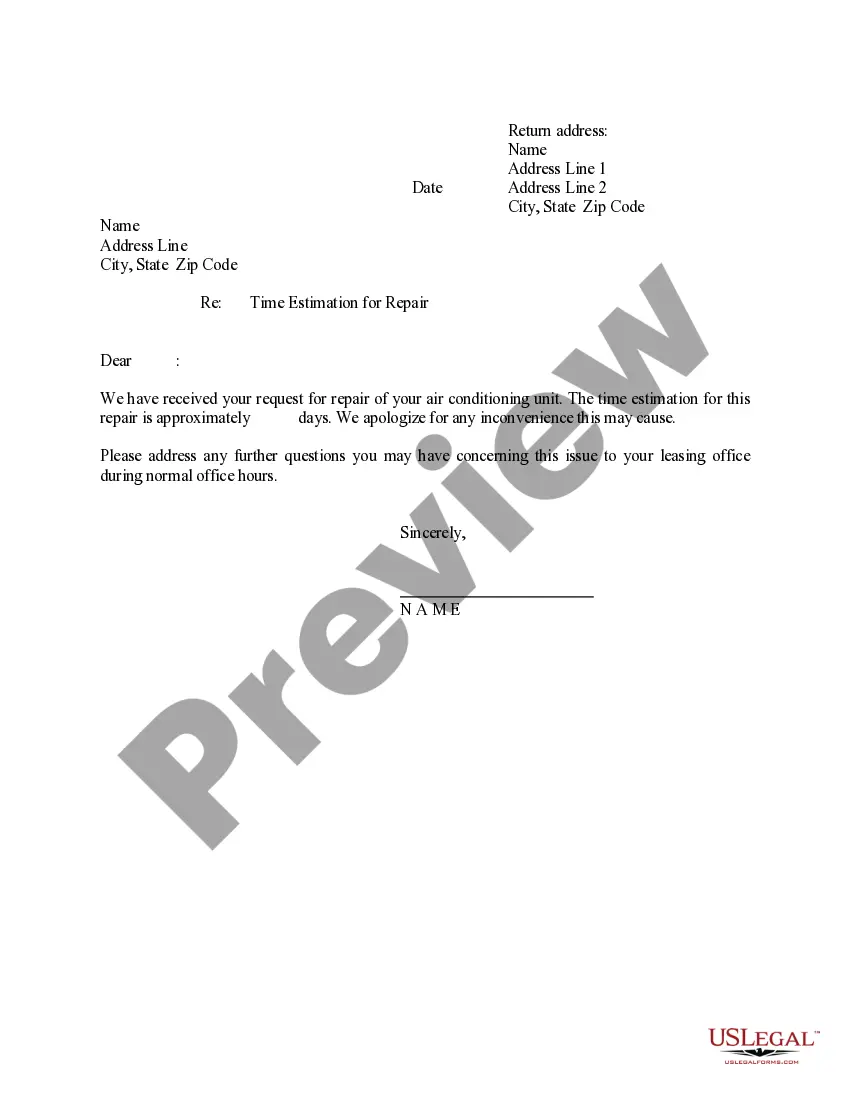
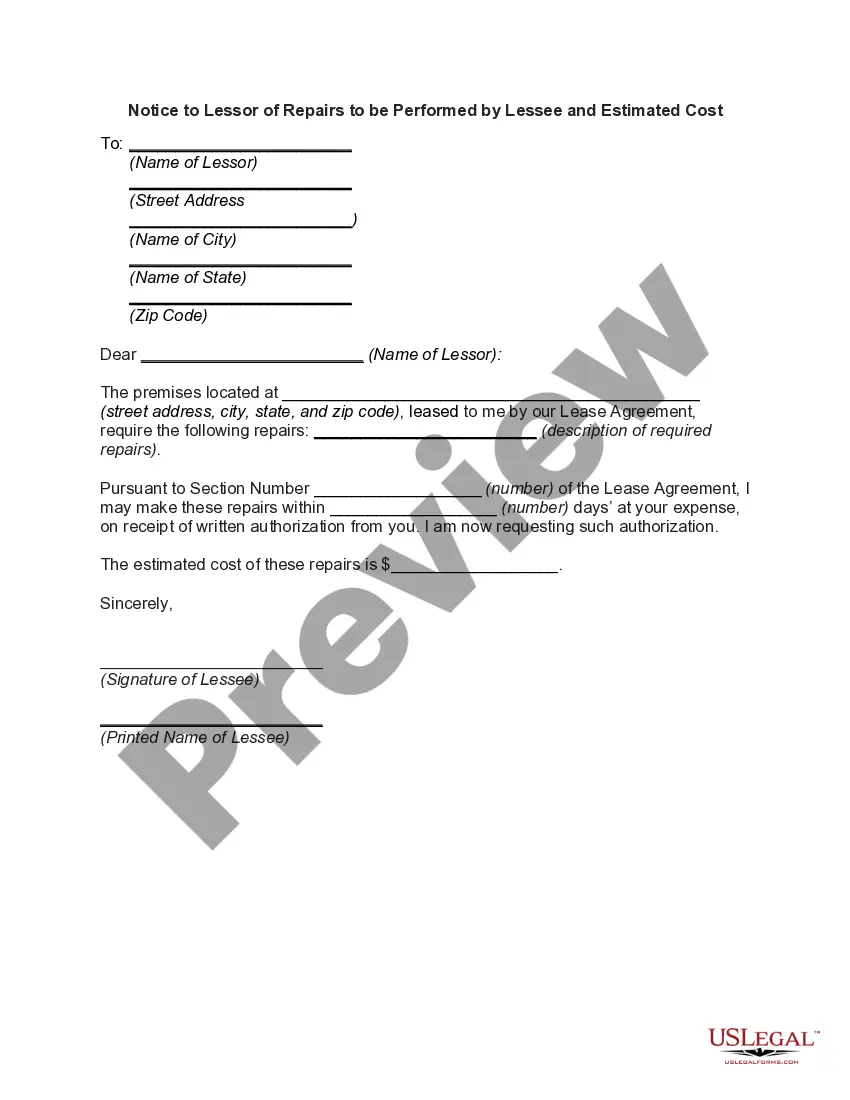
This form is used by tenants to formally notify their landlord about the need for repairs related to broken windows. By using this letter, tenants can request necessary repairs to ensure the residence is safe and habitable, and to affirm that the landlord has not met their obligations to maintain the property adequately.
Key components of this form
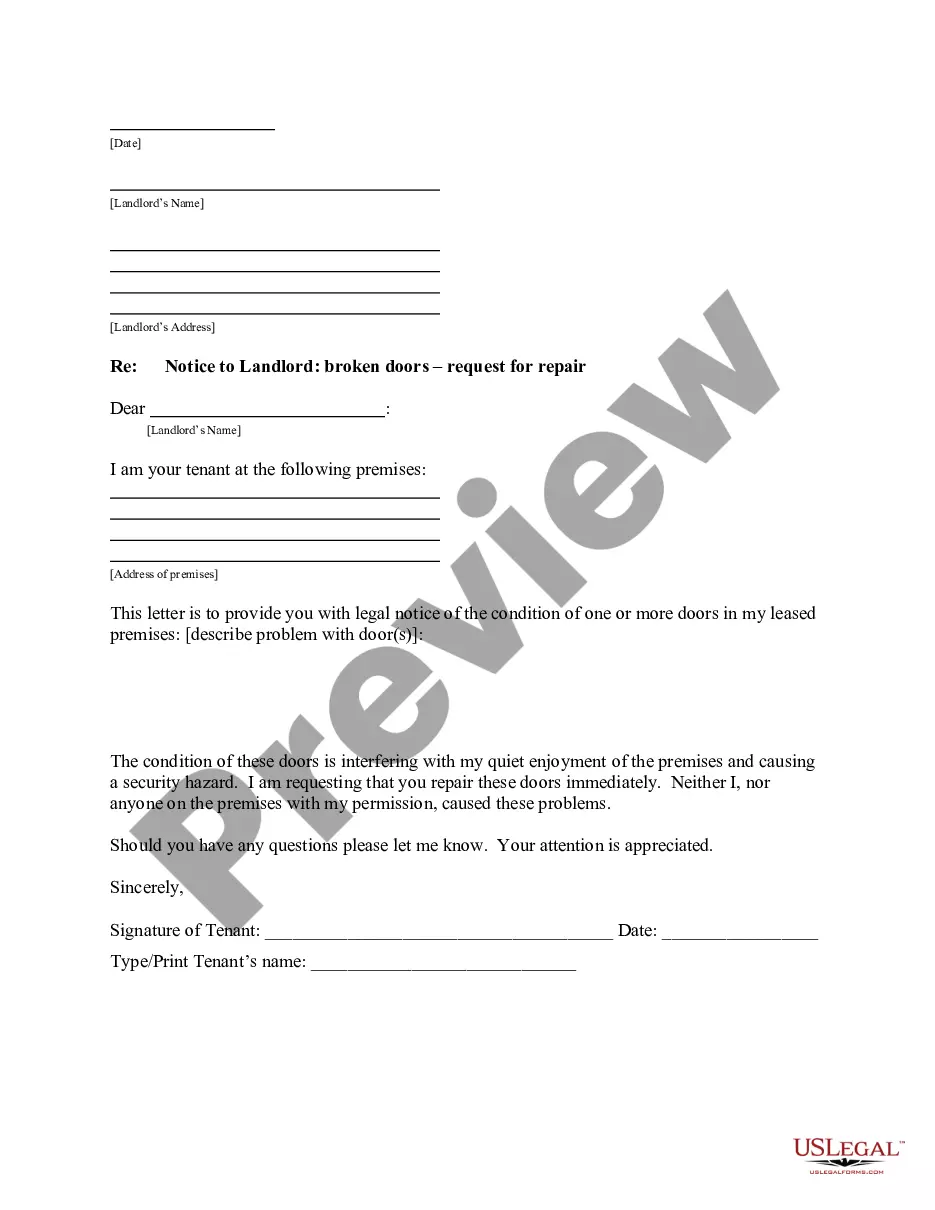
- A description of the broken window glass.
- Details about faulty sealing that allows external elements into the living space.
- Information regarding the absence or defect of window security devices.
- A declaration that the issues are not caused by the tenant or their guests.
- Space for the tenant's signature and printed name with the date.

Common use cases
This form should be used when a tenant discovers broken windows in their rental unit that require repairs. It is appropriate in situations where the landlord has a duty to maintain the property, and the tenant wishes to ensure that action is taken to remedy the issue. Using this form helps document the request and can serve as evidence of communication regarding repair obligations.
Who this form is for
- Tenants experiencing issues with broken windows in their rental unit.
- Individuals looking to formally communicate repair requests to their landlord.
- Those wanting to document their concerns regarding property maintenance and safety.
Completing this form step by step
- Identify the specific problems with the windows that need repair, such as broken glass or defective locks.
- Clearly state that the tenant is not responsible for the damages.
- Fill in the tenant's name, signature, and the date at the bottom of the letter.
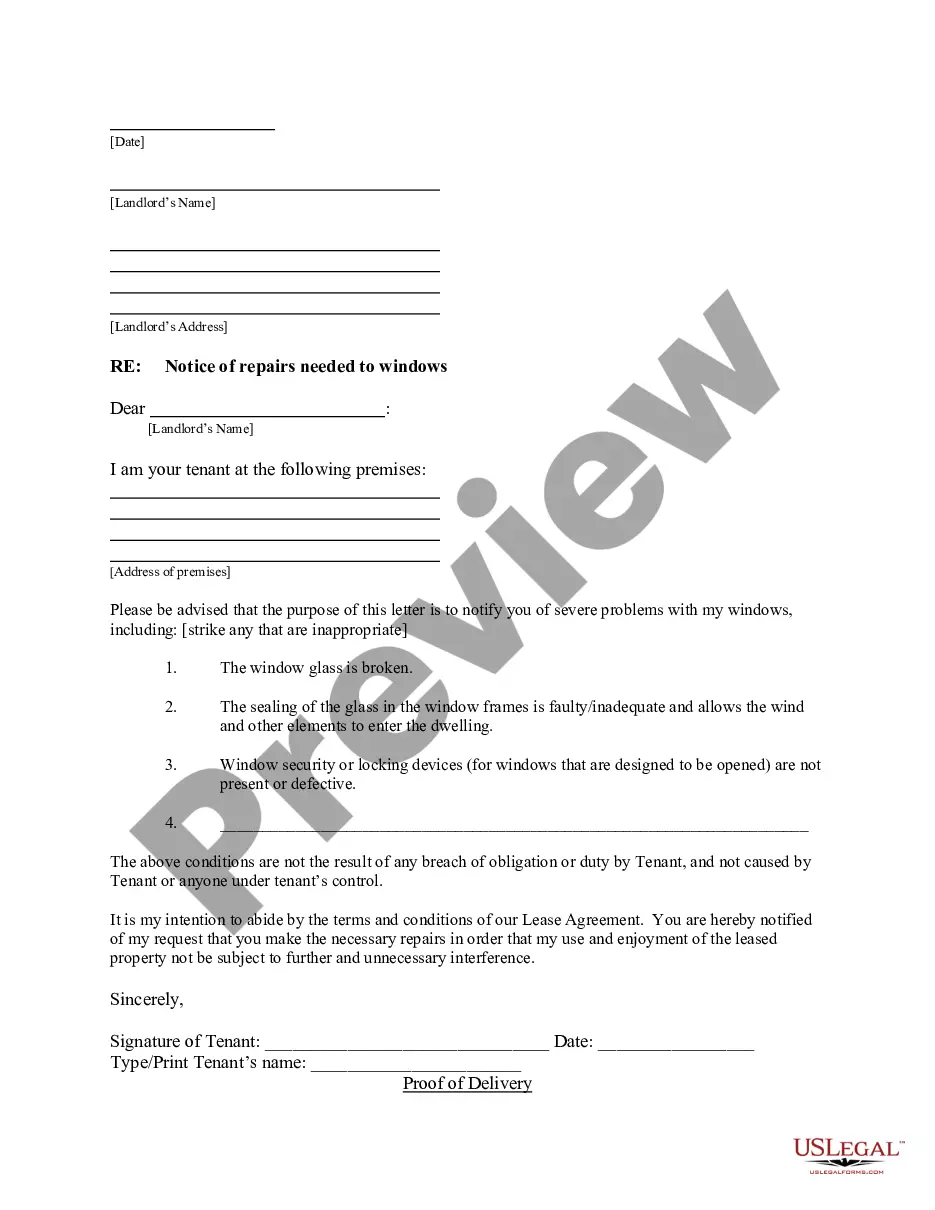
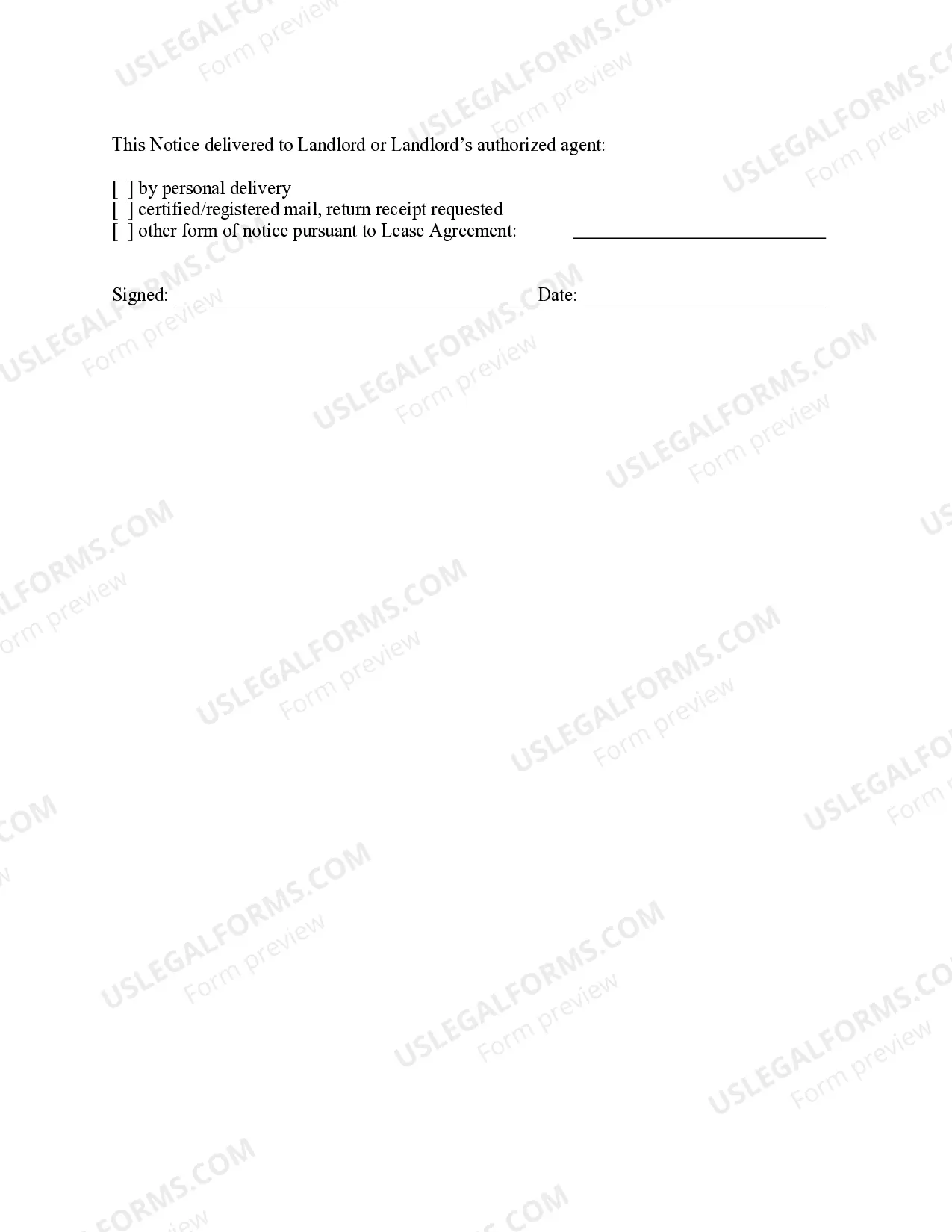
- Submit the letter to the landlord, ensuring it is received as documentation of the request.
Does this form need to be notarized?
Notarization is generally not required for this form. However, certain states or situations might demand it. You can complete notarization online through US Legal Forms, powered by Notarize, using a verified video call available anytime.
Get your form ready online
Our built-in tools help you complete, sign, share, and store your documents in one place.
Make edits, fill in missing information, and update formatting in US Legal Forms—just like you would in MS Word.
Download a copy, print it, send it by email, or mail it via USPS—whatever works best for your next step.
Sign and collect signatures with our SignNow integration. Send to multiple recipients, set reminders, and more. Go Premium to unlock E-Sign.
If this form requires notarization, complete it online through a secure video call—no need to meet a notary in person or wait for an appointment.
We protect your documents and personal data by following strict security and privacy standards.

Make edits, fill in missing information, and update formatting in US Legal Forms—just like you would in MS Word.

Download a copy, print it, send it by email, or mail it via USPS—whatever works best for your next step.

Sign and collect signatures with our SignNow integration. Send to multiple recipients, set reminders, and more. Go Premium to unlock E-Sign.

If this form requires notarization, complete it online through a secure video call—no need to meet a notary in person or wait for an appointment.

We protect your documents and personal data by following strict security and privacy standards.
Mistakes to watch out for
- Neglecting to specify all the issues with the windows.
- Failing to sign and date the letter.
- Not keeping a copy of the letter for personal records.
Why complete this form online
- Convenience of downloading the form instantly.
- Editable format allows users to customize the content according to their situation.
- Access to professionally drafted templates ensures reliability and legal validity.
Legal use & context
- This form establishes formal documentation of repair requests, which can be critical if disputes arise.
- Using documented communication can protect tenants' rights regarding property maintenance.
- Helps tenants comply with lease agreements that may require notifying the landlord of maintenance issues.
Quick recap
- This letter is a formal request for a landlord to repair broken windows.
- It documents the tenant's notification of maintenance issues responsibly.
- Using this form can aid in enforcing your rights as a tenant regarding property upkeep.
Looking for another form?
Form popularity
FAQ
By the law, Utah tenants are required to abide in a certain way. They must follow certain procedures as outlined by the law as well. Tenants also have certain rights that they are entitled to, as well as things they are responsible for. The tenant has the right to dwell in a safe and sanitary housing unit.
The big take-away is that in most circumstances a landlord cannot enter a property without agreement from the tenant. And If the landlord ignores the law and enters the property without permission, the tenant may be able to claim damages or gain an injunction to prevent the landlord doing it again.
Sue the landlord and whoever for up to $10,000 in small claims court for trespassing, breach of contract, invasion of privacy, and breach of quiet enjoyment; if you are two or more tenants, each can separately sue them for up to $10,000, and a joint action is not required.
Step 1: make a formal complaint. You can make a formal complaint by writing a letter to your landlord. Step 2: complain to your local council. If making a formal complaint to your landlord doesn't solve your problem you might be able to complain to your local council.
When you rent a property from a landlord it becomes your home. They should only enter the property without you being present, if you have given permission for them to do so, or in a genuine emergency.
Restrictions on landlord's right to access rental property (Utah landlords must provide 24 hours' notice of entry unless the rental agreement specifies otherwise)
Use Utah Legal Services to file an official report and receive legal assistance for your landlord complaint by visiting utahlegalservices.org. Visit utcourts.gov for information regarding your rights as a renter who is suing a landlord.
This question is about Utah Landlord Tenant RightsUtah is slightly landlord-friendly. The state does not have rent control and does not limit fees, but there are several business practices that landlords must abide by.
Check Public Ownership Records Search the records for the address of the rental property to find out if the landlord is listed as the owner. If the names don't match, contact the legal owner and ask if she knows the person purporting to be the landlord.