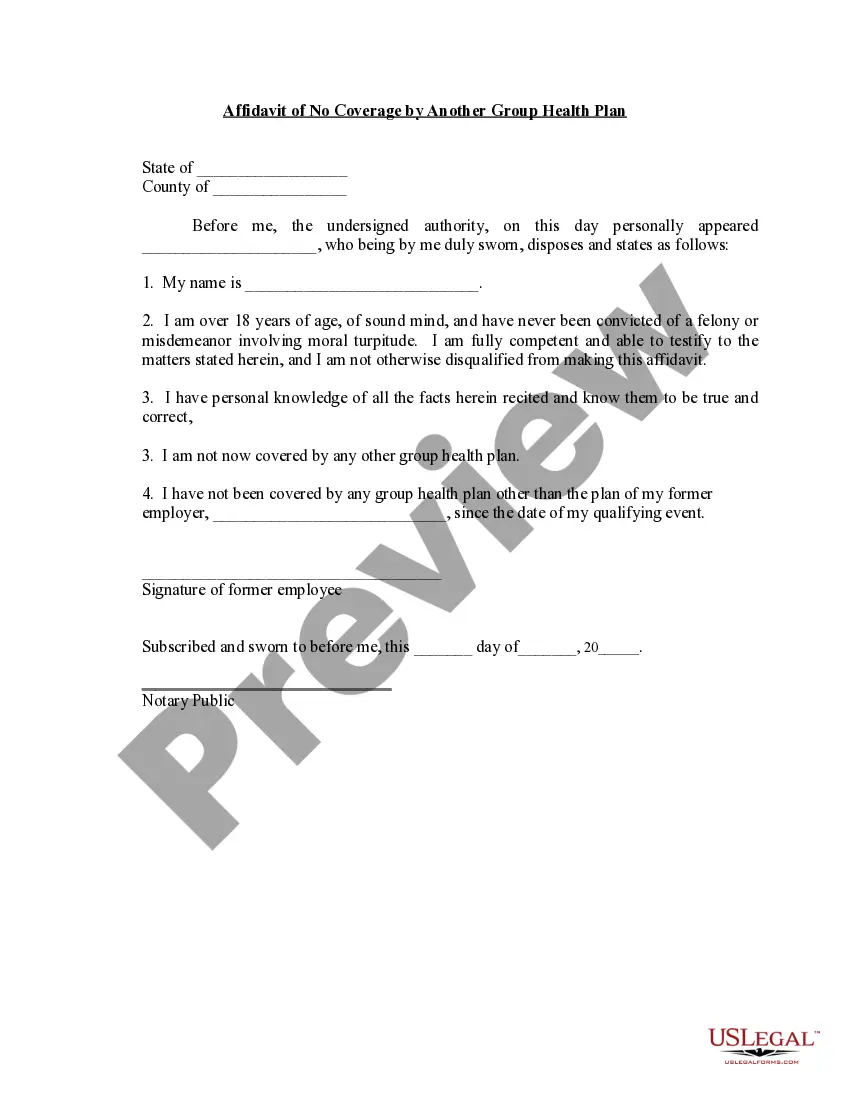
Affidavit of No Coverage by Another Group Health Plan
About this form
The Affidavit of No Coverage by Another Group Health Plan is a legal document where an employee certifies that they are not enrolled in any other group health plan. This form is essential for employees transitioning between health plans, ensuring that they meet specific eligibility requirements for their current employer's health coverage. Unlike other health-related affidavits, this document specifically focuses on the absence of other group health insurance, providing clarity and security for employers and employees alike.
Main sections of this form
- Personal information of the employee, including name and age.
- Declaration of not being covered by other group health plans.
- Details regarding coverage by a former employer, if applicable.
- Signature of the former employee, affirming the truth of the statements made.
- Notary section for official verification of the document.
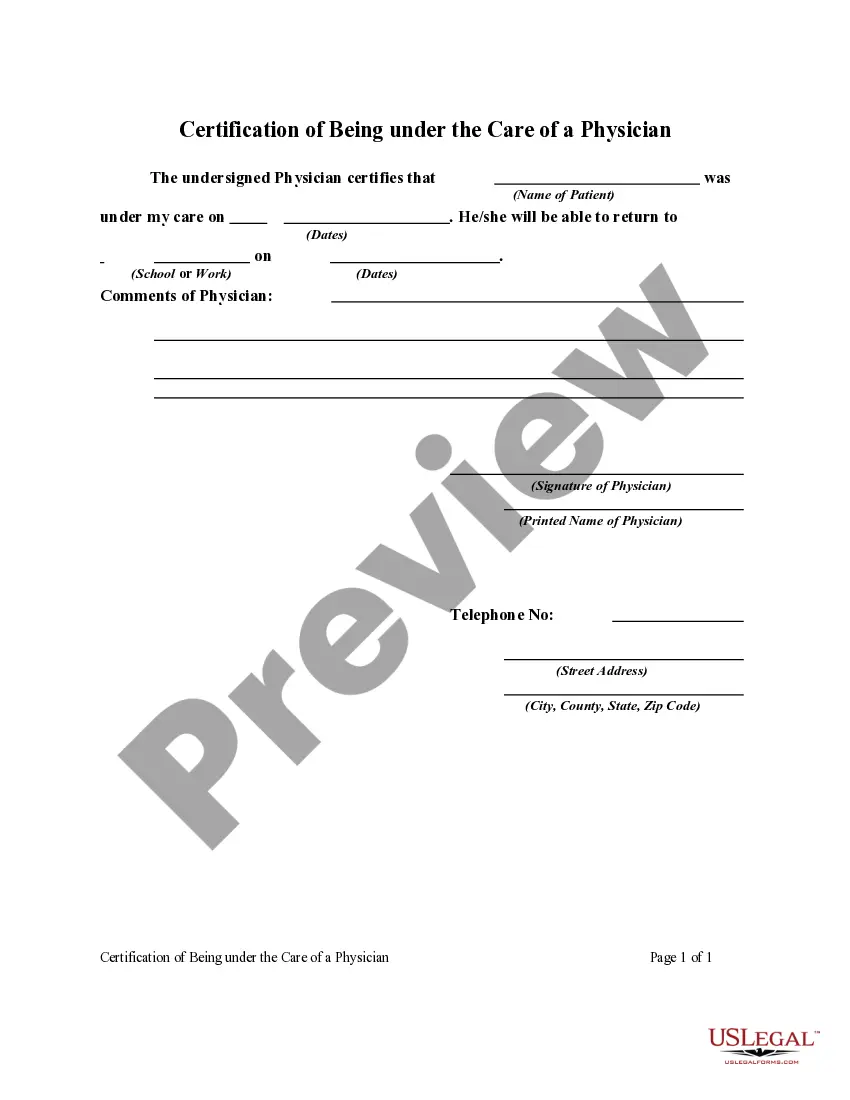
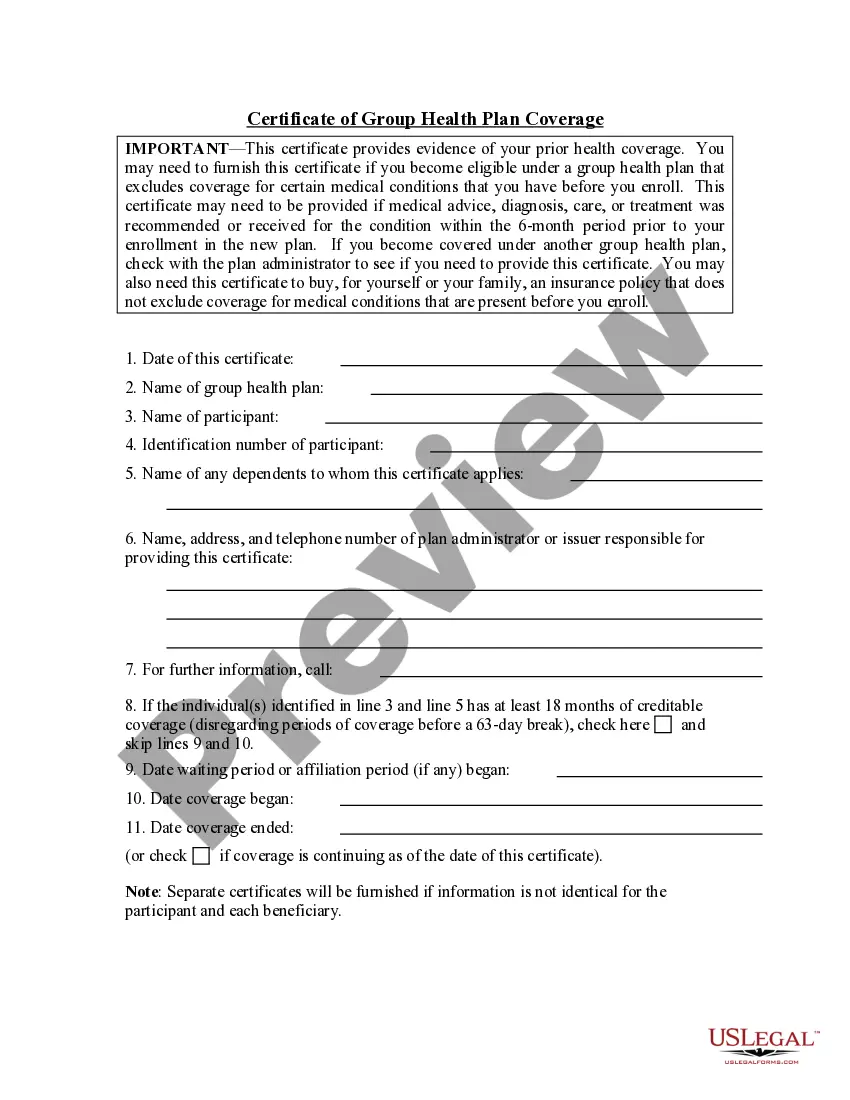
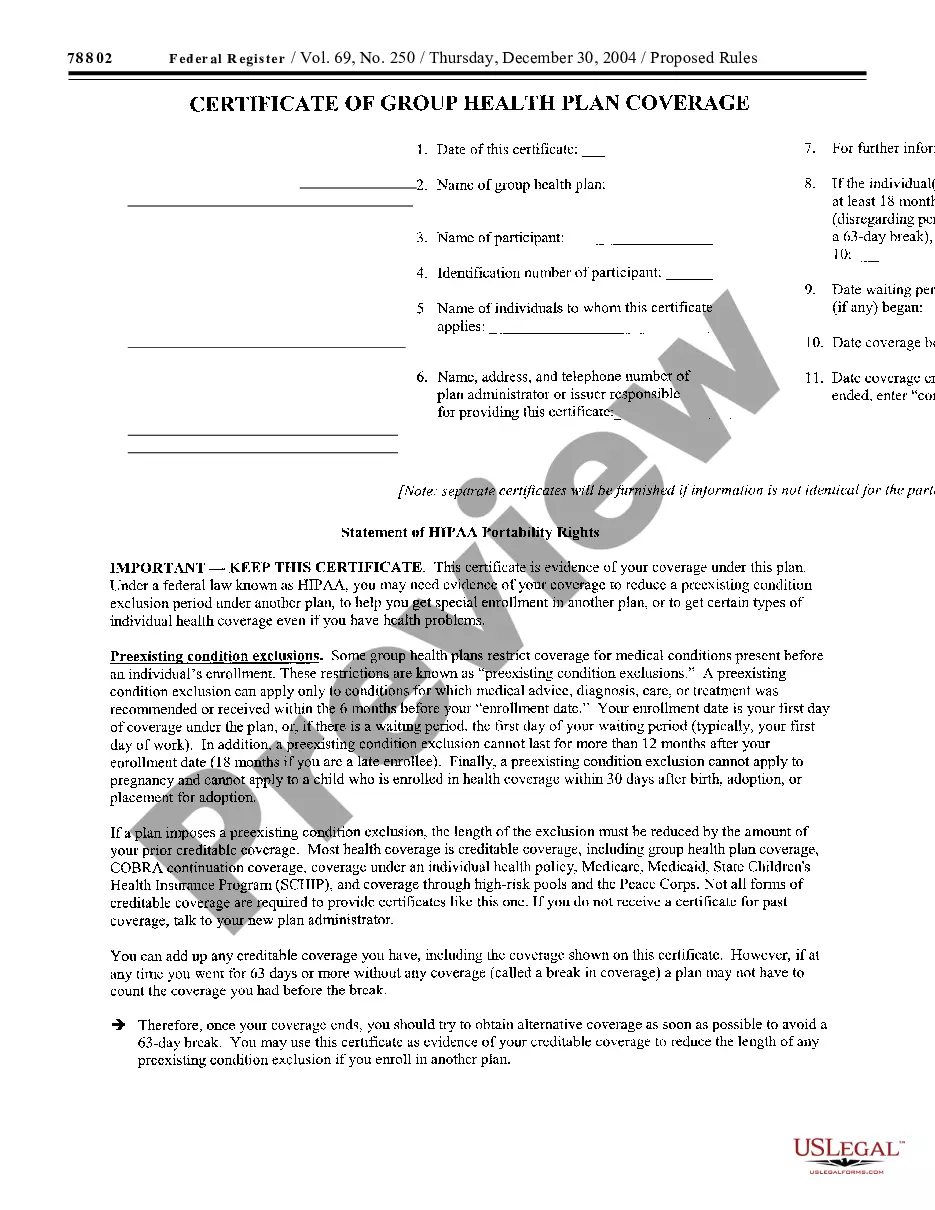
When to use this document
This affidavit is typically used when an employee needs to confirm their eligibility for a new group health plan, ensuring that they are not already covered by another plan, which could lead to complications with enrollment or claims. It may be necessary during open enrollment periods or when a qualifying event occurs, such as job change or loss of previous health coverage.
Intended users of this form
- Employees seeking to enroll in a new group health plan.
- Individuals recently transitioning from one employer to another.
- Those who have experienced a qualifying event affecting their health coverage.
How to complete this form
- Provide your name and confirm that you are over 18 years of age.
- State that you have personal knowledge of the information you are providing.
- Declare that you are not covered by any other group health plan.
- If applicable, mention your former employer's plan and the date of your qualifying event.
- Sign the affidavit in front of a notary public to validate the document.
Notarization requirements for this form
This form needs to be notarized to ensure legal validity. US Legal Forms provides secure online notarization powered by Notarize, allowing you to complete the process through a verified video call, available anytime.
Get your form ready online
Our built-in tools help you complete, sign, share, and store your documents in one place.
Make edits, fill in missing information, and update formatting in US Legal Forms—just like you would in MS Word.
Download a copy, print it, send it by email, or mail it via USPS—whatever works best for your next step.
Sign and collect signatures with our SignNow integration. Send to multiple recipients, set reminders, and more. Go Premium to unlock E-Sign.
If this form requires notarization, complete it online through a secure video call—no need to meet a notary in person or wait for an appointment.
We protect your documents and personal data by following strict security and privacy standards.

Make edits, fill in missing information, and update formatting in US Legal Forms—just like you would in MS Word.

Download a copy, print it, send it by email, or mail it via USPS—whatever works best for your next step.

Sign and collect signatures with our SignNow integration. Send to multiple recipients, set reminders, and more. Go Premium to unlock E-Sign.

If this form requires notarization, complete it online through a secure video call—no need to meet a notary in person or wait for an appointment.

We protect your documents and personal data by following strict security and privacy standards.
Typical mistakes to avoid
- Failing to sign the affidavit in front of a notary public.
- Not providing accurate information about previous health coverage.
- Signing the affidavit without ensuring all fields are completed.
Advantages of online completion
- Immediate access to the form, allowing for quick completion.
- Editable fields to customize your information without hassle.
- High reliability with forms prepared by licensed attorneys.
Summary of main points
- The affidavit certifies absence of other health plan coverage.
- It's crucial for employees transitioning to new health plans.
- Notarization is required to ensure the form's legality and accuracy.
Looking for another form?





Form popularity
FAQ
Employees may decline health insurance offered by employers. This is called a waiver of coverage.Note that in 2014, employees who decline coverage considered affordable and adequate under the Patient Protection and Affordable Care Act will not qualify for government subsidies to purchase individual health insurance.
There are no federal laws requiring plans to provide the same benefit coverage to all employees.Thus, generally employers have discretion when structuring their benefits plans and are able to make distinctions among employee populations regarding access to and the level of benefits offered.
Employees may decline health insurance offered by employers. This is called a waiver of coverage.Note that in 2014, employees who decline coverage considered affordable and adequate under the Patient Protection and Affordable Care Act will not qualify for government subsidies to purchase individual health insurance.
Answer. In general, employers are free to offer health insurance to some groups of employees and not others, as long as those decisions are not made on a discriminatory basis. It may surprise you to learn that employers are not required to provide health insurance by law.
Non-employees cannot pay for their group health insurance coverage through the corporation's Cafeteria Plan nor would they be eligible to participate in an employer's FSA, HRA or HSA.
Are employers allowed to offer different benefits to different employees and to charge more for the same benefit, or is this a discriminatory practice? There are no federal laws requiring plans to provide the same benefit coverage to all employees.A plan may draw a distinction between employees and their dependents.
There is no penalty for opting out of coverage. When an employee doesn't want health insurance from their employer, they waive coverage.A waiver of coverage is a form employees sign to opt out of insurance. Employees can only waive coverage during certain time periods.
Purchase an individual health plan, either off-exchange or from the ACA exchanges. Consider an affordable alternative to traditional insurance like a faith-based sharing plan. Get on your spouse's employer-sponsored health plan, if applicable. Purchase a group health insurance plan for yourself.
Answer. In general, employers are free to offer health insurance to some groups of employees and not others, as long as those decisions are not made on a discriminatory basis.If the employer fails to provide the required coverage, it can be assessed a hefty penalty by the IRS.