Sample Letter for Letter from Opposing Attorney
What this document covers
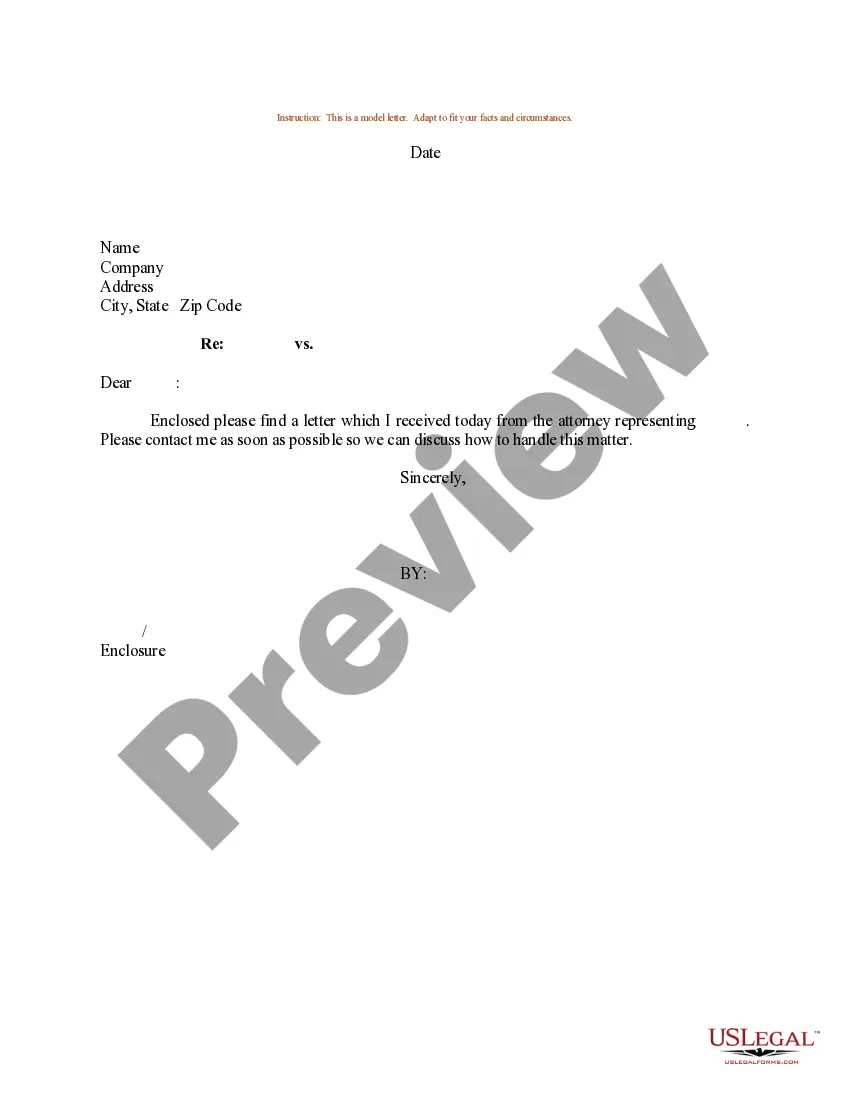
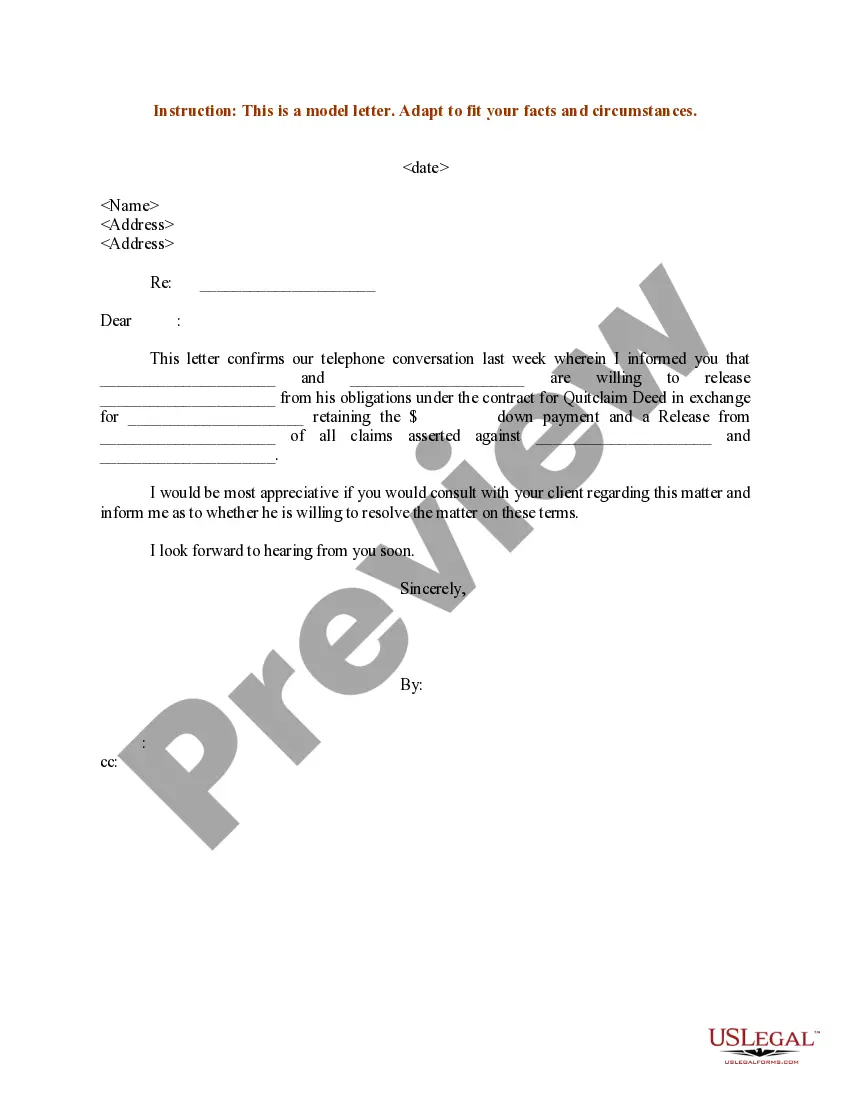
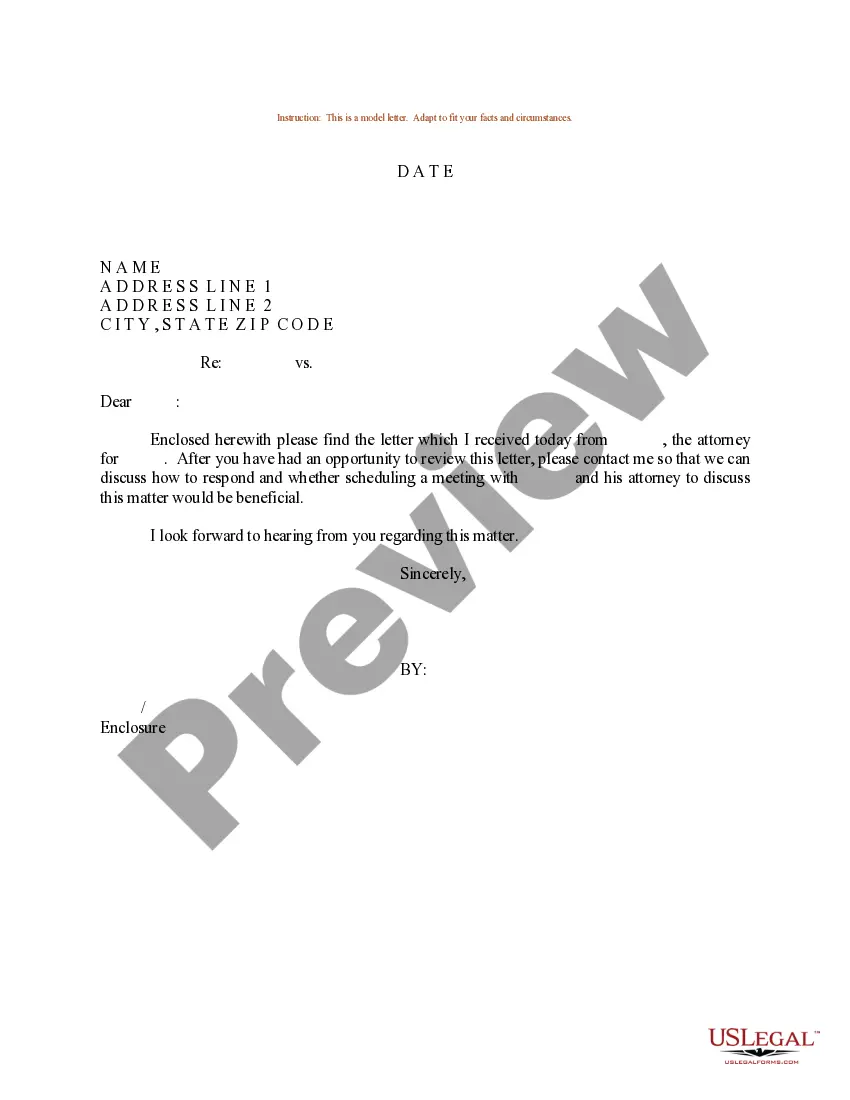
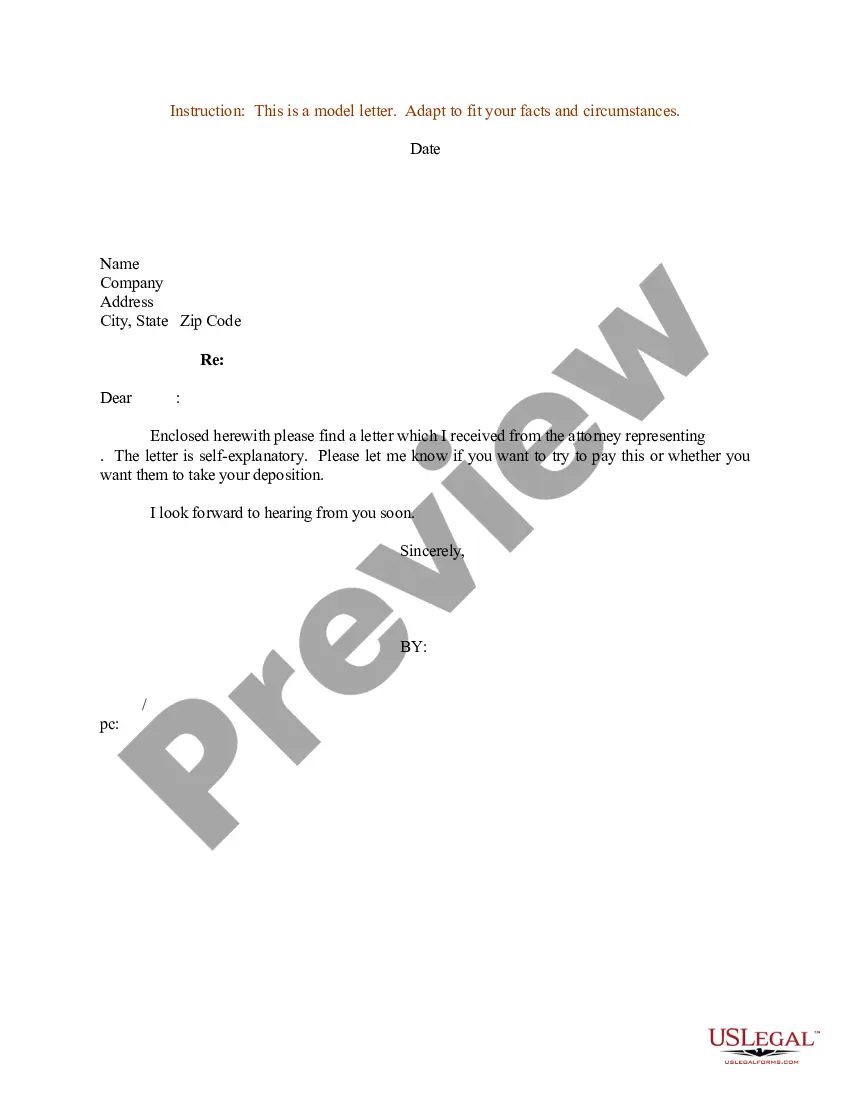
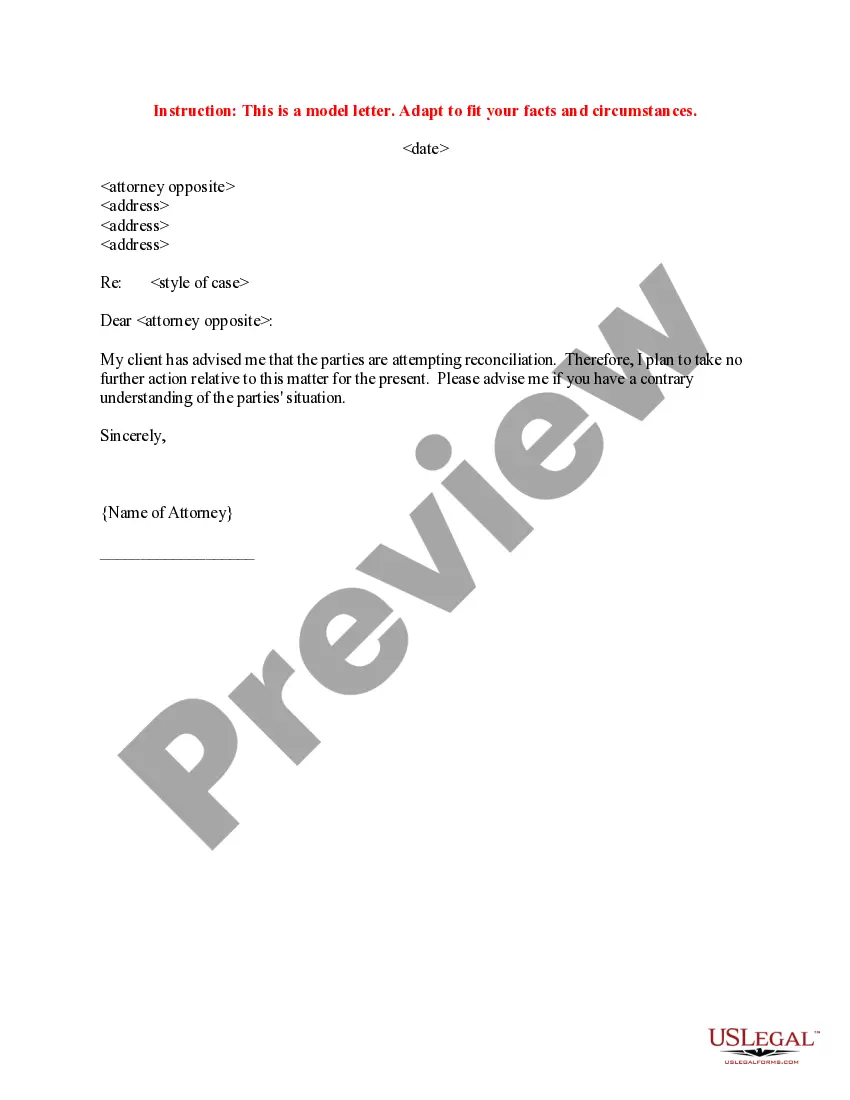
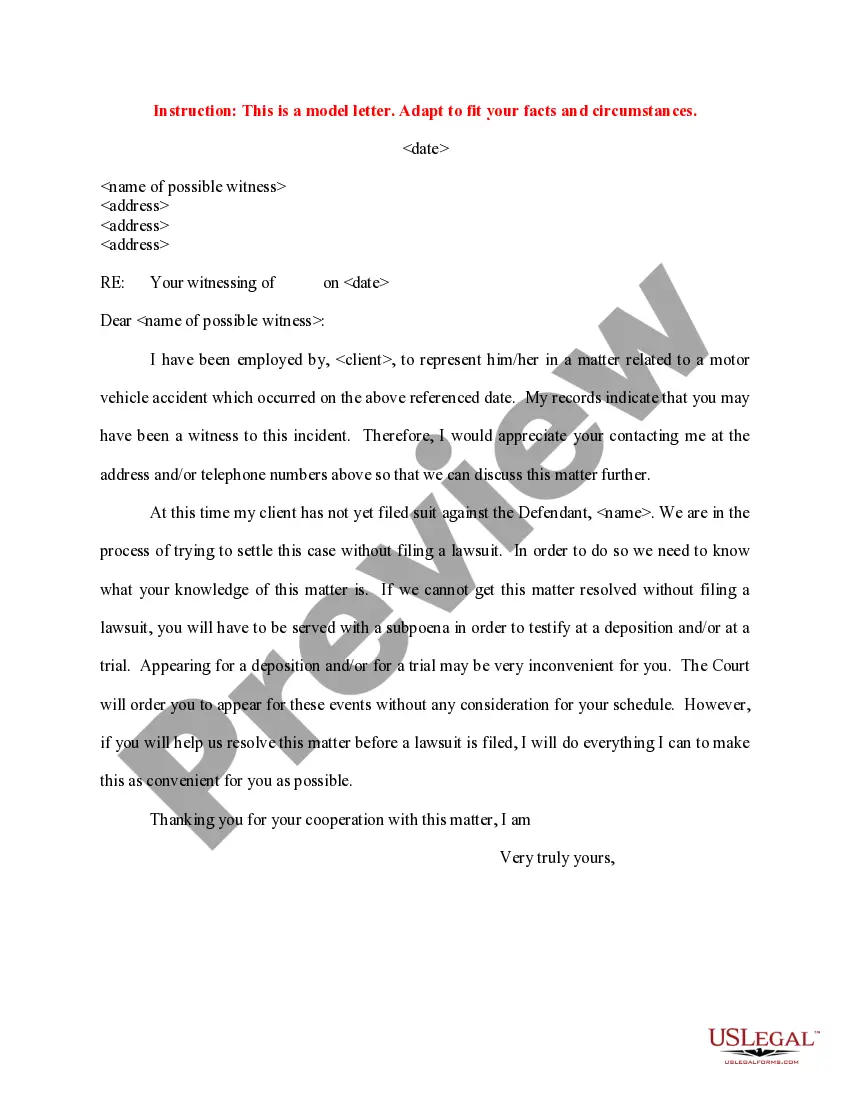
This form is a sample letter from an opposing attorney designed to communicate important information or requests related to a legal matter. It serves as a template that can be tailored to various situations, distinguishing it from other legal communication forms by providing a structured format for correspondence between legal representatives.
Key parts of this document
- Date: The date the letter is written.
- Sender Information: Name, company, and address of the attorney sending the letter.
- Recipient Information: Name and address of the party receiving the letter.
- Subject Matter: Predefined space to specify the topic of the letter.
When to use this document
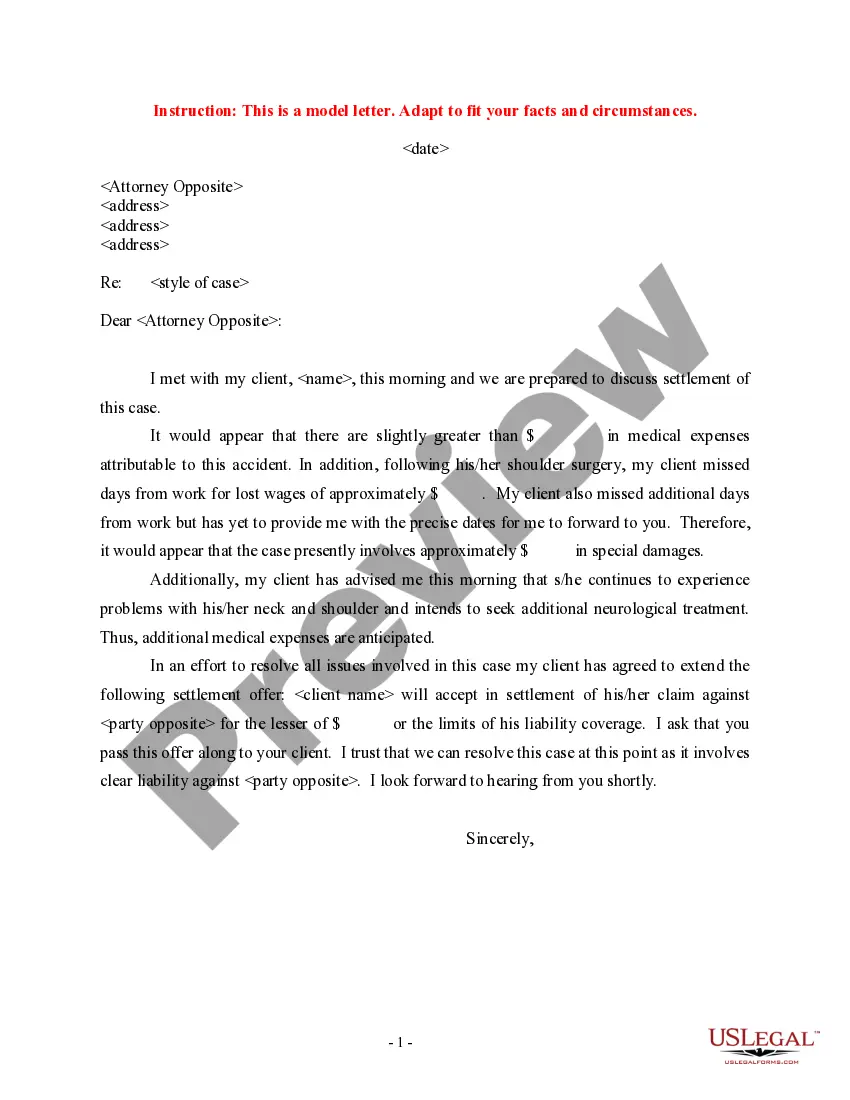
This form is useful when a party needs to respond to or acknowledge communication from the opposing attorney, clarify matters in a legal dispute, or formally address specific issues pertinent to a case. It may be used in various contexts, including settlement negotiations, discovery issues, or demand letters.
Intended users of this form
This form is ideal for:
- Attorneys representing clients in legal matters.
- Individuals handling their own legal issues who wish to respond to an opposing attorney professionally.
- Legal professionals seeking a reliable template for formal correspondence.
Completing this form step by step
To complete this form, follow these steps:
- Identify the parties: Include the name and address of both the sender and the recipient.
- Enter the date: Input the date when the letter is being sent.
- Specify the subject matter: Clearly outline the main topic of the letter in the appropriate section.
- Customize the body text: Adjust the letter content to suit the specific circumstances of the communication.
Notarization guidance
This form does not typically require notarization unless specified by local law.
Get your form ready online
Our built-in tools help you complete, sign, share, and store your documents in one place.
Make edits, fill in missing information, and update formatting in US Legal Forms—just like you would in MS Word.
Download a copy, print it, send it by email, or mail it via USPS—whatever works best for your next step.
Sign and collect signatures with our SignNow integration. Send to multiple recipients, set reminders, and more. Go Premium to unlock E-Sign.
If this form requires notarization, complete it online through a secure video call—no need to meet a notary in person or wait for an appointment.
We protect your documents and personal data by following strict security and privacy standards.

Make edits, fill in missing information, and update formatting in US Legal Forms—just like you would in MS Word.

Download a copy, print it, send it by email, or mail it via USPS—whatever works best for your next step.

Sign and collect signatures with our SignNow integration. Send to multiple recipients, set reminders, and more. Go Premium to unlock E-Sign.

If this form requires notarization, complete it online through a secure video call—no need to meet a notary in person or wait for an appointment.

We protect your documents and personal data by following strict security and privacy standards.
Avoid these common issues
- Failing to include the date of the letter.
- Omitting recipient information or entering incorrect details.
- Using vague language instead of specifying the subject matter.
- Not customizing the body text to reflect the details of the case.
Advantages of online completion
- Convenient access: Easily download and edit the template to fit your needs.
- Reliability: Use a form drafted by licensed attorneys to ensure you cover legal bases.
- Time-efficient: Quickly create professional correspondence without starting from scratch.
Main things to remember
- This form is a sample letter from an opposing attorney to facilitate clear communication.
- It is essential for various legal contexts, especially in litigation and negotiations.
- Customization is key to ensure the letter meets specific legal requirements and addresses relevant issues.
Looking for another form?
Form popularity
FAQ
This letter is usually a form letter that is sent out before litigation has begun. It costs money to file a lawsuit and collection firms do not want to pay it right away; they would rather reach out to you and see if a payment plan can be reached.
Type your letter. Concisely review the main facts. Be polite. Write with your goal in mind. Ask for exactly what you want. Set a deadline. End the letter by stating you will promptly pursue legal remedies if the other party does not meet your demand. Make and keep copies.
Never Refer To Counsel In Argument Resist the impulse in Court to address opposing counsel directly always address through the Court. It will keep you more civil and calmer (and it's what the Court wants anyway).
According to our database of legal fees, an attorney practicing on their own will charge anywhere between $750 and $1,200 to write and send a demand letter. A smaller law firm will charge anywhere from $1,000 to $1,500 for their services.
A lawyer is not prohibited from calling another party's attorney or another member of the party's attorney's firm as a witness, either in discovery or at trial, where such attorney may have unprivileged knowledge relevant to the case or unprivileged knowledge reasonably calculated to lead to the discovery of admissible
I authorize you to represent my lawsuit in the court on the 12th of June and proceed with the case until it has been resolved. As discussed with you in our meeting, I am defending myself against Mr. XYZ who has filed a case of human rights violation against me. I have attached the necessary documents with the letter.
Never Refer To Counsel In Argument Resist the impulse in Court to address opposing counsel directly always address through the Court. It will keep you more civil and calmer (and it's what the Court wants anyway).
Opposing counsel call each other 'friend' in increasingly popular SCOTUS lingo. The Supreme Court under the leadership of Chief Justice John G. Roberts Jr. is increasingly using the word friend to refer to opposing counsel in oral arguments, a term also picked up by the lawyers appearing before the court.
But by default, communications to the other side are addressed to the designated attorney-in-charge/top-named lawyer, with cc's to everyone else. In a rare situation where you are sending a letter specifically to multiple attorneys as opposed to the other side as a whole, it's Dear Messrs. Smith and Jones, Dear Ms.