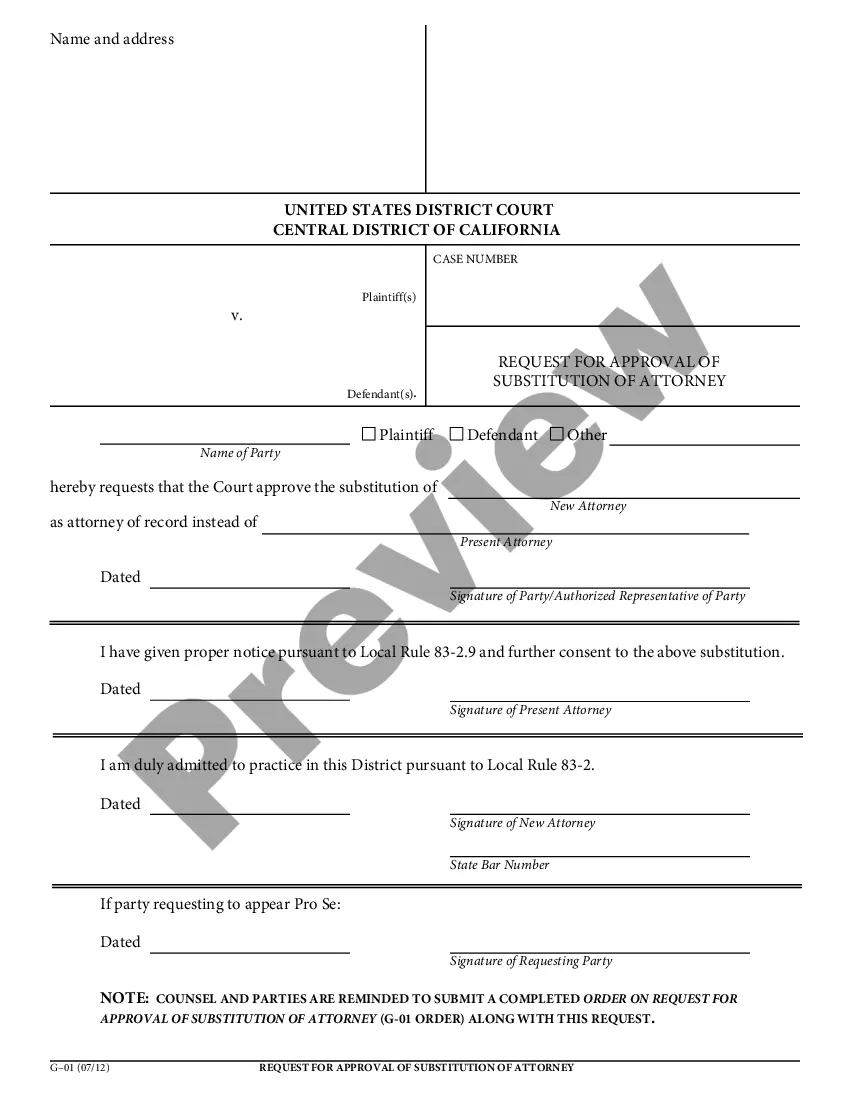
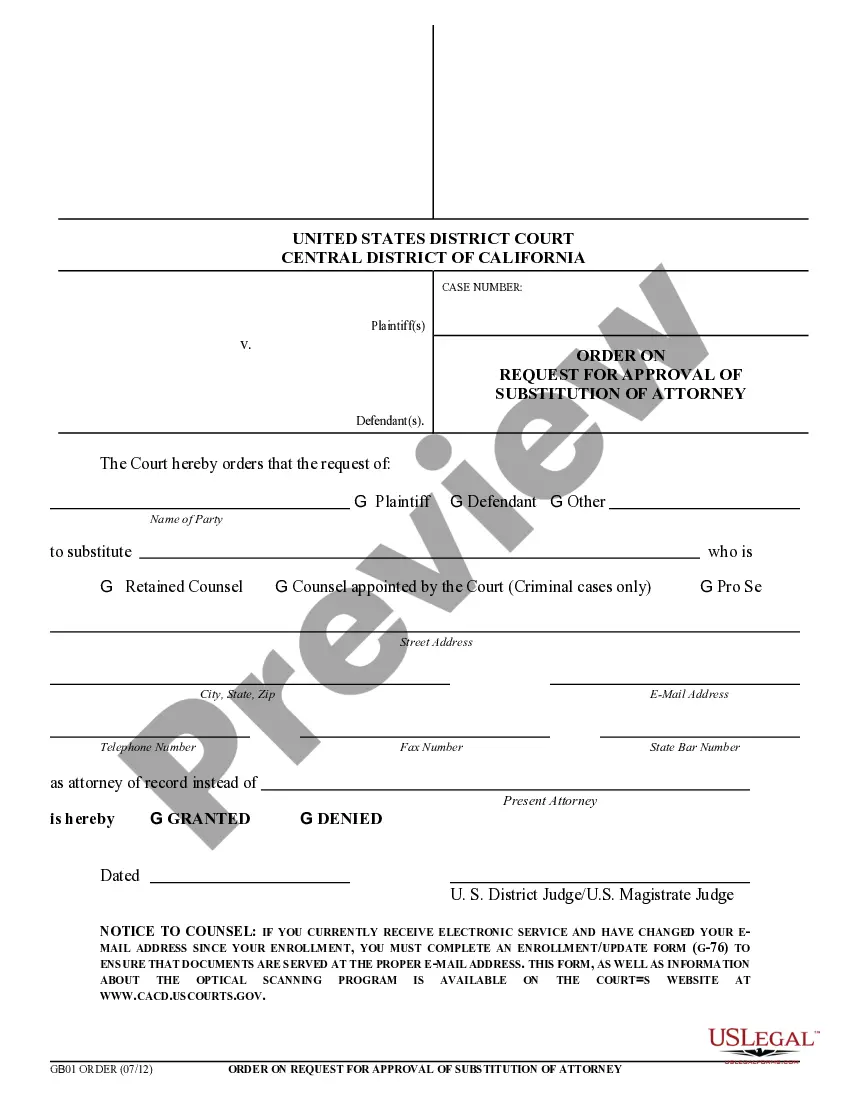
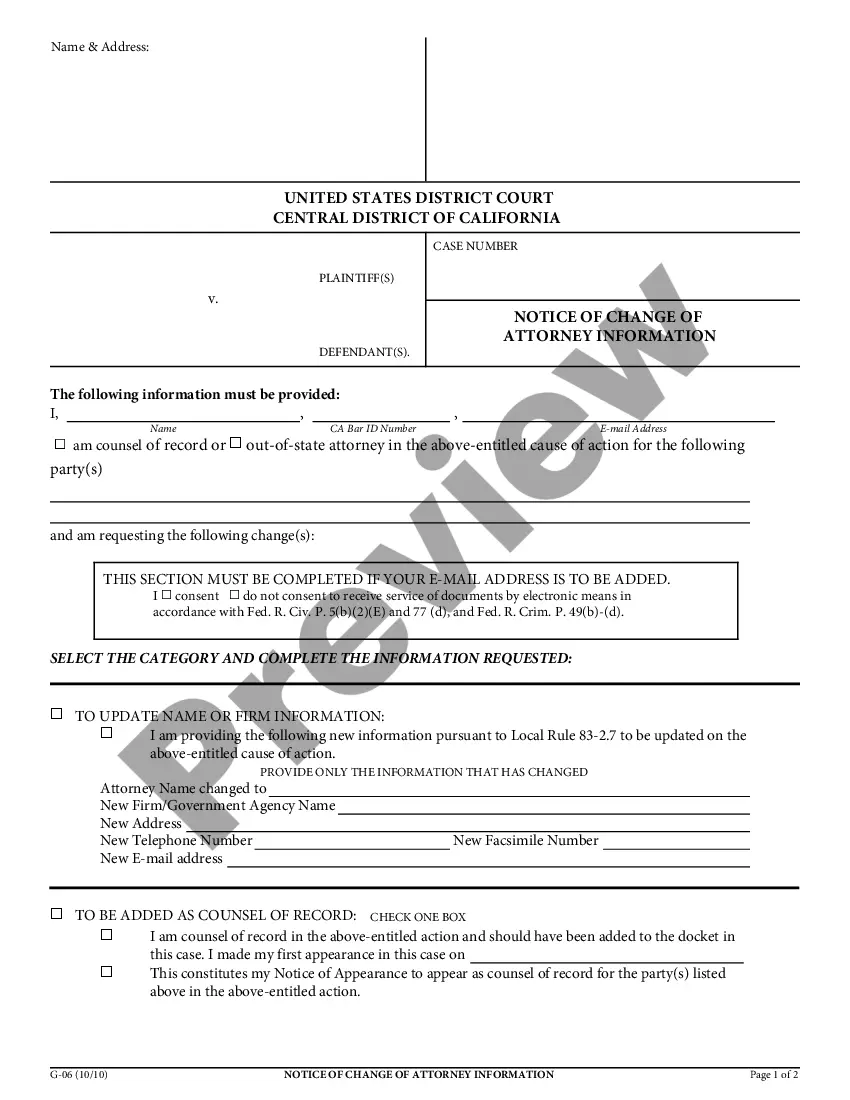
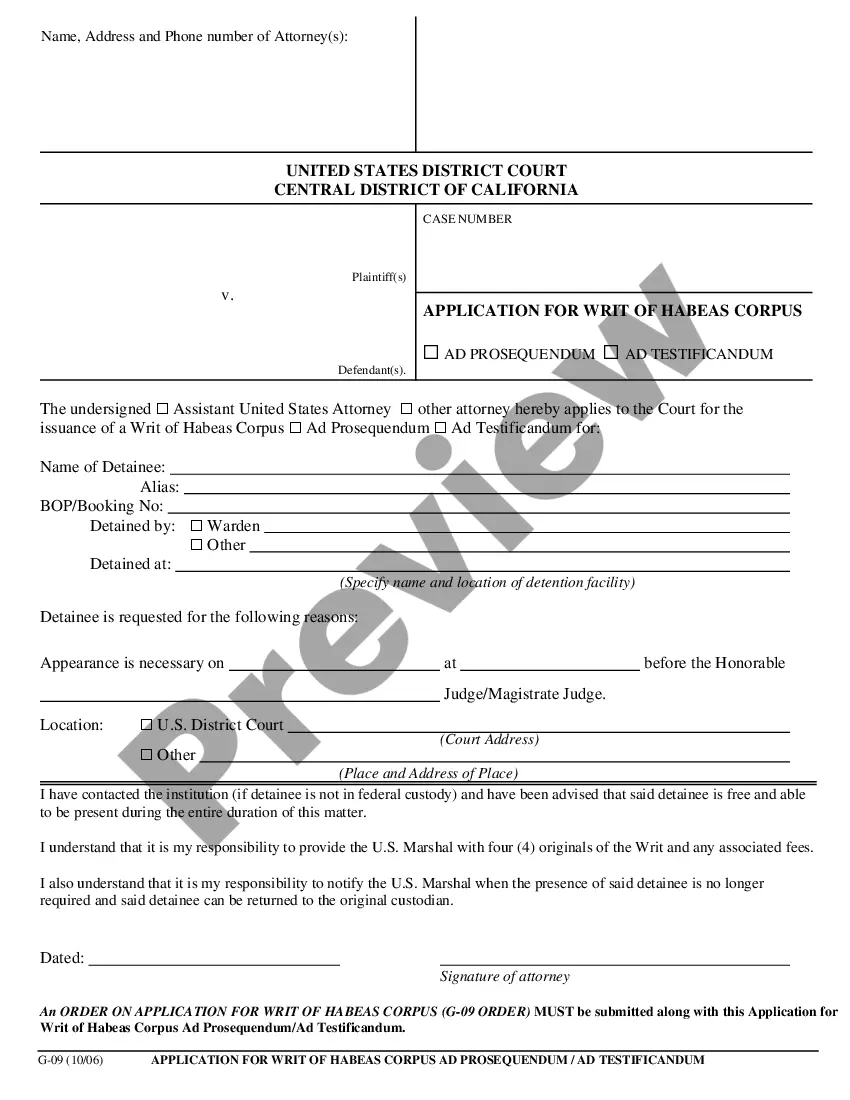
Motion to Stay Action of Attorney Against Client for Fees Pending Arbitration
What this document covers
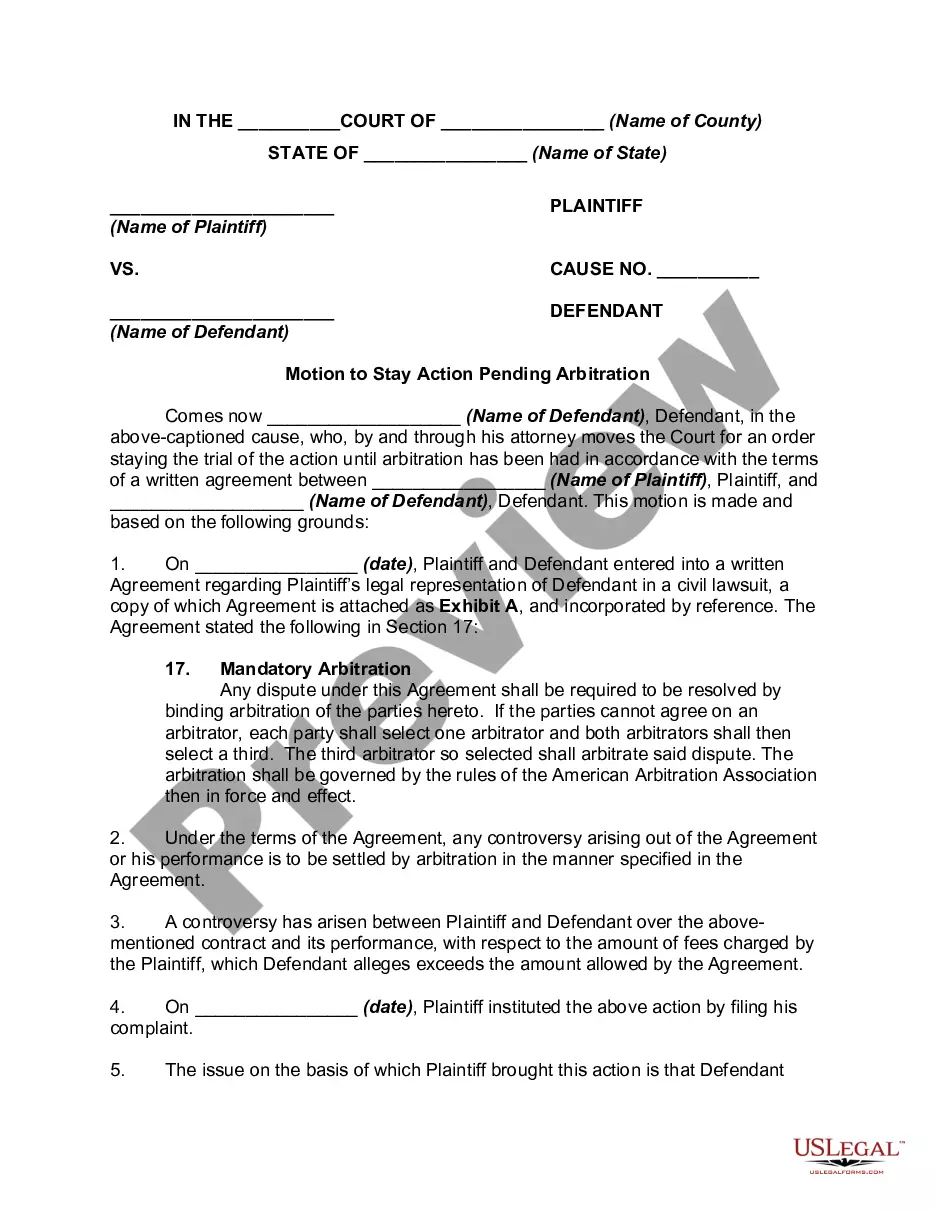
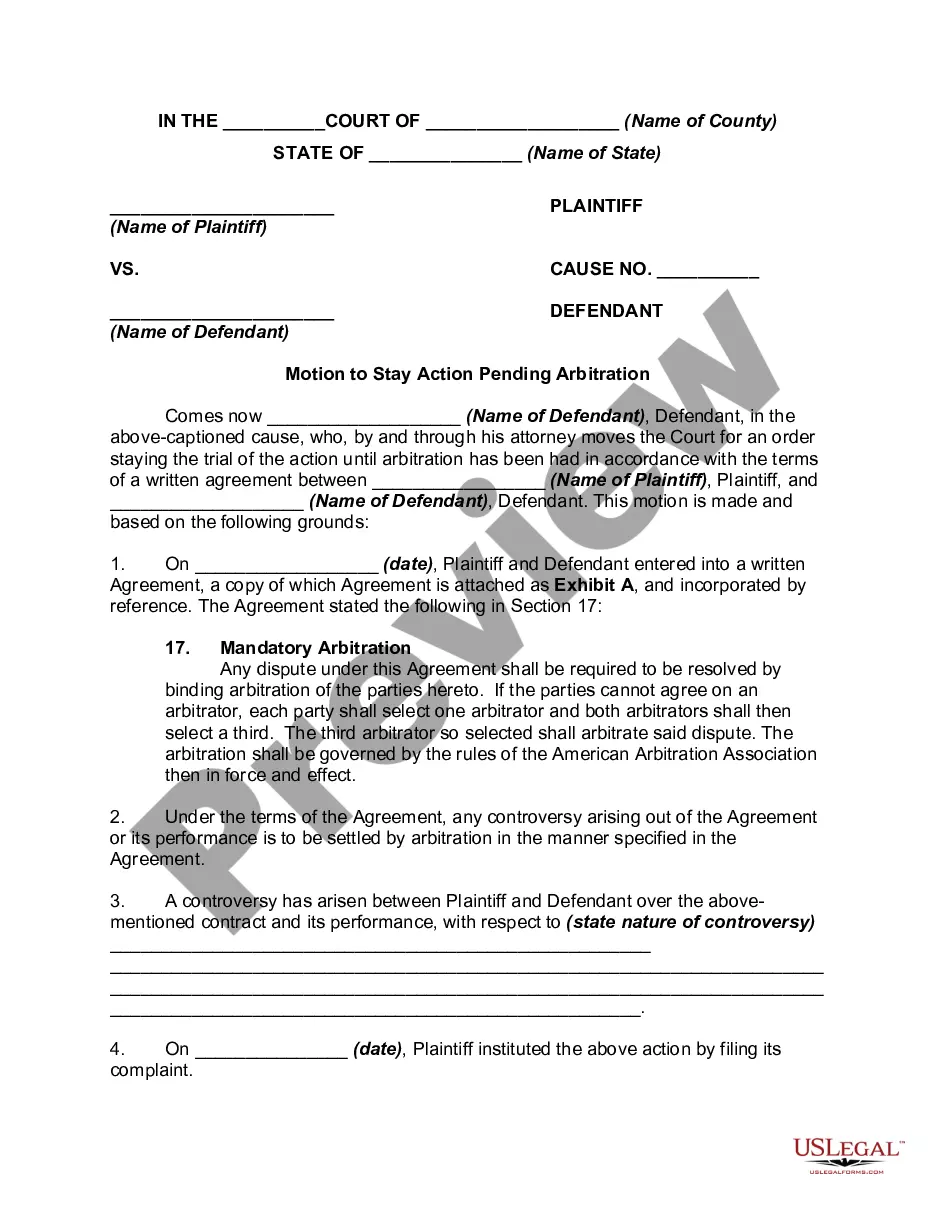
The Motion to Stay Action of Attorney Against Client for Fees Pending Arbitration is a legal document used to pause court proceedings while arbitration is pending. This form allows defendants to request the court to halt a lawsuit initiated by an attorney regarding unpaid fees until the matter is resolved through arbitration, as stipulated in their agreement. It serves to maintain the status quo during the arbitration process, differentiating it from other motions that might not specifically relate to arbitration agreements.
Key parts of this document
- Caption: Lists the parties involved in the case and the case number.
- Motion section: States the request to stay the trial until arbitration occurs.
- Grounds for the motion: Outlines the reasons for staying the action, including references to the underlying agreement.
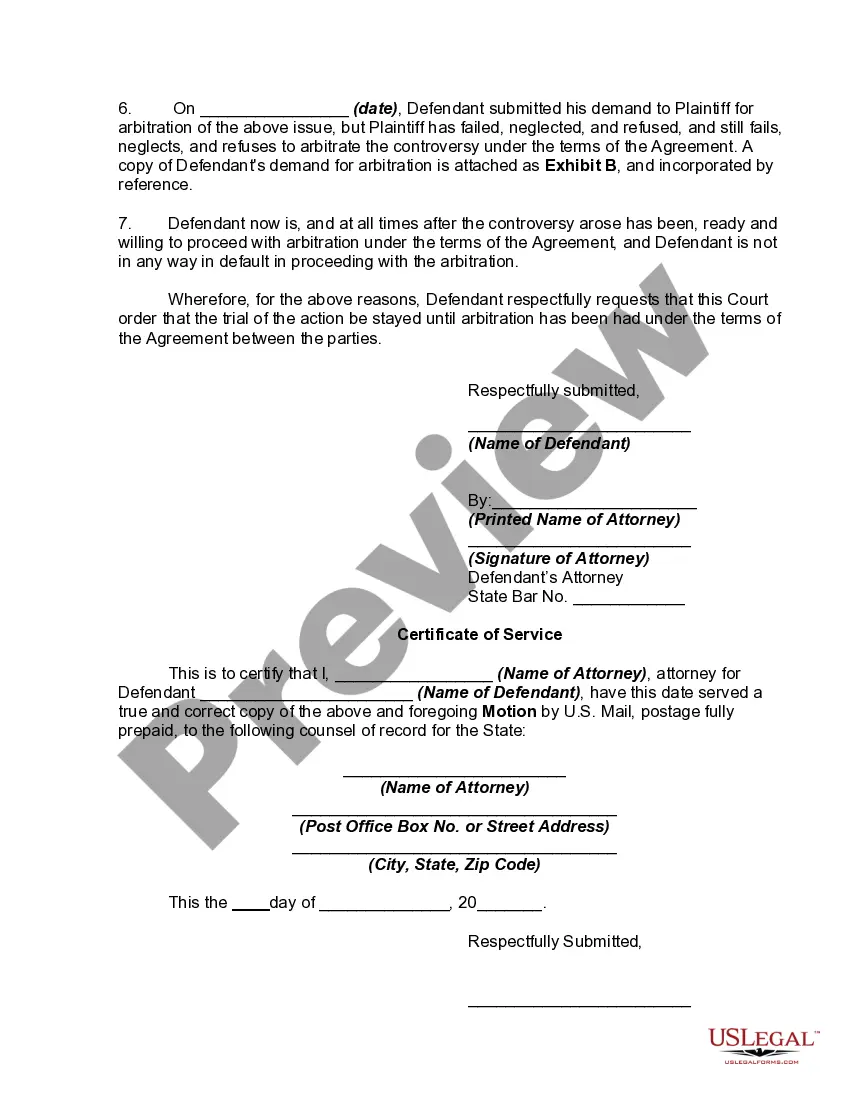
- Exhibits: Includes agreements and demands relevant to the arbitration process.
- Certificate of service: Confirms that all parties have received a copy of the motion.
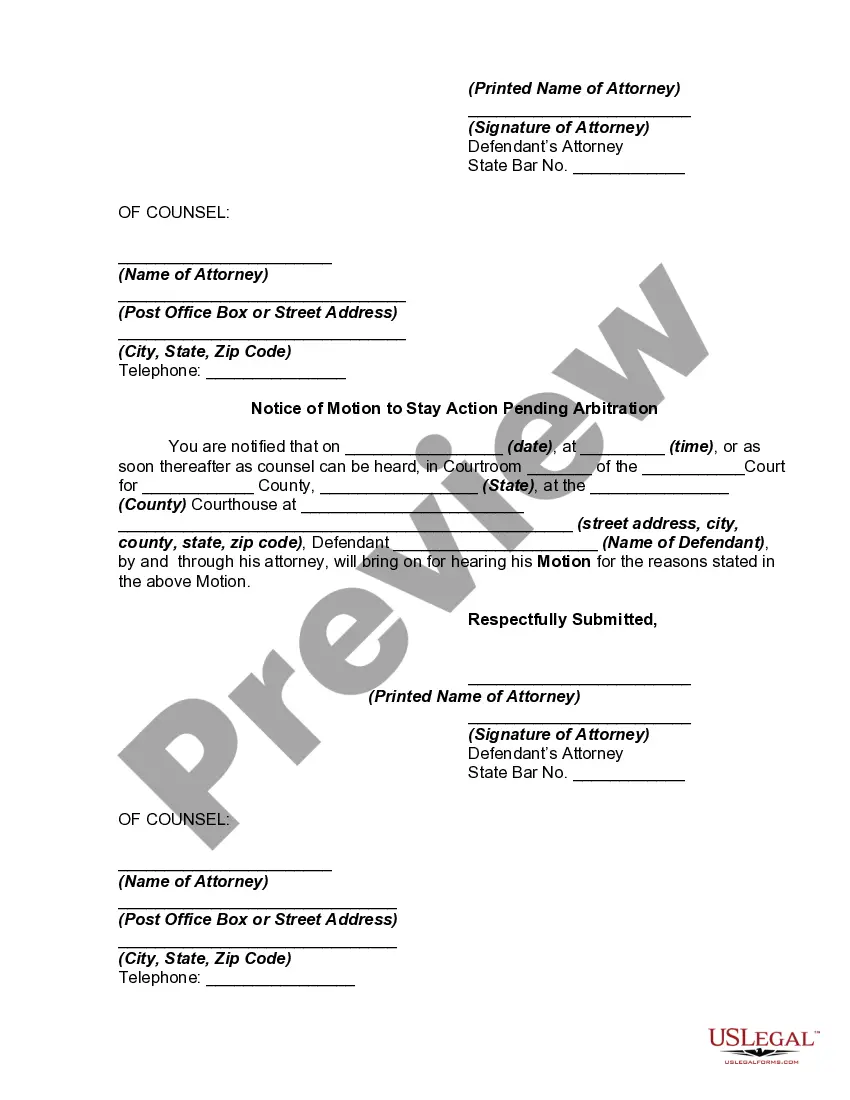
- Notice of motion: Specifies the court date and time for the motion hearing.

When this form is needed
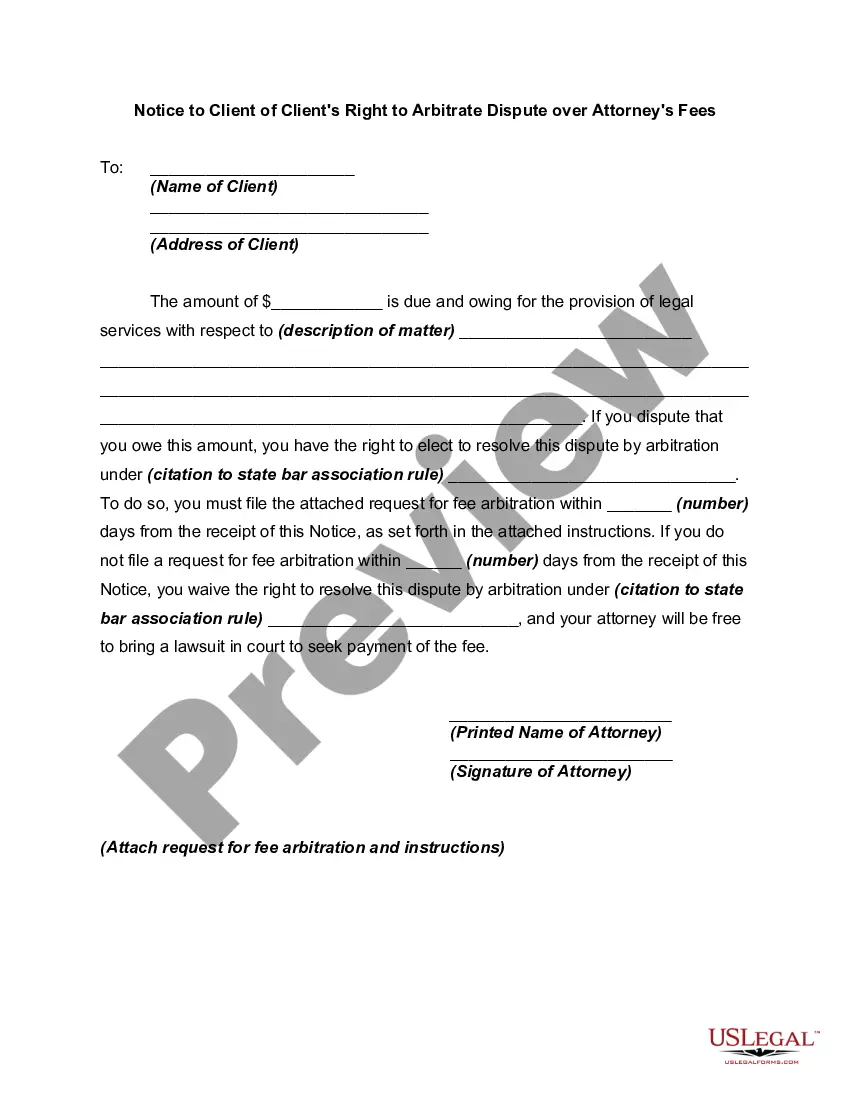
This form is used when a client disputes fees charged by an attorney and seeks to invoke arbitration as per their agreement. If an attorney has filed a lawsuit for unpaid fees, the defendant can file this motion to delay the court proceedings until the arbitration can take place, ensuring that issues regarding fee disputes are resolved according to the terms established in their contractual agreement.
Intended users of this form
- Defendants who are facing legal action from their attorney for unpaid fees.
- Parties who have a written agreement mandating arbitration for fee disputes.
- Individuals looking to resolve issues through arbitration before continuing litigation in court.
How to prepare this document
- Identify the parties involved, including plaintiff and defendant names, and fill in the case number.
- Clearly state the request to stay the court action, referencing the arbitration clause in the agreement.
- Attach a copy of the written agreement and any demands for arbitration as exhibits.
- Enter all relevant dates, including the date of the agreement and the filing date of the complaint.
- Ensure that all signatures are completed, including the attorney's name, signature, and their state bar number.
Notarization guidance
Notarization is generally not required for this form. However, certain states or situations might demand it. You can complete notarization online through US Legal Forms, powered by Notarize, using a verified video call available anytime.
Get your form ready online
Our built-in tools help you complete, sign, share, and store your documents in one place.
Make edits, fill in missing information, and update formatting in US Legal Forms—just like you would in MS Word.
Download a copy, print it, send it by email, or mail it via USPS—whatever works best for your next step.
Sign and collect signatures with our SignNow integration. Send to multiple recipients, set reminders, and more. Go Premium to unlock E-Sign.
If this form requires notarization, complete it online through a secure video call—no need to meet a notary in person or wait for an appointment.
We protect your documents and personal data by following strict security and privacy standards.

Make edits, fill in missing information, and update formatting in US Legal Forms—just like you would in MS Word.

Download a copy, print it, send it by email, or mail it via USPS—whatever works best for your next step.

Sign and collect signatures with our SignNow integration. Send to multiple recipients, set reminders, and more. Go Premium to unlock E-Sign.

If this form requires notarization, complete it online through a secure video call—no need to meet a notary in person or wait for an appointment.

We protect your documents and personal data by following strict security and privacy standards.
Common mistakes to avoid
- Failing to attach the arbitration agreement as an exhibit.
- Not providing accurate details about the court hearing date and time.
- Omitting signatures or necessary attorney information.
- Using improper formatting or language that may not comply with local court rules.
Advantages of online completion
- Convenience of accessing and downloading the form anytime.
- Editability allows you to customize the form to meet your specific needs.
- Reliability from templates prepared by licensed attorneys, ensuring legal compliance.
Legal use & context
- This motion is legally recognized and enforceable as it adheres to arbitration agreements.
- It helps ensure that disputes are managed as per agreed contractual obligations.
- Utilizing this form properly can prevent unnecessary delays in legal proceedings.
Key takeaways
- This motion is crucial for defendants wanting to ensure fee disputes are resolved through arbitration.
- All parties involved must be properly notified of the motion.
- Consult local laws for specifics on filing requirements and procedures.
Looking for another form?


Form popularity
FAQ
Quote a high retainer. Some lawyers suggest that you require a very high retainer or high hourly rate, which will probably scare the client away. Tell them you have a conflict. This might discourage their interest in your services, but it also might raise suspicion and lead to more questions. Don't worry about offense.
Yes, a lawyer can refuse to take on any client they don't want to. Not only that, but lawyers are required to refuse to take on some clients.
Death of a Client. The privilege may be breached upon the death of a testator-client if litigation ensues between the decedent's heirs, legatees or other parties claiming under the deceased client. Fiduciary Duty. Crime or Fraud Exception. Common Interest Exception.
Defense attorneys are ethically bound to zealously represent all clients, those whom they think will be justly found guilty as well as those whom they think are factually innocent.In truth, the defense lawyer almost never really knows whether the defendant is guilty of a charged crime.
Can a lawyer be compelled to testify against a client? The short answer is yes. According to the American Bar Association (ABA), specific legal boundaries have to be breached in order for the attorney-client privilege to be rendered void and force the attorney to testify against the client in a criminal case.
He/she fights for the client, no matter what. The idea is that in the legal system, both sides will defend themselves by any means necessary and that is how all things come to light for the judge to decide on who is right. A lawyer who would go against his client is a travesty of justice.
A conflict of interest exists, however, if there is a significant risk that a lawyer's action on behalf of one client will materially limit the lawyer's effectiveness in representing another client in a different case; for example, when a decision favoring one client will create a precedent likely to seriously weaken
The only way that a lawyer can turn on their client is if confidential communications involve communications about a current or future crime or fraud. This is the crime fraud exception to attorney-client privilege. Attorney-client privilege is held by the client.