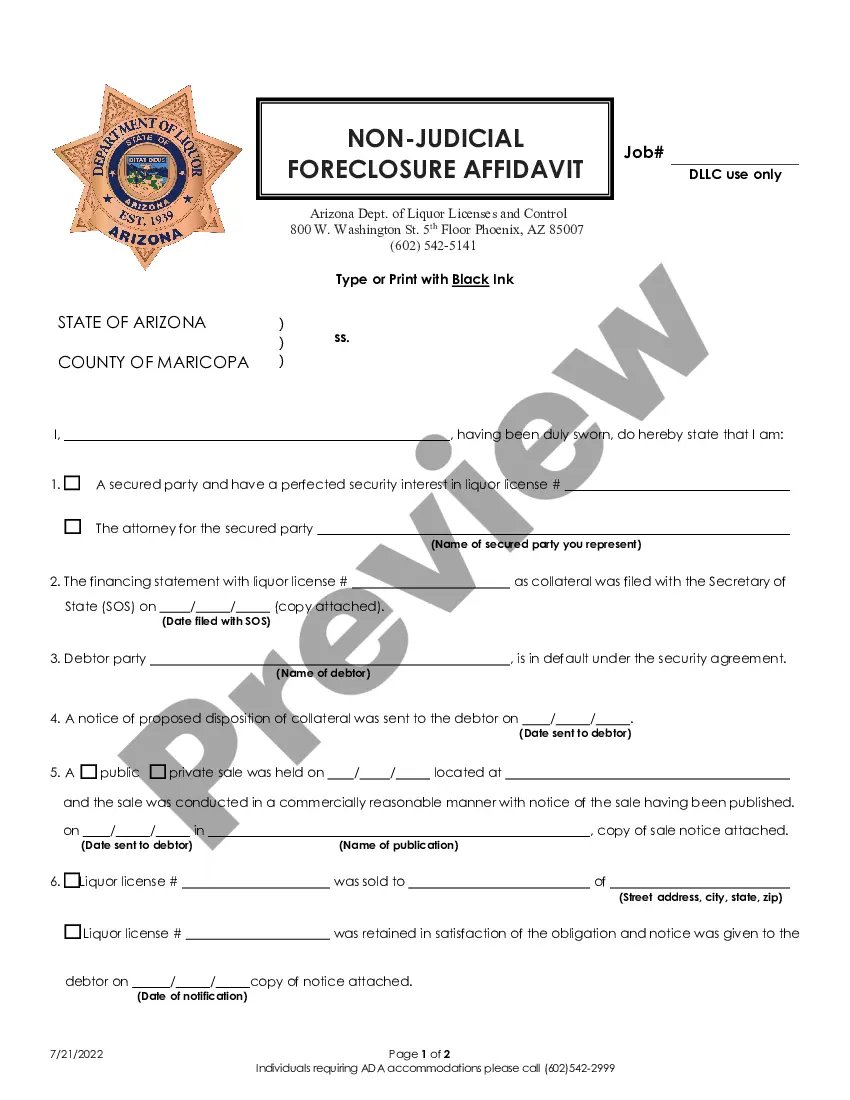
Affidavit in Support of Motion to Discharge Writ of Garnishment
Understanding this form
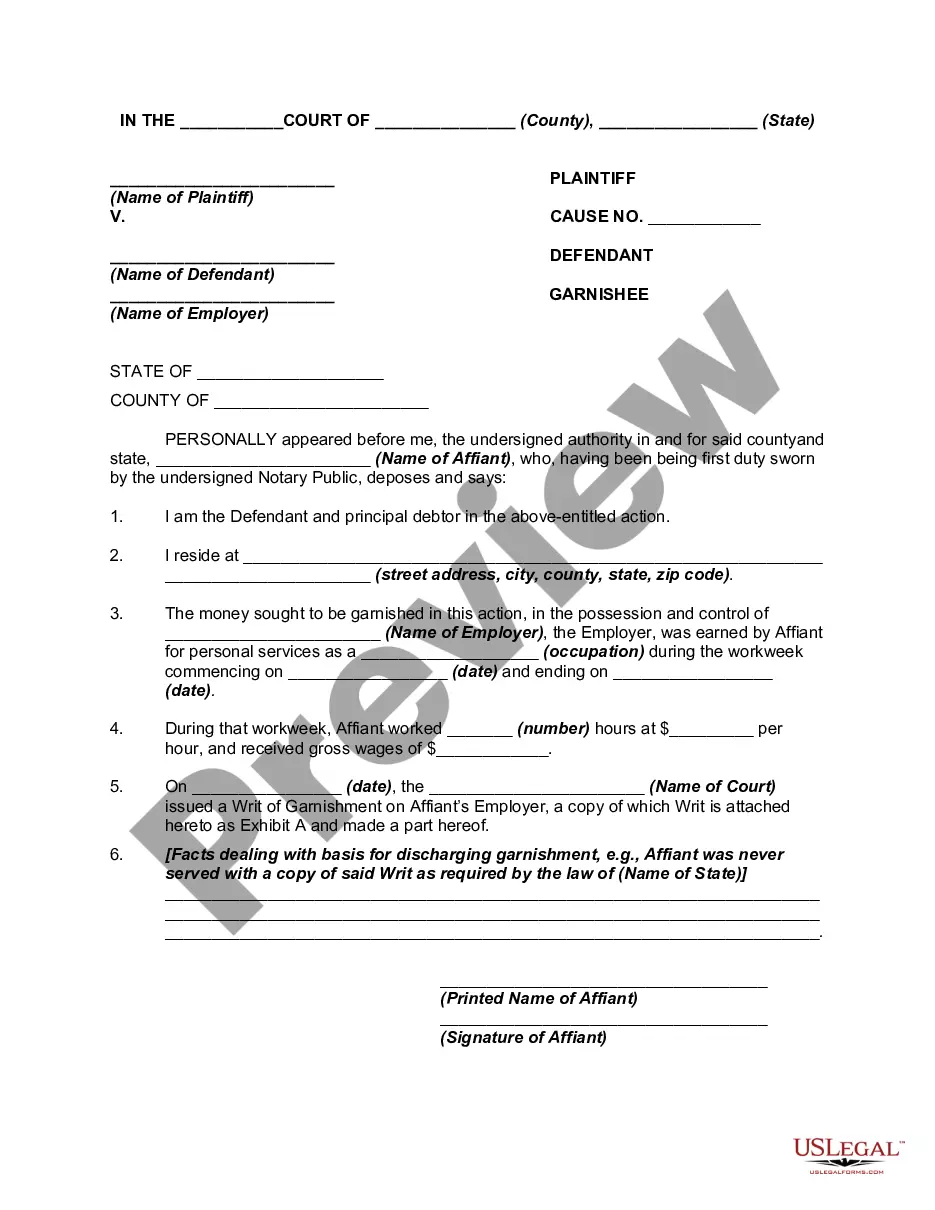
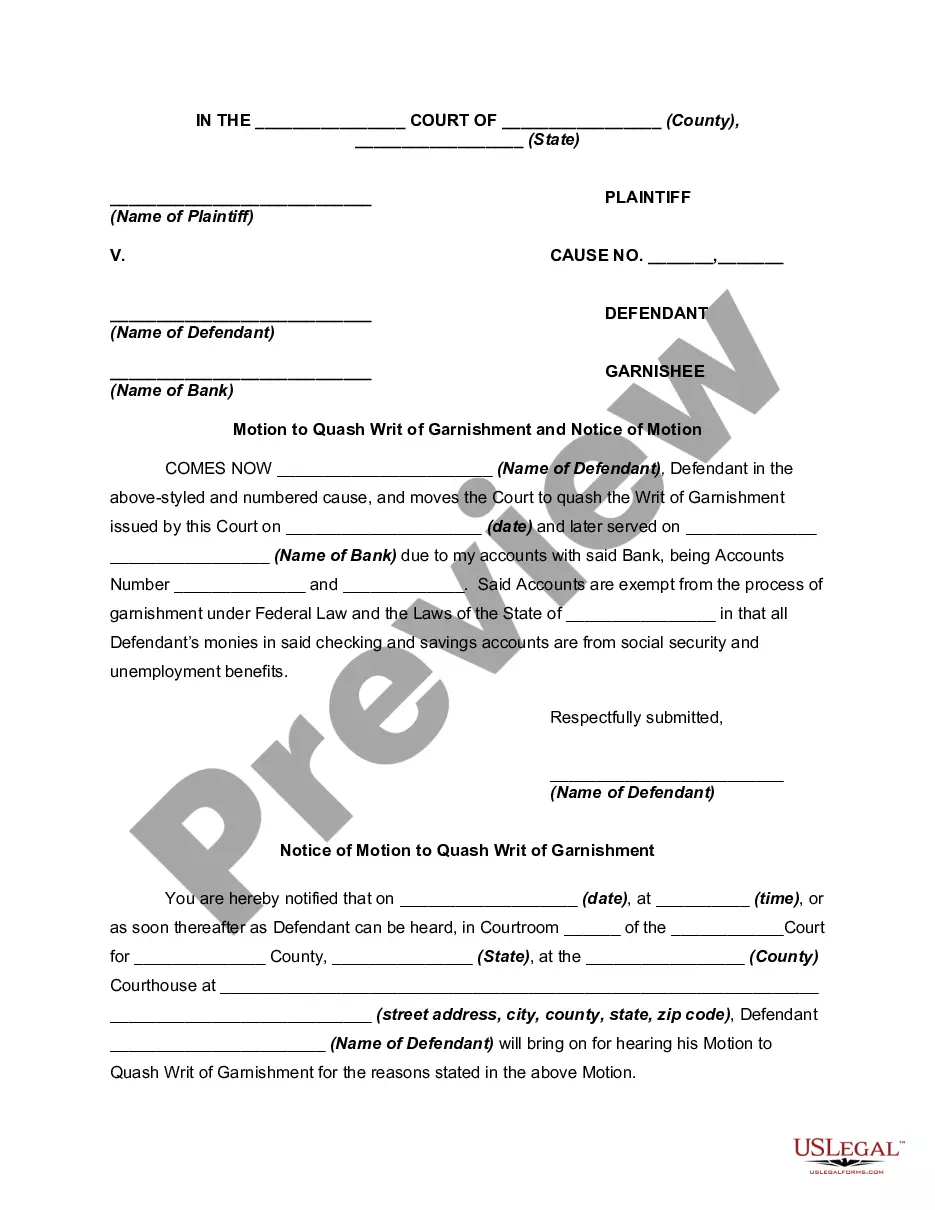
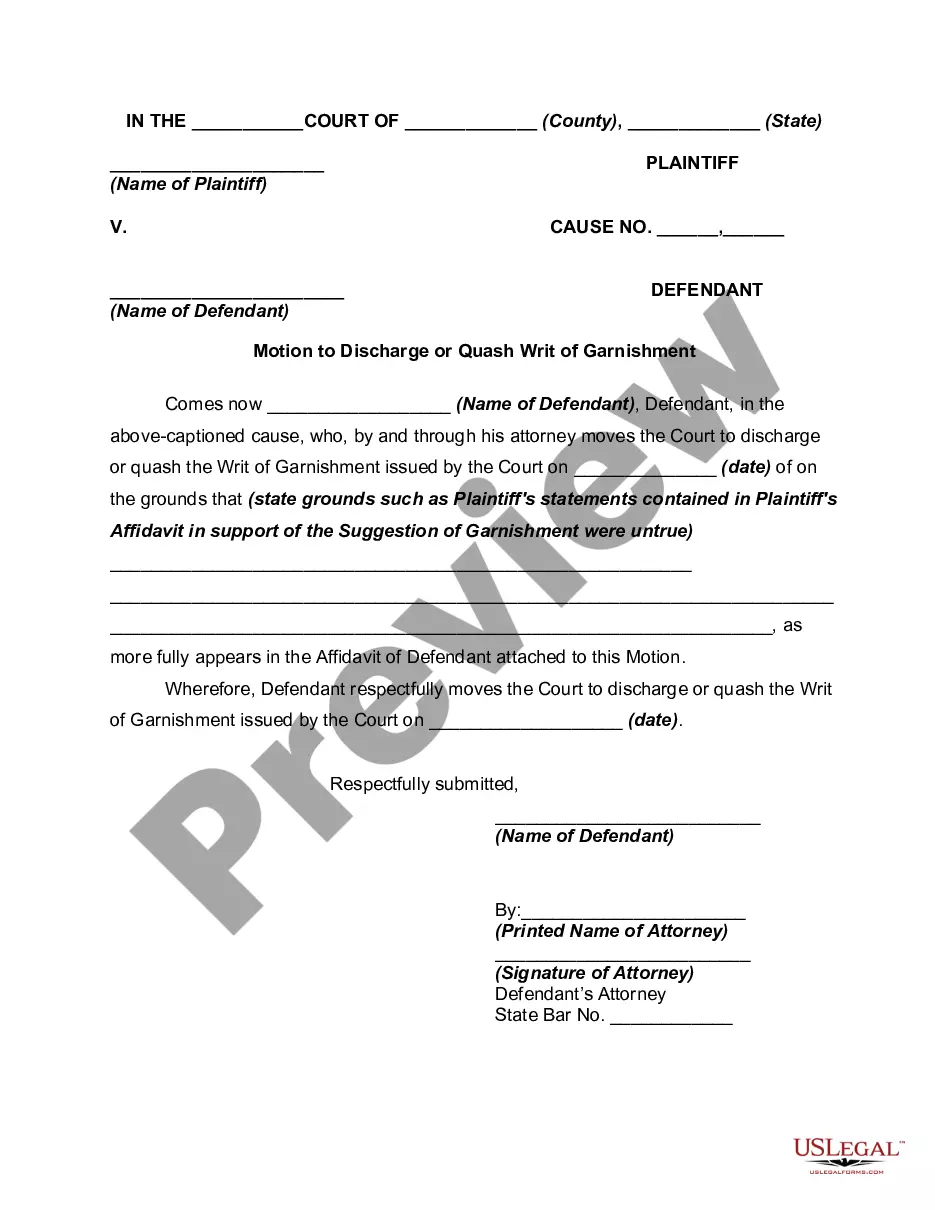
The Affidavit in Support of Motion to Discharge Writ of Garnishment is a legal document used by a defendant to contest a court's order that permits their employer to withhold a portion of their wages to satisfy a debt. This form is essential for individuals seeking to challenge the garnishment and provide evidence that supports their claim for discharge of the writ. It differs from other forms related to debt collection because it specifically addresses wage garnishments and the circumstances under which they may be deemed improper or unlawful.
Key parts of this document
- Identifying information for the plaintiff, defendant, and garnishee (employer).
- A declaration from the affiant (defendant) about their residency and employment details.
- Details of the writ of garnishment and the reasons for its discharge.
- A summary of the affiant's earnings during the workweek in question.
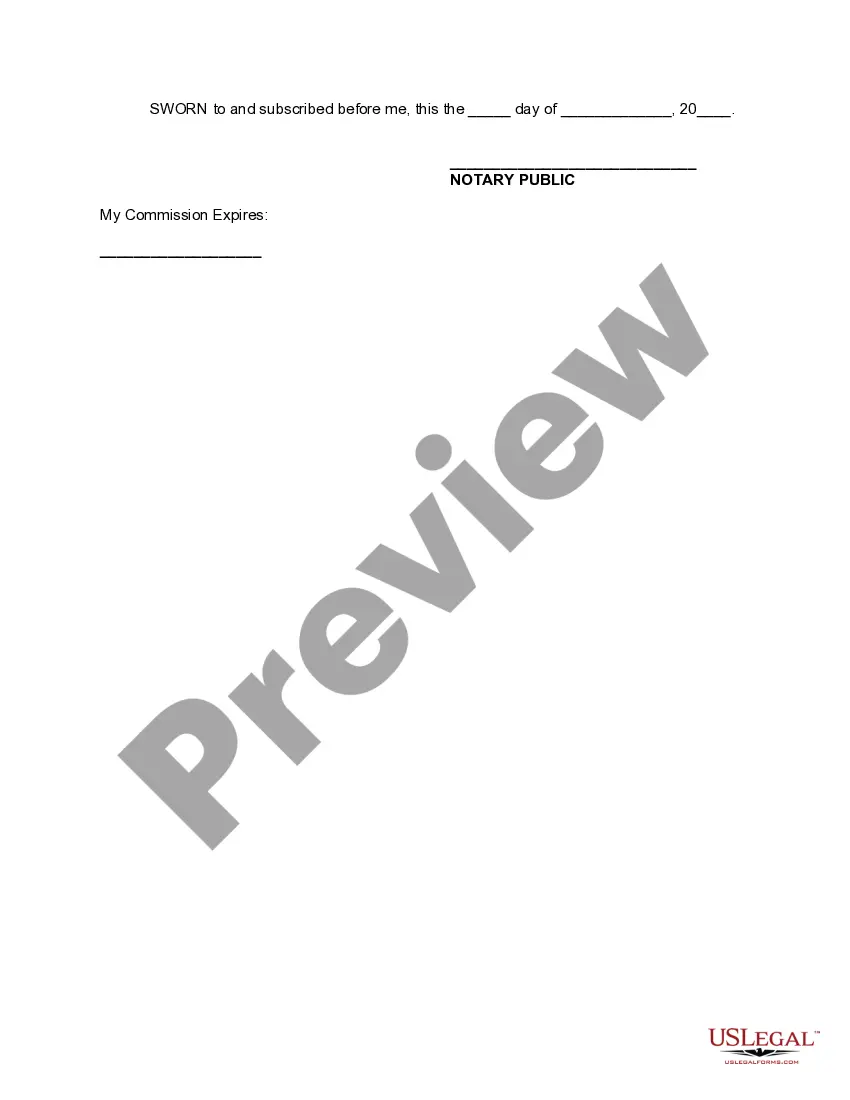
- Space for notarization to affirm the authenticity of the affiantâs statements.
Common use cases
This form should be used when a defendant receives a writ of garnishment for their wages, and they believe the garnishment is unjust. Situations may include not being properly served with the writ, disputes over the amount of debt owed, or circumstances that justify the release of their wages. For instance, if the defendant was not informed of the court ruling or if they can prove that the garnishment would cause undue financial hardship, this affidavit can be submitted to seek relief.
Who needs this form
- Individuals who have been subject to a wage garnishment order.
- Defendants who believe the garnishment is based on incorrect or inadequate information.
- Anyone wishing to contest the garnishment to protect their earnings and financial stability.
How to complete this form
- Enter the names of the plaintiff, defendant, and employer in the specified sections.
- Provide the affiant's (defendant's) residential address and occupation.
- Detail the workweek dates and the total hours worked, including the gross wages earned.
- Attach a copy of the writ of garnishment as evidence.
- Clearly state the facts supporting the request to discharge the garnishment.
- Sign the affidavit in the presence of a notary public to ensure it is legally valid.
Notarization guidance
Yes, this form must be notarized to be legally valid. Notarization confirms the identity of the affiant and the authenticity of their statements. US Legal Forms offers integrated online notarization, which is available 24/7 through secure video calls, ensuring convenience and compliance without the need to travel.
Get your form ready online
Our built-in tools help you complete, sign, share, and store your documents in one place.
Make edits, fill in missing information, and update formatting in US Legal Forms—just like you would in MS Word.
Download a copy, print it, send it by email, or mail it via USPS—whatever works best for your next step.
Sign and collect signatures with our SignNow integration. Send to multiple recipients, set reminders, and more. Go Premium to unlock E-Sign.
If this form requires notarization, complete it online through a secure video call—no need to meet a notary in person or wait for an appointment.
We protect your documents and personal data by following strict security and privacy standards.

Make edits, fill in missing information, and update formatting in US Legal Forms—just like you would in MS Word.

Download a copy, print it, send it by email, or mail it via USPS—whatever works best for your next step.

Sign and collect signatures with our SignNow integration. Send to multiple recipients, set reminders, and more. Go Premium to unlock E-Sign.

If this form requires notarization, complete it online through a secure video call—no need to meet a notary in person or wait for an appointment.

We protect your documents and personal data by following strict security and privacy standards.
Common mistakes to avoid
- Failing to provide accurate information about wages and employment.
- Not attaching the necessary supporting documents, such as the writ of garnishment.
- Submitting the affidavit without notarization when required.
- Insufficiently explaining the grounds for discharging the garnishment.
Advantages of online completion
- Convenient access to the form allows for easy downloading and completion at your own pace.
- Editable format ensures that you can modify the content to fit your specific circumstances.
- Reliable templates drafted by licensed attorneys to help ensure compliance with legal standards.
Looking for another form?




Form popularity
FAQ
If it's already started, you can try to challenge the judgment or negotiate with the creditor. But, they're in the driver's seat, and if they don't allow you to stop a garnishment by agreeing to make voluntary payments, you can't really force them to. You can, however, stop the garnishment by filing a bankruptcy case.
If you receive a notice of a wage garnishment order, you might be able to protect or exempt some or all of your wages by filing an exemption claim with the court. You can also stop most garnishments by filing for bankruptcy. Your state's exemption laws determine the amount of income you'll be able to keep.
Identify The Funds Or Asset You Want To Collect. Prepare The Writ Of Execution. Prepare The Notice of Execution. Prepare The Writ Of Garnishment. Prepare Instructions To The Sheriff Or Constable. Have Your Papers Served And Watch For A Claim Of Exemption. Track Your Collection And Judgment.
The Order dissolves the existing writ of garnishment. It means that whatever was being garnished, wages or bank accounts, are no longer subject to the writ of garnishment.
Include in your letter what steps you plan to take to address the default, such as making a reasonable effort at a payment plan. Mention any circumstances that have changed recently to make your ability to pay off the debt more likely. This conveys to the creditor your goodwill toward satisfying the debt.
It releases your garnishment! When a creditor sues you, they eventually get a judgment in court. With this judgment, they can send a letter to your employer so that they can garnish your wages.A release of garnishment would stop any future garnishments.
Include in your letter what steps you plan to take to address the default, such as making a reasonable effort at a payment plan. Mention any circumstances that have changed recently to make your ability to pay off the debt more likely. This conveys to the creditor your goodwill toward satisfying the debt.
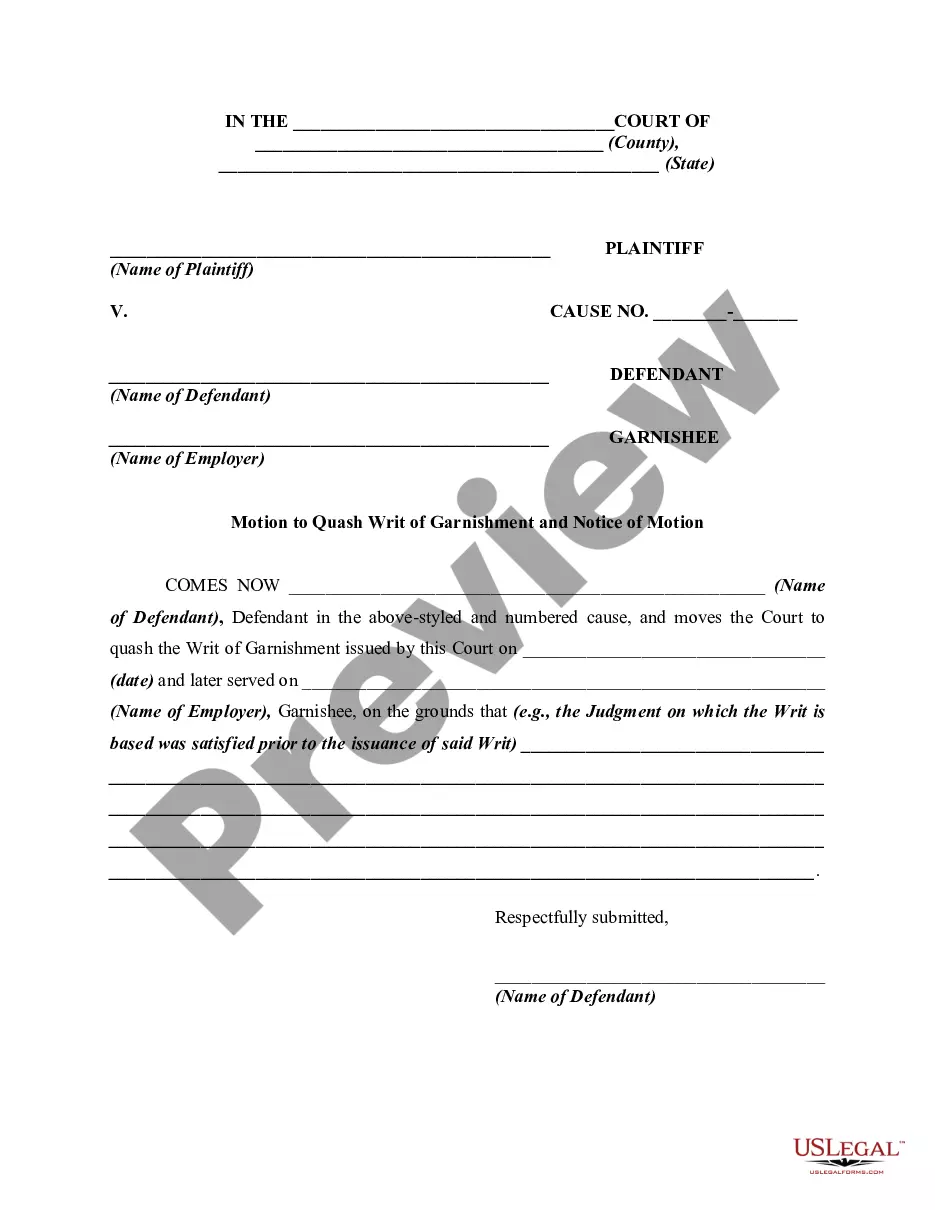
Respond to the Creditor's Demand Letter. Seek State-Specific Remedies. Get Debt Counseling. Object to the Garnishment. Attend the Objection Hearing (and Negotiate if Necessary) Challenge the Underlying Judgment. Continue Negotiating.
In most states, employers answer a writ of garnishment by filling out the paperwork attached to the judgment and returning it to the creditor or the creditor's attorney.