Affidavit in Support of Motion to Order Expungement of Criminal Record
What this document covers
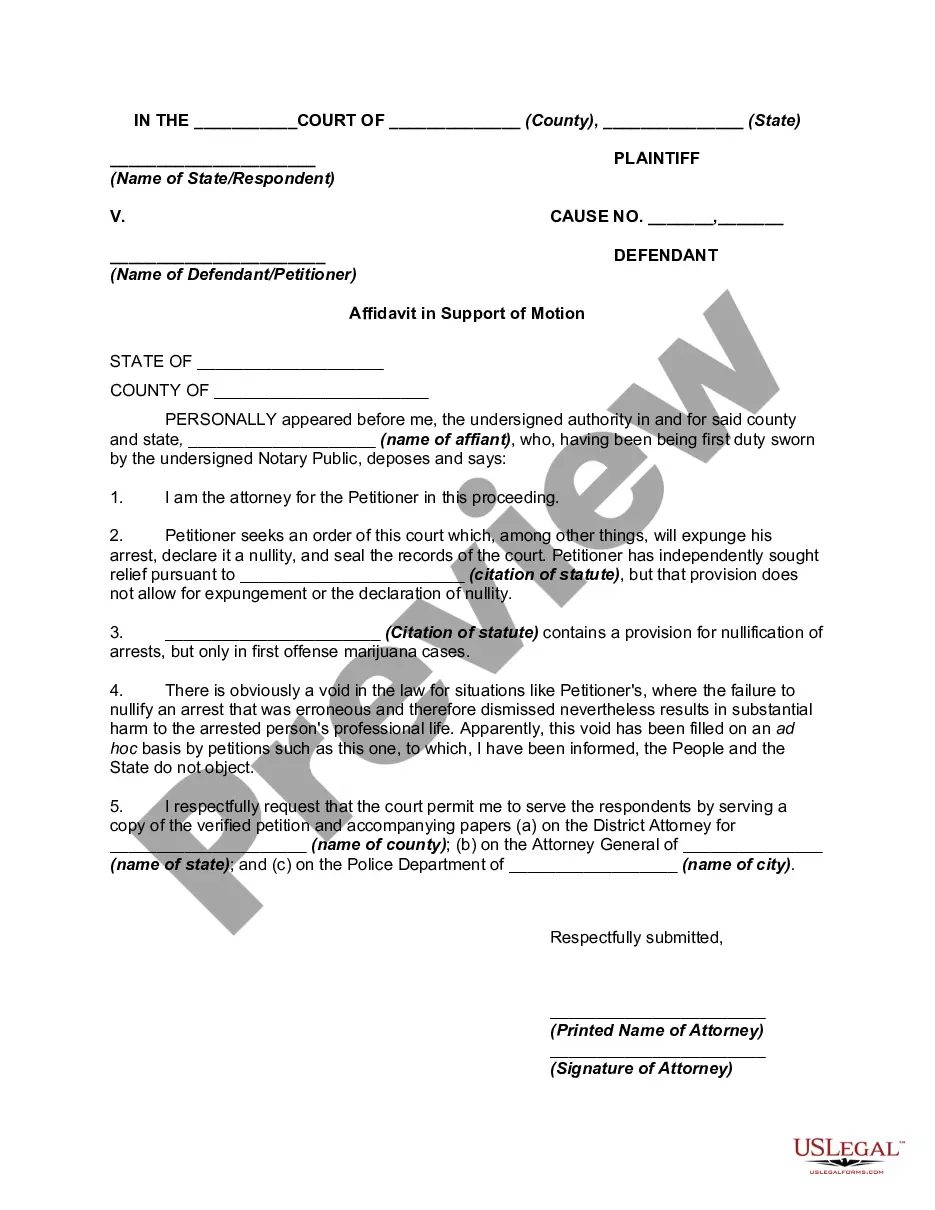
The Affidavit in Support of Motion to Order Expungement of Criminal Record is a legal document used to request a court order to erase or seal records of a criminal conviction. This process, known as expungement, can apply even to felony convictions in certain circumstances. The affidavit serves as a supporting statement outlining the reasons for the expungement, helping to clarify the case to the court. Unlike other legal forms, this affidavit focuses specifically on petitioning the court to nullify an arrest and seal the related records, ensuring that individuals can move forward professionally and personally without the burden of a criminal history.
Main sections of this form
- Title of the court case including plaintiff and defendant names
- Affiant's declaration with a statement under oath
- Outline of the request to expunge and seal arrest records
- Citation of applicable statutes related to the expungement
- List of respondents to be served notification of the motion
- Signature and printed name of the affiant's attorney
Common use cases
This form is used when an individual has been convicted of a crime and is seeking to have that conviction expunged from their criminal record. It is often necessary when the conviction impacts one's career opportunities or life circumstances negatively. You would use this affidavit if you have the legal standing to request expungement and believe that your case fits the eligibility criteria as set by state law.
Who can use this document
This affidavit is intended for:
- Individuals with a criminal conviction seeking to expunge their records.
- Attorneys representing clients who wish to file for expungement.
- Individuals who have had their criminal charges dismissed or not convicted but want to clear their record.
- Those who meet specific eligibility criteria set by their stateâs laws for expungement.
Steps to complete this form
- Identify the court case title, including the names of the plaintiff and defendant.
- Complete the affidavit section by entering your name and the name of your attorney.
- Specify the statutory basis for your motion and reference any relevant laws.
- List the names of parties to be served, such as the District Attorney and the Attorney General of your state.
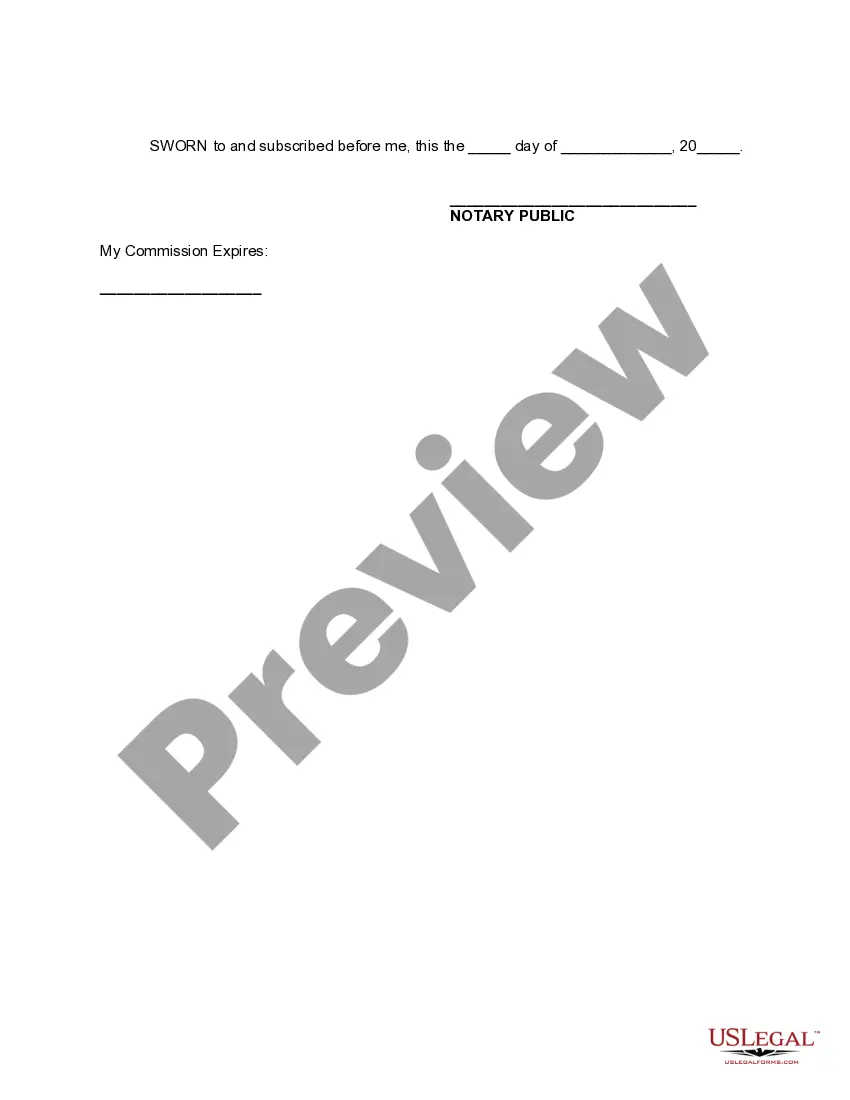
- Sign the affidavit in the presence of a notary public, including their acknowledgment.
Does this document require notarization?
Yes, this form must be notarized to be legally valid. This requirement ensures the authenticity of the information provided and protects against fraud. US Legal Forms offers integrated online notarization services, allowing you to have your affidavit notarized via a secure video call at any time, ensuring convenience and legal equivalence without the need for travel.
Get your form ready online
Our built-in tools help you complete, sign, share, and store your documents in one place.
Make edits, fill in missing information, and update formatting in US Legal Forms—just like you would in MS Word.
Download a copy, print it, send it by email, or mail it via USPS—whatever works best for your next step.
Sign and collect signatures with our SignNow integration. Send to multiple recipients, set reminders, and more. Go Premium to unlock E-Sign.
If this form requires notarization, complete it online through a secure video call—no need to meet a notary in person or wait for an appointment.
We protect your documents and personal data by following strict security and privacy standards.

Make edits, fill in missing information, and update formatting in US Legal Forms—just like you would in MS Word.

Download a copy, print it, send it by email, or mail it via USPS—whatever works best for your next step.

Sign and collect signatures with our SignNow integration. Send to multiple recipients, set reminders, and more. Go Premium to unlock E-Sign.

If this form requires notarization, complete it online through a secure video call—no need to meet a notary in person or wait for an appointment.

We protect your documents and personal data by following strict security and privacy standards.
Avoid these common issues
- Failing to provide accurate names and citations of relevant statutes.
- Not properly signing the affidavit in front of a notary public.
- Leaving out information about the parties to be served, leading to delays.
- Not checking the specific eligibility criteria set by state law prior to filing.
Why complete this form online
- Convenience: Downloadable forms can be completed at your own pace.
- Editability: Adjust the form to fit your unique circumstances easily.
- Reliability: Forms are drafted by licensed attorneys to ensure compliance with legal standards.
Looking for another form?









Form popularity
FAQ
Used to support a court motion to erase or seal criminal records, the Affidavit in Support of Motion to Order Expungement of Criminal Record provides a sworn statement of facts and reasons for expungement. It helps the court understand why an arrest should be nullified and related records sealed, including scenarios where felonies may be expunged under applicable state rules.
Eligibility for expungement is state-specific; this form includes the Affidavit in Support with a sworn declaration, citation of applicable statutes, outline of the expungement request, and a list of respondents to be served. To determine Florida requirements, review the relevant statutes and court rules and ensure the motion is properly supported with the affidavit and the requested relief to expunge and seal records.
Generally, file the motion and the Affidavit in Support with the court, include the title of the case (plaintiff and defendant names), provide the affiant's sworn declaration, outline the request to expunge and seal arrest records, cite applicable statutes, list respondents to be served, and have the affiant's attorney sign. Local rules may apply.
Procedures vary by state; this form is a template to support a motion to expunge and seal records, typically requiring a sworn affidavit, statutorily cited grounds, and service on respondents. While individuals may prepare it, consult a licensed attorney to ensure eligibility and proper filing in the relevant jurisdiction.
In the affidavit, state under oath the reasons for expungement, outline the request to expunge and seal arrest records, cite the applicable statutes, and identify respondents to be served; ensure the statement demonstrates eligibility and the impact on records under state law.
This form is the sworn affidavit component within the expungement motion. It includes an affiant's declaration, an outline of the expungement and sealing request, statute citations, a list of respondents to be served, and the attorney's signature. A plain petition without an affidavit may lack the required oath and supporting factual detail.