Sale of Painting with Reservation of Copyright
About this form
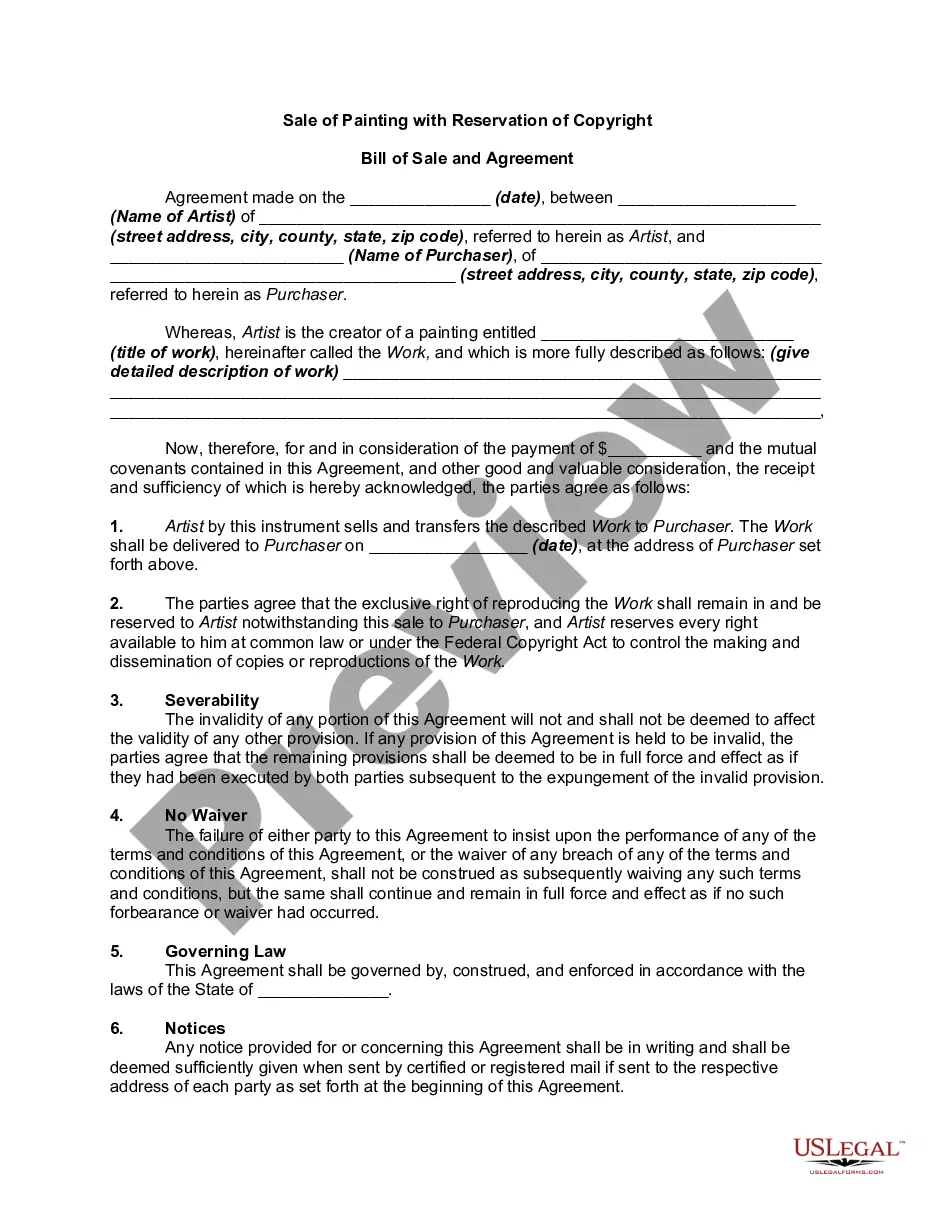
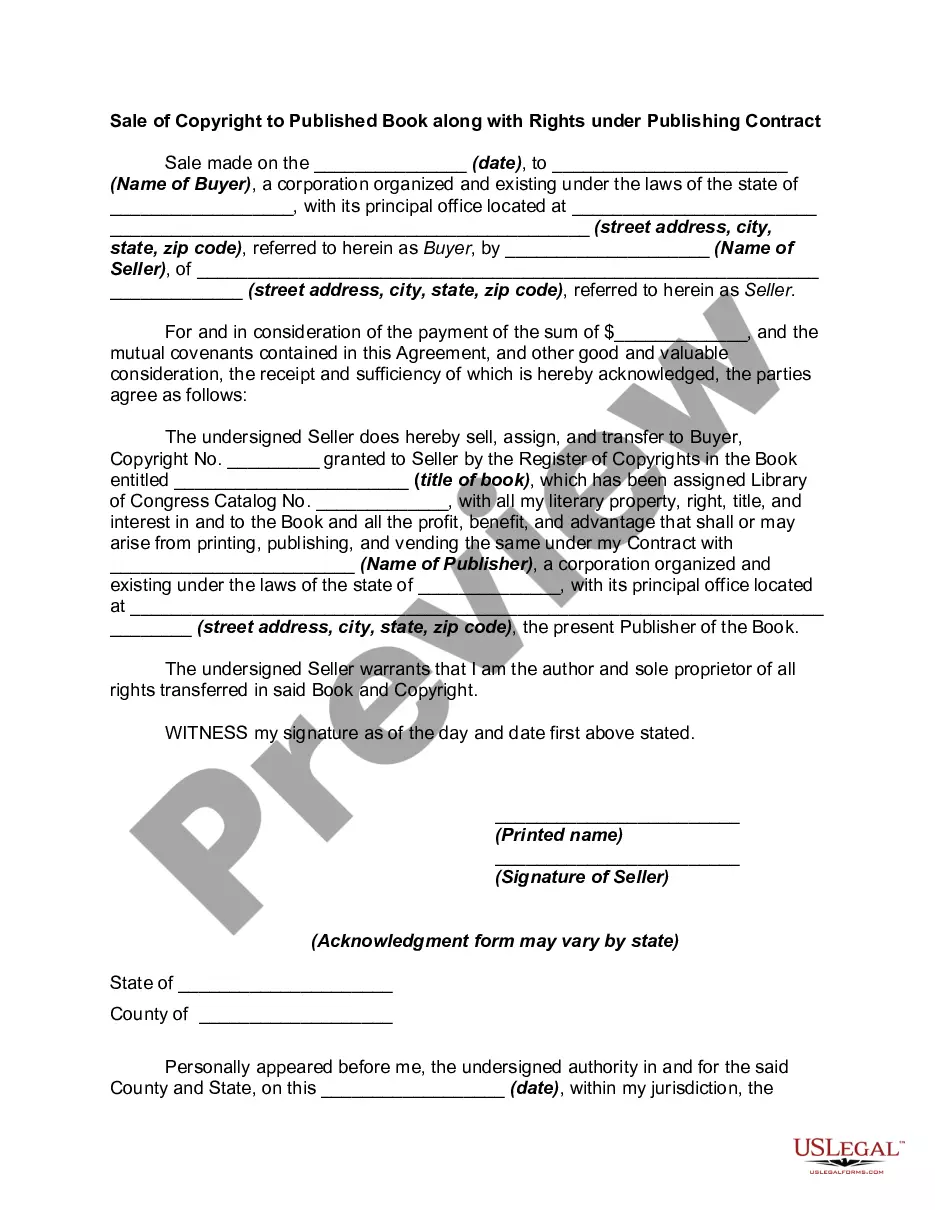
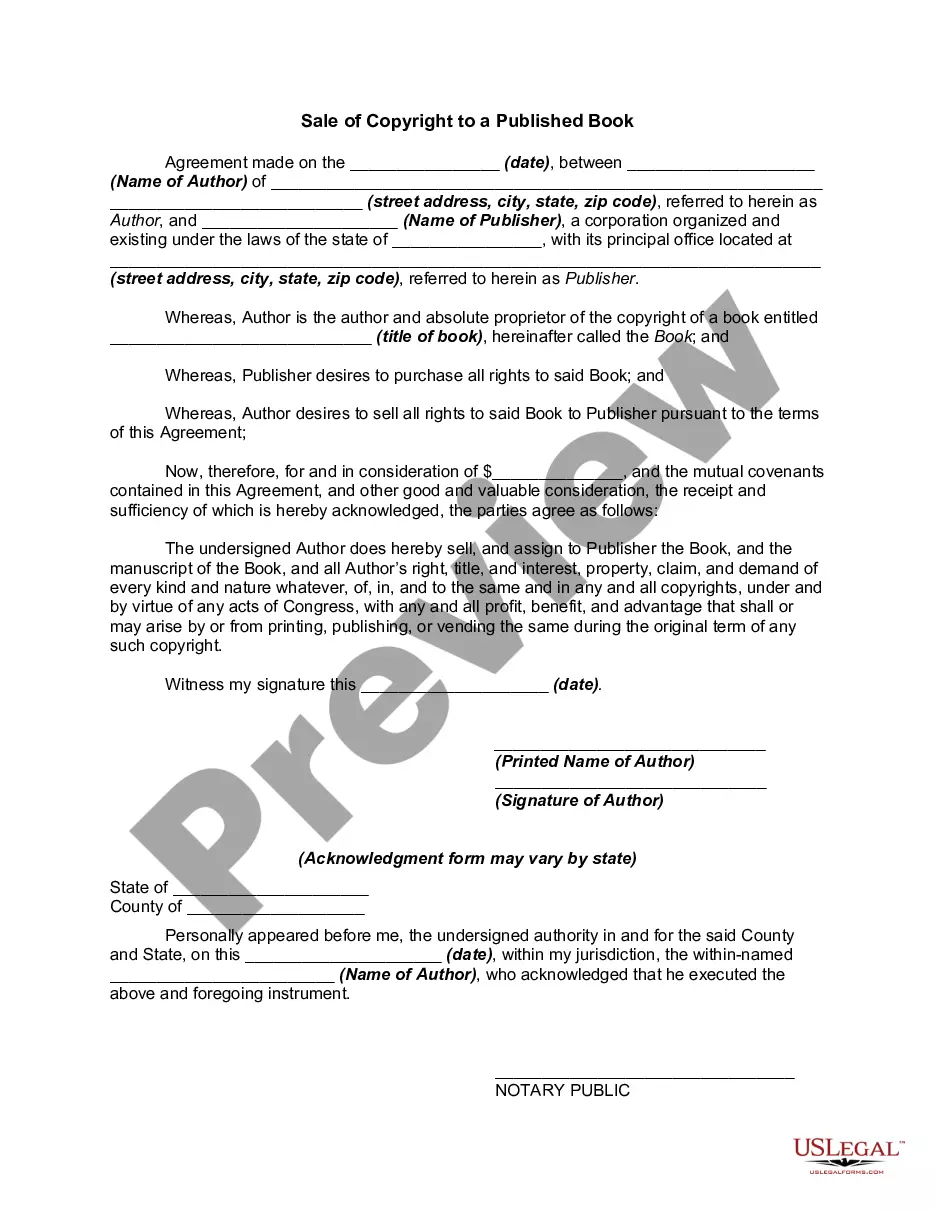
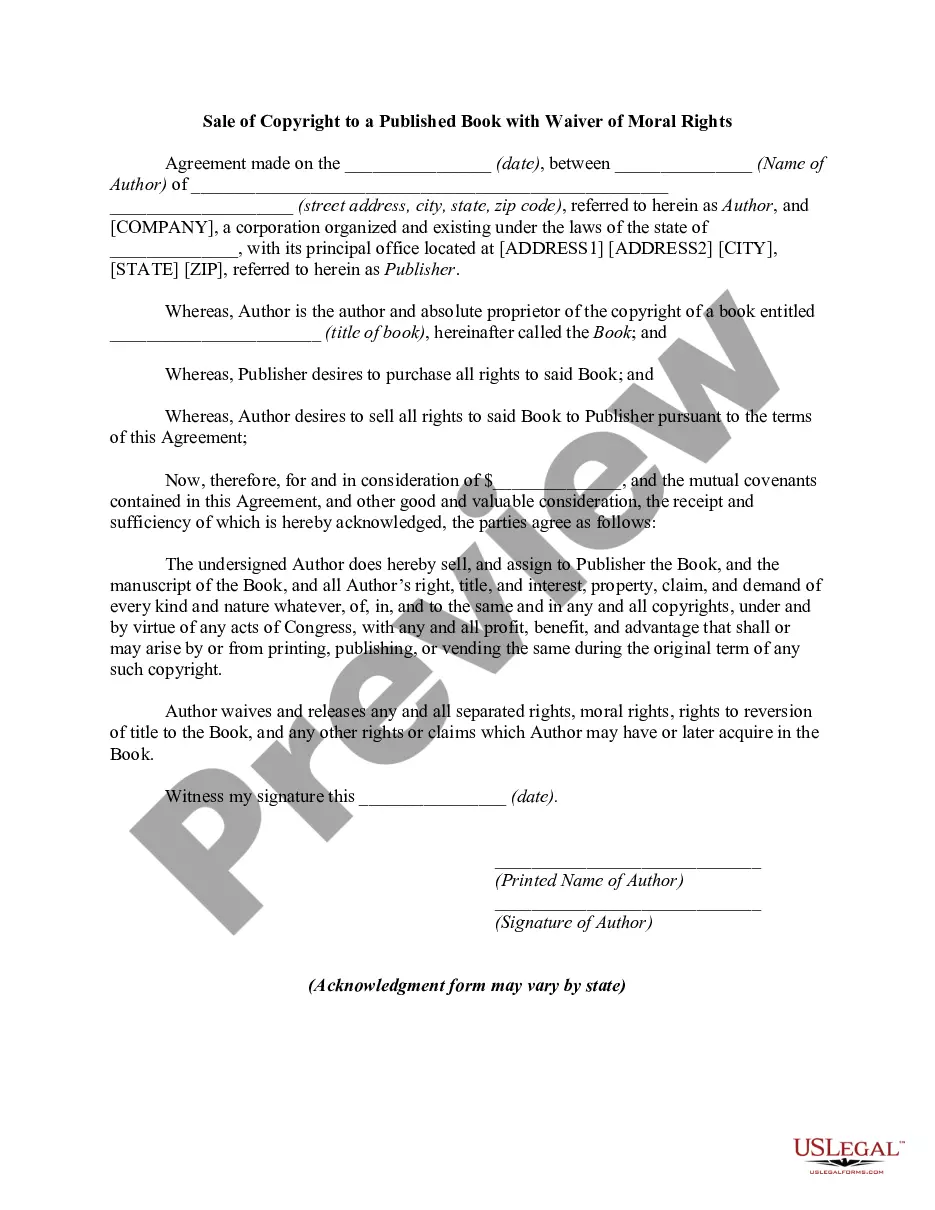
The Sale of Painting with Reservation of Copyright is a legal document that allows an artist to sell their artwork while retaining certain copyright protections. This form ensures that the artist maintains the right to reproduce, distribute, and display the painting, even after the sale. Unlike a standard bill of sale that cedes all rights to the purchaser, this agreement specifically reserves the copyright for the artist, which is crucial for any original work of authorship.
What’s included in this form
- Identification of the parties: Names and addresses of the artist and purchaser.
- Description of the artwork: Title and detailed description of the painting being sold.
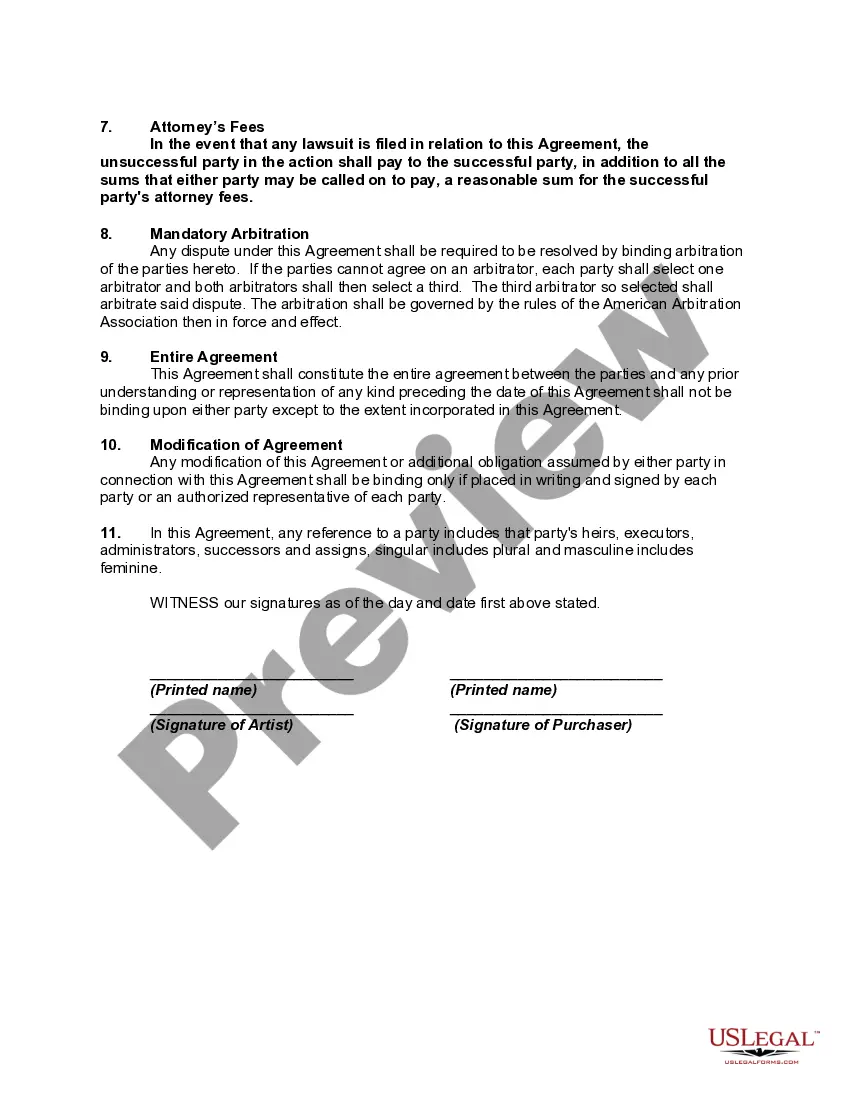
- Sale terms: Amount being paid and date of delivery.
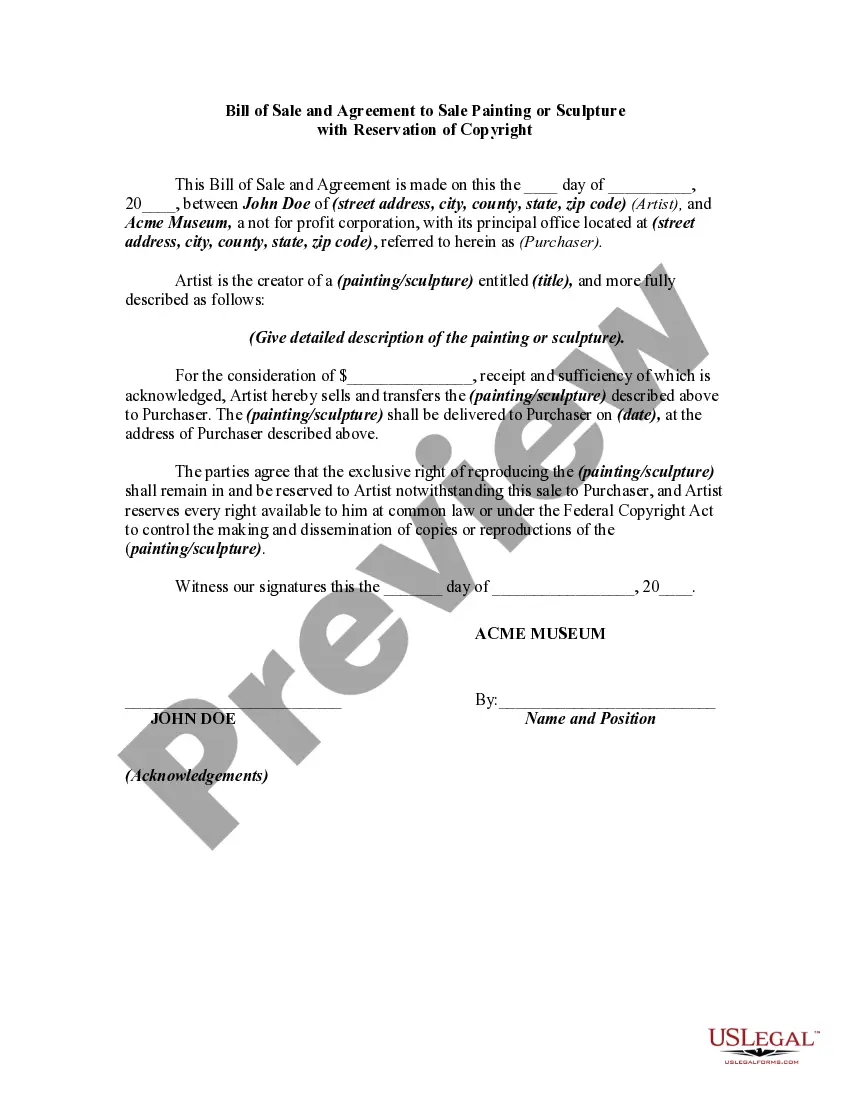
- Reservation of rights: A clause ensuring the artist retains copyright over the work.
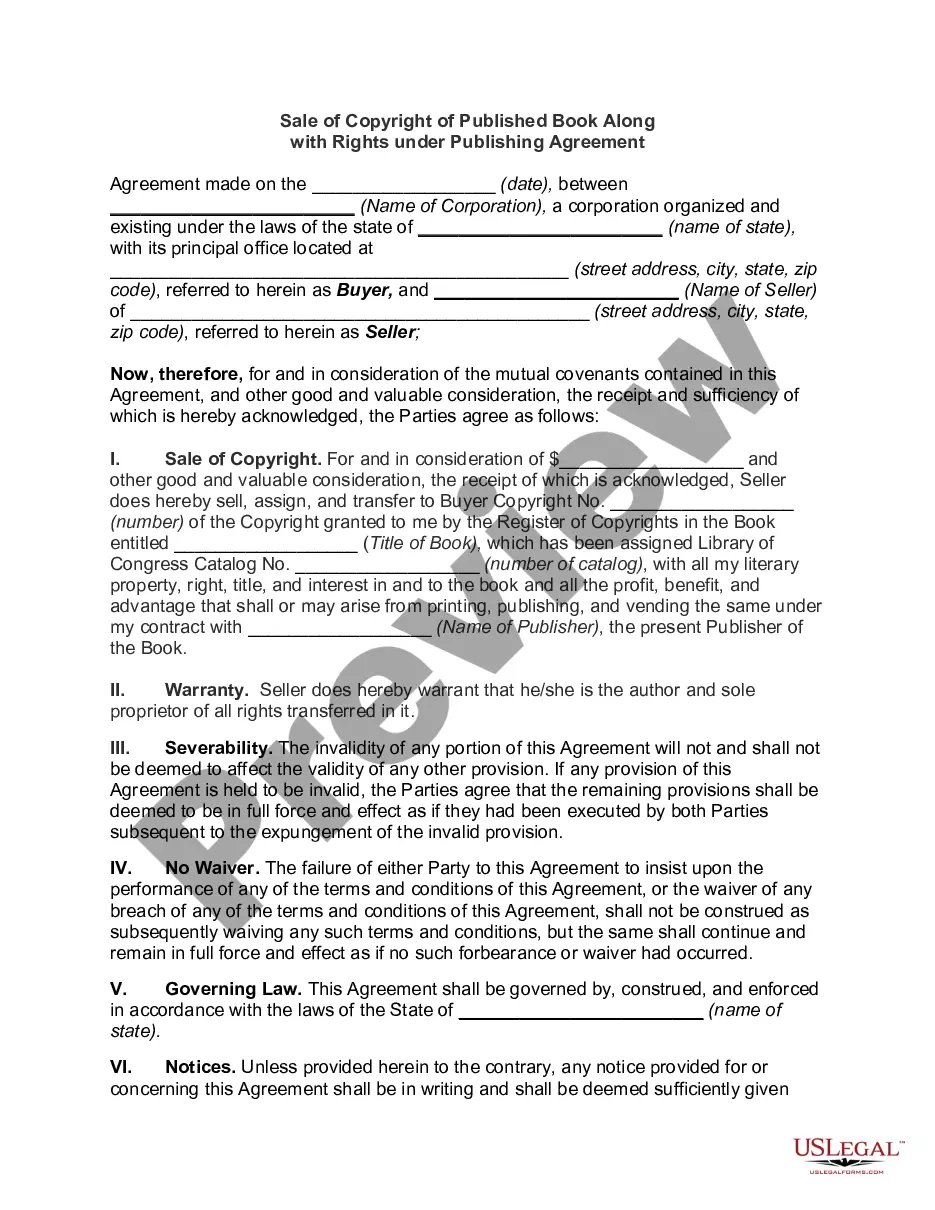
- Severability clause: Addresses the validity of the remaining provisions should one be found invalid.
- Governing law: Specifies which state laws apply to the agreement.
When this form is needed
This form should be used when an artist wants to sell a painting but still wishes to keep the copyright. It is ideal for situations where the artist plans to create reproductions or merchandise based on the original work. It can also be particularly useful when selling work to galleries or collectors who may want to display the painting but not claim ownership of the copyright.
Intended users of this form
- Artists looking to sell their original paintings while retaining copyright.
- Art collectors interested in purchasing works but wanting to clarify copyright ownership.
- Gallery owners who require clear terms regarding the rights to reproduced art.
Instructions for completing this form
- Identify the parties by entering the names and addresses of the artist and purchaser.
- Specify the title of the artwork and provide a detailed description of the painting.
- Enter the agreed sale amount and date of delivery.
- Review and sign the agreement, ensuring both parties provide their printed names and signatures.
- Confirm that any additional agreements or modifications are documented in writing.
Does this form need to be notarized?
This form does not typically require notarization unless specified by local law. However, having it notarized can add an extra layer of legal assurance for both parties.
Get your form ready online
Our built-in tools help you complete, sign, share, and store your documents in one place.
Make edits, fill in missing information, and update formatting in US Legal Forms—just like you would in MS Word.
Download a copy, print it, send it by email, or mail it via USPS—whatever works best for your next step.
Sign and collect signatures with our SignNow integration. Send to multiple recipients, set reminders, and more. Go Premium to unlock E-Sign.
If this form requires notarization, complete it online through a secure video call—no need to meet a notary in person or wait for an appointment.
We protect your documents and personal data by following strict security and privacy standards.

Make edits, fill in missing information, and update formatting in US Legal Forms—just like you would in MS Word.

Download a copy, print it, send it by email, or mail it via USPS—whatever works best for your next step.

Sign and collect signatures with our SignNow integration. Send to multiple recipients, set reminders, and more. Go Premium to unlock E-Sign.

If this form requires notarization, complete it online through a secure video call—no need to meet a notary in person or wait for an appointment.

We protect your documents and personal data by following strict security and privacy standards.
Typical mistakes to avoid
- Failing to provide a detailed description of the artwork, which can lead to confusion about what is being sold.
- Not specifying the date of delivery, which can create a misunderstanding about when the artwork will be transferred.
- Omitting the reservation of copyright clause, which negates the primary purpose of the form.
Benefits of using this form online
- Convenience of easily downloading and customizing the form at any time.
- Editability allows for quick adjustments to meet specific agreements between the parties.
- Reliability from using professionally drafted templates by licensed attorneys to ensure legality.
Legal use & context
- The agreement effectively protects an artistâs copyright while outlining the rights of the purchaser.
- Adheres to federal copyright laws and relevant state statutes.
- Can be enforced in court if either party fails to uphold their obligations.
Looking for another form?




Form popularity
FAQ
Whenever possible, use only your own source material. Use out-of-copyright materials. Use public domain images. Obtain permission to use the image. Keep track of your sources. Know the laws in your state and country.
As a general matter, copyright infringement occurs when a copyrighted work is reproduced, distributed, performed, publicly displayed, or made into a derivative work without the permission of the copyright owner.
Copying pre-existing works is legal, so long as the original work is in the public domain (meaning that the copyright on that work has expired).When your copies are substantially similar to the original, you are safe only in copying works that are in the public domain.
After an artist creates a piece, they have the right to make copies of their work, distribute those copies, perform or display the work publicly, or make works that derive from the original.Copyright only transfers to the piece's new owner if its artist evidences that it is his or her intent to transfer it.
Like anything that else that can be coptyrighted, artwork is protected by copyright when the art is affixed in a tanglibe form (such as a painting, sculpture, or drawing). You have to register your copyright with the US Copyright Office if you want to be able to take infringers to court and be awarded damages.
Go to the Library of Congress website and click on the electronic Copyright Office (eCO). Fill out the registration form and pay the required fee. Once the registrar's office examines your application, they will send you an official certificate of registration.
For freelance artists, the copyright remains with the artist. That is unless you sign over the copyright for the artwork to the person or company who commissioned it.You can sell them that reproduction (or usage) right, but retain the copyright for yourself.
The symbol © (the letter C in a circle), or the word "Copyright" or the abbreviation "Copr."; The year of first publication of the work; and. The name of the owner of copyright in the work.
Did you know that your works are automatically protected by U.S. copyright laws? As of January 1, 1978, under U.S. copyright law, a work is automatically protected by copyright when it is created. Specifically, A work is created when it is fixed in a copy or phonorecord for the first time.